 Seeking LED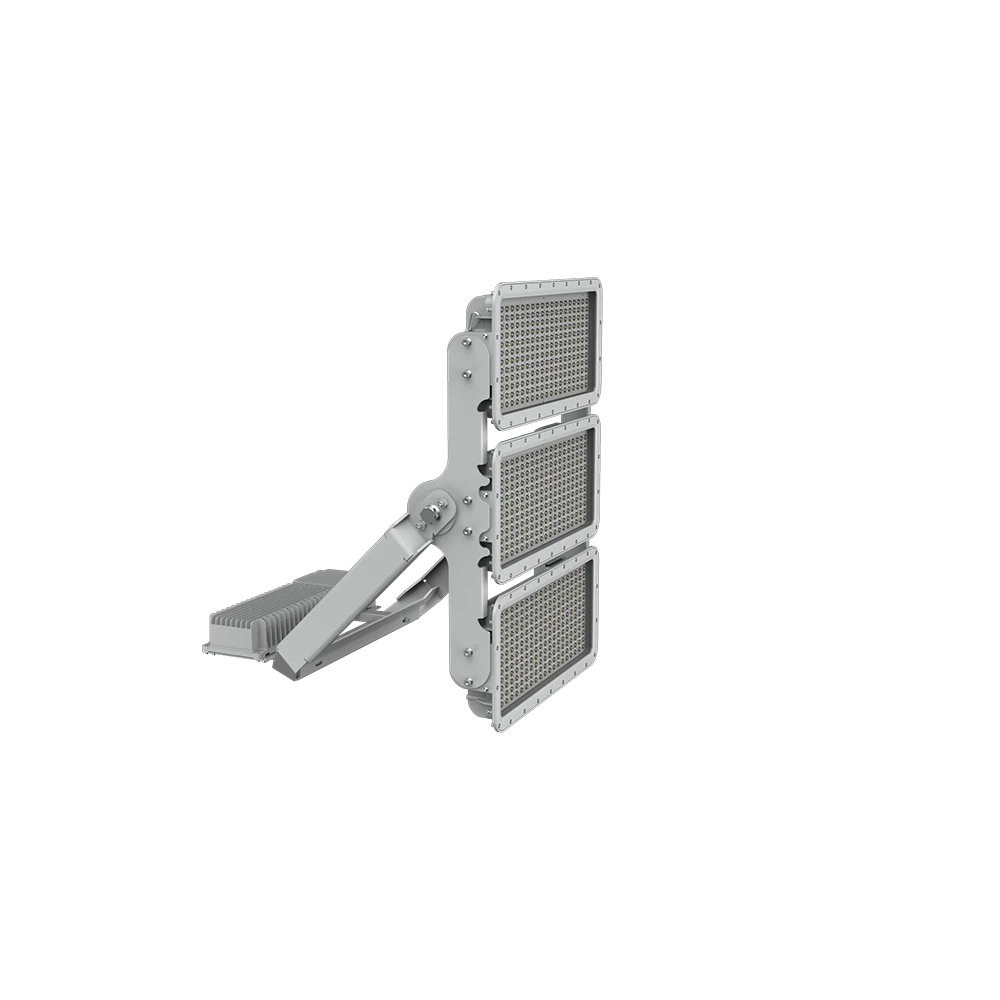

Submit your requirements here
Seeking LED expert will contact you shortly.
Search the whole station
SUPER III SERIES
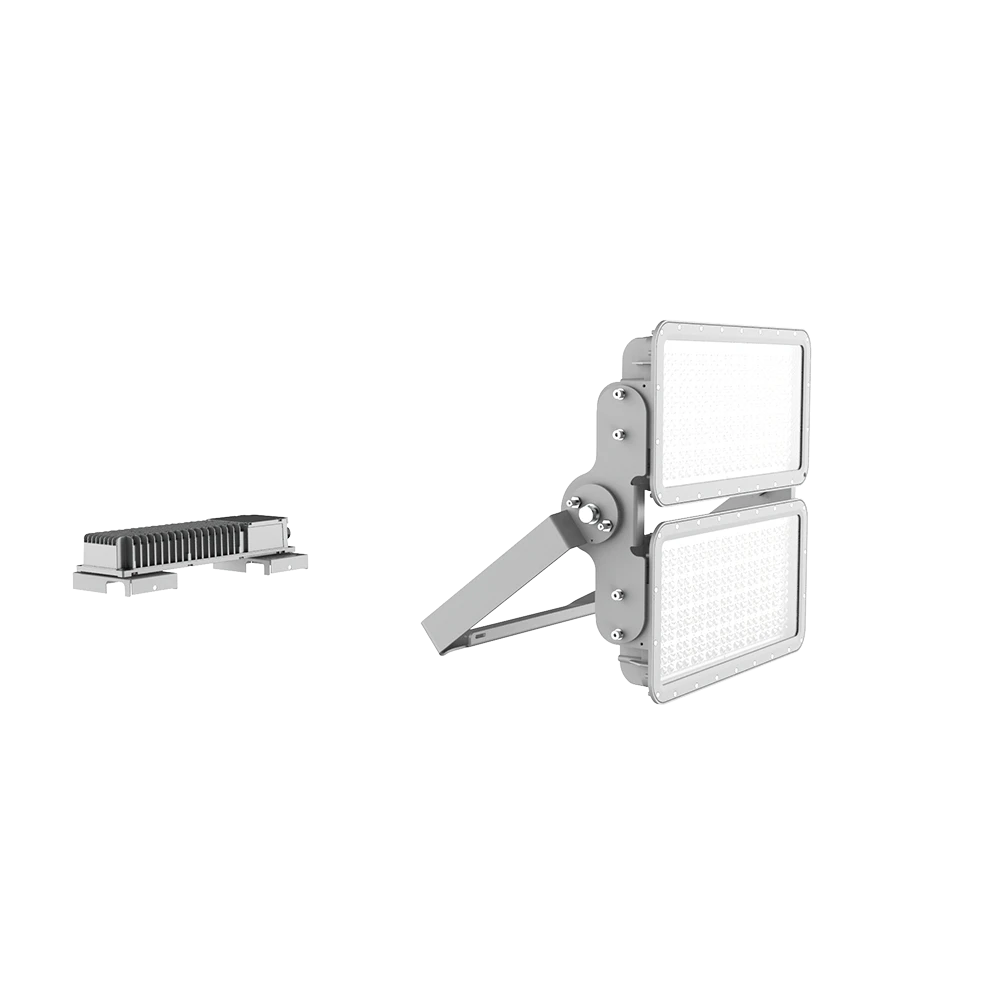
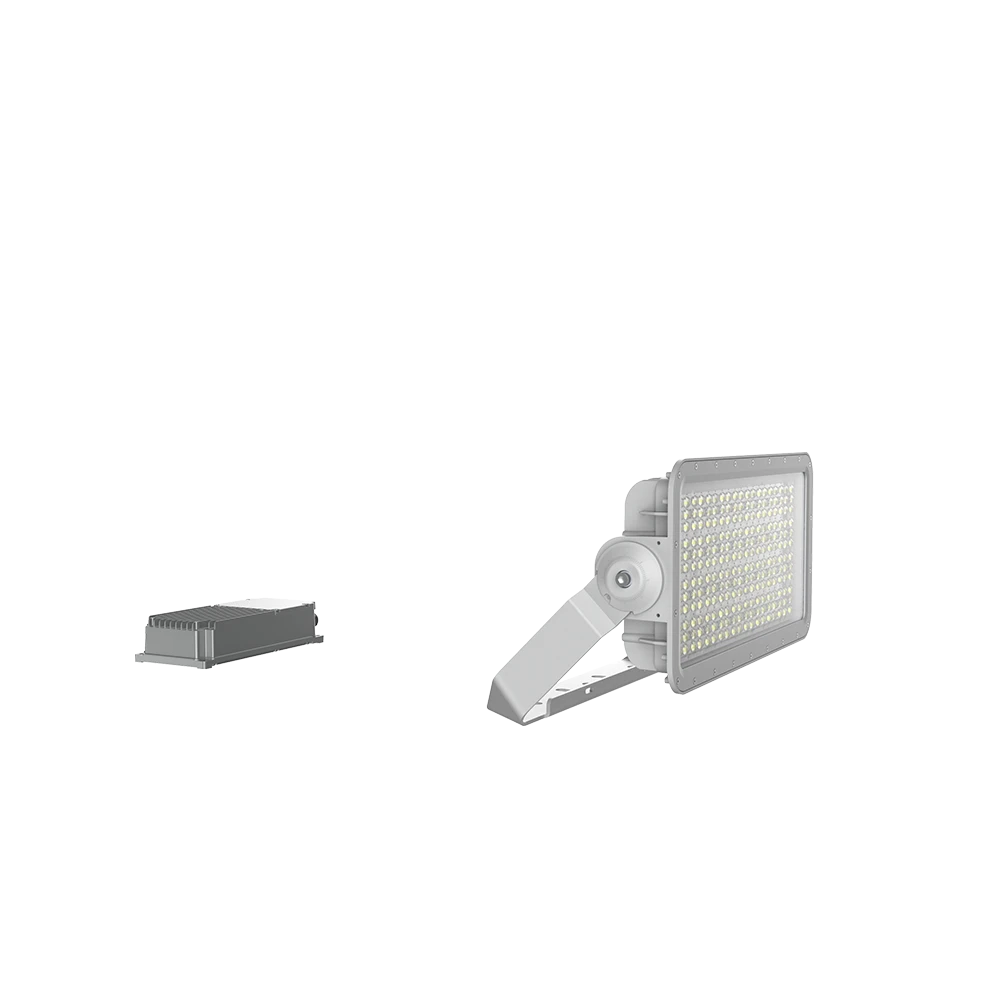
SEEKINGLED Professional Sports Stadium LED Lighting
The high-power LED stadium light offers a comprehensive range of precisely engineered beam angles: 10°, 20°, 30°, 60°, 90°, P50 and P60, enabling optimal adaptation to varying pitch dimensions and application requirements.
Available in 500 W and 1000 W variants, delivering up to 17000 lm per luminaire at an efficacy of 150 lm/W and a colour rendering index Ra > 80.
Fully compatible with DALI-2 and DMX512 digital dimming protocols for seamless integration into advanced lighting management systems.
SEEKINGLED provides specialist LED stadium lighting design services in full compliance with EN 12193 (Classes I, II and III), guaranteeing specified horizontal illuminance, vertical illuminance and uniformity values to meet the demanding requirements of professional competition, broadcast and training environments.
Sports Stadium LED Lighting Product Explanation Videos
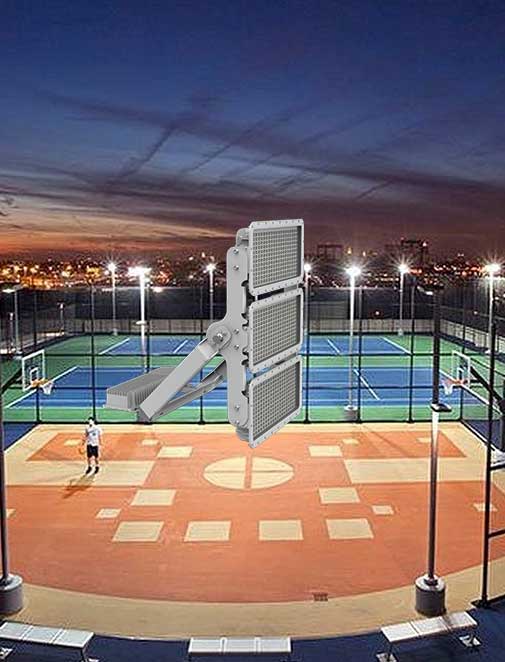
SEEKINGLED 1000 W Stadium Light – Engineered for Professional PerformanceSystem efficacy up to 150 lm/W | maximum luminous flux 22,000 lm per luminaireSeven precisely controlled beam distributions: 10° / 20° / 30° / 60° / 90° / P50 / P60Power options: 500 W / 1000 W / 1500 WExcellent colour quality with CRI 80 for true-to-life visual clarityNative support for DALI-2 and DMX512 professional dimming interfacesLighting design fully verified to EN 12193 Classes I, II & IIIWe deliver more than luminaires — we provide EN 12193-compliant stadium lighting solutions tailored for elite sports venues and broadcast requirements.
Light distribution curve
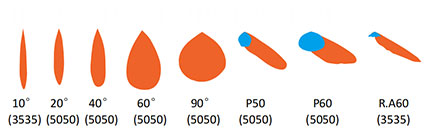
Above lumens based on 4000K Ra:80
When selecting Sports Stadium LED Lighting for a football venue, the first mistake people make is looking only at wattage. That’s not how real projects are decided. What matters more is beam angle selection, mounting height, and required lux levels based on EN 12193 classes.
For example, a professional football stadium lighting system used for broadcast needs strict vertical illuminance and uniformity control. If you choose 10° or 20° optics for high mast stadium lighting installations above 35 meters, you get better light concentration. But on smaller pitches, wider angles like 60° or P50 often make more sense.
Also, don’t ignore glare control. Players feel it immediately. Cameras exaggerate it. Proper optical distribution and CRI above Ra 80 help maintain visual comfort and color accuracy. In real projects, lighting design calculations matter far more than raw lumen claims.
This depends entirely on competition level. Training grounds might need 200–300 lux. Regional matches often require 500 lux. Professional broadcasting environments? 1000 lux or more.
With Sports Stadium LED Lighting rated at 150–170 lm/W, a 1000W fixture can produce high luminous output while maintaining efficiency. But the real discussion isn’t just lumens—it’s how evenly those lumens are distributed. Poor uniformity creates dark patches, which referees and broadcasters dislike immediately.
For high mast stadium lighting systems, pole height and fixture aiming angles are calculated carefully. In one retrofit project, increasing pole height by just three meters improved uniformity more than increasing wattage. So don’t chase numbers blindly. Focus on photometric planning.
EN 12193 isn’t a marketing phrase. It defines lighting classes I, II, and III for sports venues. If you are working on professional football stadium lighting, compliance determines whether the field can host official competitions.
Sports Stadium LED Lighting must meet horizontal illuminance, vertical illuminance, and uniformity ratios. Many fixtures claim high output but fail in uniformity tests. That’s usually because beam control is poorly engineered.
Lighting designers using SEEKINGLED systems often simulate layouts before installation. Once installed, on-site lux testing confirms performance. Skipping compliance often results in rework. And rework costs more than proper planning from the start.
There is no universal answer. It depends on pole height and field dimensions.
For high mast stadium lighting mounted at 40 meters, narrow beams like 10° or 20° help project light deep into the pitch. For lower mounting heights, 40° or 60° often provide smoother distribution. P50 and P60 optics are particularly useful when balancing throw distance and glare control.
In practice, combining multiple beam angles in one layout delivers better results. Relying on a single optic type usually creates uneven light zones.
Control matters more than people expect. With DALI-2 or DMX512 integration, Sports Stadium LED Lighting systems can adjust brightness depending on event type.
Training session? Dim to 60%. Local match? Increase output. Broadcast game? Full power.
It’s not only about energy savings. It’s about flexibility. Lighting scenes can be preset. Maintenance checks become easier. And facility managers gain remote access instead of climbing poles for manual adjustments.
Yes, especially when paired with high mounting positions. A 1000W Sports Stadium LED Lighting fixture delivering high efficacy reduces fixture quantity compared to older HID systems.
However, wattage alone isn’t the decision factor. If spacing is poorly designed, even 1000W units will fail uniformity requirements. Always match power level with optical distribution and pole geometry.
Outdoor venues demand strong housing materials. ADC12 aluminum bodies, IP66 sealing, and IK08 impact resistance are not optional—they are necessary.
High mast stadium lighting systems are exposed to wind, dust, and rain continuously. Surge protection of 10kV is equally important. Without it, driver failure becomes common during storms.
Long lifespan matters too. L80B20 over 100,000 hours reduces maintenance cycles significantly.
Color rendering affects broadcast clarity. Ra>80 ensures natural grass appearance and accurate jersey colors. Lower CRI lighting often appears flat on camera.
For Sports Stadium LED Lighting used in televised matches, color consistency is critical. That’s why stable drivers like INVENTRONICS are widely selected.
Absolutely. Traditional metal halide systems waste energy and require frequent replacement.
Modern LED stadium lights at 150–170 lm/W significantly reduce consumption. More importantly, instant on/off eliminates warm-up delays.
Facility managers notice savings not only in electricity but in maintenance labor.
With proper thermal management and driver quality, Sports Stadium LED Lighting can exceed 100,000 operating hours at L80B20.
That means output remains stable for years. In real-world projects, maintenance intervals extend dramatically. Five-year warranties are standard—but actual performance often exceeds that when installation is done correctly.
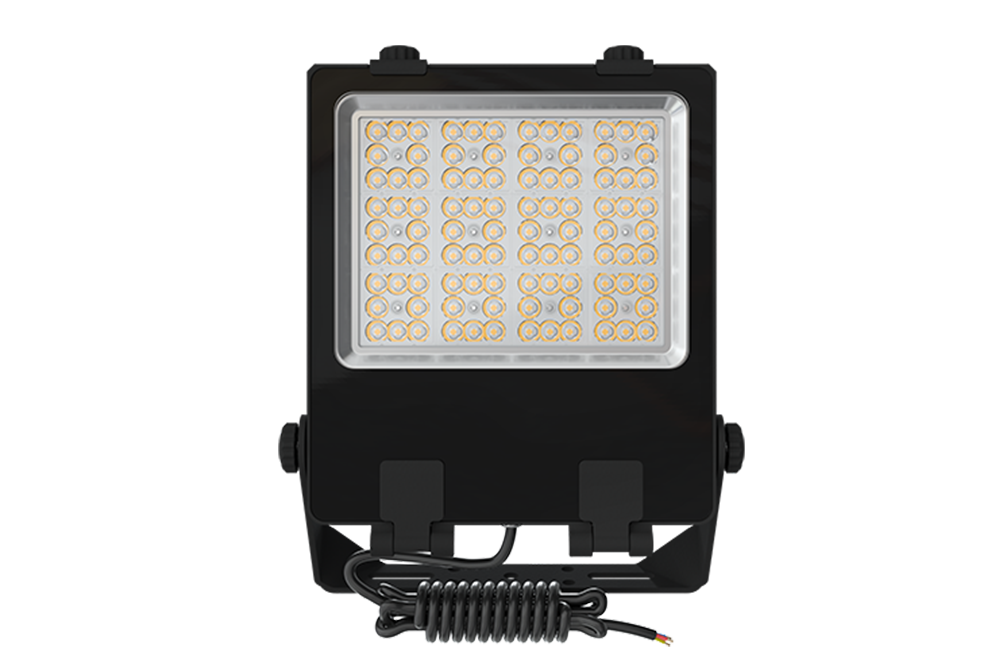
SEEKING FLX Series LED flood light outdoor for sports courts and open-area projects with 170lm/W efficiency, IP66 protection and multiple beam distributions. Designed for long-life commercial and public outdoor use.
View details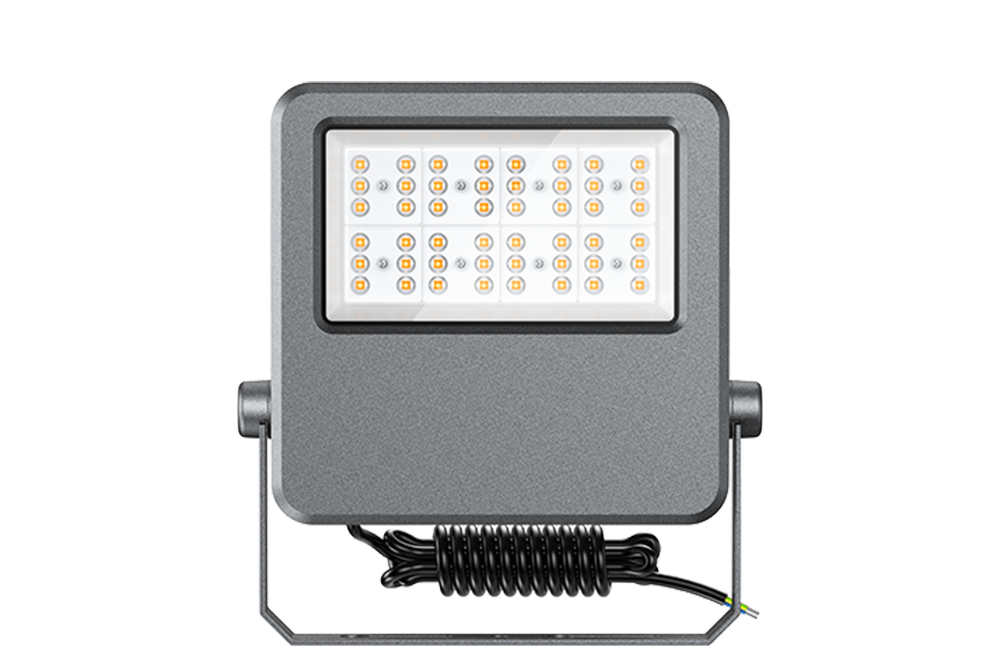
SEEKING FLE Series LED outdoor flood lights for sports grounds and open areas with multiple beam angles, IP66 protection and up to 170lm/W. Designed for long-life outdoor installations with professional driver options.
View details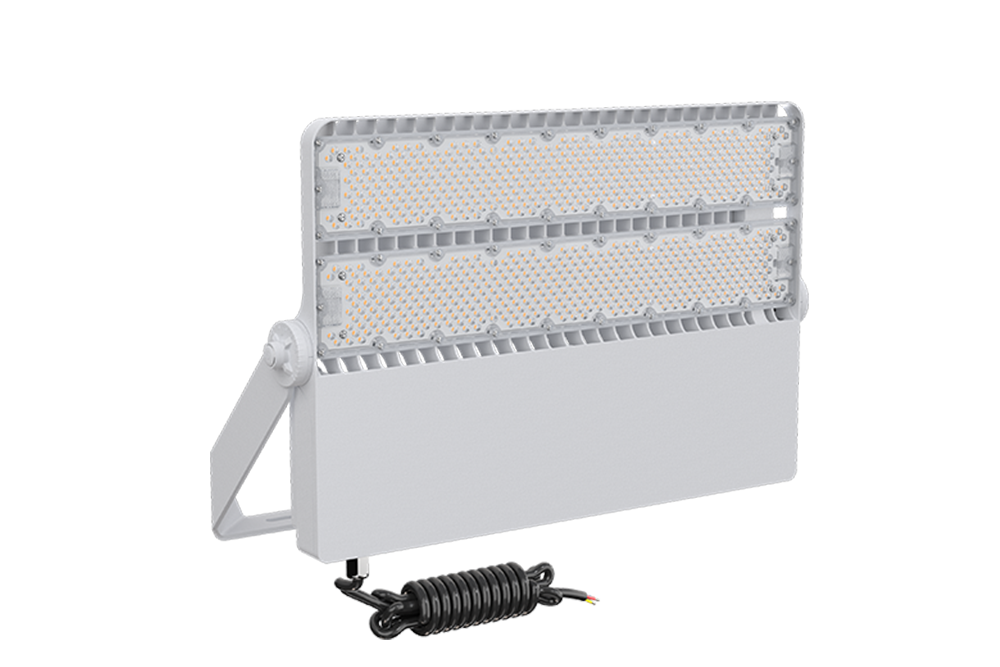
SEEKING FLD Series outdoor LED flood lights and high power led flood light deliver up to 960W with precision beam angles for sports fields, stadiums and large outdoor areas. IK08 & IP66 protection, 170lm/W efficiency and 100,000h lifetime.
View details