 Seeking LED
Industrial LED High Bay Lights Product Center
Explore our core High Bay LED Light range, including industrial led high bay lighting, high bay led shop lights, ufo led high bay light, ufo high bay led lighting, high bay led light fixtures, led high bay shop lights, led ufo high bay light, linear high bay led lights, and hyperlite led high bay light for diverse projects.
About Industrial LED High Bay Lights
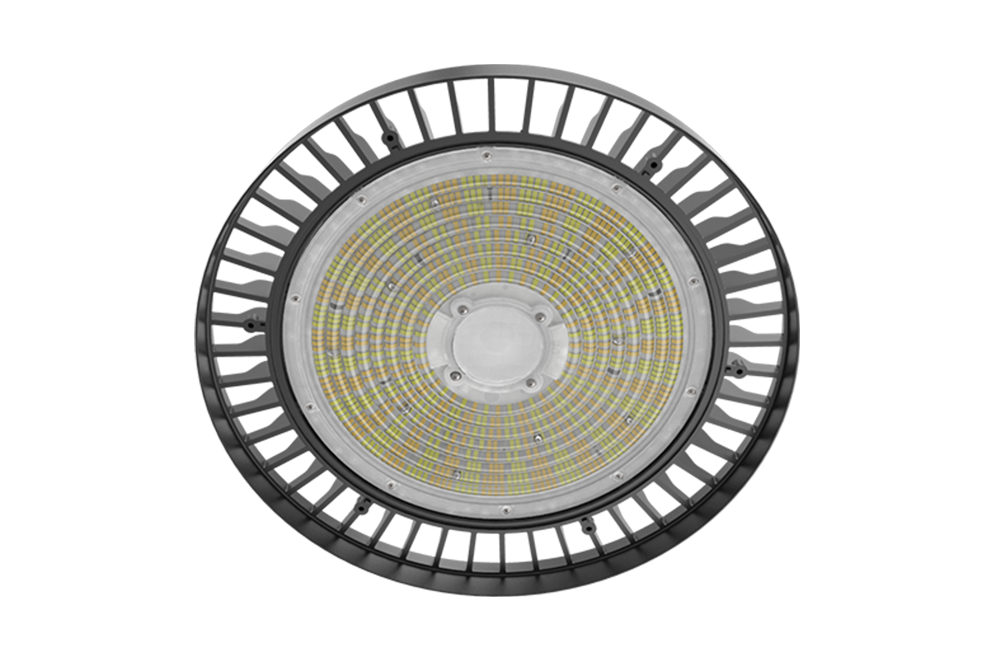
HBC-T SERIES High Bay Lights LED
The SEEKING HBC-T Series high bay lights LED offer long-lasting performance for warehouses, production plants and logistics centers. Durable IP65 & IK08 housing, 60°/90° beam angles, up to 150 lm/W, and a lifespan beyond 100,000 hours. Ideal for airport halls, commercial storage, construction sites and large indoor spaces.
View details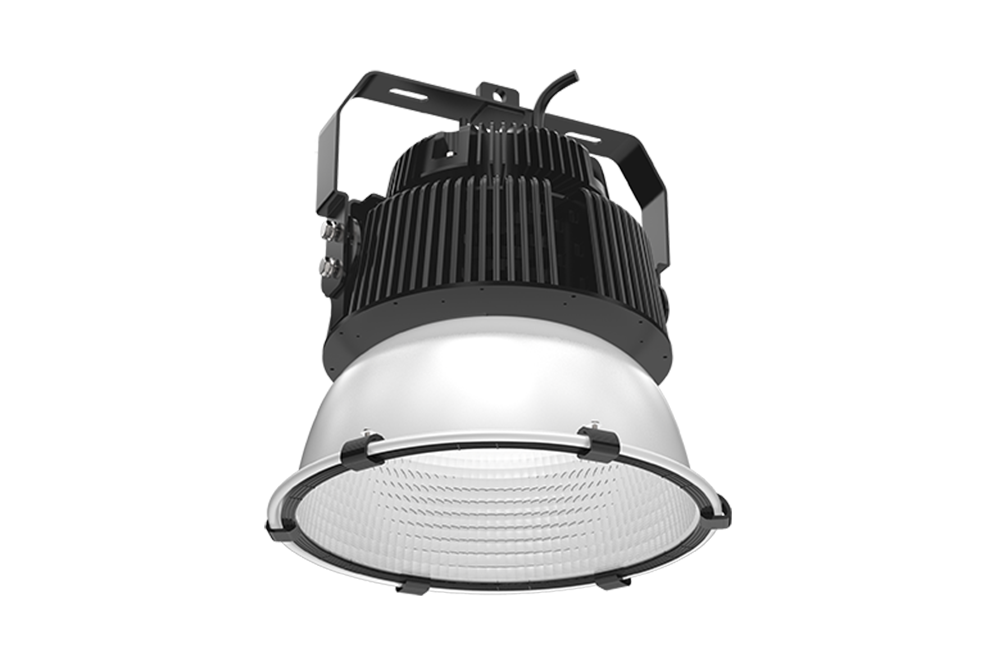
HBS SERIES LED UFO High Bay Light
The SEEKING HBS Series LED UFO high bay light delivers 140 lm/W efficiency, IP65 protection and MEAN WELL drivers. A durable high-rise lighting solution for factories, warehouses and commercial halls.
View details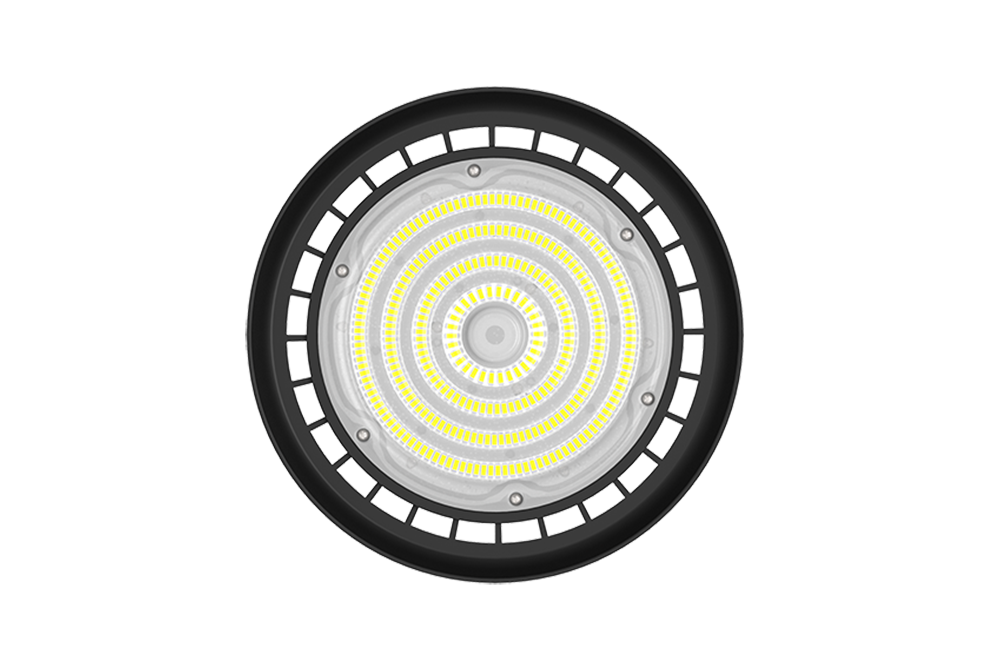
HBD SERIES LED High Bay Lighting
SEEKING HBD Series LED high bay lighting delivers 160 lm/W efficiency, IP66 protection, and long 100,000-hour lifespan. A durable UFO high bay solution for warehouses, workshops, logistics centers and commercial facilities.
View details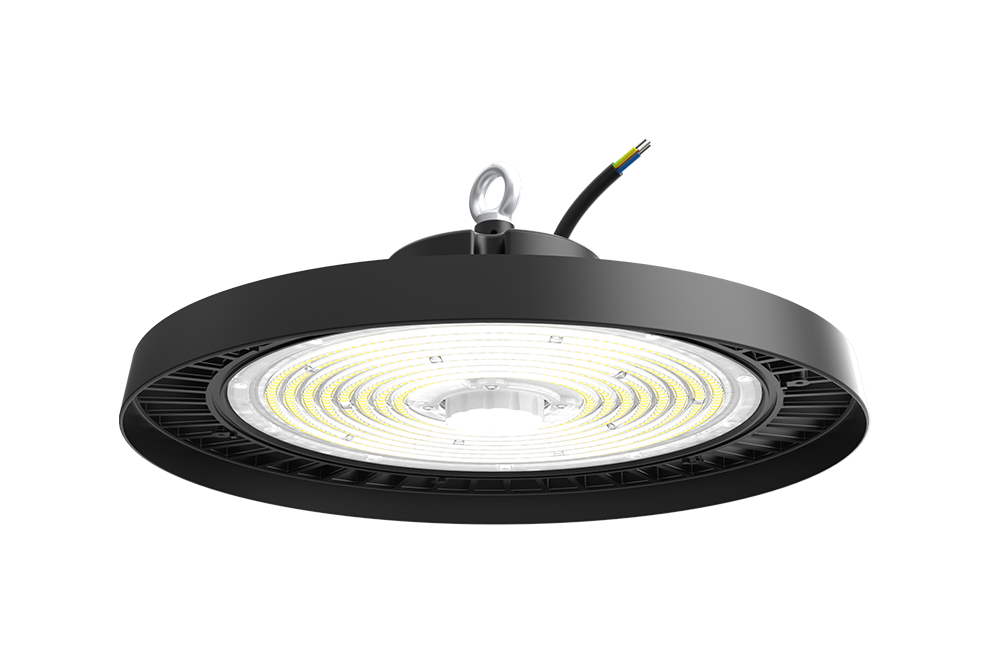
HBC SERIES High Bay LED Light Fixtures
The SEEKING HBC Series high bay LED light fixtures combine strong efficiency, practical design and reliable SOSEN drivers. A durable UFO high bay lighting option for warehouses, workshops and wholesale projects.
View details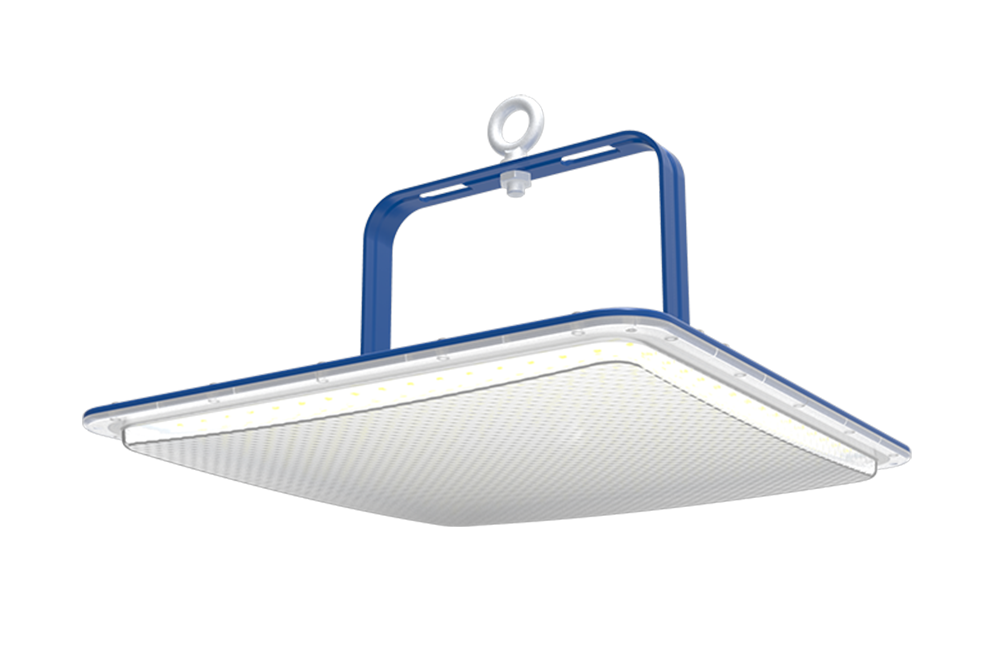
GSL SERIES High Bay LED Light
The SEEKING GSL Series high bay LED light delivers powerful, efficient lighting for industrial and commercial spaces. With IP65 protection, flexible mounting, and up to 140 lm/W performance, it’s ideal for warehouses, workshops, and retail areas.
View details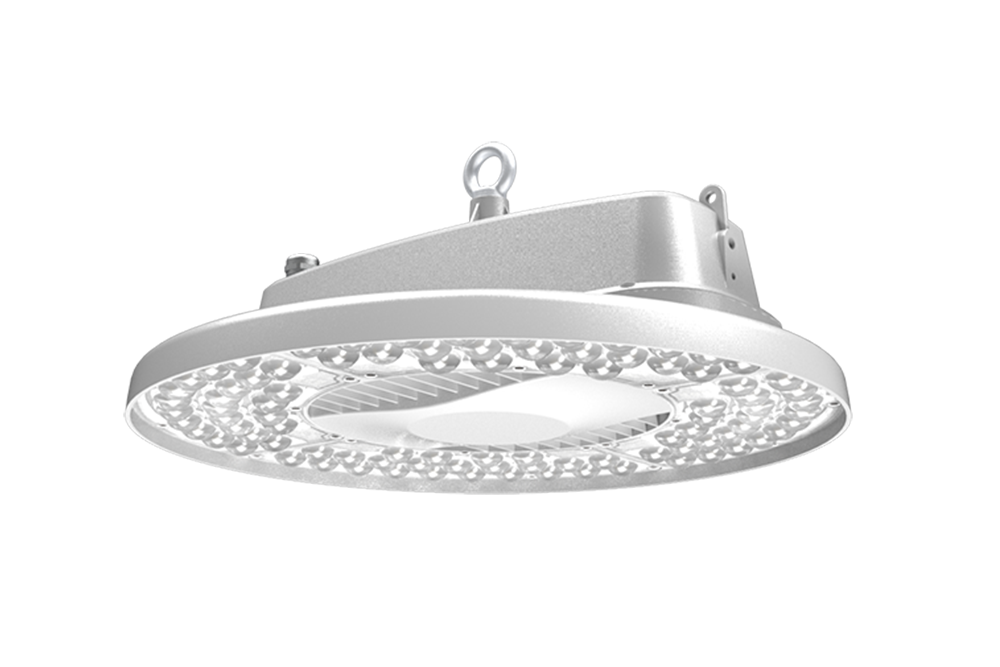
HB15(GLE) SERIES High Bay LED Lighting
The SEEKING HB15(GLE) Series delivers advanced high bay led lighting with UGR 100,000 h) and reliable illumination for demanding commercial environments.
View details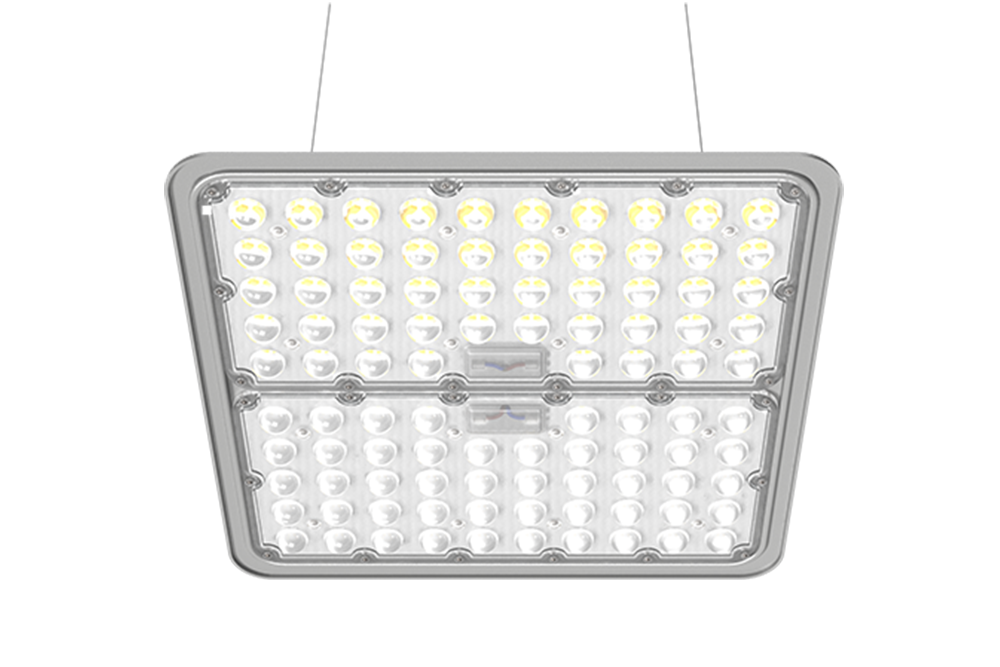
HB13(GLK) SERIES ufo led high bay light
Discover the SEEKING HB13(GLK) Series ufo led high bay light, engineered for sports halls, airport lounges, showrooms, and large commercial spaces. UGR 100,000 h). Ideal for industrial ufo high bay lighting fixtures and commercial retrofits.
View details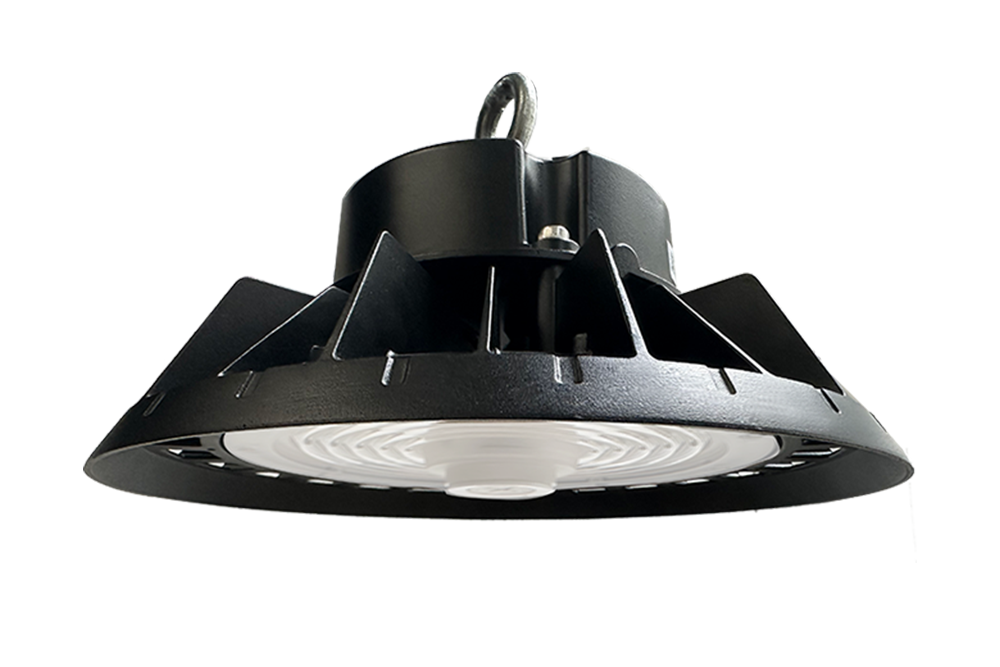
HBF SERIES Industrial LED High Bay Lighting
SEEKING HBF Series offers industrial LED high bay lighting with up to 200lm/W efficiency, SOSEN flicker-free driver, IP65 protection and optional microwave motion sensor. Ideal for warehouses, factories and commercial distribution projects.
View details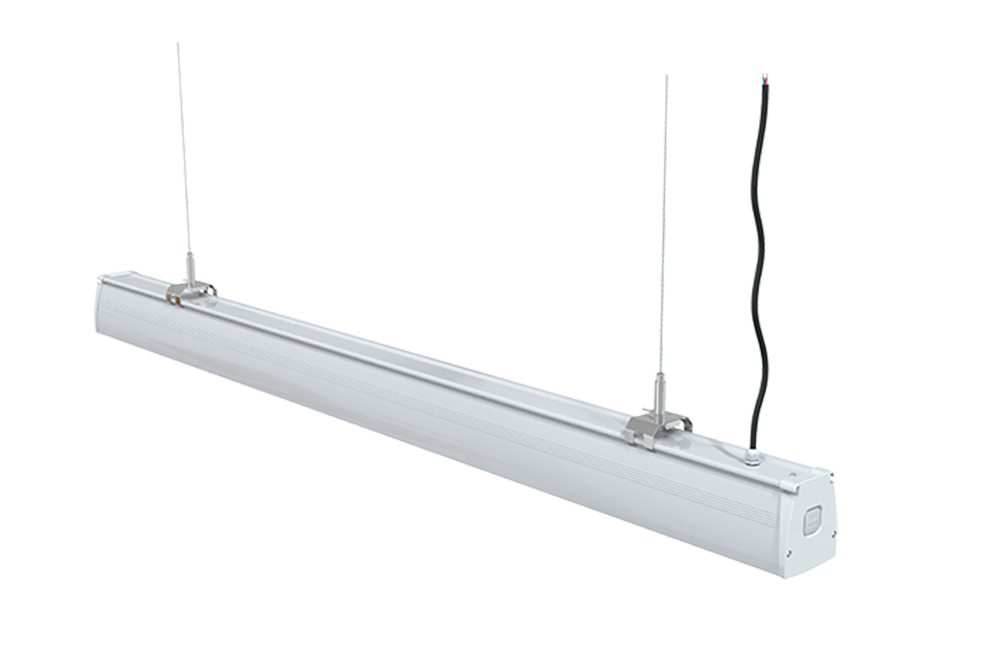
HB17 (HLD) SERIES linear high bay LED lights
The HLD Series linear high bay LED lights from SEEKING deliver up to 200 lm/W with multiple beam angles and adjustable CCT options for warehouse, workshop, corridor and general industrial lighting.
View details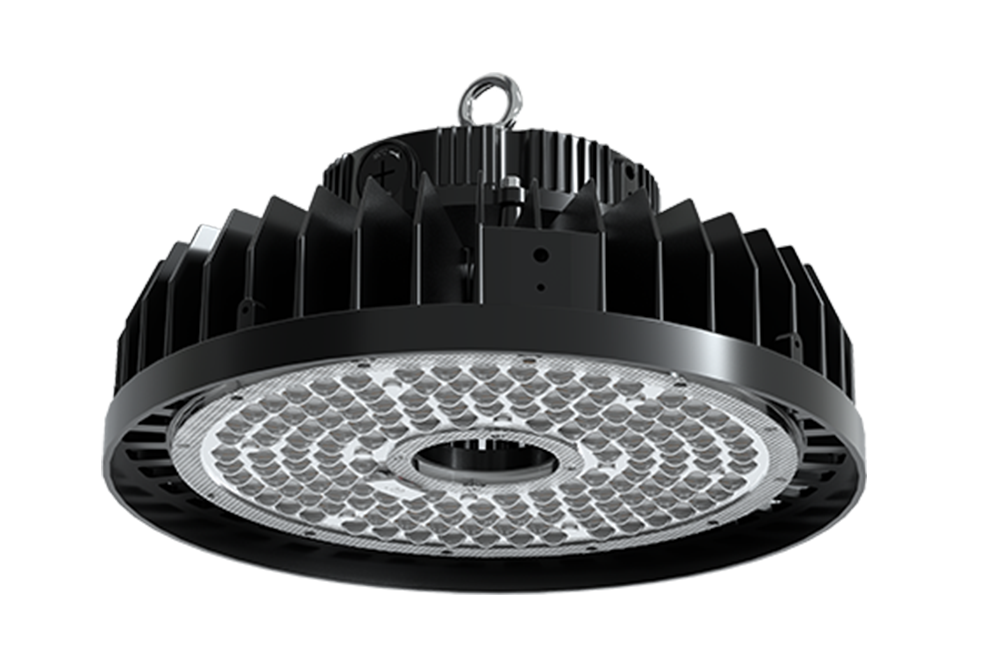
HBK SERIES LED High Bay Light
The HBK Series LED high bay light by SEEKING combines 500W power, 160–175 lm/W efficiency and IP65 durability for heavy-duty industrial lighting. Designed for warehouse, factory and production facilities with demanding ceiling heights.
View details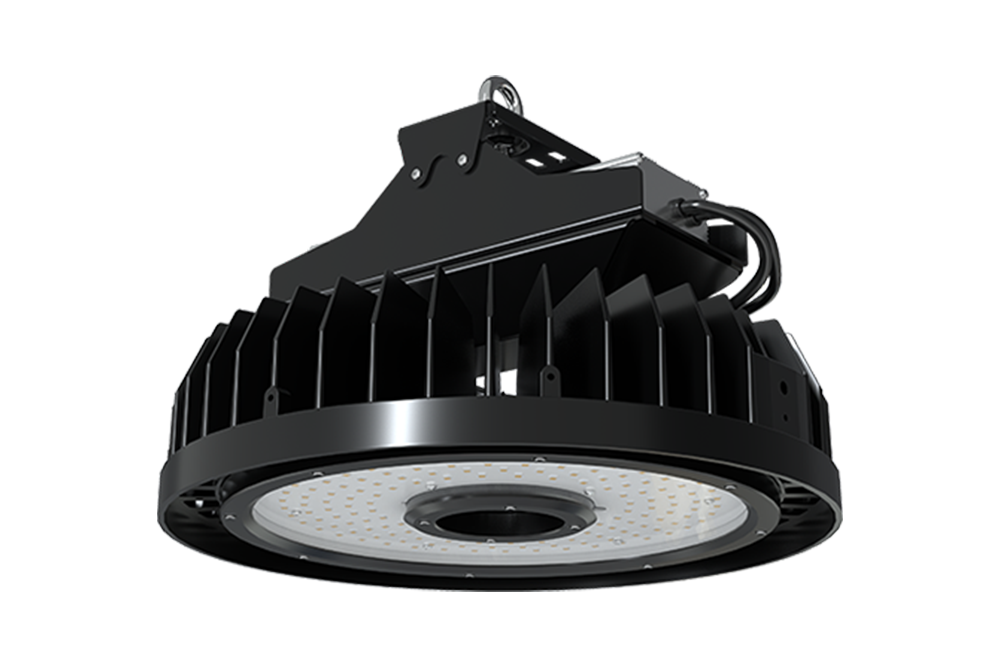
HBK(Ultua) SERIES LED High Bay Lights
LED high bay lights engineered for extreme heat and low-temperature industrial sites. SEEKING HBK Ultua Series operates from -40°C to +70°C with Nichia LEDs and Inventronics driver.
View details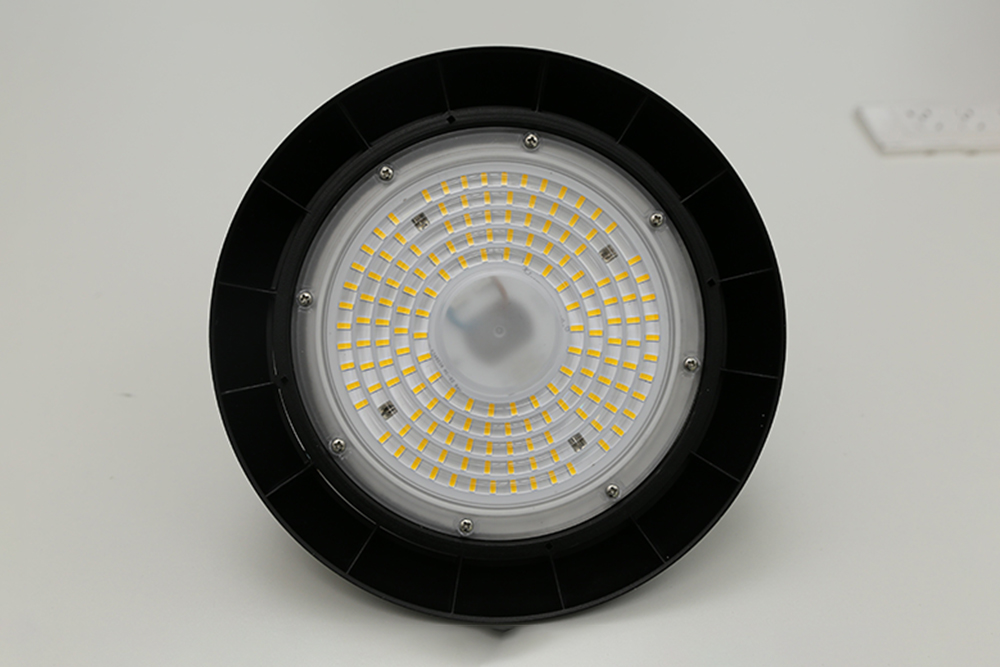
HBI SERIES high bay LED lights
High bay LED lights built for warehouses, production plants and wholesale distribution. SEEKING HBI Series offers up to 200lm/W, IP65, IK08 and optional microwave motion sensor for energy saving operation.
View details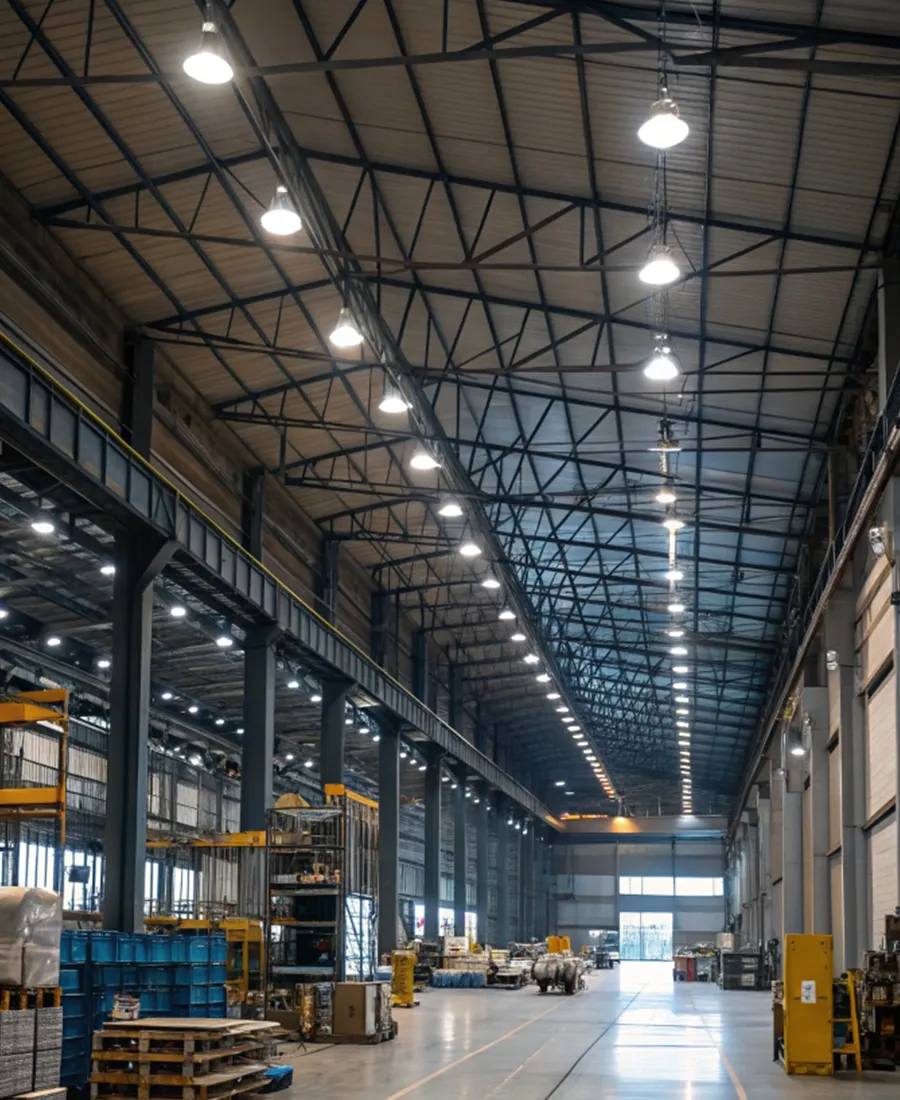
What Are LED High Bay Lights?
Industrial LED High Bay Lights are high-efficiency luminaires designed for large indoor spaces with high ceilings, typically above 6–15 meters. Unlike traditional lighting systems, led high bay lamp provide powerful, uniform illumination with lower energy consumption and reduced maintenance costs. They are widely used in warehouses, factories, logistics centers, gymnasiums, and manufacturing facilities where consistent and high-quality lighting is essential for operational safety and productivity.
- High-lumen output design: Delivers strong, uniform lighting coverage for large vertical spaces with minimal dark zones or glare.
- Energy efficiency advantage: Uses high-efficiency LED chips to reduce power consumption by up to 50–70% compared to traditional HID or metal halide lamps.
- Thermal management system: Advanced heat dissipation structures ensure stable performance and long lifespan in continuous operation environments.
- Installation flexibility: Available in hook-mounted, bracket-mounted, or suspended configurations to suit different ceiling heights and structures.
- Durability and reliability: Built with die-cast aluminum housing and high-quality LED drivers for industrial-grade performance.
- Service life: Typically 50,000–100,000 hours depending on operating conditions, thermal design, and driver quality.
Decision Framework
When Should You Choose a LED High Bay Lights?
✓ Good Fit
Choose LED High Bay Lights When…
- You need lighting for high-ceiling spaces — warehouses, factories, logistics centers, workshops, or gymnasiums with mounting heights typically above 6–15 meters.
- Energy efficiency is a priority — replacing traditional HID or metal halide systems to reduce electricity consumption and operating costs.
- You require uniform, wide-area illumination — ensuring consistent brightness across large indoor working zones with minimal dark spots.
- Continuous industrial operation is required — suitable for 24/7 production environments with stable performance and low degradation.
- Fast installation and retrofit projects are involved — ideal for upgrading existing high-bay fixtures without major structural changes.
- Low maintenance and long service life are important — reducing downtime, replacement frequency, and maintenance labor costs in industrial facilities.
✗ Poor Fit
Don’t Choose LED High Bay Lights When…
- The environment is hazardous or explosive — such as oil & gas sites, chemical plants, or dust-explosive zones requiring certified explosion-proof lighting.
- Low ceiling residential or office lighting is needed — standard LED panels or downlights are more suitable for close-range illumination.
- Precise task lighting or focused beam control is required — led high bay lamp are designed for wide-area coverage, not spot precision.
- Outdoor street or roadway lighting is the main application — dedicated street lights or floodlights perform better in open environments.
- Extreme waterproof or marine-grade protection is required — unless specifically rated, standard led high bay lamp are not designed for offshore or submersion conditions.
- Ultra-decorative or architectural lighting design is the priority — led high bay lamp are purely functional industrial lighting solutions.
Note For Partners: For mixed industrial projects, Industrial LED High Bay Lights should be used in standard production and storage areas, while explosion-proof lighting must be applied in classified hazardous zones to ensure safety compliance and optimize overall project cost and efficiency.
LED High Bay Lights VS ExplosionProof High Bay Lights
| Feature / Parameter | LED High Bay Lights | Explosion-Proof High Bay Lights |
|---|---|---|
| Primary Purpose | General high-ceiling industrial and commercial lighting | Safe illumination in hazardous environments with explosive gases, vapors, or dust |
| Application Areas | Warehouses, factories, logistics centers, gyms, retail warehouses | Oil & gas facilities, chemical plants, mining sites, offshore platforms, fuel stations |
| Safety Certification | Standard electrical safety (CE, RoHS, UL depending on model) | ATEX, IECEx, UL844 hazardous location certified |
| Explosion Protection | Not designed for explosive atmospheres | Designed to contain internal ignition and prevent external explosion risks |
| Housing Structure | Aluminum die-cast or PC housing | Reinforced die-cast aluminum, stainless steel, explosion-proof tempered glass |
| Ingress Protection (IP Rating) | Typically IP20–IP65 | Typically IP66–IP68 for extreme environments |
| Heat Management | Standard LED thermal design | Enhanced thermal and safety-controlled heat dissipation system |
| Luminous Efficiency | High (energy-saving focus) | High, balanced with safety enclosure constraints |
| Durability in Harsh Environments | Moderate to high depending on model | Very high, designed for corrosion, vibration, and hazardous conditions |
| Installation Environment | Safe, non-hazardous indoor areas | Classified hazardous zones (Zone 1/2, Zone 21/22) |
| Maintenance Requirement | Low | Low, but requires compliance with safety procedures |
| Cost Level | Lower cost, mass-market industrial solution | Higher cost due to certification and safety engineering |
| Typical Mounting Height | 6–15 meters | 6–30 meters depending on industrial application |
| Service Life | 50,000–100,000 hours | 50,000–100,000 hours (depending on sealed thermal design) |
Our customers give this evaluation
Feedback from global industrial customers highlights SEEKINGLED’s consistent product quality, reliable delivery performance, and strong OEM customization capability. Across warehouses, factories, and large-scale projects, users value the stable lighting performance, responsive technical support, and dependable mass production capacity that ensure smooth project execution.
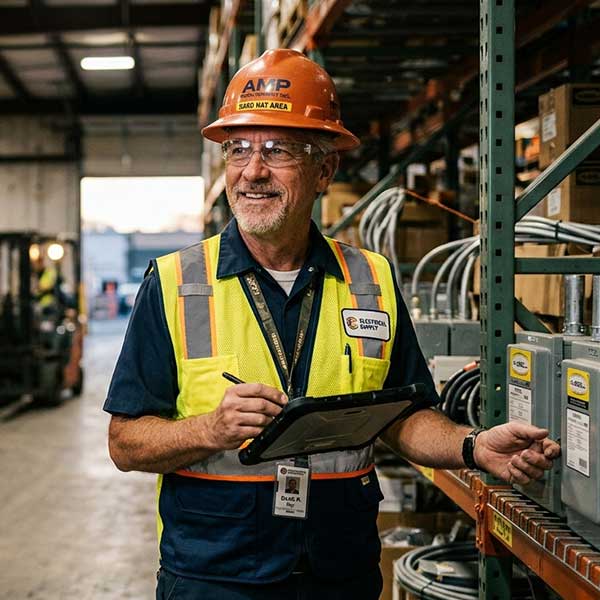
David Miller
Electrical Procurement Manager (Texas, USA)
⭐⭐⭐⭐⭐
We deployed SEEKINGLED HBC-T Series LED High Bay Lights in a warehouse expansion project in Houston, Texas. The total order was 420 units across three installation phases.
From procurement to delivery, the coordination was smooth. Technical datasheets were provided early, which helped us pass internal approval quickly. The shipment schedule was stable even during batch expansion. We also requested custom wattage adjustment for energy optimization, and the OEM response was precise.
After installation, the lighting uniformity across racking aisles improved significantly, reducing forklift navigation errors during night shifts.
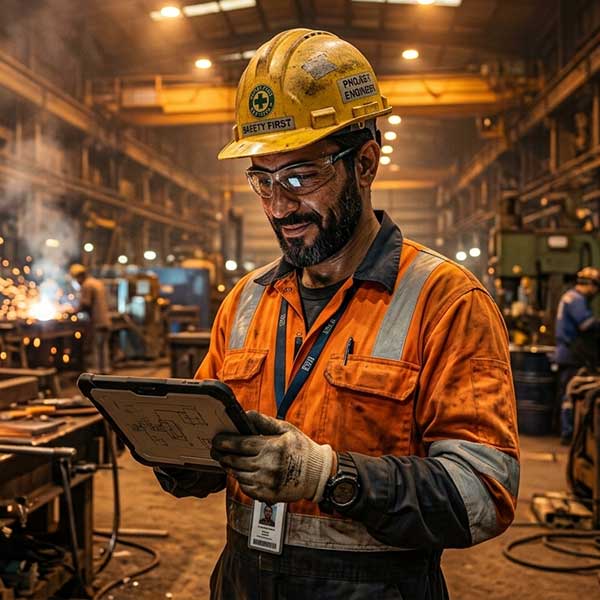
Ahmed El-Sayed
Project Engineer (Jeddah, Saudi Arabia)
⭐⭐⭐⭐⭐
We used HBD Series LED High Bay Lighting in a steel fabrication plant in Jeddah. Around 260 fixtures were installed across production halls.
The engineering team appreciated the photometric files and mounting flexibility. Installation was efficient due to standardized brackets. OEM support for high-temperature operating conditions was especially important for our environment.
Lighting stability has remained consistent under continuous 16-hour production cycles.
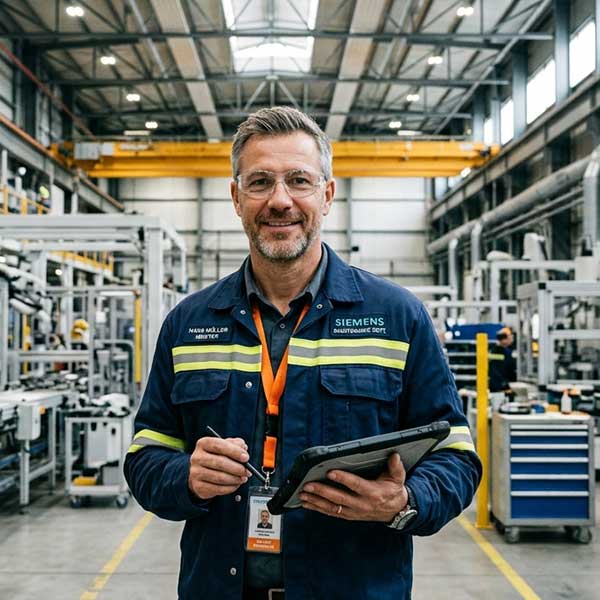
Lucas Schneider
Facility Maintenance Supervisor (Munich, Germany)
⭐⭐⭐⭐⭐
We installed HBC Series high bay LED light fixtures across a precision machining factory in Bavaria, totaling 180 units.
The build quality is solid, especially the thermal management design. Maintenance frequency has dropped significantly compared to our previous metal halide system. SEEKINGLED provided fast technical support when we adjusted mounting heights during retrofit.
Energy consumption reduction was immediately noticeable in the first billing cycle..
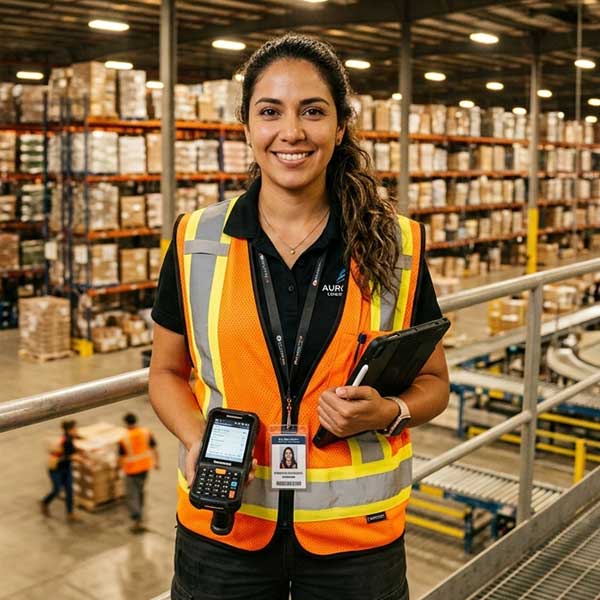
Maria Gonzales
Logistics Operations Manager (Mexico City, Mexico)
⭐⭐⭐⭐⭐
We deployed GSL Series high bay LED light across a distribution center in Mexico City. Total installation was 310 units.
The lighting upgrade improved visibility in high rack zones and loading docks. Coordination with SEEKINGLED’s sales engineering team was efficient, especially during layout optimization. Delivery timing matched our construction schedule closely.
We observed fewer handling errors during night operations after the upgrade.
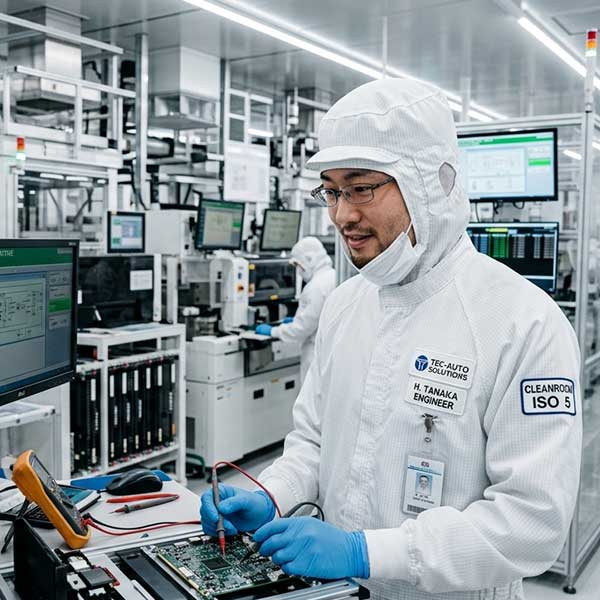
Kenji Tanaka
Electrical Site Engineer (Osaka, Japan)
⭐⭐⭐⭐⭐
We implemented HB13 (GLK) Series UFO LED High Bay Lights in an electronics assembly plant. Around 150 units were installed.
The uniform beam distribution is excellent for precision assembly work. OEM customization for low-glare requirement was implemented correctly. Packaging and shipment were well organized, with no missing components.
The production line lighting consistency improved operator efficiency.

Olivia Brown
Energy Efficiency Consultant (London, UK)
⭐⭐⭐⭐⭐
We upgraded a commercial warehouse network using HB15 (GLE) Series high bay LED lighting across multiple sites in the UK.
The total deployment exceeded 600 units. The energy audit after installation showed significant reduction in electricity consumption across facilities. SEEKINGLED provided strong documentation support for compliance reporting.
The scalability of production was a key advantage during phased rollout.
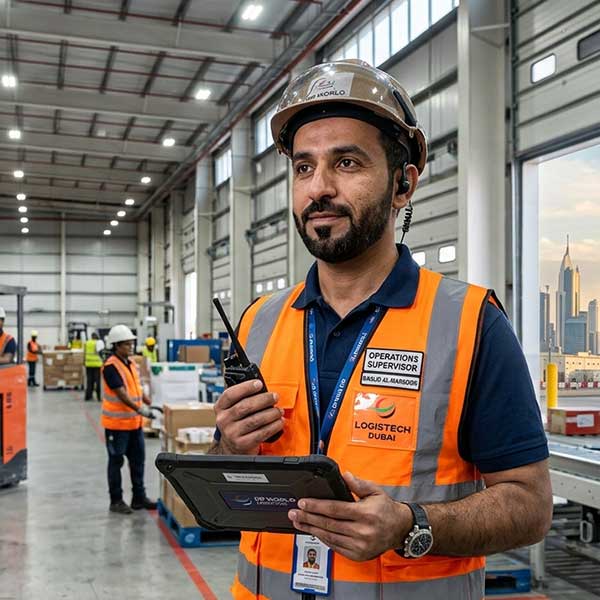
Hassan Al-Mansouri
Plant Operations Supervisor (Dubai, UAE)
⭐⭐⭐⭐⭐
We installed HBF Series industrial LED high bay lighting in a food processing warehouse in Jebel Ali Free Zone.
Approximately 280 units were deployed. The lighting improved inspection accuracy and hygiene monitoring processes. SEEKINGLED handled OEM labeling and voltage requirements without delays.
Delivery was completed in two consolidated shipments, which simplified customs handling.
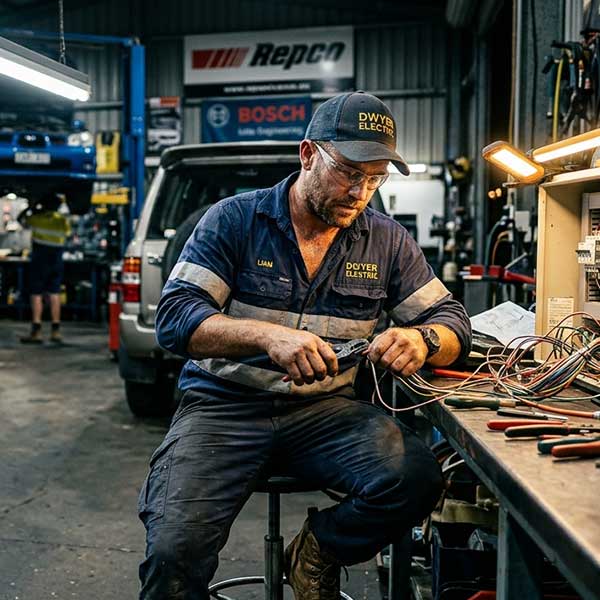
Ethan Williams
Construction Electrical Contractor (Sydney, Australia)
⭐⭐⭐⭐⭐
We installed HLD Series linear high bay LED lights in a large automotive workshop in Sydney.
About 190 units were used across service bays. Installation was straightforward, especially with the linear mounting design. SEEKINGLED provided responsive technical clarification during wiring layout planning.
After installation, visibility in vehicle inspection zones improved significantly, especially under detailed mechanical work conditions.
FAQ AboutIndustrial LED High Bay Lights
A high bay LED light is designed for spaces with high ceilings, usually above 6 meters (20 feet). Think factories, warehouses, logistics centers. The idea is simple: one fixture covers a large floor area from a high mounting point. Compared with older metal halide or HPS lamps, LED high bays draw less power and keep light levels more stable over time. SEEKINGLED led high bay lamp are typically used where maintenance access is limited.
There’s nothing mysterious inside. Power goes through a driver, the LEDs emit light, and the optics shape the beam. What matters in industrial use is heat control and distribution. Poor heat dissipation shortens life fast. Good industrial high bay designs focus on airflow, aluminum structure, and stable drivers. That’s why two fixtures with the same wattage can behave very differently after a year of use.
There’s no shortcut answer. Ceiling height, required lux, spacing, and beam angle all matter. Two warehouses with the same size often need different quantities. In practice, we usually run a Dialux simulation before confirming numbers. Guessing based on wattage alone leads to dark spots or wasted power. SEEKINGLED projects usually start with layout drawings, not a price list.
You can purchase them at any stage, but timing affects results. If you buy before confirming layout and mounting height, changes later cost more. The best time is after knowing ceiling height, voltage, and lighting standards. Many customers contact us early, then place orders after testing samples. That avoids surprises during installation.
This question comes up a lot, sometimes twice in the same meeting. The real answer depends on spacing and optics, not just area size. Narrow beams reduce fixture count but increase contrast. Wide beams need more units but give smoother light. Engineers usually balance both. Counting fixtures without a plan is risky.
Dimming depends on the driver, not the LED chip. Common methods are 0–10V, DALI, or sensor-based dimming. Wiring must be planned from the start. Adding a dimmer later is often messy. In warehouses, motion or daylight sensors make more sense than manual dimmers. SEEKINGLED led high bay lamp are often paired with sensor control to reduce idle power use.
Most led high bay lamp are wired like other industrial fixtures: line, neutral, ground. The difference is weight and mounting safety. Always secure the fixture before wiring. For multiple units, looping is common, but cable size must match load. Local electrical codes matter more than brand manuals here.
First, confirm the driver supports dimming. Many failures happen because this step is skipped. Dimming wires are separate from power lines and should not be mixed. Shielded cables help in noisy industrial environments. Testing one unit before wiring all of them saves time and frustration.
This overlaps with earlier questions, but it’s worth repeating: power off first. led high bay lamp are heavy, and mistakes are harder to fix at height. Use proper strain relief and grounding. Poor grounding causes flicker and driver failure more often than people expect.
“Best” depends on use. A logistics warehouse values uniformity and efficiency. A factory may need higher CRI. Cheap lights often look fine at first, then fade. In long-term projects, stable drivers and thermal design matter more than lumen numbers on paper. SEEKINGLED focuses on that balance rather than headline specs.
High bay LED lighting is a system, not just a fixture. It includes layout, mounting height, optics, and control. Many problems blamed on the light itself are actually design issues. Good lighting feels invisible. Bad lighting is noticed every day by workers.
Yes, they do. LEDs are efficient, not cold. Heat is managed, not eliminated. A well-designed high bay keeps heat away from the LED junction. If the housing feels warm, that’s normal. If it’s extremely hot, something is wrong with airflow or driver matching.
Generally, above 6 meters. Below that, low bay fixtures may work better. At very high ceilings, beam angle becomes critical. Mounting too high with wide optics wastes light. Mounting too low causes glare. Height and optics should be decided together.
It’s simply an LED fixture built for high mounting positions. Compared with panel lights or troffers, it’s more robust and focused. The term describes application, not technology. Many SEEKINGLED high bays are used in harsh environments where access is limited.
Durability usually comes from experience, not marketing. Look for suppliers with real project references. Ask about driver brands and failure rates. Buying direct from manufacturers like SEEKINGLED often gives better technical support than resellers.
Wholesale buyers usually care about consistency. Mixing batches from unknown sources causes problems later. It’s better to work with one manufacturer who controls production. SEEKINGLED supplies wholesale projects with stable specifications across orders.
ROI comes from energy savings and low maintenance. A slightly higher upfront cost often pays back quickly if the lights last longer. Downtime and lift rental costs are often ignored in calculations, but they matter a lot in real facilities.
Not really. High bays are designed for indoor use. Outdoor security lighting needs weatherproofing and different optics. Using a high bay outside usually shortens its life. It’s better to choose flood lights for that job.
No. High bays are not universal solutions. Low ceilings, offices, and narrow spaces need different fixtures. Using the wrong type creates glare and uneven lighting. Proper selection avoids complaints later.
Start with the space, not the product. Measure height, note tasks, check power supply. Then look at optics, efficiency, and control options. Asking for samples is normal. SEEKINGLED often provides test units before final decisions.
Spacing depends on mounting height and beam angle. A common mistake is copying old metal halide layouts. LEDs behave differently. Closer spacing with lower wattage often gives better uniformity.
This repeats the previous question for a reason. People underestimate spacing issues. Simulation tools exist for a reason. Guessing usually leads to rework.
Mount them where maintenance access is realistic and glare is controlled. Higher isn’t always better. Balance coverage and comfort. Worker feedback after installation is valuable.
On paper, 50,000 to 100,000 hours. In reality, driver quality and heat decide lifespan. Many failures happen early if components are poor. Stable designs last much longer.
Retrofit bulbs exist, but they’re not always ideal. Thermal and optical mismatches can cause issues. Full fixture replacement is often safer and more efficient.
Sizing means matching light output to task needs. Over-lighting wastes energy. Under-lighting affects safety. Lux targets and uniformity matter more than wattage.
Usually by switching off the circuit or control system. If lights flicker or won’t turn off fully, it’s often a wiring or driver issue, not the LED itself.
Linear high bays are lighter but longer. Support points and alignment matter. Wiring is similar, but mounting accuracy affects appearance and light distribution.
They are industrial lighting fixtures for high ceilings. Simple definition, but many variations exist. Choosing the right one matters more than the name.
Round (UFO) and linear are the most common. Round suits open spaces. Linear fits aisles and racks. Each has its place.
High CRI means better color accuracy. It’s useful in inspection areas or manufacturing. It usually costs more and slightly reduces efficiency. Decide if you really need it.
It’s the use of LED fixtures for high-ceiling spaces. Simple term, broad application. Design quality matters more than wording.
Typically around 6 meters. Below that, glare becomes an issue. Low bay fixtures may be a better choice.
Look for manufacturers with real industrial experience. Linear fixtures need consistent quality. SEEKINGLED supplies linear high bays for warehouses and production lines where uniform lighting matters.