 Seeking LED
LED Street Lights Product Center
Explore our core LED Street Lighting range, including street light with led, led light street light, commercial led street lights, led light street lamp, led lights for street lighting, outdoor led street lights, cobra head led street light, led for street light, and led street light fixture for diverse projects.
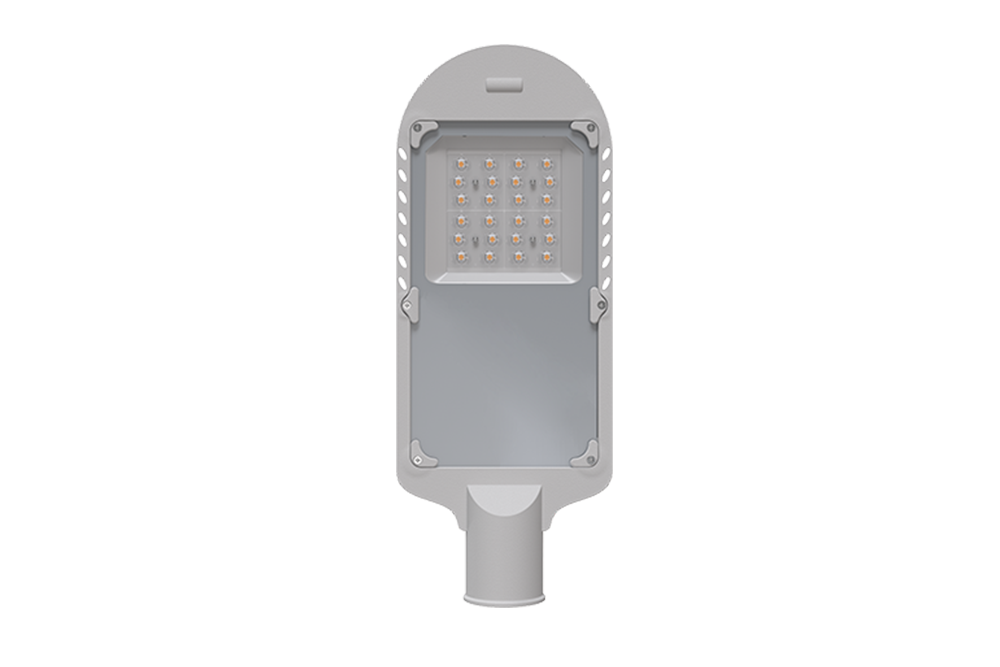
SEEKING STL-Series LED street lights deliver stable performance, 170 lm/W efficiency and 10KV surge protection. Ideal for city streets, parking lots, public roads and outdoor area lighting projects. Durable IP66 & IK08 design for long-term reliability.
View details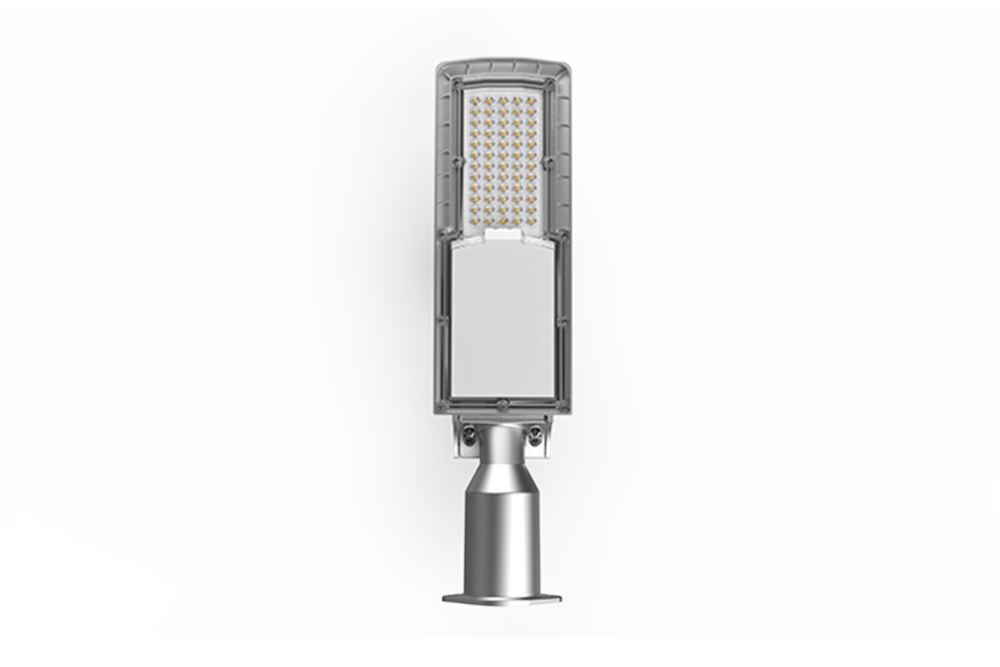
The SEEKING STC Series LED light street light delivers up to 170lm/W efficiency with MOSO drivers, IP66 protection, and a ±15° adjustable arm—ideal for roads, residential areas, and public lighting upgrades.
View details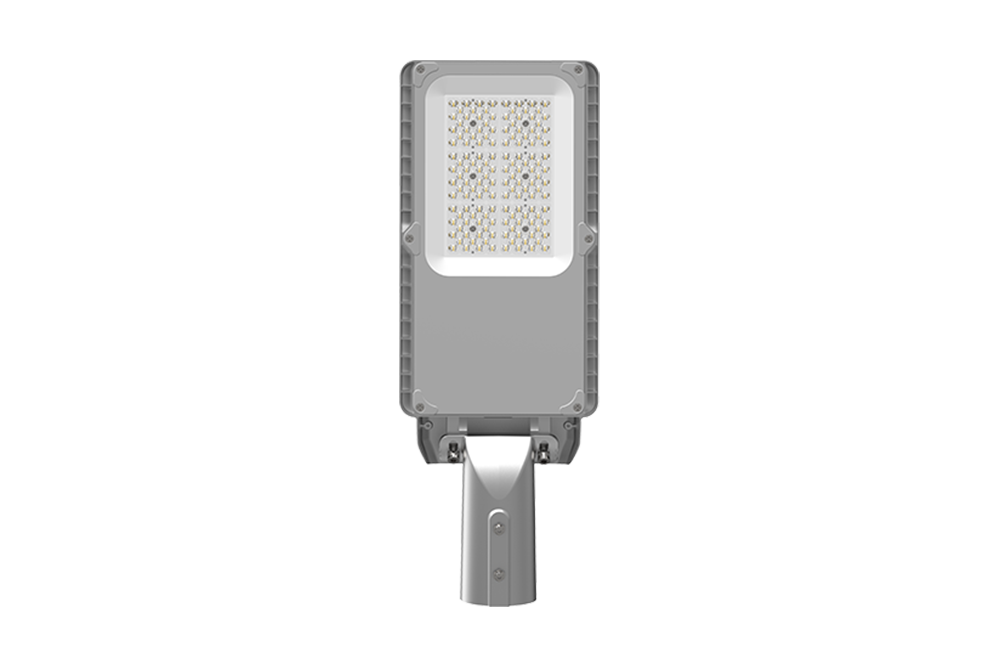
SEEKING STB Series LED street lighting delivers up to 160 lm/W, 10kV surge protection, IP66 waterproofing, and durable IK08 impact resistance. Ideal for streets, parking lots, and large outdoor areas needing long-lasting, energy-saving LED roadway lighting.
View details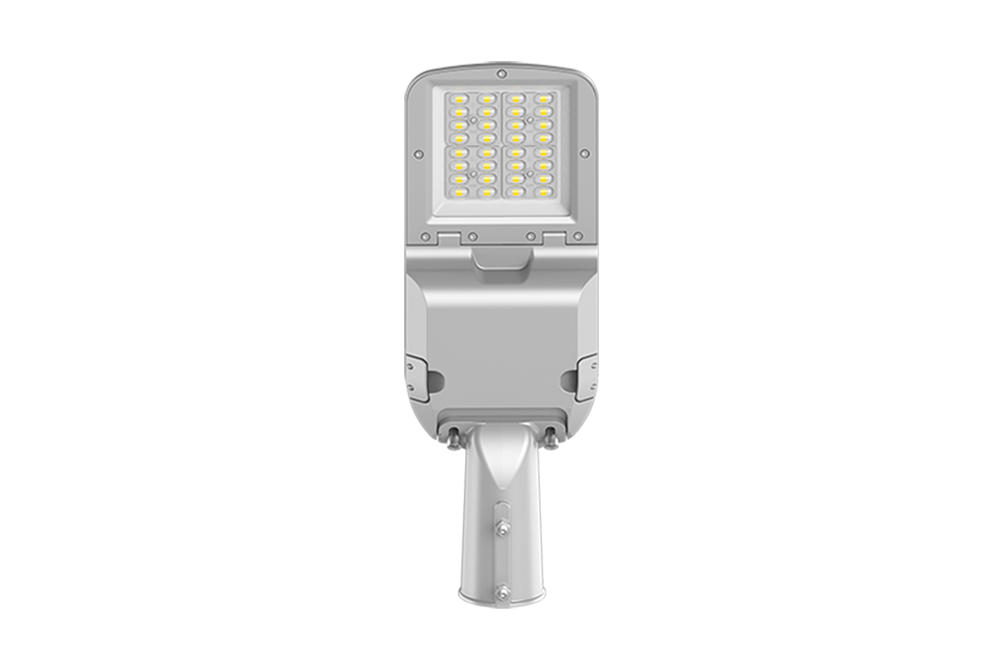
The SEEKING STA Series LED street light delivers strong efficiency, IP66 protection, 10kV surge resistance and multiple beam patterns for roads, parking lots and urban areas. High lumen output, easy installation and reliable performance for long-term outdoor lighting.
View detailsFrequently Asked Questions:LED Street Lights
They can be, but brightness depends on design, not the word “LED.” Many people notice LED street lights as brighter because the light is more directional and has higher contrast than old HPS lamps. LEDs put more light on the road and less into the sky. That makes objects appear clearer even at similar lumen levels. In practice, a well-designed LED street light can feel brighter while using less power. Poor optics, however, can cause glare and discomfort, which people often confuse with brightness.
LED street lights are not dangerous by default. Problems usually come from poor design or incorrect installation. Excessive glare, wrong mounting height, or overly cool color temperatures can create discomfort or reduce night visibility. In traffic environments, that matters. The risk is not electrical danger but visual performance. Proper photometric design and standards compliance reduce these issues. When installed correctly, LED street lights are considered safe for long-term public use.
They are not inherently harmful, but concerns are sometimes raised about blue light content. High color temperature LEDs can affect circadian rhythms if misused, especially in residential areas. That’s why many cities now choose 3000K or 4000K instead of higher CCTs. The issue is not LED technology itself, but specification choices. With proper planning, LED street lighting does not pose health risks.
Increasingly, yes. Many cities have replaced HPS or metal halide lamps with LED street lights. However, not all 200 watt street worldwide are LED yet. Older infrastructure still exists. Conversion usually happens in phases due to budget and installation constraints.
Typical LED street lights are rated for 50,000 to 100,000 hours. In real conditions, lifespan depends more on driver quality, heat management, and local climate than the LED chips. Dust, heat, and unstable power reduce life expectancy. From field experience, 10–15 years is a realistic planning figure.
It varies widely. Small residential Municipal LED Street Lighting may use 4,000–8,000 lumens. Major roads can require 20,000 lumens or more. Lumens alone don’t define performance. Optics and mounting height matter just as much.
Modern LED street lights typically range from 30W to 300W. Residential roads often use 50–100W. Highways and wide roads require higher wattage. Wattage selection is tied to spacing and pole height.
Costs vary by power, housing, optics, and certification. Basic models cost less, while municipal-grade fixtures cost more due to durability and controls. Installation and maintenance often exceed fixture cost over time.
Disabling public street lights is not a user-level action. It usually requires utility authorization. Technically, lights can be disconnected at the pole or control cabinet, but doing so without permission is unsafe and illegal in most regions.
Street lights are controlled by photocells, timers, or centralized systems. Turning them off requires access to those systems. Manual shutdown is not part of normal operation.
There is no single “best” model. The best street light fits the road type, climate, and regulations. Over-specifying brightness often causes more problems than it solves.
Yes, when properly designed and installed. Safety comes from glare control, consistent illumination, and electrical protection. LEDs themselves are not a safety risk.
Installation involves mounting, wiring, grounding, and aiming. Pole strength, wind load, and access height must be considered. Poor installation leads to early failure.
Most repairs involve replacing drivers or photocells. LED modules are rarely repaired on-site. Many municipalities prefer full fixture replacement to avoid repeat issues.
Replacement usually requires removing the old fixture, checking pole wiring, and installing a compatible LED unit. Optical redesign is often needed, not just watt-for-watt replacement.
LED street lights are outdoor luminaires designed to illuminate roads, sidewalks, and public spaces using LED technology. Their performance depends on optics, not just LEDs.
They convert electrical energy into light through semiconductor chips. Drivers regulate current. Optics shape the beam. Heat sinks manage temperature.
LED street lights are significantly more efficient than HPS or metal halide. They deliver more usable light per watt and waste less energy as heat.
Mounting height depends on road width and classification. Residential roads may use 6–8 meters. Main roads use 9–12 meters or more.
There’s no single number. Requirements depend on road type, speed, and spacing. Standards define illuminance, not just lumens.
Common values range from 50W to 200W. Higher wattage is not always better if optics are poorly matched.
Usage depends on design. Two lights with the same lumen output may use different wattage due to efficiency differences.
Typical municipal installations fall between 70W and 150W for most roads.
Savings come from lower energy use and reduced maintenance. Actual savings depend on replacement strategy and operating hours.
Fixture prices vary. Total project cost includes poles, wiring, controls, and labor.
Operating cost depends on wattage and local electricity rates. LEDs generally reduce annual operating costs compared to HPS.
Electricity use is predictable and stable over time, unlike discharge lamps which degrade faster.
Savings accumulate over years, mainly from reduced maintenance and energy bills.
Power usage matches rated wattage closely due to driver regulation.
Most applications stay below 200W. Extremely high wattage is uncommon.
Start with road classification, not wattage. Optics, glare control, and reliability matter more.
Conversion involves fixture replacement and sometimes control upgrades. Electrical compatibility must be verified.
Assembly is usually done at the factory. Field assembly is limited to mounting and wiring.
This is not a legitimate operation. Damage usually comes from impact, vandalism, or electrical faults.
Cities usually do phased retrofits to manage cost and minimize disruption.
They are often called harsh when glare or color temperature is poorly chosen. This is a design issue, not an LED issue.
Benefits include energy savings, better visibility, and reduced maintenance cycles. Control systems add further value.
Economic benefits come from long service life, predictable performance, and lower operating costs over time.