 Seeking LED
Submit your requirements here
Seeking LED expert will contact you shortly.
Search the whole station
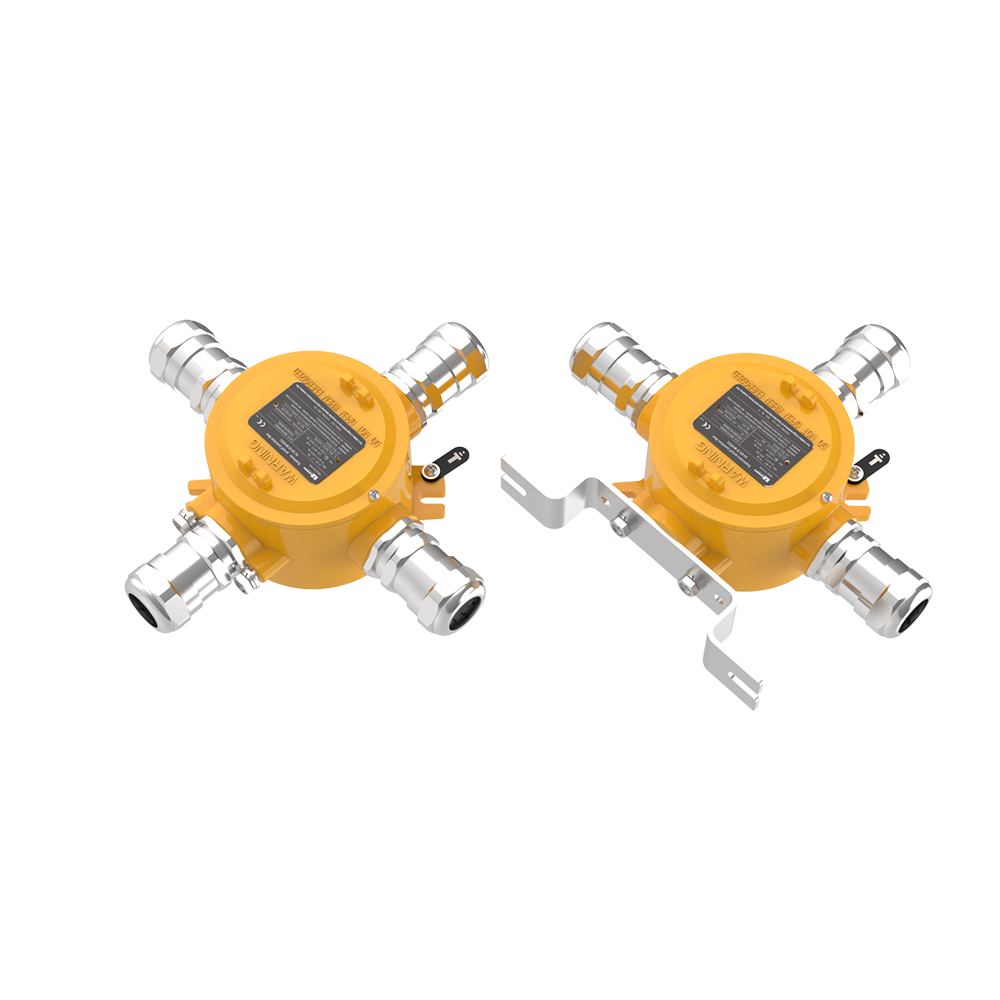
BHD51 Series
Designed and manufactured by SEEKINGLED, the BHD51 Series explosion-proof junction box adopts the flameproof (Ex d) principle in accordance with IEC 60079-1. It is engineered for safe electrical connections in high-risk hazardous areas such as oil & gas, petrochemical, and chemical industries.
It is currently the only product on the market that enables fast, tool-free cable connection while effectively preventing misoperation. The junction box provides secure and reliable performance in the following hazardous zones:
Gas atmospheres: Zone 1 and Zone 2
Dust atmospheres: Zone 21 and Zone 22
The BHD51 Series supports both surface mounting and pendant (suspended) installation. It offers flexible wiring configurations, including 1-in-1-out, 1-in-2-out, 1-in-3-out, 2-in-2-out, and other combinations, with compatibility for both M20 and M25 cable gland thread sizes.
The product has been certified to international ATEX and IECEx standards, ensuring full compliance with global explosion-proof requirements.
This design makes on-site wiring faster and safer, significantly reducing installation time and the risk of human error. It is particularly well-suited for complex lighting and power distribution systems in hazardous areas.
explosion-proof wiring box Product Explanation Videos
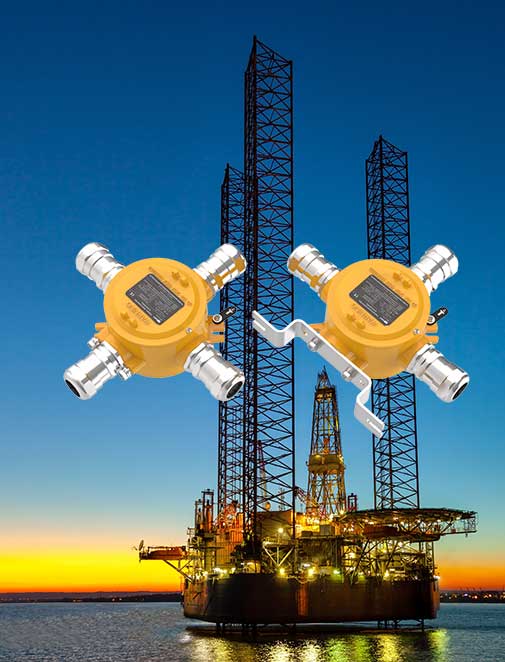
It is currently the only product on the market that truly enables fast, tool-free connection while effectively preventing misoperation, ensuring secure and reliable performance in:Gas atmospheres: Zone 1 and Zone 2Dust atmospheres: Zone 21 and Zone 22This design combines compliance, installation efficiency, and enhanced operational safety for demanding hazardous area applications.
An Explosion-proof Junction Box is a sealed enclosure designed to contain internal sparks or explosions and prevent ignition of external flammable gases or dust.
In practice, explosion proof electrical junction boxes are not “explosion resistant”—they are designed to confine and cool internal ignition, ensuring it does not propagate outside.
On-site, this becomes critical in Zone 1 areas where gas is present during normal operation.
Removing a cap from a junction box explosion proof enclosure is not the same as opening a standard box.
From field experience:
On older explosion proof junction boxes, corrosion or thermal expansion can make removal difficult. In those cases, gradual loosening—not impact force—is the safest method.
Standard junction boxes fail in hazardous areas because they:
Explosion proof electrical junction boxes:
In one refinery upgrade, replacing non-certified boxes eliminated repeated inspection failures within weeks.
From an engineering standpoint, the key difference is installation behavior, not just certification.
The BHD51 Series:
In real projects, wiring errors—not product defects—cause most failures. This design directly addresses that issue.
Yes, but only if properly certified.
The BHD51 Series supports:
This dual compatibility is important in mixed environments like grain processing plants, where both gas and dust risks may exist.
They use a flameproof (Ex d) design, meaning:
According to IEC 60079-1, this design ensures external gases cannot ignite.
From field inspections, the most frequent issues include:
Even high-quality explosion proof electrical junction boxes will fail if installation is not precise.
The BHD51 Series supports multiple configurations:
This flexibility reduces the need for additional explosion proof junction boxes, simplifying system layout in complex installations.
Minimum requirements for global projects:
The BHD51 Series meets both, ensuring compliance across most industrial markets.
Installation directly impacts long-term reliability.
The BHD51 Series supports:
Improper mounting can:
Reduce sealing performance
Trap heat
Stress cable entries
Unfortunately, the information you searched was not found