 Seeking LED
Explosion proof light Product Center
Explore our core LED Explosion proof light range, including explosion proof led lights, explosion proof light fixture, explosion proof led light fixtures, portable explosion proof lighting, explosion proof led lighting class 1 division 1, spray booth lighting, led explosion proof flood lights, and explosion proof high bay led light for diverse projects.
SEEKINGLED's Explosion-Proof Lighting products are ex proof lighting equipment suitable for Zone 2 (gas) and Zone 22 (dust) explosive environments. They are ATEX and IECEx certified.
About Explosion Proof Lighting
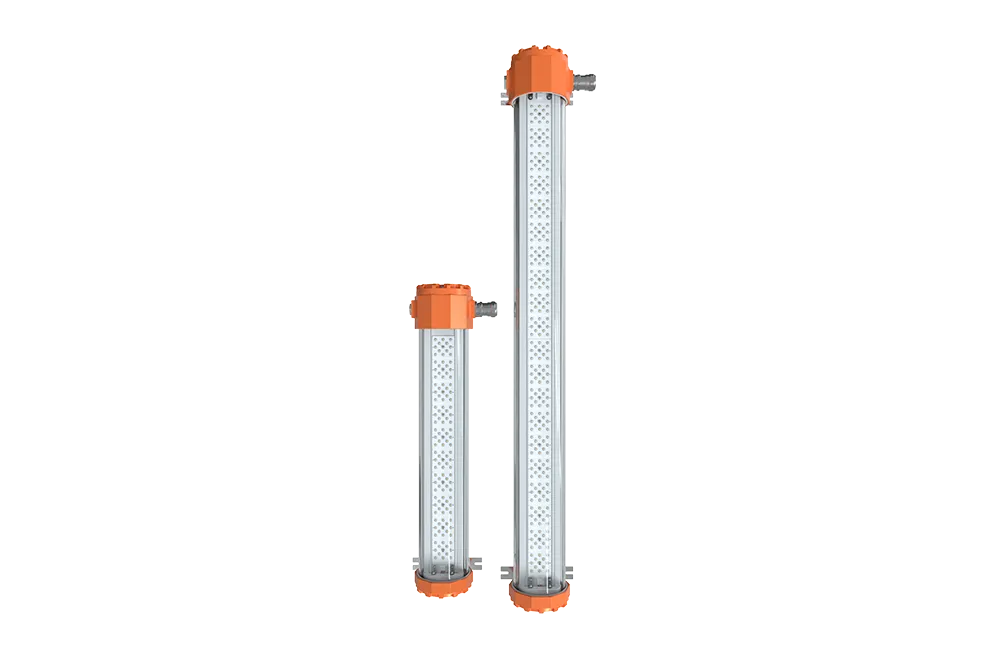
LO Series LED Linear Explosion Proof lighting
SEEKINGLED LED Linear Explosion Proof Light and Explosion Proof lighting is ATEX and IECEx certified for Zone 1, Zone 2, Zone 21 and Zone 22 hazardous locations, built for long-term industrial use.
View details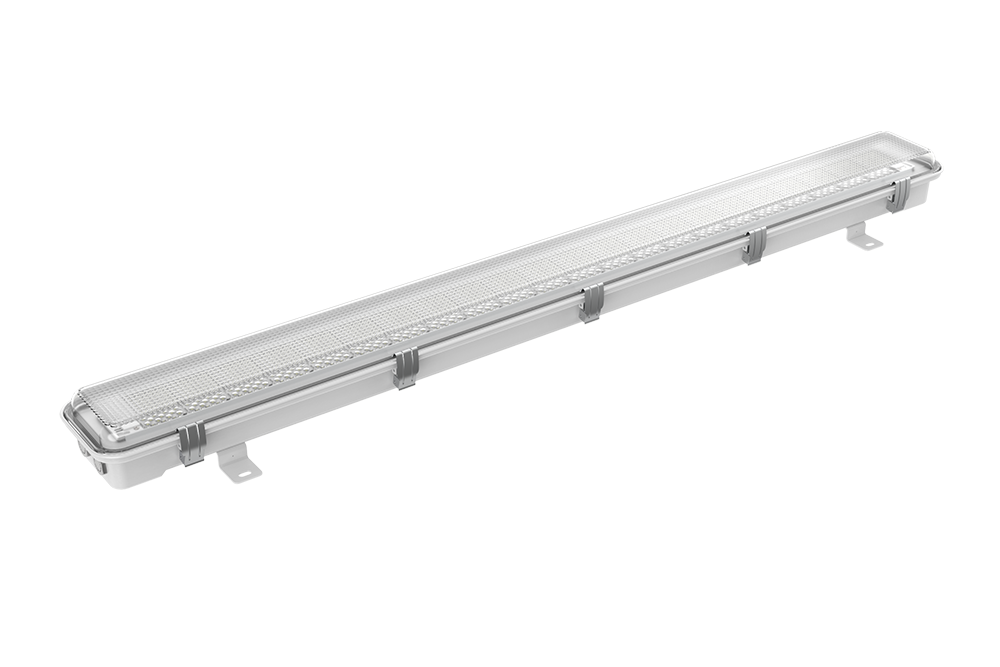
Bay51 Series LED Linear EX Proof lights
LED Linear Explosion Proof Lights and EX Proof lights for Zone 1, Zone 2, Zone 21 and Zone 22 hazardous areas. ATEX & IECEx certified explosion proof LED linear lighting with emergency function, adjustable power and IP67 protection by SEEKINGLED.
View details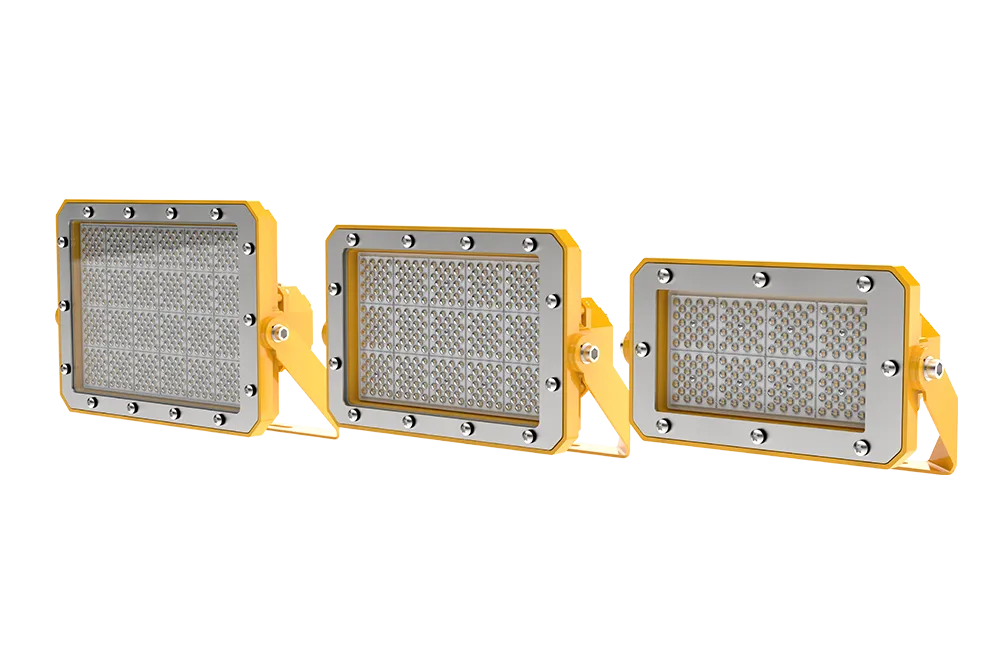
FL8 Series Explosion Proof FloodLights
SEEKINGLED LED Explosion Proof Flood Lights are ATEX certified for Zone 2 and Zone 22 hazardous areas, offering high efficiency, adjustable power and integrated junction box.
View details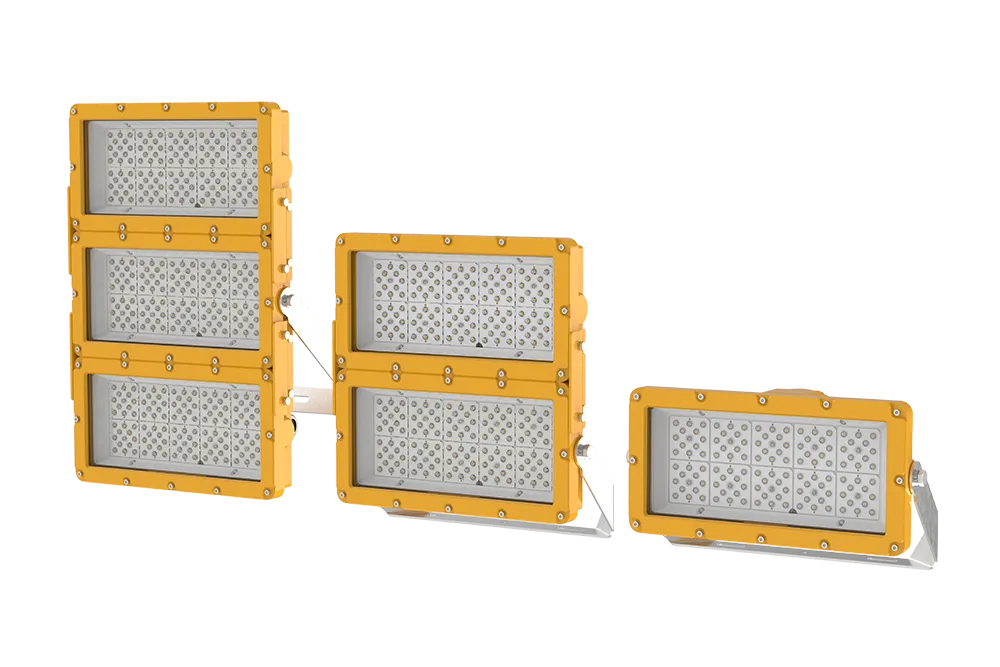
FL7 Series Explosion Proof Flood Lights
SEEKINGLED LED Explosion Proof Flood Lights are flameproof ATEX and IECEx certified for Zone 1 and Zone 2 hazardous areas, offering high power, adjustable output and long service life.
View details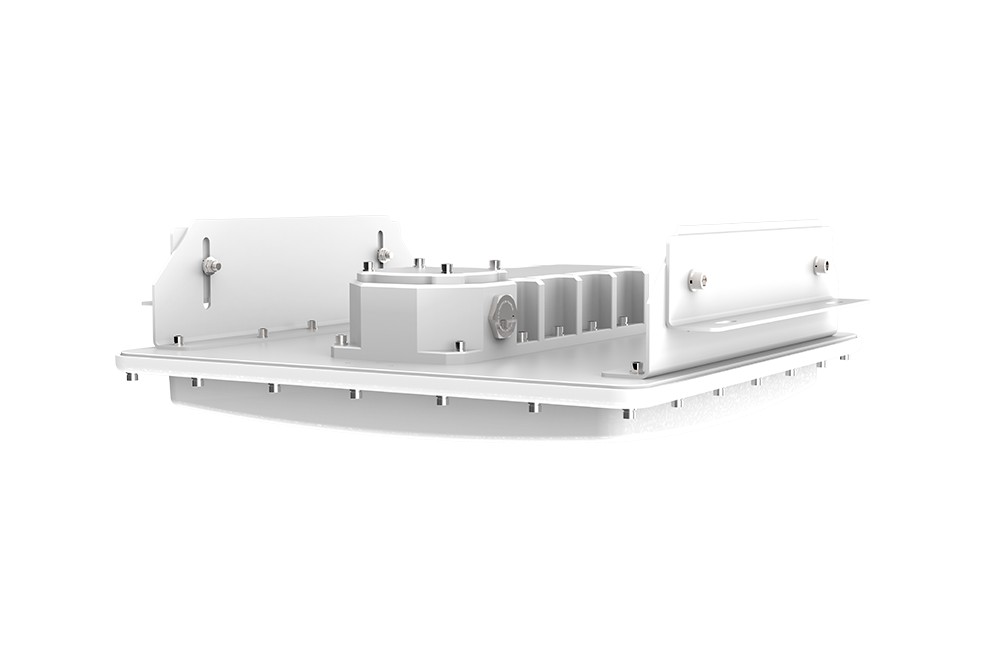
GS Series LED Gas Station Canopy Lights
SEEKINGLED LED Gas Station Canopy Lights are ATEX certified for Zone 2 and Zone 22 hazardous areas, featuring adjustable power and built-in explosion-proof junction box.
View details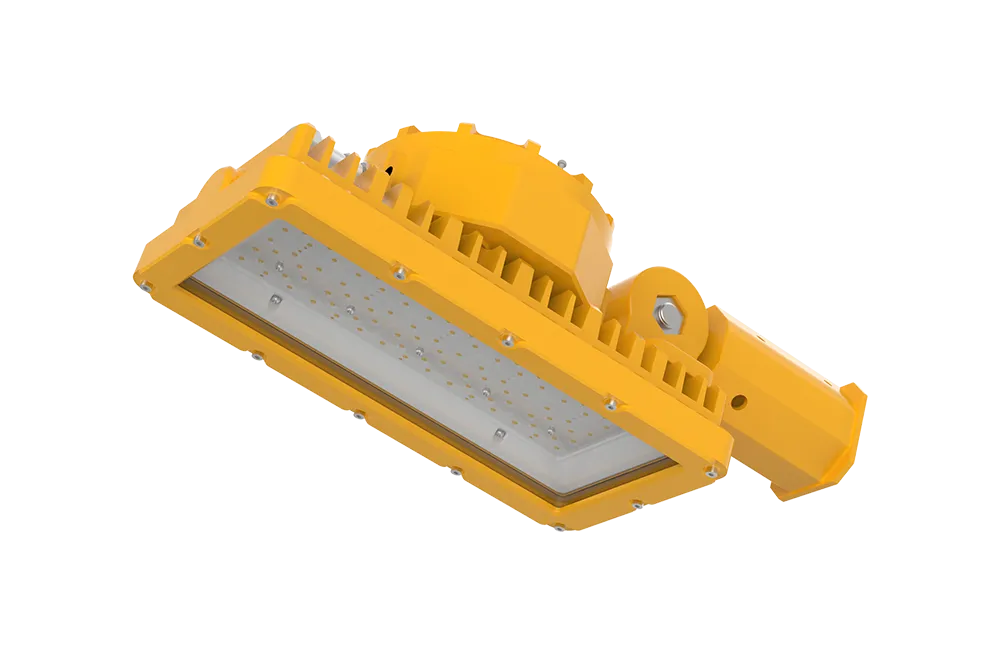
FL7 series EX street lights
ATEX: Ex II 2G Ex db IIB T6/T5 GbEx II 2D Ex tb IIIC T80°C/ T95°C Db IECEx Ex db IIB T6 Gb;Ex tb IIIC T80°C Db Feature: ● For Zone 1,2 and Zone 21,22● Flameproof type, the strongest● 100W can replace 250W HID,energy saving● Power:60W,80W,100W Application: Oil and gas, marine, Chemical, pharmaceutical, semiconductor,mining,military industr...
View details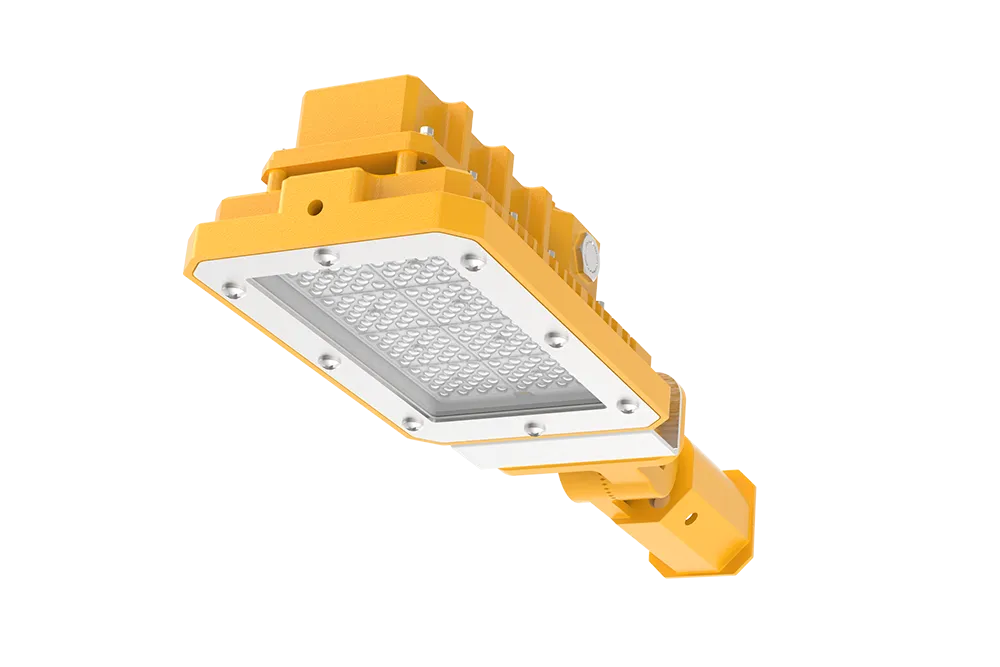
FL8 series Explosion proof street light
ATEX: II 3G Ex nR ⅡC T5/T6 GcII 3D Ex tc ⅢC T80℃/T95℃Dc ATEX Certificate NO: TÜV CY 26 ATEX 0207611 X Feature: ● For Zone 2 and Zone 22● 150W can replace 250W HID lamps,Energy saving● Power:50W,75W,100W,150W,200W Application: Oil and gas, marine, Chemical, pharmaceutical, semiconductor,mining,military industry, paint booth,power plant ETC...
View details
HB21 Series Explosion Proof High Bay lights
LED explosion proof high bay lights are designed for Zone 1, Zone 2, Zone 21 and Zone 22 hazardous areas. This page introduces the HB21 Series from SEEKING, including certifications, power options and real application considerations.
View details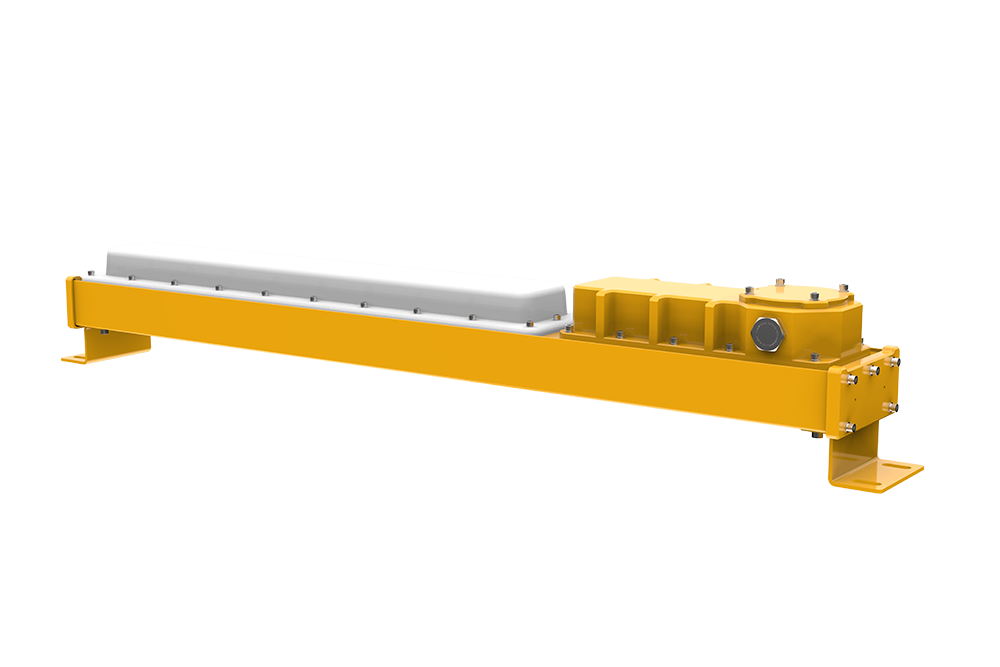
LU Series LED Linear Flame Proof lights
LED Linear Explosion Proof Lights from SEEKINGLED. LU Series Flame Proof lights ATEX-certified explosion proof LED linear lighting for Zone 2 gas and Zone 22 dust areas, IP69K, IK10, long lifetime and flexible power options.
View details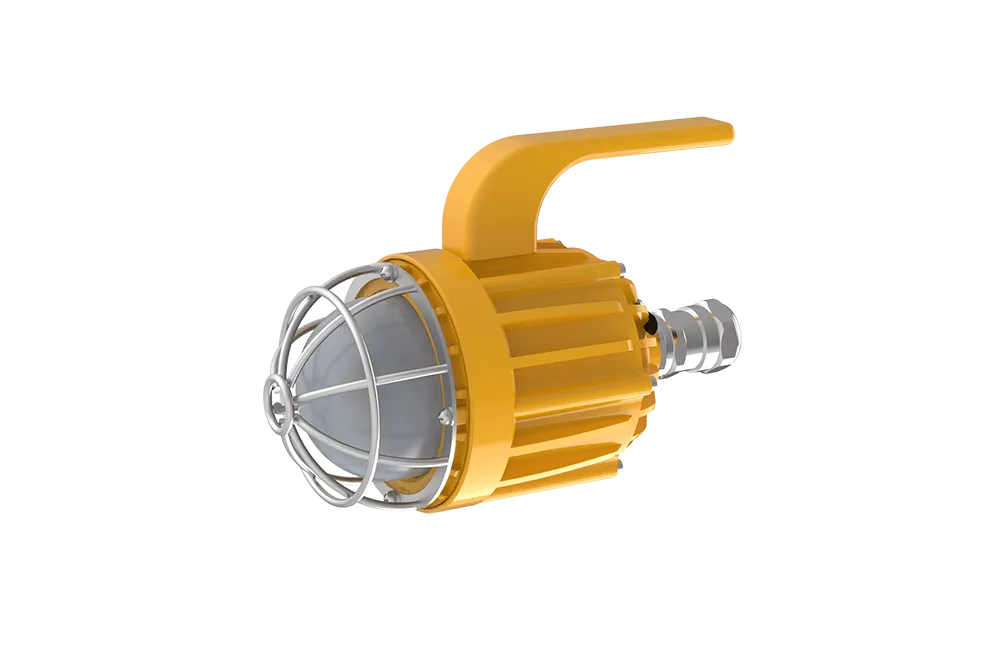
Explosion proof work lights
Certified explosion proof work lights for Zone 1 & 21 hazardous areas. Portable, ATEX & IECEx approved, built for oil, gas and chemical plants by SEEKINGLED.
View details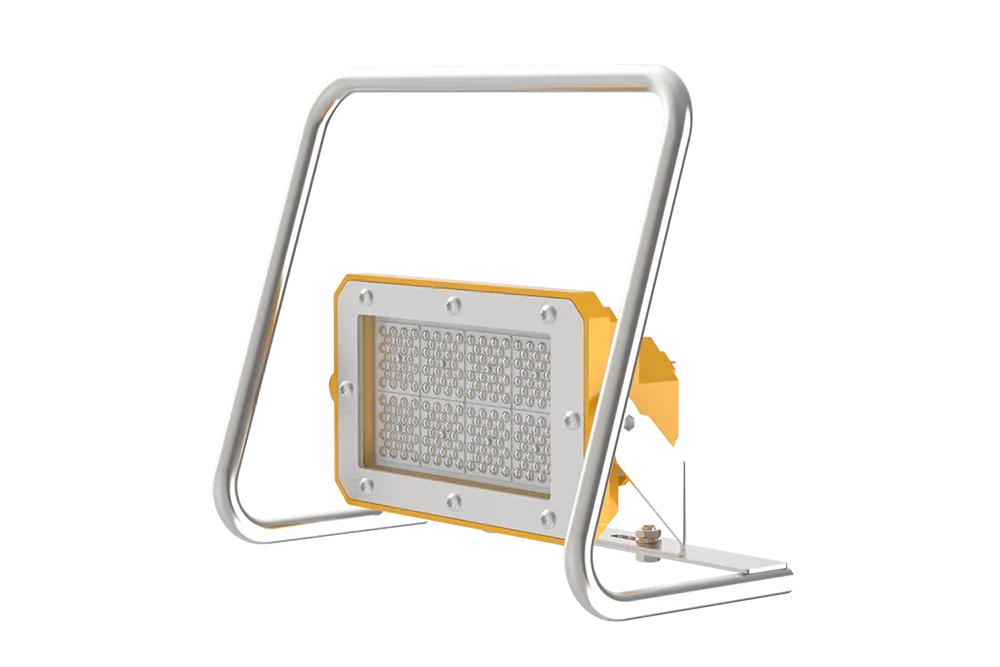
FL8 Explosion-proof portable work light
ATEX: II 3G Ex nR ⅡC T6 GcII 3D Ex tc ⅢC T80℃ Dc ATEX Certificate NO: TÜV CY 26 ATEX 0207611 X Feature: ● For Zone 2 and Zone 22● Accepts battery-powered supply● indestructible● Power:AC input:50W,75W,100WDC input:15W,25W,35W Application: Oil and gas, marine, Chemical, pharmaceutical, semiconductor,mining,military industry, paint booth,po...
View details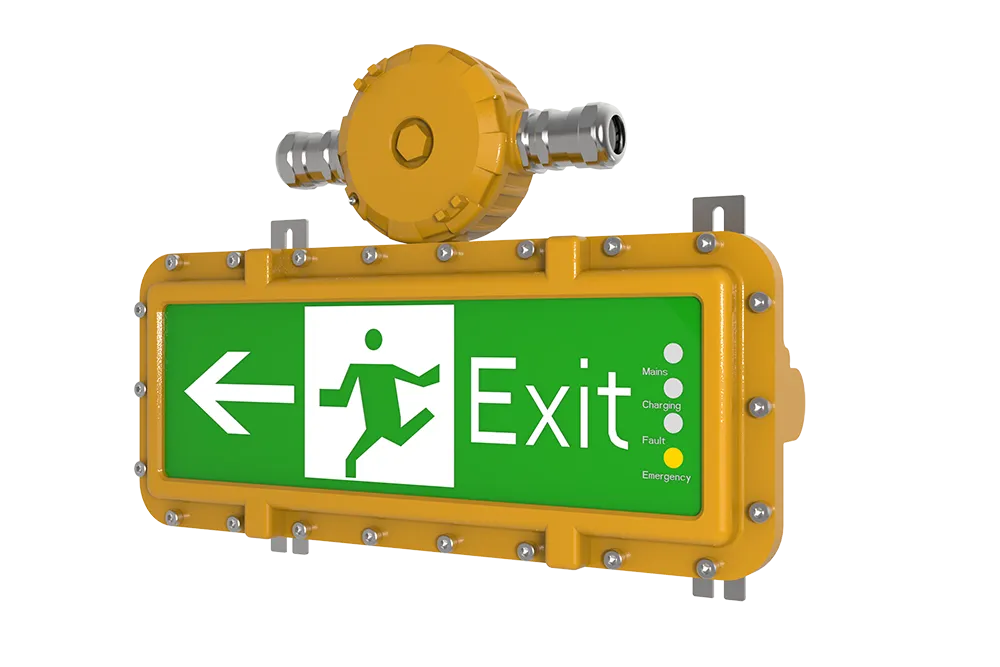
BAYD82 Explosion Proof LED Exit Light
ATEX: Ex II 2G Ex db IIB T6 GbEx II 2D Ex tb IIIC T80°C Db IECEx Ex db IIB T6 Gb;Ex tb IIIC T80°C Db Feature: ● For Zone 1,2 and Zone 21,22● Flameproof type, the strongest Application: Oil and gas, marine, Chemical, pharmaceutical, semiconductor,mining,military industry, paint booth,power plant ETC hazardous area. Technical Specifications:...
View details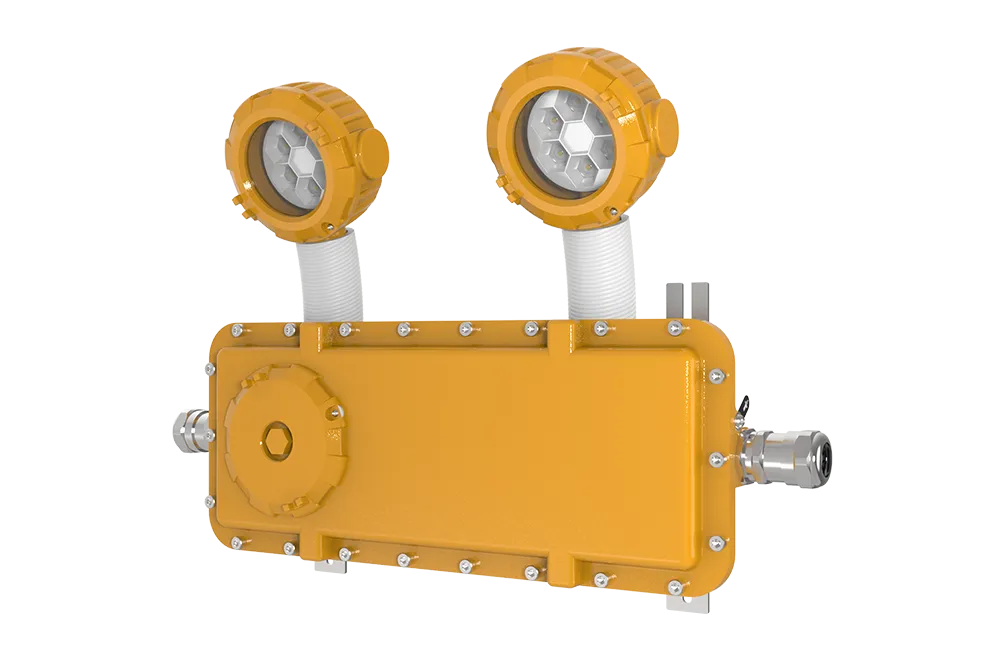
BAJ52 Explosion proof Emergency Light
ATEX: Ex II 2G Ex db IIB T6 GbEx II 2D Ex tb IIIC T80°C Db IECEx Ex db IIB T6 Gb;Ex tb IIIC T80°C Db Feature: ● For Zone 1,2 and Zone 21,22● Flameproof type, the strongest Application: Oil and gas, marine, Chemical, pharmaceutical, semiconductor,mining,military industry, paint booth,power plant ETC hazardous area. Technical Specifications:...
View details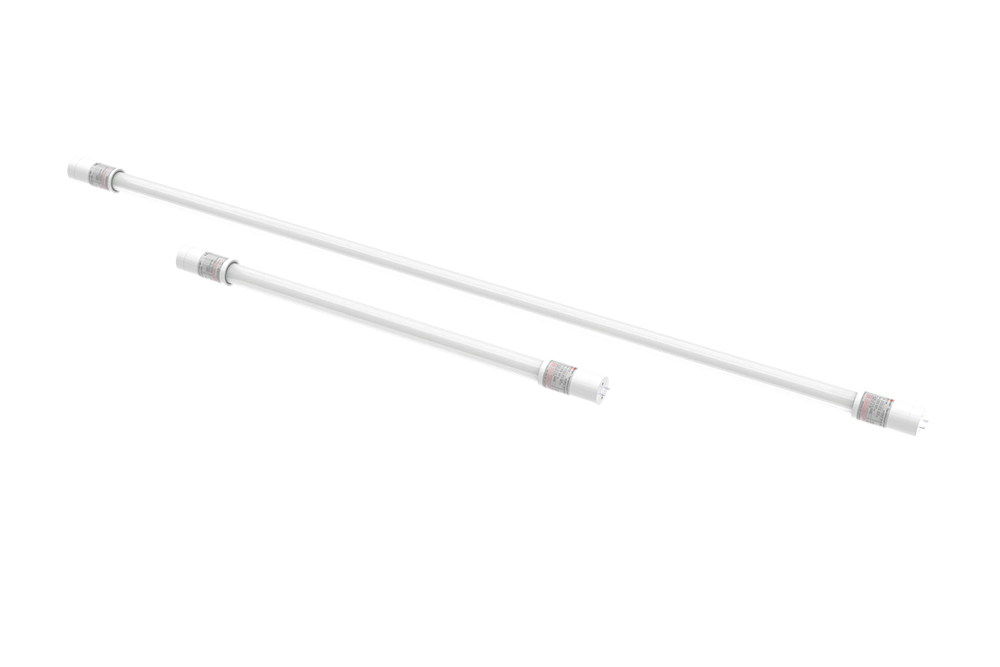
BT8 Series Explosion proof T8 Tube Light G13
ATEX: Ex II 2G Ex d e IIB T6 Gb ATEX: Ex d e IIB T6 Gb; Feature: ● For Zone 1,2● 9W can replace 18W fluorescent lamps,50% Energy saving Application: Oil and gas, marine, Chemical, pharmaceutical, semiconductor,mining,military industry, paint booth,power plant ETC hazardous area. Technical Specifications: Standards:60079-0, 60079-1, 60079...
View details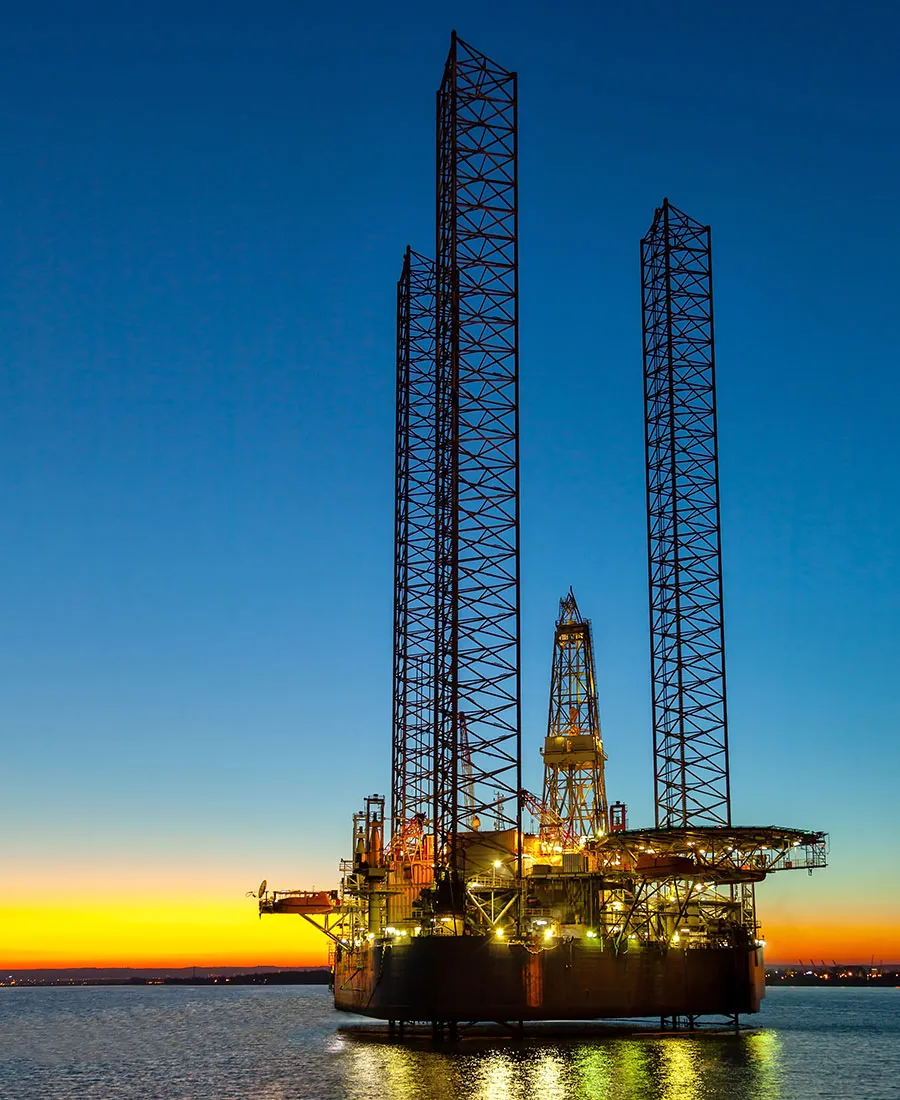
What Are Explosion-Proof Lighting?
Explosion-proof lighting refers to specially engineered luminaires designed for use in hazardous environments where flammable gases, vapors, dust, or fibers may be present. Unlike standard industrial lights, explosion-proof fixtures are constructed to contain any internal ignition source and prevent it from igniting the surrounding atmosphere. These systems are widely used in oil & gas facilities, chemical plants, mining operations, fuel stations, and other high-risk industrial zones.
- Safety design principle: Enclosed, reinforced housings prevent sparks, arcs, or excessive heat from escaping the fixture, eliminating ignition risk in explosive atmospheres.
- Certification standards: Typically comply with ATEX, IECEx, and UL844 classifications, ensuring suitability for Zone 1/2 and Zone 21/22 hazardous areas depending on application.
- Housing materials: Built using die-cast aluminum alloy, stainless steel, or heavy-duty tempered glass with anti-corrosion and high-impact resistance coatings.
- Light source technology: High-efficiency LED modules are commonly used due to low heat output, long lifespan, and reduced maintenance requirements.
- Ingress protection: Most explosion-proof luminaires achieve IP66–IP68 ratings, ensuring resistance to dust, water, and corrosive industrial environments.
- Service life: Typically 50,000–100,000 hours depending on thermal management design, operating temperature, and environmental conditions.
Decision Framework
When Should You Choose a Explosion-Proof Lighting?
✓ Good Fit
Choose Explosion-Proof Lighting When…
- You operate in hazardous environments — oil & gas facilities, chemical plants, mining sites, fuel stations, or offshore platforms where flammable gases or dust may be present.
- Safety compliance is mandatory — ATEX, IECEx, or UL hazardous area certification is required for site approval and insurance compliance.
- Continuous industrial operation is needed — lighting must run 24/7 in demanding production or maintenance conditions.
- Environmental conditions are harsh — high humidity, corrosion, vibration, dust, or extreme temperatures are present.
- High reliability and low maintenance are critical — downtime or frequent lamp replacement is not acceptable in critical operations.
- You need engineered safety protection — fixtures must prevent ignition sources from escaping the housing in explosive atmospheres.
✗ Poor Fit
Don’t Choose Explosion-Proof Lighting When…
- The application is standard indoor or commercial lighting — offices, homes, retail stores, or non-hazardous warehouses.
- No hazardous atmosphere exists — there is no risk of flammable gas, vapor, or dust exposure.
- Low initial cost is the main priority — explosion-proof systems are higher cost due to certification and reinforced design.
- Lightweight decorative lighting is required — explosion-proof fixtures are industrial-grade and structurally heavy.
- Basic lighting without certification is sufficient — standard LED lights meet general illumination needs more economically.
- Portable aesthetic or design-focused lighting is the goal — explosion-proof lighting is engineered for safety, not visual styling.
Note For Partners: For mixed industrial projects, explosion-proof lighting should be used only in classified hazardous zones, while standard LED lighting can be applied in safe areas to optimize total project cost and energy efficiency.
Explosion-Proof Lights vs LED Lights — Key Differences
| Feature / Parameter | Explosion-Proof Lights | Standard LED Lights |
|---|---|---|
| Primary Purpose | Safe operation in hazardous environments with flammable gases, vapors, or dust | General illumination for commercial, residential, and light industrial use |
| Safety Design | Engineered to prevent ignition; contains sparks, arcs, and heat within sealed housing | No explosion containment design; not suitable for hazardous atmospheres |
| Certifications | ATEX, IECEx, UL844 (hazardous location rated) | CE, RoHS, UL (general electrical safety, not hazardous-rated) |
| Housing Structure | Heavy-duty die-cast aluminum, stainless steel, reinforced glass | Lightweight aluminum or plastic housing |
| Ingress Protection (IP Rating) | Typically IP66–IP68 for extreme environments | IP20–IP65 depending on model |
| Heat Management | Advanced thermal control to avoid surface ignition temperatures | Standard LED heat dissipation design |
| Application Environment | Oil & gas, chemical plants, mining, fuel stations, offshore platforms | Offices, warehouses, retail, residential, outdoor general lighting |
| Explosion Risk Handling | Designed for Zone 1/2 or Zone 21/22 hazardous areas | Not suitable for explosive atmospheres |
| Durability | High resistance to corrosion, vibration, and extreme conditions | Moderate durability depending on product grade |
| Cost Level | Higher due to safety engineering and certification | Lower and mass-market affordable |
| Maintenance | Low, but requires certified replacement procedures in hazardous zones | Simple and widely serviceable |
| Installation Requirement | Must follow strict hazardous-area installation standards | Standard electrical installation |
Core Insight
Explosion-proof lighting is not a “higher-grade LED light” — it is a safety-certified industrial system designed to eliminate ignition risk in explosive atmospheres. Standard LED lights focus on efficiency and illumination, but lack the structural containment and certification required for hazardous environments.
Our customers give this evaluation
Feedback from global B2B clients highlights SEEKINGLED’s reliable performance, fast delivery, strong OEM customization capability, and stable quality across diverse industrial explosion-proof lighting applications.

Michael R.
Senior Procurement Manager (Oil & Gas EPC Contractor, Houston, USA)
⭐⭐⭐⭐⭐
We deployed SEEKINGLED FL9 Series Explosion-proof Floodlights across a refinery expansion project in Houston, Texas. Total installation included 186 units across processing zones and perimeter hazardous areas.
From a procurement standpoint, their pricing structure for bulk orders was predictable and competitive. The pre-sales team responded quickly with datasheets, certifications (ATEX/IECEx documentation), and layout support, which helped us clear internal compliance review without delays. Delivery for the full batch was completed in 12 days, which was faster than our previous supplier by nearly a week.
We also required minor OEM modifications (bracket adjustment and logo marking), which were handled without friction. Performance-wise, illumination uniformity improved noticeably in nighttime inspection zones, reducing blind spots during safety patrols.
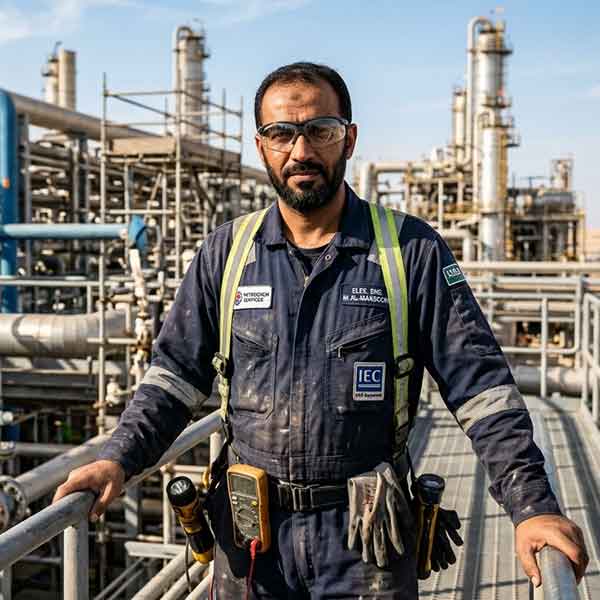
Ahmed Al-Mansoori
Electrical Engineer (Petrochemical Facility, Dammam, Saudi Arabia)
⭐⭐⭐⭐⭐
We standardized SEEKINGLED Explosion proof work lights and FL8 Series Explosion Proof Flood Lights across maintenance corridors and shutdown zones in our petrochemical facility.
The engineering documentation provided was technically complete, including thermal ratings and ingress protection test reports. This reduced back-and-forth with our safety compliance team. We ordered 92 units initially, followed by a second batch of 140 units after validation testing.
The installation team noted that wiring design and housing structure simplified mounting in confined hazardous spaces. OEM customization for voltage specification (240V region-specific adaptation) was delivered correctly on first pass.

Laura Jennings
HSE Manager (Mining Operation, Western Australia)
⭐⭐⭐⭐⭐
At our iron ore mining site in Western Australia, safety compliance is non-negotiable. We installed HB21 Series Explosion Proof High Bay lights in processing warehouses and LO Series LED Linear Explosion Proof lighting in underground maintenance tunnels.
Total deployment exceeded 240 units. The lighting consistency significantly improved hazard visibility during night shifts, particularly in dust-heavy environments.
From an HSE perspective, certification traceability and batch consistency were critical. SEEKINGLED provided full documentation sets without delays. Logistics coordination was efficient even to our remote site, with staggered delivery aligned to installation phases.

Daniel Park
Project Engineer (Gas Station Network, Singapore)
⭐⭐⭐⭐⭐
We rolled out GS Series LED Gas Station Canopy Lights across 34 fuel stations in Singapore. The objective was uniform canopy brightness and improved energy efficiency.
We ordered approximately 680 units across multiple phases. SEEKINGLED supported us with OEM branding customization and fast sample approval within one week. Their production scalability was evident during peak rollout—there were no delays even during batch expansion.
The lighting output improved visual clarity at fueling stations, and we observed reduced customer complaints regarding dark canopy zones.

Carlos Mendes
Maintenance Supervisor (Food & Chemical Storage Warehouses, São Paulo, Brazil)
⭐⭐⭐⭐⭐
We installed Bay51 Series LED Linear EX Proof lights in our chemical storage warehouses in São Paulo.
The environment requires stable illumination under strict safety regulations. We used approximately 160 units across multiple storage zones.
Maintenance crews highlighted ease of replacement and sturdy housing under humid conditions. SEEKINGLED’s after-sales support responded within hours when we requested installation torque specifications for retrofitting older brackets.
Lighting stability improved inspection accuracy during night inventory cycles.
Emily Carter
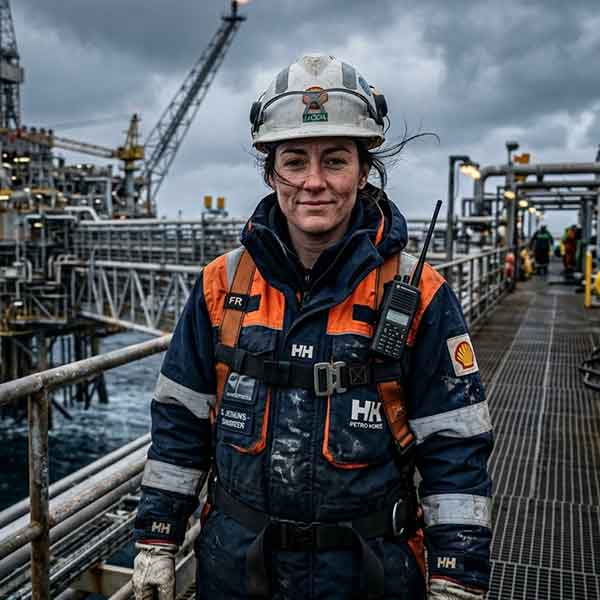
Senior Facility Engineer (Offshore Platform, North Sea, Norway)
⭐⭐⭐⭐⭐
On our offshore drilling platform in the North Sea, we implemented FL7 Series Explosion Proof Flood Lights for deck and drilling perimeter zones.
Roughly 120 units were deployed under extreme wind and salt exposure conditions. The corrosion resistance performance has been stable after extended operation.
SEEKINGLED coordinated offshore-certified packaging and ensured documentation compliance for marine hazardous certification requirements. OEM adjustments for mounting angles were incorporated during production without delay.
Omar Khalid
Operations Director (Industrial Logistics Hub, Dubai, UAE)
⭐⭐⭐⭐⭐
We upgraded our logistics distribution center in Jebel Ali Free Zone with FL9 Series Explosion-proof Floodlights and LO Series LED Linear Explosion Proof lighting.
Total installation included over 310 units. The goal was improving visibility in high-bay racking zones and loading docks.
SEEKINGLED demonstrated strong OEM flexibility, including customized lumen output and emergency backup configuration. Shipment arrived in two consolidated batches, reducing customs handling time.
Operational efficiency improved due to better forklift navigation visibility and reduced incident reports in night operations.
Thomas Becker
Electrical Site Engineer (Industrial Manufacturing Plant, Bavaria, Germany)
⭐⭐⭐⭐⭐
We installed Explosion proof work lights and HB21 Series Explosion Proof High Bay lights in our heavy machinery manufacturing facility in Bavaria.
Deployment volume reached approximately 210 units across assembly halls and testing zones.
Technical evaluation showed consistent lumen maintenance and stable thermal control under continuous operation. SEEKINGLED provided detailed CAD layouts which helped integrate lighting planning into our plant digital twin model.
OEM process control was reliable, especially for labeling and EU compliance marking.
About Explosion-Proof Lighting Guides
Practical guides covering selection, installation, certification, maintenance, and application of explosion-proof lighting systems for safe and compliant use in hazardous industrial environments.
Frequently Asked Questions:Explosion proof lighting
Are LED lights explosion proof?
Short answer: most are not.
An LED light is just a light source. It doesn’t tell you anything about safety in a hazardous area. In real projects, I’ve seen standard LED fixtures installed by mistake because people assumed “LED means safe.” That’s not how it works. Explosion-proof protection comes from the enclosure, sealing, and certification. If those are missing, the light is not explosion proof, no matter how efficient it is.
What is explosion proof lighting?
Explosion proof lighting led is built for places where flammable gas, vapor, or dust may exist. The idea isn’t to stop explosions from happening outside. The idea is simpler: if something goes wrong inside the light, it must stay inside. The fixture becomes a barrier. That’s why these lights are heavier, thicker, and very different from ordinary industrial lighting.
How does explosion proof lighting work?
It works by containment.
Inside the fixture, electrical components can still heat up or fail. That’s reality. The housing is designed so flames, sparks, or hot gases cannot escape fast enough to ignite the surrounding air. Threaded joints, flame paths, and controlled gaps are doing most of the work, not electronics.
Are all LED lights explosion proof?
No, and this causes problems on job sites.
Most LED lights are made for warehouses, offices, or parking areas. They have open vents and thin housings. Explosion-proof LED lights are a separate product category and must be certified. Without that certification, they should never be installed in a classified area.
Is LED lighting explosion proof?
LED lighting by itself is not explosion proof.
It becomes explosion proof only after being built into a certified fixture. LEDs are often used because they run cooler and last longer, which helps with thermal control. But again, the protection comes from the fixture, not the LED.
What Are Explosion Proof Lights?
Explosion proof lights are sealed industrial fixtures used in hazardous locations. You’ll see them in refineries, chemical plants, mines, and grain facilities. They look overbuilt for a reason. Thick metal housings, heavy covers, and precise joints are all part of the design. Weight is usually the first thing installers notice.
What does explosion proof lighting mean?
It means the light won’t ignite the environment around it.
That’s all. It doesn’t mean the light can’t fail. It doesn’t mean it’s indestructible. It means failure is contained. This is an important difference that often gets lost outside engineering discussions.
Can LED lights be used in an explosion proof area?
Yes, but only the right ones.
The fixture must match the area classification, gas group, and temperature class. A regular LED high bay with a “protective cover” is not acceptable. Certification is not optional here. Inspectors will check it.
How to choose the right explosion-proof trouble light?
Start with where it will be used.
Maintenance areas often need portable lights, but cables and plugs become weak points. Look at voltage, strain relief, impact resistance, and how the light is handled with gloves. Brightness matters, but durability usually matters more in the long run.
How to open an explosion proof light fixture?
You don’t open it casually.
Power must be off, and the area must be confirmed safe. Many fixtures use threaded covers that require time and proper tools. Opening a fixture in a live hazardous area defeats the entire purpose of explosion-proof design.
How to test explosion proof LED exit light?
Testing is mostly about condition, not just function.
Yes, you check whether it lights up in emergency mode. But you also inspect seals, cable entries, and enclosure surfaces. A damaged gasket can be more dangerous than a failed LED.
What are explosion proof lights cast from?
Most are cast aluminum alloy.
It’s strong, corrosion resistant, and manageable in weight. In aggressive environments, stainless steel is used, but it’s heavier and more expensive. The casting process allows thick walls and accurate flame paths, which sheet metal cannot provide.
What is an explosion proof light?
It’s a light designed to separate electrical risk from environmental risk.
Inside, it behaves like any other electrical device. Outside, nothing should be able to reach ignition conditions because of it. That separation is the core idea behind explosion-proof design.
What is an explosion-proof fluorescent light fixture?
It’s an older solution that still exists.
Fluorescent tubes are enclosed in explosion-proof housings. These fixtures work, but they are bulky and require more maintenance. Many facilities are replacing them with LED versions for practical reasons, not marketing ones.
What is an explosion-proof high bay light fixture?
This is used in high-ceiling hazardous spaces.
Think processing halls or large industrial buildings. The challenge is managing heat while providing wide-area illumination. Mounting height, beam angle, and enclosure temperature all matter more than raw wattage.
What is an explosion-proof LED work light?
It’s a portable lighting tool for hazardous areas.
Often used during inspection or repair. The housing protects against sparks, while the LED keeps heat low. Cable protection and strain relief are critical, because damage usually happens there first.
It’s simply explosion-proof lighting that uses LEDs.
Nothing more complicated than that. The benefit is efficiency and longer service life, which reduces how often the fixture needs to be opened for maintenance.
It means lighting that won’t start an explosion.
The term is about risk control, not brightness or efficiency. Standards define it clearly, even if marketing language sometimes blurs it.
Not one thing.
It’s the enclosure, joints, materials, sealing, and testing together. If any part is wrong, the whole concept fails. That’s why certification matters more than individual features.
Aluminum alloy is the most common.
Stainless steel is used when corrosion is severe. The metal must handle pressure, impact, and heat without deforming in a way that breaks flame paths.
Whenever explosive atmospheres may exist.
This includes gas, vapor, and dust hazards. The requirement comes from area classification, not personal judgment. If the area is classified, explosion-proof lighting is not optional.
Mining environments need specialized fixtures.
Dust, vibration, and moisture are constant issues. Manufacturers like SEEKINGLED focus on hazardous-area lighting and can provide products certified for mining conditions. Matching certification to local regulations is always the final step.
What are EX proof lights and where are they used?
EX proof lights are certified lighting fixtures designed for hazardous areas where explosive gases or dust may be present. They are commonly used in oil & gas, chemical plants, and paint spray booths to prevent ignition risks.
What is the difference between flame proof lights and regular lights?
Flame proof lights are built to contain internal explosions and prevent flames from escaping, making them safe for hazardous environments. Regular lights lack this protection and can pose serious ignition risks.
How Long Does a LED Explosion Proof Lamp Last?
LED Explosion proof lamps typically last 50,000 to 100,000 hours, depending on the environment and manufacturing quality.
What is the difference between explosion proof lamp and ex proof lamp?
Explosion proof lamp is a general term. ex proof lamp refers to certified equipment compliant with IEC/ATEX standards.