 Seeking LED
how bright is a 30 watt led flood light?
8A 30-watt LED flood light typically produces around 3,000–4,100 lumens, depending on its efficiency and optical design. It is suitable for entrances, small d...
View detailsSearch the whole station
Mount most outdoor flood lights about 8–12 feet above the ground for residential entrances, garages, and small yards. Larger areas may need higher mounting, but beam angle, light output, glare, and the target area determine the best height.
The right mounting height depends on what needs to be illuminated. A light above a garage door has a different job from a floodlight covering a warehouse loading bay or a wide parking area.
For many residential applications, 8–12 feet (2.4–3.7 m) is a practical starting point. It provides useful coverage while keeping the fixture accessible for adjustment and maintenance. This is a general planning range, not a universal code requirement or a manufacturer specification.
| Application | Suggested starting height | Main consideration |
|---|---|---|
| Front door or side entrance | 8–10 ft (2.4–3.0 m) | Illuminate the threshold without shining into people’s eyes |
| Garage and small driveway | 8–12 ft (2.4–3.7 m) | Balance broad coverage with useful ground-level brightness |
| Backyard or patio | 8–12 ft (2.4–3.7 m) | Avoid glare toward seating areas and neighboring properties |
| Small commercial entrance | 10–15 ft (3.0–4.6 m) | Consider access, beam distribution, and mounting structure |
| Large parking or industrial area | Project-specific | Use photometric calculations and applicable lighting standards |
These ranges are initial design suggestions, not guaranteed coverage specifications. Always check the floodlight manufacturer’s mounting instructions and the project’s applicable electrical and building requirements.
Imagine a 30W LED floodlight mounted above a garage. At a lower position, it may produce a concentrated bright patch near the door. Raise it too far without changing the optics, and less light may reach the ground directly beneath the target area.
The geometry explains why. For an ideal point source, illuminance on a surface decreases approximately with the square of the distance when the angle and other conditions remain comparable. Doubling the distance can reduce illuminance to roughly one-quarter.
Real LED floodlights have directional optics, so the actual result depends on beam shape and aiming. Still, the principle is useful: mounting a fixture higher does not automatically improve illumination.
The mounting height should suit the area, not simply the fixture’s wattage. A narrow-beam floodlight can reach a distant wall from a higher position, while a wide-beam fixture may be better for spreading light across a nearby patio.
The Illuminating Engineering Society’s ANSI/IES RP-8-22 explains that floodlights are designed to project controlled beams onto specific surfaces. Its guidance recommends choosing beam types for the target area, then refining wattage and aiming through adjustment and on-site verification. Source: IES, Recommended Practice for Lighting Roadway and Parking Facilities.
For a residential driveway, begin by identifying the far edge you need to illuminate. Aim the fixture so the beam covers the useful area without creating a bright hotspot near the garage or shining into a driver’s eyes.
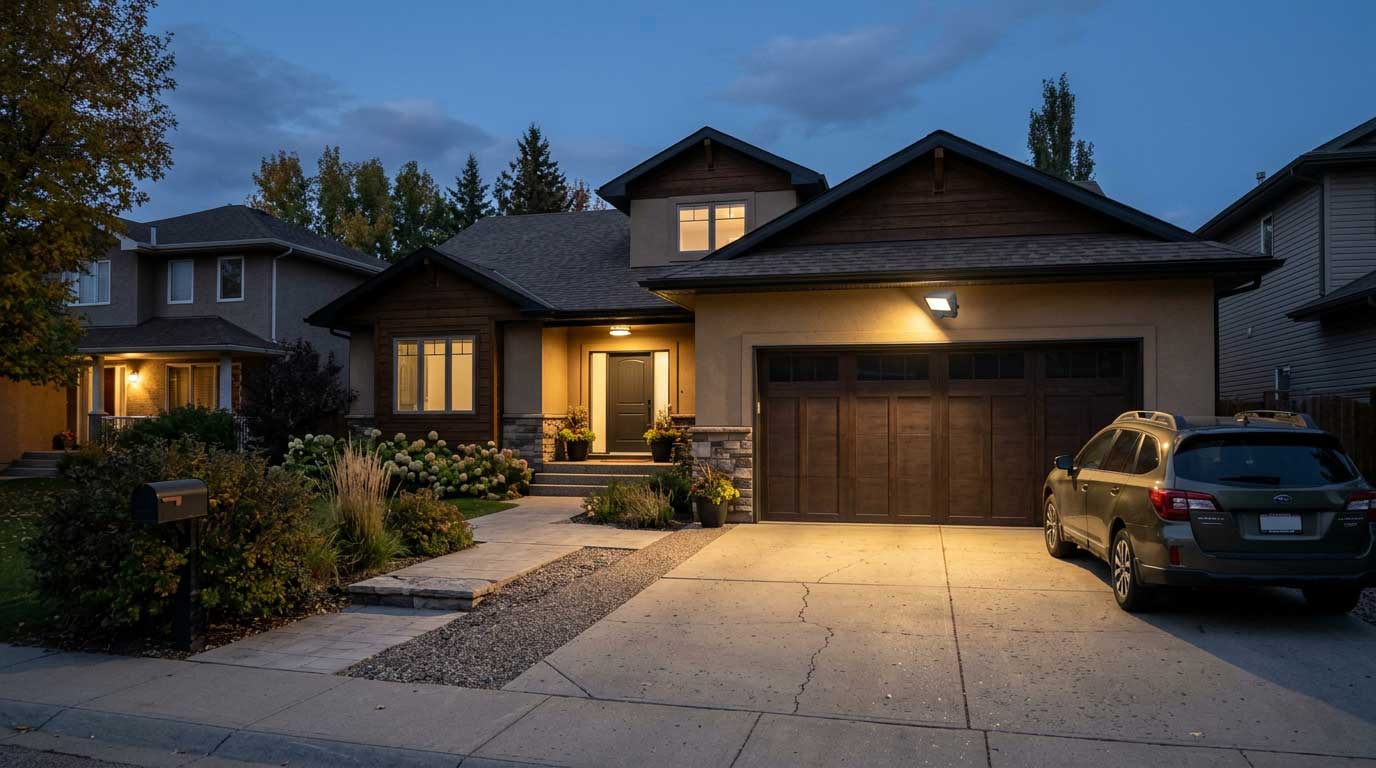
Higher mounting is not automatically better if the fixture is aimed horizontally or beyond the property boundary. DarkSky International’s Five Principles for Responsible Outdoor Lighting recommend directing light only where needed, using no more brightness than necessary, and controlling when the light operates. Source: DarkSky International.
After mounting, stand at the edge of the illuminated area and look back toward the fixture. If the LED source is painfully bright or the beam crosses into a neighbor’s windows, adjust the angle or consider a shield. For large commercial installations, use photometric data and an appropriate lighting design rather than relying on a residential rule of thumb.
Use this practical checklist after installation:
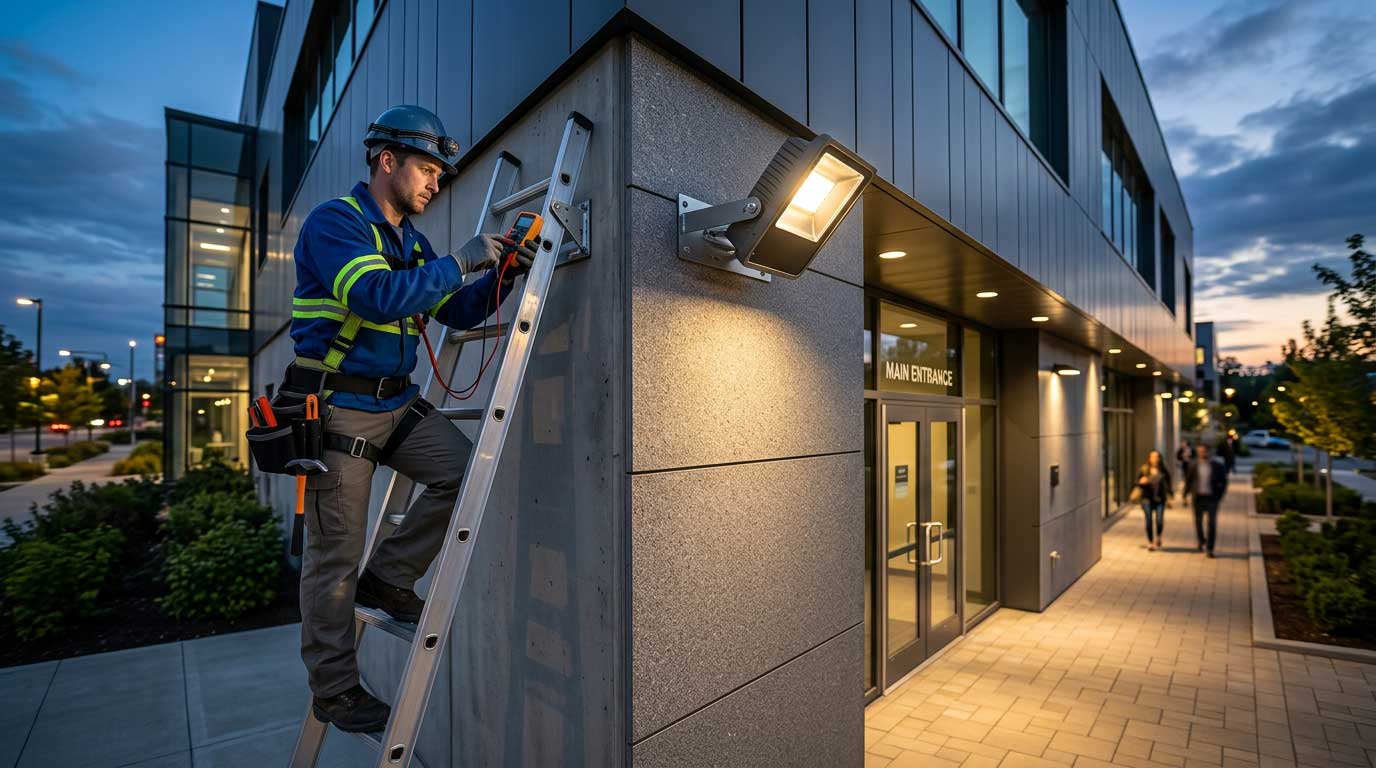
For many residential entrances and driveways, 8–12 feet is a reasonable starting range. The correct height depends on the sensor, beam angle, and area requiring illumination.
Yes. Excessive mounting height can reduce useful illumination at ground level unless the optics and output are suitable. It may also make maintenance more difficult.
Not always. Aim the beam toward the target area, usually downward for ground illumination, while avoiding glare, upward light, and spill onto neighboring properties.
Follow the manufacturer’s specified mounting height and detection range. Position the sensor to provide a clear view of the likely approach path and test it after installation.
No. Wattage alone does not determine mounting height. Lumen output, beam angle, glare control, and the required coverage are more useful considerations.
There is no universal spacing. Use the photometric data for each fixture to assess overlapping coverage and illuminance uniformity. Large parking areas may require a lighting layout prepared by a qualified lighting designer.
Not one height for every application. Industrial sites, parking facilities, and public spaces may have project-specific lighting requirements, structural constraints, and local regulations. Check the applicable standards before installation.
When deciding how high to mount flood light fixtures, start with the target area and the manufacturer’s optical specifications. For typical residential applications, 8–12 feet provides a useful initial range, but beam distribution, glare, and actual ground-level illumination should determine the final position.
SEEKINGLED recommends evaluating mounting height alongside lumen output, beam angle, and installation conditions to help achieve practical, well-controlled outdoor lighting.
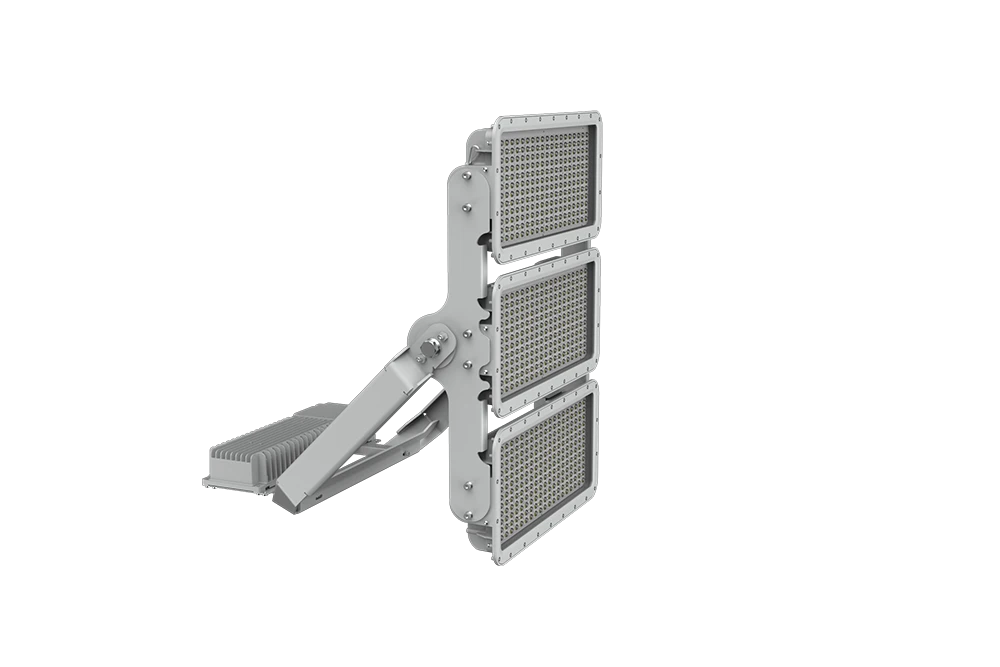
Sports Stadium LED Lighting by SEEKINGLED delivers high mast illumination, precise beam control, and EN 12193 compliant performance for professional venues.
View details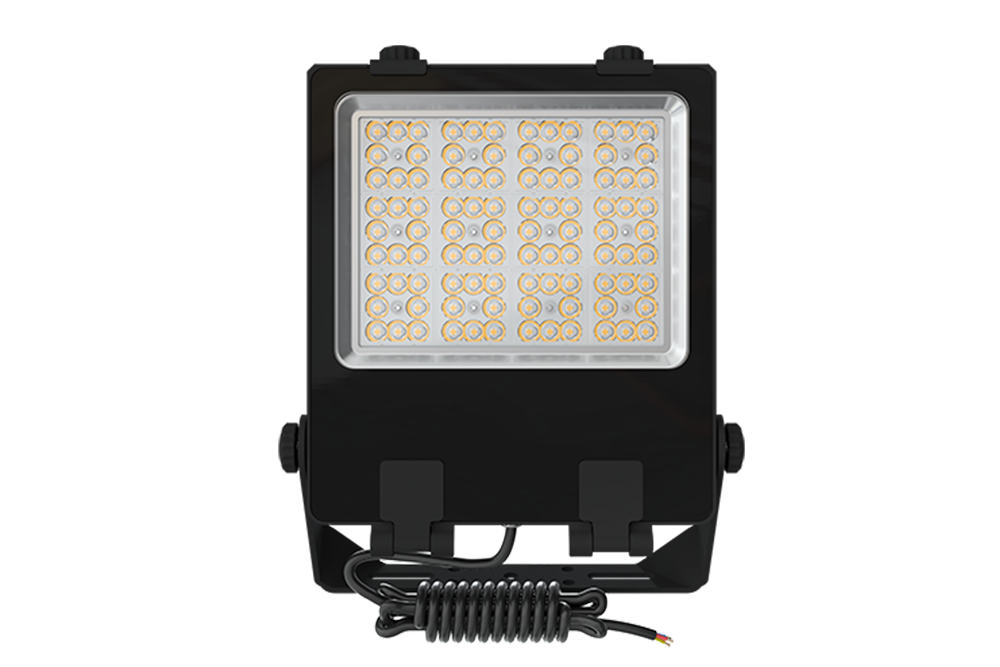
SEEKING FLX Series LED flood light outdoor for sports courts and open-area projects with 170lm/W efficiency, IP66 protection and multiple beam distributions. Designed for long-life commercial and public outdoor use.
View details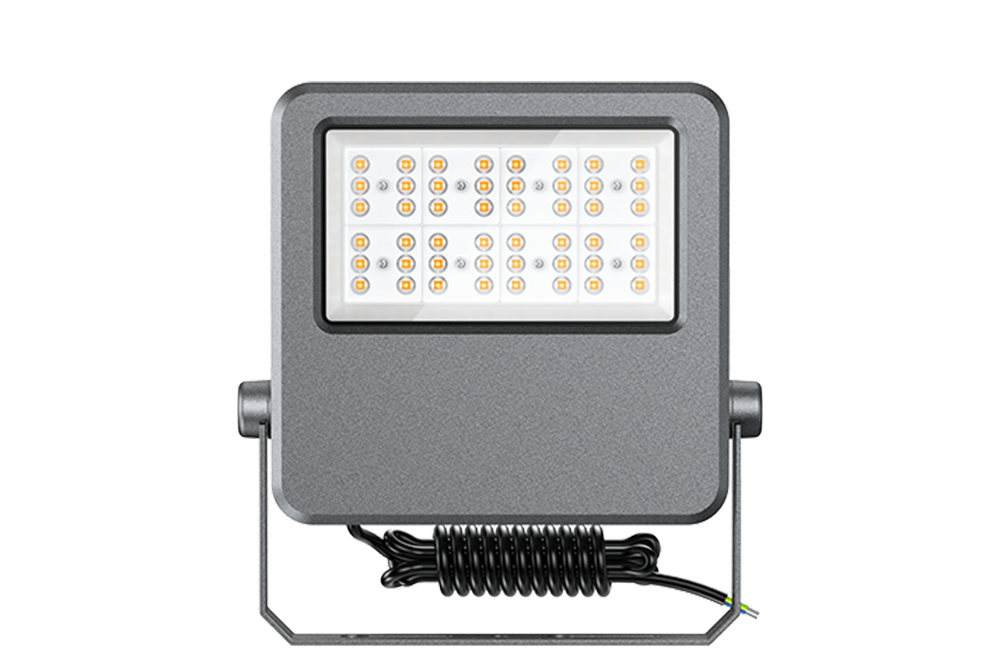
SEEKING FLE Series LED outdoor flood lights for sports grounds and open areas with multiple beam angles, IP66 protection and up to 170lm/W. Designed for long-life outdoor installations with professional driver options.
View details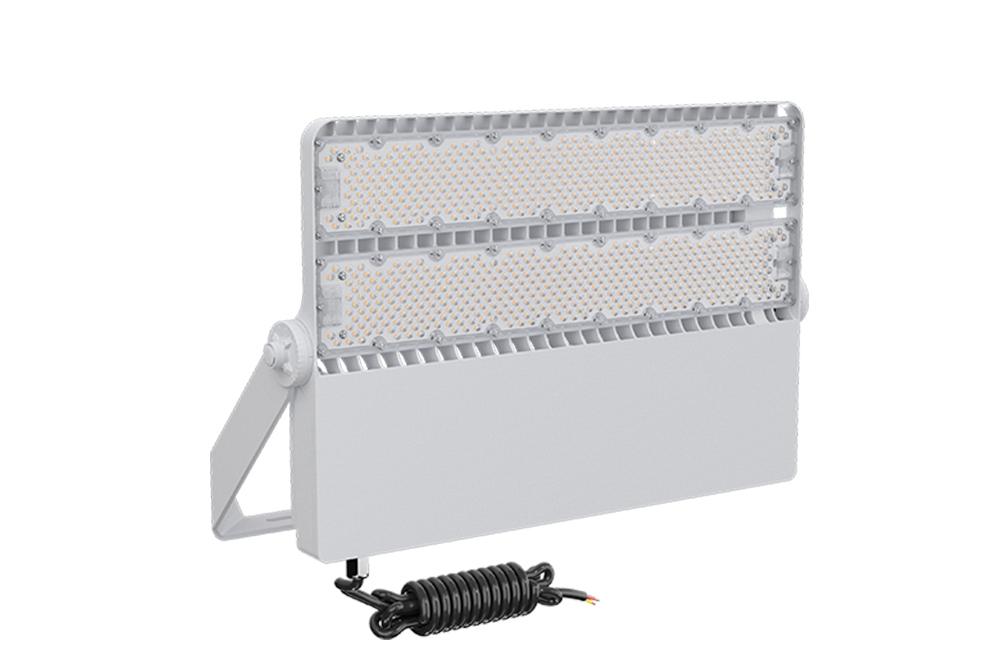
SEEKING FLD Series outdoor LED flood lights and high power led flood light deliver up to 960W with precision beam angles for sports fields, stadiums and large outdoor areas. IK08 & IP66 protection, 170lm/W efficiency and 100,000h lifetime.
View details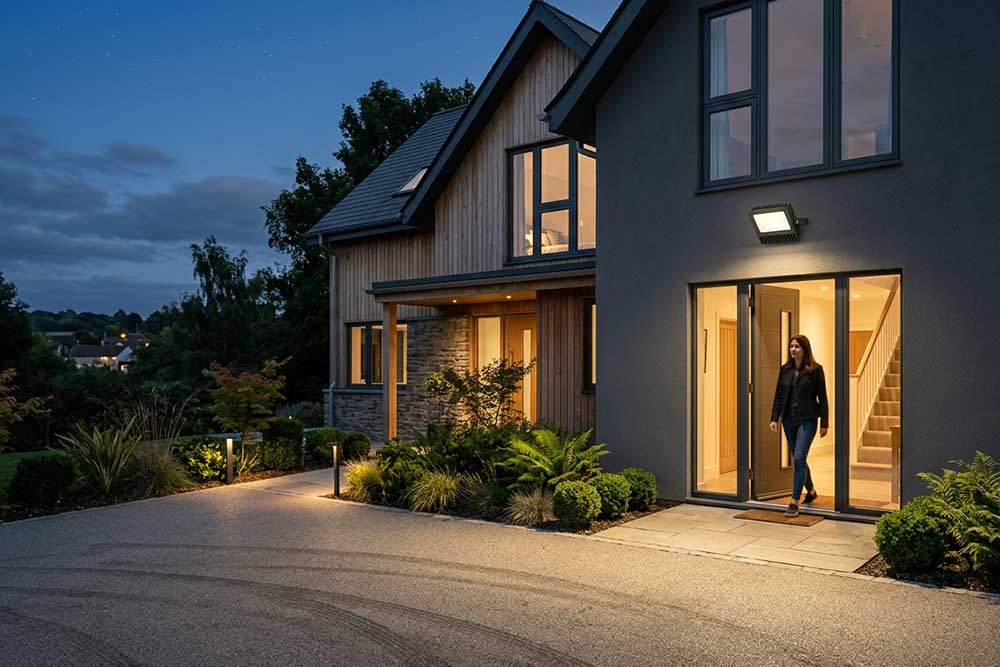
A 30-watt LED flood light typically produces around 3,000–4,100 lumens, depending on its efficiency and optical design. It is suitable for entrances, small d...
View details
Learn how to wire LED linear high bay lights step by step, including power, grounding, and control wiring. Field-based guidance from SEEKINGLED.
View details
A 6,000-lumen flood light provides powerful illumination for large driveways, backyards, workshops, and selected commercial areas. Its effective coverage dep...
View details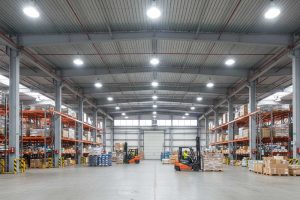
What is LED high bay light and how is it actually used in warehouses and factories? This guide explains LED high bay lighting from a practical, on-site perspective, including power range, mounting height and real applications.
View details