 Seeking LED
Hazardous Area Lights Product Center
Explore our core Hazardous Area Lights range, including Explosion proof lighting, Explosion proof Junction box, LED High Bay Light, LED Flood Light, LED Street Light, Garden Lights LED, Sports Stadium LED Lighting, LED Tri-proof lamp, Linear LED Light for diverse projects.
Explosion proof light Product
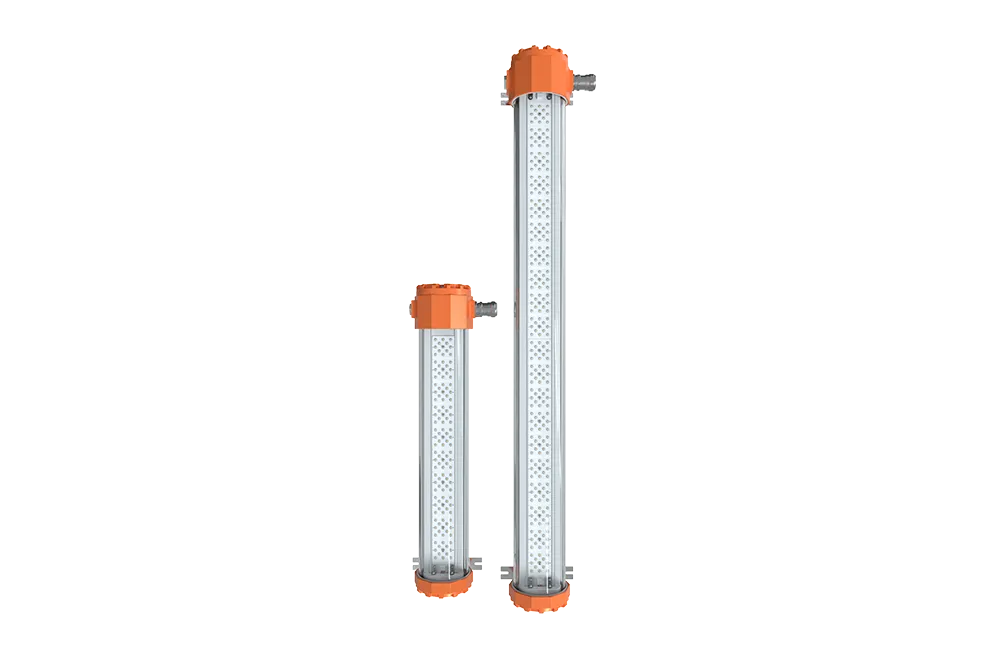
LO Series LED Linear Explosion Proof lighting
SEEKINGLED LED Linear Explosion Proof Light and Explosion Proof lighting is ATEX and IECEx certified for Zone 1, Zone 2, Zone 21 and Zone 22 hazardous locations, built for long-term industrial use.
View details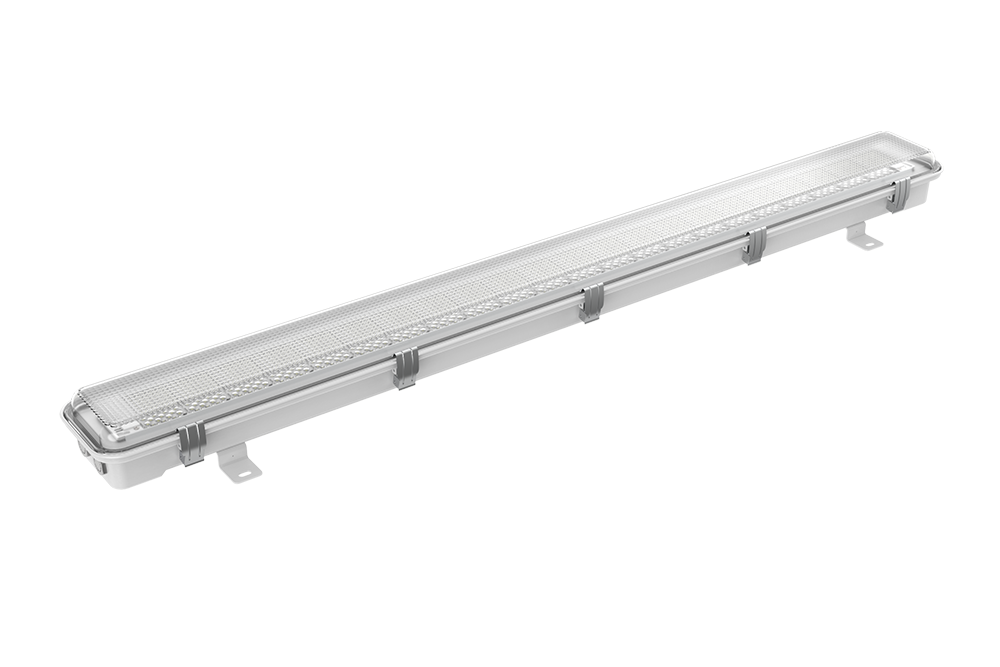
Bay51 Series LED Linear EX Proof lights
LED Linear Explosion Proof Lights and EX Proof lights for Zone 1, Zone 2, Zone 21 and Zone 22 hazardous areas. ATEX & IECEx certified explosion proof LED linear lighting with emergency function, adjustable power and IP67 protection by SEEKINGLED.
View details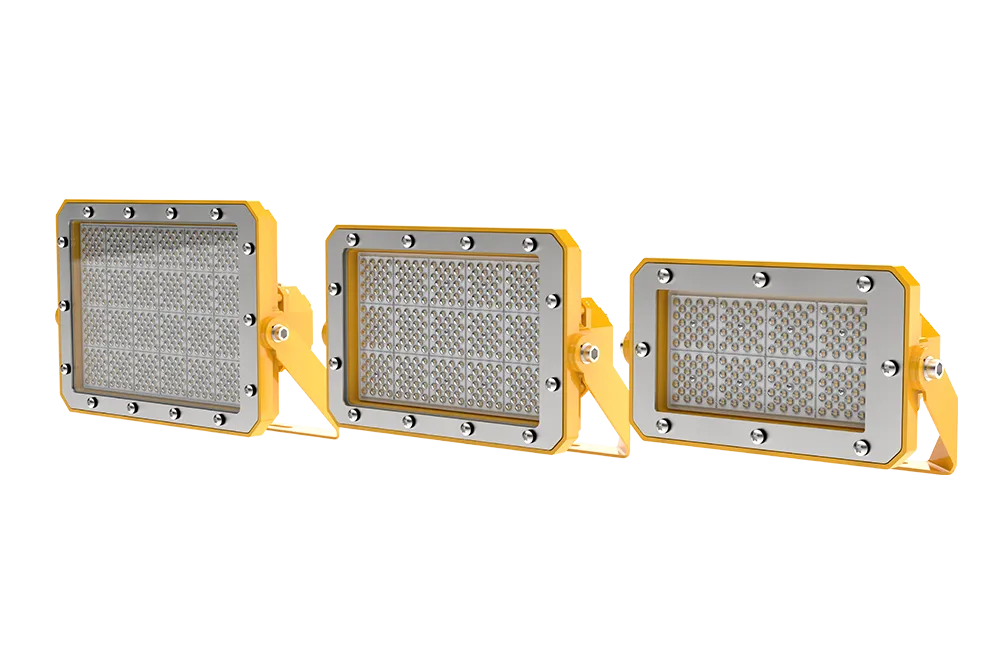
FL8 Series Explosion Proof FloodLights
SEEKINGLED LED Explosion Proof Flood Lights are ATEX certified for Zone 2 and Zone 22 hazardous areas, offering high efficiency, adjustable power and integrated junction box.
View details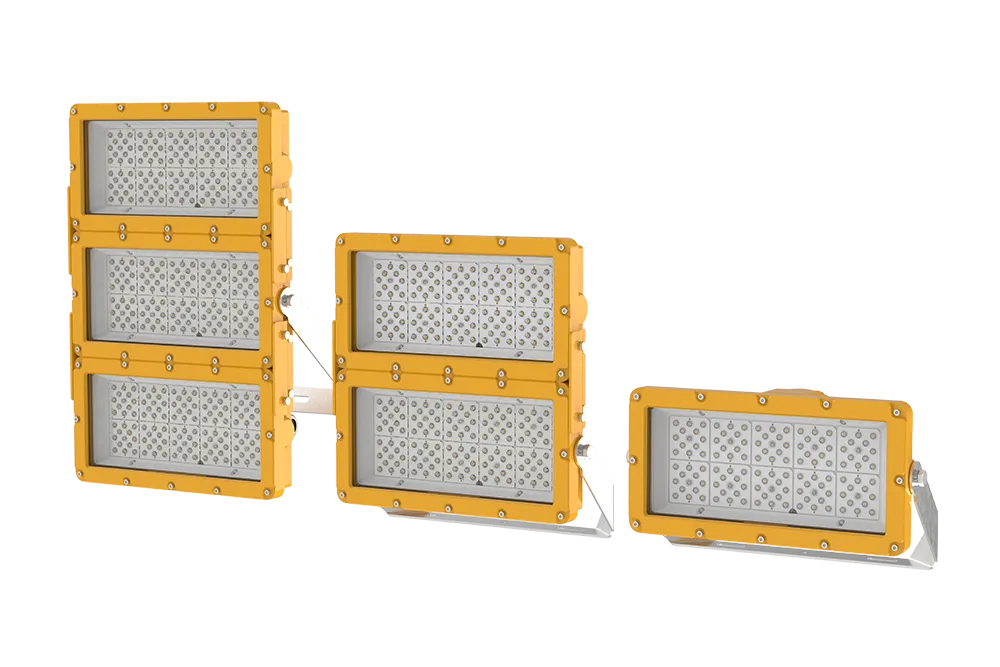
FL7 Series Explosion Proof Flood Lights
SEEKINGLED LED Explosion Proof Flood Lights are flameproof ATEX and IECEx certified for Zone 1 and Zone 2 hazardous areas, offering high power, adjustable output and long service life.
View details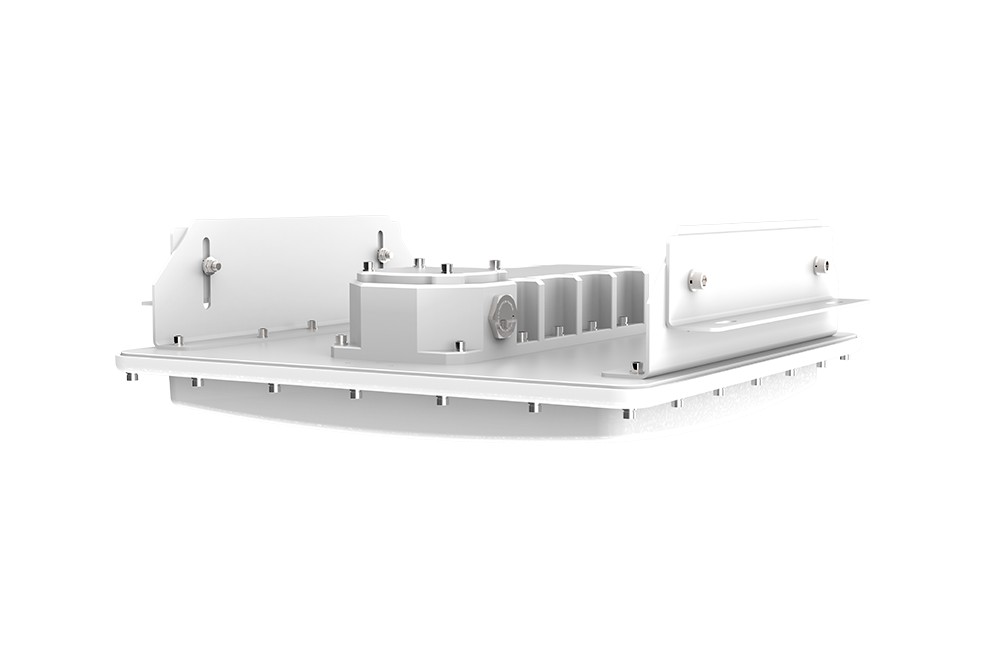
GS Series LED Gas Station Canopy Lights
SEEKINGLED LED Gas Station Canopy Lights are ATEX certified for Zone 2 and Zone 22 hazardous areas, featuring adjustable power and built-in explosion-proof junction box.
View details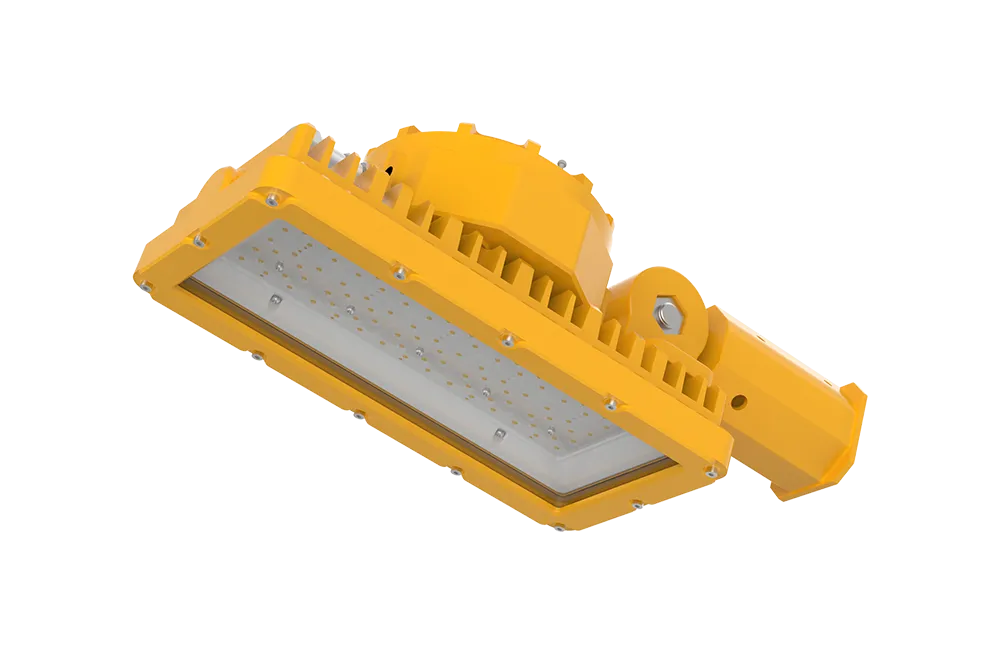
FL7 series EX street lights
ATEX: Ex II 2G Ex db IIB T6/T5 GbEx II 2D Ex tb IIIC T80°C/ T95°C Db IECEx Ex db IIB T6 Gb;Ex tb IIIC T80°C Db Feature: ● For Zone 1,2 and Zone 21,22● Flameproof type, the strongest● 100W can replace 250W HID,energy saving● Power:60W,80W,100W Application: Oil and gas, marine, Chemical, pharmaceutical, semiconductor,mining,military industr...
View details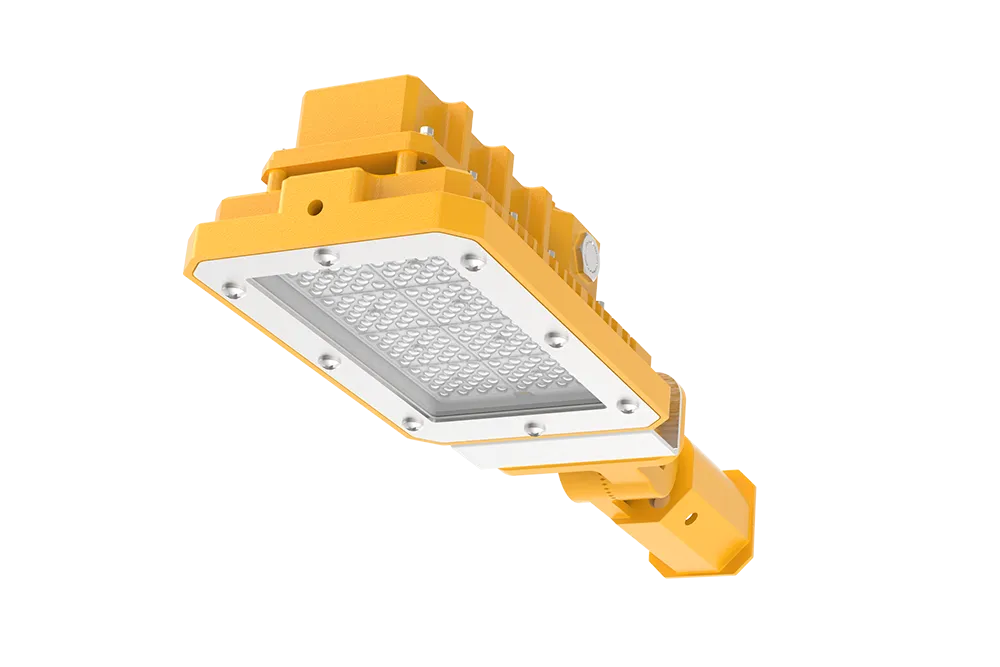
FL8 series Explosion proof street light
ATEX: II 3G Ex nR ⅡC T5/T6 GcII 3D Ex tc ⅢC T80℃/T95℃Dc ATEX Certificate NO: TÜV CY 26 ATEX 0207611 X Feature: ● For Zone 2 and Zone 22● 150W can replace 250W HID lamps,Energy saving● Power:50W,75W,100W,150W,200W Application: Oil and gas, marine, Chemical, pharmaceutical, semiconductor,mining,military industry, paint booth,power plant ETC...
View details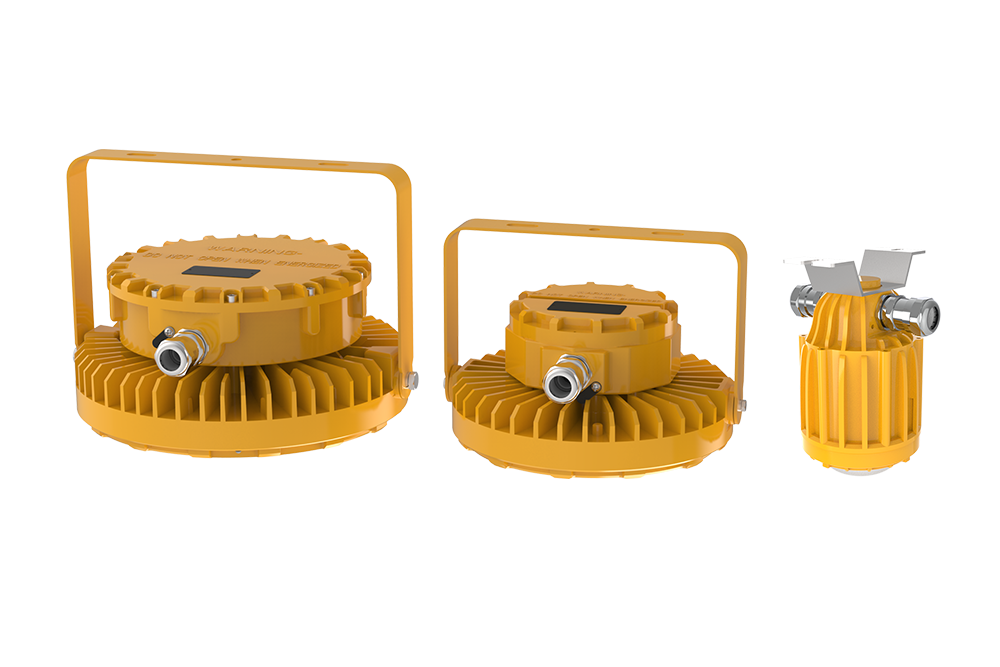
HB21 Series Explosion Proof High Bay lights
LED explosion proof high bay lights are designed for Zone 1, Zone 2, Zone 21 and Zone 22 hazardous areas. This page introduces the HB21 Series from SEEKING, including certifications, power options and real application considerations.
View details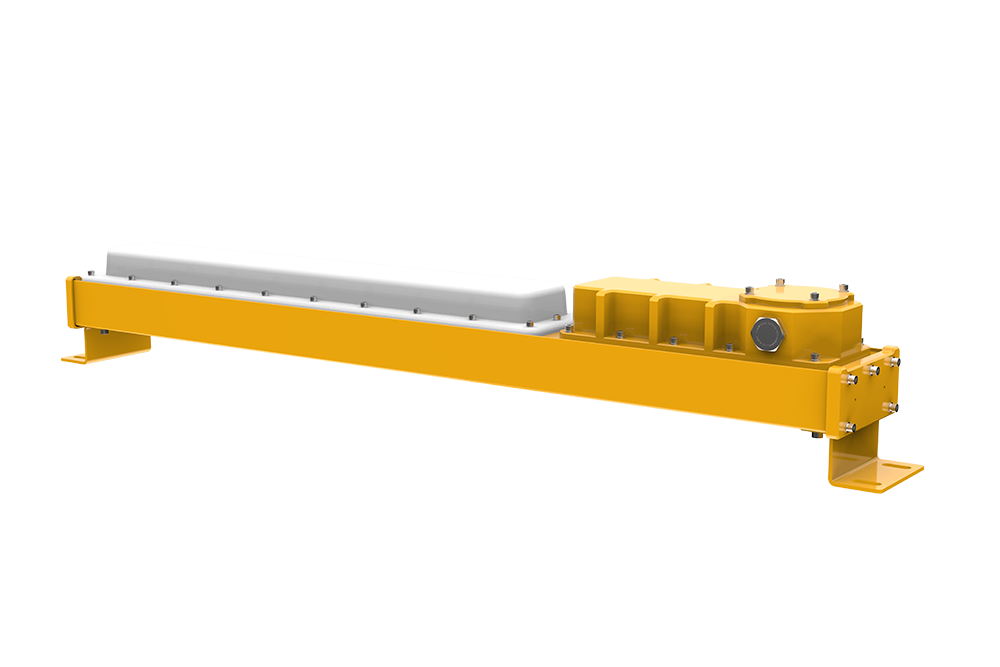
LU Series LED Linear Flame Proof lights
LED Linear Explosion Proof Lights from SEEKINGLED. LU Series Flame Proof lights ATEX-certified explosion proof LED linear lighting for Zone 2 gas and Zone 22 dust areas, IP69K, IK10, long lifetime and flexible power options.
View details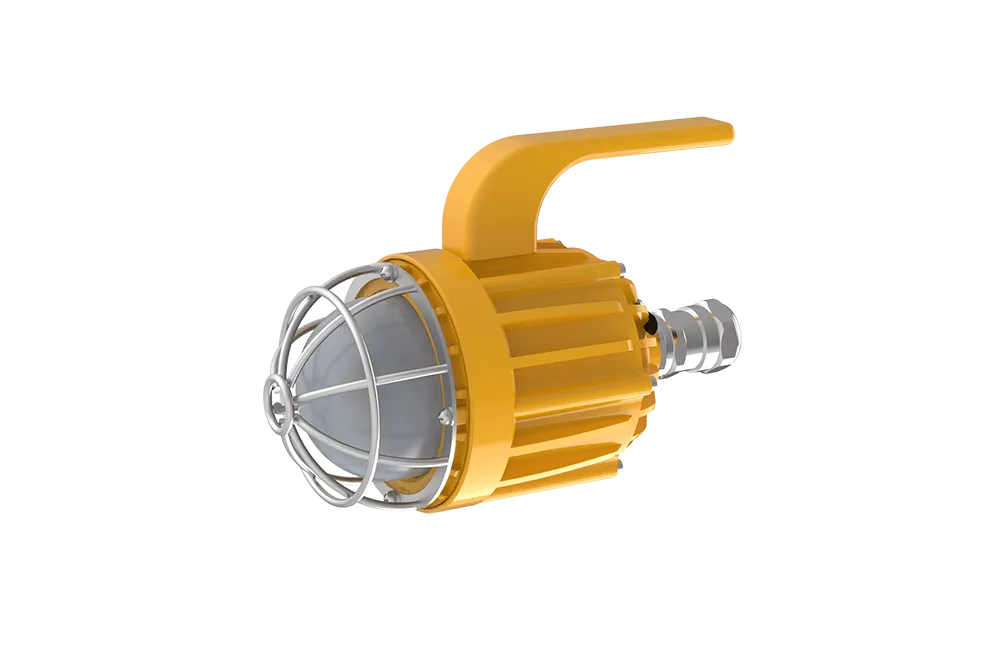
Explosion proof work lights
Certified explosion proof work lights for Zone 1 & 21 hazardous areas. Portable, ATEX & IECEx approved, built for oil, gas and chemical plants by SEEKINGLED.
View details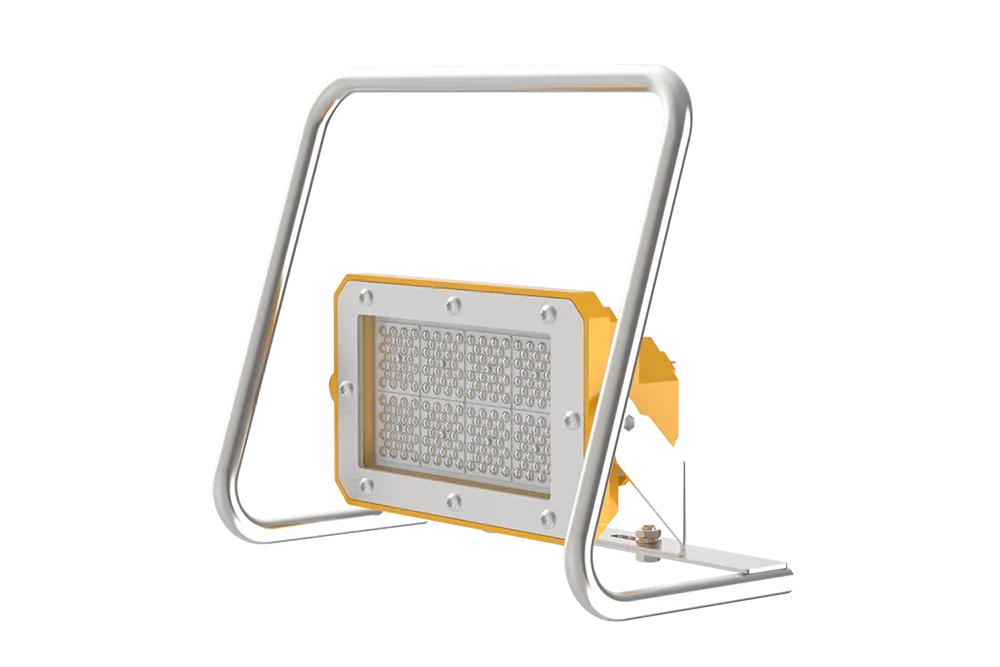
FL8 Explosion-proof portable work light
ATEX: II 3G Ex nR ⅡC T6 GcII 3D Ex tc ⅢC T80℃ Dc ATEX Certificate NO: TÜV CY 26 ATEX 0207611 X Feature: ● For Zone 2 and Zone 22● Accepts battery-powered supply● indestructible● Power:AC input:50W,75W,100WDC input:15W,25W,35W Application: Oil and gas, marine, Chemical, pharmaceutical, semiconductor,mining,military industry, paint booth,po...
View details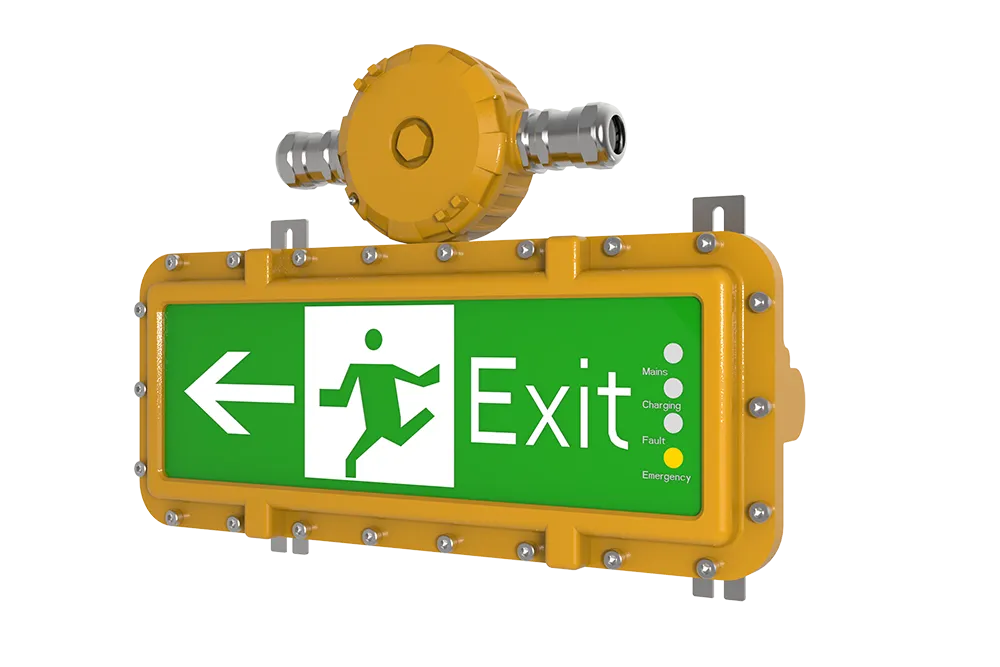
BAYD82 Explosion Proof LED Exit Light
ATEX: Ex II 2G Ex db IIB T6 GbEx II 2D Ex tb IIIC T80°C Db IECEx Ex db IIB T6 Gb;Ex tb IIIC T80°C Db Feature: ● For Zone 1,2 and Zone 21,22● Flameproof type, the strongest Application: Oil and gas, marine, Chemical, pharmaceutical, semiconductor,mining,military industry, paint booth,power plant ETC hazardous area. Technical Specifications:...
View detailsExplosion proof Junction box Product
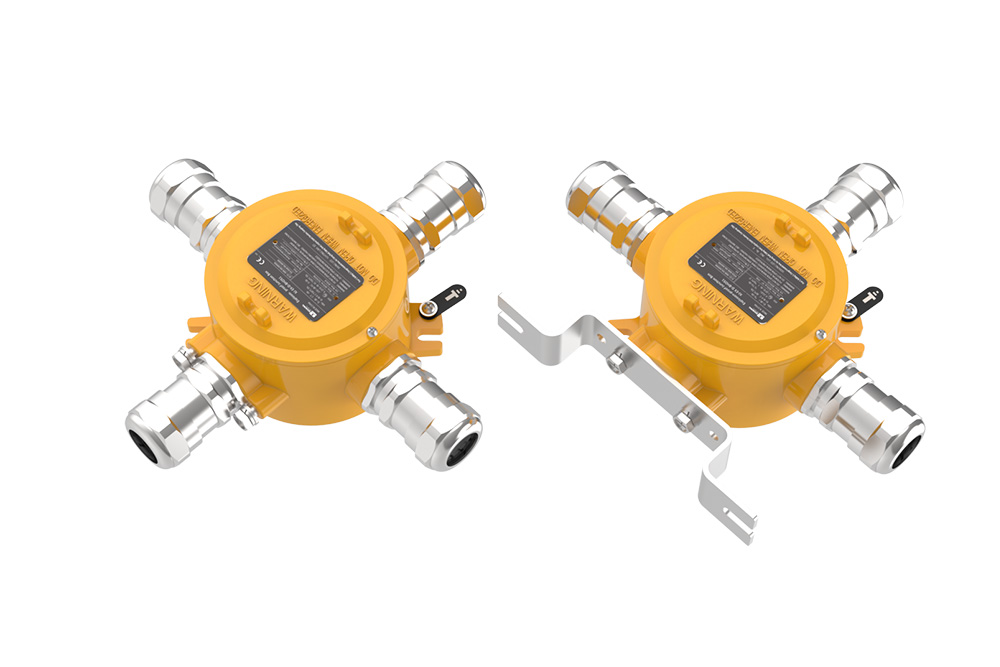
BHD51 Series Explosion-proof Junction Box
Explosion-proof Junction Box for safe wiring in Zone 1 areas. Fast, tool-free installation, ATEX & IECEx certified. Trusted performance from SEEKINGLED.
View detailsLED High Bay Lights Product
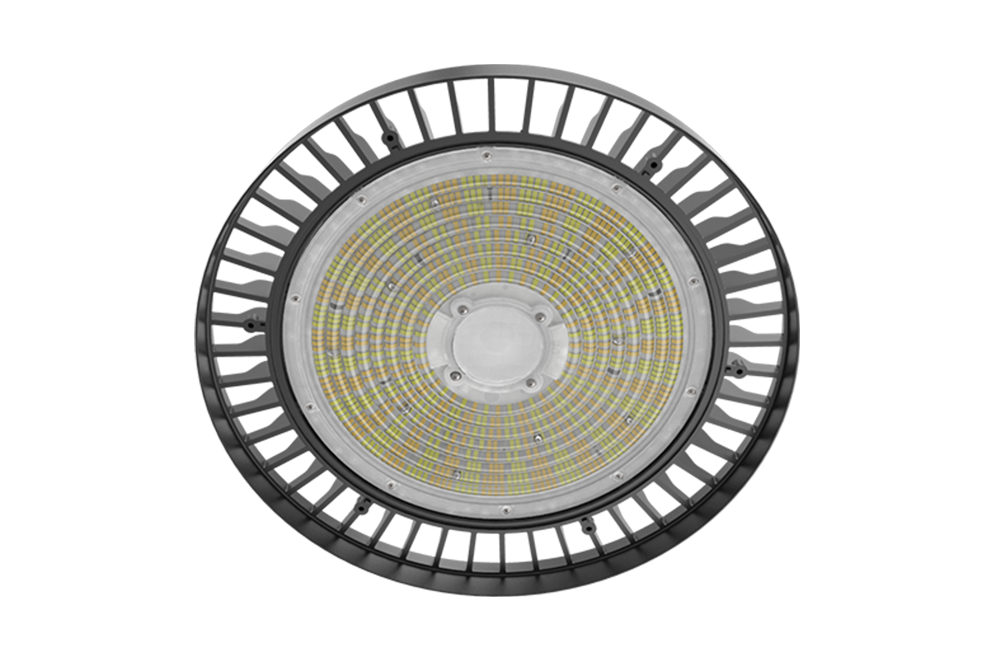
HBC-T SERIES High Bay Lights LED
The SEEKING HBC-T Series high bay lights LED offer long-lasting performance for warehouses, production plants and logistics centers. Durable IP65 & IK08 housing, 60°/90° beam angles, up to 150 lm/W, and a lifespan beyond 100,000 hours. Ideal for airport halls, commercial storage, construction sites and large indoor spaces.
View details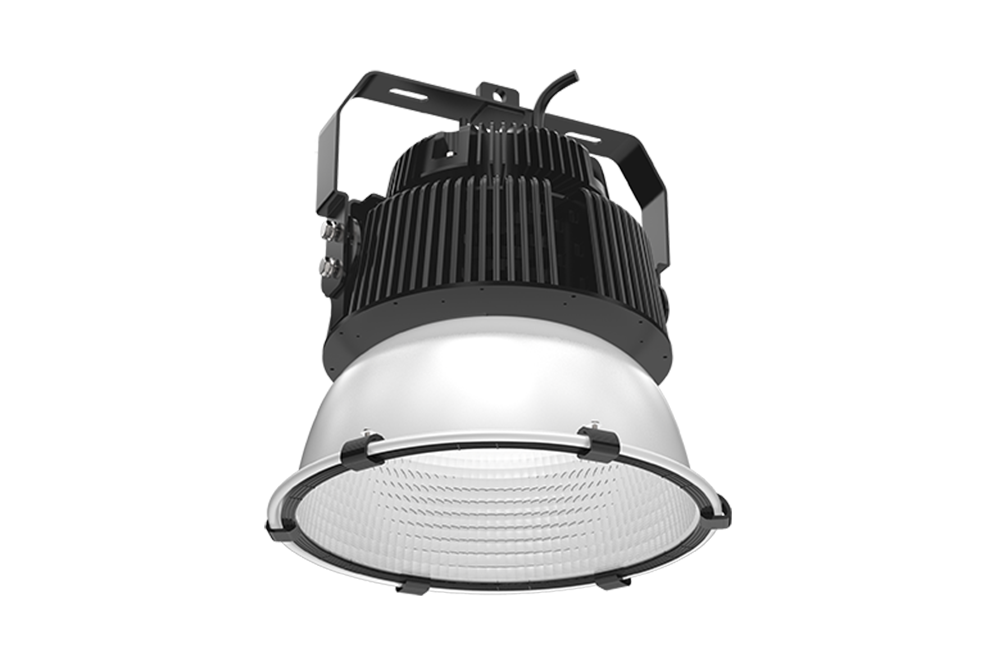
HBS SERIES LED UFO High Bay Light
The SEEKING HBS Series LED UFO high bay light delivers 140 lm/W efficiency, IP65 protection and MEAN WELL drivers. A durable high-rise lighting solution for factories, warehouses and commercial halls.
View details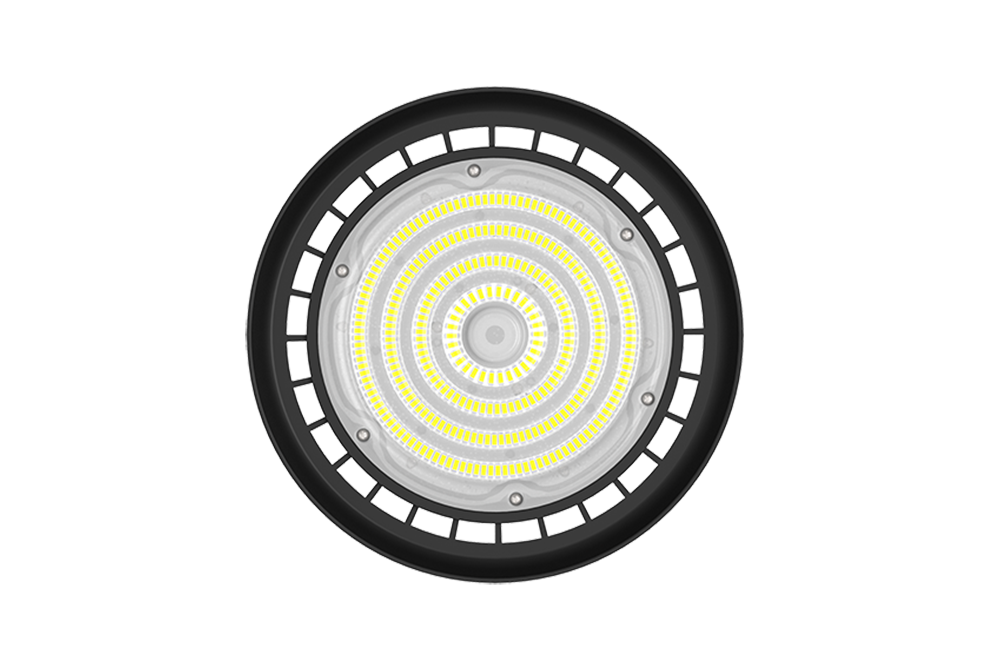
HBD SERIES LED High Bay Lighting
SEEKING HBD Series LED high bay lighting delivers 160 lm/W efficiency, IP66 protection, and long 100,000-hour lifespan. A durable UFO high bay solution for warehouses, workshops, logistics centers and commercial facilities.
View details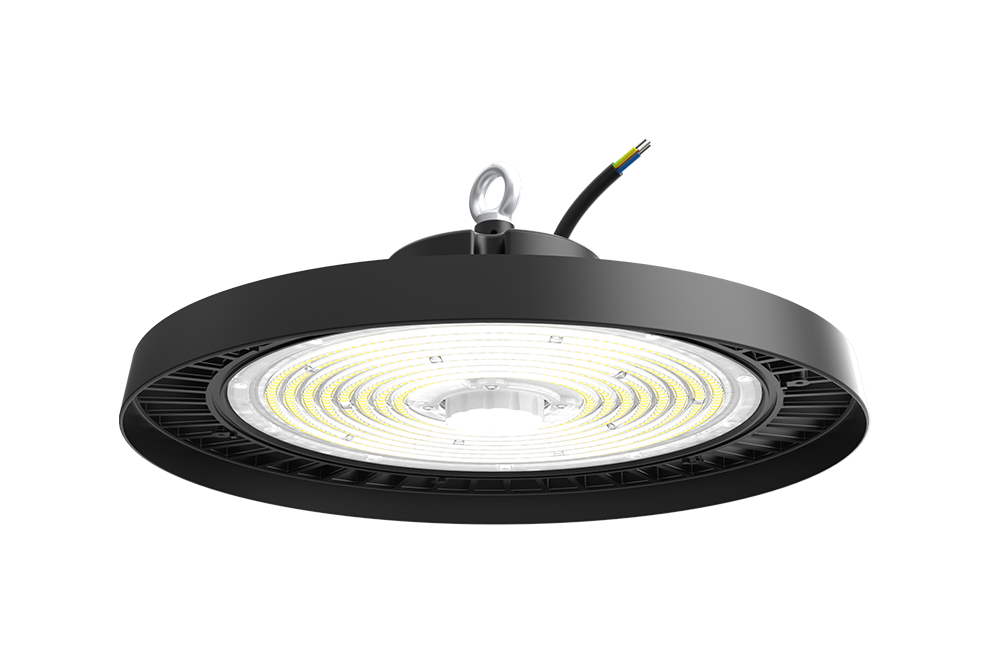
HBC SERIES High Bay LED Light Fixtures
The SEEKING HBC Series high bay LED light fixtures combine strong efficiency, practical design and reliable SOSEN drivers. A durable UFO high bay lighting option for warehouses, workshops and wholesale projects.
View details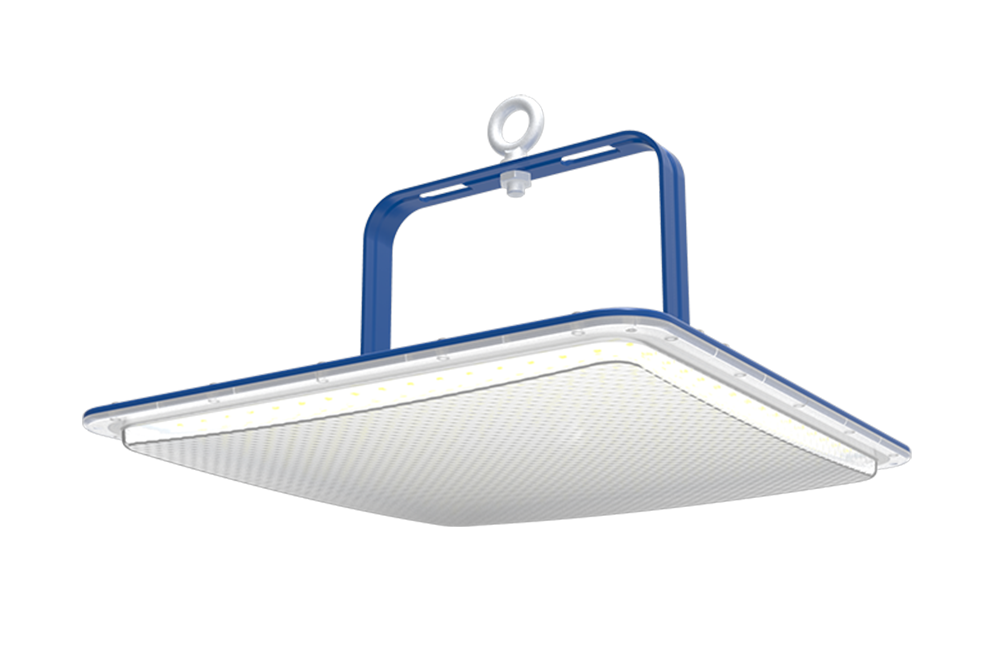
GSL SERIES High Bay LED Light
The SEEKING GSL Series high bay LED light delivers powerful, efficient lighting for industrial and commercial spaces. With IP65 protection, flexible mounting, and up to 140 lm/W performance, it’s ideal for warehouses, workshops, and retail areas.
View details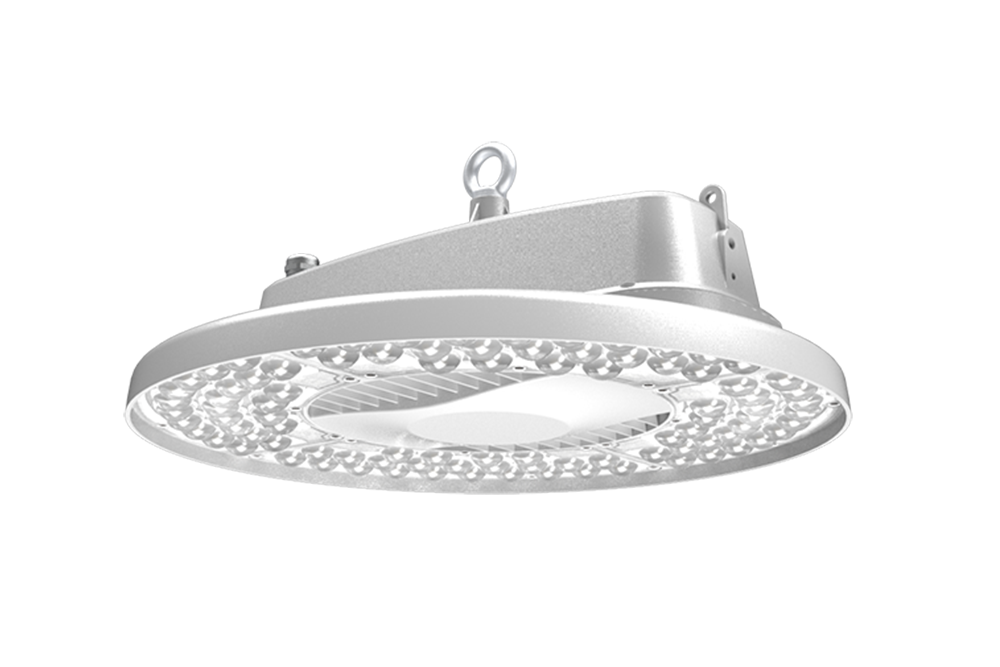
HB15(GLE) SERIES High Bay LED Lighting
The SEEKING HB15(GLE) Series delivers advanced high bay led lighting with UGR 100,000 h) and reliable illumination for demanding commercial environments.
View details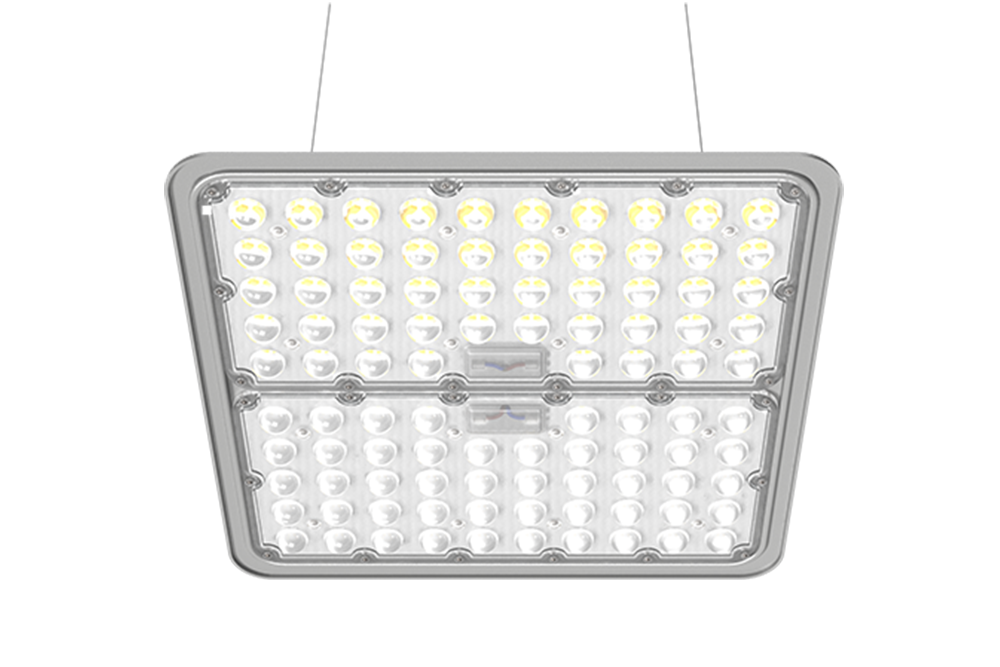
HB13(GLK) SERIES ufo led high bay light
Discover the SEEKING HB13(GLK) Series ufo led high bay light, engineered for sports halls, airport lounges, showrooms, and large commercial spaces. UGR 100,000 h). Ideal for industrial ufo high bay lighting fixtures and commercial retrofits.
View details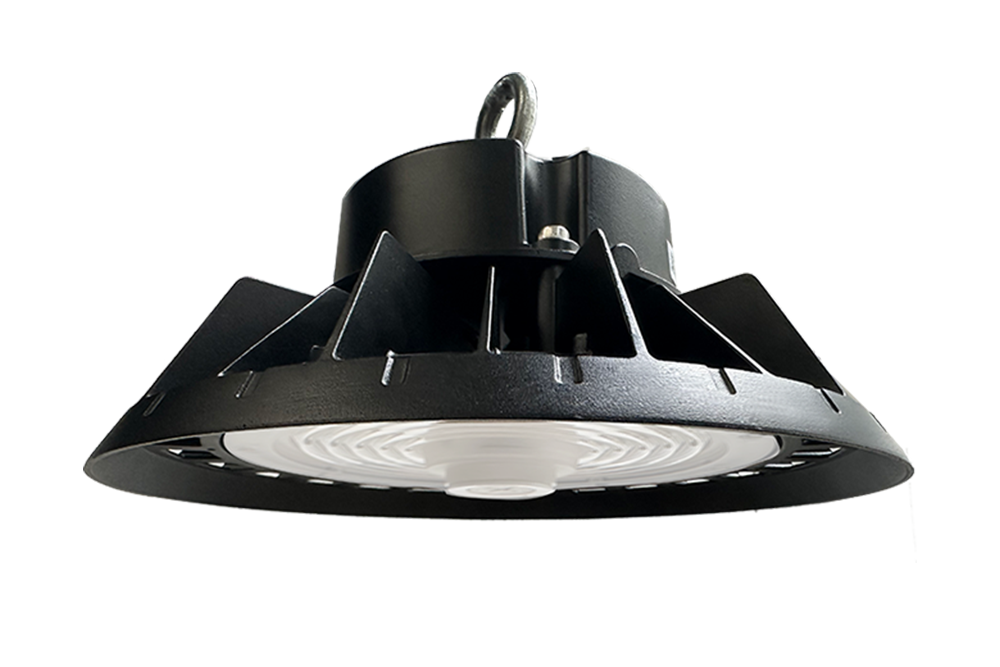
HBF SERIES Industrial LED High Bay Lighting
SEEKING HBF Series offers industrial LED high bay lighting with up to 200lm/W efficiency, SOSEN flicker-free driver, IP65 protection and optional microwave motion sensor. Ideal for warehouses, factories and commercial distribution projects.
View details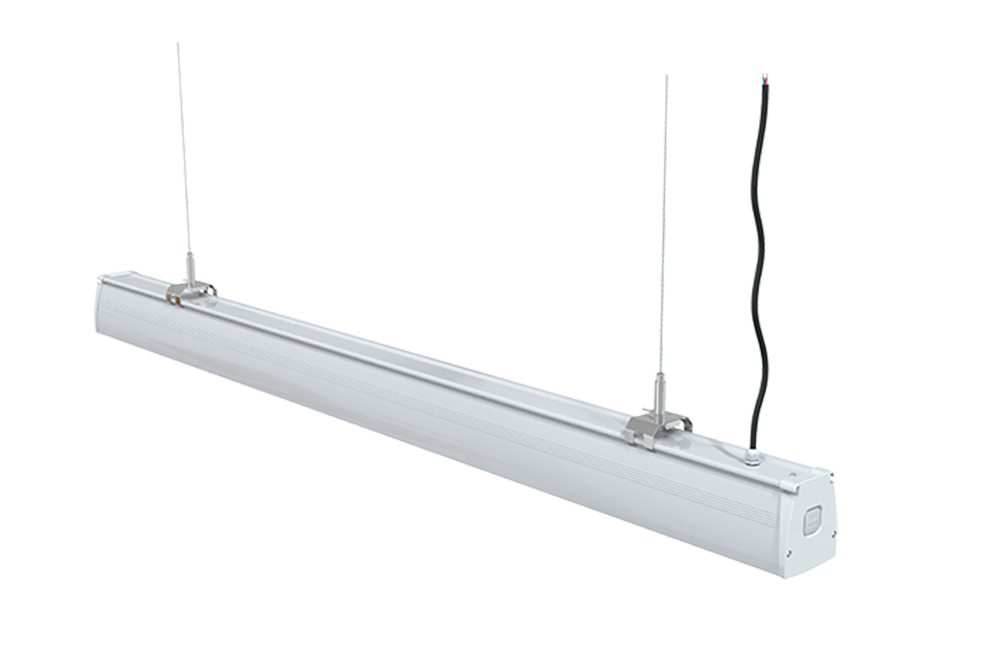
HB17 (HLD) SERIES linear high bay LED lights
The HLD Series linear high bay LED lights from SEEKING deliver up to 200 lm/W with multiple beam angles and adjustable CCT options for warehouse, workshop, corridor and general industrial lighting.
View details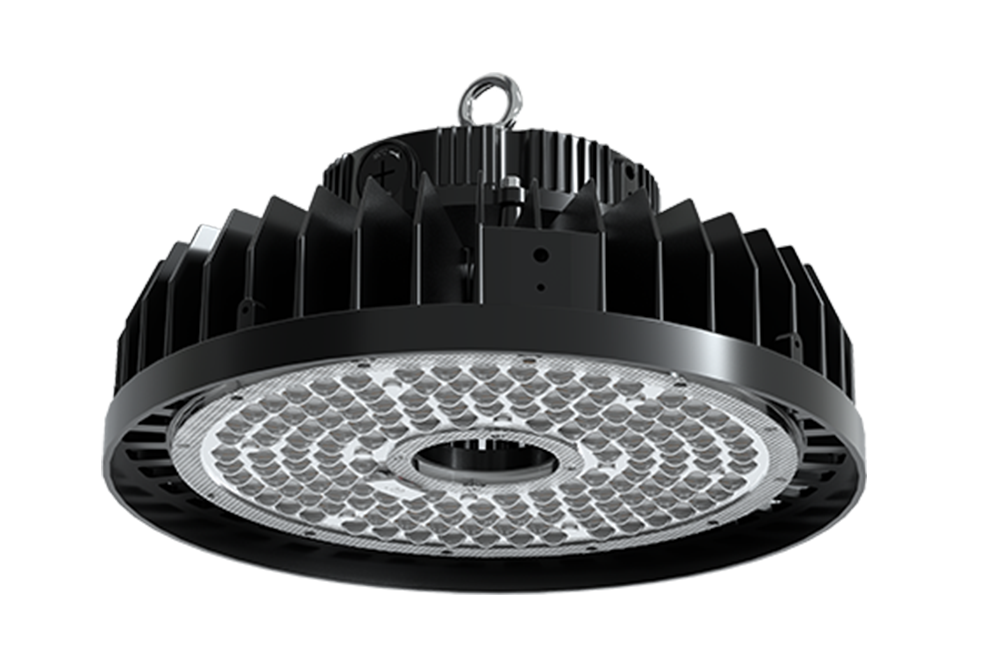
HBK SERIES LED High Bay Light
The HBK Series LED high bay light by SEEKING combines 500W power, 160–175 lm/W efficiency and IP65 durability for heavy-duty industrial lighting. Designed for warehouse, factory and production facilities with demanding ceiling heights.
View details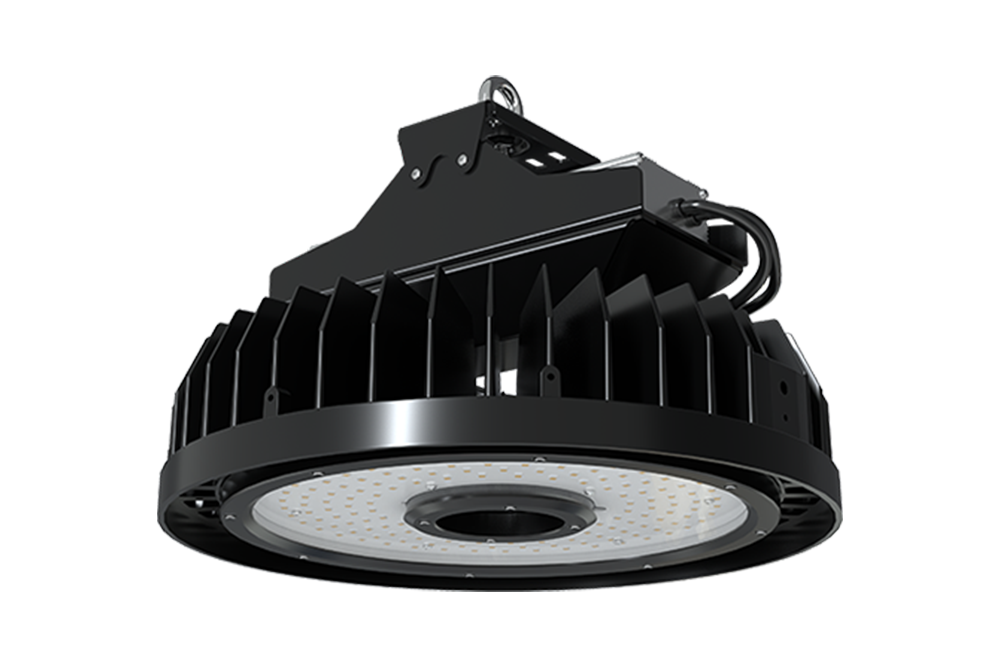
HBK(Ultua) SERIES LED High Bay Lights
LED high bay lights engineered for extreme heat and low-temperature industrial sites. SEEKING HBK Ultua Series operates from -40°C to +70°C with Nichia LEDs and Inventronics driver.
View details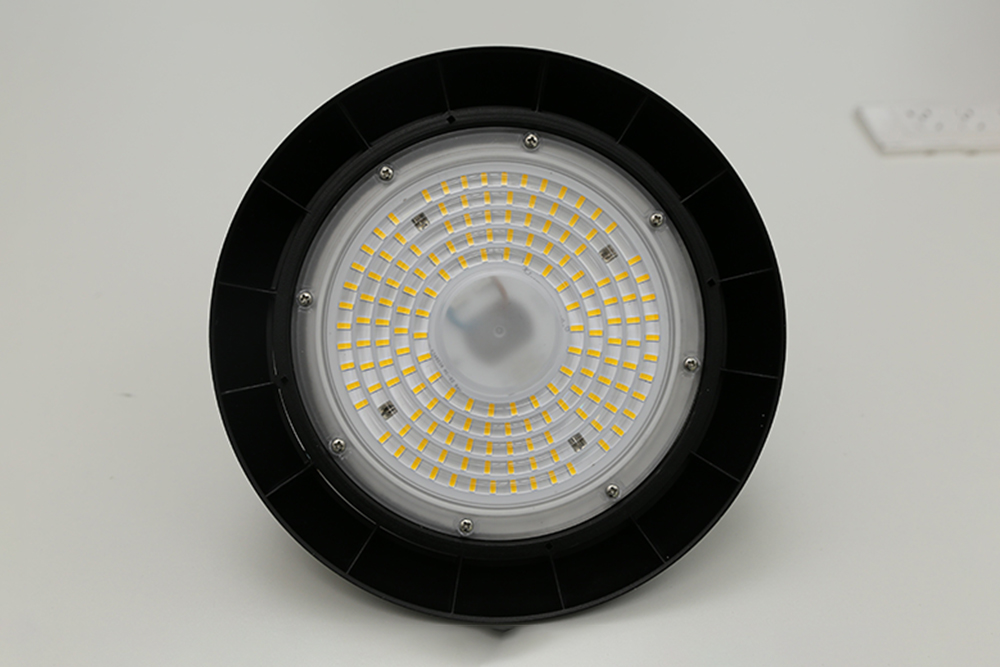
HBI SERIES high bay LED lights
High bay LED lights built for warehouses, production plants and wholesale distribution. SEEKING HBI Series offers up to 200lm/W, IP65, IK08 and optional microwave motion sensor for energy saving operation.
View detailsLED Flood Lights Product
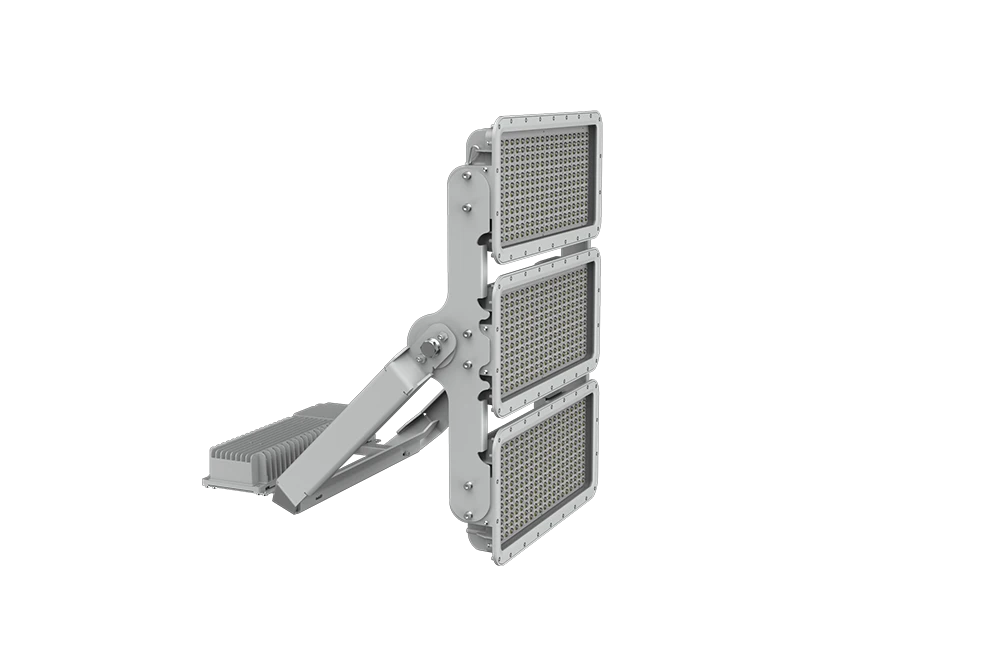
SUPER III SERIES Sports Stadium LED Lighting
Sports Stadium LED Lighting by SEEKINGLED delivers high mast illumination, precise beam control, and EN 12193 compliant performance for professional venues.
View details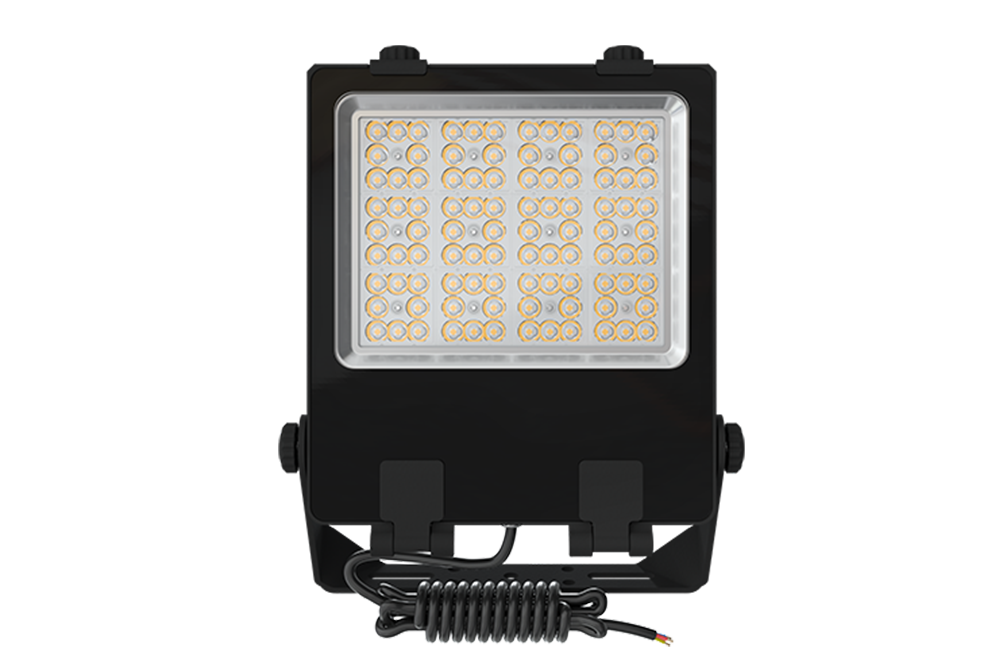
FLX SERIES LED Flood Light Outdoor
SEEKING FLX Series LED flood light outdoor for sports courts and open-area projects with 170lm/W efficiency, IP66 protection and multiple beam distributions. Designed for long-life commercial and public outdoor use.
View details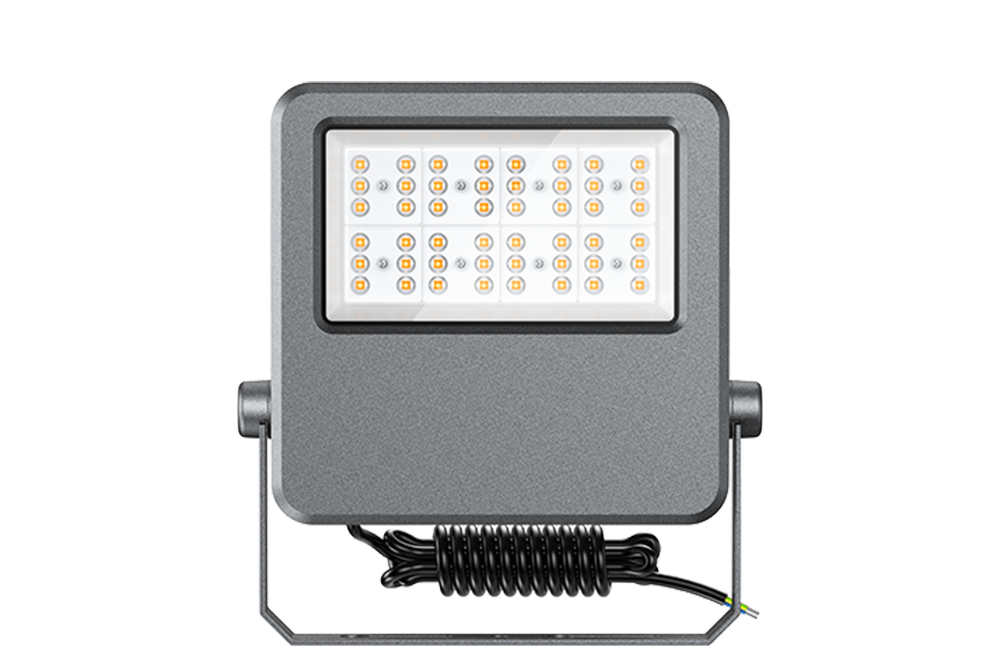
FLE SERIES LED Outdoor Flood Lights
SEEKING FLE Series LED outdoor flood lights for sports grounds and open areas with multiple beam angles, IP66 protection and up to 170lm/W. Designed for long-life outdoor installations with professional driver options.
View details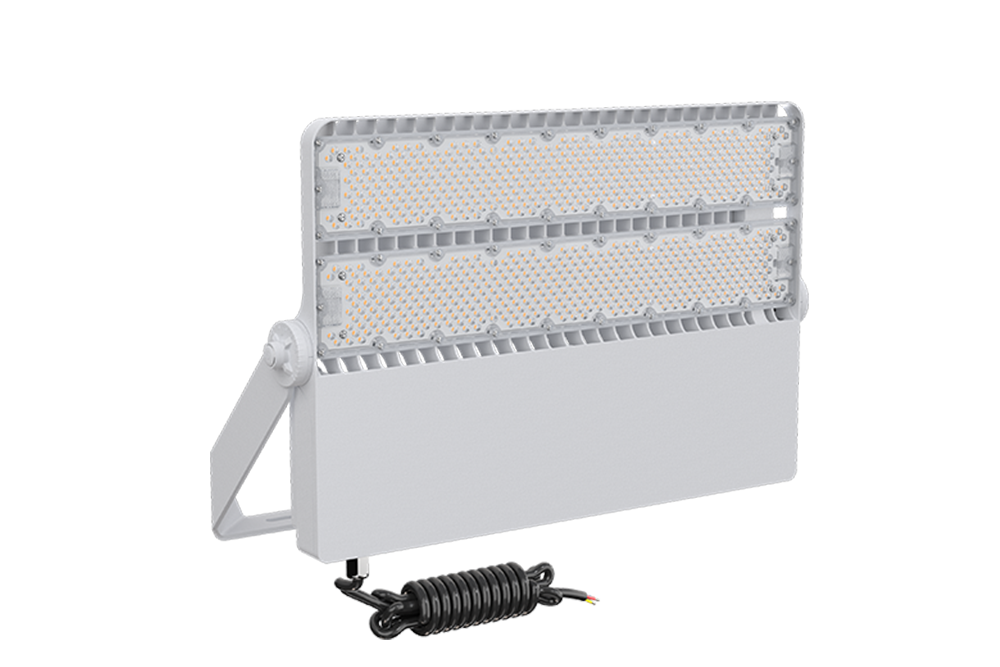
FLD SERIES Outdoor LED Flood Lights
SEEKING FLD Series outdoor LED flood lights and high power led flood light deliver up to 960W with precision beam angles for sports fields, stadiums and large outdoor areas. IK08 & IP66 protection, 170lm/W efficiency and 100,000h lifetime.
View detailsLED Street Lights Product
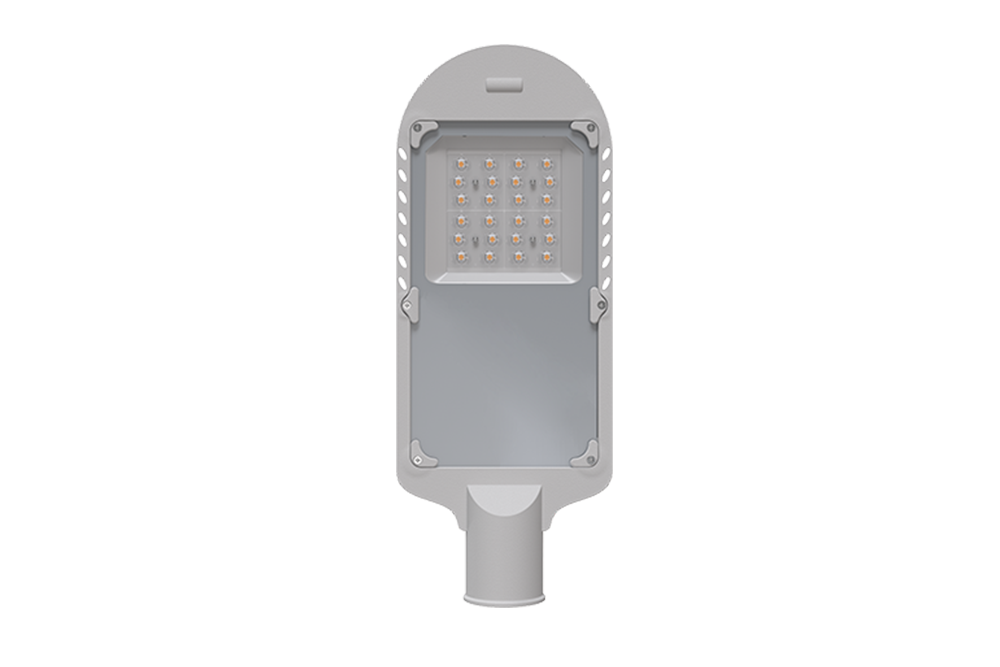
STL-SERIES LED street lights
SEEKING STL-Series LED street lights deliver stable performance, 170 lm/W efficiency and 10KV surge protection. Ideal for city streets, parking lots, public roads and outdoor area lighting projects. Durable IP66 & IK08 design for long-term reliability.
View details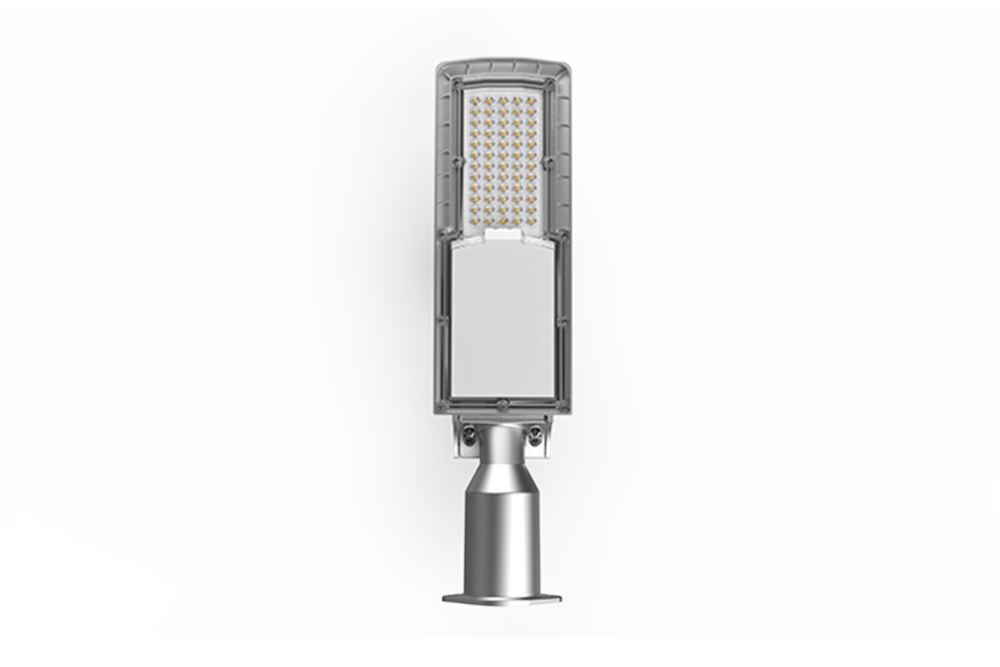
STC SERIES LED light street light
The SEEKING STC Series LED light street light delivers up to 170lm/W efficiency with MOSO drivers, IP66 protection, and a ±15° adjustable arm—ideal for roads, residential areas, and public lighting upgrades.
View details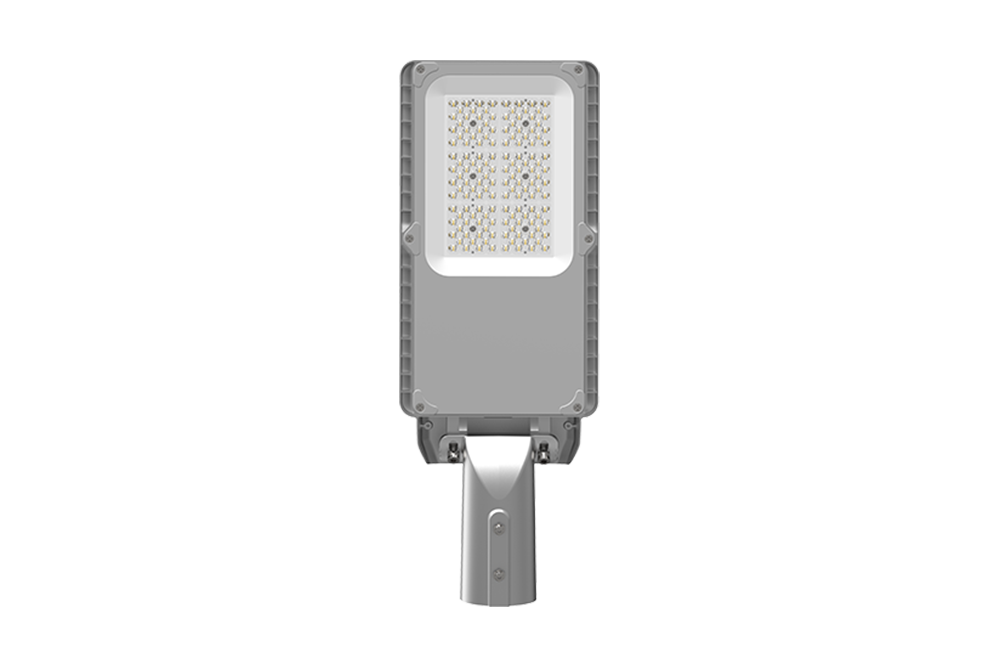
STB SERIES LED street lighting
SEEKING STB Series LED street lighting delivers up to 160 lm/W, 10kV surge protection, IP66 waterproofing, and durable IK08 impact resistance. Ideal for streets, parking lots, and large outdoor areas needing long-lasting, energy-saving LED roadway lighting.
View details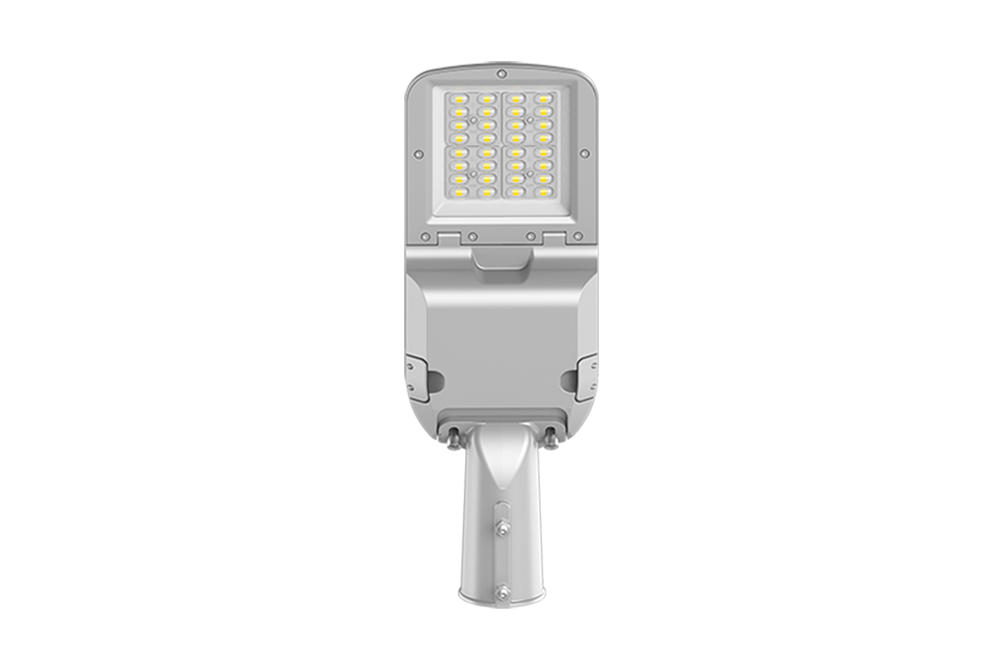
STA SERIES LED Street Light
The SEEKING STA Series LED street light delivers strong efficiency, IP66 protection, 10kV surge resistance and multiple beam patterns for roads, parking lots and urban areas. High lumen output, easy installation and reliable performance for long-term outdoor lighting.
View detailsSports Stadium LED Lighting Product
TFV SERIES LED Sports Lighting Stadium
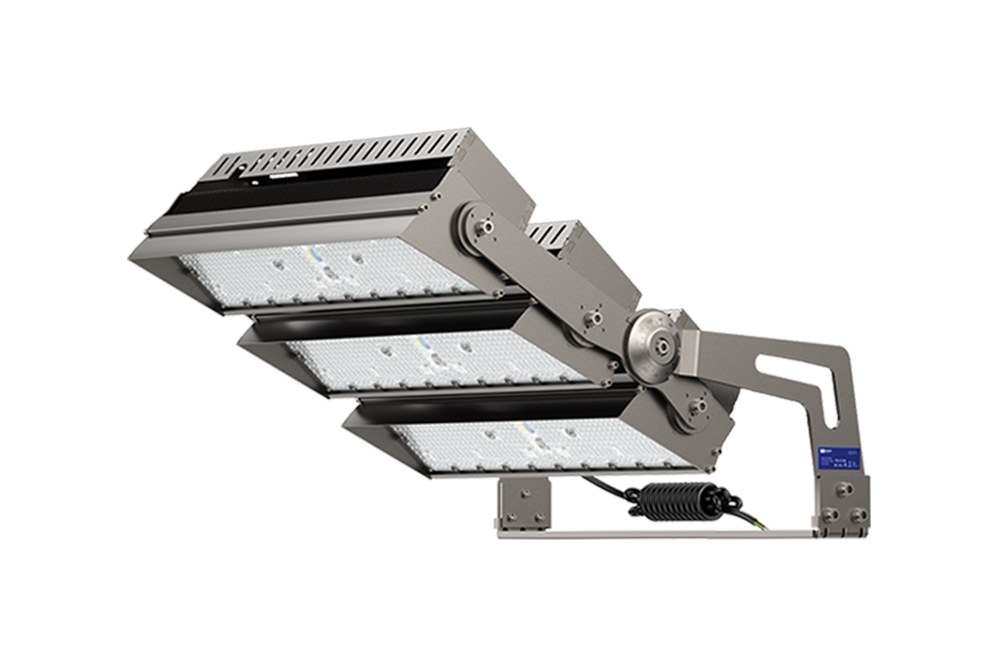
LED sports lighting stadium solutions from SEEKING. The TFV Series high mast LED lights deliver reliable, uniform illumination for stadiums, arenas and high-pole areas, with IP66 protection, long lifespan and flexible beam options.
View details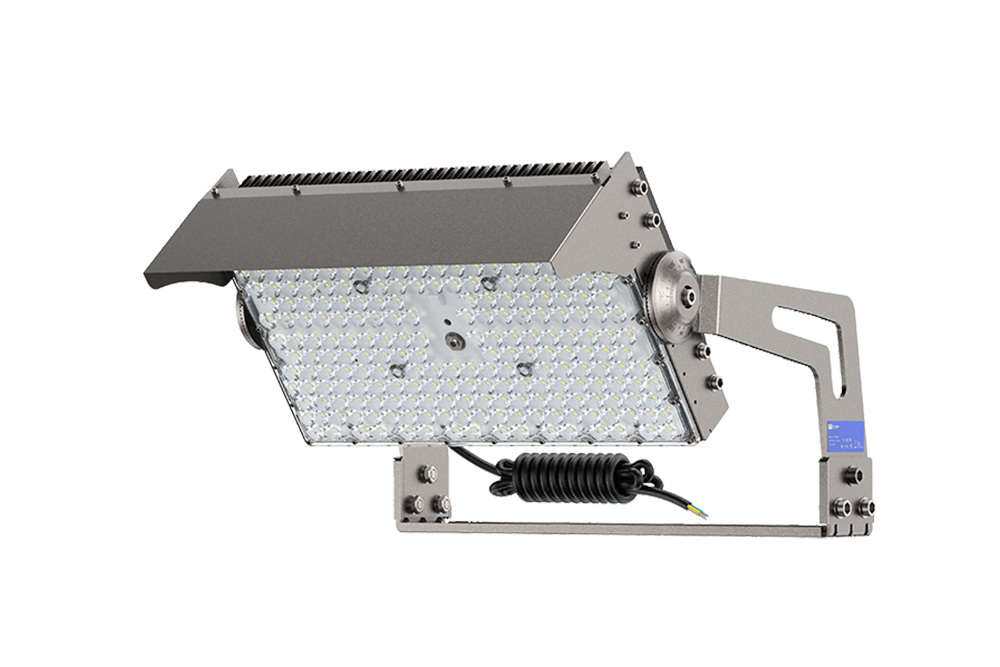
TFC SERIES Sports Stadium Lights
Sports stadium lights from SEEKING TFC Series deliver stable, high-output LED lighting for stadiums, arenas, and high mast applications. With 150 lm/W efficiency, IP66 protection, and long lifespan, these high mast LED lights are built for demanding outdoor sports lighting projects.
View details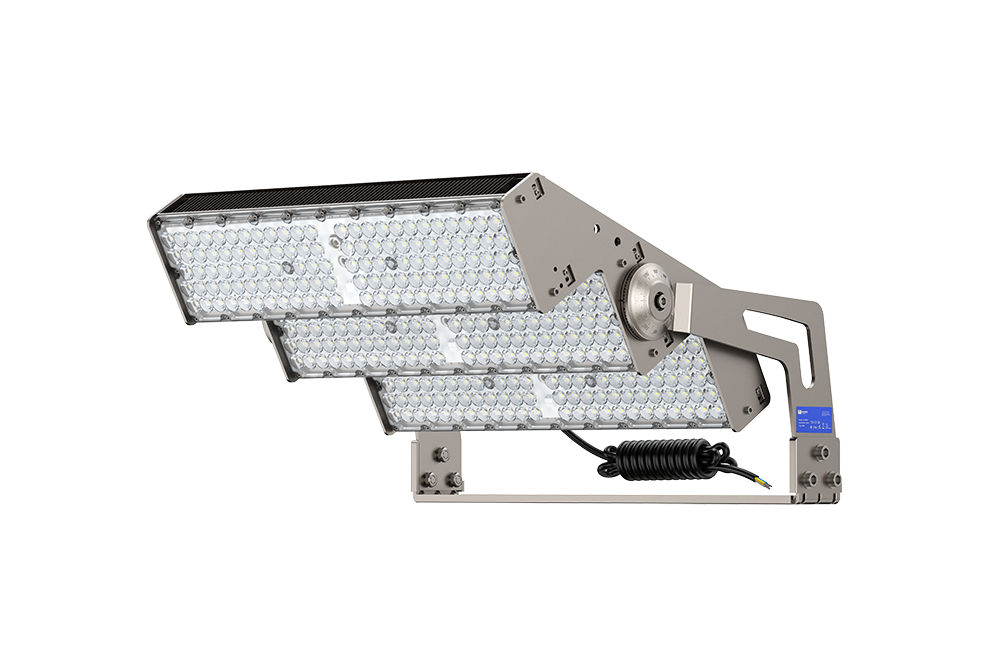
TFT SERIES sports stadium lighting
Sports stadium lighting from SEEKING TFT Series is designed for stadiums, arenas, and high-mast applications. High efficiency LED flood lighting with multiple beam angles, 10kV surge protection, and long service life.
View details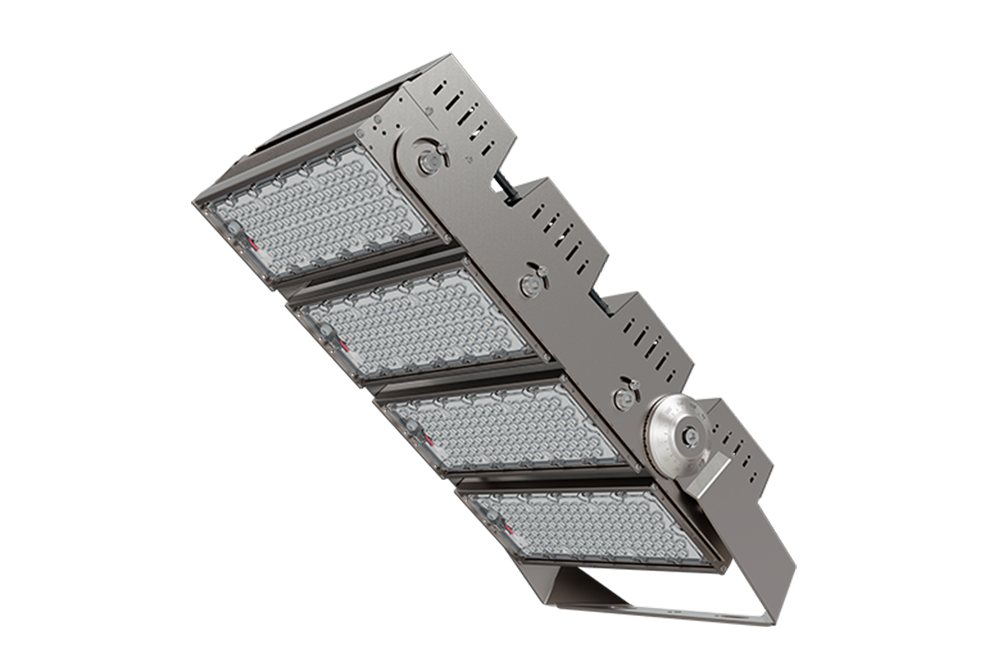
TFD SERIES Sports Stadium LED Lighting
Sports stadium LED lighting from SEEKING TFD Series delivers powerful high mast illumination for stadiums, sports fields, and large venues. With up to 170 lm/W, multiple beam angles, IP66 protection, and 10kV surge resistance, it ensures reliable lighting for professional sports and high-pole applications.
View detailsLED Tri-Proof Light Product
TPO SERIES
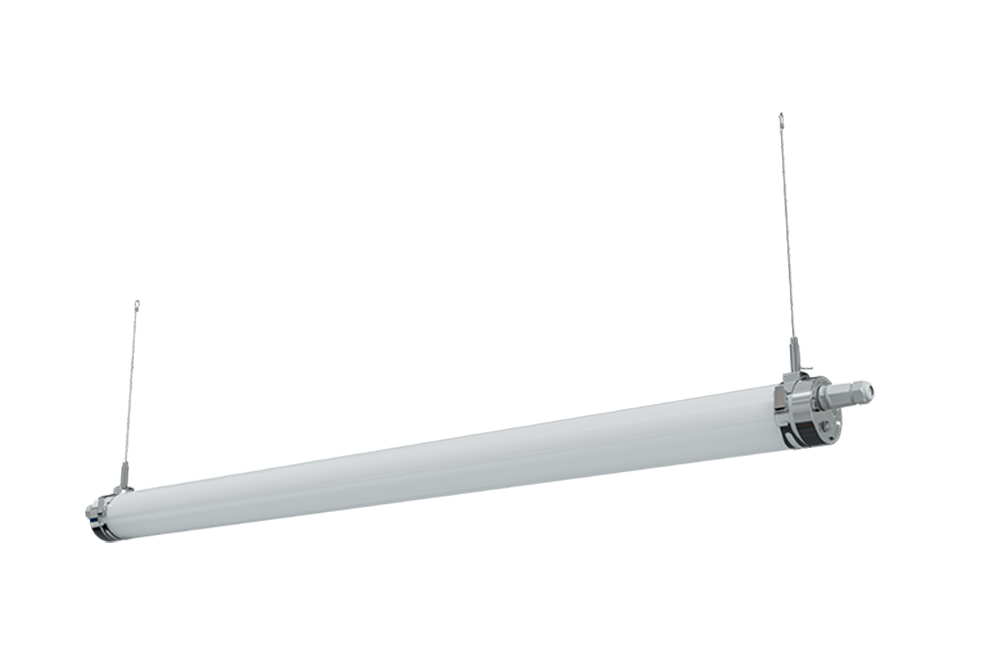
SEEKING TPO Series tri proof linear lamps designed for harsh environments, with IP69K high-pressure resistance, corrosion-free sealed housing, and 140–160 lm/W efficiency. Ideal for food factories, breeding farms, cold storage, workshops, and demanding industrial lighting projects.
View details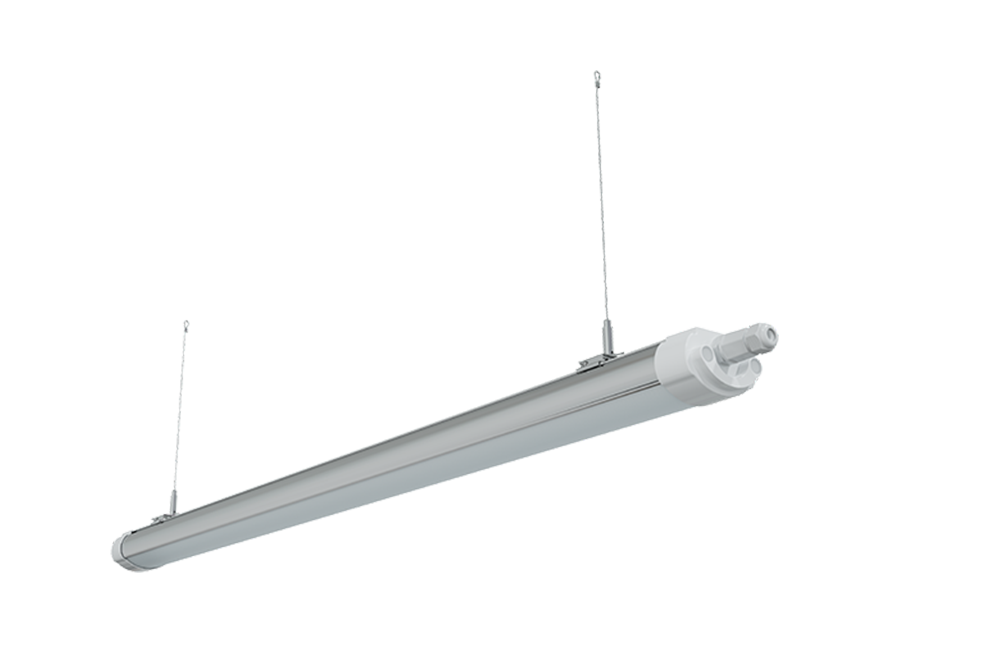
TPB SERIES
The TPB Series tri proof lamp from SEEKING delivers sealed, IP66 protection against dust, moisture, corrosion and insects. Designed for car parks, factories and tunnels, this LED tri proof lamp offers stable lighting performance and easy installation for demanding environments.
View details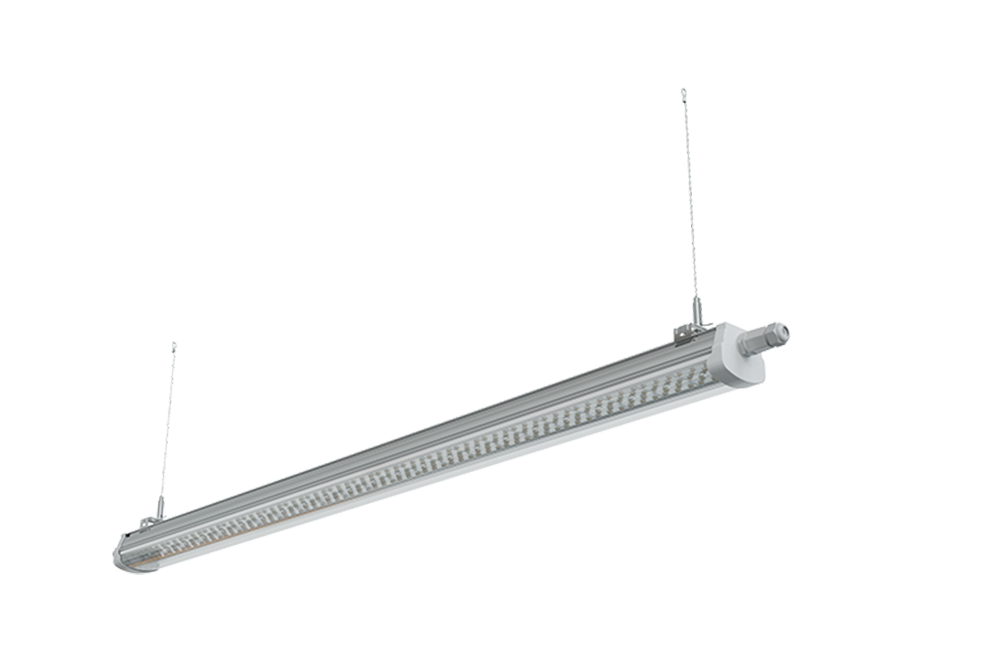
TPA SERIES
SEEKING TPA Series LED tri proof lamp delivers high efficiency, long service life and strong protection for industrial lighting applications. Designed for factories, parking areas, cold storage and more, this IP66 tri proof fixture offers 150–170 lm/W performance with optional beam angles and tool-free installation.
View detailsFAQ AboutExplosion proof lighting LED
A light becomes explosion proof because of how its enclosure is designed, not because it avoids sparks completely. In hazardous areas, sparks and heat can still happen inside a fixture. The key point is containment. An explosion-proof light uses a thick housing, flame paths, and threaded joints to ensure that if ignition occurs inside, the flame cannot escape and ignite the surrounding atmosphere. Materials, tolerances, and sealing matter more than brightness or wattage. Certification confirms that the design was physically tested, not just simulated.
No. Most LED lights are not explosion proof at all. Standard LED fixtures are made for offices, warehouses, or outdoor use where flammable gases or dust are not present. Explosion-proof LED lights are a separate category. They use reinforced housings, certified drivers, and controlled surface temperatures. Even if two lights look similar, one may be safe for a hazardous zone and the other completely unsuitable. This difference is often misunderstood during retrofits, especially when switching from fluorescent to LED.
Explosion proof lighting refers to fixtures specifically designed for environments where flammable gas, vapor, or dust may be present. The term does not mean the light cannot explode. It means that if an internal fault causes ignition, the enclosure will contain it. These lights are commonly used in oil and gas plants, chemical processing areas, grain silos, and mining operations. Ratings such as Class, Division, or Zone define exactly where the fixture is allowed to be installed.
Yes, but only if the LED light is certified for that hazardous area. Using a regular LED fixture in an explosion-proof zone is unsafe, even if the power is low. Explosion-proof LED lights are designed with sealed drivers, temperature control, and tested enclosures. In some projects, SEEKINGLED has replaced traditional HID fixtures with certified LED versions, but only after matching the exact area classification and approval requirements.
Most explosion-proof lights are cast from aluminum alloy or ductile iron. Aluminum is lighter and resists corrosion, which is helpful offshore or in chemical plants. Ductile iron is heavier and used where mechanical impact resistance is critical. Stainless steel is less common due to cost but appears in highly corrosive environments. The metal choice affects weight, heat dissipation, and installation effort, so it’s usually decided early in the project.
An explosion-proof high bay light fixture is designed for hazardous areas with high ceilings, such as industrial halls or processing plants. It combines a high-lumen output with a sealed, reinforced enclosure. Unlike standard high bays, these fixtures control surface temperature and internal pressure. Mounting height, beam angle, and certification must all align. Engineers often choose them when hazardous zones overlap with large open working spaces.
Explosion proof lighting works by controlling failure, not preventing it entirely. If an internal spark ignites gas inside the fixture, the enclosure contains the explosion and cools escaping gases through flame paths. This prevents ignition outside the fixture. The concept is mechanical, not electronic. LEDs help because they generate less heat than older lamps, but the enclosure design still does the real safety work.
Explosion-proof lights are usually cast from aluminum alloys or iron-based metals. The casting process allows thick walls and precise flame path structures. These are not decorative housings. Every surface, thread, and joint is part of the safety system. Lenses are typically tempered glass, sometimes borosilicate, chosen for strength and thermal stability. Plastic is generally avoided in primary structural components.
Explosion proof lighting is required whenever a location is classified as hazardous by local or international standards. This includes areas with flammable gases, combustible dust, or volatile vapors under normal or abnormal conditions. Typical examples include refineries, paint booths, coal handling areas, and grain storage. If a site assessment identifies a classified zone, standard lighting is no longer acceptable, regardless of cost or efficiency.
An explosion proof light is a lighting fixture built to contain ignition within itself. It does not stop sparks from forming but prevents them from spreading. The term is often misunderstood in procurement. Certification bodies test these lights under controlled explosions to confirm containment. Without certification, a fixture cannot be considered explosion proof, even if it uses thick metal or sealed covers.
Some are, most are not. LED technology alone does not make a light explosion proof. The safety comes from the enclosure, sealing, and thermal control. Explosion-proof LED lights are tested as complete systems, including driver, wiring, and housing. Assuming all LEDs are safe in hazardous areas is one of the most common mistakes seen during site upgrades.
Explosion proof lighting means lighting that can be safely used in hazardous locations without igniting the surrounding atmosphere. It’s a regulatory term tied to testing and classification. The phrase does not describe brightness, efficiency, or lifespan. It strictly refers to safety performance under fault conditions. This distinction matters when reviewing specifications and compliance documents.
An explosion-proof LED work light is typically portable or semi-portable and designed for maintenance tasks in hazardous zones. It provides focused illumination while maintaining a sealed and certified enclosure. These lights are often used during inspections, shutdowns, or repairs. Battery-powered versions reduce cable risks, but certification still applies to the full assembly.
Choosing the right explosion-proof trouble light starts with area classification. After that, consider voltage, mounting method, and runtime needs. Weight matters more than people expect, especially for handheld use. Beam pattern is also important; wide beams reduce shadows but may cause glare. Engineers usually prioritize certification first, then ergonomics, not the other way around.
An explosion-proof fluorescent fixture is an older solution designed for hazardous areas before LEDs became common. It uses sealed tubes, heavy housings, and protected starters. These fixtures are still found in many plants. However, they require more maintenance and have shorter lamp life compared to LED alternatives. Retrofitting often involves full replacement rather than simple lamp swaps.
LED explosion proof lighting combines LED light sources with certified explosion-proof enclosures. The benefit is lower power consumption and longer service intervals, but the safety principle remains unchanged. LEDs reduce internal heat, which helps with temperature ratings. Many modern hazardous-area projects now specify LED by default, provided certification matches the zone.
Explosion-proof light fixtures should only be opened when power is fully isolated and the area is confirmed safe. The threaded joints and covers are part of the safety design and require proper tools. Opening them in a live hazardous environment defeats their purpose. Maintenance procedures usually specify torque values and inspection steps before reassembly.
Explosion proof lighting means the fixture can contain an internal explosion without igniting the surrounding atmosphere. It does not mean indestructible or maintenance-free. The term is defined by standards, not marketing language. Understanding this helps avoid misuse and improper substitutions during project execution.
Explosion-proof high bay fixtures are used in large hazardous spaces such as processing halls, compressor rooms, or loading areas. They provide high output while meeting strict safety requirements. Installation planning usually takes longer due to weight, mounting, and wiring constraints. Once installed correctly, they reduce both risk and maintenance frequency.
Testing an explosion-proof LED exit light focuses on function, sealing, and compliance, not stress testing explosions on site. Inspect seals, check illumination, verify backup power, and confirm labeling matches the classified area. Any physical damage or unauthorized modification is a reason for replacement, not repair.
Explosion proof lights are safety-critical fixtures designed for hazardous environments. They look industrial because they are. Every design choice prioritizes containment and durability. They are heavier, more expensive, and harder to install than standard lights, but they exist for a reason. In many industries, they are not optional.
Explosion-proof lighting for mining environments is typically sourced from manufacturers experienced with dust and gas classifications. Mines often require higher impact resistance and specific ingress protection. SEEKINGLED supplies explosion-proof LED lighting solutions designed for such conditions, provided the exact mine classification and standards are clearly defined during the selection process.