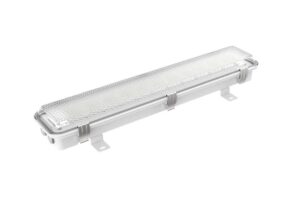
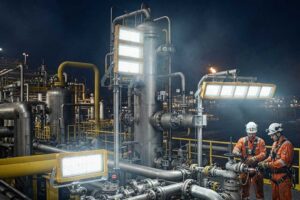
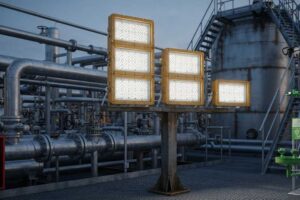
Anyone who has worked on warehouse or library lighting knows this problem well: the ceiling height changes, the aisle width changes, and suddenly a single round high bay no longer makes sense. I’ve seen it too many times—strong light in the middle, shadows along shelves, wasted lumens bouncing off the ceiling.
That’s where 4 foot LED high bay lights start to make sense, especially in linear spaces.
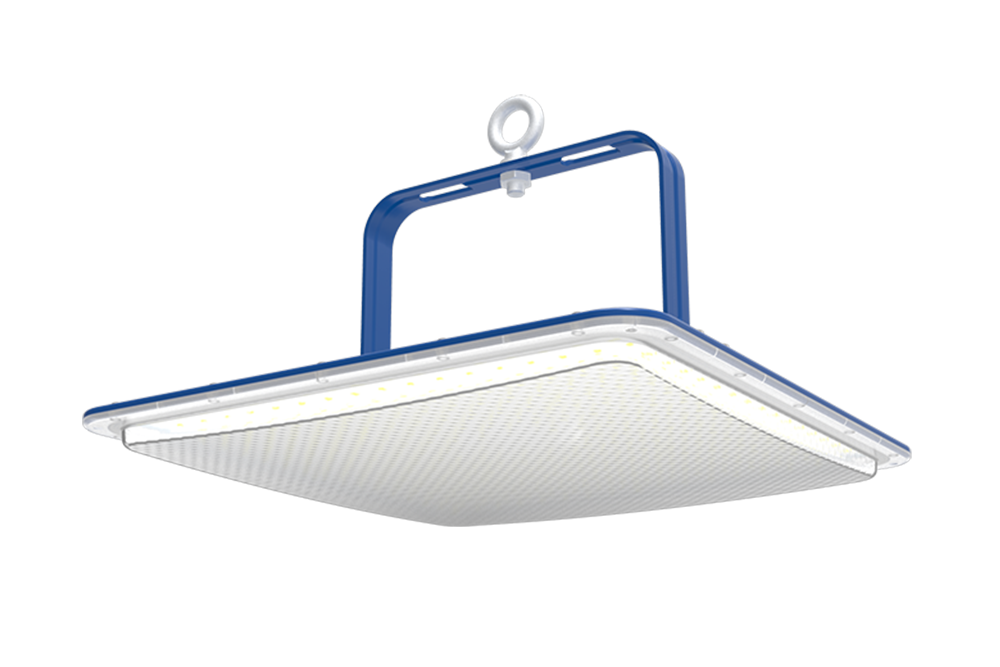
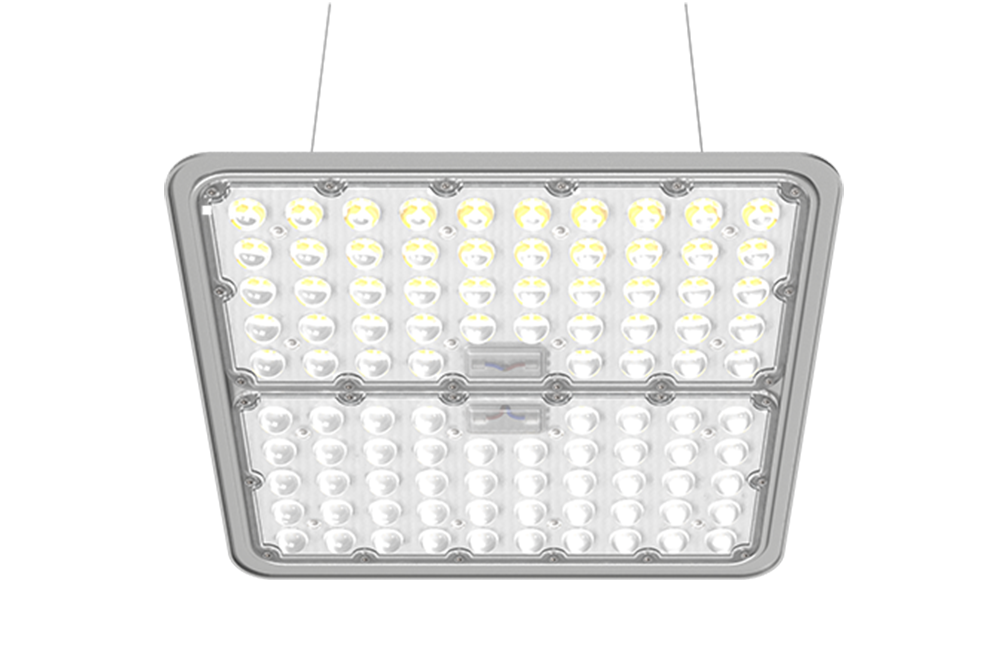
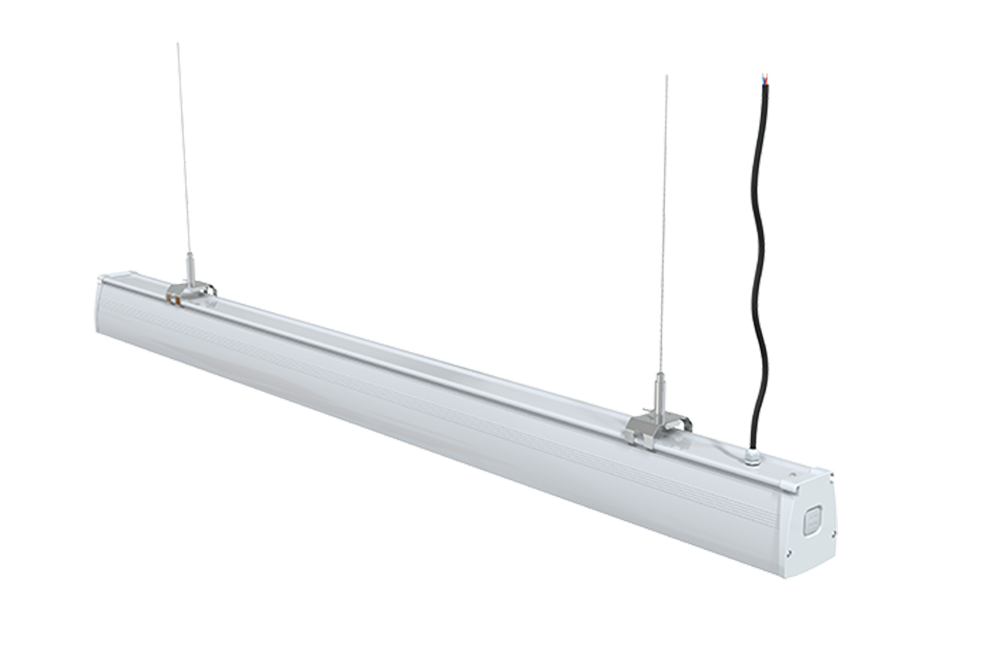
The SEEKINGLED HB17 (HLD) Series Linear High Bay LED Lights were clearly developed for those situations, not for showrooms or catalogs, but for long corridors, storage aisles, and production walkways where light needs direction, not decoration.
Why Linear High Bays Solve a Different Problem
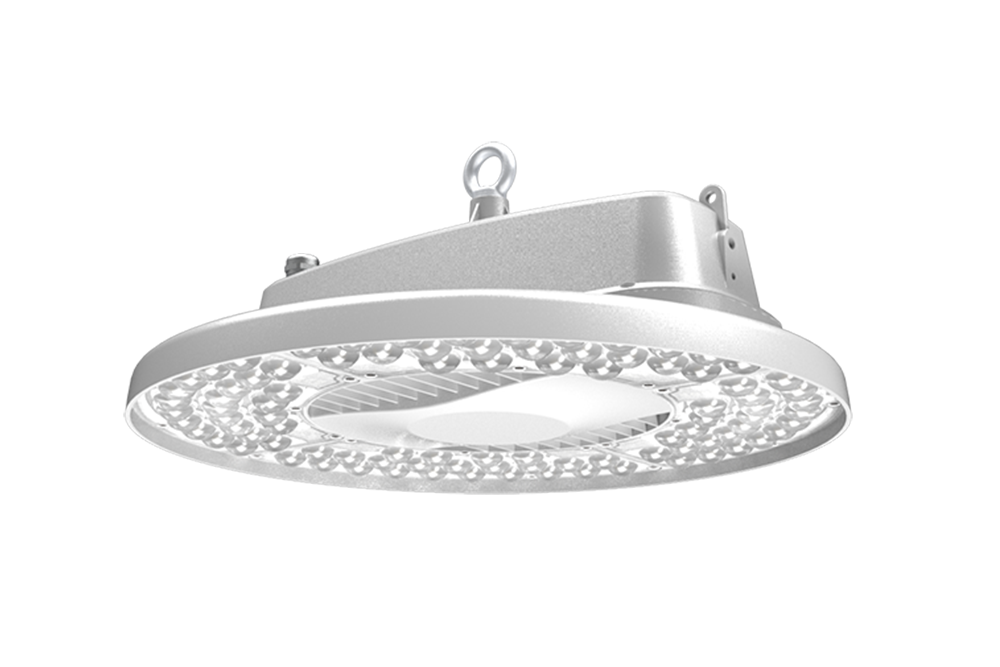
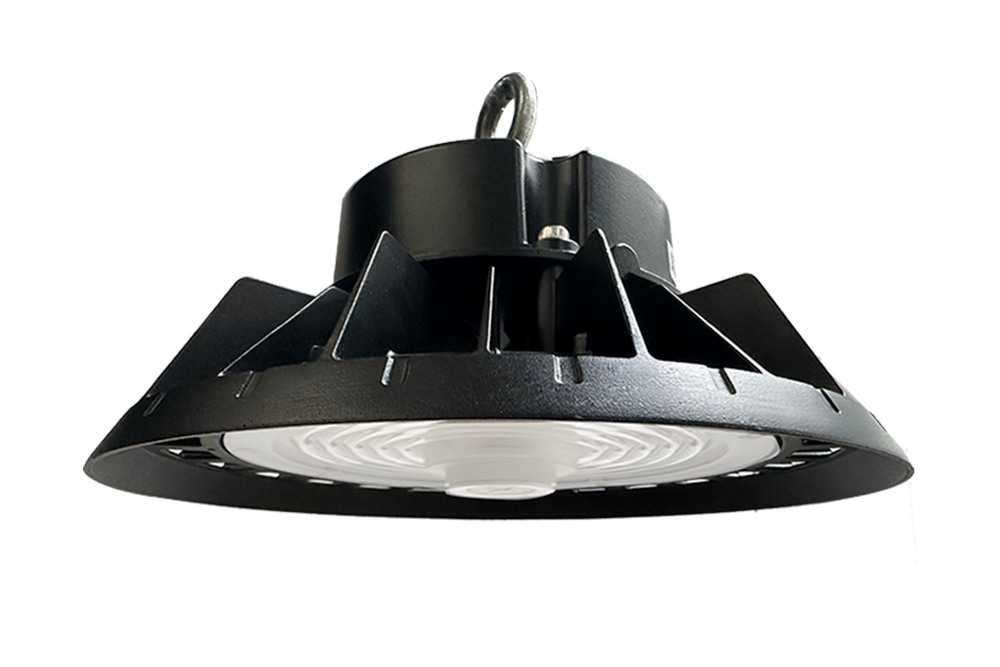
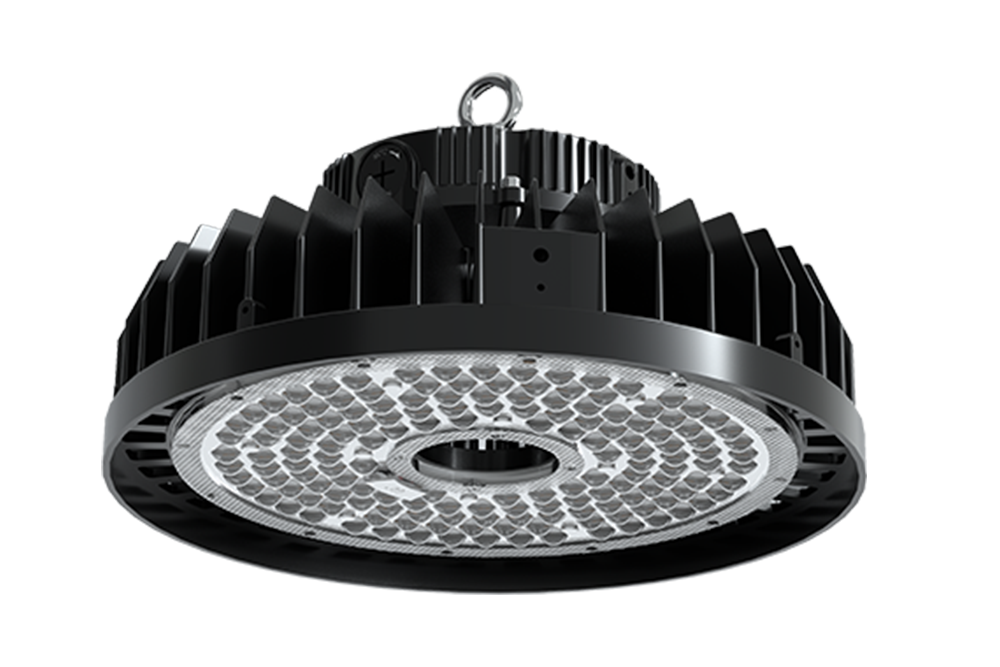
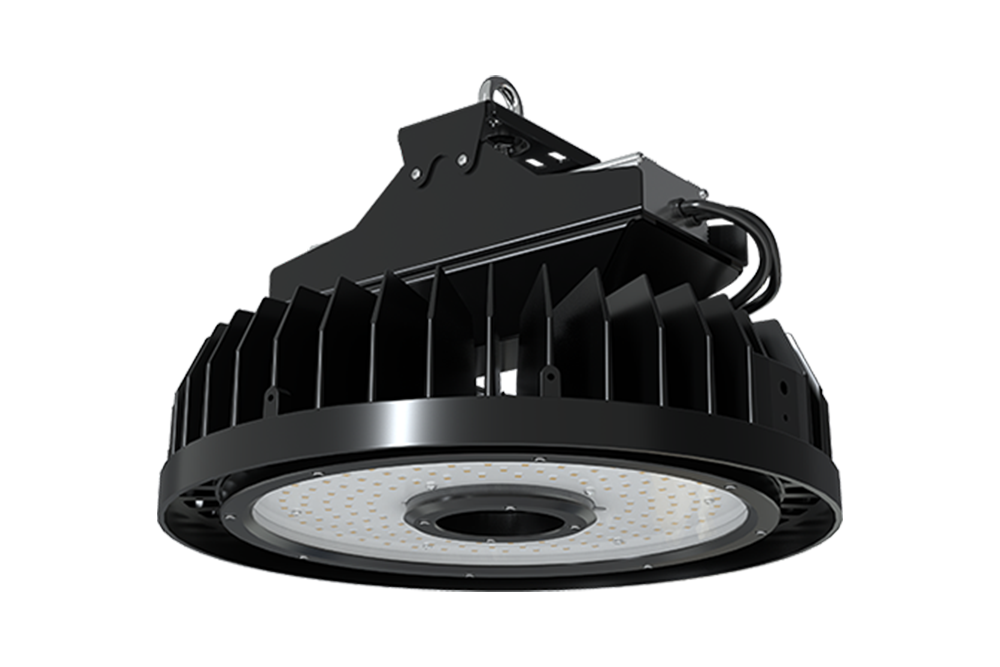
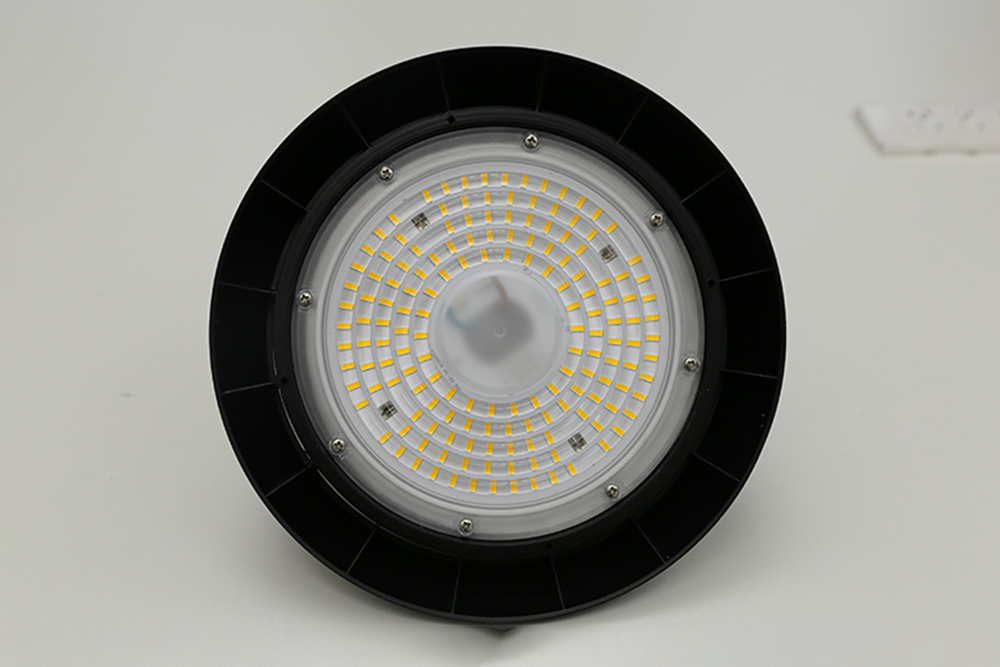
Traditional UFO-style fixtures push light outward in a circular pattern. That’s fine for open floors. It’s not ideal for aisles.
The HB17 uses a linear optical layout that throws light along the length of shelves and corridors. In practical terms, this reduces contrast between the top and bottom shelves and improves vertical illumination—something the Illuminating Engineering Society (IES) specifically highlights as critical for warehouse safety and picking accuracy.
In several retrofit projects I’ve reviewed, switching from round to linear high bays reduced the number of fixtures needed per aisle, simply because the light was finally going where it was supposed to go.
Optical Flexibility That Matters in the Field
One of the strongest design decisions in the HB17 Series is the availability of six beam angles: 30°, 60°, 90°, 120°, P25, and SP25.
This isn’t over-engineering. It’s practical.
Narrow beams (30°, SP25) work for tall racking and high ceilings
Medium beams (60°, 90°) fit most logistics aisles
Wide beams (120°) help in open corridors and shared spaces
Using one beam everywhere is usually a mistake. The HB17 allows designers to adapt instead of compromise.
Efficiency Without Chasing Unreal Numbers
The series reaches 170–200 lm/W, depending on configuration. Those numbers matter only if they are sustainable.
According to the U.S. Department of Energy (DOE), LED systems operating at high efficacy but poor thermal balance often experience accelerated lumen depreciation. SEEKINGLED’s approach—aluminum housing, stable SOSEN driver, and conservative thermal design—aligns with best practices outlined in LM-80 and TM-21 testing frameworks.
The L80B20 >100,000 hours rating reflects that philosophy: long-term usable light, not headline brightness.
Controls, Sensors, and Emergency Options
In real buildings, lighting doesn’t operate in isolation.
The HB17 Series supports motion sensors, dimming, and emergency battery options, which aligns with energy-saving strategies recommended by the International Energy Agency (IEA) for industrial buildings. Occupancy-based control alone can reduce lighting energy use by 20–40% in low-traffic zones.
For facilities running lights 12–20 hours a day, that difference shows up quickly on operating reports.
Light Quality and Visual Comfort
With Ra >80 and CCT options at 3000K, 4000K, and 5700K, the HB17 LED High Bay lights adapts to different visual needs.
Research from the Lighting Research Center (LRC) indicates that neutral white light around 4000K often balances comfort and task visibility in industrial settings. Cooler tones still have their place—for inspection or logistics—but flexibility is the real advantage here.
Author Experience and Final Take
I’ve spent years specifying and evaluating high bay lighting for warehouses, libraries, and production facilities. Linear fixtures like this are not universal solutions—but when used correctly, they outperform round high bays in aisle-heavy layouts.
As 4 foot LED high bay lights, the SEEKINGLED HB17 Series LED High Bay lights does what it’s supposed to do: deliver light where people work, reduce wasted output, and keep running quietly in the background.
That’s usually the sign of a good industrial luminaire.
This page explains how to test explosion proof LED exit light in real industrial sites, including emergency mode checks, safety precautions and common field practices used by SEEKINGLED projects.
What Is the Lifespan of Explosion Proof Lights? Discover how LED explosion proof lights last 50,000+ hours, reduce maintenance costs, and save energy in hazardous industrial areas.
what does atex certified mean? Learn how ATEX certification works, hazardous area equipment requirements, and why certified explosion-proof lighting is essential.
Discover reliable zone 1 atex lighting solutions for explosive environments. Learn certification requirements, installation experience, and LED safety advantages from SEEKINGLED experts.
 Seeking LED