 Seeking LED
How to Dim LED High Bay Lights?
421How to dim LED high bay lights in warehouses and factories. Learn common dimming methods, control types, and what to check before installing dimmable high bay fixtures.
View detailsSearch the whole station
By SEEKINGLED Engineering Team · Last updated: November 2026 · ATEX & IECEx explosion-proof lighting manufacturer since 2010
Quick Answer: An explosion proof light is a certified luminaire engineered to contain internal sparks, arcs, or heat so they cannot ignite a surrounding explosive atmosphere. For industrial projects, the right fixture depends on three things: the hazardous zone (Zone 1/2/21/22), the certification required in your market (ATEX, IECEx, or UL844), and the specifications (wattage, temperature class, IP rating, mounting). An IP66 rating alone does not make a light explosion proof.
If you are sourcing lighting for a refinery, chemical plant, mine, or gas station, this guide walks you through exactly how professionals specify explosion proof fixtures — from understanding certifications and zones, to comparing technical specifications, to avoiding the five mistakes that cost projects time and money. SEEKINGLED has manufactured ATEX & IECEx certified explosion proof lights since 2010, exporting to 70 countries with a reported field failure rate below 0.3%.
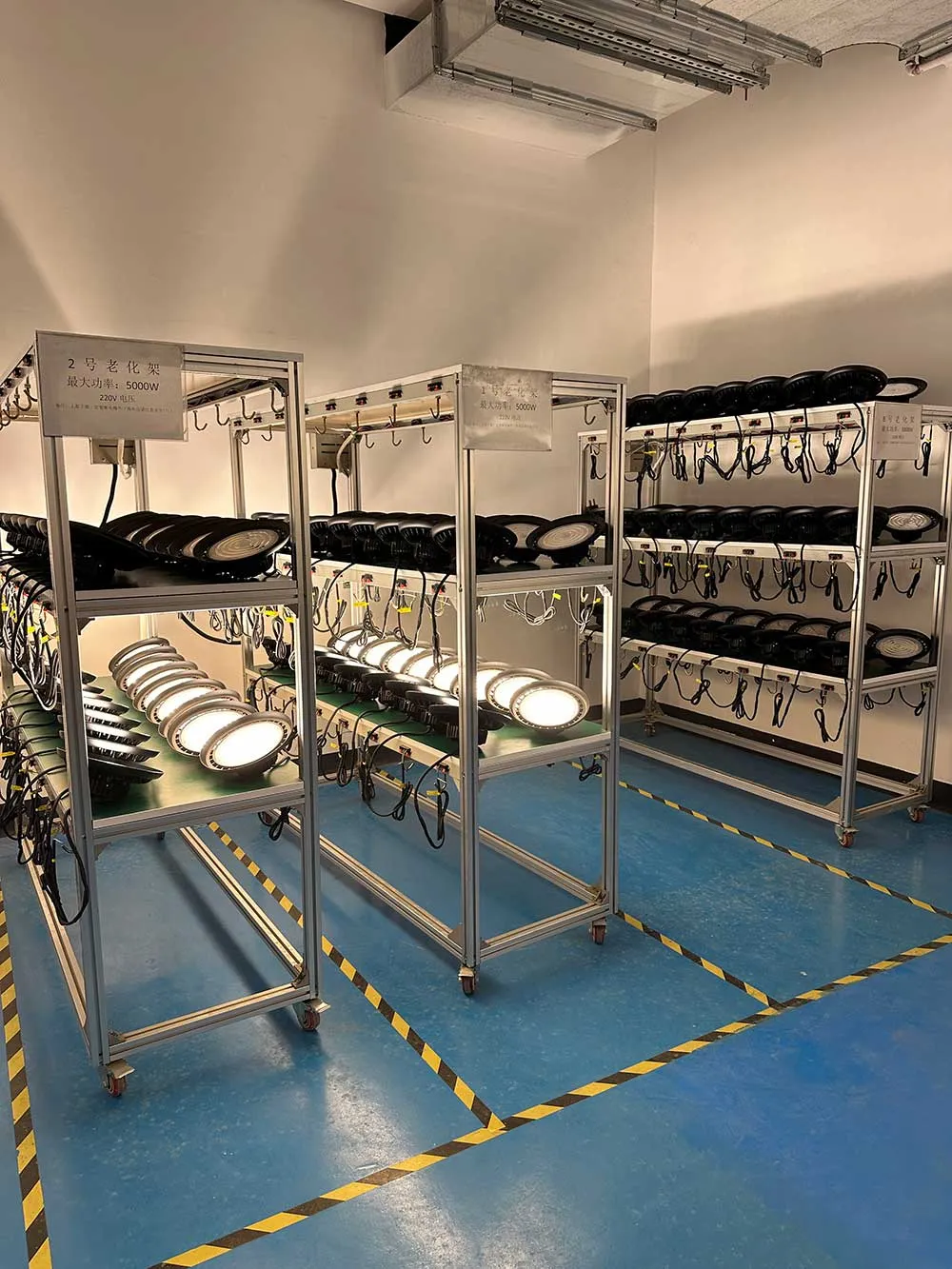
An explosion proof light — also called a flameproof light, hazardous area light, or Ex proof lamp — is a luminaire specifically designed to operate safely where flammable gases, vapors, dust, or combustible fibers may be present during normal operations. Ordinary industrial lights can produce a spark, an arc, or a hot surface hot enough to ignite such an atmosphere. An explosion proof fixture prevents that.
It does this not by being “stronger” in a general sense, but through three engineered design principles:
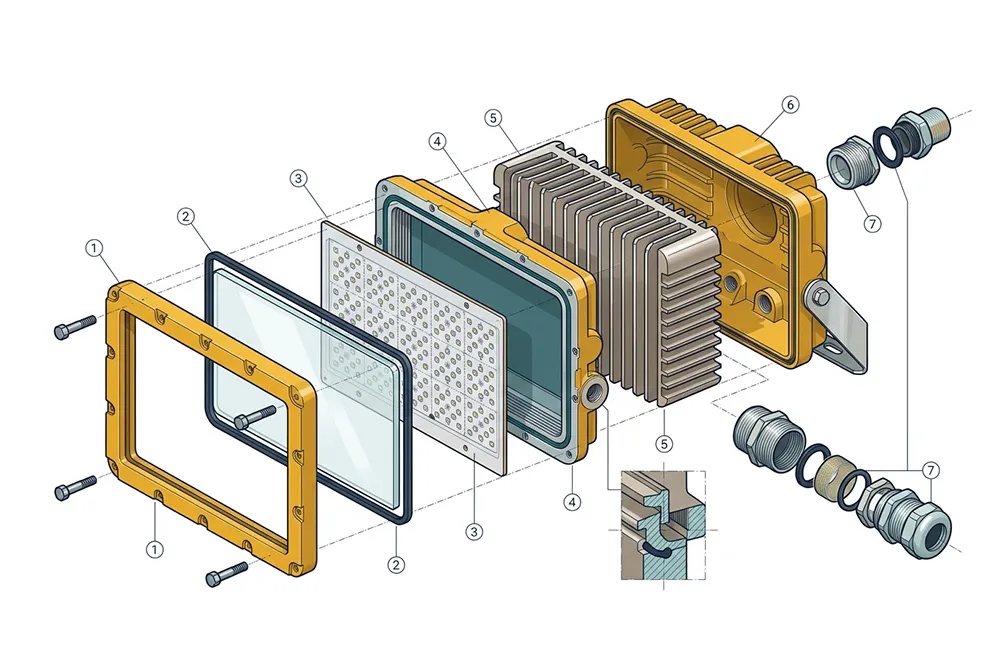
Key distinction: IP66 or IP69K is an ingress-protection rating — it tells you a light resists dust and powerful water jets. It says nothing about explosion containment. A fixture can be IP68 and still be unsafe in a hazardous area. Explosion protection is proven only by certification to a recognized standard and a matching Ex marking on the nameplate. For a deeper technical explanation, see our explosion-proof lighting safety guide.
Certification is the single most important thing to verify when sourcing explosion proof lights. It is also where buyers most often make assumptions. Different markets use different systems, and — critically — they are not automatically interchangeable. Confirm which one your project or insurer requires before you specify a fixture.
ATEX refers to the European Union’s directives for equipment used in potentially explosive atmospheres (2014/34/EU). Equipment for gas is coded by “Group II” and a category: 1G for Zone 1, 2G for Zone 2, 3G for Zone 3; dust uses 1D/2D/3D for Zones 20/21/22. A typical marking reads Ex II 2G Ex db IIB T6 Gb — meaning Group II, category 2G (Zone 1), flameproof enclosure (db), gas group IIB, temperature class T6, protection level Gb. SEEKINGLED fixtures carry ATEX markings such as Ex db IIB T6/T5 Gb and Ex tb IIIC T80°C/T95°C Db.
IECEx is the international certification system based on IEC 60079 standards. It is widely requested for projects in Asia, the Middle East, Australia, and anywhere a globally recognized Ex certificate is needed — especially for oil & gas and EPC projects. IECEx markings look similar to ATEX (for example, Ex db IIB T6 Gb) but are issued under a different scheme. Many SEEKINGLED series, such as the LO Series linear explosion proof lights, hold both ATEX and IECEx certification.
North America uses a different classification: Class I (gas/vapor), Class II (dust), Class III (fibers), combined with Division 1 or Division 2, plus a temperature code (T-code). In the United States and Canada, fixtures are commonly certified to UL844 / CSA standards under the Class & Division system. ATEX or IECEx certification does not by itself satisfy a North American Class I Division 1 requirement — check the exact listing.
| System | Region | Classification | Typical marking |
|---|---|---|---|
| ATEX | European Union | Zones (1/2, 21/22) | Ex II 2G Ex db IIB T6 Gb |
| IECEx | International (IEC 60079) | Zones (1/2, 21/22) | Ex db IIB T6 Gb |
| UL844 / C1D1 | USA & Canada | Class / Division | Class I Div 1, Group C&D, T-code |
Table 1 — Comparison of the three mainstream explosion-proof certification systems. Always verify the certificate against the exact model you are buying.
Before placing an order, ask your supplier for the certificate covering the exact model, and confirm the manufacturer name, protection concept, gas group, and temperature class match the product. Our separate guide on ATEX vs IECEx certification explains the verification process in detail (link active once published).
Hazardous areas are classified by how often and how long an explosive atmosphere is present. Getting the zone right determines the protection level your fixture must have.
Gas zones: Zone 1 is an area where an explosive gas atmosphere is likely to occur in normal operation; Zone 2 is where it is not likely in normal operation and, if it occurs, lasts only a short time. Dust zones: Zone 21 is where an explosive dust cloud is likely in normal operation; Zone 22 is where it is not likely, or only for a short period. Common examples: refinery process units and gas station dispensing areas are typically Zone 1 or 2; grain handling, coal, and powder processing areas fall into Zones 21 or 22.
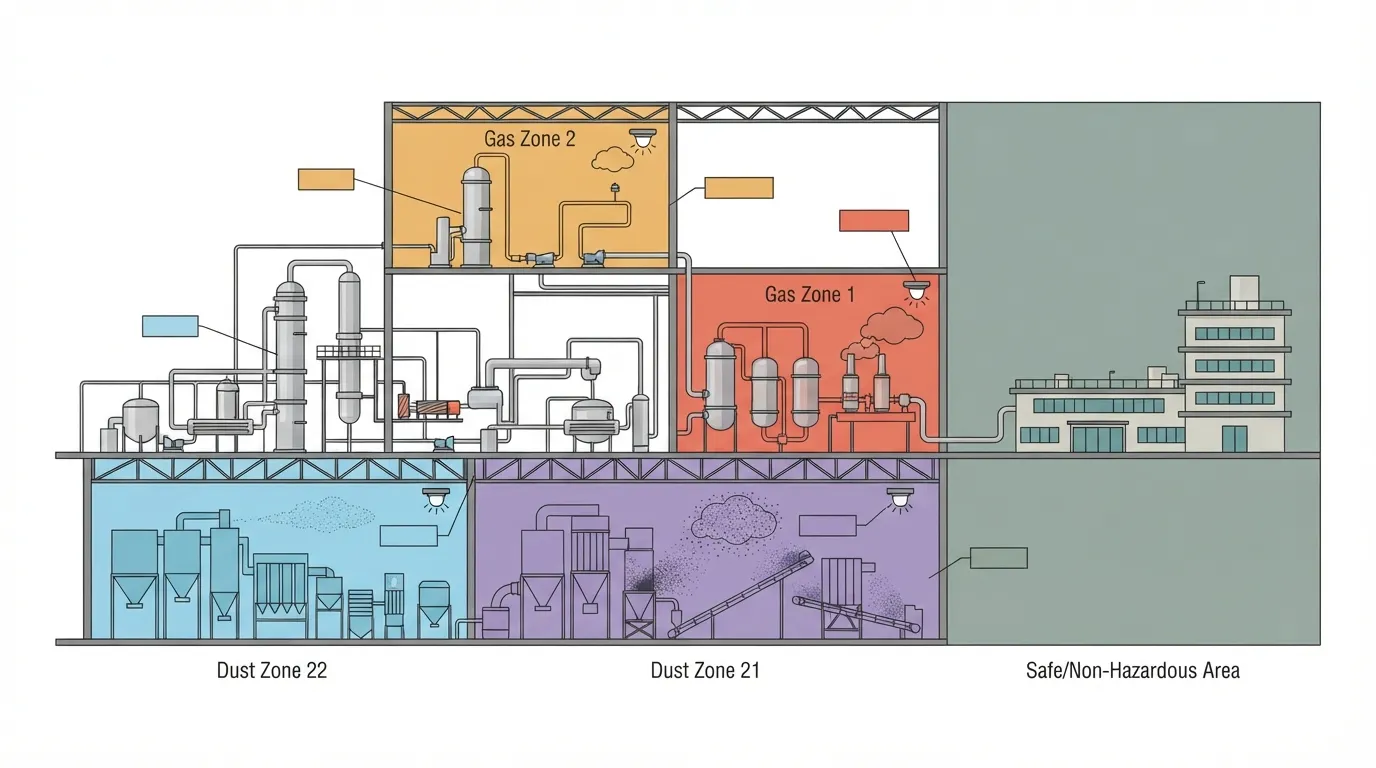
Higher-risk zones demand higher protection. Zone 1 commonly uses flameproof (Ex d) or increased-safety (Ex e) fixtures; intrinsically safe (Ex i) is used for low-power equipment such as instrumentation. Zone 2 can often use Ex nR / Ex ec (“non-sparking”) equipment. Dust areas use Ex tb / Ex tc with a surface temperature limit (T80°C, T95°C, etc.). The table below is a practical starting point — always confirm with a site classification study.
| Zone | Atmosphere | Likelihood | Typical protection | SEEKINGLED example |
|---|---|---|---|---|
| Zone 1 | Gas / vapor | Likely in normal operation | Ex db, Ex eb | FL7 Series flood light |
| Zone 2 | Gas / vapor | Unlikely, short duration | Ex nR, Ex ec | FL8 Series flood light |
| Zone 21 | Combustible dust | Likely in normal operation | Ex tb | LO Series linear light |
| Zone 22 | Combustible dust | Unlikely, short duration | Ex tc | GS Series canopy light |
Table 2 — Zone classification and typical protection concepts. Product assignments are indicative; verify each model’s certificate.
For a full explanation of zone definitions and selection, see our hazardous area lighting solutions page and the upcoming Zone 1 vs Zone 2 guide. For broader context on where these fixtures are used, the hazardous areas overview is also useful.
Once you know the zone and certification, compare the technical specifications that affect safety, performance, and lifetime:
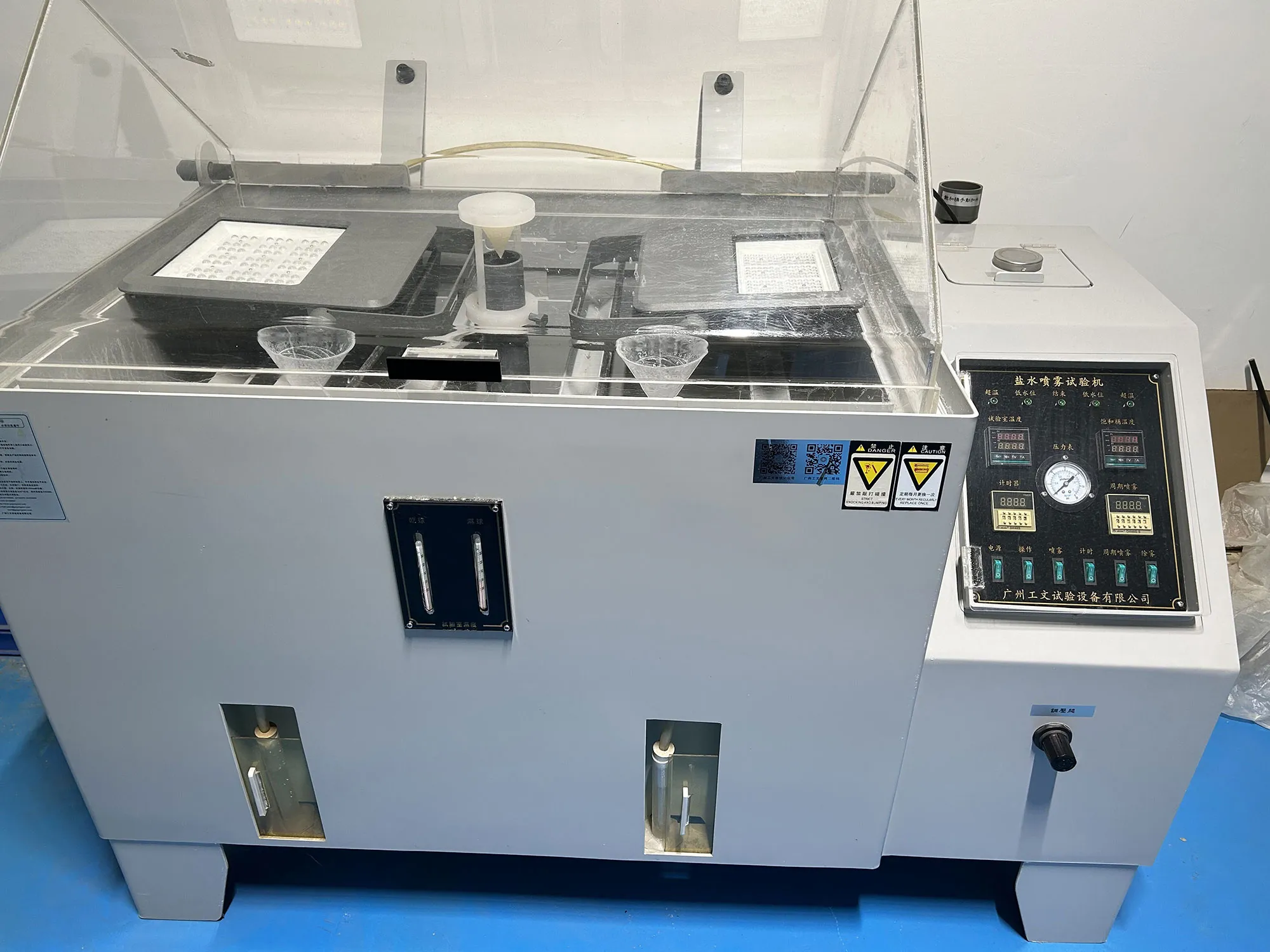
Temperature performance deserves special attention. For cold-storage or high-temperature processes, standard fixtures may underperform. Our article on selecting lights for high and low temperature environments covers T-Class and ambient ranges in detail. For flood-light applications specifically, compare the explosion proof flood light specifications and the FL7/FL8 series pages.
Use this repeatable process to specify the right fixture for any hazardous-area project:
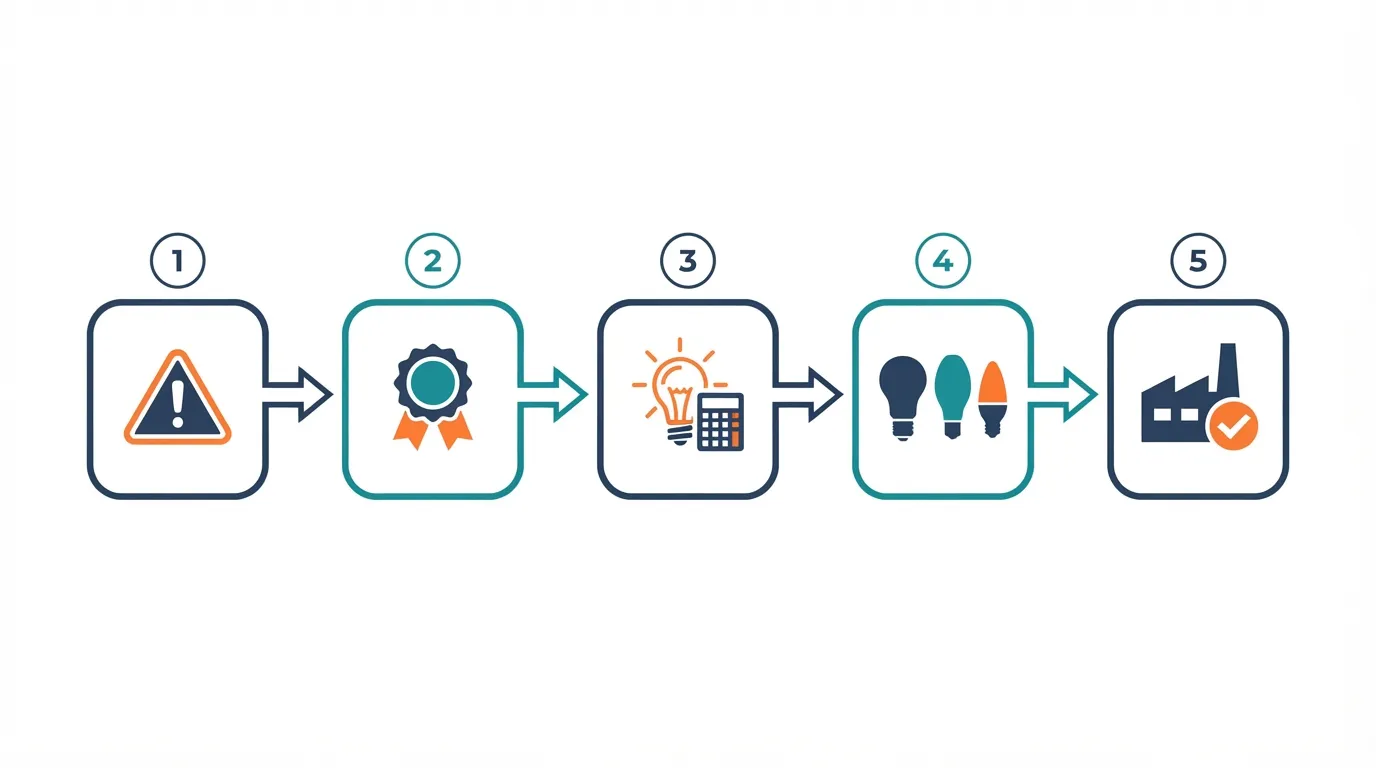
Even experienced buyers fall into these traps. Avoiding them is often more valuable than shaving a few dollars off unit price.
Buyers often ask for budget numbers early. The figures below are industry reference ranges for orientation only, not a SEEKINGLED quotation — actual price depends on wattage, certification scope, housing material, and order volume:
| Item | Industry reference range | Notes |
|---|---|---|
| Standard explosion proof LED light (Zone 2) | USD 45–120 / unit | Typical for 20–100W certified fixtures at project volumes |
| Flameproof Zone 1 fixture | USD 90–300+ / unit | Ex d housing, ATEX/IECEx, higher power |
| Typical MOQ (standard models) | 10–50 units | SEEKINGLED accepts small-batch sample orders |
| Sample lead time | 1–2 weeks | SEEKINGLED states ~1 week for samples |
| Bulk order lead time | 2–4 weeks | SEEKINGLED states 2–3 weeks for bulk orders |
Table 3 — Industry reference figures for planning only. Request a formal quote for accurate pricing and terms.
Choosing the right explosion proof light comes down to matching the zone, certification, and specifications to your specific site — and verifying that your supplier can back up their claims. SEEKINGLED has been manufacturing ATEX and IECEx certified hazardous-area lighting since 2010, with a 5,000 m² facility, an in-house testing laboratory, a 15-person R&D team, and exports to 70 countries. We support OEM/ODM, accept small-batch sample orders, and back our fixtures with a 5-year warranty.
Share your application, zone, certification requirements, and quantity, and our engineering team will recommend a certified fixture and provide a detailed quote. Request a quote or contact us via WhatsApp for a fast response.
Need the right explosion proof light for your hazardous area?
Get a certified recommendation, datasheets & a quote within 12 hours.
Is IP66 the same as explosion proof?
No. IP66 is an ingress-protection rating for dust and water. “Explosion proof” means the fixture is certified to an Ex standard (such as ATEX or IECEx) and carries a matching Ex marking. An IP66 light without Ex certification must not be used in a classified hazardous area.
What’s the difference between Zone 1 and Zone 2?
In Zone 1, an explosive gas atmosphere is likely to occur in normal operation. In Zone 2, it is not likely in normal operation and, if it occurs, lasts only a short time. Zone 1 generally requires a higher level of protection (e.g., Ex db) than Zone 2.
How long do explosion proof LEDs last?
Quality LED explosion proof fixtures typically rate 50,000–100,000 hours of operation, depending on thermal design and ambient temperature. SEEKINGLED fixtures come with a 5-year warranty and a reported field failure rate below 0.3%.
Can I use standard LED lights in hazardous areas?
No. Standard LED lights are not designed to contain internal sparks or limit surface temperature, and using them in a classified area is a serious safety and compliance violation. You must use certified explosion proof fixtures matched to the zone.
What certificates should a supplier provide?
Ask for the ATEX and/or IECEx certificate (or UL844 listing for North America) covering the exact model, plus test reports, the Ex marking, IES photometric files, and the warranty terms. Verify the certificate with the issuing body where possible.
What is the difference between ATEX and IECEx?
ATEX is the European Union’s regulatory framework (2014/34/EU); IECEx is an international certification system based on IEC 60079 standards. They use similar markings but are separate schemes. The right one depends on your project’s market and requirements — and some projects require both.
What is the typical lead time and MOQ for explosion proof lights?
Industry norms are roughly 10–50 units MOQ for standard models, with 1–2 weeks for samples and 2–4 weeks for bulk orders. SEEKINGLED accepts small-batch sample orders, with samples in about 1 week and bulk orders in 2–3 weeks. Contact us for your specific requirements.
Specifying an explosion proof light is not about the brightest or cheapest fixture — it is about matching certified protection to your site’s real hazards. Identify the zone and substance, determine the certification your market requires (ATEX, IECEx, or UL844), compare the specs that affect safety and lifetime, and verify your supplier.
Avoid the five common mistakes: treating IP66 as explosion proof, accepting a mismatched certificate, ignoring the temperature class, comparing unit price alone, and skipping sample testing. With over 16 years of experience, ATEX and IECEx certified products, and exports to 70 countries, SEEKINGLED is ready to help you specify the right fixture.
Have a project in mind? Request a quote, email sales01@seekingled.com, or explore our certified explosion proof lights to get started.
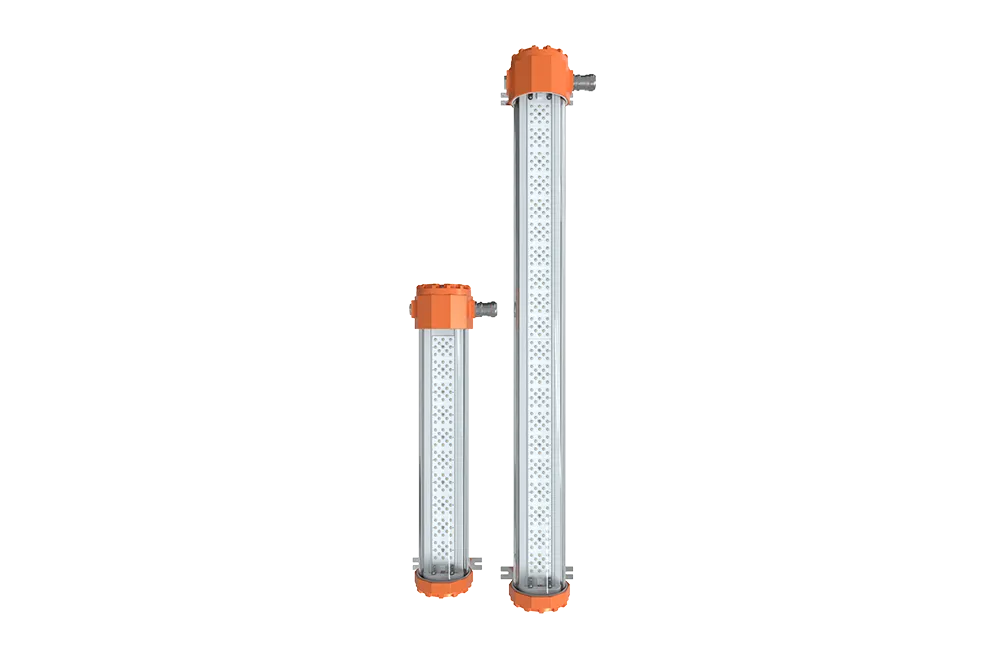
SEEKINGLED LED Linear Explosion Proof Light and Explosion Proof lighting is ATEX and IECEx certified for Zone 1, Zone 2, Zone 21 and Zone 22 hazardous locations, built for long-term industrial use.
View details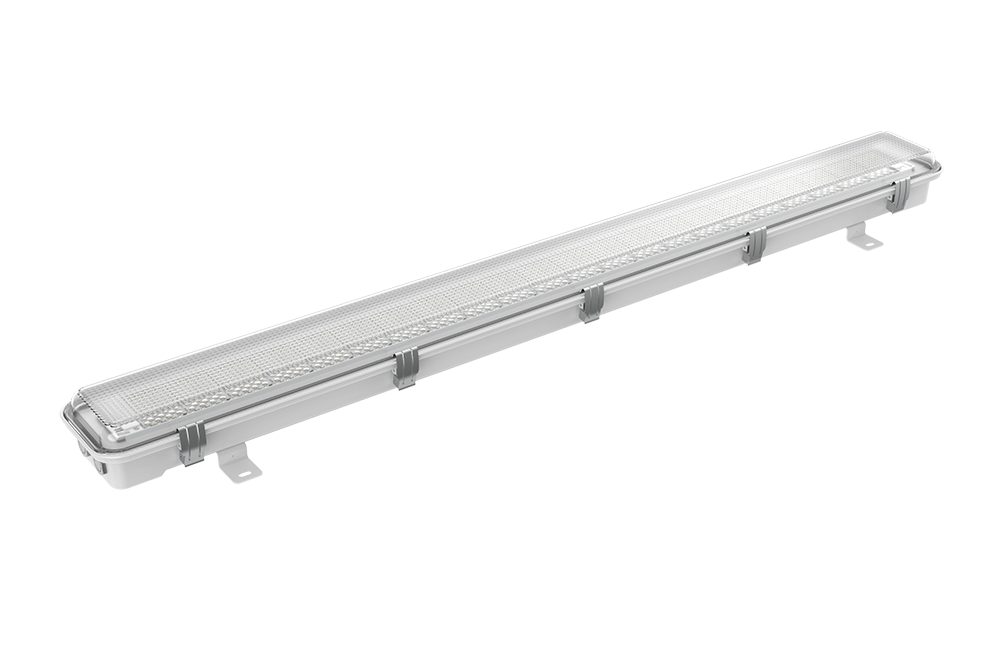
LED Linear Explosion Proof Lights and EX Proof lights for Zone 1, Zone 2, Zone 21 and Zone 22 hazardous areas. ATEX & IECEx certified explosion proof LED linear lighting with emergency function, adjustable power and IP67 protection by SEEKINGLED.
View details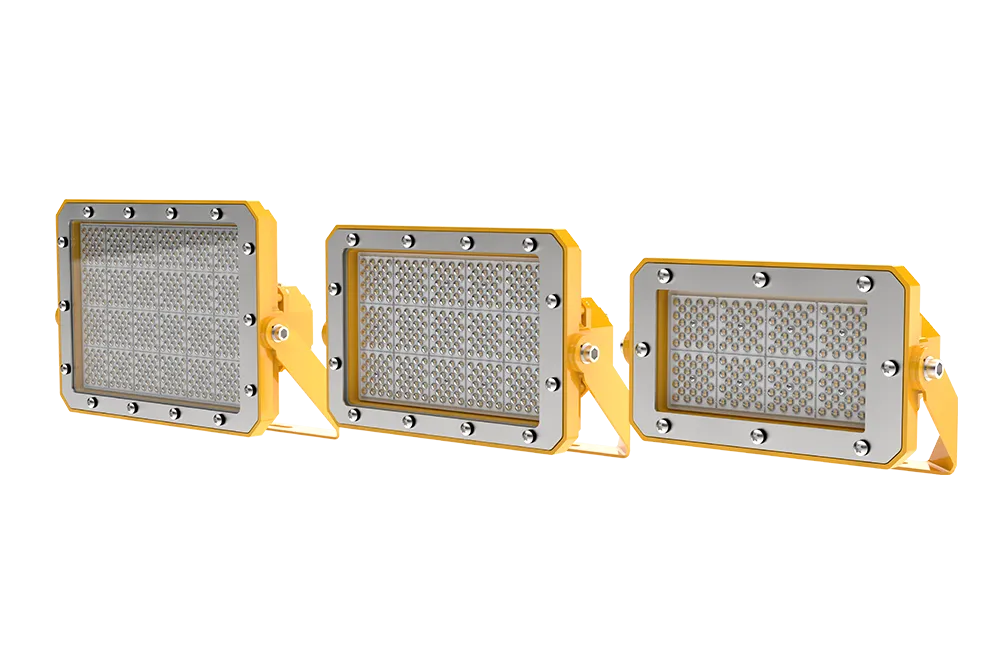
SEEKINGLED LED Explosion Proof Flood Lights are ATEX certified for Zone 2 and Zone 22 hazardous areas, offering high efficiency, adjustable power and integrated junction box.
View details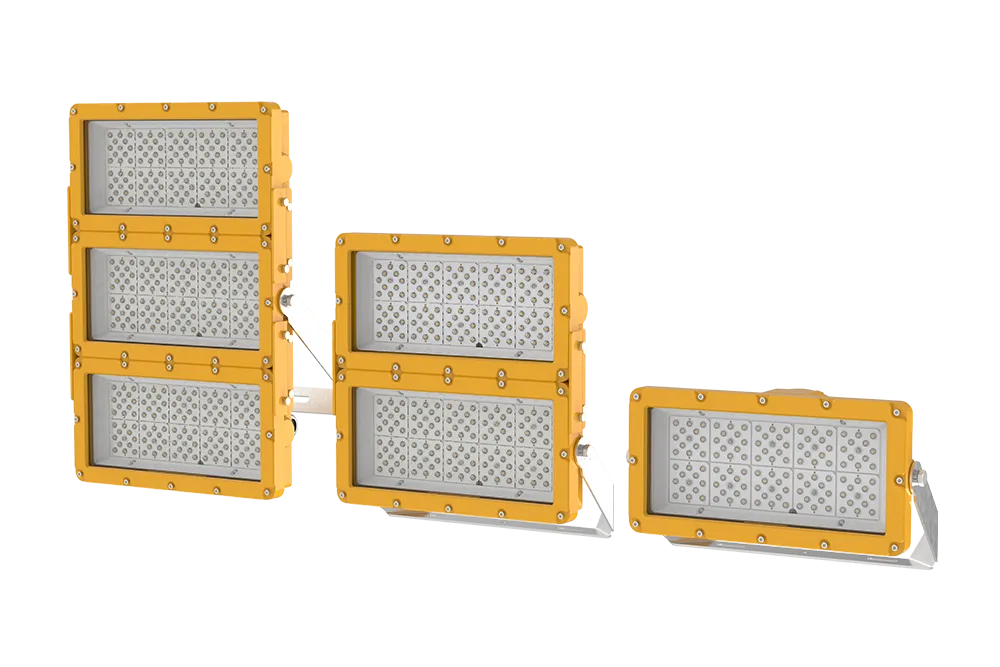
SEEKINGLED LED Explosion Proof Flood Lights are flameproof ATEX and IECEx certified for Zone 1 and Zone 2 hazardous areas, offering high power, adjustable output and long service life.
View details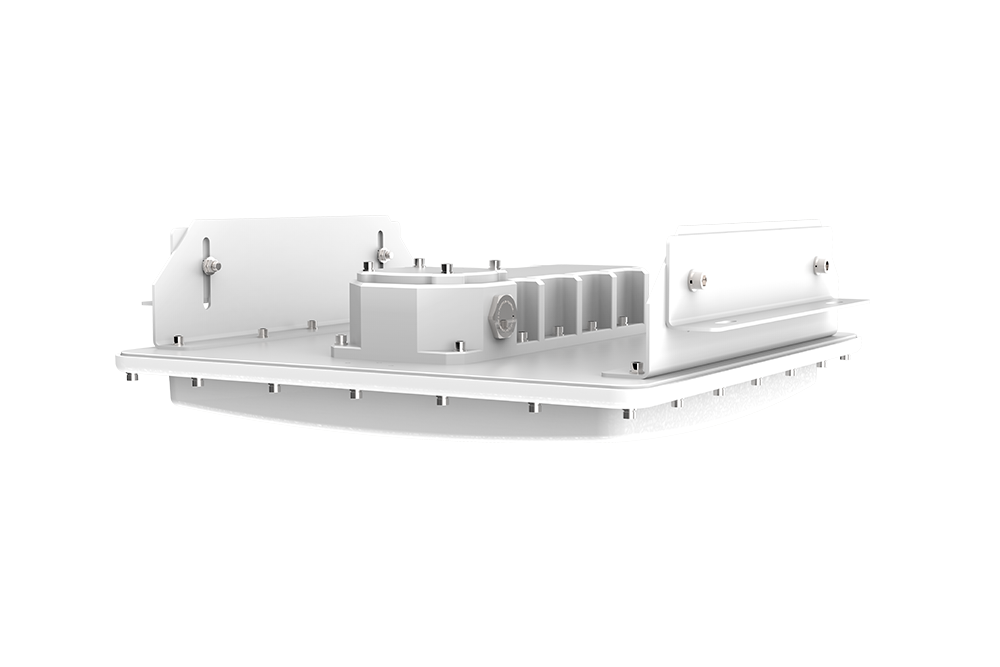
SEEKINGLED LED Gas Station Canopy Lights are ATEX certified for Zone 2 and Zone 22 hazardous areas, featuring adjustable power and built-in explosion-proof junction box.
View details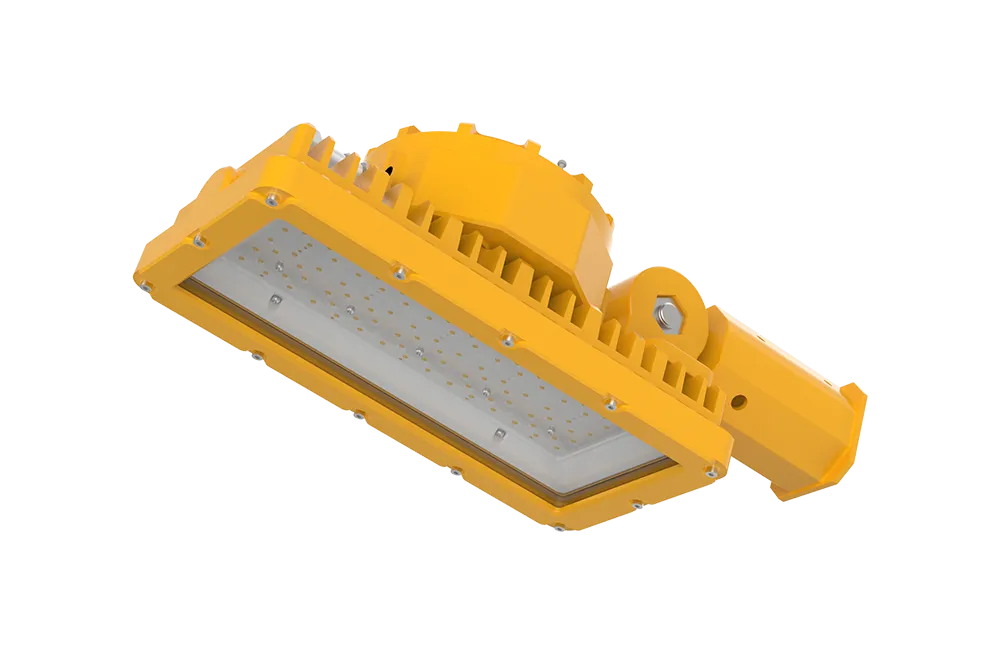
ATEX: Ex II 2G Ex db IIB T6/T5 GbEx II 2D Ex tb IIIC T80°C/ T95°C Db IECEx Ex db IIB T6 Gb;Ex tb IIIC T80°C Db Feature: ● For Zone 1,2 and Zone 21,22● Flameproof type, the strongest● 100W can replace 250W HID,energy saving● Power:60W,80W,100W Application: Oil and gas, marine, Chemical, pharmaceutical, semiconductor,mining,military industr…
View details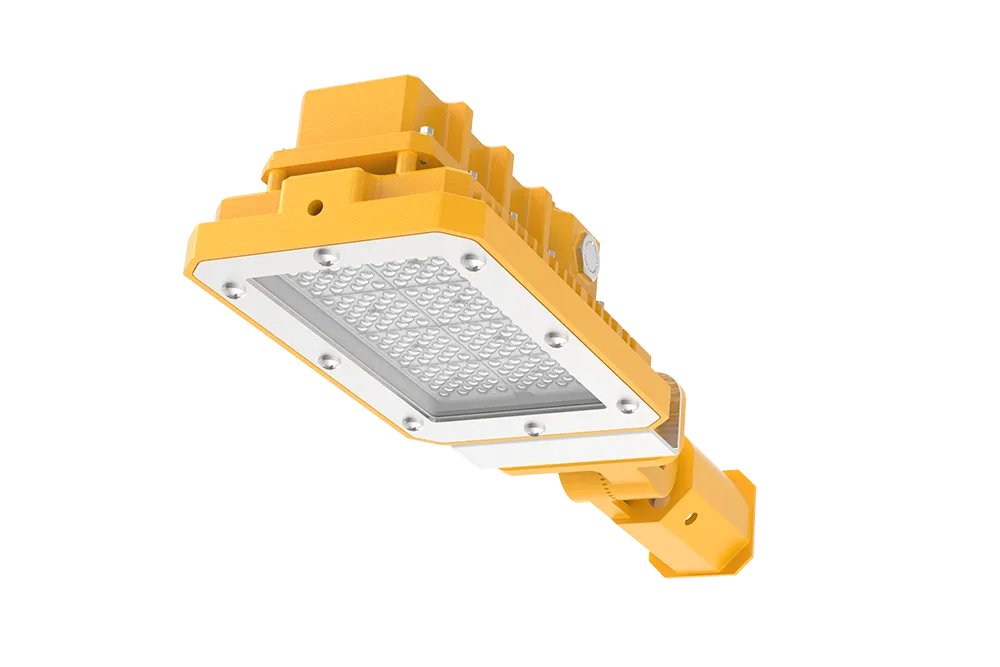
ATEX: II 3G Ex nR ⅡC T5/T6 GcII 3D Ex tc ⅢC T80℃/T95℃Dc ATEX Certificate NO: TÜV CY 26 ATEX 0207611 X Feature: ● For Zone 2 and Zone 22● 150W can replace 250W HID lamps,Energy saving● Power:50W,75W,100W,150W,200W Application: Oil and gas, marine, Chemical, pharmaceutical, semiconductor,mining,military industry, paint booth,power plant ETC…
View details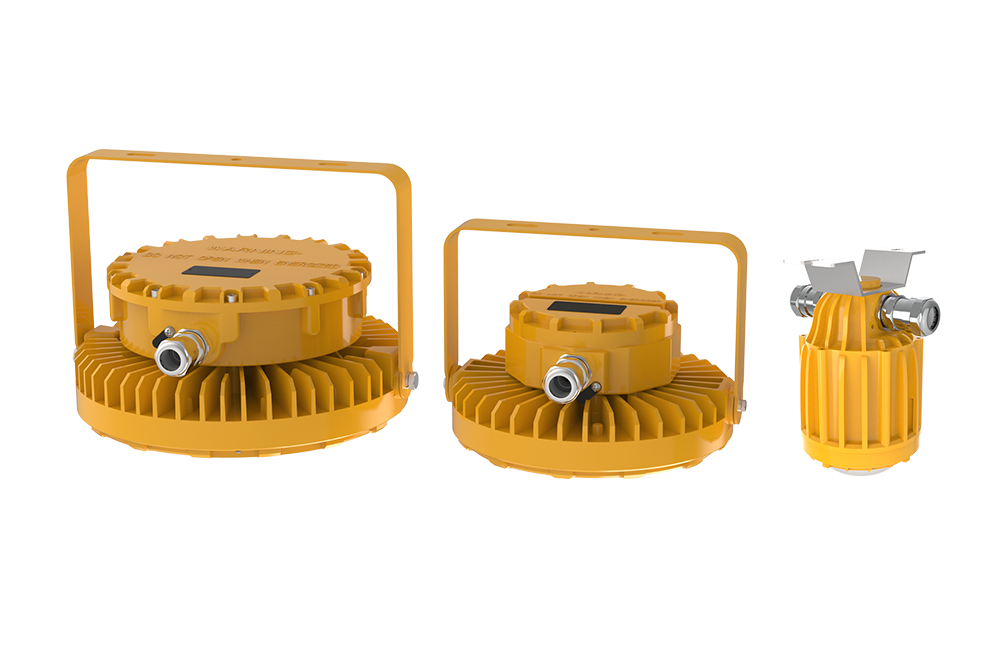
LED explosion proof high bay lights are designed for Zone 1, Zone 2, Zone 21 and Zone 22 hazardous areas. This page introduces the HB21 Series from SEEKING, including certifications, power options and real application considerations.
View details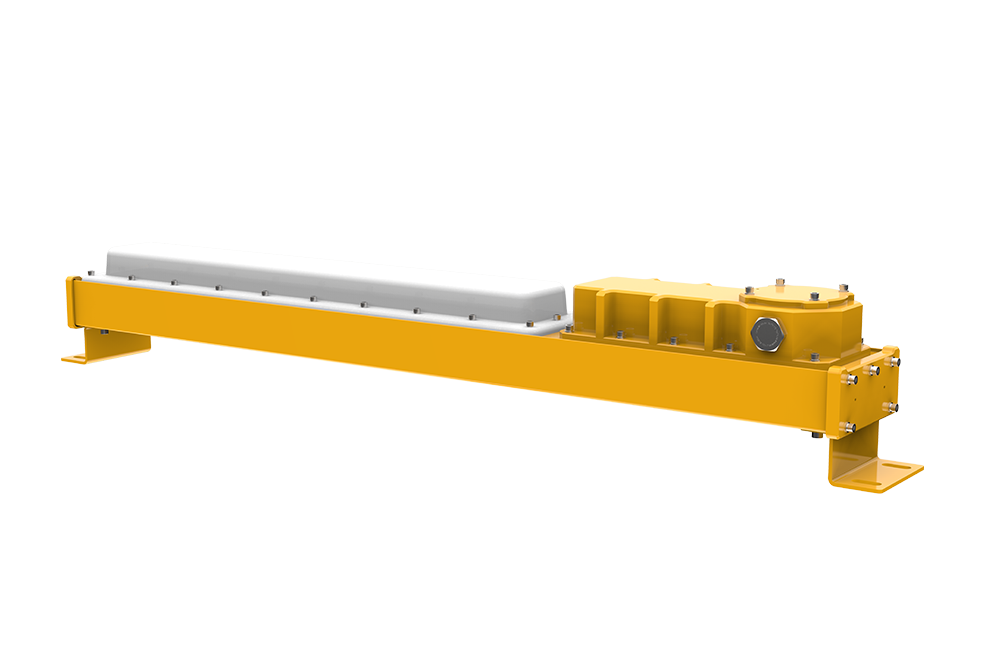
LED Linear Explosion Proof Lights from SEEKINGLED. LU Series Flame Proof lights ATEX-certified explosion proof LED linear lighting for Zone 2 gas and Zone 22 dust areas, IP69K, IK10, long lifetime and flexible power options.
View details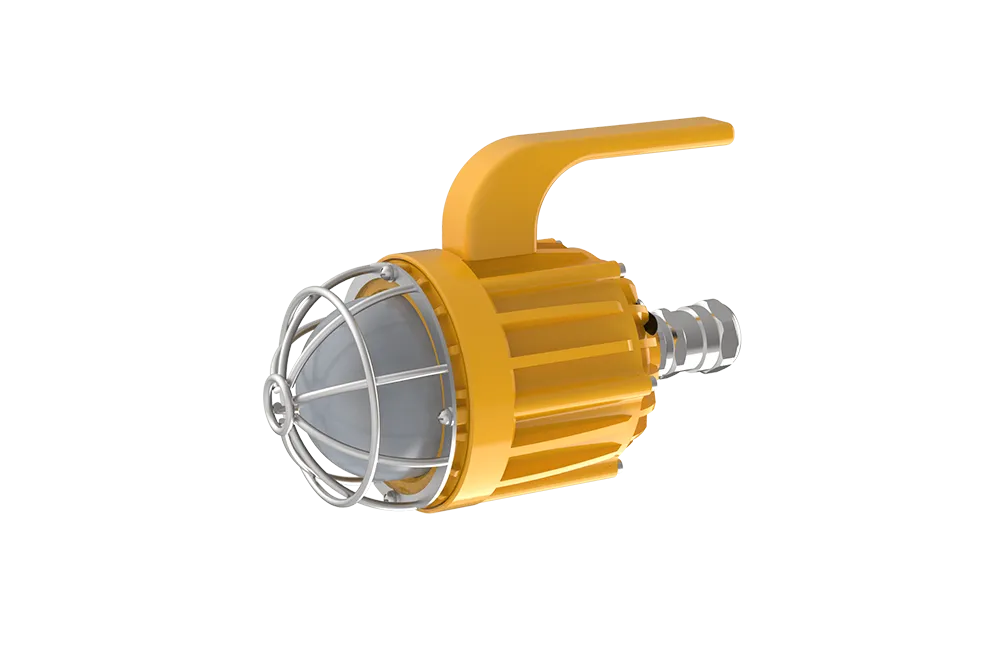
Certified explosion proof work lights for Zone 1 & 21 hazardous areas. Portable, ATEX & IECEx approved, built for oil, gas and chemical plants by SEEKINGLED.
View details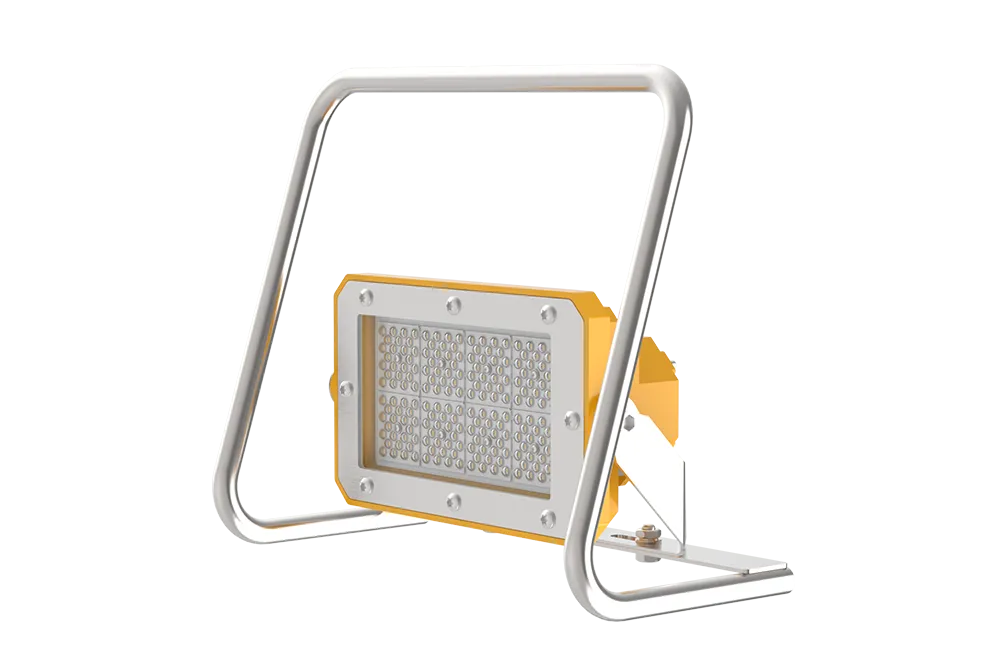
ATEX: II 3G Ex nR ⅡC T6 GcII 3D Ex tc ⅢC T80℃ Dc ATEX Certificate NO: TÜV CY 26 ATEX 0207611 X Feature: ● For Zone 2 and Zone 22● Accepts battery-powered supply● indestructible● Power:AC input:50W,75W,100WDC input:15W,25W,35W Application: Oil and gas, marine, Chemical, pharmaceutical, semiconductor,mining,military industry, paint booth,po…
View details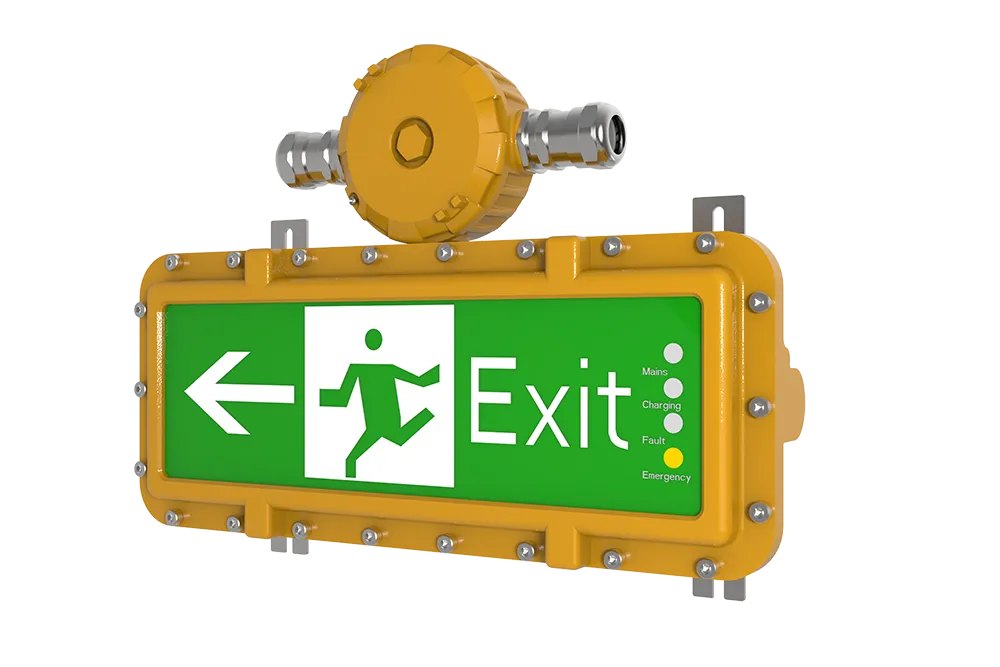
ATEX: Ex II 2G Ex db IIB T6 GbEx II 2D Ex tb IIIC T80°C Db IECEx Ex db IIB T6 Gb;Ex tb IIIC T80°C Db Feature: ● For Zone 1,2 and Zone 21,22● Flameproof type, the strongest Application: Oil and gas, marine, Chemical, pharmaceutical, semiconductor,mining,military industry, paint booth,power plant ETC hazardous area. Technical Specifications:…
View details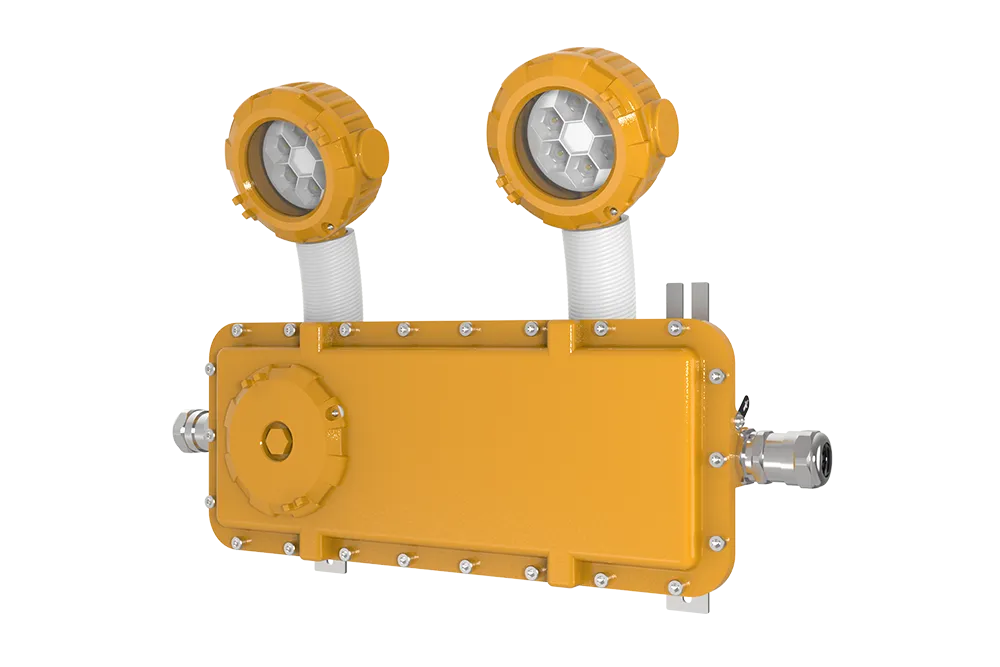
ATEX: Ex II 2G Ex db IIB T6 GbEx II 2D Ex tb IIIC T80°C Db IECEx Ex db IIB T6 Gb;Ex tb IIIC T80°C Db Feature: ● For Zone 1,2 and Zone 21,22● Flameproof type, the strongest Application: Oil and gas, marine, Chemical, pharmaceutical, semiconductor,mining,military industry, paint booth,power plant ETC hazardous area. Technical Specifications:…
View details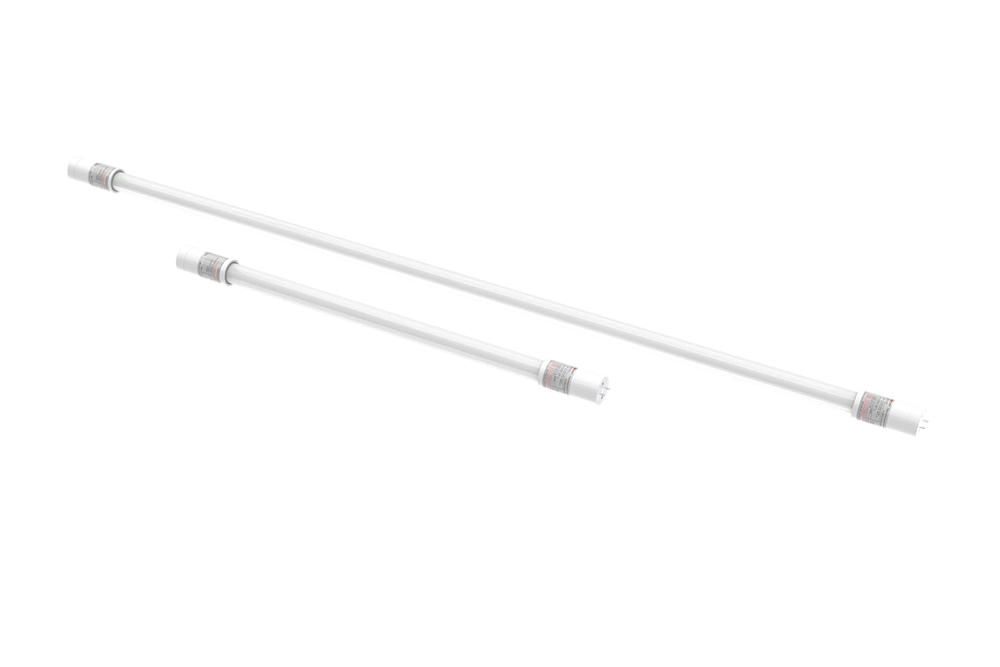
ATEX: Ex II 2G Ex d e IIB T6 Gb ATEX: Ex d e IIB T6 Gb; Feature: ● For Zone 1,2● 9W can replace 18W fluorescent lamps,50% Energy saving Application: Oil and gas, marine, Chemical, pharmaceutical, semiconductor,mining,military industry, paint booth,power plant ETC hazardous area. Technical Specifications: Standards:60079-0, 60079-1, 60079…
View details
How to dim LED high bay lights in warehouses and factories. Learn common dimming methods, control types, and what to check before installing dimmable high bay fixtures.
View details
For most backyards, 700–1,300 lumens is a practical starting range; larger yards or higher mounting may need 2,000–3,000+ lumens.
View details
Storage Warehouse Lighting Upgrade in Europe using XJ-HBF200W UFO High Bay Lights. This project record documents fixture selection, lighting targets, sensor integration, and on-site considerations.
View details
Why do LED street lights turn purple over time? This Q&A explains the real reasons behind purple street lights, how phosphor failure happens, and what cities usually do next.
View details