 Seeking LED
are halogen flood lights dimmable?
0Most halogen flood lights are dimmable with a compatible dimmer and correctly rated circuit. Dimming reduces light output and energy consumption while making...
View detailsSearch the whole station
LED explosion-proof lights are certified lighting systems designed to prevent ignition in hazardous environments while delivering stable, energy-efficient illumination under extreme industrial conditions.
That’s the direct answer.
But in practice, performance reveals itself slowly—over months of heat, dust, and continuous operation.
From on-site use of SEEKINGLED systems, the real difference isn’t initial brightness.
It’s whether the fixture still performs the same after prolonged exposure to:
Hazardous environments are not static—they evolve daily.
These environments combine:
According to the U.S. Department of Energy (DOE):
LED lighting can reduce energy use by up to 75% compared to conventional lighting while extending operational life—critical for hard-to-maintain areas.
This is where led explosion-proof lights are pushed to their limits.
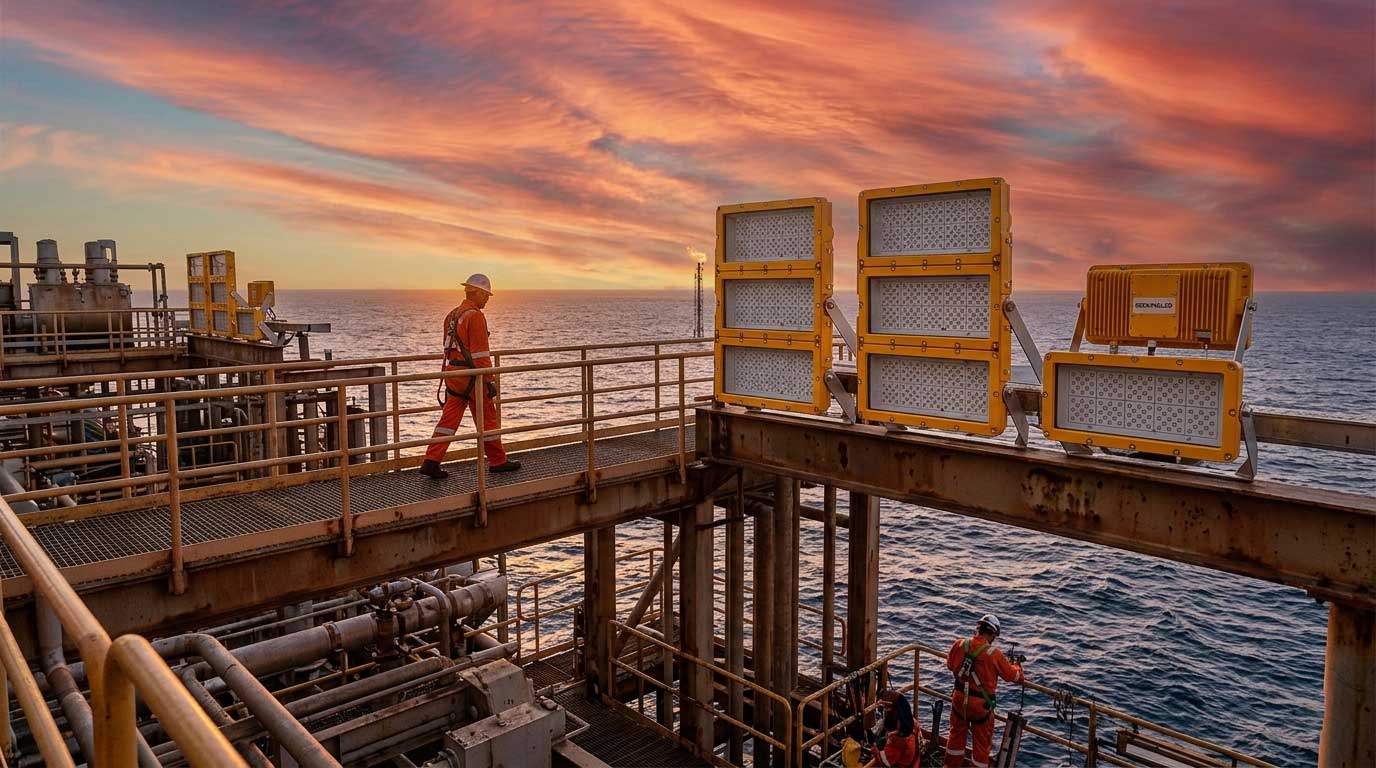
In one offshore retrofit, improved thermal management reduced fixture degradation noticeably within the first operational cycle.
Performance is engineered—not assumed.
| Factor | Requirement |
|---|---|
| Explosion Protection | ATEX / IECEx / UL844 |
| Thermal Control | Efficient heat dissipation |
| Sealing | IP66+ |
| Electrical Stability | Surge-resistant drivers |
Not all environments are open-air.
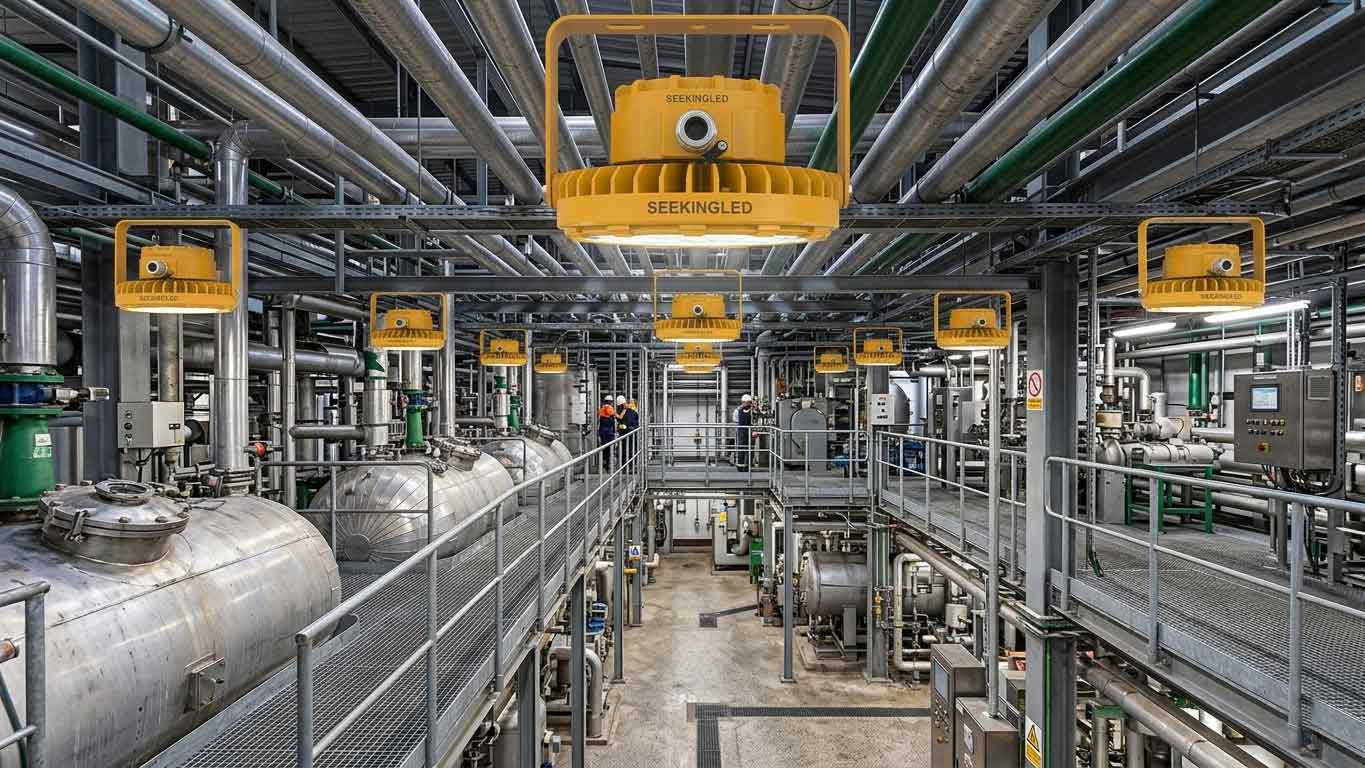
Dust explosions are often underestimated.
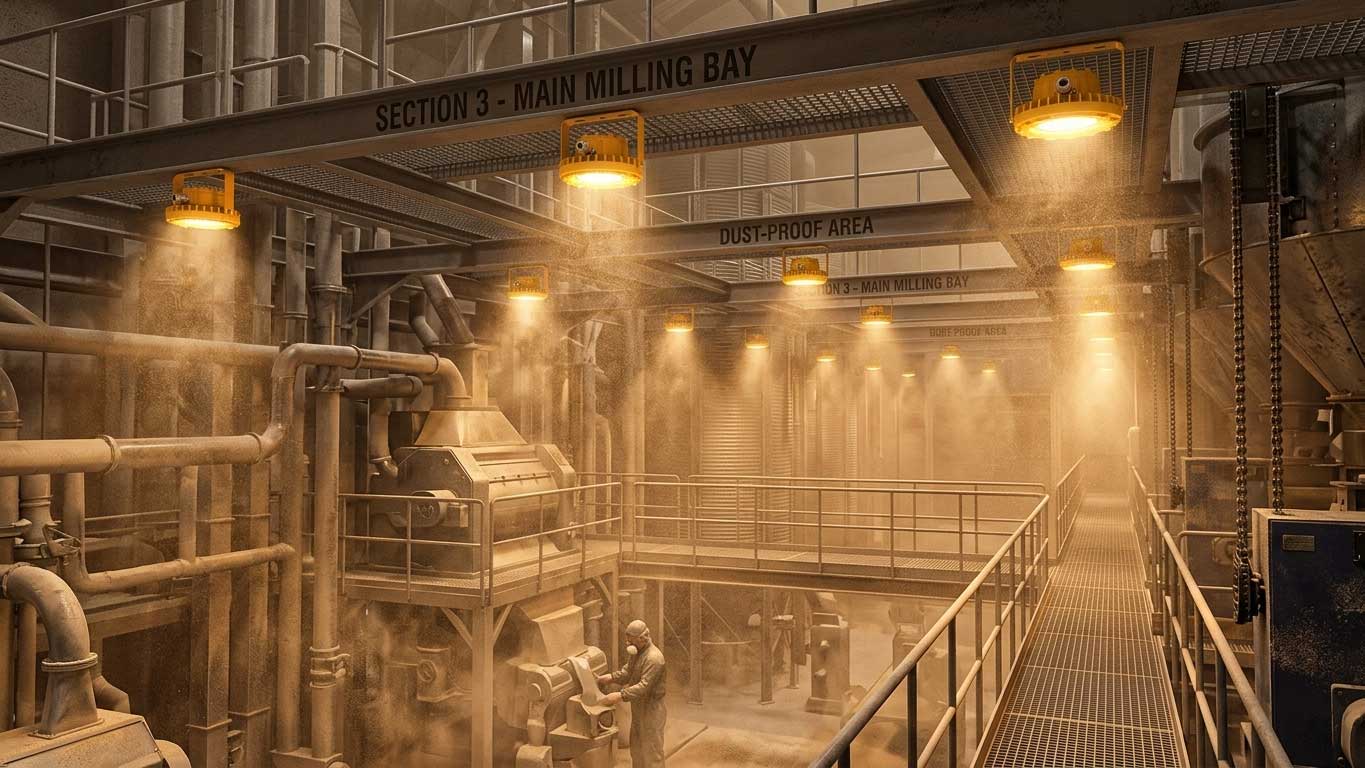
According to the National Fire Protection Association (NFPA):
Combustible dust remains a leading cause of industrial explosions, requiring certified equipment.
Failures are gradual, not immediate.
Poor heat management leads to:
Environmental exposure causes:
Voltage fluctuations result in:
| Environment | Priority |
|---|---|
| Offshore | Corrosion resistance |
| Chemical Plant | Thermal stability |
| Grain Facility | Sealing |
| Warehouse | Uniform light distribution |
SEEKINGLED focuses on operational reliability:
In multiple deployments, SEEKINGLED fixtures maintained stable output while reducing maintenance frequency compared to conventional solutions.
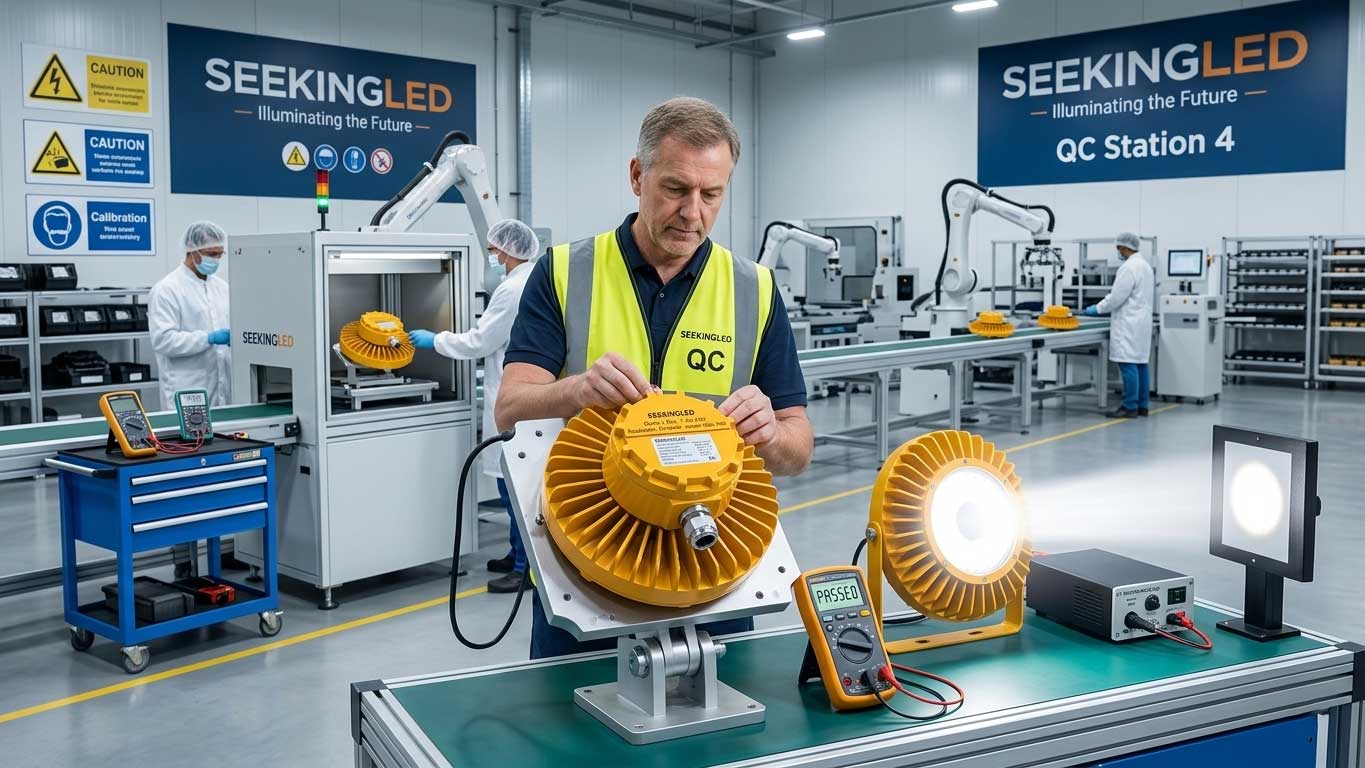
Performance starts at production.
This article is based on direct experience working with explosion-proof LED lighting systems across hazardous industries.
Background includes:
Insights are drawn from real-world deployments, not theoretical assumptions.
Certified LED lighting systems designed to prevent ignition in hazardous environments.
Oil & gas, chemical plants, grain facilities, and offshore platforms.
Typically over 50,000 hours depending on conditions.
ATEX, IECEx, or UL844 depending on application.
The true value of led explosion-proof lights appears over time.
Not in specifications—but in performance:
Reliable lighting is not just safe—it remains stable long after installation.
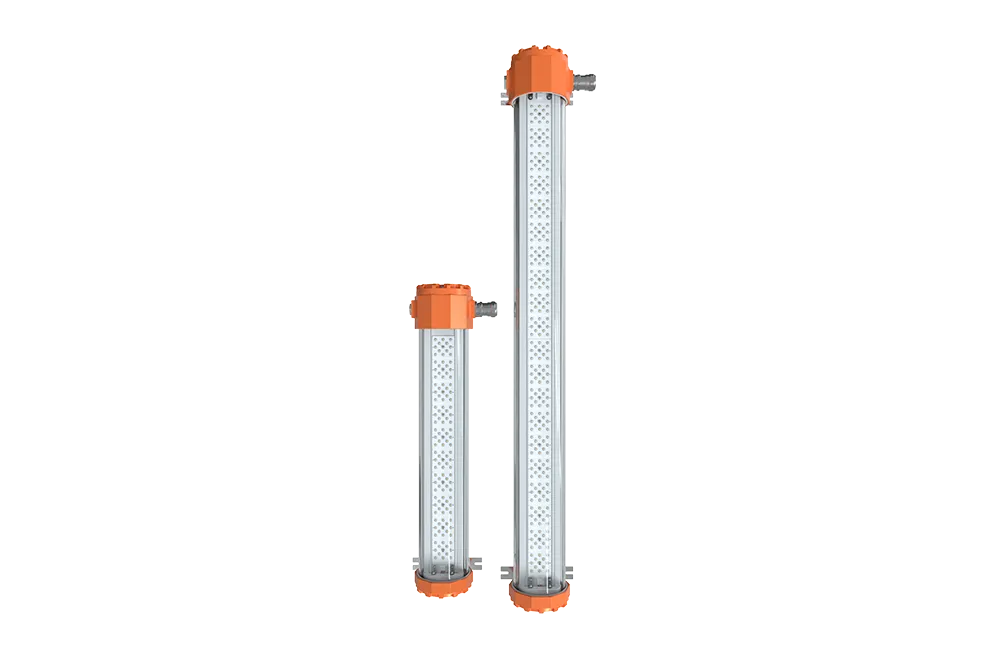
SEEKINGLED LED Linear Explosion Proof Light and Explosion Proof lighting is ATEX and IECEx certified for Zone 1, Zone 2, Zone 21 and Zone 22 hazardous locations, built for long-term industrial use.
View details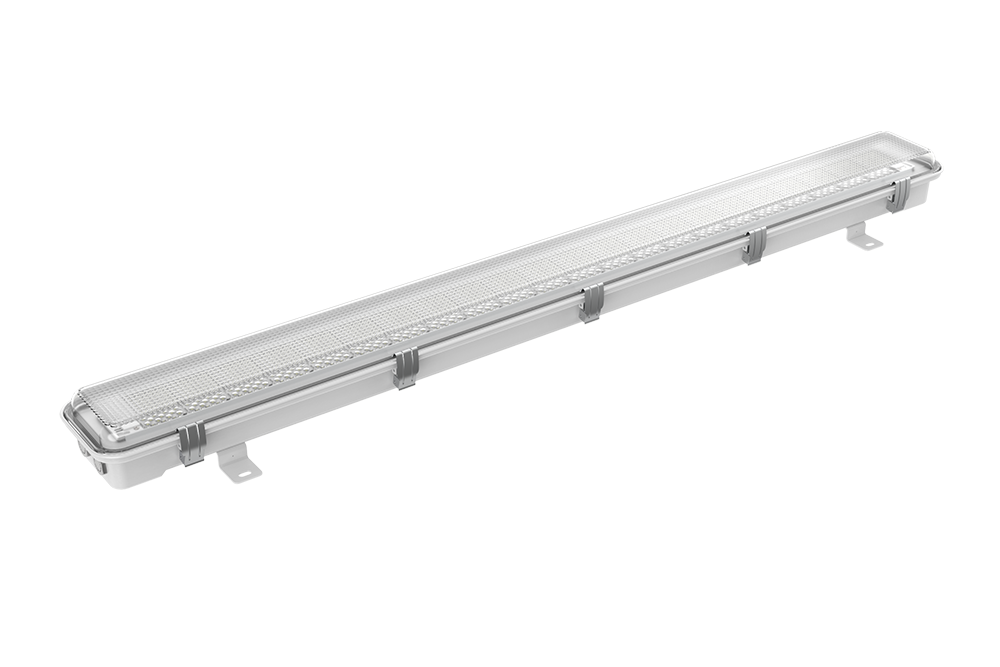
LED Linear Explosion Proof Lights and EX Proof lights for Zone 1, Zone 2, Zone 21 and Zone 22 hazardous areas. ATEX & IECEx certified explosion proof LED linear lighting with emergency function, adjustable power and IP67 protection by SEEKINGLED.
View details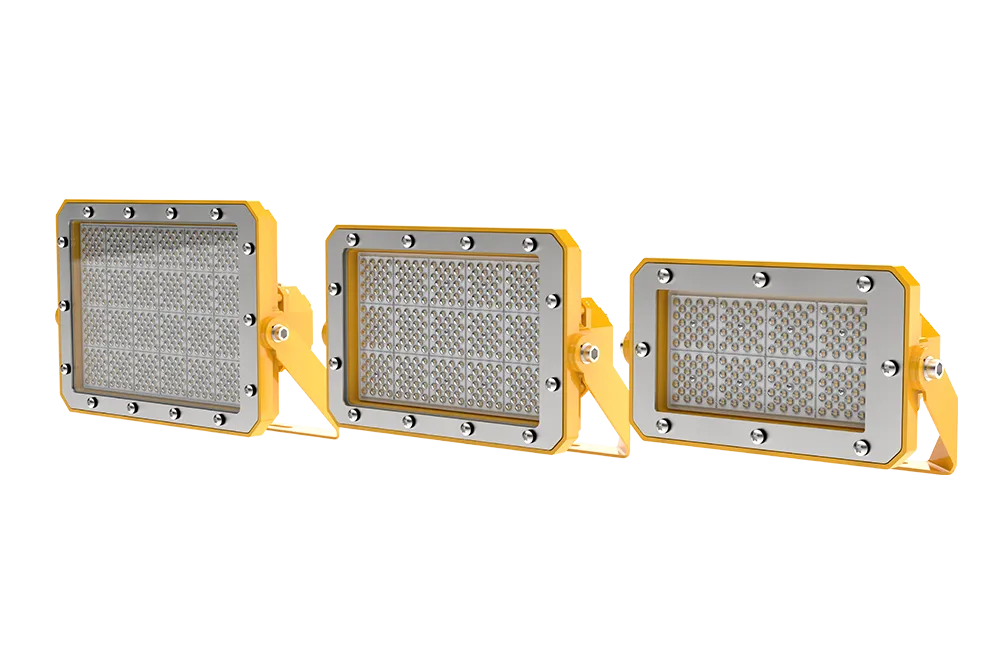
SEEKINGLED LED Explosion Proof Flood Lights are ATEX certified for Zone 2 and Zone 22 hazardous areas, offering high efficiency, adjustable power and integrated junction box.
View details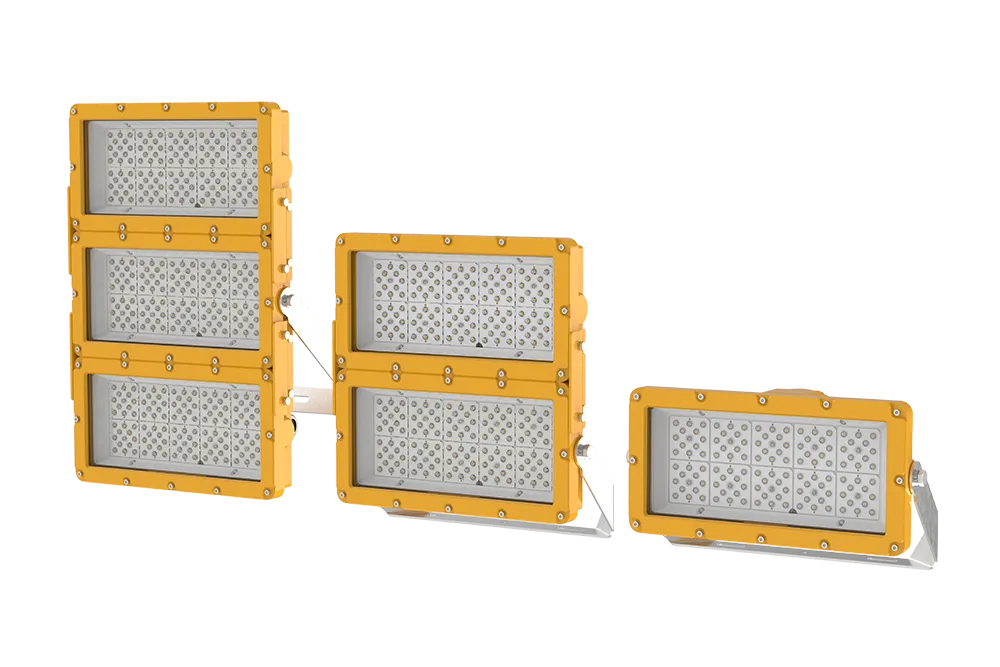
SEEKINGLED LED Explosion Proof Flood Lights are flameproof ATEX and IECEx certified for Zone 1 and Zone 2 hazardous areas, offering high power, adjustable output and long service life.
View details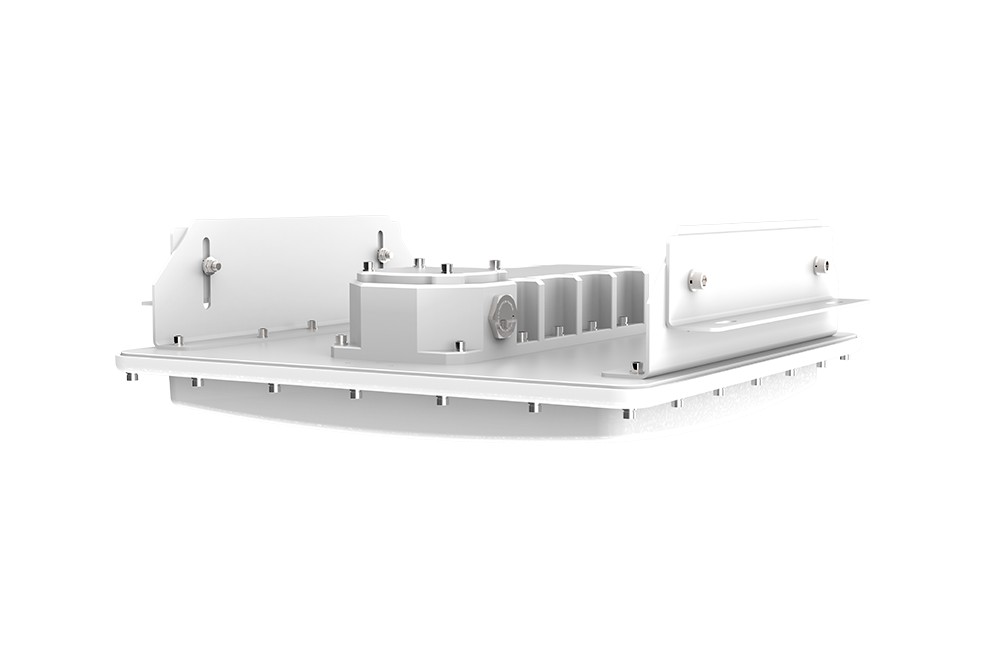
SEEKINGLED LED Gas Station Canopy Lights are ATEX certified for Zone 2 and Zone 22 hazardous areas, featuring adjustable power and built-in explosion-proof junction box.
View details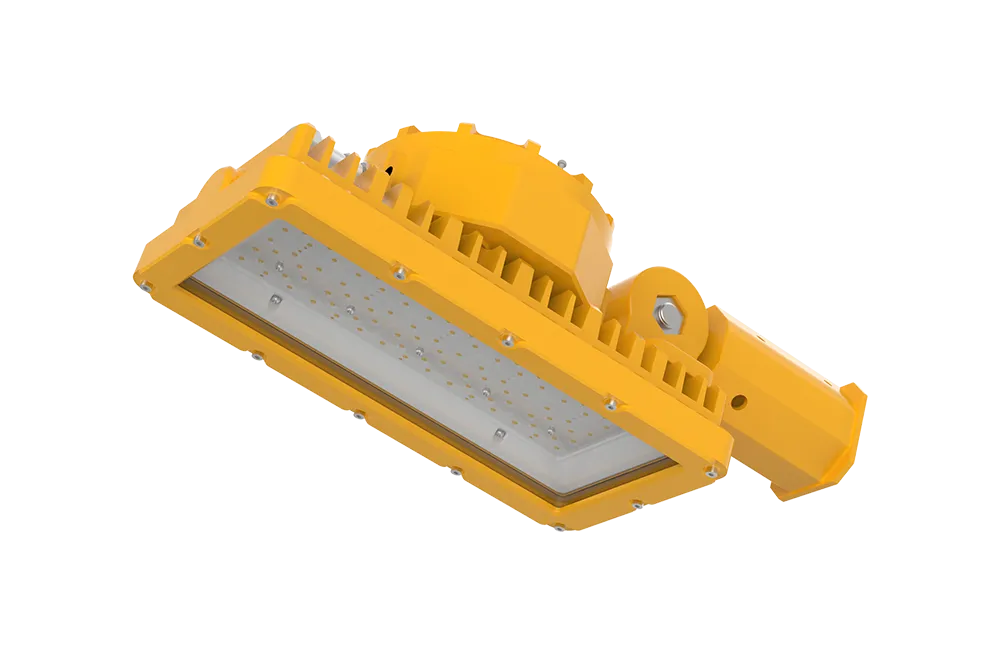
ATEX: Ex II 2G Ex db IIB T6/T5 GbEx II 2D Ex tb IIIC T80°C/ T95°C Db IECEx Ex db IIB T6 Gb;Ex tb IIIC T80°C Db Feature: ● For Zone 1,2 and Zone 21,22● Flameproof type, the strongest● 100W can replace 250W HID,energy saving● Power:60W,80W,100W Application: Oil and gas, marine, Chemical, pharmaceutical, semiconductor,mining,military industr…
View details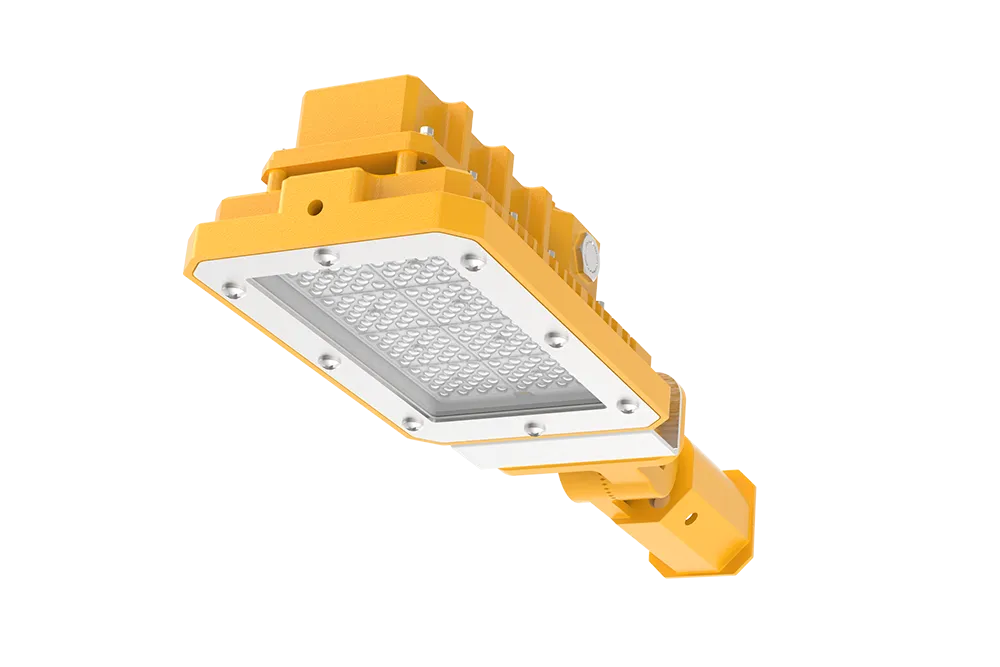
ATEX: II 3G Ex nR ⅡC T5/T6 GcII 3D Ex tc ⅢC T80℃/T95℃Dc ATEX Certificate NO: TÜV CY 26 ATEX 0207611 X Feature: ● For Zone 2 and Zone 22● 150W can replace 250W HID lamps,Energy saving● Power:50W,75W,100W,150W,200W Application: Oil and gas, marine, Chemical, pharmaceutical, semiconductor,mining,military industry, paint booth,power plant ETC…
View details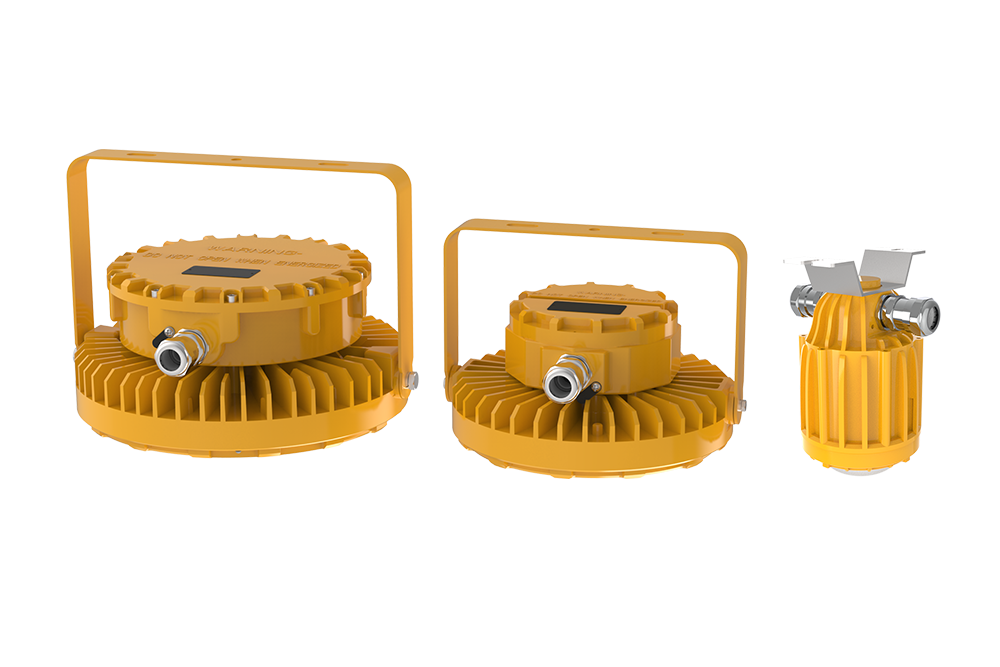
LED explosion proof high bay lights are designed for Zone 1, Zone 2, Zone 21 and Zone 22 hazardous areas. This page introduces the HB21 Series from SEEKING, including certifications, power options and real application considerations.
View details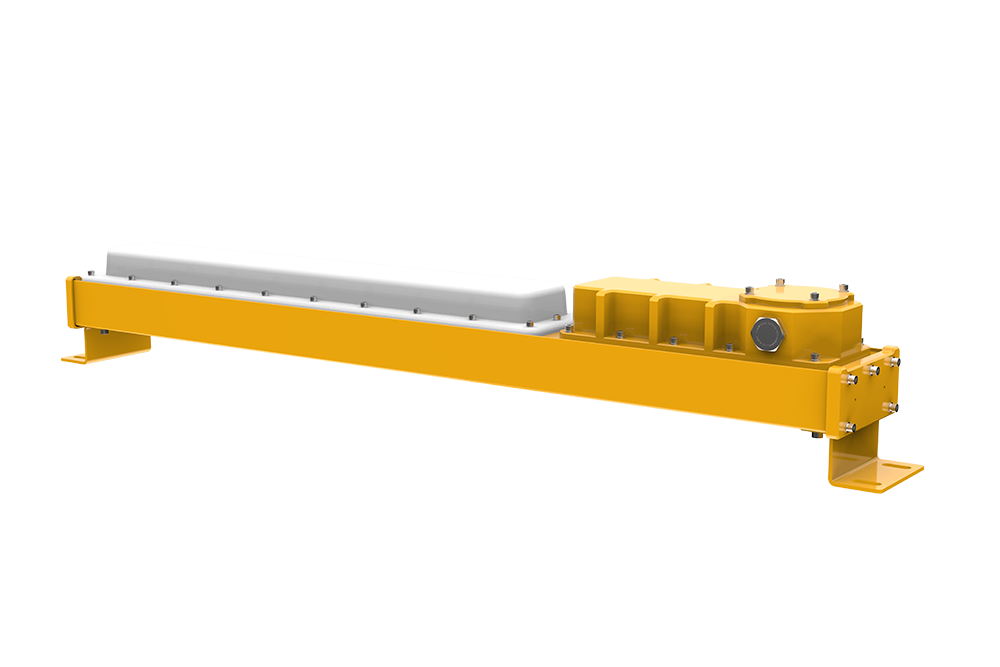
LED Linear Explosion Proof Lights from SEEKINGLED. LU Series Flame Proof lights ATEX-certified explosion proof LED linear lighting for Zone 2 gas and Zone 22 dust areas, IP69K, IK10, long lifetime and flexible power options.
View details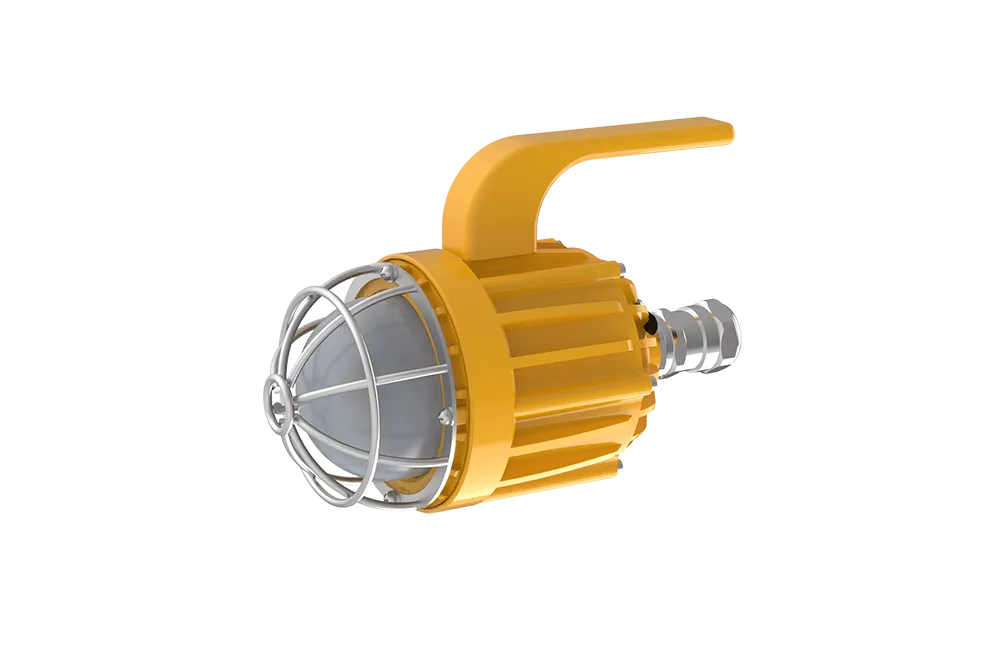
Certified explosion proof work lights for Zone 1 & 21 hazardous areas. Portable, ATEX & IECEx approved, built for oil, gas and chemical plants by SEEKINGLED.
View details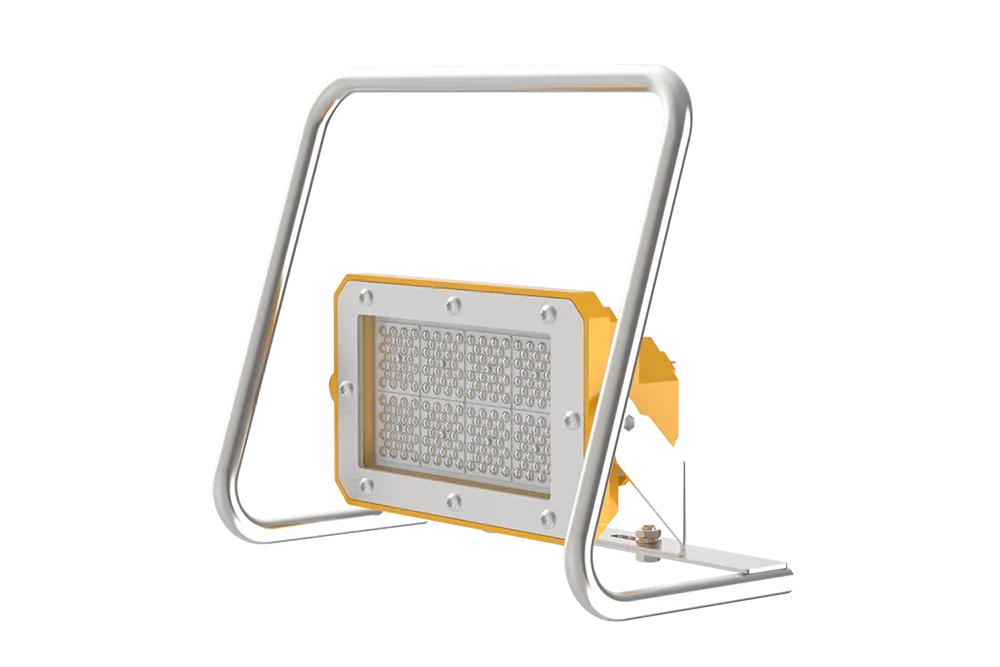
ATEX: II 3G Ex nR ⅡC T6 GcII 3D Ex tc ⅢC T80℃ Dc ATEX Certificate NO: TÜV CY 26 ATEX 0207611 X Feature: ● For Zone 2 and Zone 22● Accepts battery-powered supply● indestructible● Power:AC input:50W,75W,100WDC input:15W,25W,35W Application: Oil and gas, marine, Chemical, pharmaceutical, semiconductor,mining,military industry, paint booth,po…
View details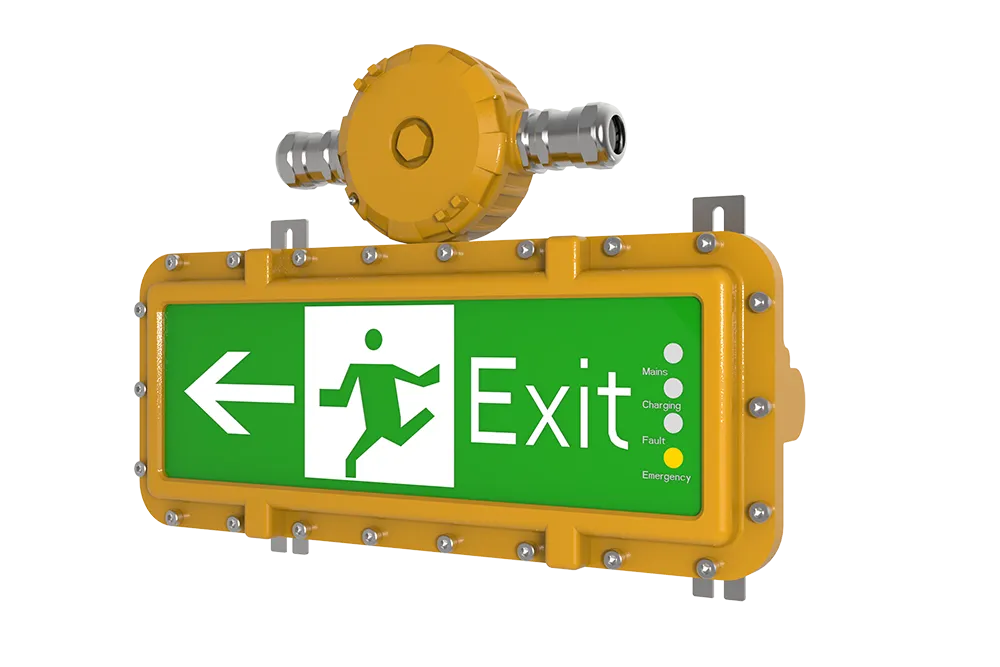
ATEX: Ex II 2G Ex db IIB T6 GbEx II 2D Ex tb IIIC T80°C Db IECEx Ex db IIB T6 Gb;Ex tb IIIC T80°C Db Feature: ● For Zone 1,2 and Zone 21,22● Flameproof type, the strongest Application: Oil and gas, marine, Chemical, pharmaceutical, semiconductor,mining,military industry, paint booth,power plant ETC hazardous area. Technical Specifications:…
View details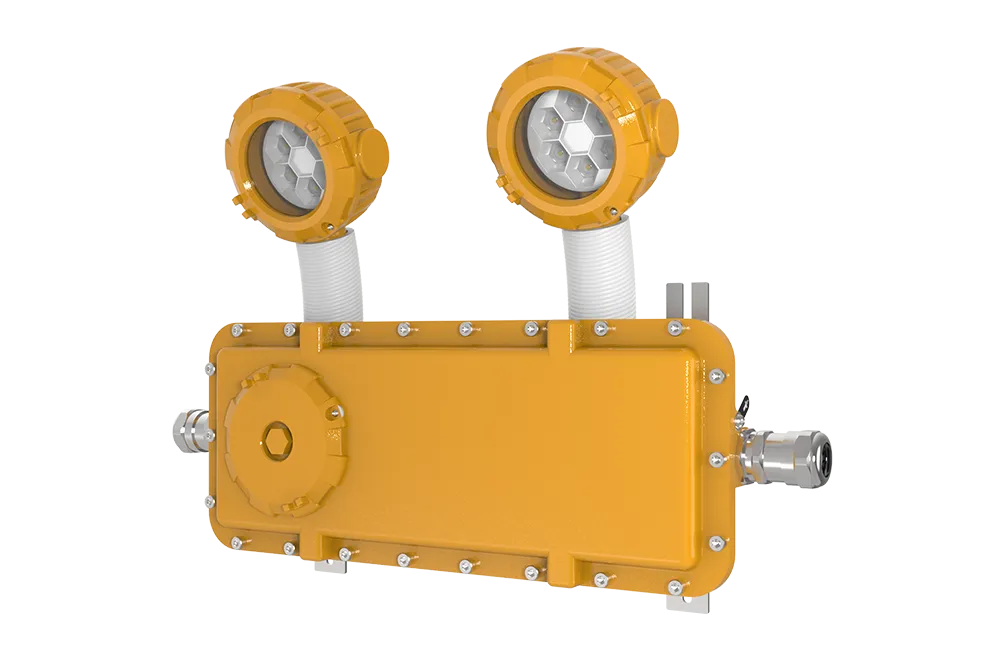
ATEX: Ex II 2G Ex db IIB T6 GbEx II 2D Ex tb IIIC T80°C Db IECEx Ex db IIB T6 Gb;Ex tb IIIC T80°C Db Feature: ● For Zone 1,2 and Zone 21,22● Flameproof type, the strongest Application: Oil and gas, marine, Chemical, pharmaceutical, semiconductor,mining,military industry, paint booth,power plant ETC hazardous area. Technical Specifications:…
View details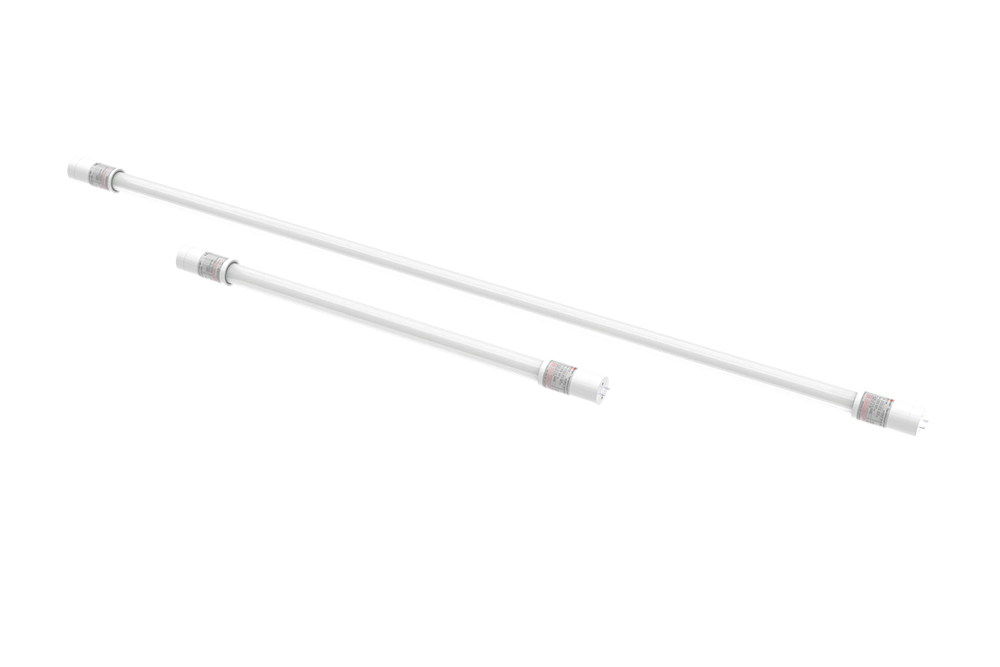
ATEX: Ex II 2G Ex d e IIB T6 Gb ATEX: Ex d e IIB T6 Gb; Feature: ● For Zone 1,2● 9W can replace 18W fluorescent lamps,50% Energy saving Application: Oil and gas, marine, Chemical, pharmaceutical, semiconductor,mining,military industry, paint booth,power plant ETC hazardous area. Technical Specifications: Standards:60079-0, 60079-1, 60079…
View details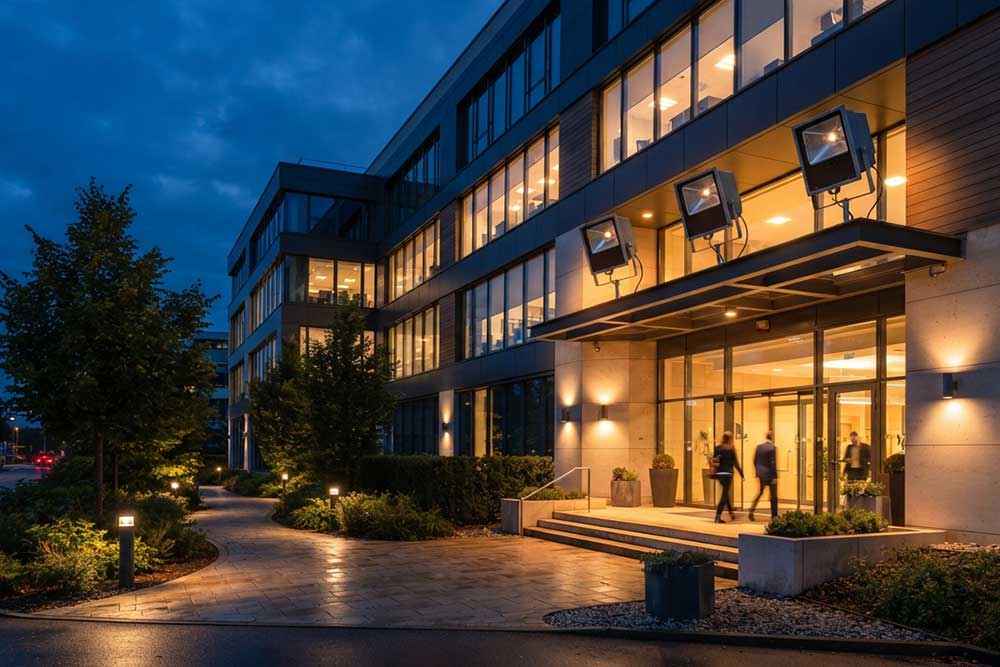
Most halogen flood lights are dimmable with a compatible dimmer and correctly rated circuit. Dimming reduces light output and energy consumption while making...
View details
LED flood lights for sporting grounds explained by real field projects. Learn lux levels, pole layout, glare control, and standards with SEEKINGLED.
View details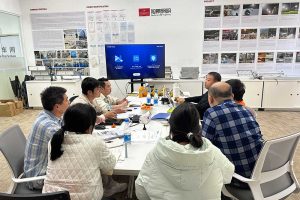
SEEKINGLED Shenzhen factory welcomed CSA Group for a QAR/QAN quality system audit covering Zone 1 flameproof explosion-proof luminaires, conducted in accordance with IEC 60079 standards.
View details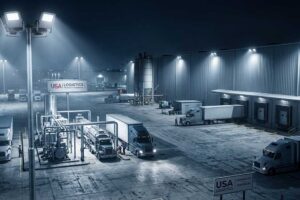
How bright is a led flood light? Learn real lumen output, beam range, wattage comparison, and how to choose the right LED floodlight with SEEKINGLED.
View details