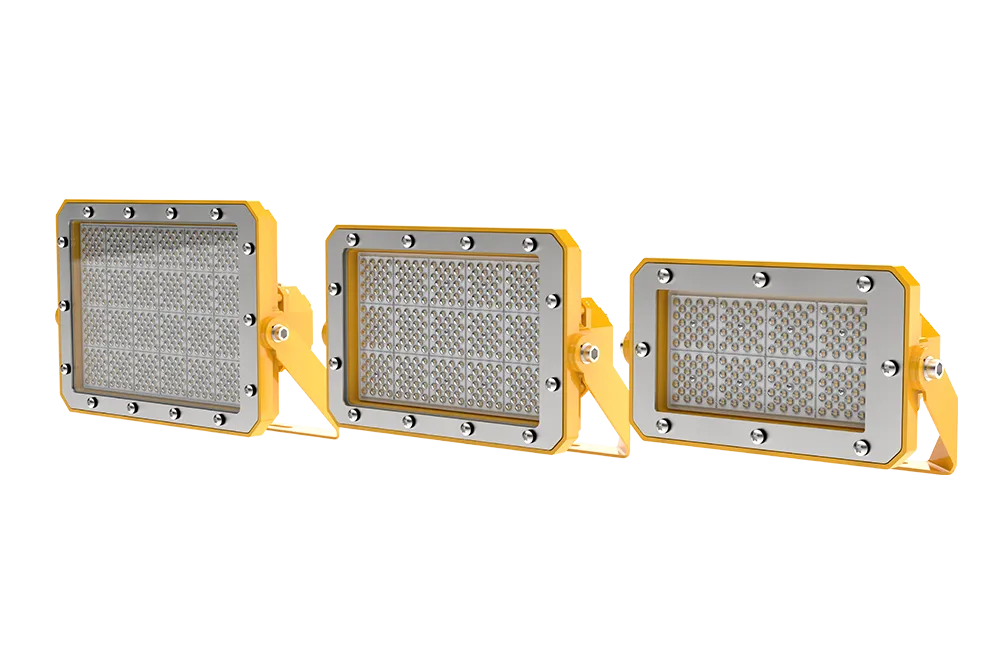
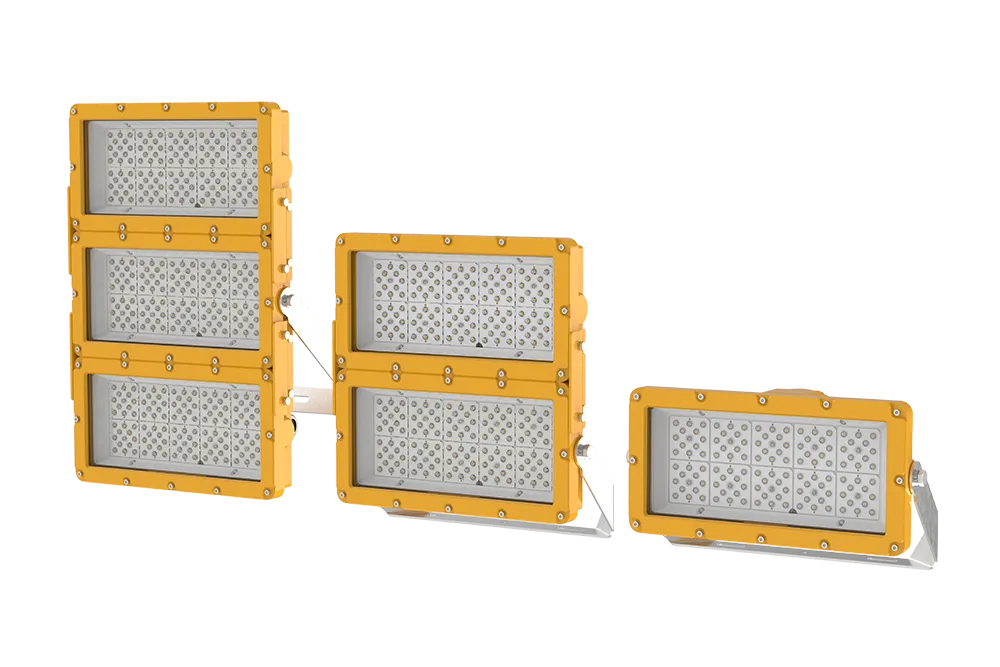
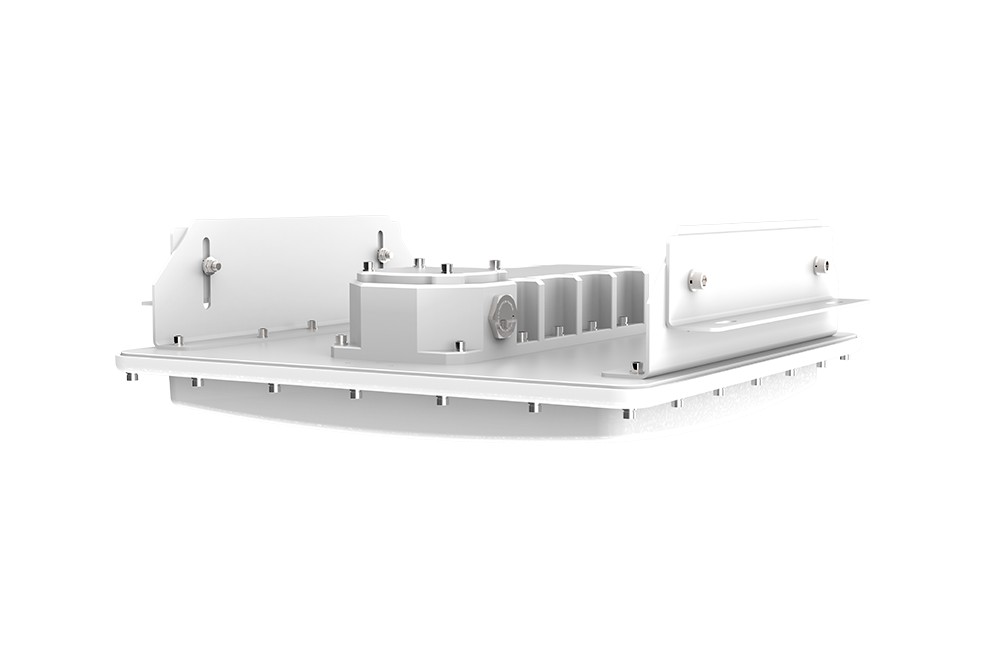
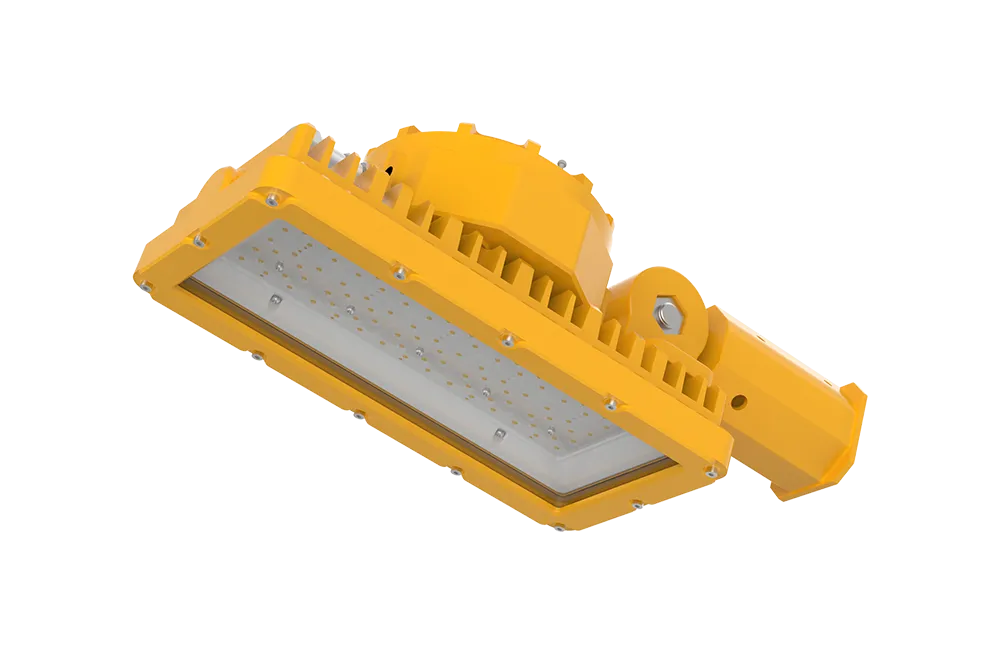
What Does ATEX Approved Lighting Actually Mean? ATEX approved lighting refers to lighting equipment tested and certified for use in potentially explosive atmospheres. These luminaires are designed to prevent sparks, excessive heat, or electrical faults from igniting flammable gases, vapors, dust, or fibers commonly found in hazardous industrial environments.
The short answer sounds simple.
The reality on industrial sites is not.
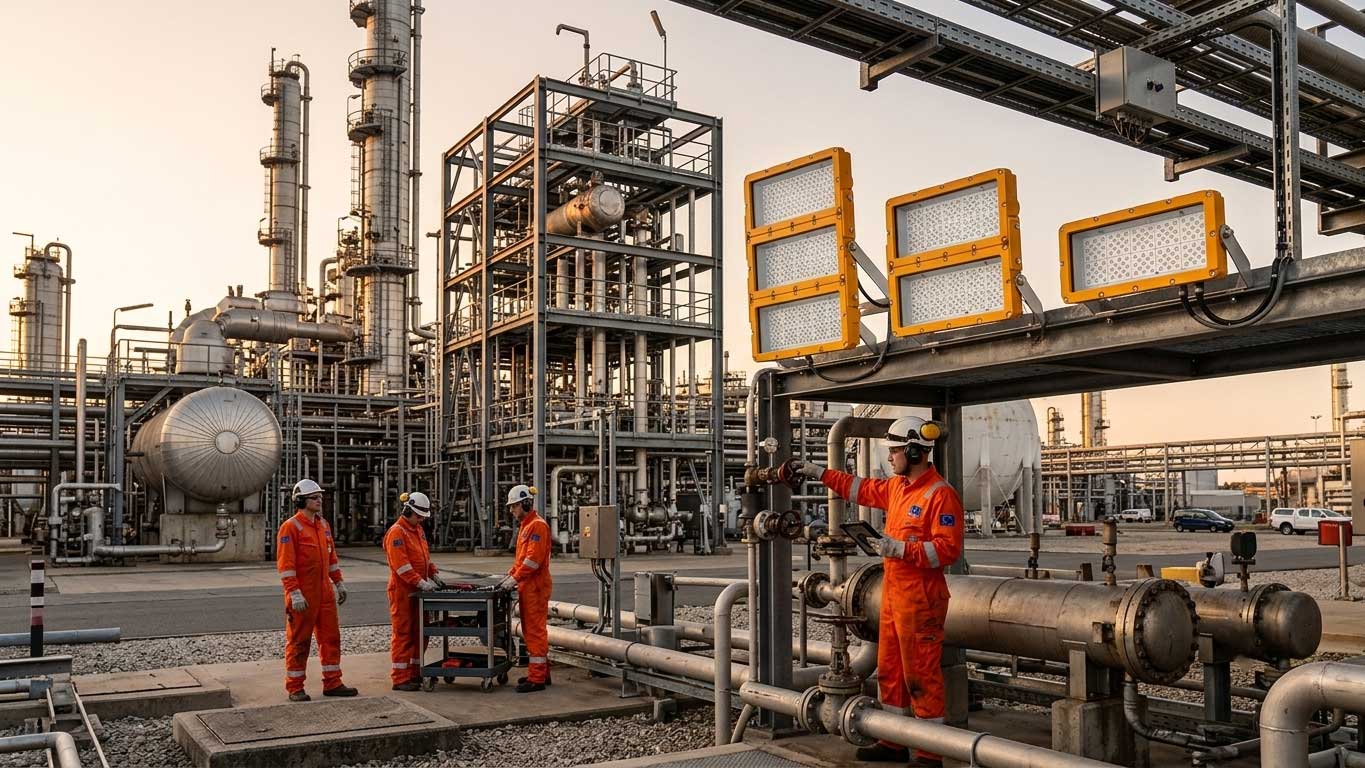
I have spent more than a decade working with hazardous-area lighting projects involving petrochemical terminals, offshore platforms, fuel storage facilities, grain processing plants, and chemical manufacturing plants. One thing I noticed repeatedly is that many buyers assume ATEX approval is simply a higher-quality label. It is not.
ATEX approval is fundamentally about controlling ignition risk.
A light can be bright, efficient, and durable. Yet if it cannot safely operate around explosive atmospheres, it may never legally enter certain European industrial sites.
Why Does ATEX Exist?
ATEX comes from the French phrase:
ATmosphères EXplosibles
The regulation was created by the European Union to reduce explosions in workplaces where combustible substances may be present.
According to the European Commission, thousands of industrial facilities across Europe handle flammable gases, vapors, mists, and combustible dusts that can create explosive atmospheres under certain conditions.
This is why ATEX luminaires carry temperature classifications such as:
Temperature Class
Maximum Surface Temperature
T1
450°C
T2
300°C
T3
200°C
T4
135°C
T5
100°C
T6
85°C
The higher the T-rating, the lower the allowable surface temperature.
Understanding ATEX Zones
Not all hazardous locations carry the same level of risk.
Some areas contain explosive atmospheres constantly.
Others only occasionally.
ATEX uses zoning to classify these environments.
Gas Hazard Zones
Zone
Risk Level
Zone 0
Explosive atmosphere present continuously
Zone 1
Likely during normal operation
Zone 2
Unlikely and short duration
Dust Hazard Zones
Zone
Risk Level
Zone 20
Continuous dust hazard
Zone 21
Occasional dust hazard
Zone 22
Rare dust hazard
The distinction matters because a luminaire approved for Zone 2 may not be suitable for Zone 1.
I have seen projects delayed for weeks because procurement teams selected fixtures based solely on wattage and price without checking zone classification.
Industries That Commonly Use ATEX Approved Lighting
The phrase “hazardous area” covers far more than oil and gas.
Many facilities generate explosive atmospheres unexpectedly.
Common applications include:
Oil & Gas
Offshore platforms
LNG terminals
Refineries
Tank farms
Chemical Manufacturing
Solvent storage
Mixing facilities
Processing plants
Food Processing
Many people are surprised by this one.
Combustible dust can be explosive.
Sugar dust.
Flour dust.
Starch dust.
All can create hazardous atmospheres under specific conditions.
According to the U.S. Chemical Safety Board (CSB), combustible dust incidents have caused numerous industrial explosions and fatalities.
Fine powders frequently require hazardous-area classifications.
Marine and Offshore Operations
Corrosion resistance becomes equally important as explosion protection.
Salt spray never takes a day off.
ATEX vs Ordinary Industrial Lighting
Feature
ATEX Approved Lighting
Standard Industrial Lighting
Explosion Protection
Yes
No
Hazardous Area Use
Yes
Limited
Surface Temperature Control
Yes
Not Required
Certification Testing
Extensive
Standard
Zone Classification
Required
Not Applicable
Compliance Documentation
Mandatory
Limited
This distinction explains the price difference.
The extra cost comes from engineering, testing, certification, documentation, and ongoing compliance requirements.
Not from marketing.
A Practical Insight From the Field
One lesson I learned after dozens of hazardous-area lighting projects:
The certification label is only part of the story.
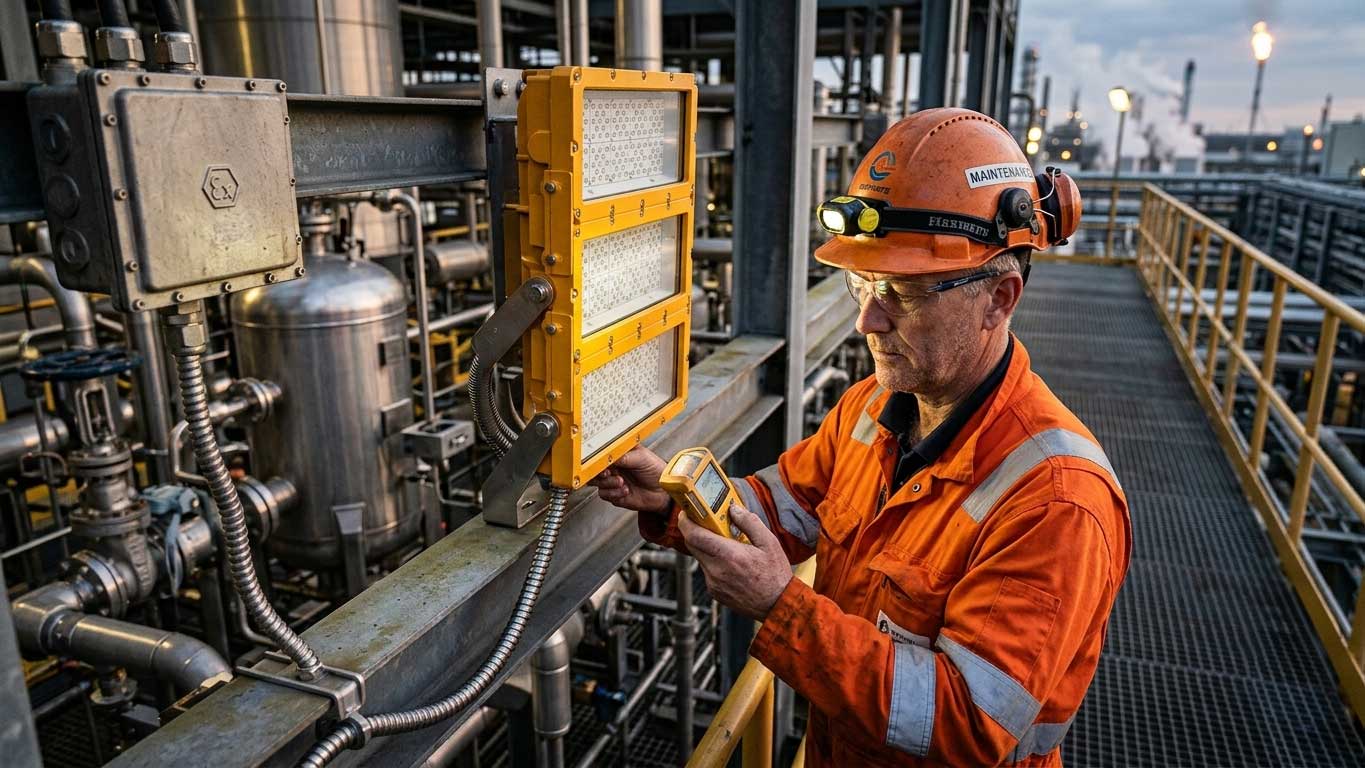
A technically compliant fixture can still perform poorly if:
Beam angle is incorrect
Corrosion resistance is inadequate
Thermal design is weak
Driver reliability is poor
Maintenance access is difficult
When evaluating ATEX-approved lighting, experienced engineers examine:
Certification
Optical performance
Thermal management
Mechanical construction
Long-term reliability
In that order.
A fixture that survives laboratory testing but fails after three years on a coastal terminal creates a very different problem.
FAQ About What Does ATEX Approved Lighting Actually Mean?
Is ATEX approved lighting the same as explosion-proof lighting?
Not exactly. ATEX is a European certification framework. “Explosion-proof” often refers to protection methods used under NEC and UL standards in North America. They pursue the same safety objective through different certification systems.
Can ATEX-approved lighting be used outdoors?
Yes. Many ATEX luminaires are designed for outdoor operation in offshore, marine, refinery, and chemical processing environments.
Is ATEX approval mandatory in Europe?
For equipment installed in hazardous areas within the European Union, ATEX compliance is generally required under applicable directives and workplace regulations.
Does ATEX approval guarantee longer lifespan?
No. ATEX certification confirms safety suitability for hazardous areas. Lifespan depends on thermal design, component quality, environmental conditions, and maintenance practices.
So, What Does ATEX Approved Lighting Actually Mean? It means the lighting equipment has been independently evaluated and certified for safe operation in potentially explosive atmospheres, helping prevent ignition from electrical faults, sparks, or excessive heat. In hazardous industries where a single ignition source can trigger catastrophic consequences, ATEX-approved lighting is not simply a specification—it is a critical layer of operational safety.
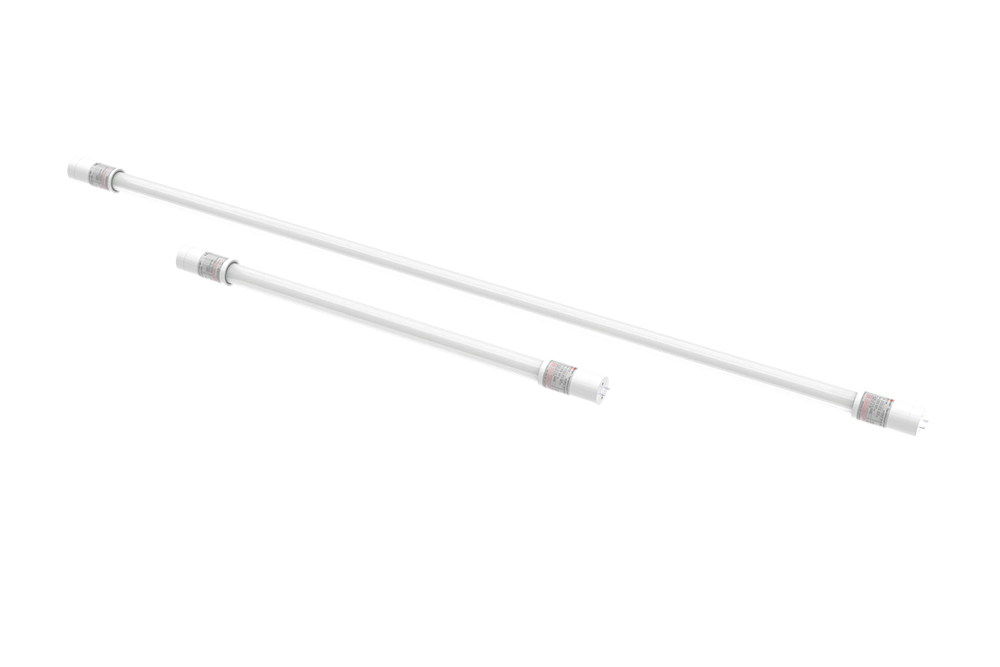
SEEKINGLED LED Linear Explosion Proof Light and Explosion Proof lighting is ATEX and IECEx certified for Zone 1, Zone 2, Zone 21 and Zone 22 hazardous locations, built for long-term industrial use.
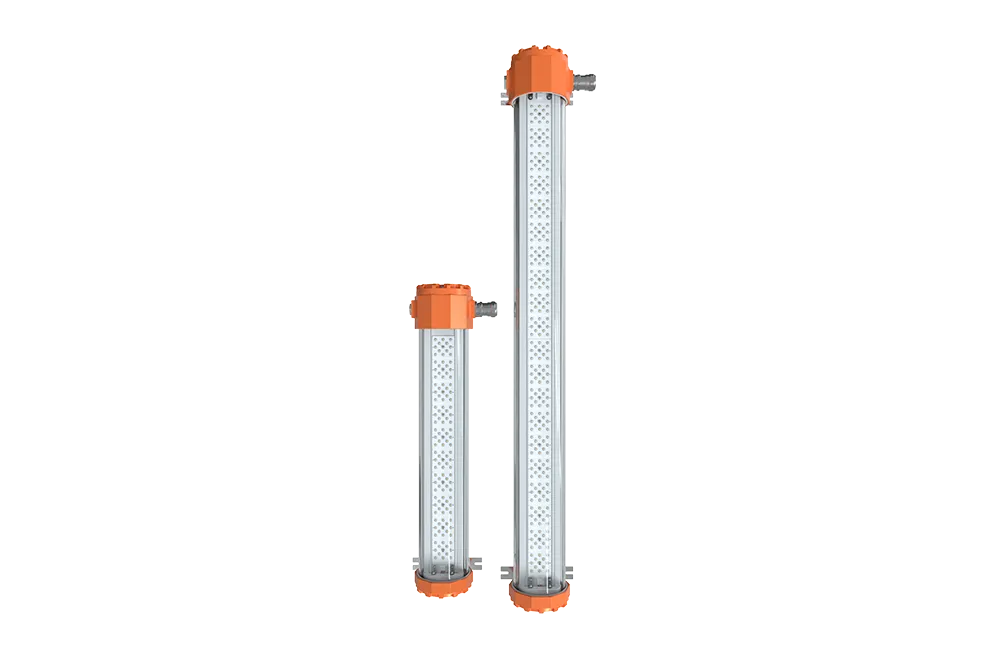
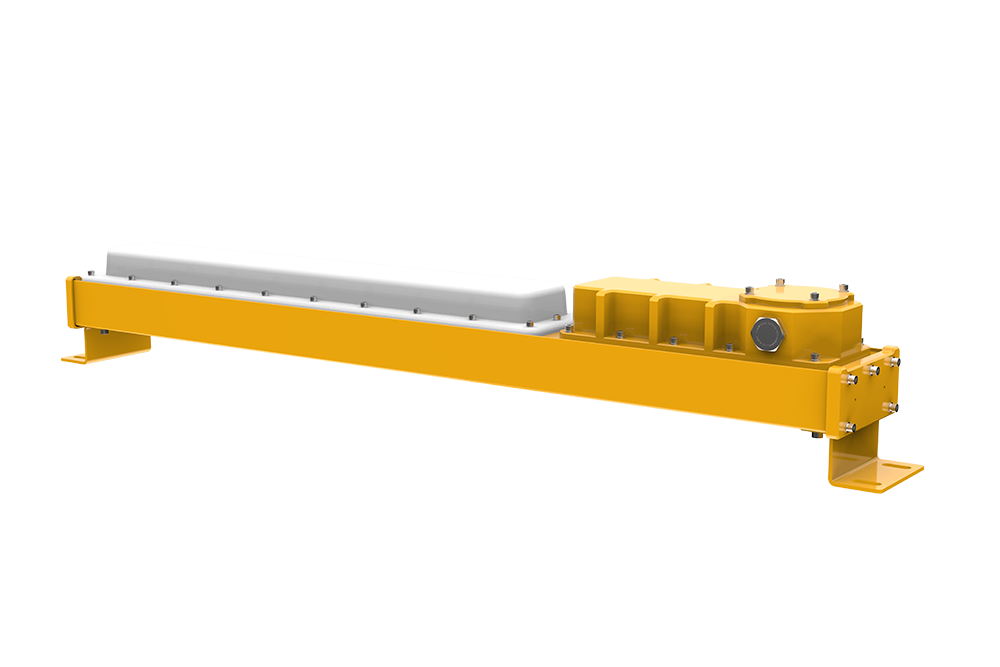
LED Linear Explosion Proof Lights and EX Proof lights for Zone 1, Zone 2, Zone 21 and Zone 22 hazardous areas. ATEX & IECEx certified explosion proof LED linear lighting with emergency function, adjustable power and IP67 protection by SEEKINGLED.
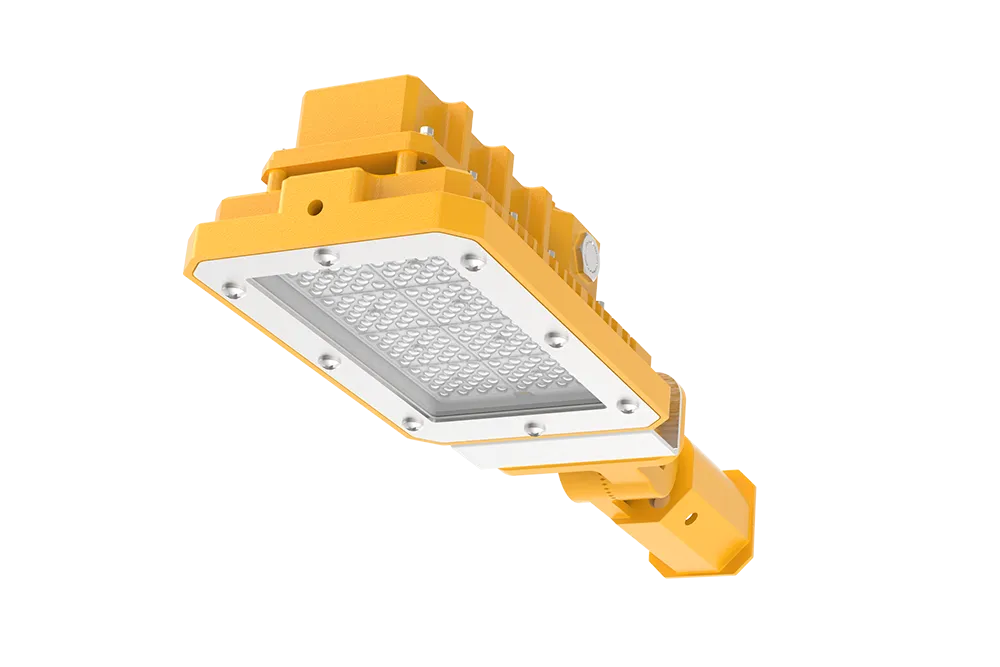
SEEKINGLED LED Explosion Proof Flood Lights are ATEX certified for Zone 2 and Zone 22 hazardous areas, offering high efficiency, adjustable power and integrated junction box.
SEEKINGLED LED Explosion Proof Flood Lights are flameproof ATEX and IECEx certified for Zone 1 and Zone 2 hazardous areas, offering high power, adjustable output and long service life.
SEEKINGLED LED Gas Station Canopy Lights are ATEX certified for Zone 2 and Zone 22 hazardous areas, featuring adjustable power and built-in explosion-proof junction box.
ATEX: Ex II 2G Ex db IIB T6/T5 GbEx II 2D Ex tb IIIC T80°C/ T95°C Db IECEx Ex db IIB T6 Gb;Ex tb IIIC T80°C Db Feature: ● For Zone 1,2 and Zone 21,22● Flameproof type, the strongest● 100W can replace 250W HID,energy saving● Power:60W,80W,100W Application: Oil and gas, marine, Chemical, pharmaceutical, semiconductor,mining,military industr…
ATEX: II 3G Ex nR ⅡC T5/T6 GcII 3D Ex tc ⅢC T80℃/T95℃Dc ATEX Certificate NO: TÜV CY 26 ATEX 0207611 X Feature: ● For Zone 2 and Zone 22● 150W can replace 250W HID lamps,Energy saving● Power:50W,75W,100W,150W,200W Application: Oil and gas, marine, Chemical, pharmaceutical, semiconductor,mining,military industry, paint booth,power plant ETC…
LED explosion proof high bay lights are designed for Zone 1, Zone 2, Zone 21 and Zone 22 hazardous areas. This page introduces the HB21 Series from SEEKING, including certifications, power options and real application considerations.
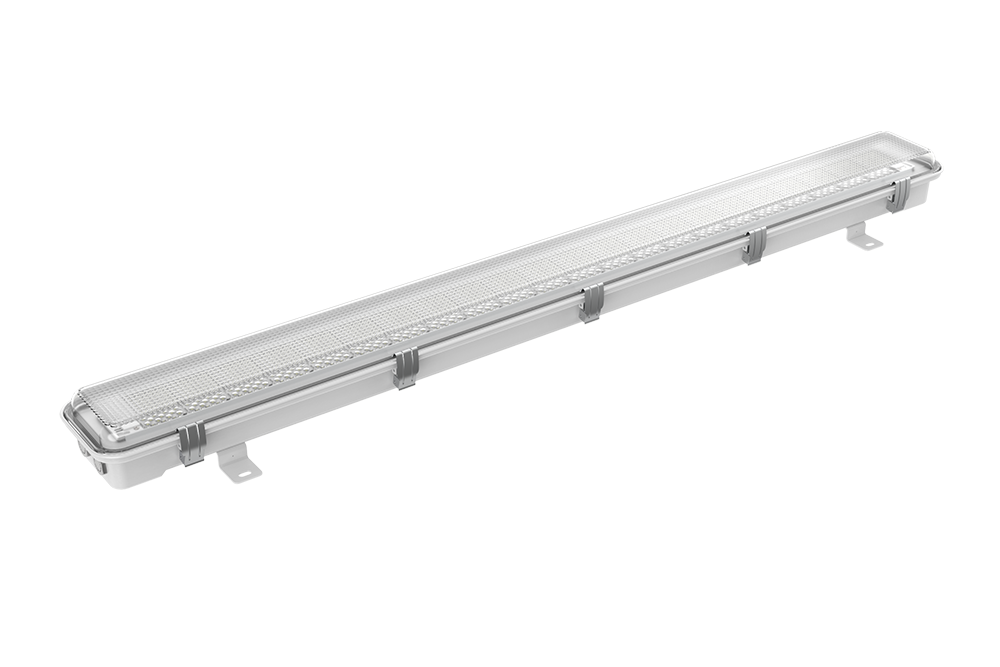
LED Linear Explosion Proof Lights from SEEKINGLED. LU Series Flame Proof lights ATEX-certified explosion proof LED linear lighting for Zone 2 gas and Zone 22 dust areas, IP69K, IK10, long lifetime and flexible power options.
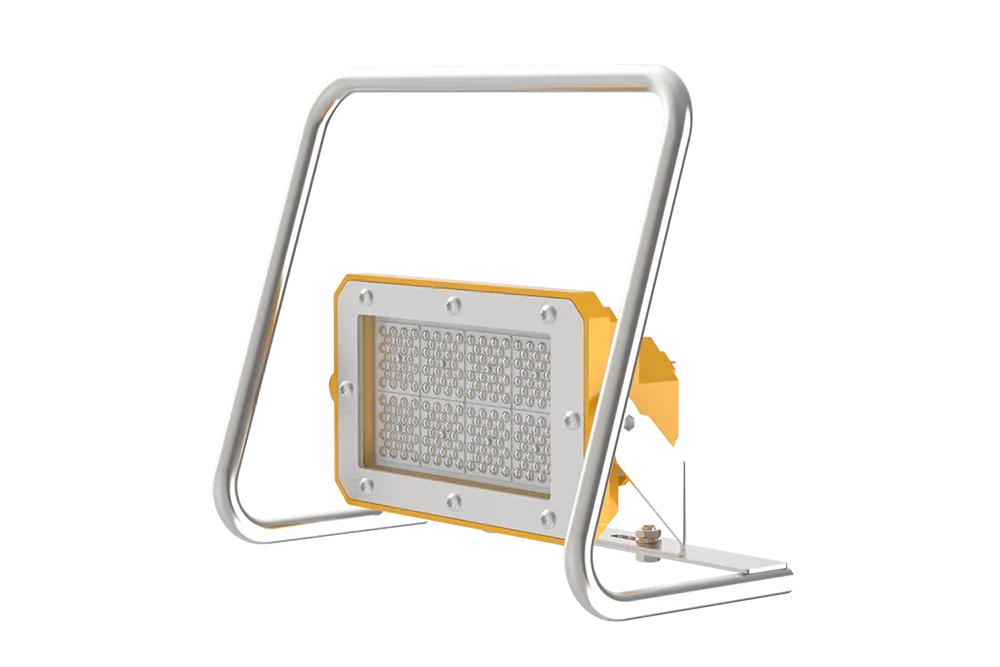
Certified explosion proof work lights for Zone 1 & 21 hazardous areas. Portable, ATEX & IECEx approved, built for oil, gas and chemical plants by SEEKINGLED.
ATEX: II 3G Ex nR ⅡC T6 GcII 3D Ex tc ⅢC T80℃ Dc ATEX Certificate NO: TÜV CY 26 ATEX 0207611 X Feature: ● For Zone 2 and Zone 22● Accepts battery-powered supply● indestructible● Power:AC input:50W,75W,100WDC input:15W,25W,35W Application: Oil and gas, marine, Chemical, pharmaceutical, semiconductor,mining,military industry, paint booth,po…
ATEX: Ex II 2G Ex db IIB T6 GbEx II 2D Ex tb IIIC T80°C Db IECEx Ex db IIB T6 Gb;Ex tb IIIC T80°C Db Feature: ● For Zone 1,2 and Zone 21,22● Flameproof type, the strongest Application: Oil and gas, marine, Chemical, pharmaceutical, semiconductor,mining,military industry, paint booth,power plant ETC hazardous area. Technical Specifications:…
ATEX: Ex II 2G Ex db IIB T6 GbEx II 2D Ex tb IIIC T80°C Db IECEx Ex db IIB T6 Gb;Ex tb IIIC T80°C Db Feature: ● For Zone 1,2 and Zone 21,22● Flameproof type, the strongest Application: Oil and gas, marine, Chemical, pharmaceutical, semiconductor,mining,military industry, paint booth,power plant ETC hazardous area. Technical Specifications:…
ATEX: Ex II 2G Ex d e IIB T6 Gb ATEX: Ex d e IIB T6 Gb; Feature: ● For Zone 1,2● 9W can replace 18W fluorescent lamps,50% Energy saving Application: Oil and gas, marine, Chemical, pharmaceutical, semiconductor,mining,military industry, paint booth,power plant ETC hazardous area. Technical Specifications: Standards:60079-0, 60079-1, 60079…
LED High Bay Lighting for Seafood Market was required in a Dubai seafood market where high floor lux was essential. This project record documents multiple Dialux calculations and on-site decision-making using XJ-HBL high bays.
What is the best outdoor LED flood light for security, driveways, or yards? Learn brightness, beam angle, and durability tips from SEEKINGLED lighting experts.
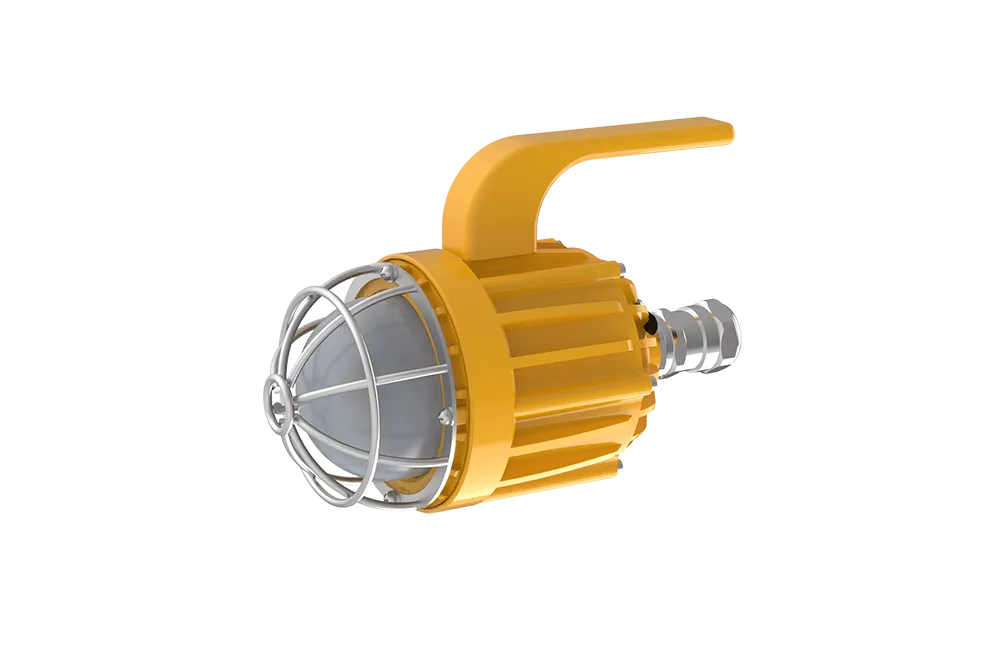
What Is explosion-proof flashlights? Learn how certified industrial flashlights protect workers in hazardous areas with explosion-proof design, standards, and field insights.
What are explosion proof lights cast from? Learn the real materials—aluminum alloys, stainless steel, tempered glass—and how they ensure safety in hazardous environments.
 Seeking LED