 Seeking LED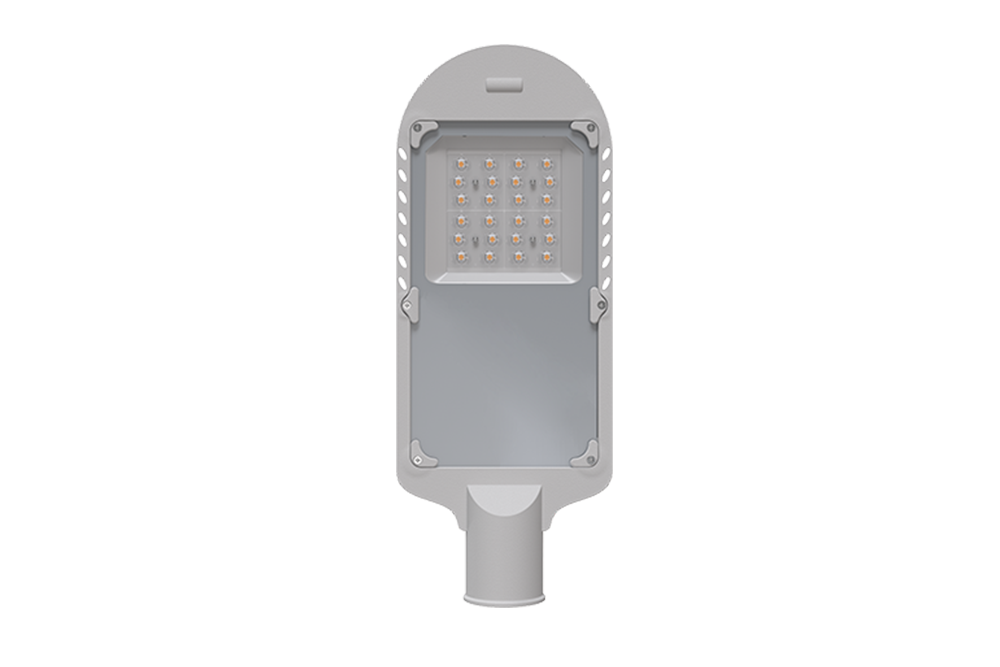
How Does LED Have Different Mode in Real Lighting Systems?
68How does LED have different mode in real applications? Learn how LED lighting modes work, from dimming to smart control, with SEEKINGLED industrial solutions.
View detailsSearch the whole station
Quick Summary
A 200 watt street light is not just about brightness. It’s about road width, pole spacing, wind exposure, driver visibility, and long-term power cost. In real municipal and industrial road projects, 200W often sits in the sweet spot between coverage and efficiency—especially when paired with modern LED optics and stable drivers.
This is the first question contractors ask on site. Not in the office—on the actual road, looking at pole height and asphalt width.
A modern 200 watt street light LED outdoor fixture typically delivers between 26,000 and 34,000 lumens depending on efficacy (130–170 lm/W range). According to guidance from the Illuminating Engineering Society (IES), roadway lighting levels depend on classification—local roads, collectors, arterials, or highways.
On a 10–12 meter pole, with proper Type II or Type III distribution, a 200W unit can comfortably handle:
But let me be direct: wattage alone does not guarantee performance. I’ve seen poorly designed 200W fixtures underperform against well-engineered 150W models because optics were wrong.
Yes, but only when matched correctly.
For higher-speed roads, uniformity matters more than peak brightness. The U.S. Department of Energy notes that LED roadway lighting improves visibility and reduces energy consumption significantly compared to legacy high-pressure sodium systems.
In several retrofit projects, replacing 400W HPS fixtures with 200 watt street LED systems reduced energy consumption by nearly 50%, while improving color rendering and visual clarity. Drivers noticed the difference immediately. Road markings appeared sharper. Peripheral detection improved.
However, highway lighting also depends on pole spacing. If poles are spaced too far apart, even a powerful 200W luminaire cannot fix dark gaps. Design always comes first.
This question shows up often in tenders.
A competitive 200 watt street light lumen output should range between:
But lumen numbers can mislead. What matters is delivered light on the road surface. Optical efficiency and beam control define whether those lumens reach the asphalt—or spill into nearby buildings.
SEEKINGLED’s 200W roadway models focus heavily on controlled distribution. Clean cut-off reduces glare. In residential-adjacent roads, that makes a difference. Residents complain about glare long before they complain about lux levels.
Short answer: yes, if designed correctly.
An energy efficient 200 watt street light operating at 160 lm/W produces roughly double the light output of older sodium systems at similar wattage. Over 10–12 hours nightly operation, annual electricity savings become measurable.
The International Energy Agency reports that LED public lighting can reduce electricity use by 40–60% in municipal deployments. Maintenance savings add another layer of benefit because LED systems typically last 50,000–100,000 hours depending on thermal management.
I’ve personally inspected installations after four years of operation. Well-built housings, proper surge protection (at least 6kV), and stable drivers make the difference between smooth operation and repeated service calls.
Not brochures. Not only price sheets. Check these instead:
At SEEKINGLED, our approach to the 200 watt street segment is simple: stable light output, solid aluminum housing, no exaggerated claims. Municipal LED Street Lighting must work quietly in the background for years. If people notice it, usually something is wrong.
I remember a project in an industrial logistics zone. The client originally specified 150W units to save budget. After simulation and on-site lux checks, coverage gaps appeared between poles. Upgrading to 200 watt street light LED outdoor models solved uniformity without increasing pole count.
Sometimes 200W is not about brightness—it’s about spacing economics.
On the other hand, overspecifying to 240W would have increased glare and energy use unnecessarily. Balance matters.
It’s not universal.
Choosing 200W blindly can waste energy.
Is a 200 Watt LED Street Light Bright Enough for Major Roads?
People often ask a very direct question: is a 200 watt led street light powerful enough for real street lighting projects?
Short answer — yes. In most municipal or highway installations, a 200 watt led street light sits at the higher end of the power range. It’s usually chosen for wide roads, highways, or large parking zones where lower wattage simply won’t spread far enough.
I’ve seen this during a road upgrade project a few years ago. The city originally installed 120W fixtures along a wide arterial road. On paper it looked fine. In reality? The spacing between poles created darker sections in the middle lanes. Drivers noticed it immediately.
When the lighting contractor replaced them with municipal led street lighting fixtures, the difference was obvious the first night. Wider beam, stronger uniformity. No patchy lighting between poles.
Technically speaking, a modern 200W LED street light can produce somewhere around 26,000–32,000 lumens, depending on the chip and driver design. That output level makes it suitable for:
Lighting engineers also prefer higher wattage fixtures when pole heights exceed 10–12 meters. Lower wattage units struggle there.
At SEEKINGLED, we often recommend the 200 watt led street light for projects where spacing, mounting height, and road width all demand stronger illumination. Not every street needs that much power, of course. Residential roads usually don’t.
But for main roads? It’s often the safer choice.
A properly engineered 200 watt street light remains one of the most practical solutions for medium-to-wide roadways, industrial parks, and secondary highways. It offers strong lumen output, efficient energy use, and long operational life—when optical design and thermal structure are done correctly.
At SEEKINGLED, we treat the 200W range not as a marketing number, but as a working tool for real infrastructure. Because in street lighting, performance isn’t judged by catalogs. It’s judged on the road, at night, when everything depends on visibility.
How many watts is a residential street light?
For most neighborhood roads, the power requirement is actually much lower than people expect. A typical residential street light usually falls somewhere between 60W and 120W when using LED fixtures.
That range is generally enough for narrow streets, sidewalks, and small community roads where pole heights are around 6–8 meters. Anything stronger can start to create glare for nearby houses or windows.
In practice, lighting designers often prioritize uniform coverage rather than simply increasing wattage. A well-placed 80W fixture can sometimes perform better than a poorly positioned 120W unit.
How many watts are street lights in general?
There isn’t one universal number because street lighting varies a lot depending on the road type. Modern LED systems usually follow a rough range like this:
Residential roads: about 60–120W
Urban collector roads: about 120–180W
Main roads or highways: 180–240W or more
These numbers can shift depending on pole spacing, mounting height, and the beam pattern used. That’s why engineers rarely select fixtures based on wattage alone. They look at road width and lighting layout first, then choose the appropriate power level.
Is a street light 200 watt considered powerful?
Yes, a street light 200 watt fixture sits toward the higher end of the power range in most LED roadway projects.
At this level, the light output is typically around 26,000–32,000 lumens, which is strong enough for wider roads, logistics parks, or industrial access routes. It’s also commonly used when poles are mounted higher than 10 meters.
For narrow residential streets, though, 200W would usually be excessive. The goal in street lighting is balance—enough illumination for safety without wasting energy or creating glare.
How many street light lumens are required for roads?
The street light lumens required depend on several design factors. Road classification, pole spacing, and mounting height all influence the final calculation.
As a rough guideline used in many projects:
Small residential roads often work with 6,000–10,000 lumens
Medium urban roads may require 12,000–20,000 lumens
Large roads or industrial areas may need 20,000–30,000 lumens or more
Lighting designers typically run simulations to confirm that the light actually reaches the road surface evenly.
What are typical LED street light lumens today?
In modern installations, typical LED street light lumens usually fall somewhere between 6,000 and 32,000 lumens, depending on fixture wattage and application.
Lower-output models handle neighborhood streets, while higher-output fixtures—like 200W roadway lights—are used for wide roads, large intersections, and industrial zones.
The key difference with modern LED lighting is efficiency. With efficacy levels around 150–170 lm/W, today’s fixtures can produce much more usable light than older sodium lamps at similar wattage.
SEEKING STL-Series LED street lights deliver stable performance, 170 lm/W efficiency and 10KV surge protection. Ideal for city streets, parking lots, public roads and outdoor area lighting projects. Durable IP66 & IK08 design for long-term reliabi…
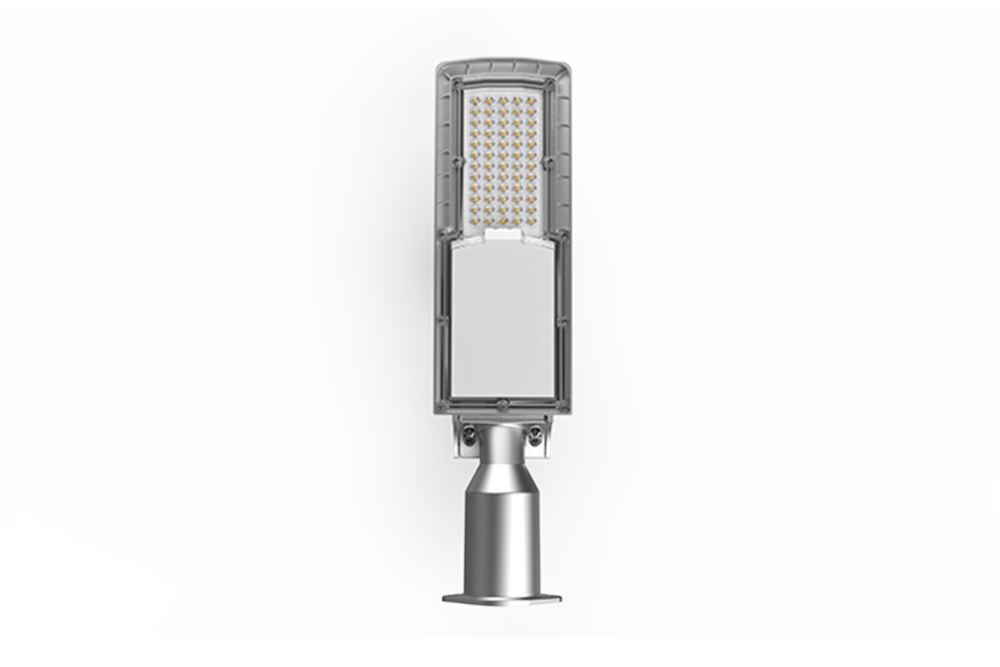
The SEEKING STC Series LED light street light delivers up to 170lm/W efficiency with MOSO drivers, IP66 protection, and a ±15° adjustable arm—ideal for roads, residential areas, and public lighting upgrades.
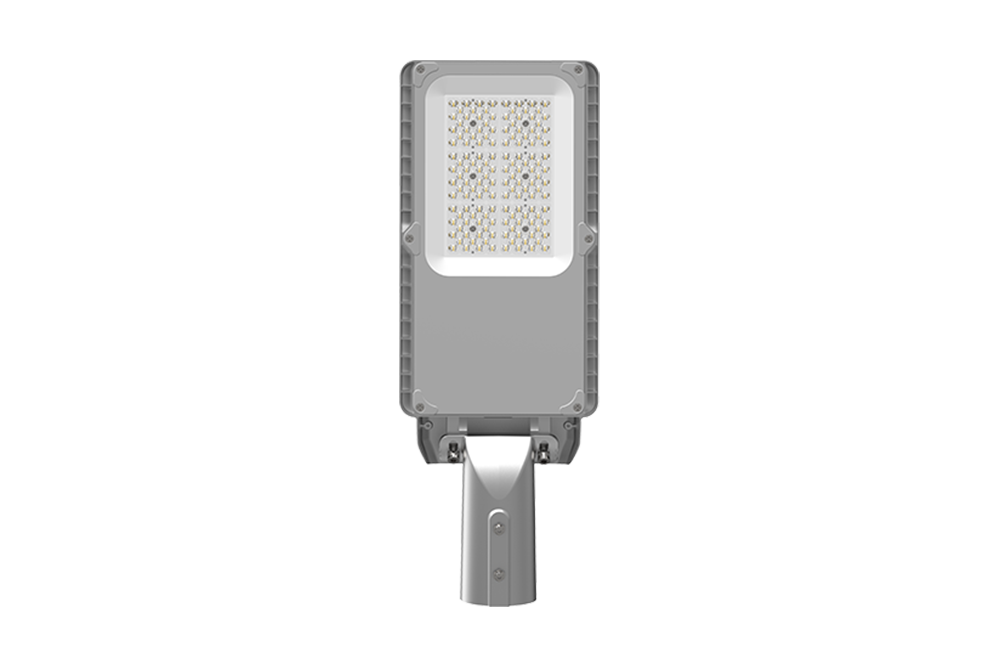
SEEKING STB Series LED street lighting delivers up to 160 lm/W, 10kV surge protection, IP66 waterproofing, and durable IK08 impact resistance. Ideal for streets, parking lots, and large outdoor areas needing long-lasting, energy-saving LED roadway…
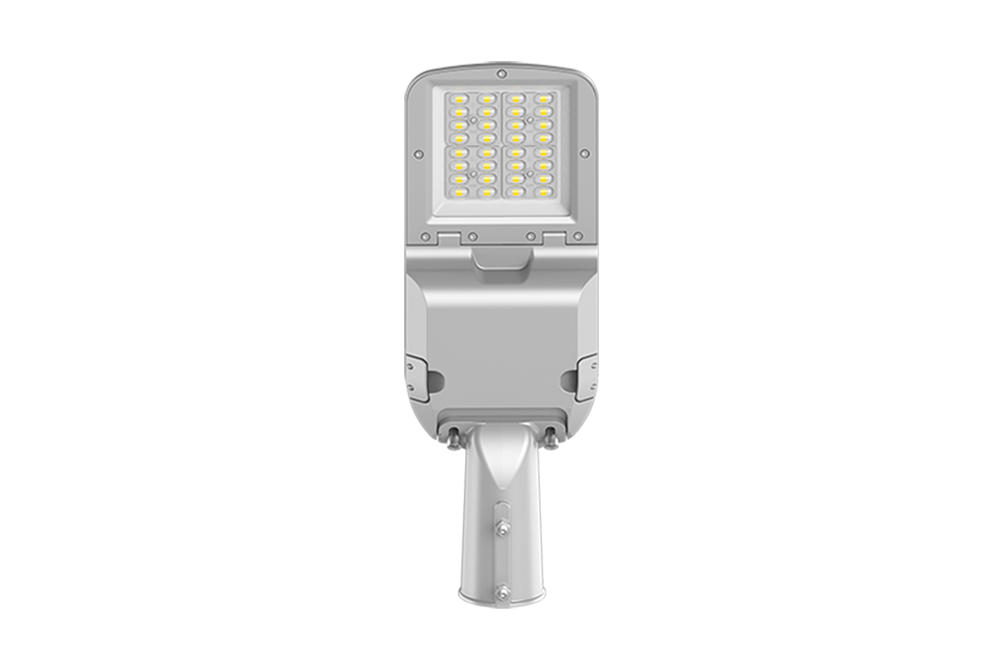
The SEEKING STA Series LED street light delivers strong efficiency, IP66 protection, 10kV surge resistance and multiple beam patterns for roads, parking lots and urban areas. High lumen output, easy installation and reliable performance for long-t…
loading…
This is the last post!

How does LED have different mode in real applications? Learn how LED lighting modes work, from dimming to smart control, with SEEKINGLED industrial solutions.
View details
Why is my LED flood light dim? Learn the real reasons like voltage issues, driver problems or aging LEDs, and how SEEKINGLED flood lights maintain stable brightness.
View details
NEC Class/Division System explains US and Canada hazardous area classifications, including Class, Division, and Group. Learn safety rules for explosion-proof lighting.
View details
Flood light explosion proof solutions for hazardous zones. Learn how certified LED floodlights improve safety, durability, and visibility in industrial sites.
View details