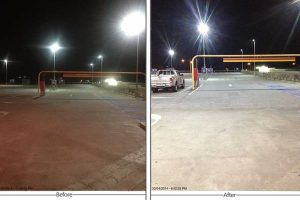
When municipalities plan street lighting upgrades, they often focus first on energy savings and projected returns. Those are real concerns—local governments must stretch every dollar. But from the field, I can tell you this: performance over time matters more than initial wattage claims.
I’ve spent more than 15 years working on outdoor and municipal lighting installations across Europe and North America, both as a design engineer and a project lead. The lessons that matter most can’t be captured in datasheets—only by watching installations age through seasons: extreme heat, snow, storms, and years of continuous operation. The goal of municipal LED street lighting is not simply to save watts—it’s to deliver visibility that lasts, with minimal maintenance.
SEEKINGLED develops its 200 watt street solutions with that exact mindset: durability and predictability over years, not just months.
Why Municipal LED Street Lighting Is Different from Commercial Solutions
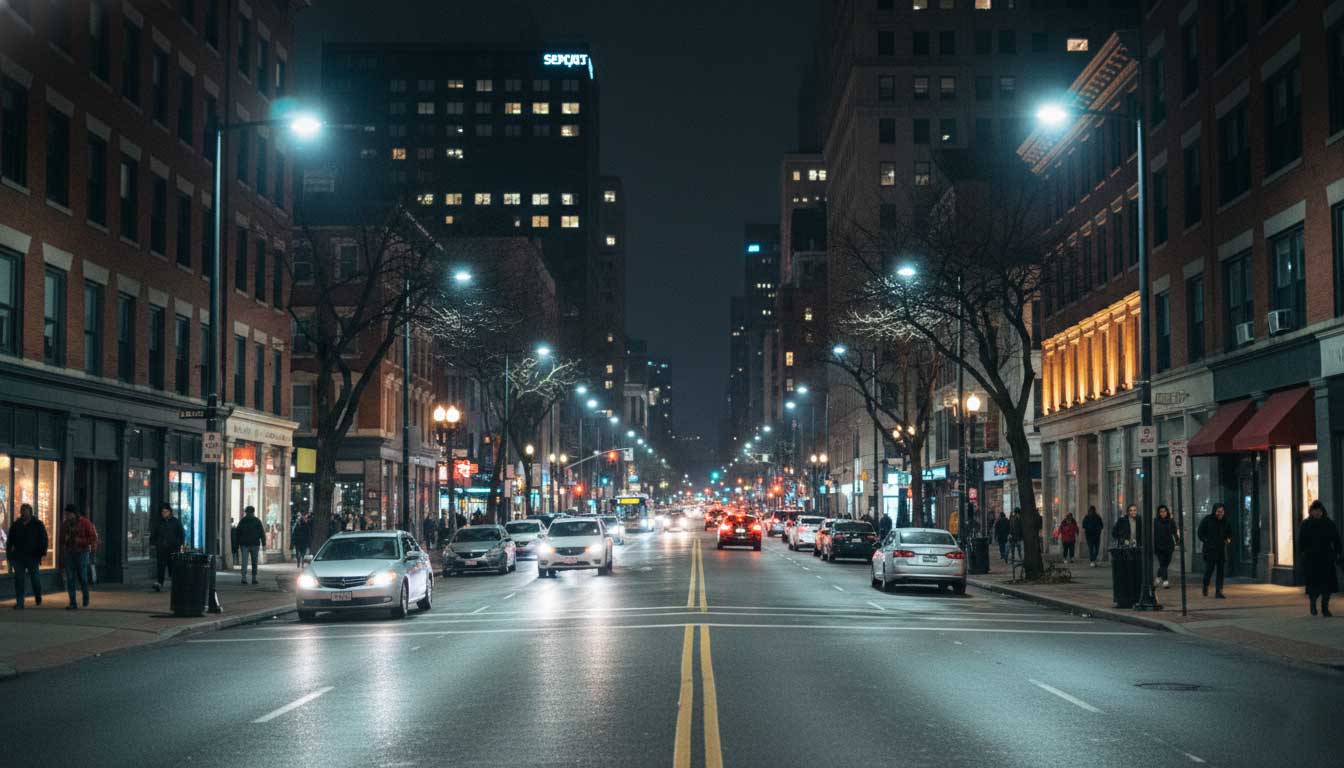
Municipal applications are unforgiving. There is no “off switch,” and neither residents nor drivers will forget a poorly lit intersection. In contrast, commercial outdoor lighting (like parking lots) often gets periodic maintenance. Municipal street lighting must endure:
- Continuous 10-12 hour nightly operation
- Exposure to weather and temperature swings
- Power quality fluctuations
- Glare reduction requirements for safety
According to the Illuminating Engineering Society (IES RP-8-21), roadway lighting performance criteria emphasize uniformity ratios and glare control—especially in residential and urban contexts. In my experience, ignoring those factors leads to complaints long before energy savings ever matter.
Track Record Is About What Happens After Installation
In early projects years ago, I watched municipalities rejoice at initial energy drops only to start hearing complaints about flicker, uneven light, and driver issues within a year. The problem was never just the LED chip. It was the driver design, thermal management, optics, and surge protection—all elements that fail under real conditions.
Here’s what matters in municipal LED street lighting far more than raw lumen numbers:
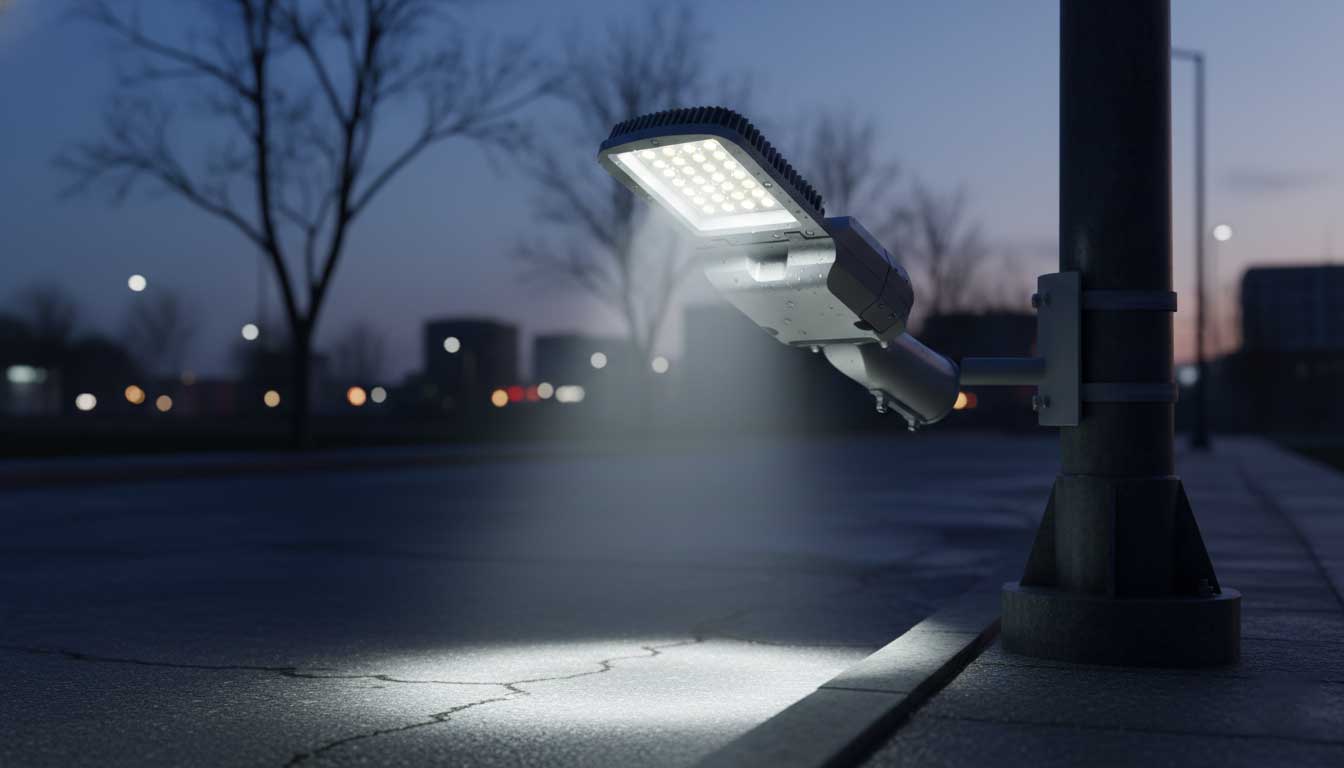
- Thermal management – Poor heat dissipation shortens driver life and accelerates color shift.
- Optical design – Better beam control improves driver visibility and reduces light spill into homes.
- Surge protection – Cities with unstable power grids often see early failures without proper protection.
- Sealing and housing design – IP66 or better with IK impact resistance ensures longevity.
This aligns with LM-80 and TM-21 test methodologies, which are the industry standard for projecting LED lumen maintenance over time rather than relying on first-day brightness figures.
Reducing Cost Is More Than Lower Energy Bills
Energy reduction is real. According to the U.S. Department of Energy (DOE), municipal LED street lighting retrofits can reduce energy consumption by 50–65% compared to legacy high-pressure sodium systems when fixtures are correctly specified and maintained. But the real cost savings come from:
- Lower maintenance cycles
- Reduced unscheduled service calls
- Fewer replacements thanks to predictable depreciation
- Longer intervals between relamping
When a city adopts a municipal lighting specification solely based on initial efficiency numbers, it often learns the hard way that performance consistency is more valuable than a high lumen per watt claim.
Optics and Uniformity: What Residents Notice Most
I once reviewed a municipal project where the city replaced all lamps with high-output LED equivalents but failed to adjust optics. Complaints poured in: glare, dark patches between poles, and driver discomfort. The root cause? Poor distribution planning.
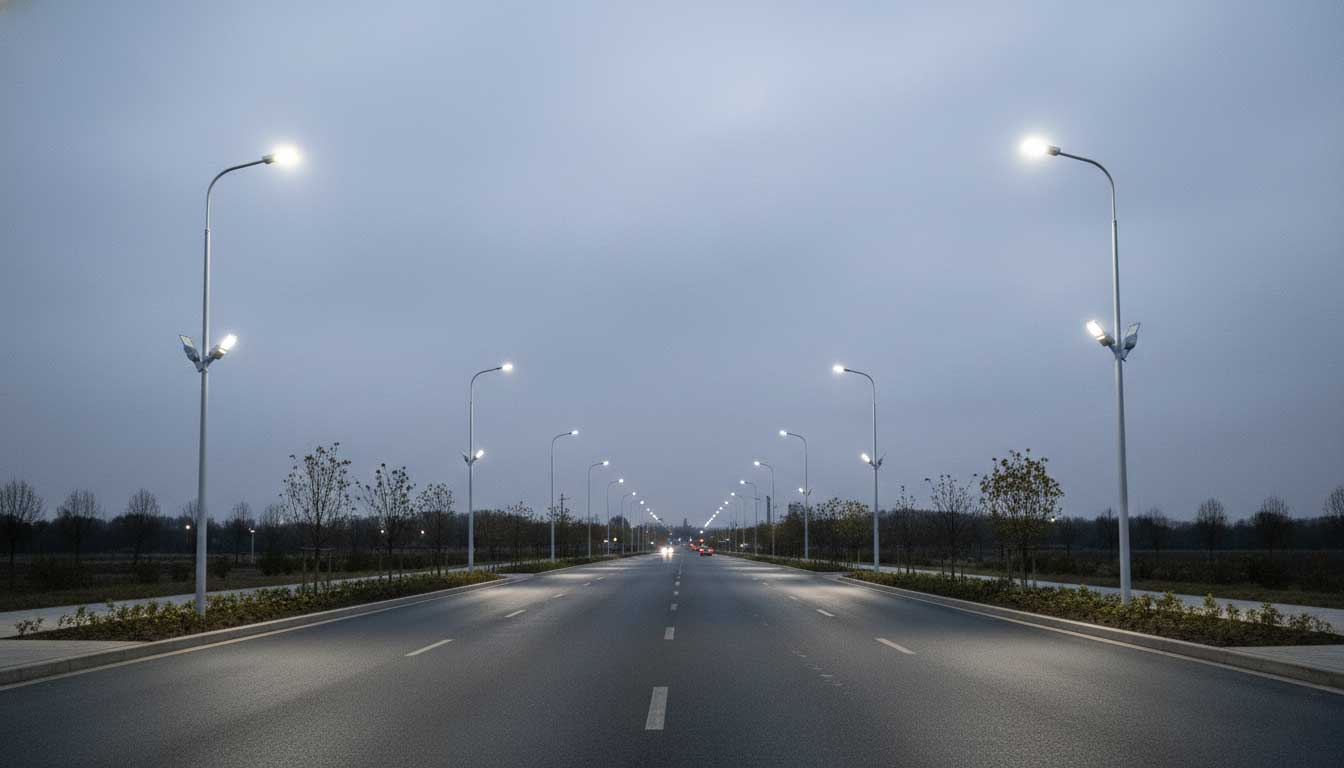
IES RP-8 stresses that uniformity ratios and visual comfort are key performance indicators. It’s not about how bright each light is but how it works with its neighbors over the road surface.
Better optics matter more than higher wattage, especially in town centers, school zones, and residential streets.
Municipal LED Street Lighting in Real Weather
Street lights are exposed to cycles of hot and cold, rain, snow, dust, and physical stress (wind, vibration, occasional impact). This is not theoretical. In northern climates, freeze-thaw cycling can open seals. In coastal cities, salt air accelerates corrosion.
Professional municipal LED street lighting must include:
- IP66 or better weather sealing
- IK08 impact resistance
- High-temperature rated drivers
- Corrosion-resistant finishes
These are not optional “buzzwords.” They are the characteristics that separate lights that survive from those that fail prematurely.
Where Municipal LED Street Lighting Is Most Needed
From years of project deployment, this lighting approach is most effective in:
- Urban and suburban thoroughfares
- Residential communities
- School zones and local roads
- Industrial estates and logistics corridors
- Parks and pedestrian paths
LED street lighting is infrastructure. It must deliver whether people notice it or not.
Final Thoughts from the Field
Municipal LED street lighting can be transformative in terms of energy and maintenance savings—but only when it’s done right.
The SEEKINGLED approach prioritizes field-proven design, realistic expectations based on IES and DOE data, and long-term performance. After years on the road, that is what cities value most: lighting that stays predictable, low-maintenance, and effective.
If street lighting is meant to be invisible while doing its job, then quiet reliability is the real success story.
Municipal LED street lighting recommended
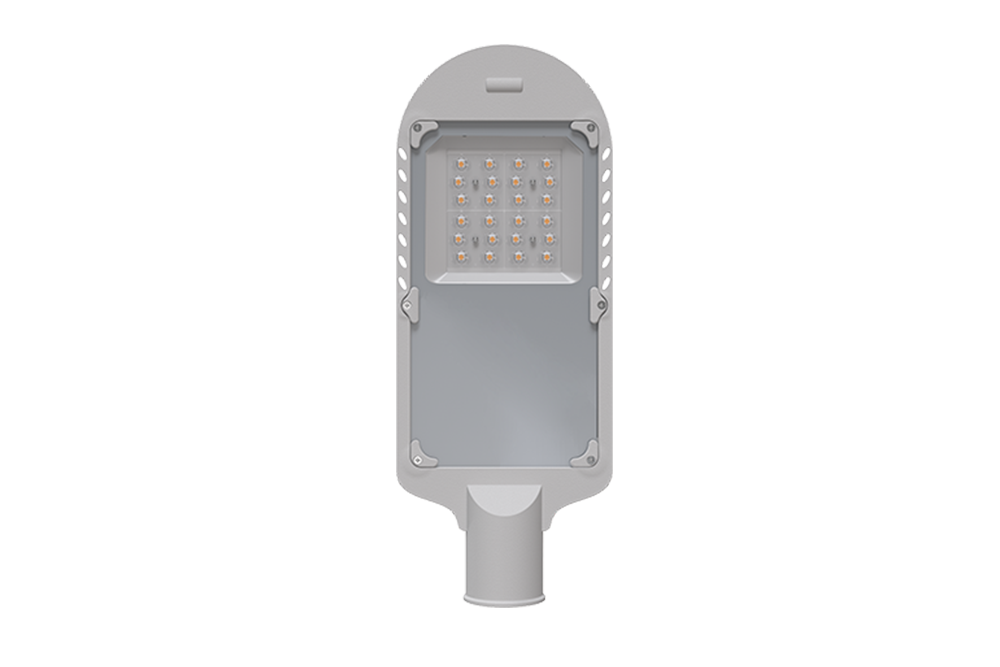
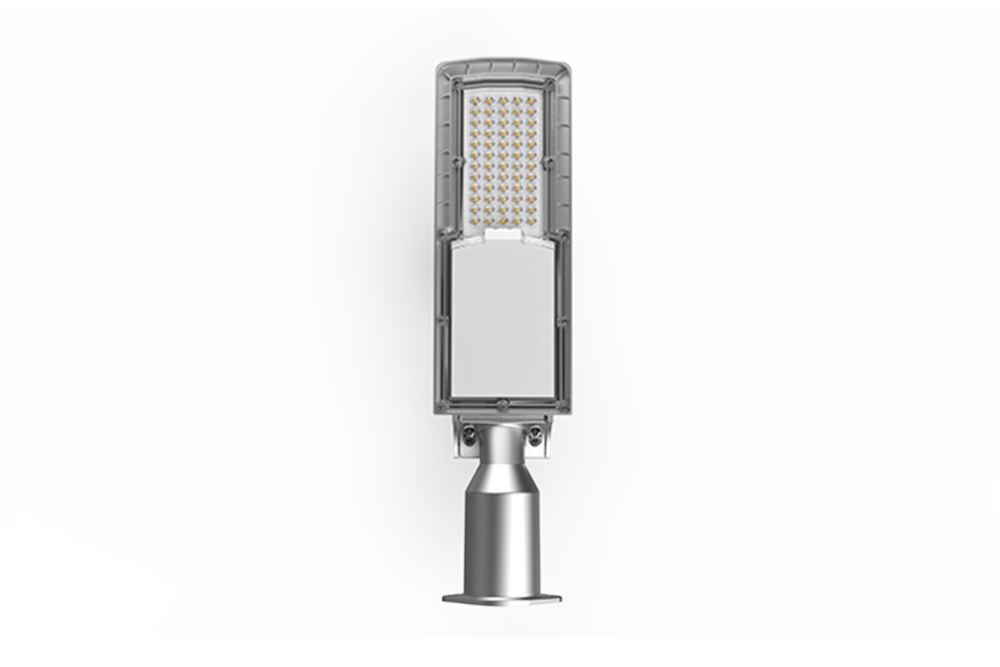
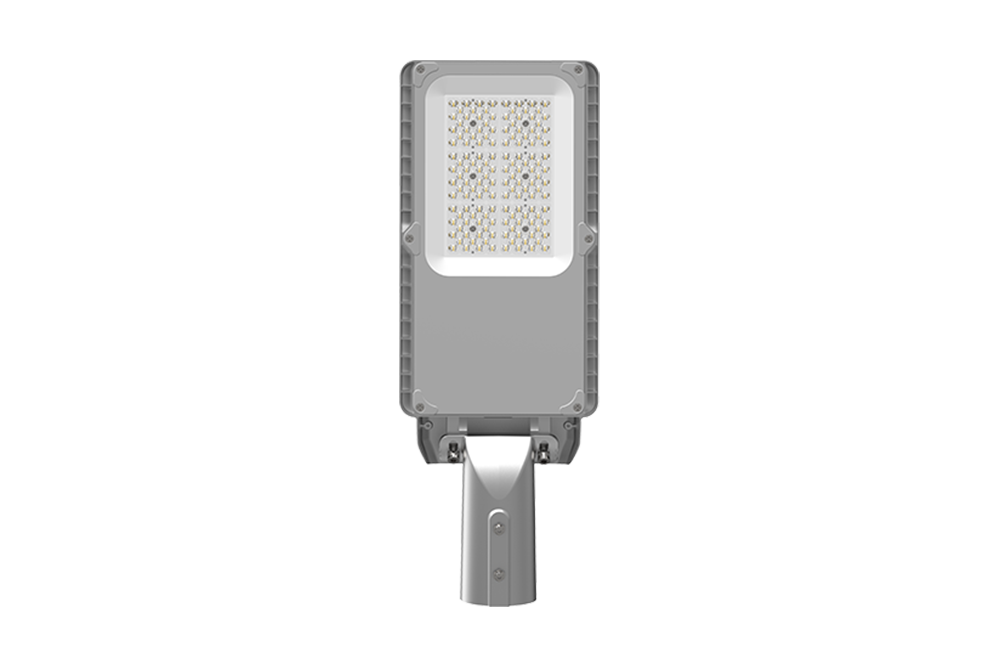
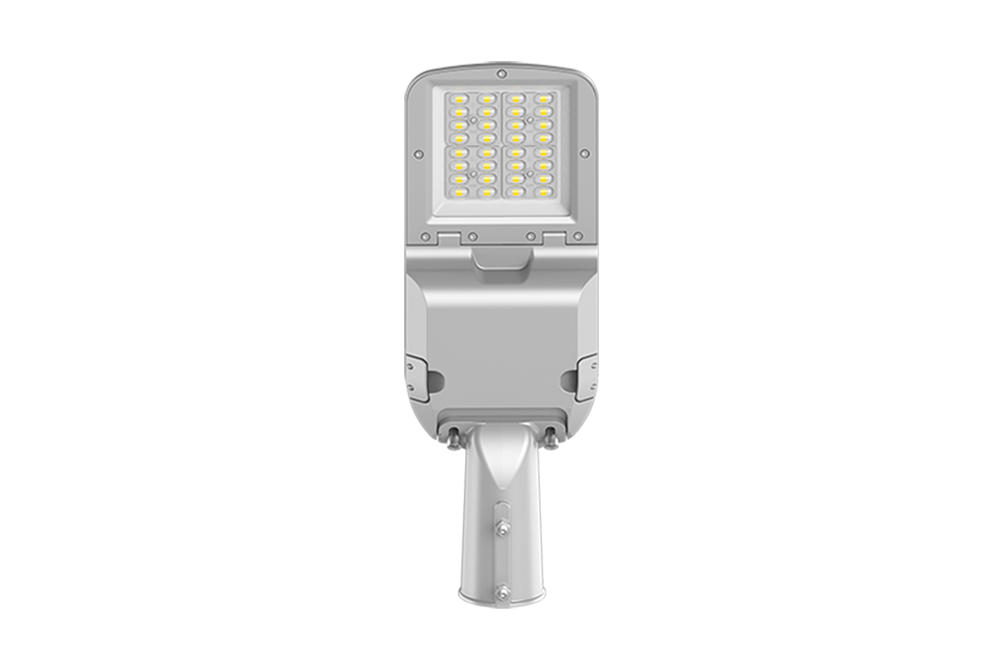
SEEKING STL-Series LED street lights deliver stable performance, 170 lm/W efficiency and 10KV surge protection. Ideal for city streets, parking lots, public roads and outdoor area lighting projects. Durable IP66 & IK08 design for long-term reliabi…
The SEEKING STC Series LED light street light delivers up to 170lm/W efficiency with MOSO drivers, IP66 protection, and a ±15° adjustable arm—ideal for roads, residential areas, and public lighting upgrades.
SEEKING STB Series LED street lighting delivers up to 160 lm/W, 10kV surge protection, IP66 waterproofing, and durable IK08 impact resistance. Ideal for streets, parking lots, and large outdoor areas needing long-lasting, energy-saving LED roadway…
The SEEKING STA Series LED street light delivers strong efficiency, IP66 protection, 10kV surge resistance and multiple beam patterns for roads, parking lots and urban areas. High lumen output, easy installation and reliable performance for long-t…
loading…
This is the last post!
 Seeking LED