 Seeking LED
Explosion Proof LED Canopy Lighting for Hazardous Fuel & Industrial Areas
0Explosion proof LED canopy lighting for hazardous fuel stations and industrial sites. Safe, low-glare, and reliable performance by SEEKINGLED.
View detailsSearch the whole station
Yes, flood lights are generally recyclable, but the complete fixture is not usually placed into a normal household recycling bin. LED flood lights contain recoverable materials such as aluminum, copper, electronic components, plastics, and circuit boards. Proper recycling depends on separating the fixture and using an electrical or e-waste recycling channel.
Yes. are flood lights recyclable is mainly a question of how the fixture is constructed and how it is collected at end of life.
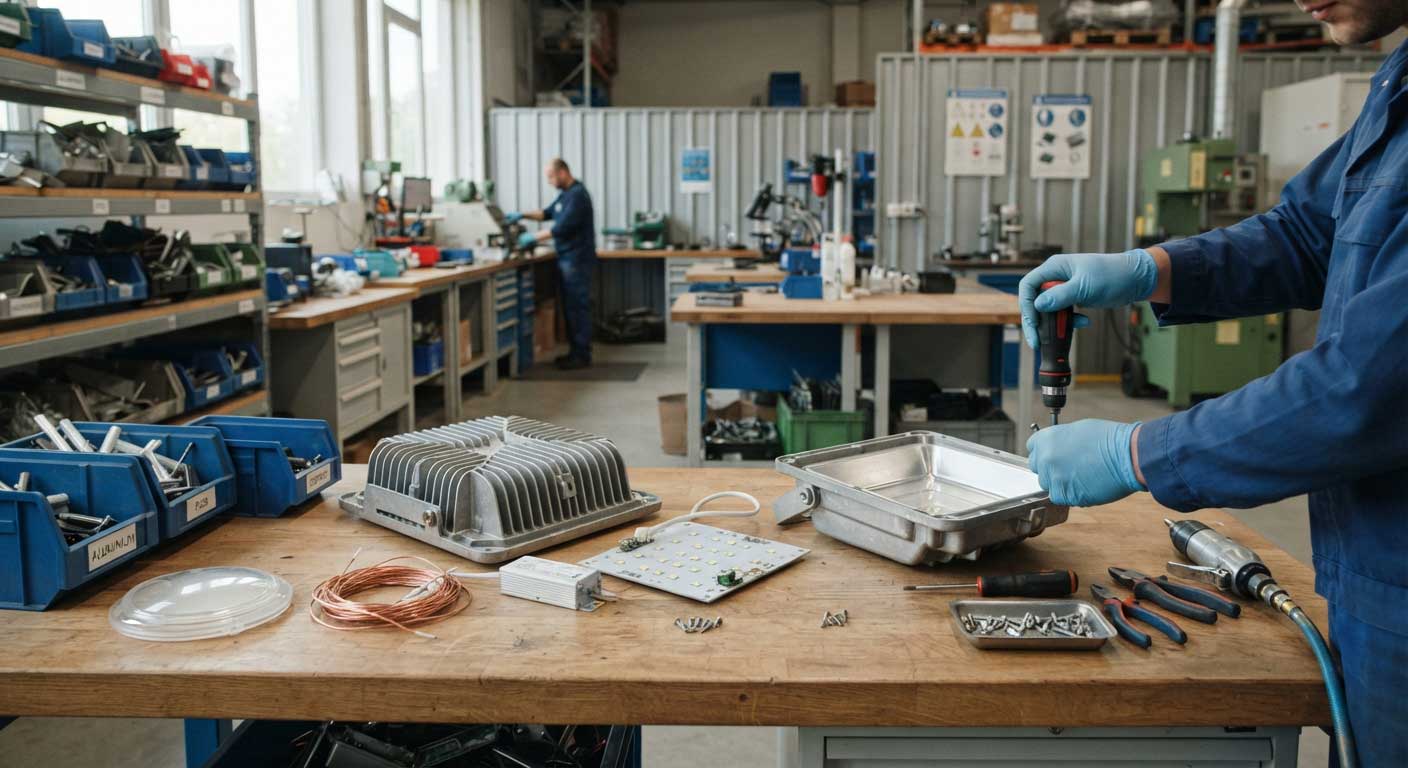
A modern LED flood light is an electrical product rather than a single recyclable material. The housing, heat sink, LED board, driver, wiring, lens, seals, and fasteners may all require different handling.
For example, SEEKINGLED‘s FLX Series uses an aluminum-alloy housing and is designed for outdoor use with IP66 and IK08 protection. Its construction means the fixture contains a substantial metal component that can be separated from other electrical parts during appropriate recycling or material recovery.
This is an important practical distinction: recyclable does not mean every part goes into the same recycling stream.
The recyclable value of a flood light is concentrated in its physical materials and electronic assemblies.
| Flood Light Component | Typical Material | Recycling Consideration |
|---|---|---|
| Housing | Aluminum alloy | High-value metal recovery |
| Heat sink | Aluminum | Commonly recoverable |
| Wiring | Copper | Recoverable through e-waste processing |
| LED PCB | Circuit board + metals | Requires electronics processing |
| Driver | Electronic components | E-waste stream |
| Lens | Polycarbonate or glass | Depends on local facility |
| Screws/brackets | Steel or aluminum | Usually recoverable |
| Seals | Rubber/silicone | More difficult to recycle |
A 2020 study indexed by the U.S. EPA’s HERO database examined mechanical recycling of end-of-life LED bulbs. The researchers reported separation efficiencies of 98–100% for many components, including the polymeric cover, metal housing, screw base, PCB, and heat sink with LEDs. The study also identified materials including copper, silver, and lead in LED products.
That does not mean every flood light will achieve those recovery rates. It does show why dismantling and material separation matter.
The housing is often the easiest part to identify at the end of a fixture’s service life.
SEEKINGLED’s outdoor FLD Series, for example, uses a die-cast aluminum housing with IP66 and IK08 protection. The series covers high-power outdoor applications from 400W to 960W.
On a project involving dozens or hundreds of fixtures, that metal content is not insignificant. Instead of treating an old flood light as a disposable object, facility managers should think of it as a mixed-material electrical assembly with recoverable metal inside.
The answer depends on the fixture, but LED and fluorescent products should not be treated as identical waste.
Fluorescent lamps require particular attention because they contain mercury. The U.S. Environmental Protection Agency recommends recycling CFLs, fluorescent bulbs, and other mercury-containing lamps through appropriate local programs rather than putting them into ordinary household trash. EPA also notes that recycling allows glass, metals, and other materials from fluorescent lamps to be reused.
This is one reason retrofit projects need a disposal plan before work begins.
DOE guidance for federal buildings specifically says fluorescent lamps should be recycled and notes that bulk recycling can cost about $1 per lamp in the cited guidance.
LED flood lights do not contain mercury in the same way fluorescent lamps do, but their electronic drivers and circuit boards still make them electrical equipment. They should therefore be routed through an appropriate e-waste or lighting-recycling channel rather than automatically treated as ordinary scrap.
For a commercial replacement project, the practical process is usually straightforward:
Local rules matter. The EPA’s standardized recycling guidance includes electronics and metals among material categories handled by municipal recycling programs, but acceptance varies by local program and facility.
A contractor replacing 20 flood lights should not assume the same disposal route applies to a homeowner replacing one fixture.
Usually, you should not assume that a complete LED flood light belongs in a standard curbside recycling bin.
A flood light contains electronic components and multiple bonded or assembled materials. Check the requirements of the local recycling center, electrical-waste program, or commercial e-waste contractor before disposal.
It can reduce how frequently fixtures need to be replaced.
SEEKINGLED lists L80B20 >100,000 hours for several professional LED flood light series, including its FLX and FLD ranges. These are manufacturer-rated lifetime figures under stated conditions, not a guarantee that every fixture will physically operate for 100,000 hours in every installation.
That distinction matters in real projects. A flood light mounted 10 meters above a warehouse yard is not just a lamp. Replacement requires access equipment, labor, electrical isolation, transport, and disposal of the old unit. Longer service life can reduce the number of complete fixtures entering the waste stream over the project’s operating period.
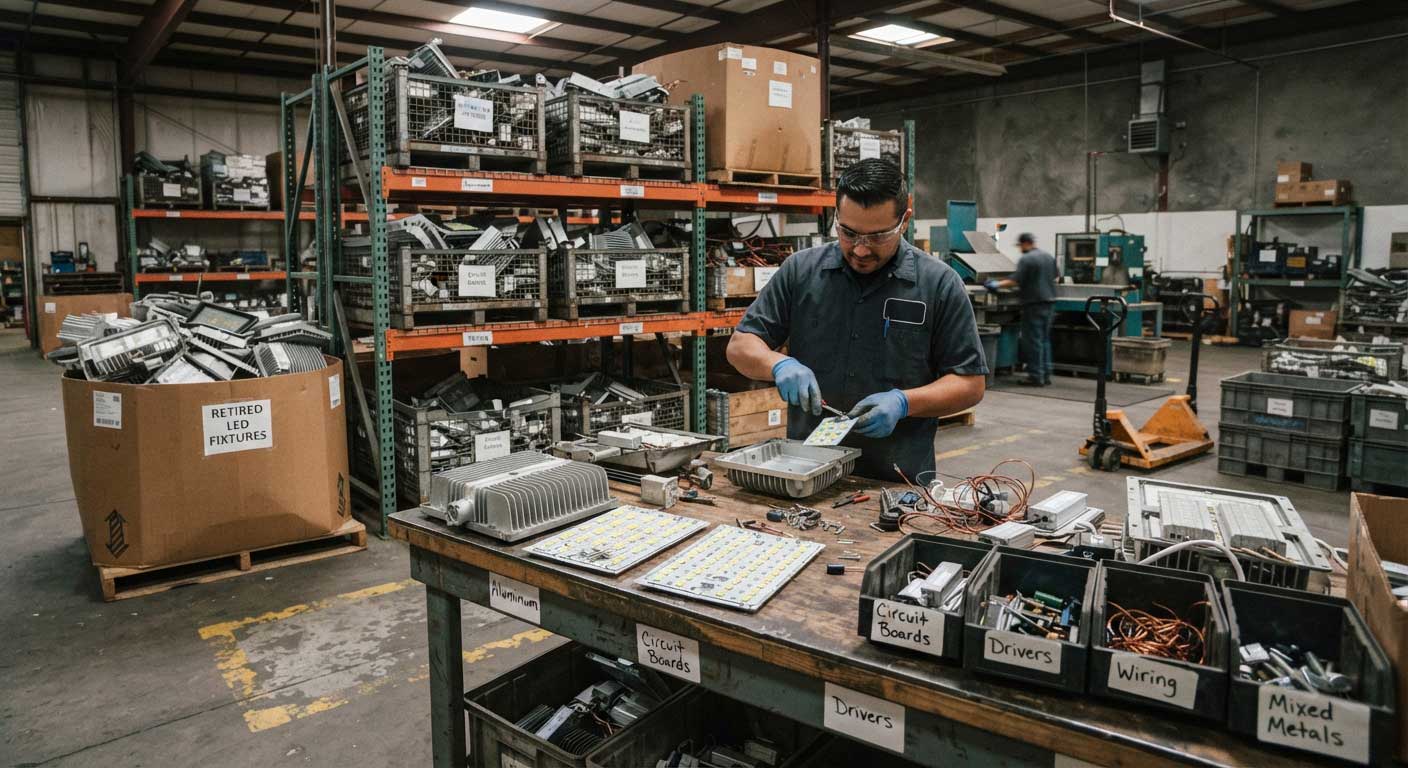
Yes. Most LED flood lights contain recoverable metals and electronic components, but the complete fixture should normally be handled through an appropriate lighting or e-waste recycling route.
Yes. Aluminum is widely recovered as a recyclable metal. Many commercial LED flood lights use aluminum alloy housings for both structural protection and thermal management.
Generally, a complete LED flood light should be treated as electrical or electronic equipment at end of life. Local disposal classifications and collection requirements vary.
LED flood lights do not use mercury as fluorescent lamps do. Fluorescent lamps require specific mercury-related recycling and disposal procedures.
Yes. Commercial quantities can be handled through specialized recycling or e-waste contractors. For large projects, confirm collection requirements and obtain disposal documentation when required.
The driver contains electronic components and should normally enter an appropriate electronics recycling stream rather than being treated as ordinary household metal scrap.
Design teams should consider material selection, accessible fasteners, component separation, serviceability, electronic-module replacement, and clear identification of materials. A fixture that can be dismantled efficiently is easier to process at end of life.
Are flood lights recyclable? Yes. Modern LED flood lights contain recoverable aluminum, copper, steel, plastics, and electronic components, but responsible recycling requires the complete fixture to enter an appropriate electrical or e-waste recovery process. For commercial projects, recyclability should be considered alongside lifetime, serviceability, housing design, and replacement requirements. SEEKINGLED designs professional LED flood lighting with durable aluminum-alloy housings for demanding outdoor applications.
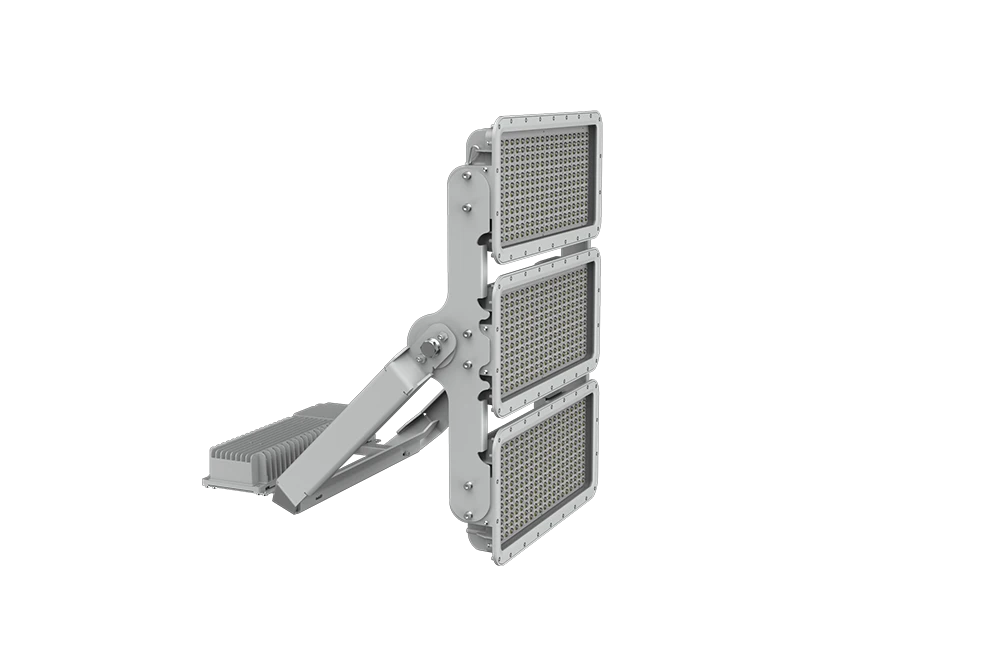
Sports Stadium LED Lighting by SEEKINGLED delivers high mast illumination, precise beam control, and EN 12193 compliant performance for professional venues.
View details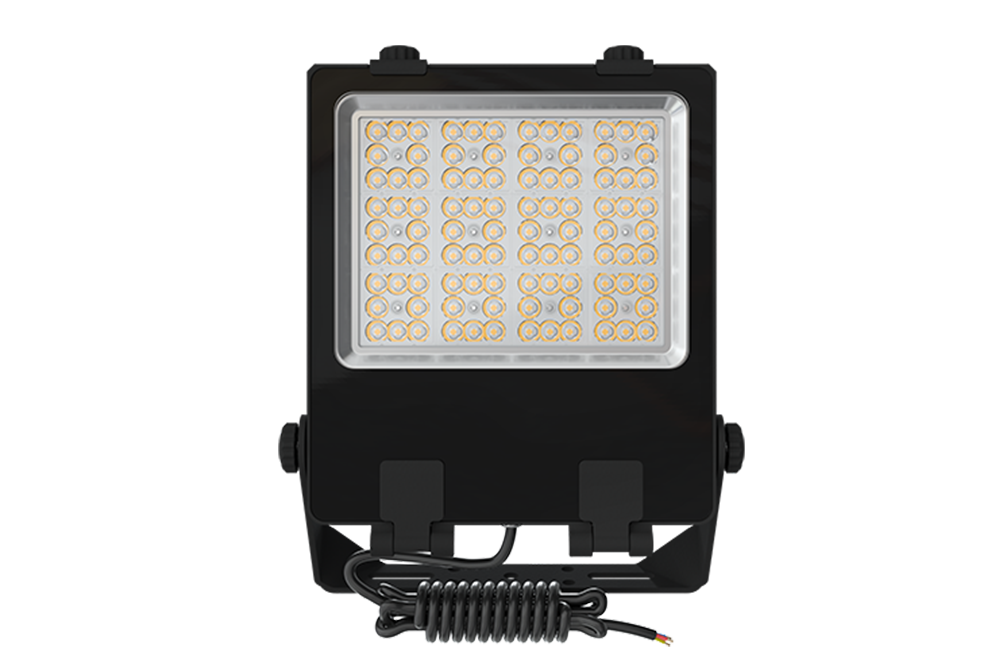
SEEKING FLX Series LED flood light outdoor for sports courts and open-area projects with 170lm/W efficiency, IP66 protection and multiple beam distributions. Designed for long-life commercial and public outdoor use.
View details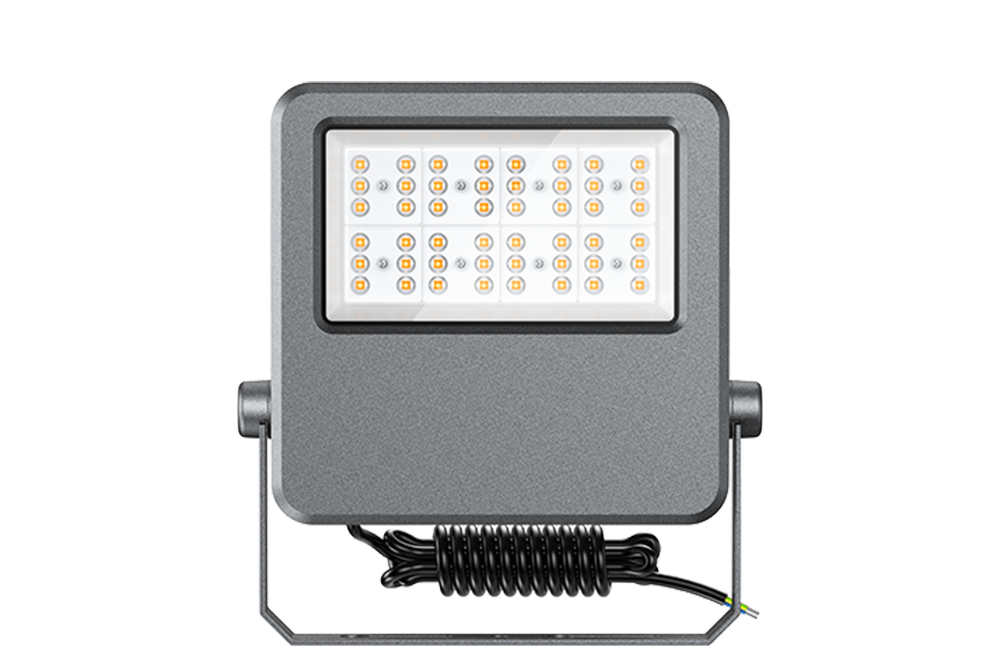
SEEKING FLE Series LED outdoor flood lights for sports grounds and open areas with multiple beam angles, IP66 protection and up to 170lm/W. Designed for long-life outdoor installations with professional driver options.
View details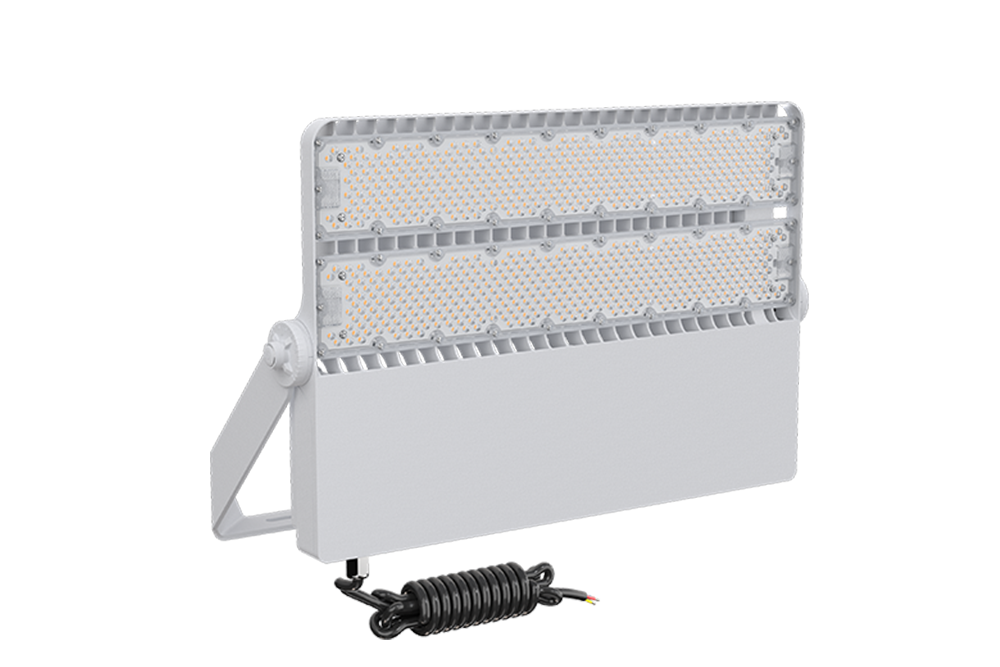
SEEKING FLD Series outdoor LED flood lights and high power led flood light deliver up to 960W with precision beam angles for sports fields, stadiums and large outdoor areas. IK08 & IP66 protection, 170lm/W efficiency and 100,000h lifetime.
View details
Explosion proof LED canopy lighting for hazardous fuel stations and industrial sites. Safe, low-glare, and reliable performance by SEEKINGLED.
View details
Explosion proof lights factory explained: certifications, production process, and real quality control insights. Learn how SEEKINGLED ensures safety and reliability.
View details
What is the most powerful LED flood light? Learn what power really means in outdoor flood lighting, beyond wattage numbers.
View details
What explosion proof LED floodlights are best suited for offshore platforms? Learn key certifications, corrosion resistance, and offshore lighting requirements from industry experts.
View details