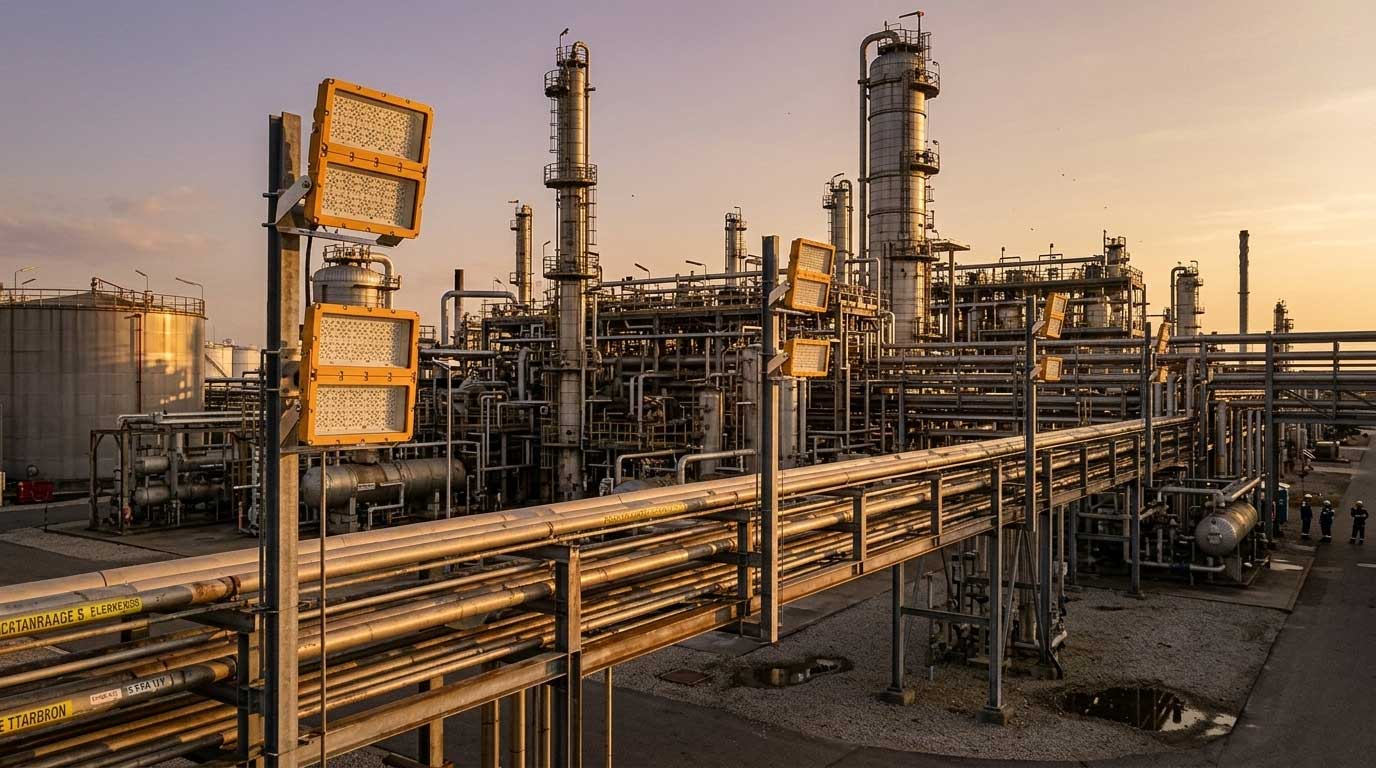
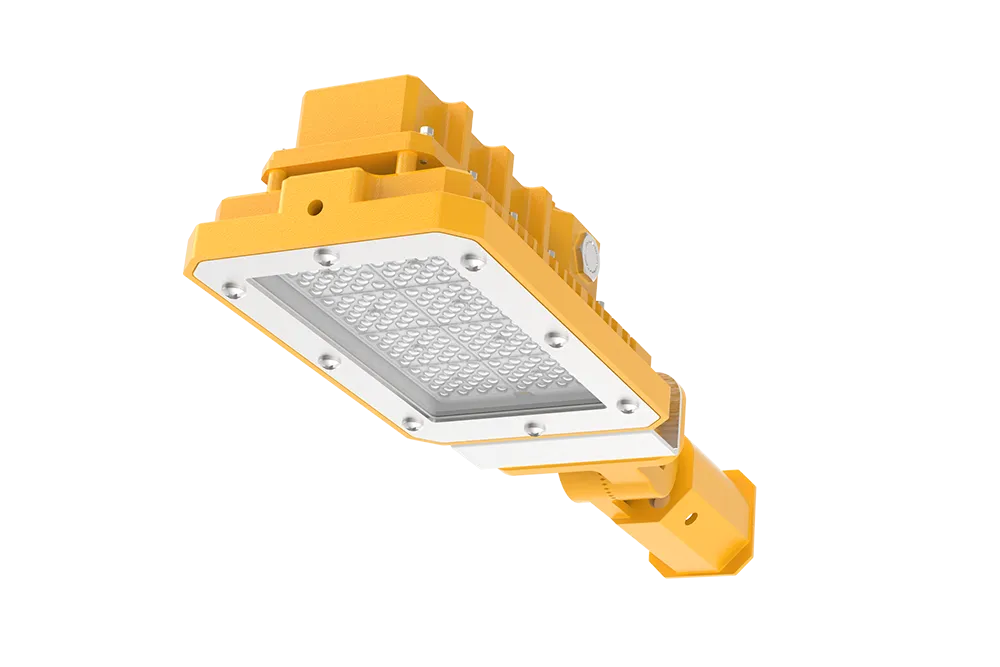
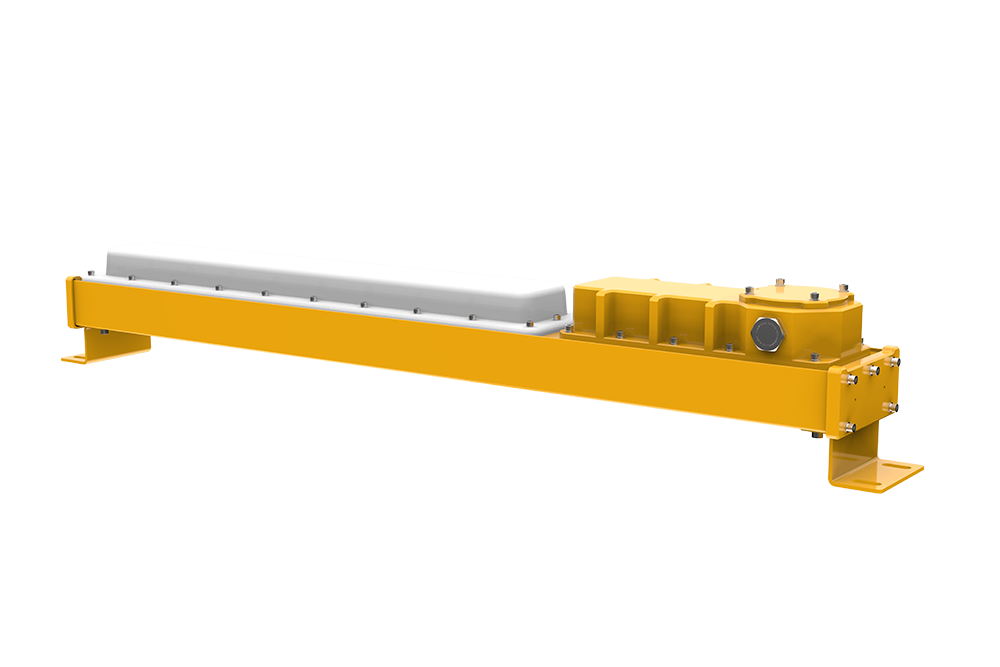
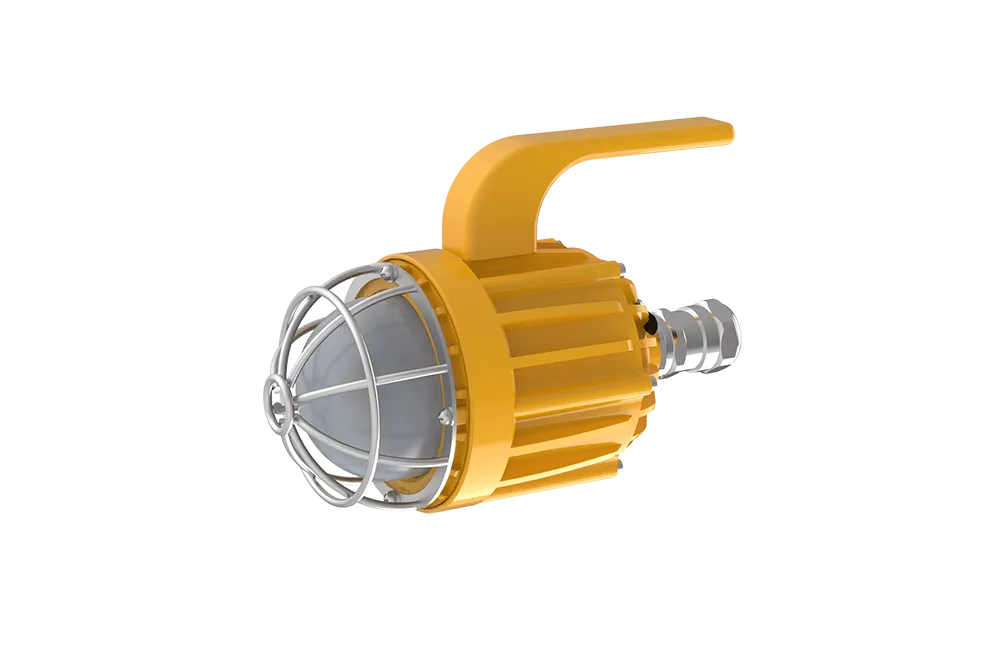
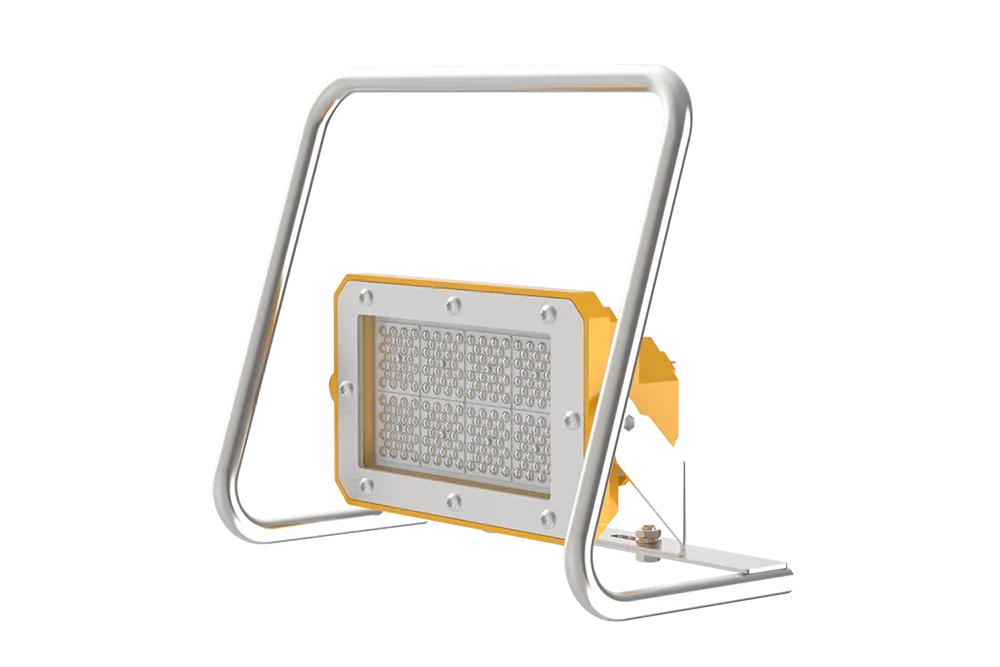
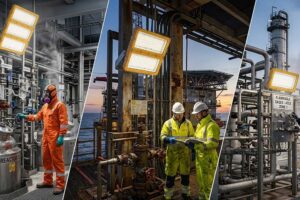
In refineries and offshore platforms, lighting is never “just lighting.” It is part of the safety system. Over the last 13 years working in industrial luminaires, especially hazardous location retrofits across Southeast Asia and the Middle East, I’ve learned that explosion proof led lighting is judged in silence — no failures, no temperature alarms, no compliance issues during audits.
At SEEKINGLED, I oversee product validation and have participated directly in ATEX and IECEx certification processes. I have also stood on pipe racks at 45°C ambient temperature during commissioning. That perspective shapes how I evaluate explosion proof led lighting — not by catalog specs, but by how it behaves in the field.
What Makes Lighting “Explosion Proof”?
Hazardous areas are classified where flammable gases, vapors, or combustible dust may be present. Global technical standards are defined by the International Electrotechnical Commission under IEC 60079. In Europe, compliance aligns with ATEX directives, while in North America, hazardous location rules are governed through the NEC framework administered by the National Fire Protection Association.
Explosion proof led lighting typically applies protection concepts such as:
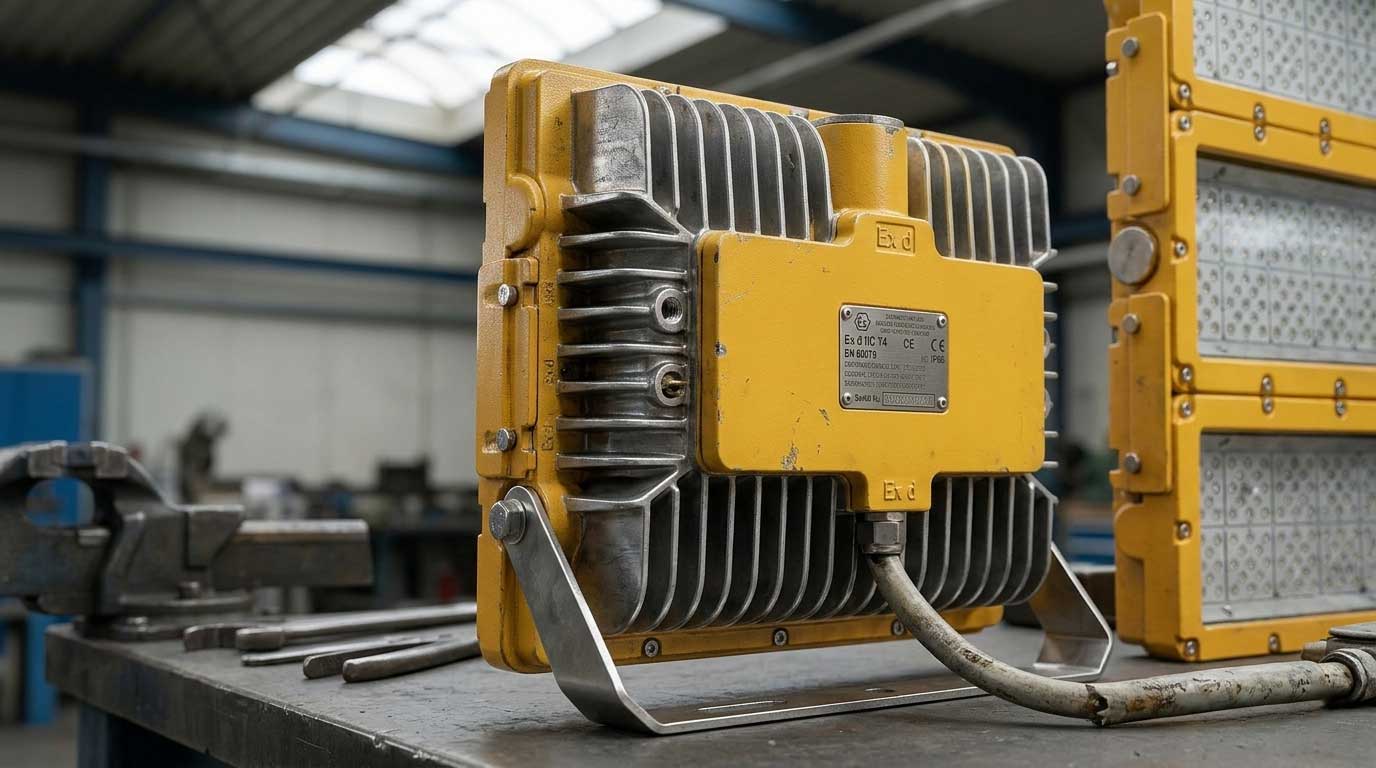
- Ex d (flameproof enclosure)
- Ex e (increased safety)
- Ex nR (restricted breathing)
- Ex tc (dust ignition protection)
In simple terms, the luminaire must contain any internal ignition and prevent the external atmosphere from being ignited by sparks or excessive heat. Temperature classification (T4, T5, T6) is not optional — it is measured under worst-case conditions.
During one refinery upgrade project, inspectors rejected several older luminaires because their surface temperature exceeded the declared T-class under high ambient load. That experience permanently changed how I approach thermal design validation.
Why LED Dominates Hazardous Lighting Today
Fifteen years ago, most hazardous sites relied on high-pressure sodium or metal halide lamps. They consumed more power and generated substantial heat.
According to the U.S. Department of Energy, LED lighting can reduce energy consumption by 50–70% compared to traditional HID systems in industrial applications. In hazardous environments, lower energy draw translates directly to:
- Reduced internal temperature rise
- Longer maintenance intervals
- Lower operational risk
However, sealing an LED driver and board inside a flameproof enclosure creates thermal complexity. Heat has limited paths to escape. In our lab, we simulate 55°C ambient temperature and run fixtures continuously to observe stabilization curves. Some drivers fail not in the first week, but after extended exposure cycles.
Explosion proof led lighting must be engineered for worst-case, not ideal-case, conditions.
Mechanical Strength Is Often Overlooked
Many failures I’ve seen were not electrical — they were mechanical. Corrosion, vibration, and poor cable gland integration cause early degradation.
The International Energy Agency highlights that system reliability strongly influences real-world energy performance. For hazardous areas, durability is inseparable from efficiency.
An effective explosion proof led lighting design should include:
- IP66 or IP67 sealing
- IK10 impact resistance
- Marine-grade anti-corrosion coating
- Stable flame path machining tolerance
On an offshore oil platform retrofit, we replaced several units where gasket aging led to moisture ingress after five years. Since then, we upgraded compression geometry and gasket material composition. Small details determine lifespan.
Installation Efficiency Matters
Energy savings attract attention, but installation efficiency determines real project cost. On one 180-unit refinery replacement project, switching to integrated terminal chambers reduced installation time by roughly 18% compared to external junction box systems.
Explosion proof led lighting must allow:
- Clear terminal access
- Stable mounting alignment
- Balanced weight distribution
Technicians working at height or within classified zones cannot afford complicated access steps. Good design simplifies field reality.
Documentation and Certification Transparency
Each explosion proof led lighting unit should clearly display:
- Certificate number
- Gas group (IIA, IIB, IIC)
- Temperature class
- Ambient operating range
Certification bodies verify flameproof containment under controlled pressure tests. Flame path clearances are measured with strict tolerances. At SEEKINGLED, we maintain production traceability linked to certification batches to avoid compliance discrepancies during inspections.
Auditors examine labels, not marketing brochures.
Final Thoughts from Field Experience
After more than a decade involved in hazardous area lighting engineering, I no longer evaluate fixtures by brightness alone. Explosion proof led lighting must operate reliably in heat, vibration, salt spray, and strict regulatory frameworks.
When properly engineered and validated, explosion proof led lighting reduces energy consumption, stabilizes maintenance cycles, and strengthens safety compliance. That balance between efficiency and risk control defines how we design at SEEKINGLED.
In high-risk industrial environments, explosion proof led lighting is not an upgrade — it is a responsibility.
explosion proof led lighting recommended
SEEKINGLED LED Linear Explosion Proof Light and Explosion Proof lighting is ATEX and IECEx certified for Zone 1, Zone 2, Zone 21 and Zone 22 hazardous locations, built for long-term industrial use.
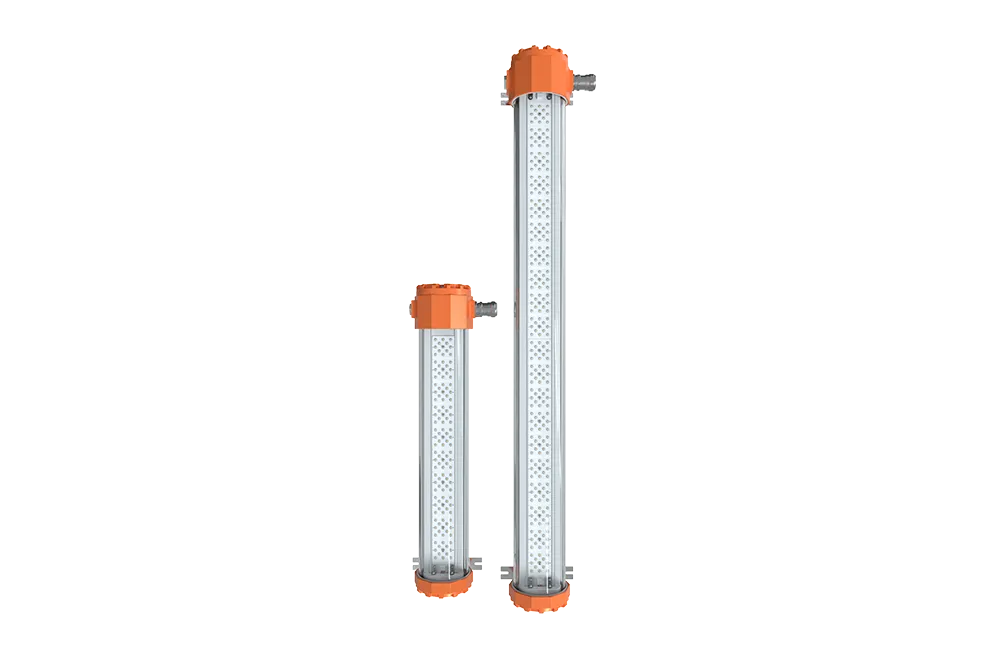
LED Linear Explosion Proof Lights and EX Proof lights for Zone 1, Zone 2, Zone 21 and Zone 22 hazardous areas. ATEX & IECEx certified explosion proof LED linear lighting with emergency function, adjustable power and IP67 protection by SEEKINGLED.
SEEKINGLED LED Explosion Proof Flood Lights are ATEX certified for Zone 2 and Zone 22 hazardous areas, offering high efficiency, adjustable power and integrated junction box.
SEEKINGLED LED Explosion Proof Flood Lights are flameproof ATEX and IECEx certified for Zone 1 and Zone 2 hazardous areas, offering high power, adjustable output and long service life.
SEEKINGLED LED Gas Station Canopy Lights are ATEX certified for Zone 2 and Zone 22 hazardous areas, featuring adjustable power and built-in explosion-proof junction box.
ATEX: Ex II 2G Ex db IIB T6/T5 GbEx II 2D Ex tb IIIC T80°C/ T95°C Db IECEx Ex db IIB T6 Gb;Ex tb IIIC T80°C Db Feature: ● For Zone 1,2 and Zone 21,22● Flameproof type, the strongest● 100W can replace 250W HID,energy saving● Power:60W,80W,10…
ATEX: II 3G Ex nR ⅡC T5/T6 GcII 3D Ex tc ⅢC T80℃/T95℃Dc ATEX Certificate NO: TÜV CY 26 ATEX 0207611 X Feature: ● For Zone 2 and Zone 22● 150W can replace 250W HID lamps,Energy saving● Power:50W,75W,100W,150W,200W Application: Oil and gas, m…
LED explosion proof high bay lights are designed for Zone 1, Zone 2, Zone 21 and Zone 22 hazardous areas. This page introduces the HB21 Series from SEEKING, including certifications, power options and real application considerations.
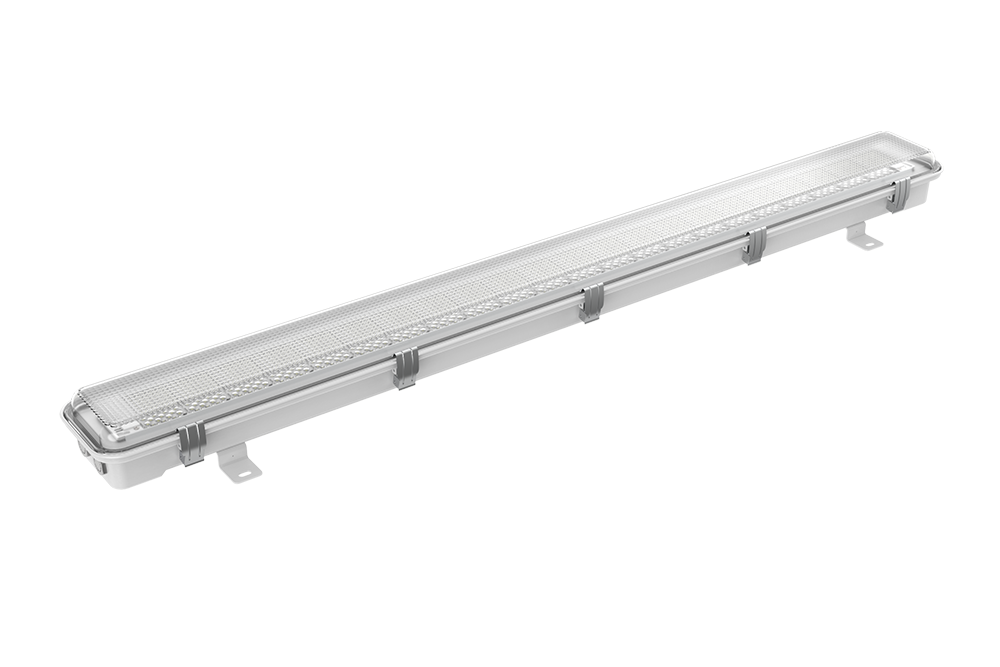
LED Linear Explosion Proof Lights from SEEKINGLED. LU Series Flame Proof lights ATEX-certified explosion proof LED linear lighting for Zone 2 gas and Zone 22 dust areas, IP69K, IK10, long lifetime and flexible power options.
Certified explosion proof work lights for Zone 1 & 21 hazardous areas. Portable, ATEX & IECEx approved, built for oil, gas and chemical plants by SEEKINGLED.
ATEX: II 3G Ex nR ⅡC T6 GcII 3D Ex tc ⅢC T80℃ Dc ATEX Certificate NO: TÜV CY 26 ATEX 0207611 X Feature: ● For Zone 2 and Zone 22● Accepts battery-powered supply● indestructible● Power:AC input:50W,75W,100WDC input:15W,25W,35W Application: O…
ATEX: Ex II 2G Ex db IIB T6 GbEx II 2D Ex tb IIIC T80°C Db IECEx Ex db IIB T6 Gb;Ex tb IIIC T80°C Db Feature: ● For Zone 1,2 and Zone 21,22● Flameproof type, the strongest Application: Oil and gas, marine, Chemical, pharmaceutical, semicondu…
ATEX: Ex II 2G Ex db IIB T6 GbEx II 2D Ex tb IIIC T80°C Db IECEx Ex db IIB T6 Gb;Ex tb IIIC T80°C Db Feature: ● For Zone 1,2 and Zone 21,22● Flameproof type, the strongest Application: Oil and gas, marine, Chemical, pharmaceutical, semicondu…
ATEX: Ex II 2G Ex d e IIB T6 Gb ATEX: Ex d e IIB T6 Gb; Feature: ● For Zone 1,2● 9W can replace 18W fluorescent lamps,50% Energy saving Application: Oil and gas, marine, Chemical, pharmaceutical, semiconductor,mining,military industry, pain…
loading…
This is the last post!
 Seeking LED