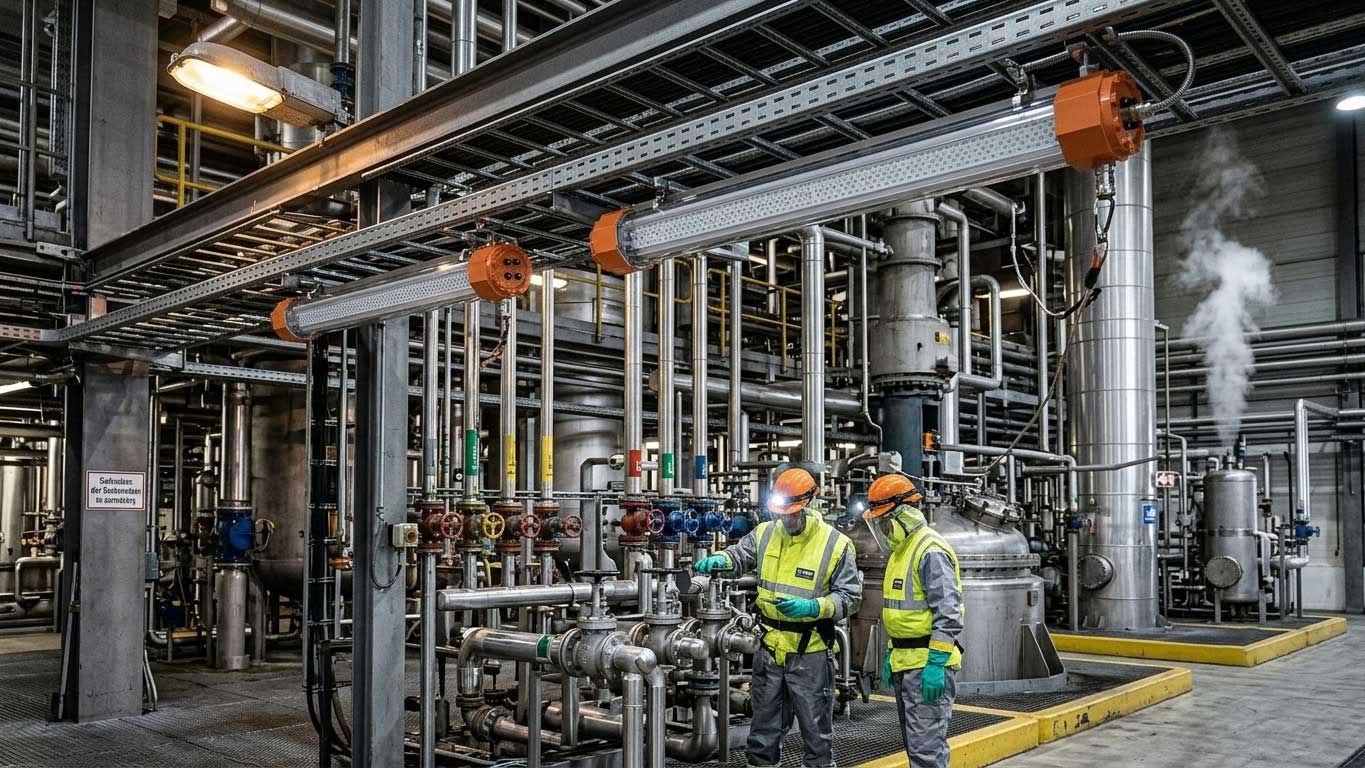
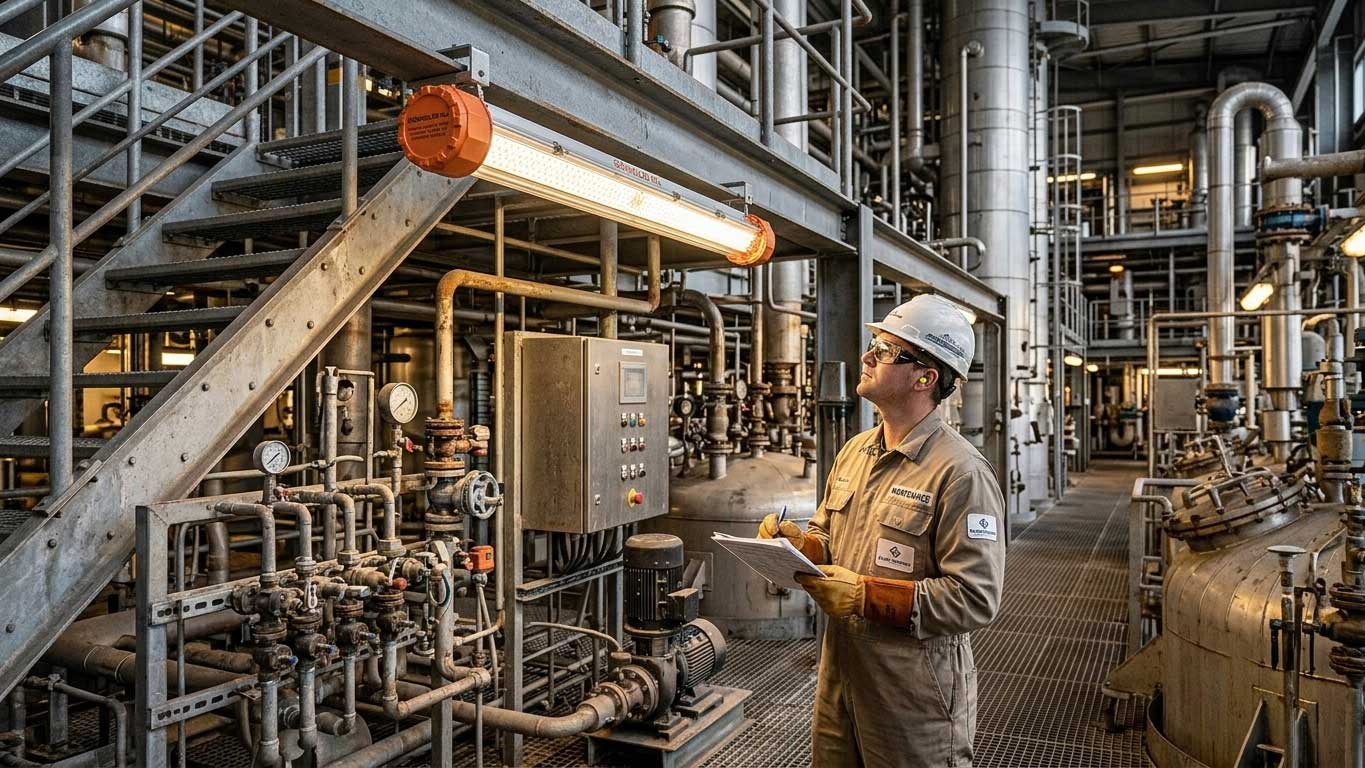
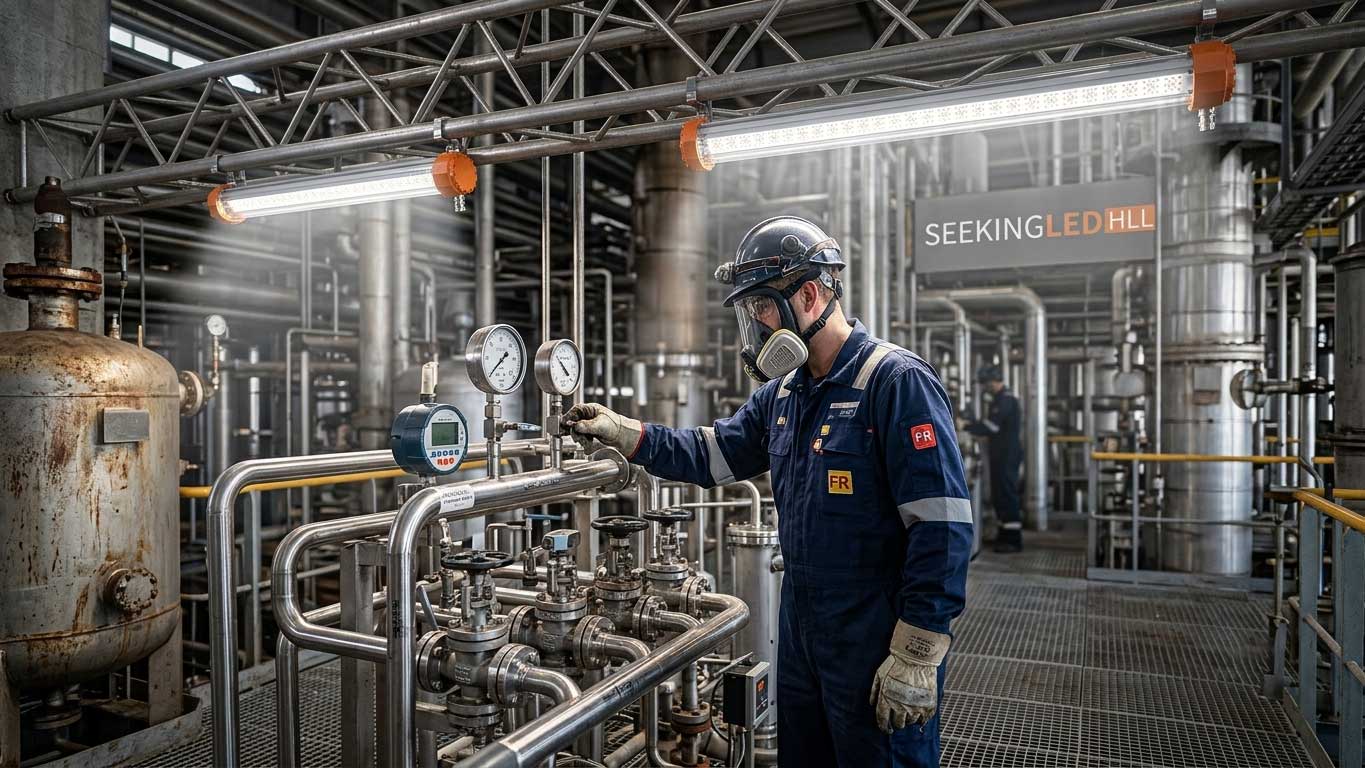
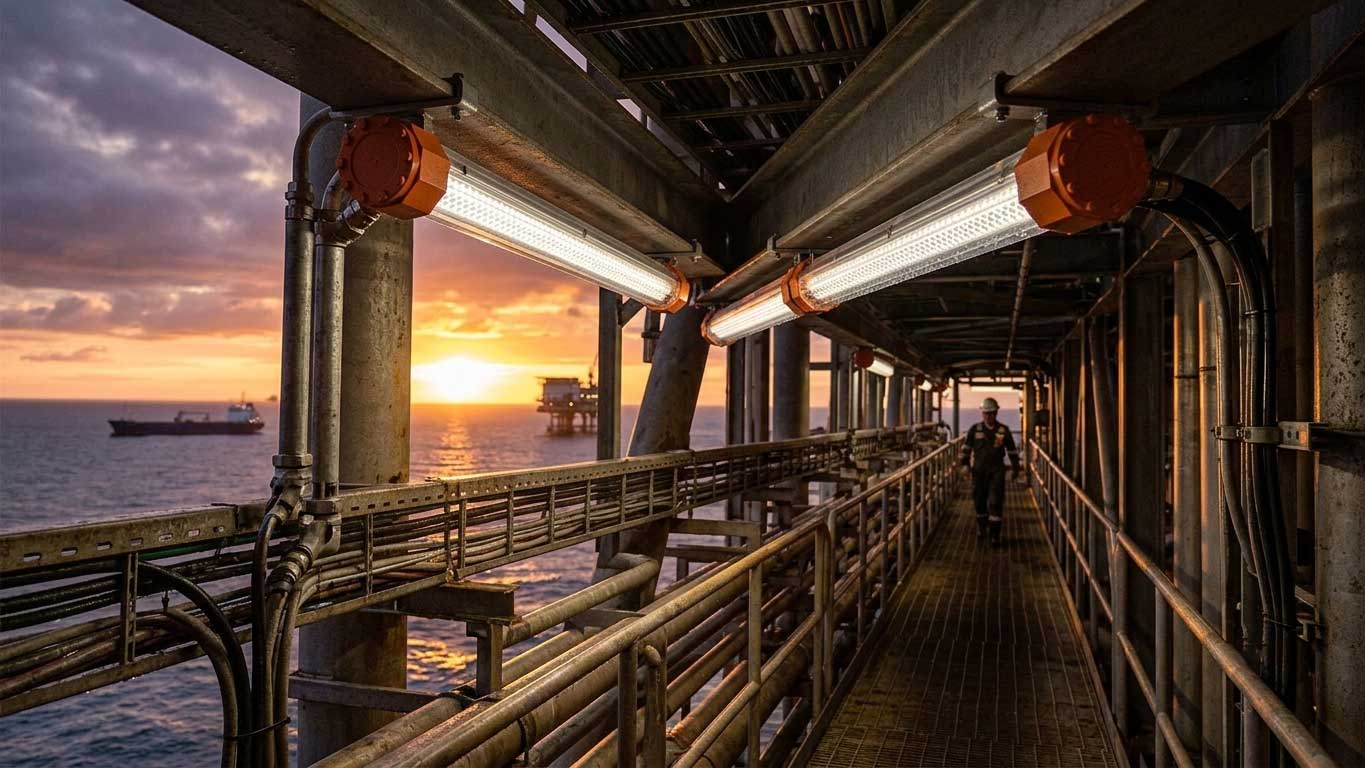
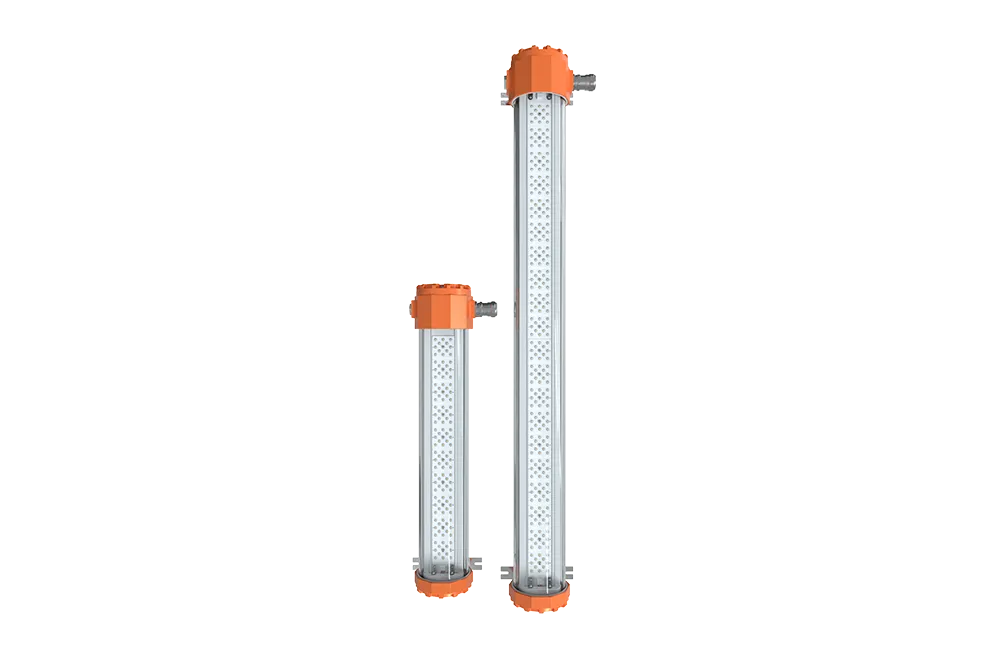
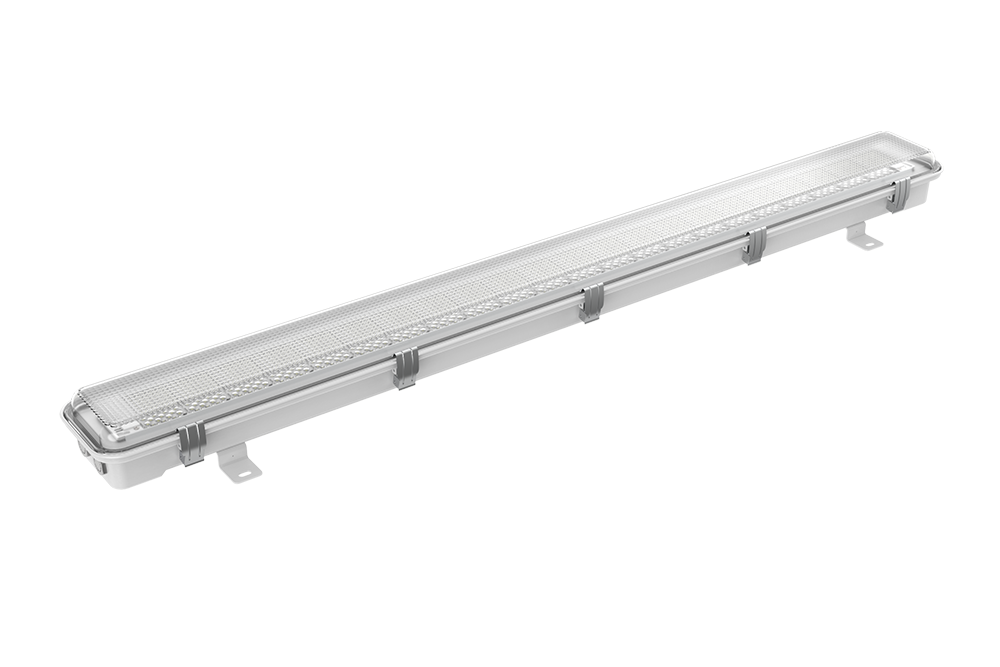
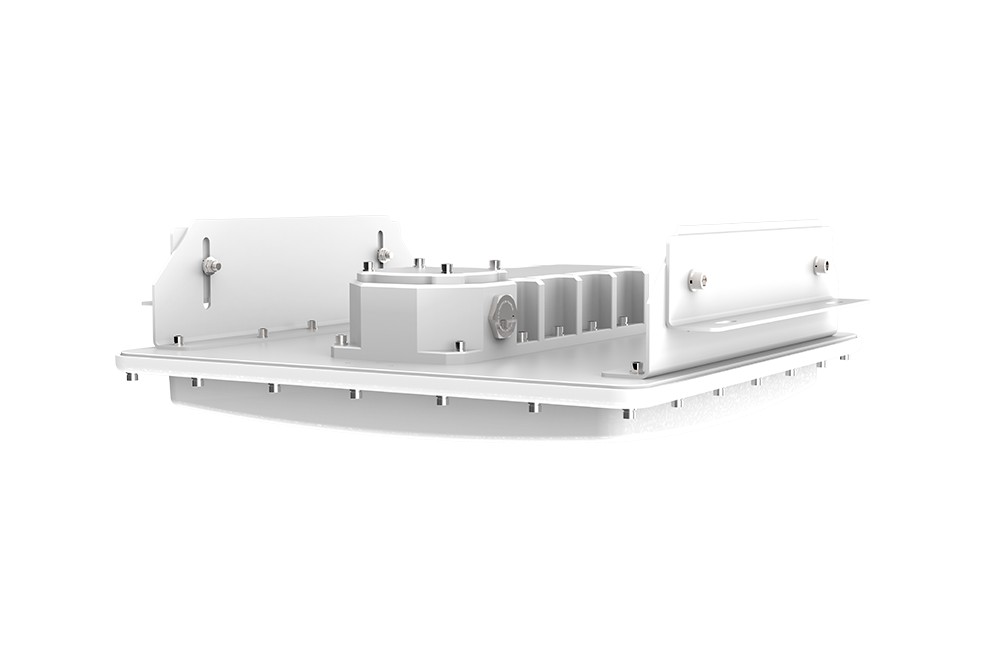
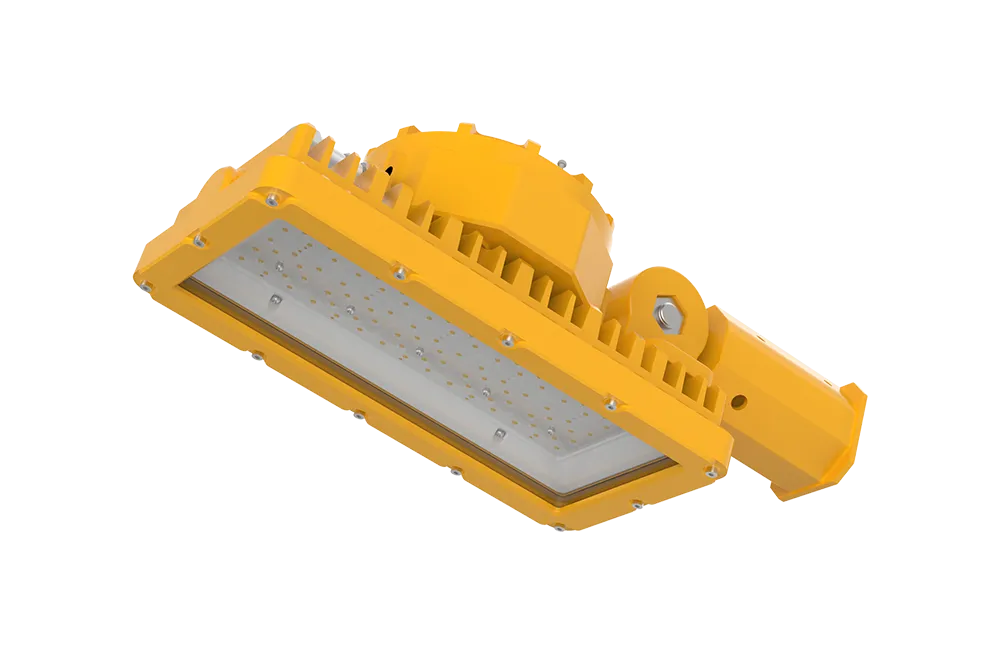
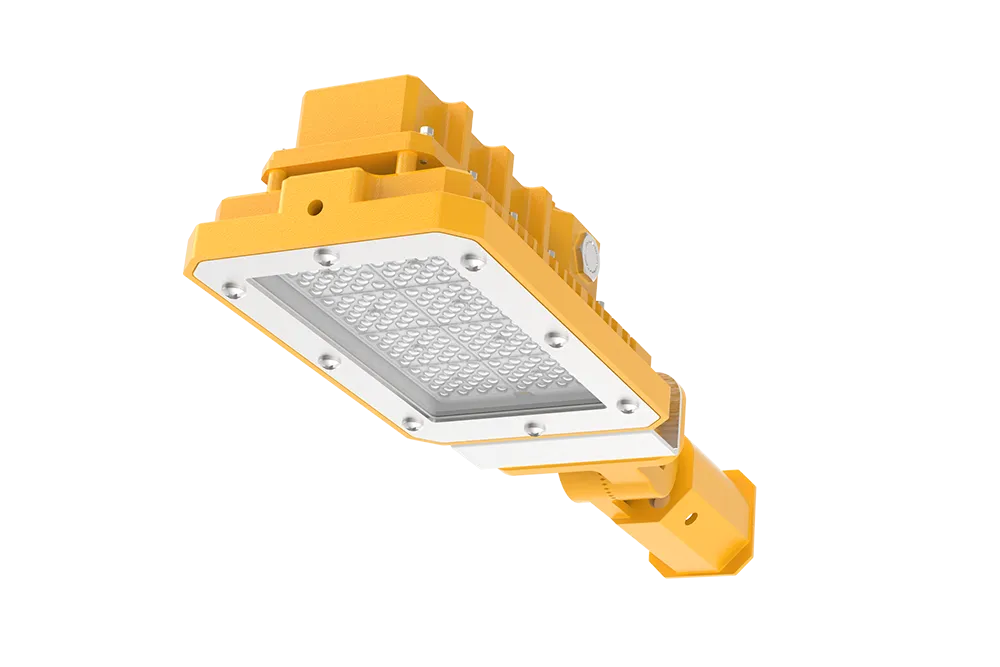
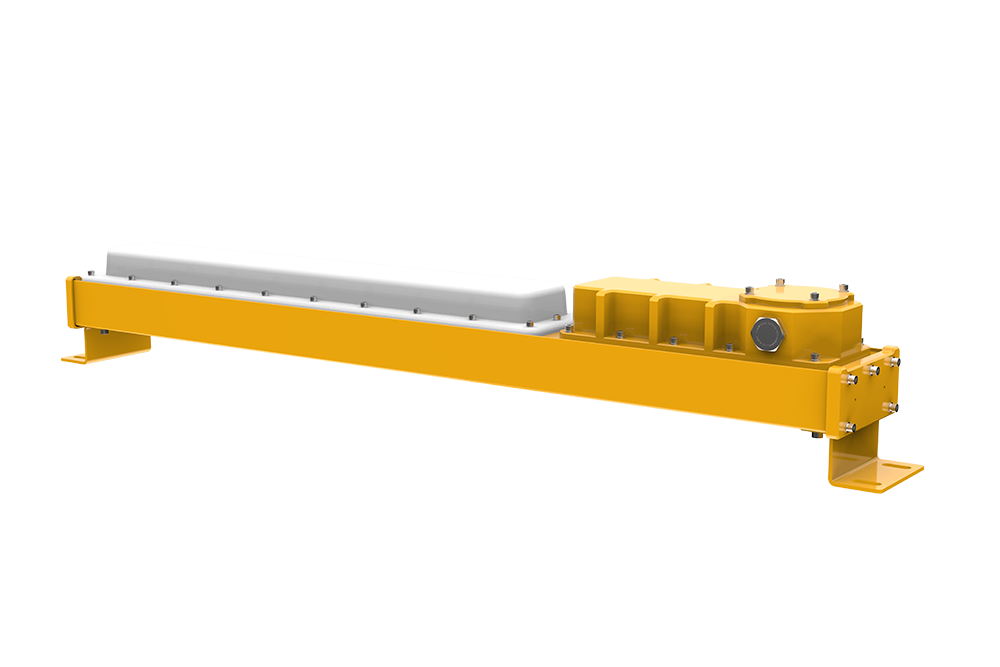
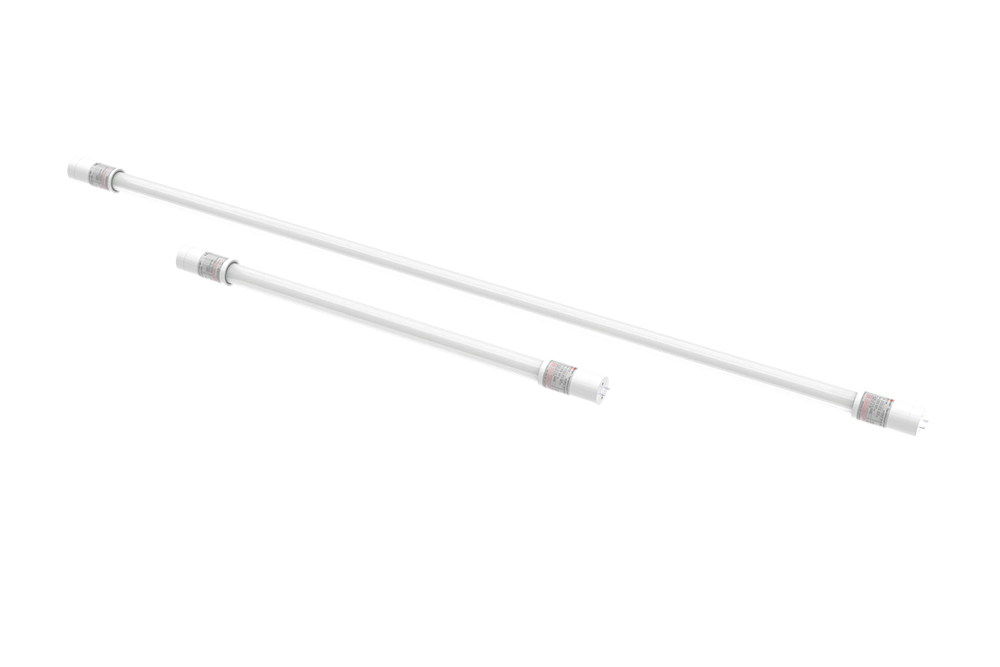
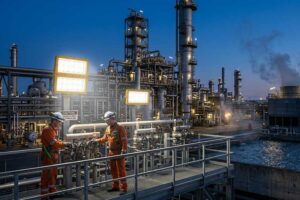
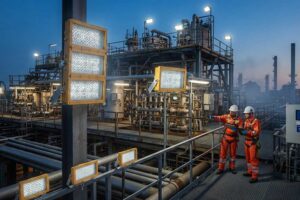
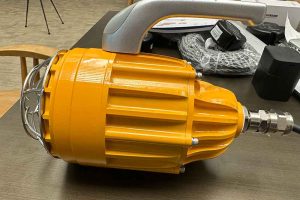
HLL linear LED lighting hazardous area fixtures are engineered to provide safe, reliable illumination in explosive gas and dust environments. Certified luminaires reduce ignition risks, improve visibility, lower maintenance costs, and help industrial facilities comply with international hazardous-location standards while delivering long service life.
During nearly a decade of working with hazardous area lighting projects, I have noticed one recurring problem. Many facilities invest heavily in explosion protection systems but underestimate the importance of selecting the right lighting. In reality, lighting operates continuously, often under harsh chemical exposure, vibration, and extreme temperatures. One unsuitable luminaire can become both a maintenance burden and a safety concern.Visit the product page: Explosion proof lights
At SEEKINGLED, our engineering team has supported lighting projects for offshore platforms, petrochemical plants, chemical processing facilities, and industrial warehouses. Every project reinforces the same lesson: hazardous area lighting should never be selected by lumen output alone. Certification, thermal management, optical design, and enclosure durability matter just as much.
What Is HLL Linear LED Lighting Hazardous Area?
HLL linear LED lighting hazardous area products are specialized luminaires designed specifically for locations where flammable gases, vapors, or combustible dust may be present. Unlike conventional industrial lighting, these fixtures are engineered to eliminate potential ignition sources through certified enclosure design, controlled surface temperatures, and robust electrical protection.
Rather than simply producing light, they become part of the facility’s overall explosion protection strategy.
Typical applications include:
Oil & gas production facilities
LNG terminals
Offshore drilling platforms
Chemical manufacturing plants
Pharmaceutical production
Paint spray booths
Grain processing facilities
Wastewater treatment plants
Marine engine rooms
International safety standards classify hazardous locations according to the probability of explosive atmospheres occurring. Selecting lighting that matches these classifications is essential for both personnel safety and regulatory compliance.
According to the International Electrotechnical Commission (IEC), hazardous locations must be evaluated based on gas group, temperature class, and zone classification before electrical equipment is selected. IEC 60079 remains one of the world’s most widely adopted standards for explosive atmospheres.
Why Certification Matters More Than Brightness
Many buyers initially compare fixtures based on lumens or wattage. Experienced engineers usually start somewhere else.
Their first question is:
“What certifications does this luminaire hold?”
That question often determines whether the product can legally be installed.
The most recognized certifications include:
Certification
Primary Market
Purpose
ATEX
European Union
Equipment for explosive atmospheres
IECEx
Global
International explosion protection certification
UL844
North America
Hazardous location electrical equipment
CSA
Canada
Certified hazardous industrial equipment
These certifications verify that the luminaire has successfully passed rigorous testing for:
Explosion containment
Surface temperature limits
Impact resistance
Dust ingress protection
Water ingress protection
Electrical insulation
Mechanical durability
According to the European Commission’s ATEX guidance, only appropriately certified electrical equipment may be installed within designated hazardous zones under the applicable directives.
Brightness is valuable.
Compliance is mandatory.
Understanding Hazardous Area Classifications
Choosing the wrong fixture often starts with misunderstanding the environment.
Hazardous locations are generally divided according to how frequently explosive atmospheres occur.
Zone 0
Explosive gas is continuously present or remains present for long periods.
Lighting options are extremely limited due to the elevated ignition risk.
Zone 1
Explosive atmospheres may occur during normal operation.
This is one of the most common environments where HLL linear LED lighting hazardous area fixtures are installed, particularly around chemical reactors, loading stations, and process equipment.
Zone 2
Explosive gas is unlikely during normal operation but could occur under abnormal conditions such as equipment failure or accidental leakage.
Many warehouse process areas, compressor rooms, and utility buildings fall within this classification.
For combustible dust, equivalent classifications (Zone 20, Zone 21, and Zone 22) are applied using similar risk principles.
The U.S. Occupational Safety and Health Administration (OSHA) notes that hazardous locations require equipment suitable for the specific classified area because ignition sources must be effectively controlled in normal operation as well as foreseeable fault conditions.
How HLL Linear LED Lighting Hazardous Area Improves Safety and Reduces Operating Costs
One question comes up in almost every project meeting:
“Is the higher upfront investment really worth it?”
From our experience, the answer is almost always yes—provided the fixture is correctly specified for the hazardous location.
In a petrochemical expansion project we supported, the client initially planned to replace aging fluorescent explosion-proof fixtures with products of similar output. After reviewing the site conditions, our engineers recommended a different optical distribution and higher-efficiency HLL linear LED lighting hazardous area solution. Six months after commissioning, the maintenance team reported noticeably fewer service interventions because the new luminaires maintained consistent illumination and required no lamp replacements during that period.
The biggest savings often come from maintenance rather than electricity alone.
Replacing a luminaire inside a hazardous area rarely involves a single technician. Work permits, gas detection, equipment isolation, elevated work platforms, and production scheduling all add hidden costs. Every avoided maintenance visit has measurable operational value.
The U.S. Department of Energy reports that LED lighting can reduce lighting energy consumption substantially compared with conventional technologies while providing significantly longer service life, making lifecycle cost—not purchase price—the better investment metric. Reference:https://www.energy.gov/eere/ssl
Beyond energy savings, properly designed HLL linear LED lighting hazardous area fixtures contribute to safer working conditions by providing:
Uniform illumination that minimizes dark spots around equipment
High color rendering for reading gauges, labels, and warning signs
Instant full brightness after power restoration
Reduced flicker compared with aging fluorescent systems
Stable performance across wide ambient temperature ranges
For operators working around rotating machinery or complex pipe networks, these practical improvements are often more valuable than a small increase in lumen output.
Key Features to Compare Before Purchasing
Not every hazardous area luminaire performs equally, even if specifications appear similar.
The following checklist reflects the evaluation process our engineering team typically follows before recommending a product.
Feature
Why It Matters
Explosion protection certification
Confirms compliance for the intended hazardous zone
Housing material
Corrosion resistance and mechanical durability
IP rating
Protection against dust and water ingress
IK rating
Resistance to mechanical impact
Operating temperature
Stable performance in hot or cold environments
Driver quality
Influences reliability and service life
Optical distribution
Determines lighting uniformity and glare control
Color temperature
Affects worker comfort and visual accuracy
Color Rendering Index (CRI)
Improves identification of labels, wiring, and equipment
Warranty and technical support
Reduces long-term ownership risk
One specification deserves particular attention: surface temperature.
Certified hazardous area luminaires are designed so that external temperatures remain below the ignition temperature of the surrounding explosive atmosphere. This requirement is central to the protection concept defined in IEC 60079 and should never be overlooked during product selection.
HLL Linear LED Lighting vs Traditional Explosion-Proof Fluorescent Lighting
Many industrial facilities are still operating fluorescent hazardous area fixtures installed more than a decade ago.
The differences become apparent when comparing lifecycle performance rather than initial purchase price.
Feature
HLL Linear LED Lighting Hazardous Area
Traditional Fluorescent Fixture
Energy efficiency
High
Moderate
Lamp replacement
Not required for many years
Frequent
Startup time
Instant
Delayed in low temperatures
Vibration resistance
Excellent
Limited
Maintenance frequency
Low
High
Optical performance
Stable over time
Declines as lamps age
Overall operating cost
Lower lifecycle cost
Higher maintenance cost
Although fluorescent technology served industrial facilities well for decades, most new hazardous-area projects now specify LED systems because of their higher efficiency, longer operational life, and reduced maintenance requirements.
Selecting the Right HLL Linear LED Lighting Hazardous Area Fixture
Choosing the right fixture begins with understanding the environment—not the product catalog.
Before making a specification, gather the following information:
Hazardous area classification (Zone 1, Zone 2, Zone 21, or Zone 22)
Gas or dust group
Required temperature class
Mounting height
Target illuminance level
Ambient operating temperature
Exposure to chemicals, salt spray, or moisture
Power supply requirements
Emergency lighting requirements, if applicable
Only after these conditions are defined should lumen output, beam angle, and fixture dimensions be finalized.
This approach helps prevent over-specification while ensuring compliance with site safety requirements.
Why Industrial Customers Choose SEEKINGLED
At SEEKINGLED, hazardous area lighting development focuses on long-term reliability rather than laboratory specifications alone.
Our engineering process includes:
Thermal simulation during product development
Optical optimization for industrial workspaces
Corrosion-resistant materials suitable for demanding environments
Strict quality inspections before shipment
Technical support for project-specific lighting selection
Instead of recommending a single product for every application, we evaluate each project according to its hazardous classification, installation environment, and maintenance objectives. This engineering-first approach helps customers select lighting systems that remain dependable throughout years of industrial operation.
FAQ About HLL Linear LED Lighting Hazardous Area
Is HLL linear LED lighting hazardous area suitable for Zone 1 installations?
Yes. Models certified for Zone 1 applications are specifically designed for locations where explosive gas atmospheres may occur during normal operation. Always verify that the certification matches the classified area before installation.
Can LED lighting reduce maintenance costs in hazardous areas?
Yes. Because LEDs have significantly longer service lives than fluorescent lamps, facilities generally perform fewer maintenance interventions, reducing labor, production interruptions, and replacement component costs.
What IP rating should hazardous area lighting have?
Most industrial applications require high ingress protection, commonly IP66 or above, depending on exposure to dust, water, washdown procedures, or outdoor conditions.
What industries commonly use HLL linear LED lighting hazardous area fixtures?
Typical industries include:
Oil and gas
Petrochemical processing
Chemical manufacturing
Pharmaceutical production
Marine engineering
Food processing
Mining
Wastewater treatment
How long does an industrial hazardous area LED fixture typically last?
Service life varies by operating conditions and driver quality, but high-quality industrial LED luminaires are commonly designed for 50,000–100,000 operating hours under rated conditions.
Why is certification more important than brightness?
Brightness improves visibility, but certification confirms the luminaire can operate safely without becoming an ignition source. Compliance with applicable hazardous-area standards is a mandatory safety requirement.
Conclusion
Selecting the right HLL linear LED lighting hazardous area solution is ultimately about protecting people, maintaining regulatory compliance, and minimizing long-term operating costs. A certified fixture should deliver far more than high lumen output—it must withstand demanding industrial environments while maintaining safe operating temperatures, reliable optical performance, and consistent durability over years of continuous service.
At SEEKINGLED, we believe hazardous-area lighting should be engineered around real operating conditions rather than theoretical specifications. By combining certified explosion protection, efficient LED technology, and application-focused engineering support, we help industrial facilities build lighting systems that remain dependable throughout their entire service life.
References
International Electrotechnical Commission (IEC). IEC 60079 – Explosive Atmospheres. https://www.iec.ch
SEEKINGLED LED Linear Explosion Proof Light and Explosion Proof lighting is ATEX and IECEx certified for Zone 1, Zone 2, Zone 21 and Zone 22 hazardous locations, built for long-term industrial use.
LED Linear Explosion Proof Lights and EX Proof lights for Zone 1, Zone 2, Zone 21 and Zone 22 hazardous areas. ATEX & IECEx certified explosion proof LED linear lighting with emergency function, adjustable power and IP67 protection by SEEKINGLED.
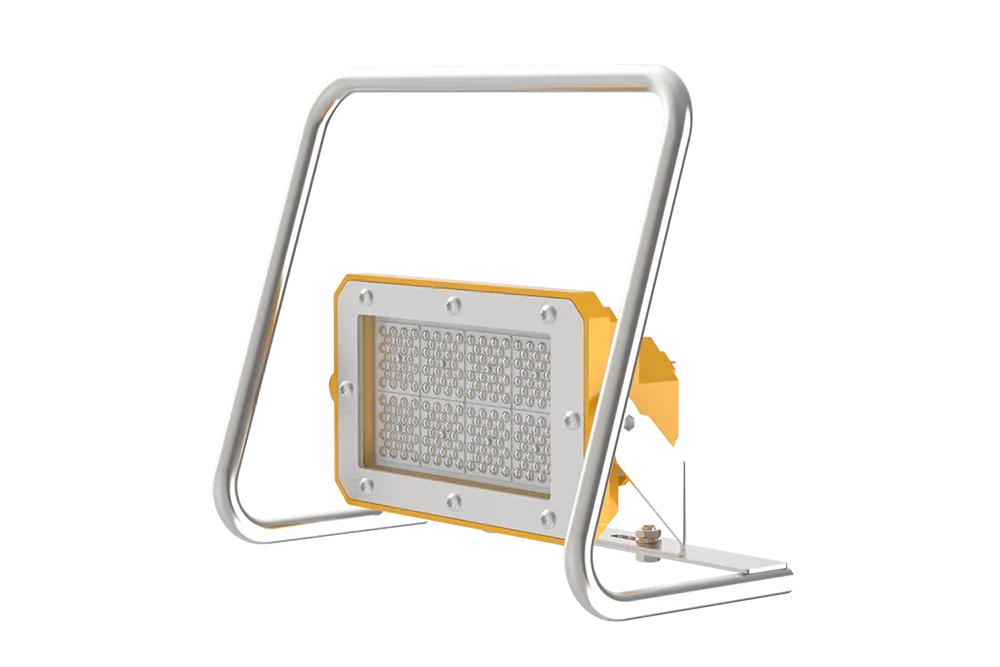
SEEKINGLED LED Explosion Proof Flood Lights are ATEX certified for Zone 2 and Zone 22 hazardous areas, offering high efficiency, adjustable power and integrated junction box.
SEEKINGLED LED Explosion Proof Flood Lights are flameproof ATEX and IECEx certified for Zone 1 and Zone 2 hazardous areas, offering high power, adjustable output and long service life.
SEEKINGLED LED Gas Station Canopy Lights are ATEX certified for Zone 2 and Zone 22 hazardous areas, featuring adjustable power and built-in explosion-proof junction box.
ATEX: Ex II 2G Ex db IIB T6/T5 GbEx II 2D Ex tb IIIC T80°C/ T95°C Db IECEx Ex db IIB T6 Gb;Ex tb IIIC T80°C Db Feature: ● For Zone 1,2 and Zone 21,22● Flameproof type, the strongest● 100W can replace 250W HID,energy saving● Power:60W,80W,100W Application: Oil and gas, marine, Chemical, pharmaceutical, semiconductor,mining,military industr…
ATEX: II 3G Ex nR ⅡC T5/T6 GcII 3D Ex tc ⅢC T80℃/T95℃Dc ATEX Certificate NO: TÜV CY 26 ATEX 0207611 X Feature: ● For Zone 2 and Zone 22● 150W can replace 250W HID lamps,Energy saving● Power:50W,75W,100W,150W,200W Application: Oil and gas, marine, Chemical, pharmaceutical, semiconductor,mining,military industry, paint booth,power plant ETC…
LED explosion proof high bay lights are designed for Zone 1, Zone 2, Zone 21 and Zone 22 hazardous areas. This page introduces the HB21 Series from SEEKING, including certifications, power options and real application considerations.
LED Linear Explosion Proof Lights from SEEKINGLED. LU Series Flame Proof lights ATEX-certified explosion proof LED linear lighting for Zone 2 gas and Zone 22 dust areas, IP69K, IK10, long lifetime and flexible power options.
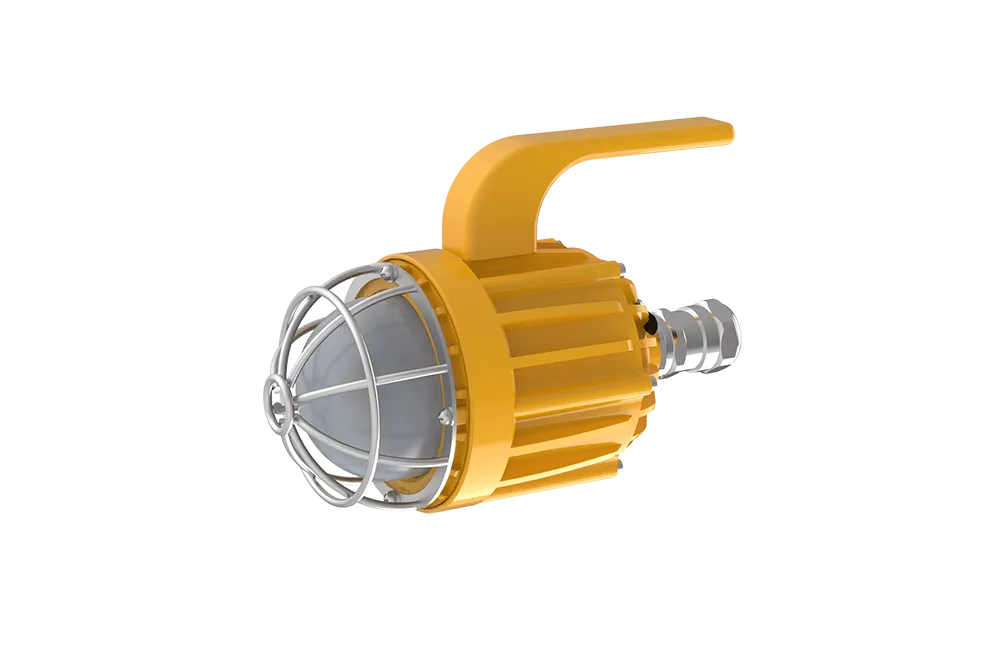
Certified explosion proof work lights for Zone 1 & 21 hazardous areas. Portable, ATEX & IECEx approved, built for oil, gas and chemical plants by SEEKINGLED.
ATEX: II 3G Ex nR ⅡC T6 GcII 3D Ex tc ⅢC T80℃ Dc ATEX Certificate NO: TÜV CY 26 ATEX 0207611 X Feature: ● For Zone 2 and Zone 22● Accepts battery-powered supply● indestructible● Power:AC input:50W,75W,100WDC input:15W,25W,35W Application: Oil and gas, marine, Chemical, pharmaceutical, semiconductor,mining,military industry, paint booth,po…
ATEX: Ex II 2G Ex db IIB T6 GbEx II 2D Ex tb IIIC T80°C Db IECEx Ex db IIB T6 Gb;Ex tb IIIC T80°C Db Feature: ● For Zone 1,2 and Zone 21,22● Flameproof type, the strongest Application: Oil and gas, marine, Chemical, pharmaceutical, semiconductor,mining,military industry, paint booth,power plant ETC hazardous area. Technical Specifications:…
ATEX: Ex II 2G Ex db IIB T6 GbEx II 2D Ex tb IIIC T80°C Db IECEx Ex db IIB T6 Gb;Ex tb IIIC T80°C Db Feature: ● For Zone 1,2 and Zone 21,22● Flameproof type, the strongest Application: Oil and gas, marine, Chemical, pharmaceutical, semiconductor,mining,military industry, paint booth,power plant ETC hazardous area. Technical Specifications:…
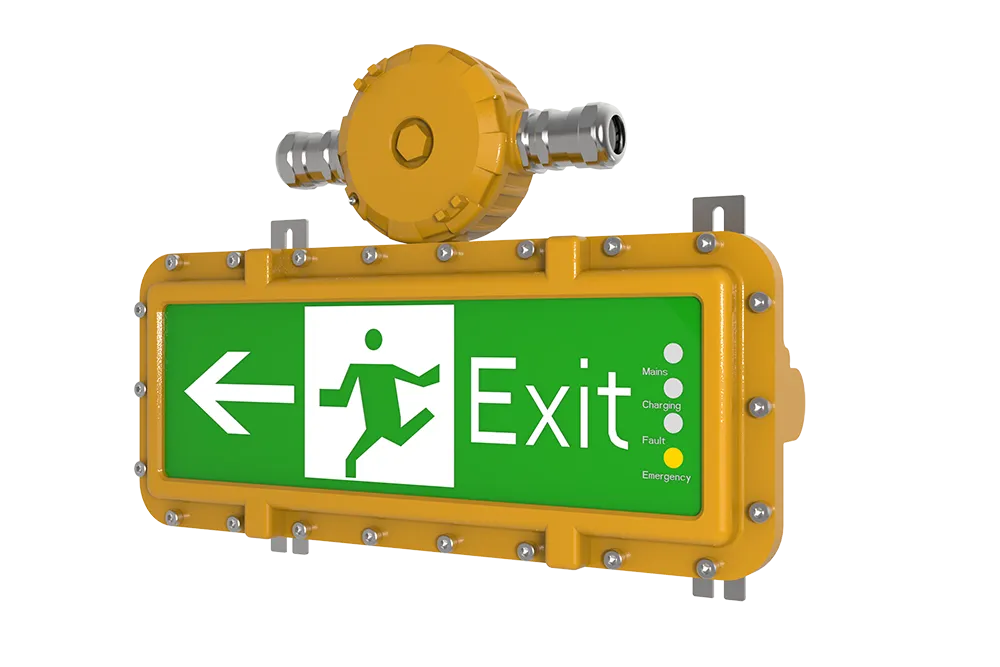
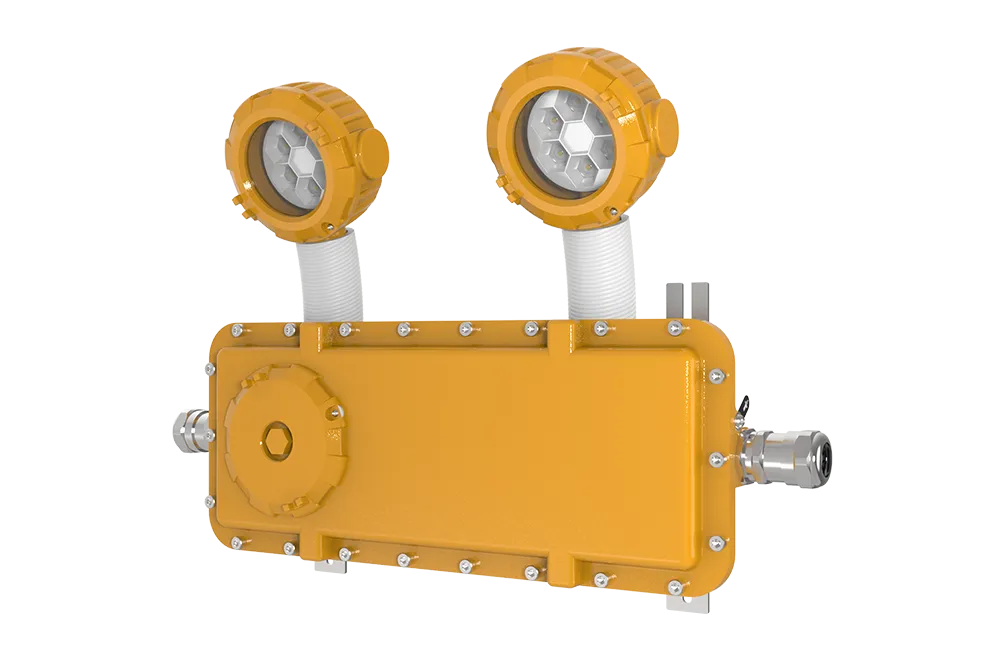
ATEX: Ex II 2G Ex d e IIB T6 Gb ATEX: Ex d e IIB T6 Gb; Feature: ● For Zone 1,2● 9W can replace 18W fluorescent lamps,50% Energy saving Application: Oil and gas, marine, Chemical, pharmaceutical, semiconductor,mining,military industry, paint booth,power plant ETC hazardous area. Technical Specifications: Standards:60079-0, 60079-1, 60079…
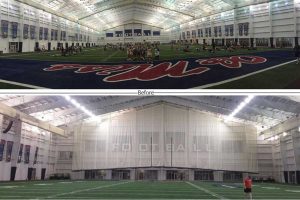
Installed SEEKINGLED Sports Stadium LED Lighting at the University of Mississippi rugby field, replacing metal halide lights with high bay and flood LED lights for better visibility and energy efficiency.
Hazardous area lighting fixtures provide certified protection in explosive environments. Learn how to select, install, and maintain ATEX and LED fixtures safely.
Explore atex zone 2 lighting designed for hazardous gas environments. Learn protection standards, industrial applications, and selection tips from SEEKINGLED.
Hazardous Area Working Lights designed for explosive environments. SEEKINGLED delivers durable, ATEX-ready industrial lighting solutions for oil, gas, and chemical sites.
 Seeking LED