 Seeking LED
XJ-HBS100W & 150W High Bays in Indiana, USA
283XJ-HBS100W & 150W high bays in Indiana USA chemical plant replacing 250W and 400W HPS lights. Project record by SEEKINGLED engineering team with real energy data and on-site decisions.
View detailsSearch the whole station
ATEX LED flood lights are certified explosion-protected lighting fixtures designed for hazardous environments where flammable gases, vapors, or combustible dust may create ignition risks. They combine powerful illumination with strict ATEX safety compliance.
In hazardous industrial environments, lighting performance cannot be measured only by lumen output. A refinery, chemical plant, or offshore platform requires a lighting solution that remains safe under pressure, vibration, temperature changes, and demanding operating conditions.
At SEEKINGLED, we have supported industrial lighting projects where customers needed reliable flood lighting around oil processing equipment, chemical storage areas, and outdoor production facilities. Through these applications, we found that many project teams initially compared products by wattage and price, but the real challenges appeared later: incorrect temperature ratings, unsuitable corrosion protection, or insufficient certification documentation.
A professional atex led flood lights solution must consider safety classification, optical performance, thermal design, and long-term maintenance requirements together.
ATEX LED flood lights are explosion-protected LED flood fixtures certified for use in potentially explosive atmospheres according to ATEX regulations. They are designed to prevent electrical failures, sparks, and excessive surface temperatures from becoming ignition sources.
The ATEX certification framework is based on European Directive 2014/34/EU, which applies to equipment and protective systems intended for use in explosive atmospheres.
Source:
European Commission ATEX Directive
https://single-market-economy.ec.europa.eu/sectors/mechanical-engineering-and-machinery/atex_en
Unlike conventional LED floodlights, ATEX-certified models include additional safety structures such as:
These features allow the lighting equipment to operate safely in areas where explosive atmospheres may occur.Visit the product page: Explosion Proof Lighting
Typical applications include:
Industrial lighting failures are not only maintenance problems. In hazardous areas, unsuitable lighting equipment can create serious safety risks.
Standard LED floodlights may contain:
ATEX LED flood lights are designed differently. Their construction focuses on limiting ignition possibilities.
Important safety considerations include:
| Safety Factor | Purpose |
|---|---|
| Explosion protection | Prevents internal faults from igniting external gases |
| Temperature control | Keeps surface temperature below ignition limits |
| Enclosure protection | Prevents dust and moisture penetration |
| Mechanical strength | Protects against industrial impact |
According to the European Commission, ATEX equipment requirements are designed to ensure equipment does not introduce unacceptable risks in explosive atmospheres.
Before selecting atex led flood lights, engineers must understand the hazardous area classification.
| Classification | Hazard Condition | Example Applications |
|---|---|---|
| Zone 0 | Explosive gas atmosphere exists continuously or for long periods | Inside tanks |
| Zone 1 | Explosive atmosphere may occur during normal operation | Processing areas |
| Zone 2 | Explosive atmosphere is unlikely but possible temporarily | Storage surroundings |
| Zone 20 | Continuous combustible dust atmosphere | Dust processing equipment |
| Zone 21 | Dust may occur during normal operation | Manufacturing areas |
| Zone 22 | Dust occurs rarely | External dust locations |
The correct lighting category depends on the site assessment.
For example:
Choosing the wrong classification can result in compliance problems and unnecessary replacement costs.
Certification is the first requirement for hazardous area lighting.
A complete ATEX LED flood light specification should provide:
Common protection markings include:
Each marking represents a different protection concept.
Professional industrial buyers should always request official certification documents before purchase.
LED technology has transformed hazardous industrial lighting because it provides higher efficiency and longer operational life compared with traditional lighting technologies.
The U.S. Department of Energy reports that LED lighting uses at least 75% less energy and lasts up to 25 times longer than incandescent lighting.
Source:
U.S. Department of Energy – LED Lighting
https://www.energy.gov/energysaver/led-lighting
For industrial facilities operating lighting systems continuously, these advantages create measurable savings.
Benefits include:
Flood lighting is typically used where large industrial areas require strong and uniform visibility.
A suitable hazardous area LED flood light should provide:
Common installation areas include:
Hazardous environments expose lighting equipment to more than explosion risks.
A reliable fixture should also withstand:
Recommended protection levels:
| Protection Feature | Recommended Level |
|---|---|
| Waterproof and dustproof | IP66/IP67 |
| Impact resistance | IK08–IK10 |
| Corrosion protection | Industrial coating |
| Temperature operation | Wide industrial range |
The IEC 60529 standard defines IP protection levels for electrical equipment against solid particles and water ingress.
Source:
International Electrotechnical Commission IEC 60529
https://www.iec.ch/
Maintenance work in hazardous areas is expensive and requires additional procedures.
Replacing traditional lamps may require:
Long-life LED technology reduces the number of maintenance interventions.
Stable lighting helps workers perform inspections, equipment maintenance, and emergency operations more safely.
In industrial environments, poor visibility can increase operational risks, especially during night shifts or outdoor work.
Although certified hazardous lighting has a higher initial investment than ordinary floodlights, the total lifecycle value is often better because of:
SEEKINGLED focuses on industrial LED lighting solutions where reliability and safety are critical.
During project evaluations, we usually analyze:
In one outdoor industrial application, the customer initially requested maximum brightness. After reviewing the installation environment, we recommended focusing more on thermal performance and corrosion resistance because the fixture would operate close to chemical processing equipment.
This experience shows that hazardous lighting selection is not simply a product comparison. It requires understanding the real working conditions.
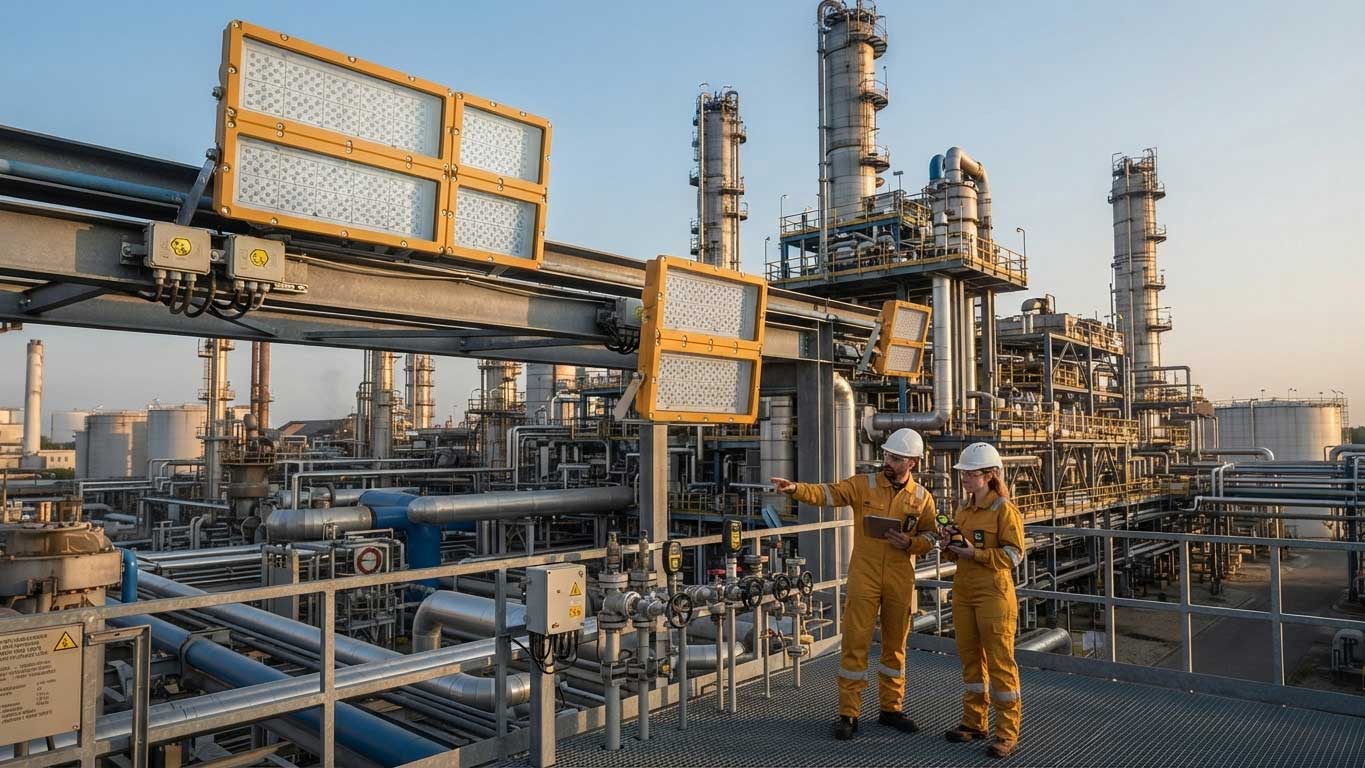
Choosing suitable atex led flood lights requires a complete understanding of the application environment. In industrial projects, the brightest fixture is not always the best solution. The correct product must match hazardous classification, installation conditions, and operational requirements.
Before selecting a fixture, engineers should review:
| Selection Point | Why It Matters |
|---|---|
| Hazardous zone classification | Determines required explosion protection level |
| Gas or dust group | Ensures compatibility with hazardous materials |
| Temperature class | Prevents ignition caused by excessive surface temperature |
| Installation location | Affects corrosion and weather protection requirements |
| Mounting height | Determines beam angle and lighting output |
| Operating hours | Influences energy savings and lifespan |
| Certification documents | Confirms compliance with ATEX requirements |
A practical approach is to evaluate the complete working environment rather than only the product specification sheet.
For example, an outdoor loading area near a chemical facility may require a different solution compared with an indoor production area, even if both locations have similar lighting requirements.
Oil and gas industries are among the most demanding applications for hazardous lighting.
ATEX LED flood lights are commonly installed in:
These locations require lighting systems that can operate continuously while resisting vibration, temperature changes, and corrosive environments.
In offshore projects, corrosion protection is especially important. Salt spray exposure can gradually damage ordinary metal housings and reduce product reliability.
Chemical facilities often contain flammable liquids, gases, and vapors.
Typical lighting applications include:
In these environments, lighting equipment must provide clear visibility while maintaining explosion protection performance.
Some manufacturing processes involve combustible materials or hazardous gases.
Applications include:
Reliable LED flood lighting helps improve visibility while reducing maintenance interruptions.
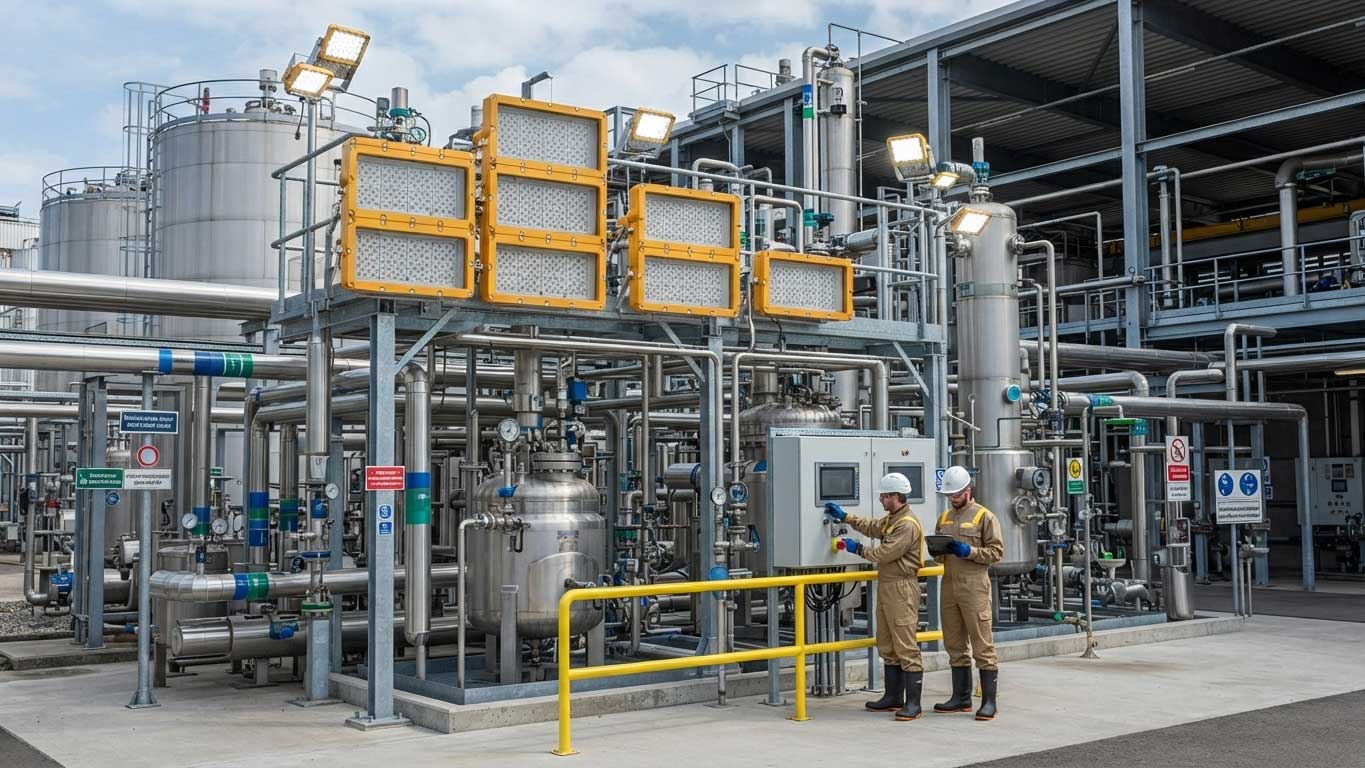
Correct installation is essential to maintain the safety performance of explosion-protected lighting.
Even certified atex led flood lights may not perform correctly if installation procedures are ignored.
Before installation, technicians should confirm:
Important installation practices include:
One frequent issue found in industrial applications is incorrect cable entry selection. A certified fixture can lose protection performance if unsuitable accessories are installed.
After installation, the lighting system should be checked for:
Maintaining accurate installation records helps future maintenance teams identify equipment information quickly.
Preventive maintenance is important for hazardous area lighting systems.
A recommended inspection schedule includes:
| Inspection Item | Purpose |
|---|---|
| Housing inspection | Identify cracks or corrosion |
| Lens cleaning | Maintain lighting efficiency |
| Cable inspection | Ensure connection reliability |
| Mounting check | Prevent mechanical loosening |
| Temperature monitoring | Detect abnormal operation |
Maintenance teams should pay attention to early warning signs:
Early inspection can prevent unexpected lighting failures in critical industrial areas.
SEEKINGLED provides professional LED lighting solutions for industrial and hazardous applications.
Our engineering approach focuses on three key areas:
Hazardous lighting requires careful engineering of:
Each component influences long-term reliability.
Different environments create different challenges.
A refinery, chemical plant, and manufacturing facility may require different lighting solutions even when the products appear similar.
SEEKINGLED evaluates:
This helps customers choose more suitable solutions.
For global industrial customers, technical support is an important part of the project.
SEEKINGLED supports customers with:
ATEX LED flood lights are explosion-protected LED lighting fixtures designed for hazardous locations where explosive gases, vapors, or dust may exist. They provide powerful illumination while meeting ATEX safety requirements.
They are commonly used in oil refineries, chemical plants, offshore platforms, fuel storage facilities, mining areas, and industrial locations requiring explosion-protected lighting.
Many ATEX LED flood lights are designed with high IP protection ratings such as IP66 or IP67, making them suitable for outdoor industrial environments exposed to dust and water.
Normal LED flood lights are designed for general environments, while ATEX LED flood lights include certified explosion protection features to reduce ignition risks in hazardous areas.
The service life depends on product design, operating temperature, and installation conditions. High-quality industrial LED flood lights can provide long operational periods with reduced maintenance requirements.
Selection should consider hazardous zone classification, gas or dust type, temperature class, installation environment, required illumination level, and certification requirements.
LED flood lights offer higher efficiency, longer lifespan, lower maintenance frequency, and stable performance, making them suitable for industrial environments where reliability is critical.
ATEX LED flood lights provide safe, efficient, and durable illumination for hazardous industrial environments. Selecting certified LED flood lighting helps companies improve safety, reduce maintenance requirements, and achieve reliable long-term operation.
From oil and gas facilities to chemical production plants, successful hazardous lighting projects depend on correct certification, engineering experience, and understanding of real operating conditions.
SEEKINGLED continues developing industrial LED lighting solutions for customers worldwide, helping industries achieve safer and more efficient lighting systems.
When choosing atex led flood lights, companies should evaluate certification, environmental protection, lighting performance, and supplier experience together.
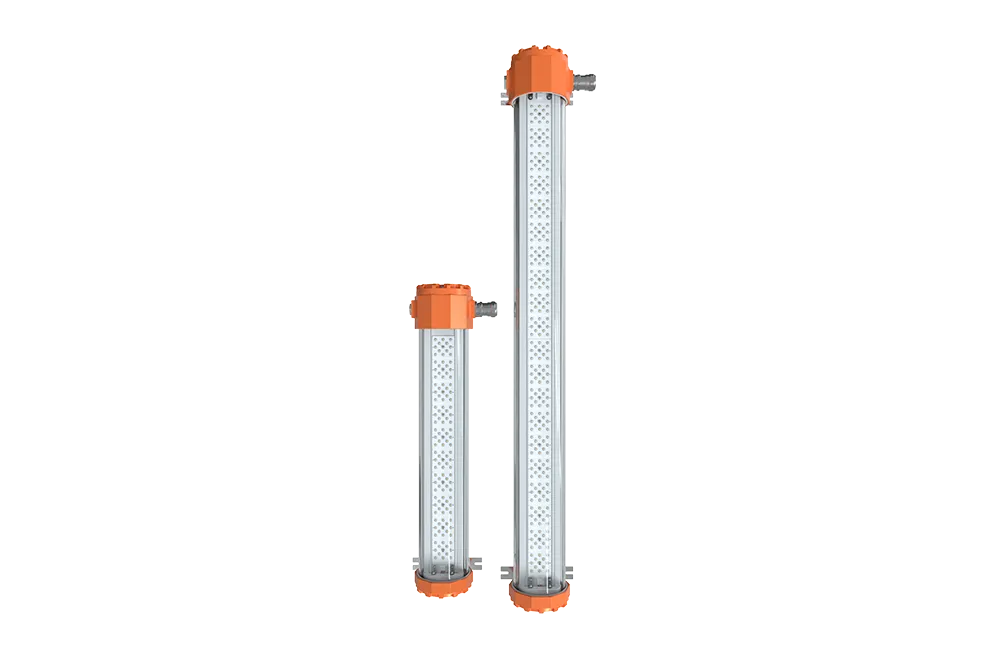
SEEKINGLED LED Linear Explosion Proof Light and Explosion Proof lighting is ATEX and IECEx certified for Zone 1, Zone 2, Zone 21 and Zone 22 hazardous locations, built for long-term industrial use.
View details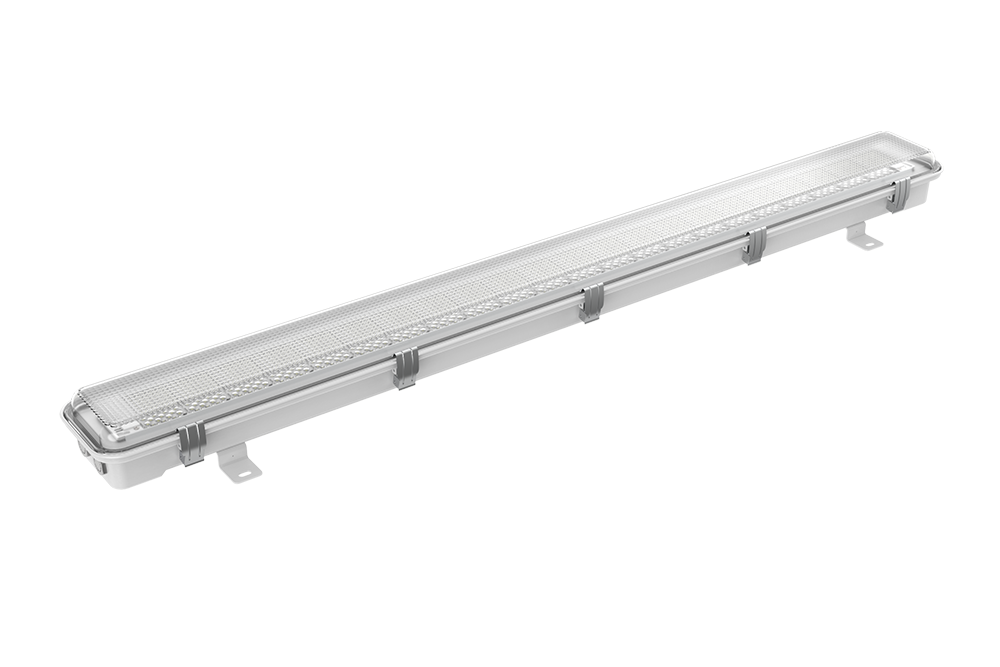
LED Linear Explosion Proof Lights and EX Proof lights for Zone 1, Zone 2, Zone 21 and Zone 22 hazardous areas. ATEX & IECEx certified explosion proof LED linear lighting with emergency function, adjustable power and IP67 protection by SEEKINGLED.
View details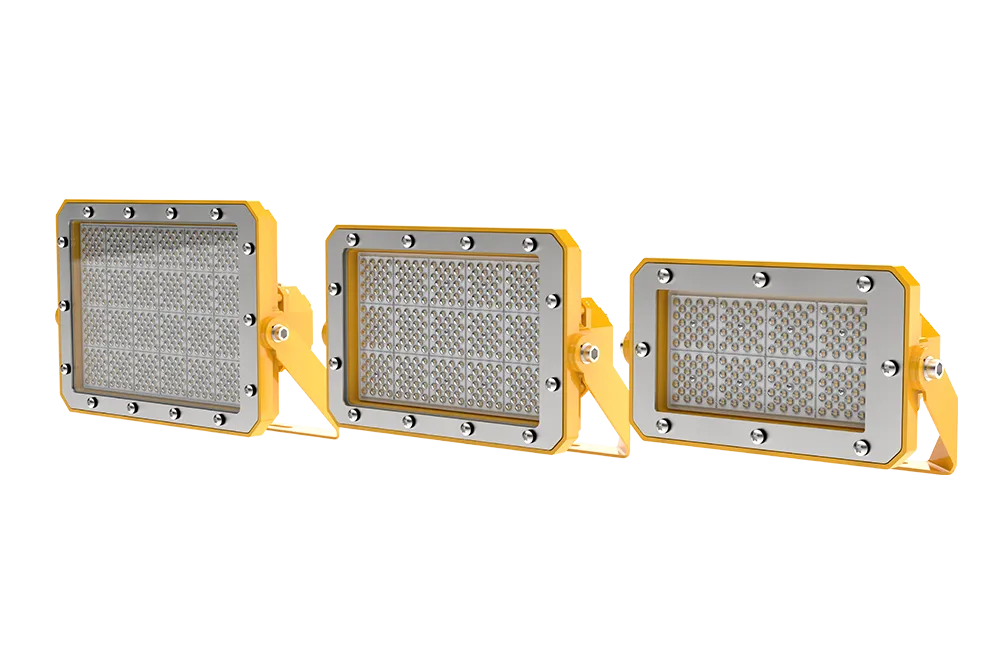
SEEKINGLED LED Explosion Proof Flood Lights are ATEX certified for Zone 2 and Zone 22 hazardous areas, offering high efficiency, adjustable power and integrated junction box.
View details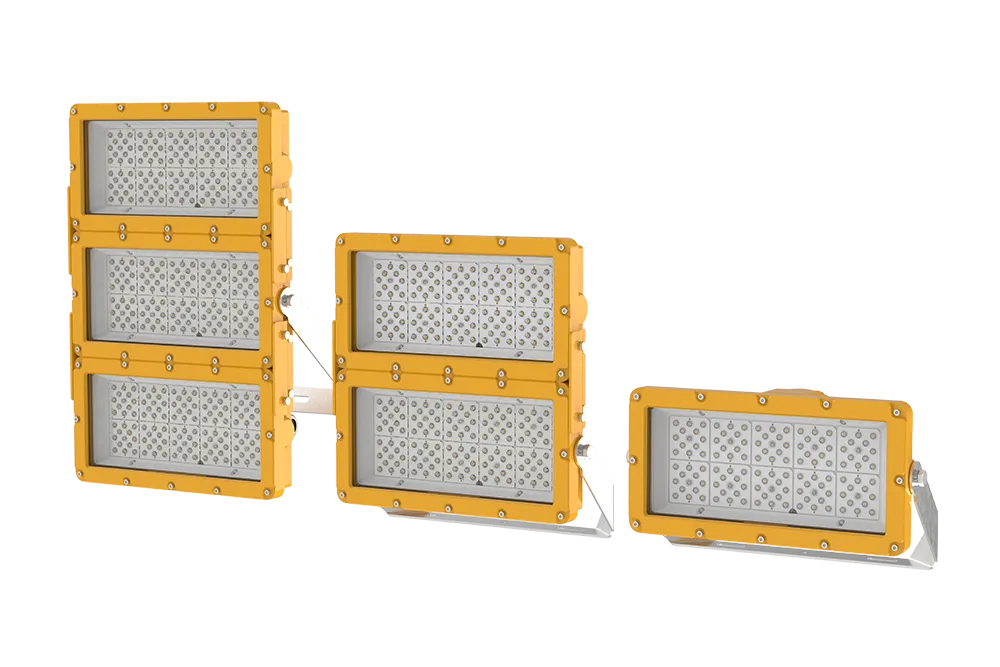
SEEKINGLED LED Explosion Proof Flood Lights are flameproof ATEX and IECEx certified for Zone 1 and Zone 2 hazardous areas, offering high power, adjustable output and long service life.
View details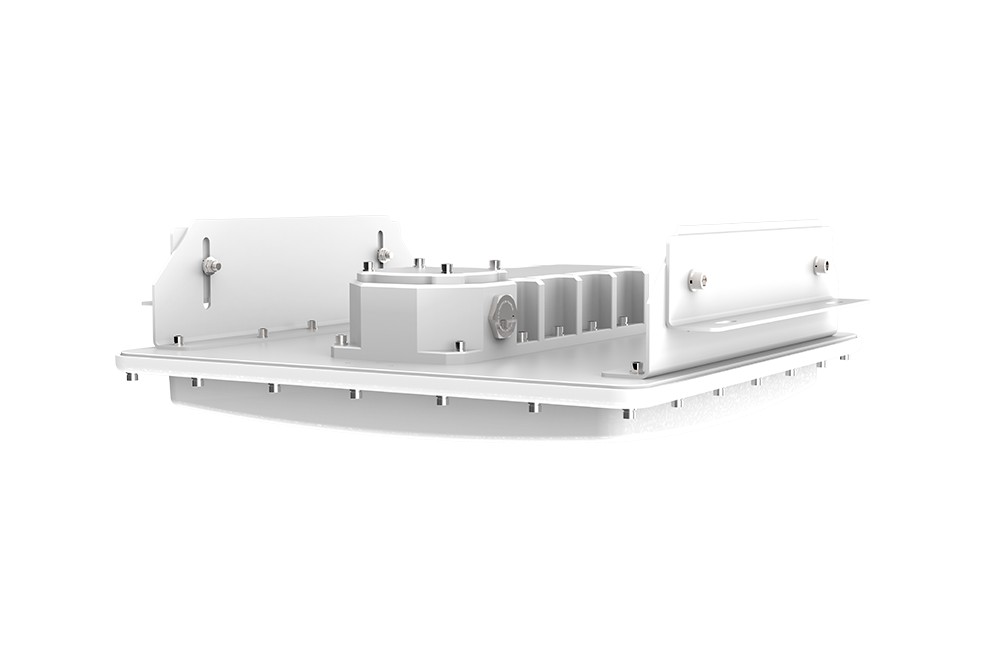
SEEKINGLED LED Gas Station Canopy Lights are ATEX certified for Zone 2 and Zone 22 hazardous areas, featuring adjustable power and built-in explosion-proof junction box.
View details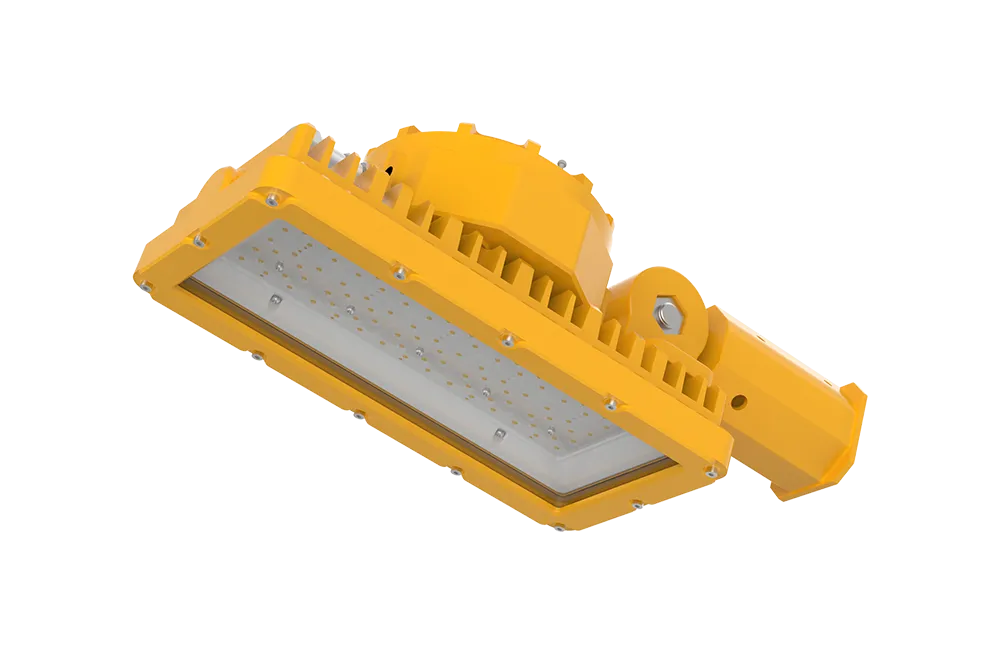
ATEX: Ex II 2G Ex db IIB T6/T5 GbEx II 2D Ex tb IIIC T80°C/ T95°C Db IECEx Ex db IIB T6 Gb;Ex tb IIIC T80°C Db Feature: ● For Zone 1,2 and Zone 21,22● Flameproof type, the strongest● 100W can replace 250W HID,energy saving● Power:60W,80W,100W Application: Oil and gas, marine, Chemical, pharmaceutical, semiconductor,mining,military industr…
View details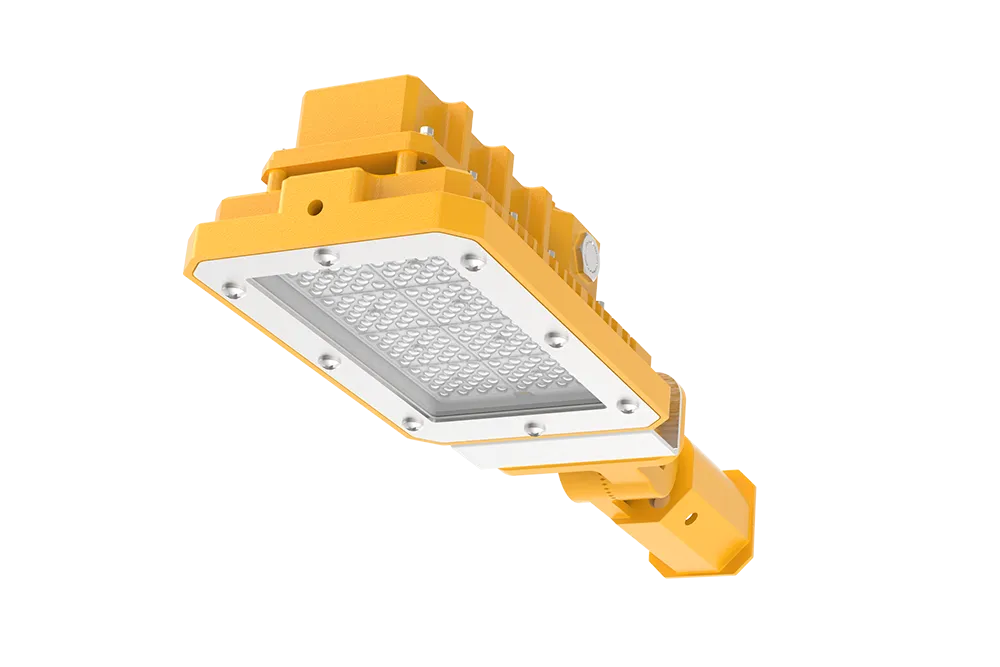
ATEX: II 3G Ex nR ⅡC T5/T6 GcII 3D Ex tc ⅢC T80℃/T95℃Dc ATEX Certificate NO: TÜV CY 26 ATEX 0207611 X Feature: ● For Zone 2 and Zone 22● 150W can replace 250W HID lamps,Energy saving● Power:50W,75W,100W,150W,200W Application: Oil and gas, marine, Chemical, pharmaceutical, semiconductor,mining,military industry, paint booth,power plant ETC…
View details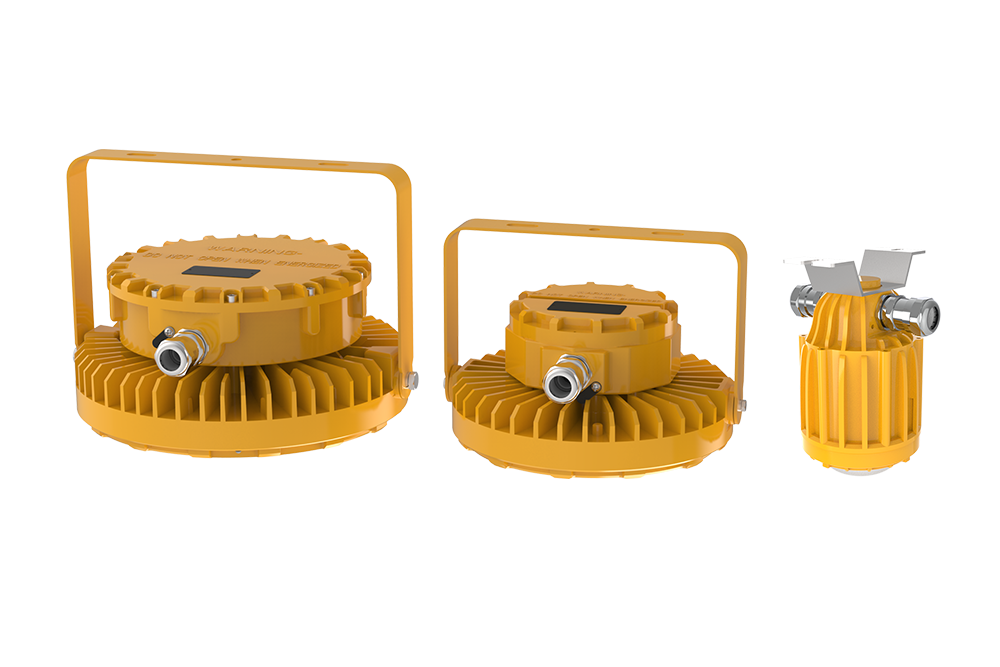
LED explosion proof high bay lights are designed for Zone 1, Zone 2, Zone 21 and Zone 22 hazardous areas. This page introduces the HB21 Series from SEEKING, including certifications, power options and real application considerations.
View details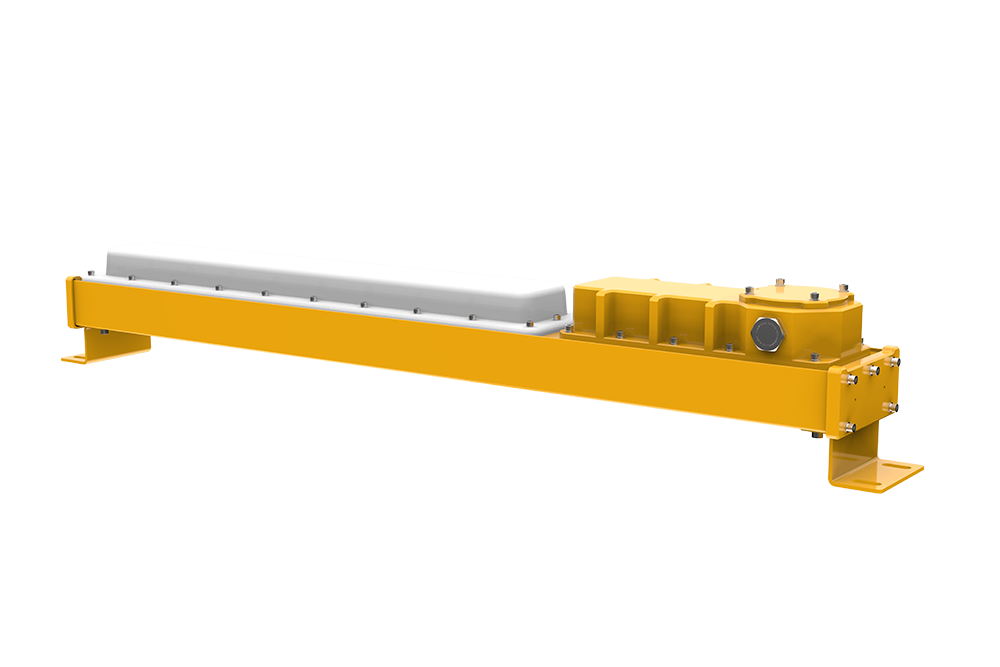
LED Linear Explosion Proof Lights from SEEKINGLED. LU Series Flame Proof lights ATEX-certified explosion proof LED linear lighting for Zone 2 gas and Zone 22 dust areas, IP69K, IK10, long lifetime and flexible power options.
View details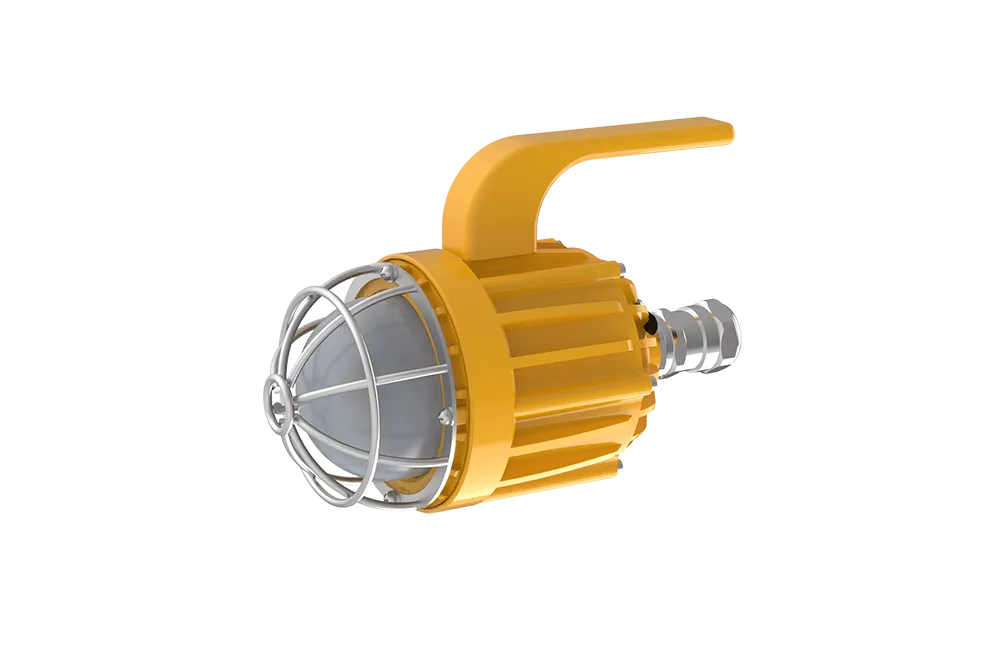
Certified explosion proof work lights for Zone 1 & 21 hazardous areas. Portable, ATEX & IECEx approved, built for oil, gas and chemical plants by SEEKINGLED.
View details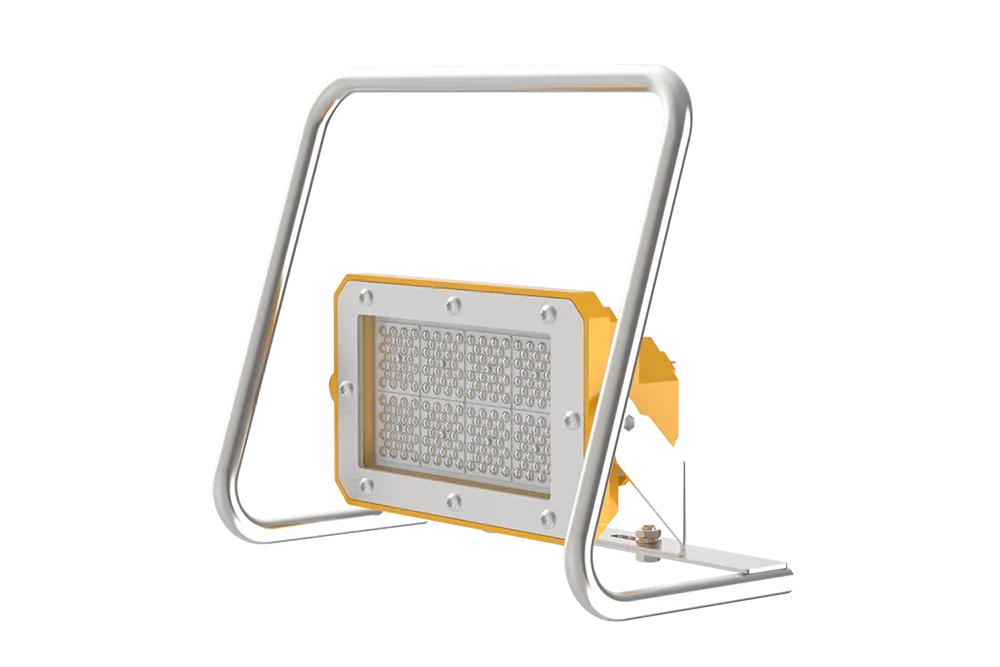
ATEX: II 3G Ex nR ⅡC T6 GcII 3D Ex tc ⅢC T80℃ Dc ATEX Certificate NO: TÜV CY 26 ATEX 0207611 X Feature: ● For Zone 2 and Zone 22● Accepts battery-powered supply● indestructible● Power:AC input:50W,75W,100WDC input:15W,25W,35W Application: Oil and gas, marine, Chemical, pharmaceutical, semiconductor,mining,military industry, paint booth,po…
View details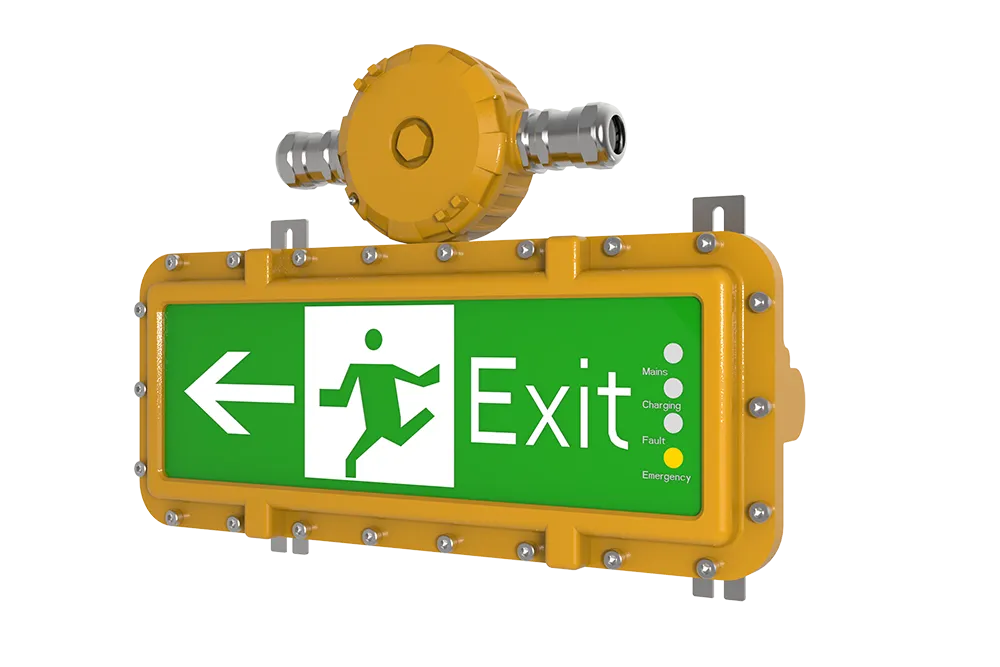
ATEX: Ex II 2G Ex db IIB T6 GbEx II 2D Ex tb IIIC T80°C Db IECEx Ex db IIB T6 Gb;Ex tb IIIC T80°C Db Feature: ● For Zone 1,2 and Zone 21,22● Flameproof type, the strongest Application: Oil and gas, marine, Chemical, pharmaceutical, semiconductor,mining,military industry, paint booth,power plant ETC hazardous area. Technical Specifications:…
View details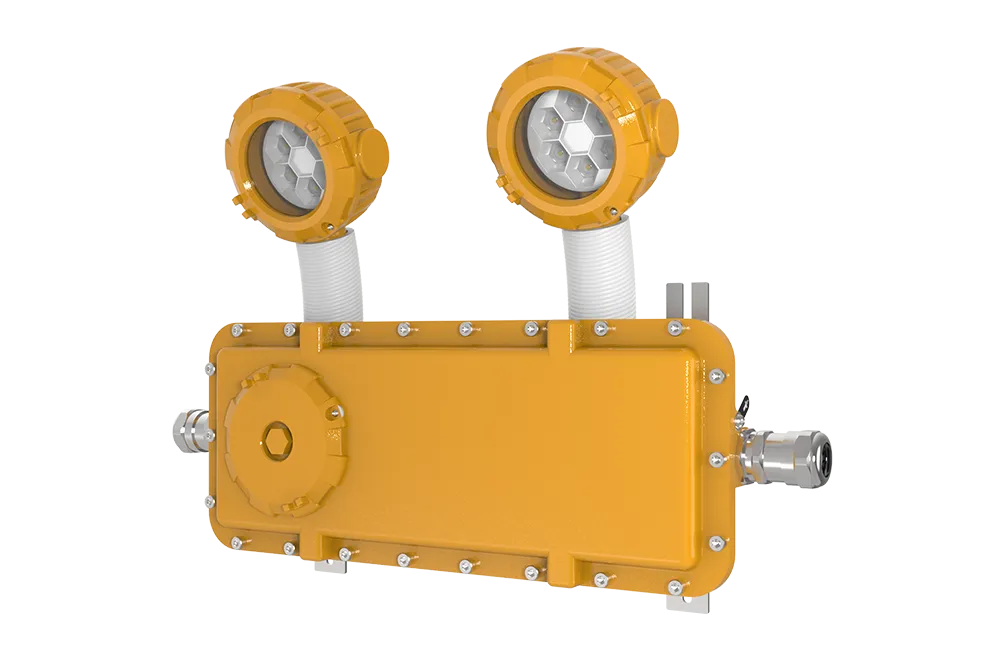
ATEX: Ex II 2G Ex db IIB T6 GbEx II 2D Ex tb IIIC T80°C Db IECEx Ex db IIB T6 Gb;Ex tb IIIC T80°C Db Feature: ● For Zone 1,2 and Zone 21,22● Flameproof type, the strongest Application: Oil and gas, marine, Chemical, pharmaceutical, semiconductor,mining,military industry, paint booth,power plant ETC hazardous area. Technical Specifications:…
View details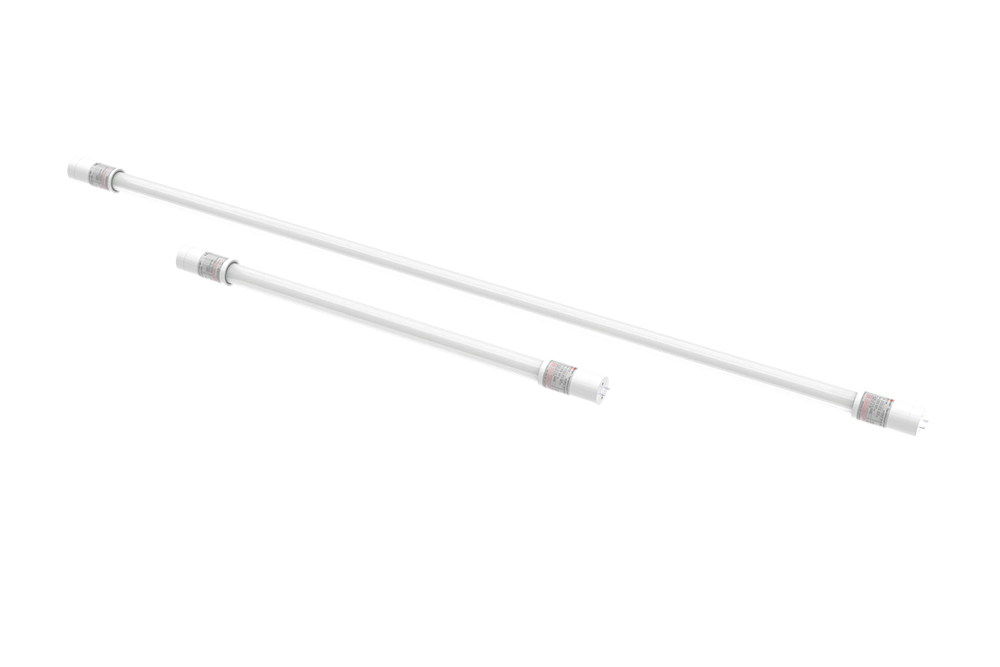
ATEX: Ex II 2G Ex d e IIB T6 Gb ATEX: Ex d e IIB T6 Gb; Feature: ● For Zone 1,2● 9W can replace 18W fluorescent lamps,50% Energy saving Application: Oil and gas, marine, Chemical, pharmaceutical, semiconductor,mining,military industry, paint booth,power plant ETC hazardous area. Technical Specifications: Standards:60079-0, 60079-1, 60079…
View details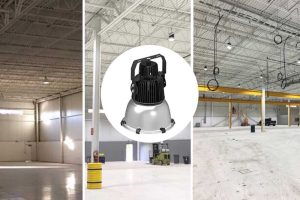
XJ-HBS100W & 150W high bays in Indiana USA chemical plant replacing 250W and 400W HPS lights. Project record by SEEKINGLED engineering team with real energy data and on-site decisions.
View details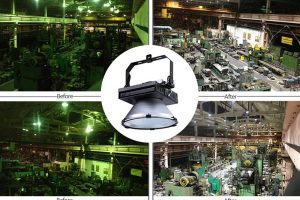
600W Metal Halide Replacement with LED High Bay requires careful balance between safety, output, and energy use. This case records how SEEKINGLED applied XJ-HBL150W to upgrade lighting conditions in a German workshop.
View details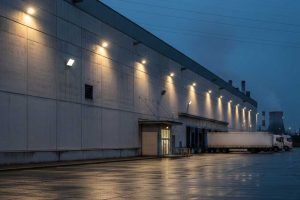
Why do LED flood lights fail outdoors? Learn the real causes—driver failure, heat, moisture, and power issues—and how to avoid them.
View details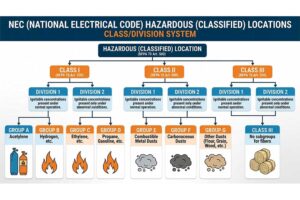
NEC Class/Division System explains US and Canada hazardous area classifications, including Class, Division, and Group. Learn safety rules for explosion-proof lighting.
View details