 Seeking LED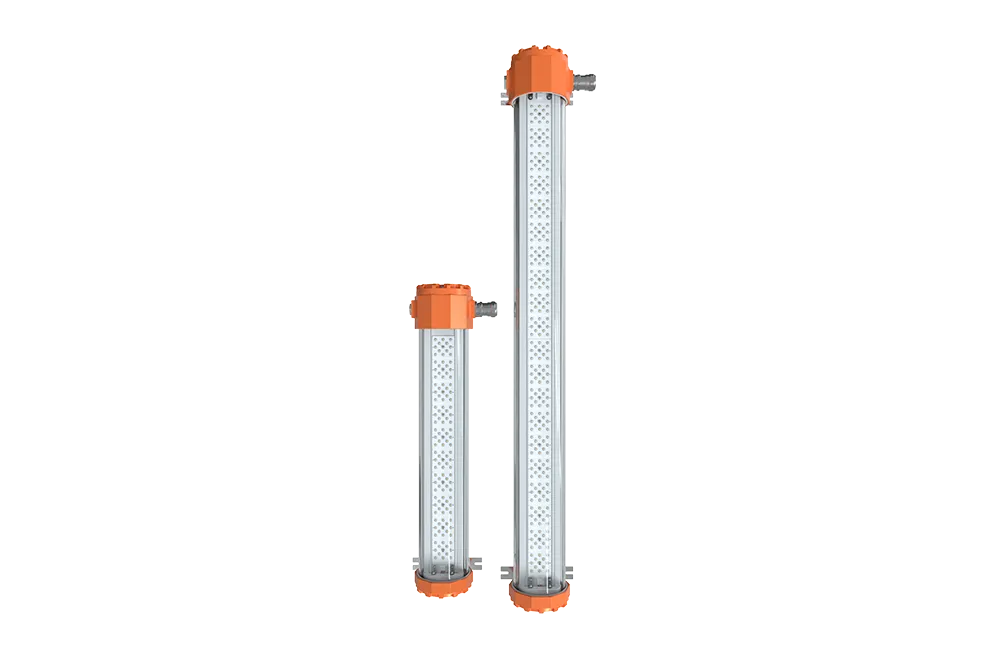
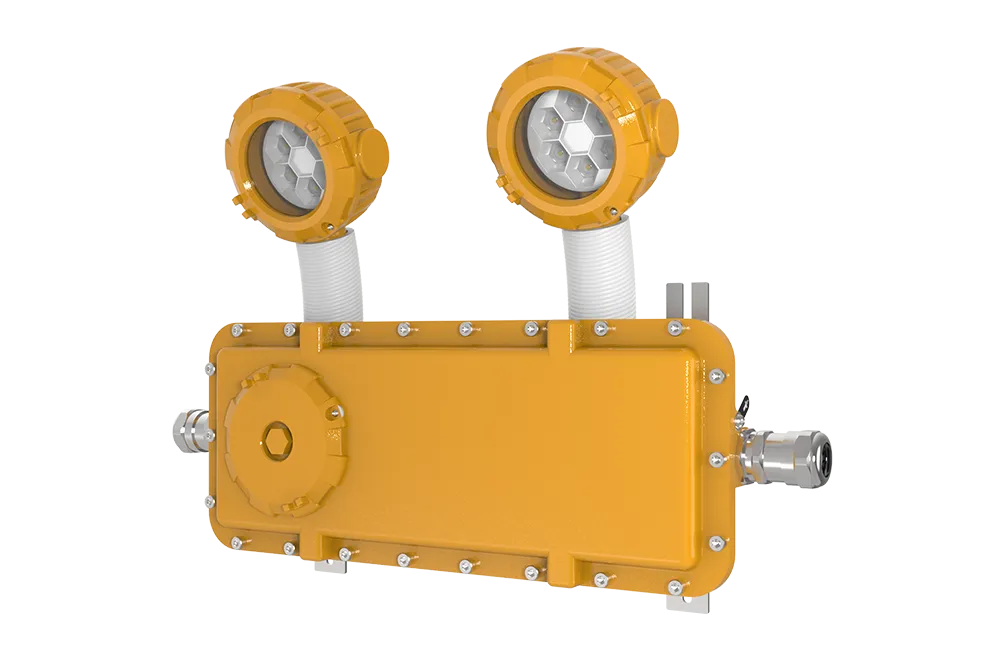
can industrial high bay led lighting?
0Can industrial high bay LED lighting improve warehouses and factories? Learn how to select efficient fixtures for high ceilings, demanding work areas, and long operating hours.
View detailsSearch the whole station
In industrial environments where flammable gas, vapor or combustible dust may be present, ex proof lighting is not a design option — it is a regulatory requirement and a safety barrier.
I have been involved in hazardous area luminaire development and project support for more than ten years, working across refinery retrofits, offshore modules and chemical processing expansions. At SEEKINGLED, our engineering team designs and manufactures ex proof lighting systems in-house. That includes mechanical housing design, flame path validation, thermal simulation, and certification coordination.
This article is based on field experience and standards work, not textbook repetition.
The term “Ex” originates from explosion protection standards under the IEC 60079 series issued by the International Electrotechnical Commission.
Equipment marked “Ex” must be designed so it does not ignite surrounding explosive atmospheres under defined operating or fault conditions.
Hazardous areas are classified into Zones:
In North America, similar concepts appear under NEC Class/Division systems, supervised by the National Fire Protection Association (NFPA 70).
If you are specifying ex proof lighting, the first question should always be:
What is the zone classification?
Selecting the wrong protection concept — Ex d, Ex e, Ex nR, Ex tc — can result in project rejection during inspection.
Traditional explosion proof luminaires relied heavily on high-pressure sodium or metal halide lamps. These generated significant heat and required periodic lamp replacement.
The U.S. Department of Energy reports that LED lighting can reduce energy use by 50–70% compared to conventional HID systems in industrial applications. In hazardous areas, that energy reduction also means lower operating temperatures.
However, LED does not automatically equal safe ex proof lighting. Thermal control is critical. If junction temperature rises excessively, surface temperature increases and may exceed T-rating limits such as T6 (85°C maximum surface).
At SEEKINGLED, we run continuous high-ambient testing at +55°C. We examine:
Explosion protection lives in those details.
One of my earliest refinery projects involved replacing aging explosion proof floodlights on a pipe rack nearly 20 meters high. What looked simple on paper became complicated on site:
Modern ex proof lighting design must consider installation efficiency as much as safety compliance.
Integrated terminal compartments, adjustable mounting systems and reduced fixture weight are not marketing features — they directly influence labor cost and downtime.
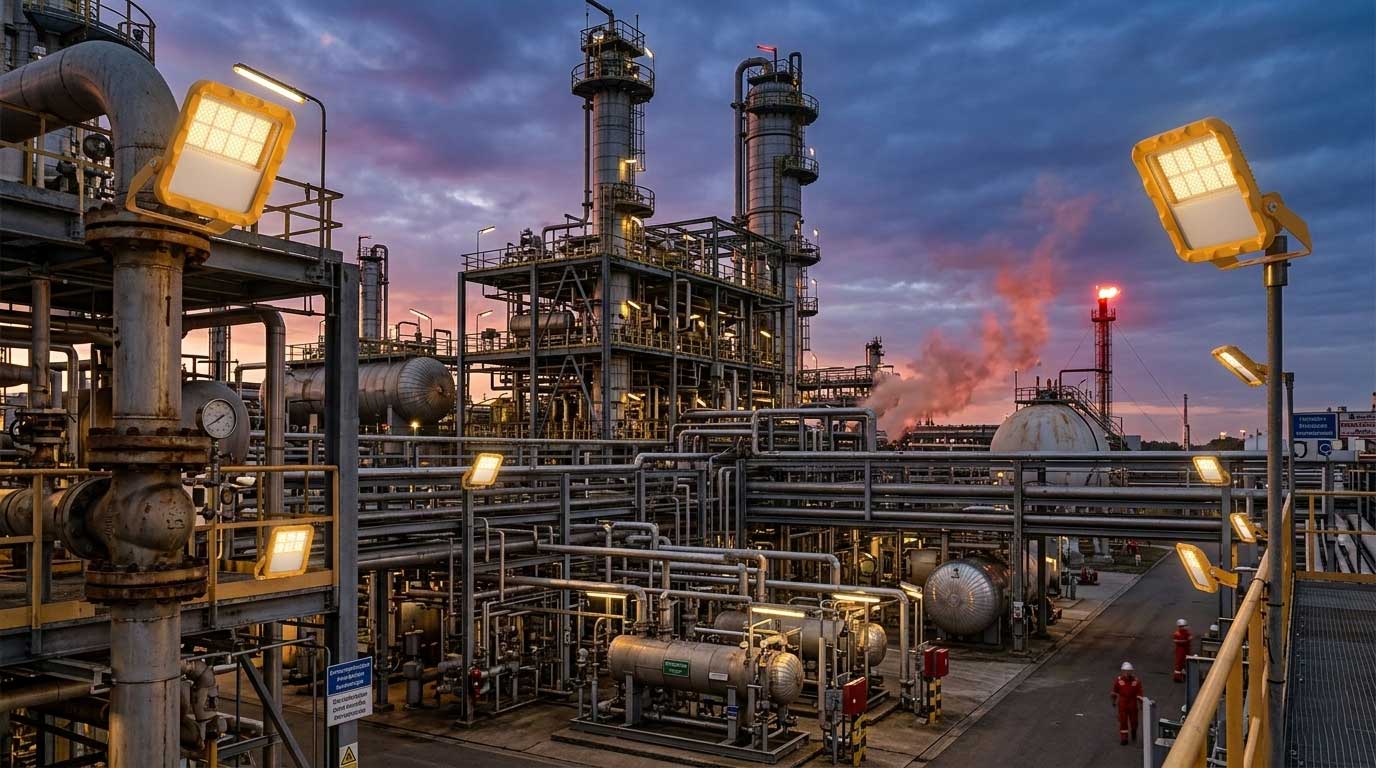
ATEX Directive 2014/34/EU governs equipment sold within the European Union. IECEx provides international acceptance through a unified certification framework.
During compliance testing, flameproof (Ex d) enclosures undergo pressure testing to confirm they can contain internal explosions. Flame paths are measured precisely. Temperature rise is recorded under worst-case electrical load.
There is no room for assumption.
Working closely with notified bodies forces manufacturers to treat ex proof lighting as a safety instrument, not a commodity.
The International Energy Agency highlights that LED system longevity depends heavily on thermal management and driver reliability. In hazardous zones, environmental stress is amplified:
For long-term reliability, we target L80B20 performance exceeding 100,000 hours at 25°C and validate under higher temperatures. Proper driver selection (PF ≥0.95, THD <15%) ensures electrical stability.
Five-year maintenance-free design is achievable, but only if sealing, coating and thermal balance are engineered correctly.
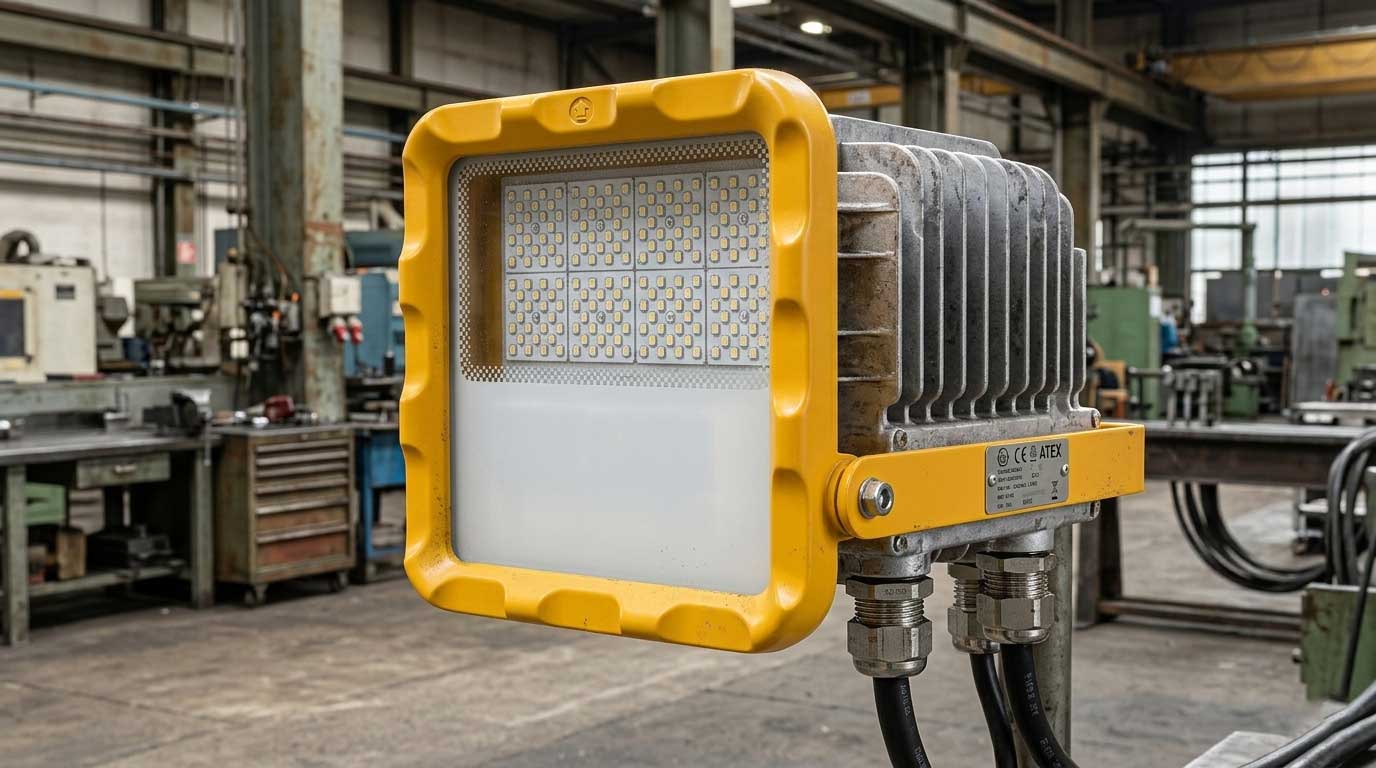
When evaluating suppliers, confirm:
Do not rely solely on wattage. Beam distribution and mounting height determine real illumination performance.
For offshore platforms, corrosion resistance may be as important as luminous efficacy. For chemical plants, dust sealing becomes critical.
Each site has its own operational personality.
Over the years, I have learned that ex proof lighting sits at the intersection of mechanical design, electrical engineering and regulatory compliance. It is not glamorous work, but it is foundational to safe industrial operation.
At SEEKINGLED, our approach is simple: engineer first, market later. Whether the project involves refinery retrofits, offshore modules or chemical processing units, proper ex proof lighting protects assets, ensures compliance and supports uninterrupted production.
Choosing the right ex proof lighting is not about price alone. It is about understanding risk — and designing responsibly around it.
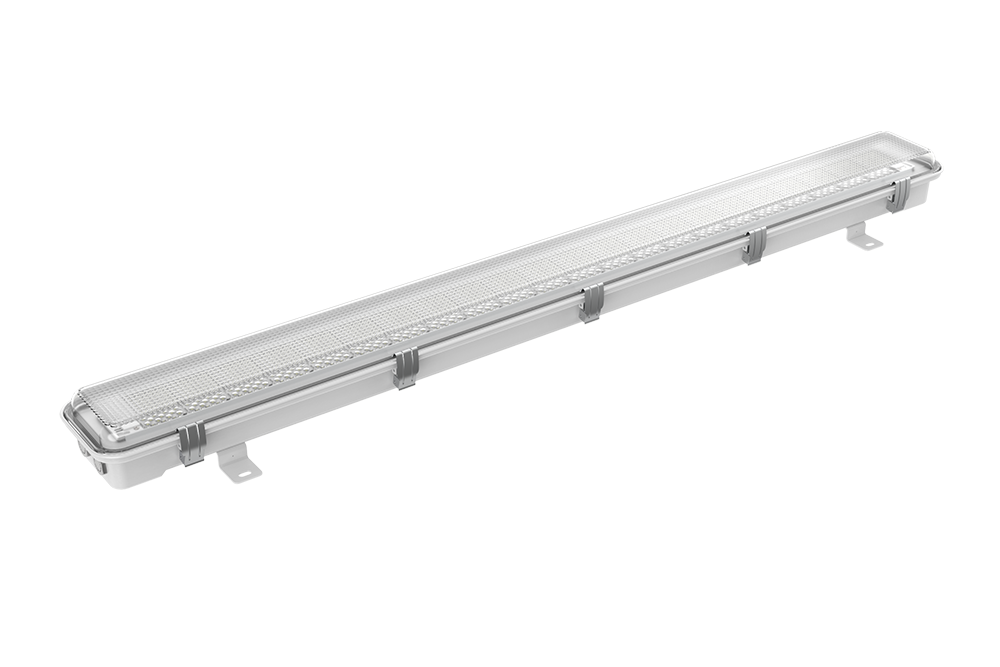
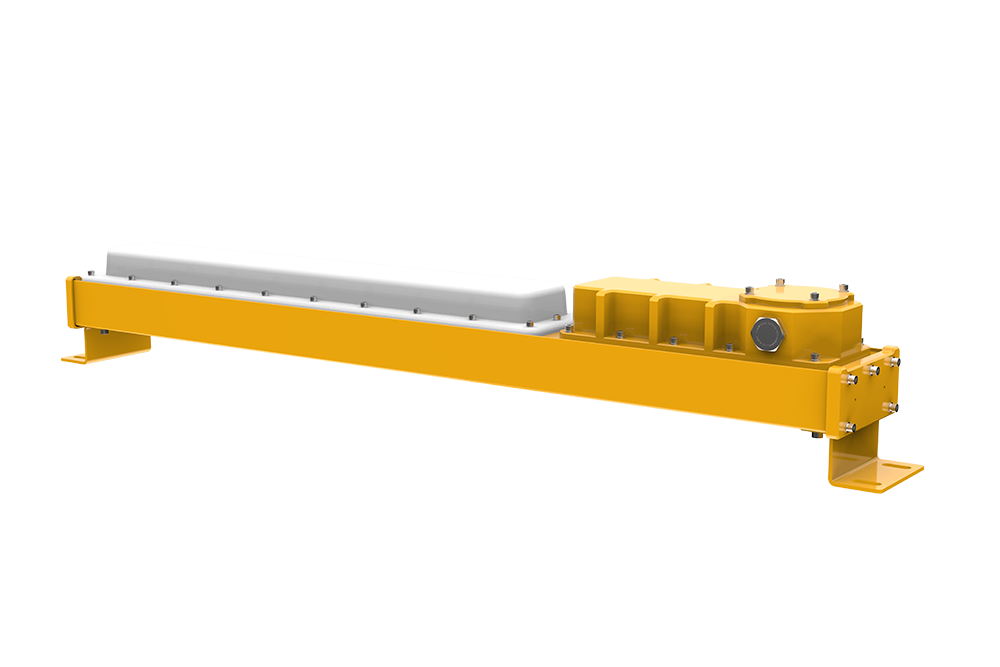
SEEKINGLED LED Linear Explosion Proof Light and Explosion Proof lighting is ATEX and IECEx certified for Zone 1, Zone 2, Zone 21 and Zone 22 hazardous locations, built for long-term industrial use.
LED Linear Explosion Proof Lights and EX Proof lights for Zone 1, Zone 2, Zone 21 and Zone 22 hazardous areas. ATEX & IECEx certified explosion proof LED linear lighting with emergency function, adjustable power and IP67 protection by SEEKINGLED.
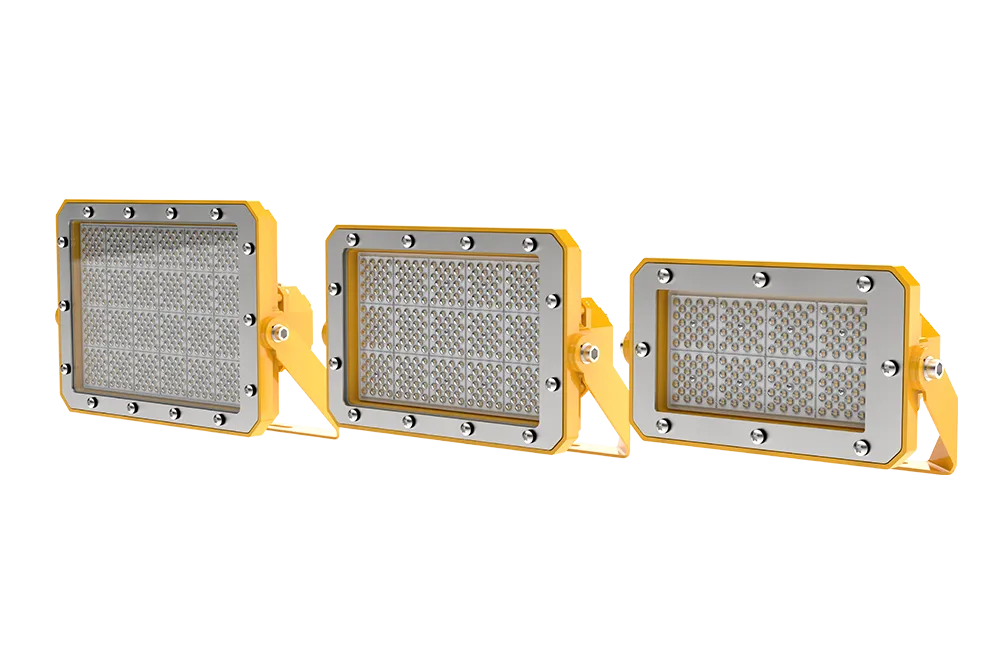
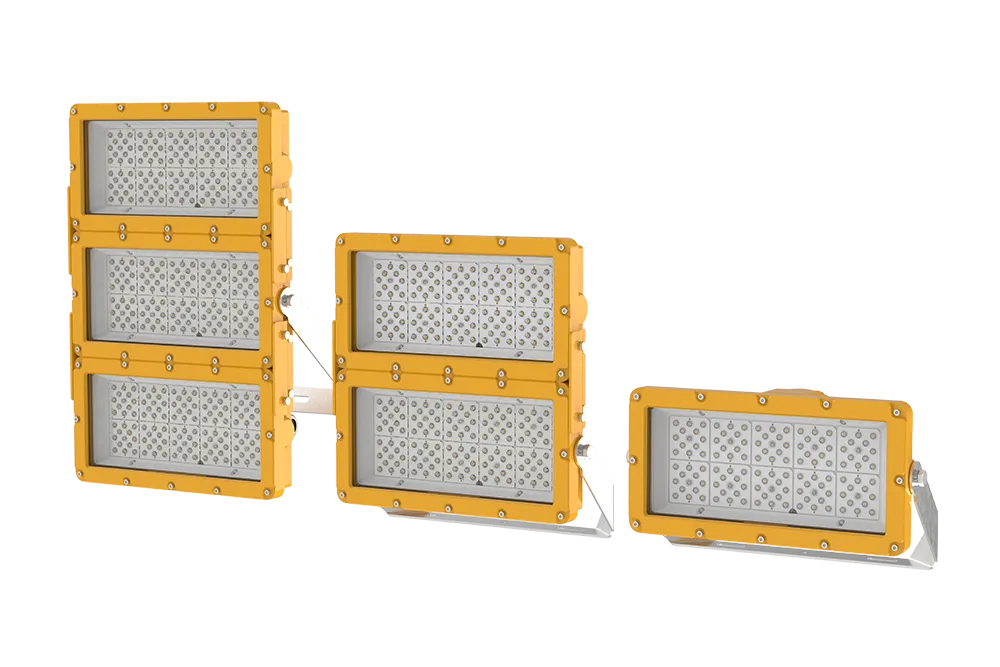
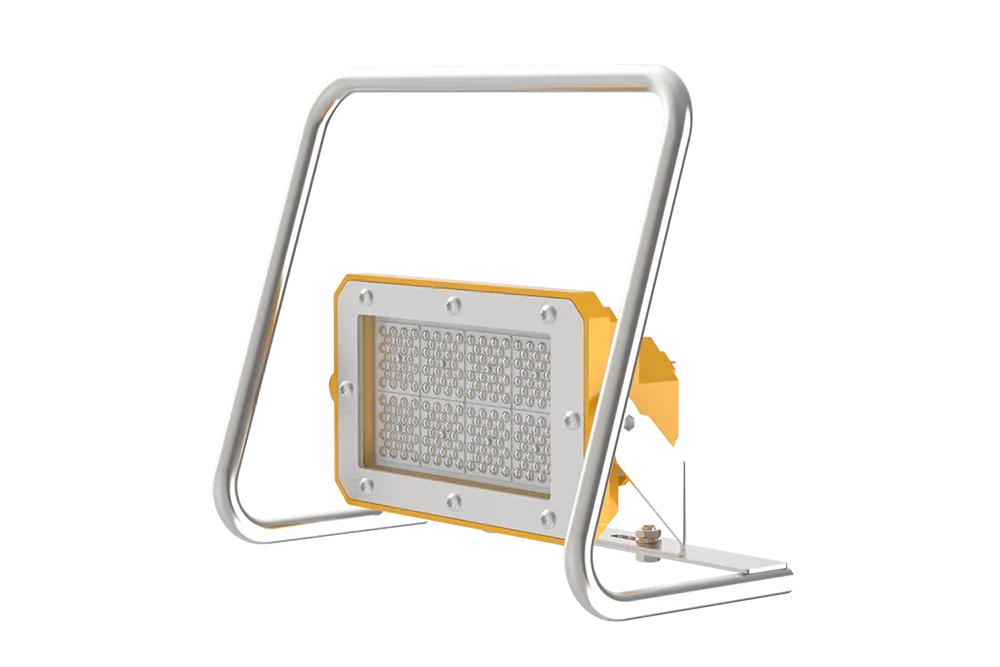
SEEKINGLED LED Explosion Proof Flood Lights are ATEX certified for Zone 2 and Zone 22 hazardous areas, offering high efficiency, adjustable power and integrated junction box.
SEEKINGLED LED Explosion Proof Flood Lights are flameproof ATEX and IECEx certified for Zone 1 and Zone 2 hazardous areas, offering high power, adjustable output and long service life.
SEEKINGLED LED Gas Station Canopy Lights are ATEX certified for Zone 2 and Zone 22 hazardous areas, featuring adjustable power and built-in explosion-proof junction box.
ATEX: Ex II 2G Ex db IIB T6/T5 GbEx II 2D Ex tb IIIC T80°C/ T95°C Db IECEx Ex db IIB T6 Gb;Ex tb IIIC T80°C Db Feature: ● For Zone 1,2 and Zone 21,22● Flameproof type, the strongest● 100W can replace 250W HID,energy saving● Power:60W,80W,10…
ATEX: II 3G Ex nR ⅡC T5/T6 GcII 3D Ex tc ⅢC T80℃/T95℃Dc ATEX Certificate NO: TÜV CY 26 ATEX 0207611 X Feature: ● For Zone 2 and Zone 22● 150W can replace 250W HID lamps,Energy saving● Power:50W,75W,100W,150W,200W Application: Oil and gas, m…
LED explosion proof high bay lights are designed for Zone 1, Zone 2, Zone 21 and Zone 22 hazardous areas. This page introduces the HB21 Series from SEEKING, including certifications, power options and real application considerations.
LED Linear Explosion Proof Lights from SEEKINGLED. LU Series Flame Proof lights ATEX-certified explosion proof LED linear lighting for Zone 2 gas and Zone 22 dust areas, IP69K, IK10, long lifetime and flexible power options.
Certified explosion proof work lights for Zone 1 & 21 hazardous areas. Portable, ATEX & IECEx approved, built for oil, gas and chemical plants by SEEKINGLED.
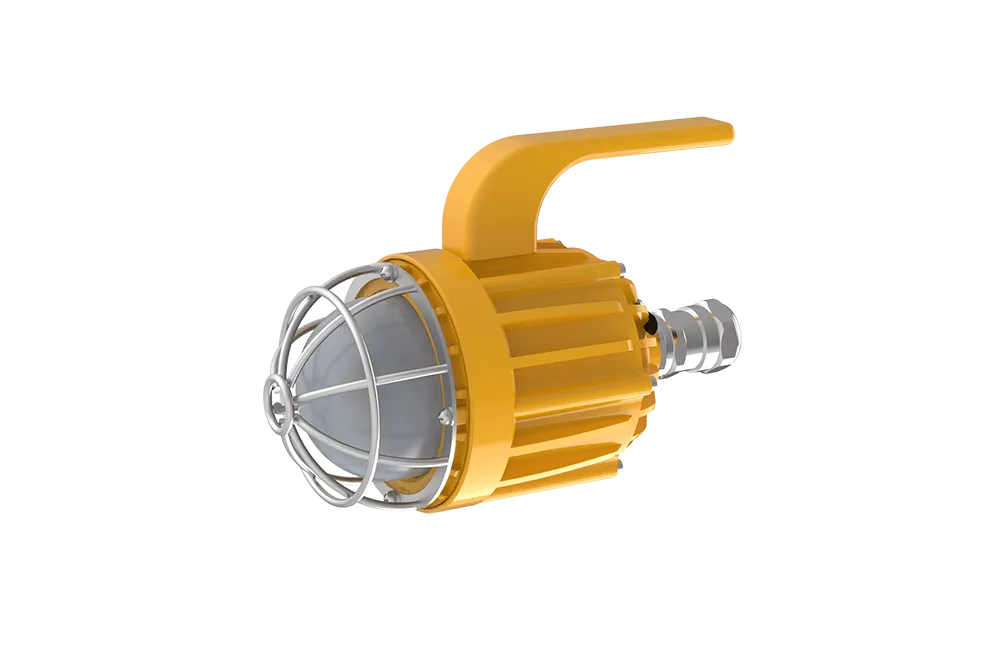
ATEX: II 3G Ex nR ⅡC T6 GcII 3D Ex tc ⅢC T80℃ Dc ATEX Certificate NO: TÜV CY 26 ATEX 0207611 X Feature: ● For Zone 2 and Zone 22● Accepts battery-powered supply● indestructible● Power:AC input:50W,75W,100WDC input:15W,25W,35W Application: O…
ATEX: Ex II 2G Ex db IIB T6 GbEx II 2D Ex tb IIIC T80°C Db IECEx Ex db IIB T6 Gb;Ex tb IIIC T80°C Db Feature: ● For Zone 1,2 and Zone 21,22● Flameproof type, the strongest Application: Oil and gas, marine, Chemical, pharmaceutical, semicondu…
ATEX: Ex II 2G Ex db IIB T6 GbEx II 2D Ex tb IIIC T80°C Db IECEx Ex db IIB T6 Gb;Ex tb IIIC T80°C Db Feature: ● For Zone 1,2 and Zone 21,22● Flameproof type, the strongest Application: Oil and gas, marine, Chemical, pharmaceutical, semicondu…
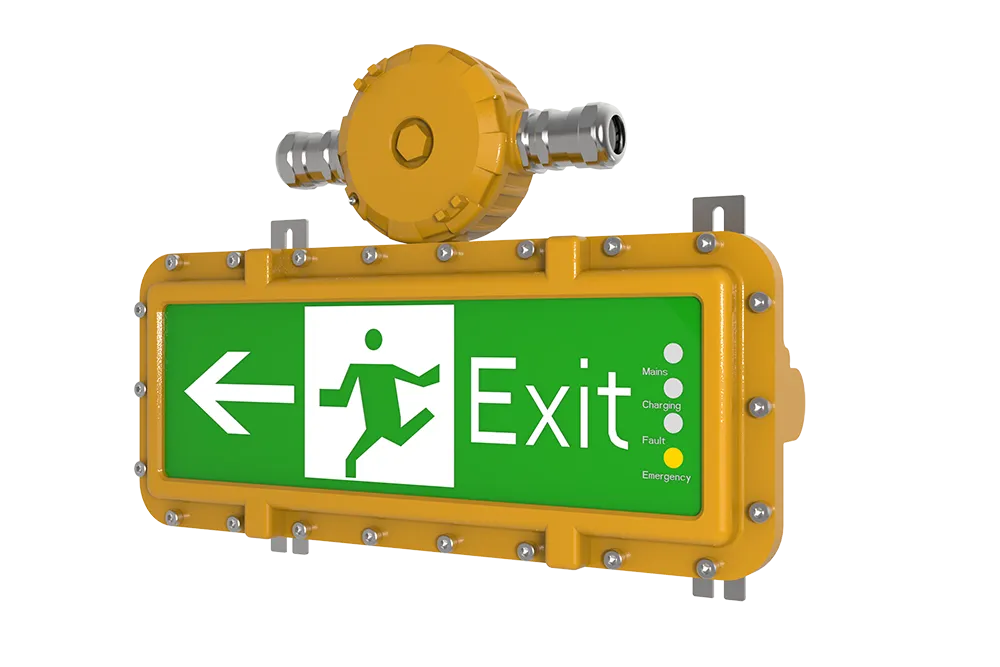
ATEX: Ex II 2G Ex d e IIB T6 Gb ATEX: Ex d e IIB T6 Gb; Feature: ● For Zone 1,2● 9W can replace 18W fluorescent lamps,50% Energy saving Application: Oil and gas, marine, Chemical, pharmaceutical, semiconductor,mining,military industry, pain…
loading…
This is the last post!
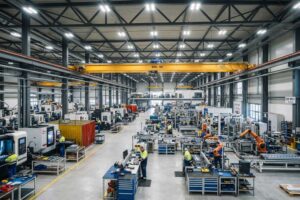
Can industrial high bay LED lighting improve warehouses and factories? Learn how to select efficient fixtures for high ceilings, demanding work areas, and long operating hours.
View details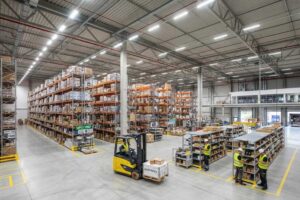
Discover what is high bay LED lighting, how it works, where it is used, and why industries choose LED high bay solutions for efficient commercial illumination.
View details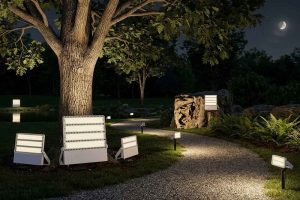
12 volt dc led flood lights offer safe, efficient low-voltage lighting. Explore real-world use cases, performance data, and expert installation insights.
View details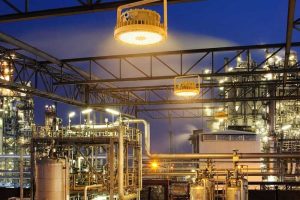
What is an explosion-proof high bay light fixture? Learn how it works, where it is used, and why certified explosion-proof high bay lighting is essential for hazardous industrial areas.
View details