 Seeking LED
Are LED Lights Street Legal?
359Are LED lights street legal for public roads? Learn how regulations work, which LED lights are allowed, and why dedicated LED street lights like SEEKINGLED STA Series are widely approved.
View detailsSearch the whole station
Do flood lights produce heat? Yes, all floodlights produce heat when operating, including energy-efficient LED models. The amount depends on electrical power, lighting efficiency, fixture construction, and ambient conditions. LEDs generally waste less energy as heat than incandescent lamps, but their chips and drivers still require effective thermal management.
For outdoor security lighting, warehouses, loading bays, and industrial facilities, understanding heat production helps buyers select suitable fixtures and avoid installation problems.
A floodlight converts electrical energy into visible light, while some energy is dissipated as heat. The balance depends on the lighting technology.
LEDs generate heat at their semiconductor junctions. Their electronic drivers also produce heat as they regulate power. A properly designed fixture transfers that heat through the circuit board and thermal interface into the housing and surrounding air.
The U.S. Department of Energy states that residential LEDs use at least 75% less energy and last up to 25 times longer than incandescent lighting. These figures describe general LED advantages, not a guarantee that every LED floodlight operates at a particular temperature.
Source: U.S. Department of Energy — LED Lighting.
This is an important distinction in commercial lighting. A 100W LED floodlight and a 100W incandescent floodlight do not produce the same amount of light. Comparing heat output without considering light output can therefore be misleading.
| Lighting type | Heat characteristics | Practical consideration |
|---|---|---|
| LED | Generally less wasted heat for comparable light output | Requires effective heat dissipation |
| Halogen | Produces substantial heat from its hot filament | Consider clearance from heat-sensitive materials |
| Incandescent | Converts a large share of electrical input into heat | Usually less energy-efficient for equivalent illumination |
An LED floodlight’s rear housing can feel hot even when the product is operating normally. That metal surface is often part of the cooling system, not evidence by itself of a defect.
The LED board, driver compartment, and rear housing can all warm up, although their temperatures differ. Aluminum heat sinks and cooling fins help move heat away from sensitive components.
The temperature at the LED junction is not the same as the temperature measured on the outside of the housing. This matters when evaluating a fixture: a surface measurement alone cannot reveal every component’s internal operating condition.
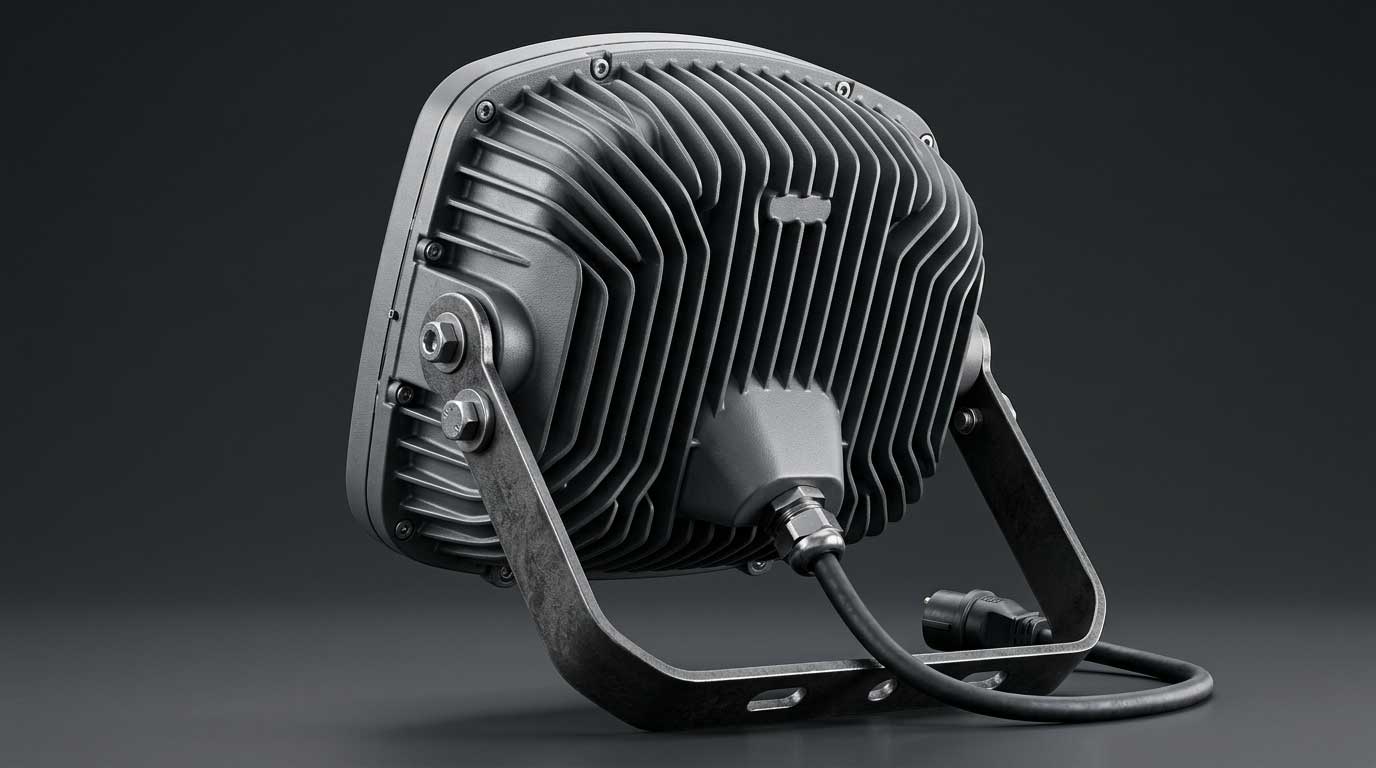
Two floodlights with similar brightness can have different operating temperatures. During product selection and maintenance, consider the following factors.
Consider an outdoor loading bay during a hot afternoon. The floodlight is operating continuously, the wall behind it has absorbed sunlight, and dust has collected between the cooling fins. These conditions can reduce cooling performance compared with a clean fixture mounted in a well-ventilated location.
The practical lesson is simple: wattage matters, but it does not tell the whole story. Fixture design and the surrounding environment must be considered together.
Heat is expected during normal operation. A sudden temperature change or signs of electrical damage deserve closer attention.
| Observation | Possible cause | Recommended action |
|---|---|---|
| Warm housing | Normal heat dissipation | Check the manufacturer’s operating specifications |
| Repeated flickering or shutdowns | Possible driver or thermal fault | Arrange a qualified inspection |
| Burning smell or smoke | Potential electrical failure | Disconnect power safely and seek professional assistance |
| Damaged wiring or discolored components | Possible overheating or deterioration | Stop using the fixture until it is inspected |
Never touch an energized floodlight to determine whether it is too hot. If a temperature check is required, use an appropriate measuring instrument and compare the result with the manufacturer’s limits. Surface temperature and internal LED junction temperature are different measurements.
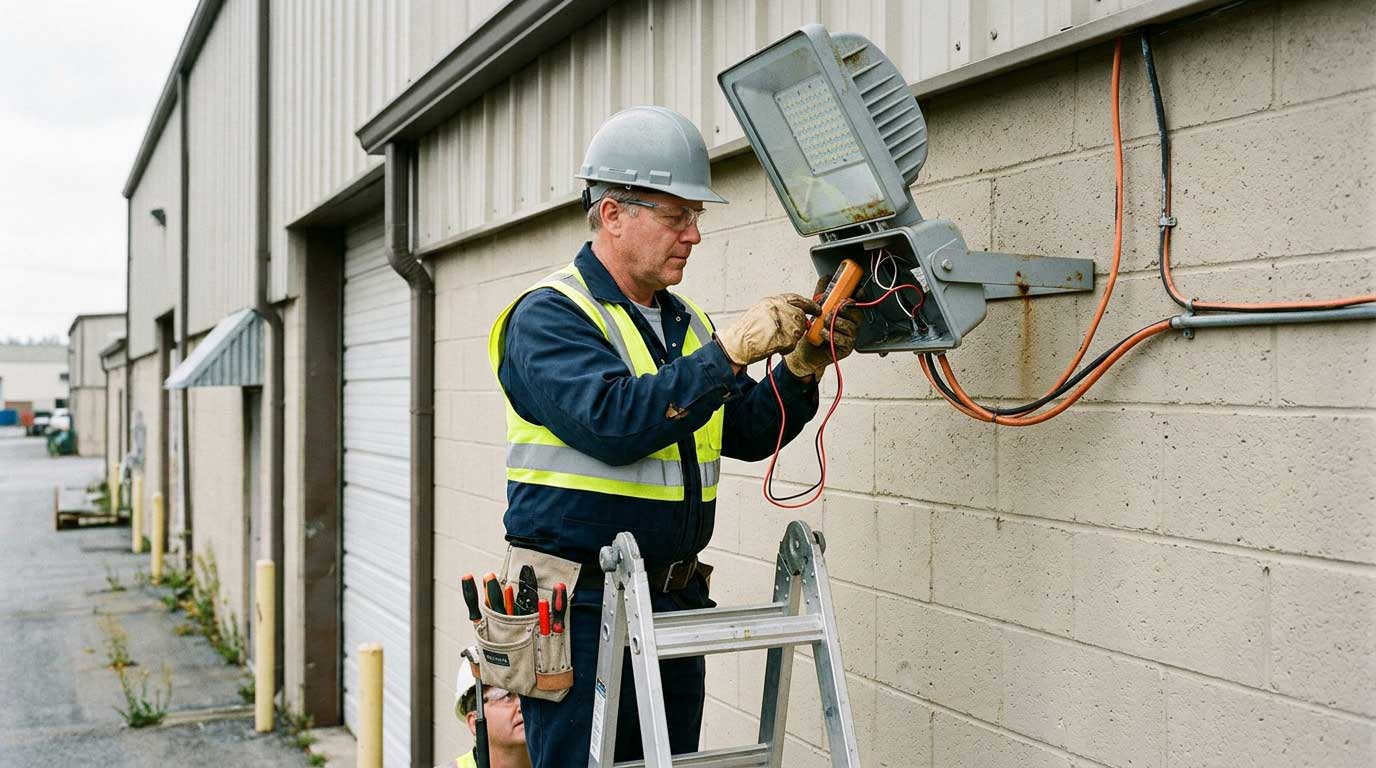
SEEKINGLED recommends assessing the fixture and installation as a complete system rather than selecting lighting by wattage alone.
Remember that energy efficiency, thermal performance, and safety certification are separate considerations. A low-power LED floodlight is not automatically suitable for every industrial application.
Yes. LEDs reduce wasted energy compared with traditional incandescent lighting, but their semiconductor chips and drivers still generate heat.
There is no single value for every model. Heat output depends on electrical input, efficiency, driver losses, and fixture design. Consult the product documentation for model-specific information.
LEDs generally produce less wasted heat for comparable light output. However, actual housing temperatures depend on each fixture’s design, installation, and surroundings.
Yes. High ambient temperatures, obstructed cooling fins, and unsuitable installation conditions can contribute to excessive operating temperatures.
Not necessarily. Some warmth is normal. Smoke, a burning smell, repeated shutdowns, or visible damage should prompt safe shutdown and professional inspection.
It can if the fixture is installed too close to heat-sensitive or combustible materials without suitable approval and clearance. Follow the manufacturer’s installation instructions.
Models designed for extended operation can run overnight when installed within their specified conditions. Proper thermal management, suitable electrical connections, and routine maintenance remain important.
Do flood lights produce heat? Yes. LED floodlights generally reduce wasted energy compared with traditional lighting, but heat management remains essential. Check the fixture’s specifications, installation environment, and cooling design instead of judging safety by wattage or touch alone.
Author and technical review: SEEKINGLED Lighting Technical Team. This guide provides general lighting guidance. Confirm model-specific operating temperatures, installation limits, and certification requirements against the relevant product documentation.
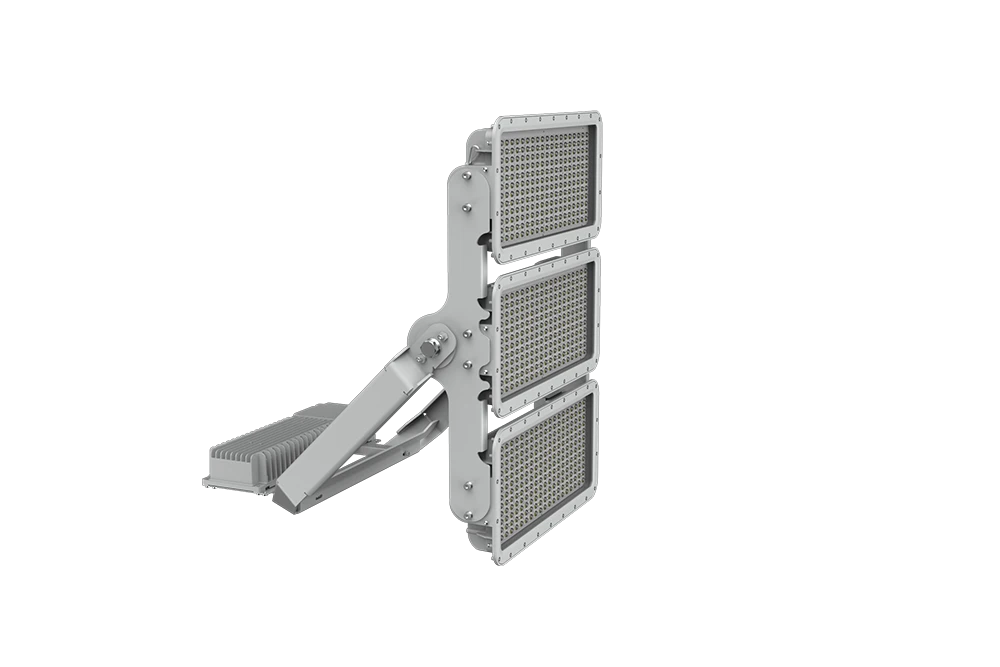
Sports Stadium LED Lighting by SEEKINGLED delivers high mast illumination, precise beam control, and EN 12193 compliant performance for professional venues.
View details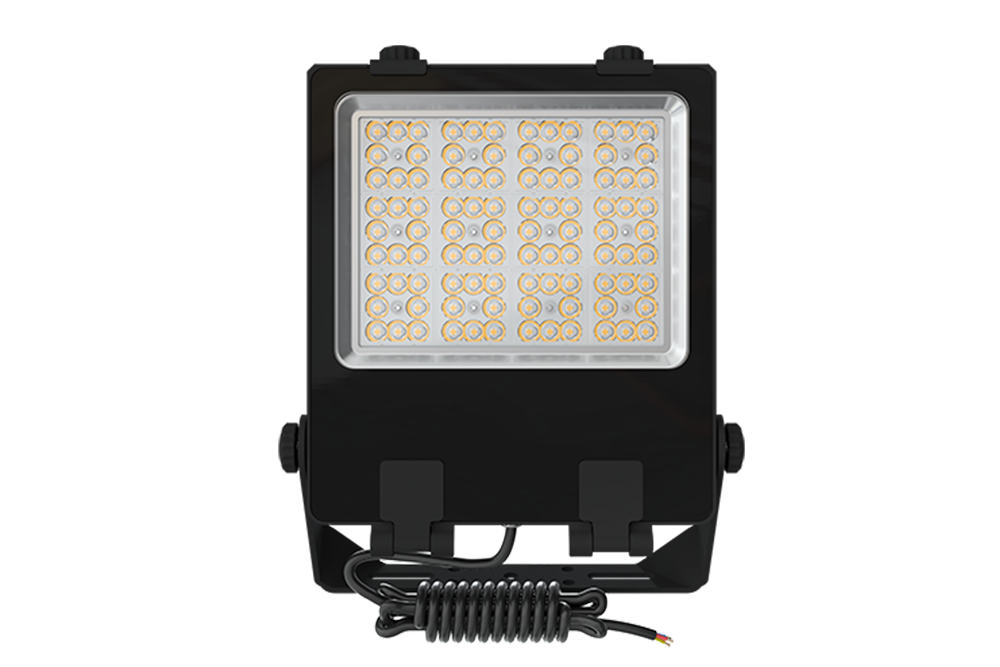
SEEKING FLX Series LED flood light outdoor for sports courts and open-area projects with 170lm/W efficiency, IP66 protection and multiple beam distributions. Designed for long-life commercial and public outdoor use.
View details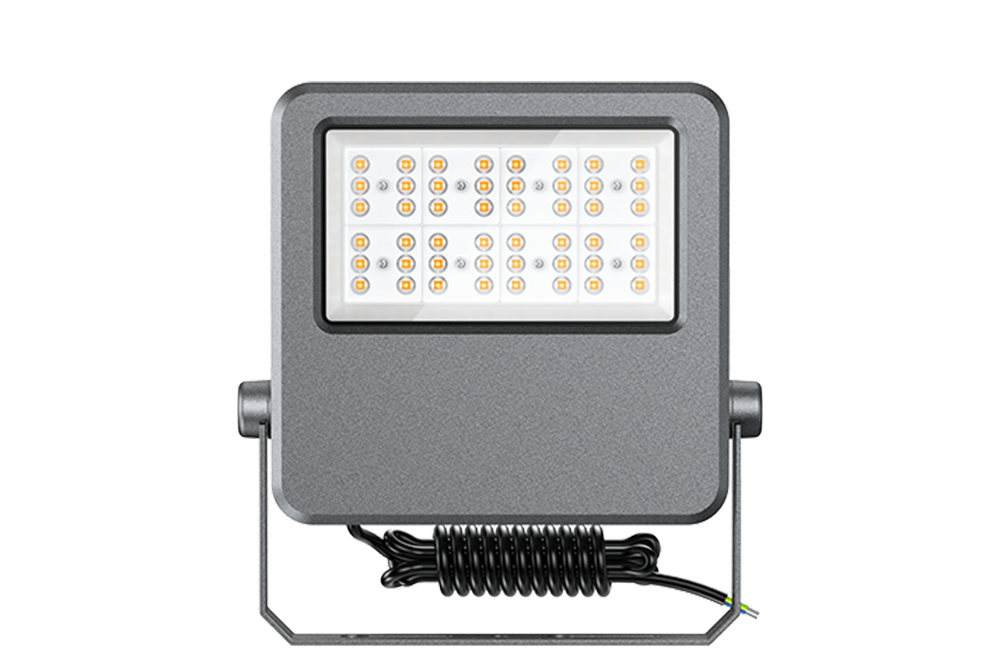
SEEKING FLE Series LED outdoor flood lights for sports grounds and open areas with multiple beam angles, IP66 protection and up to 170lm/W. Designed for long-life outdoor installations with professional driver options.
View details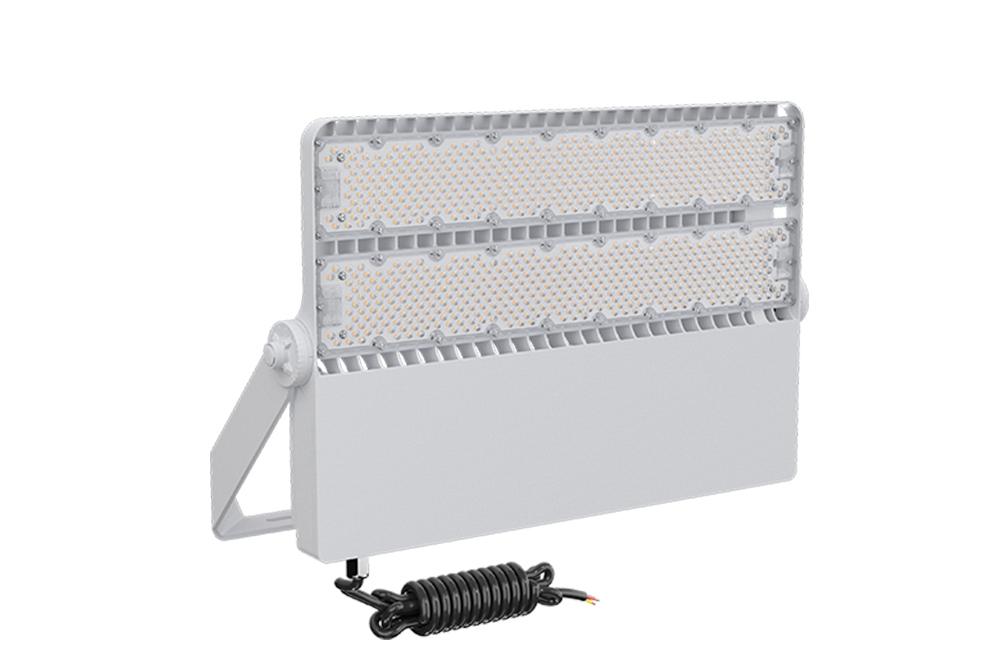
SEEKING FLD Series outdoor LED flood lights and high power led flood light deliver up to 960W with precision beam angles for sports fields, stadiums and large outdoor areas. IK08 & IP66 protection, 170lm/W efficiency and 100,000h lifetime.
View details
Are LED lights street legal for public roads? Learn how regulations work, which LED lights are allowed, and why dedicated LED street lights like SEEKINGLED STA Series are widely approved.
View details
atex portable work light delivers safe illumination for hazardous zones. Explore ATEX certification, industrial applications, and field experience from SEEKINGLED.
View details
What is class 1 division 1 light fixtures? Learn how explosion-proof lighting protects hazardous locations with Class I Div 1 standards, field insights, and safety requirements.
View details
waterproof outdoor led flood lights deliver reliable illumination in harsh weather, with IP65+ protection, energy efficiency, and long lifespan for outdoor use.
View details