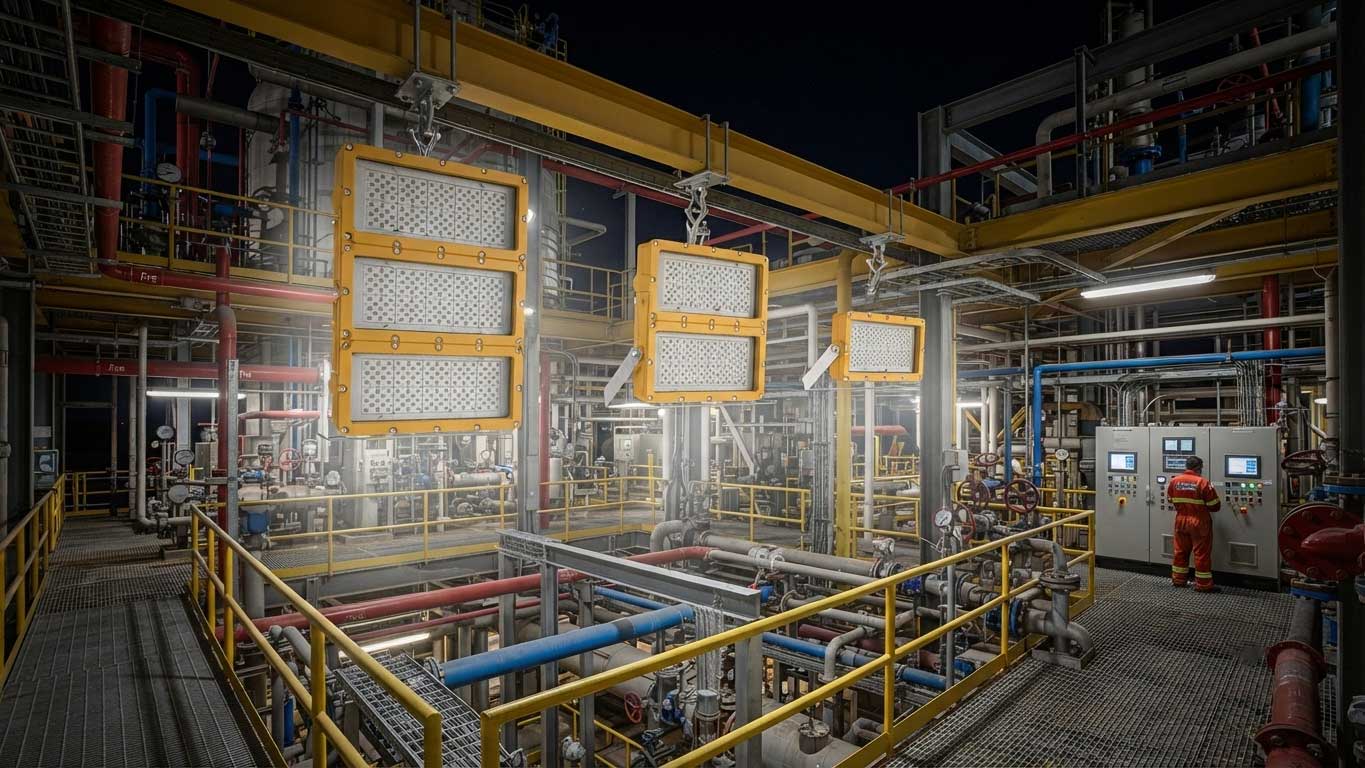
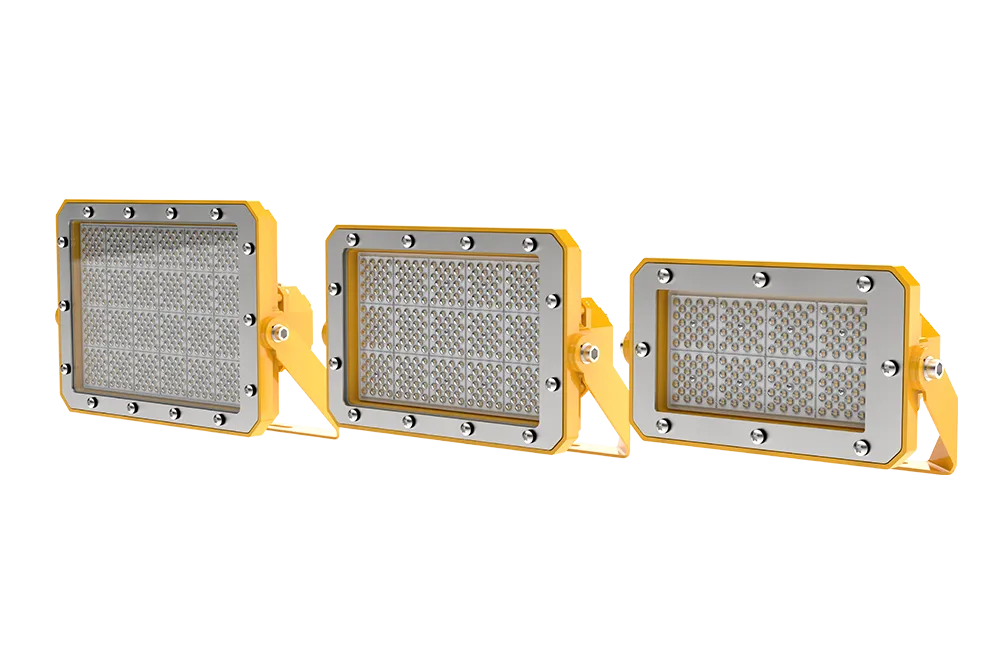
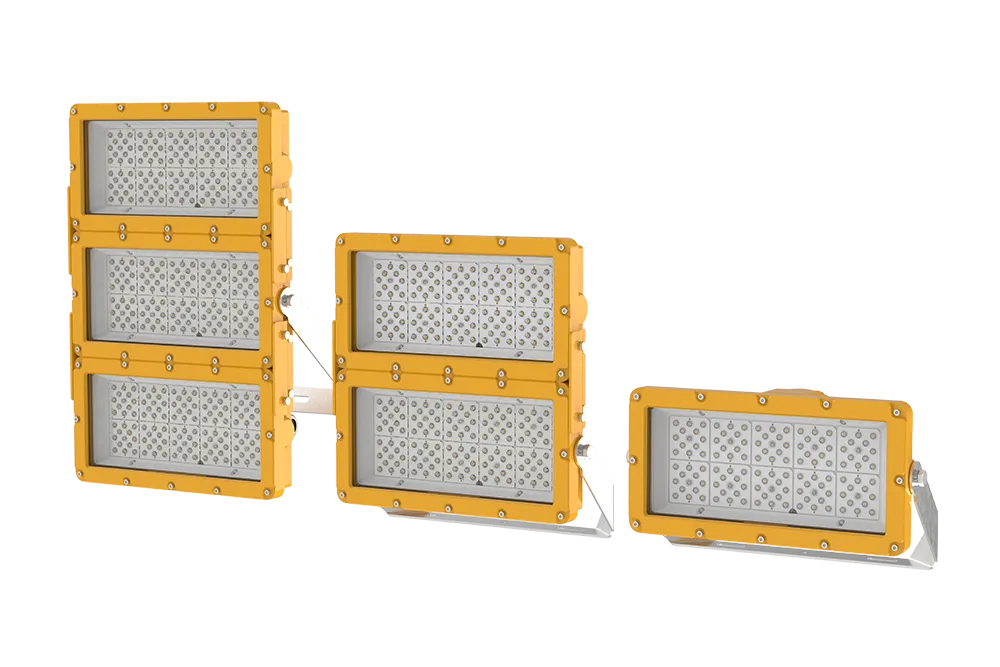
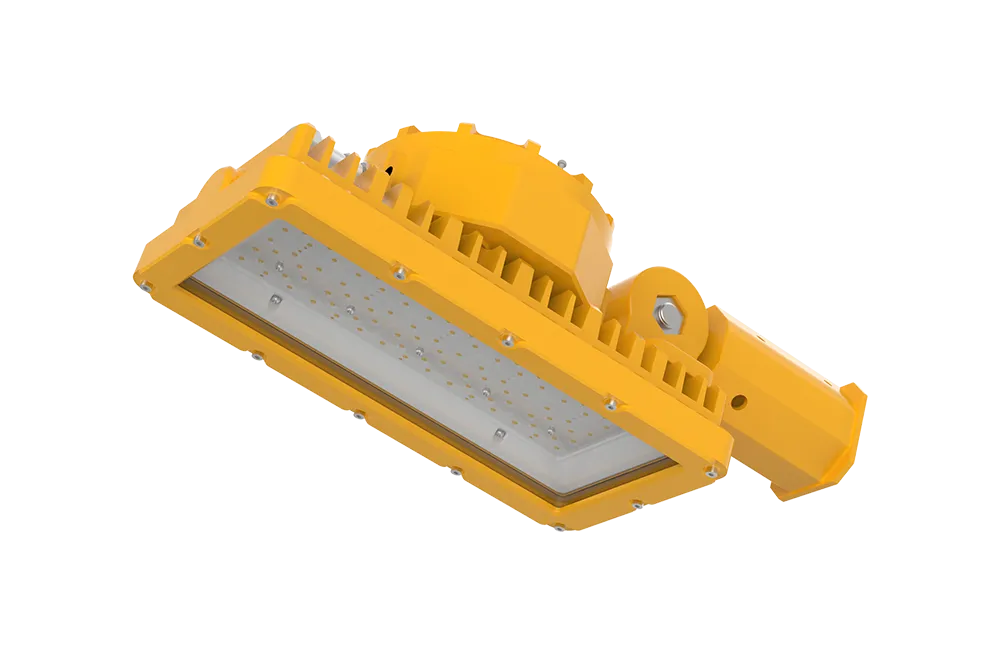
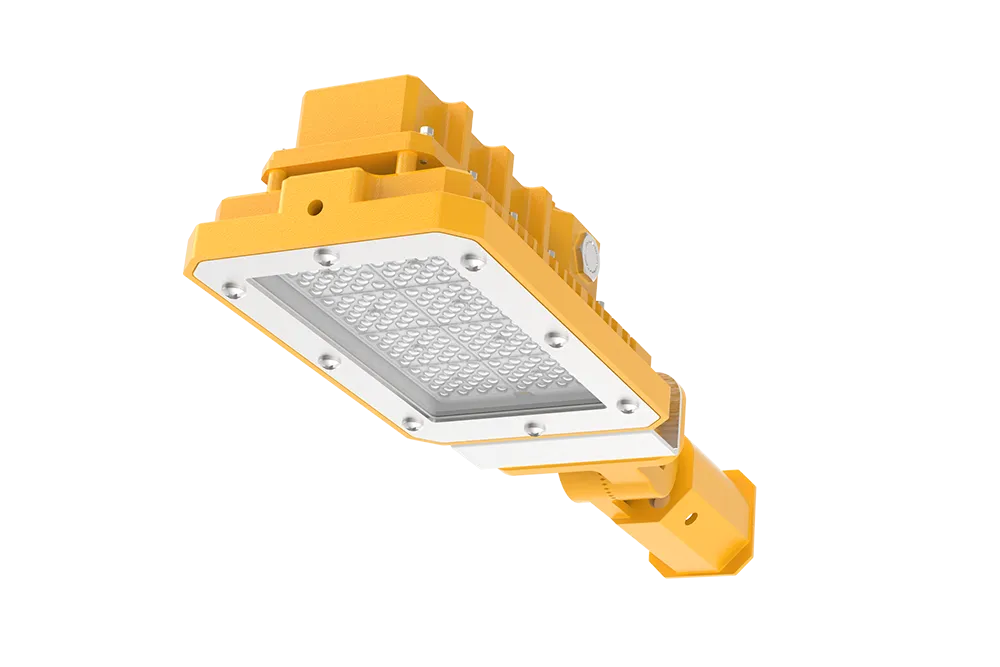
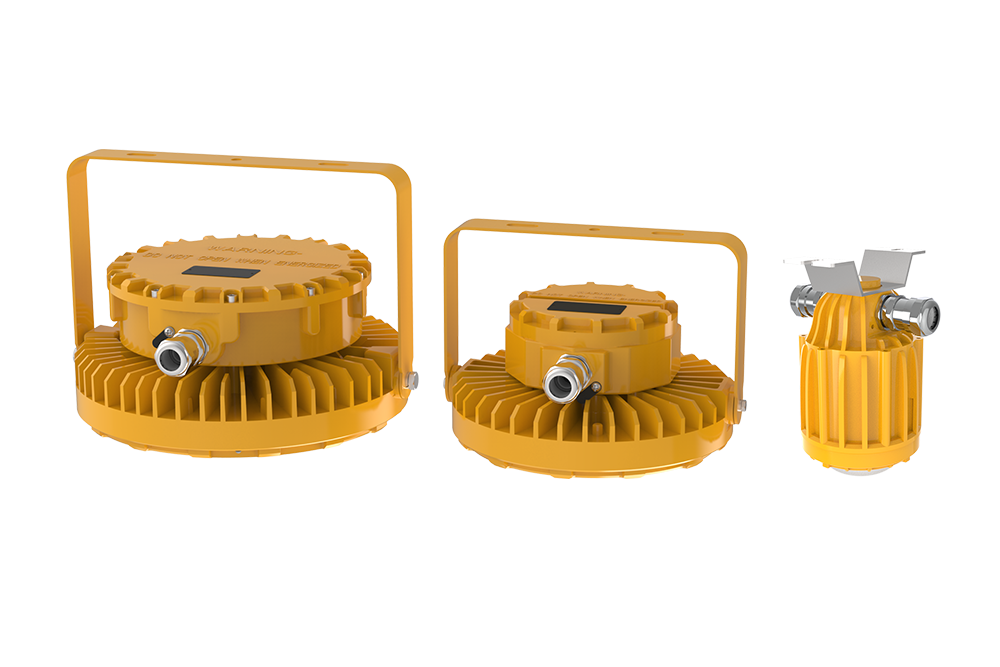
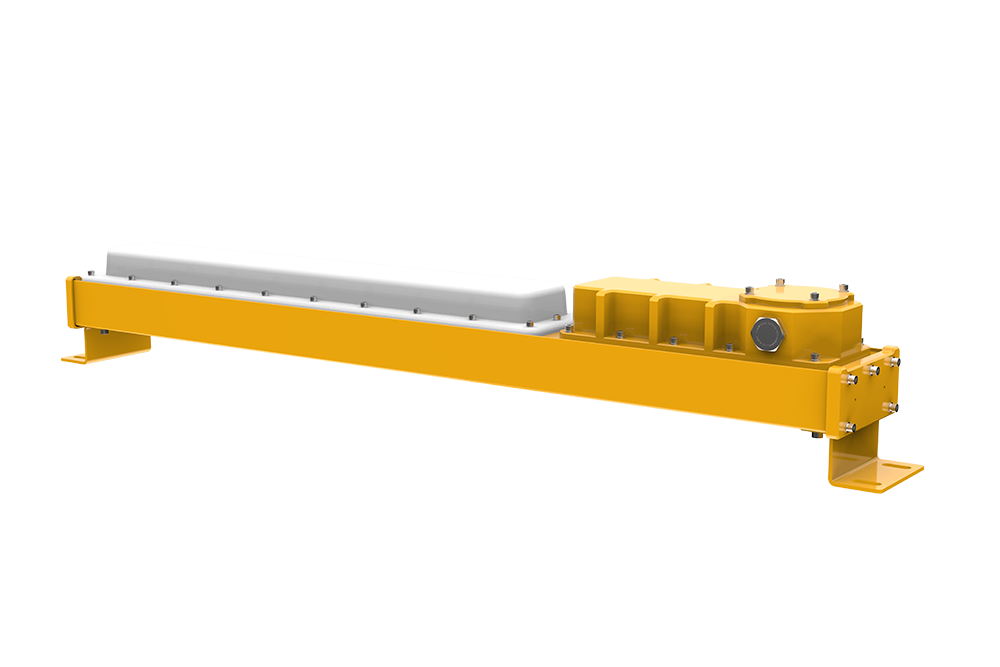
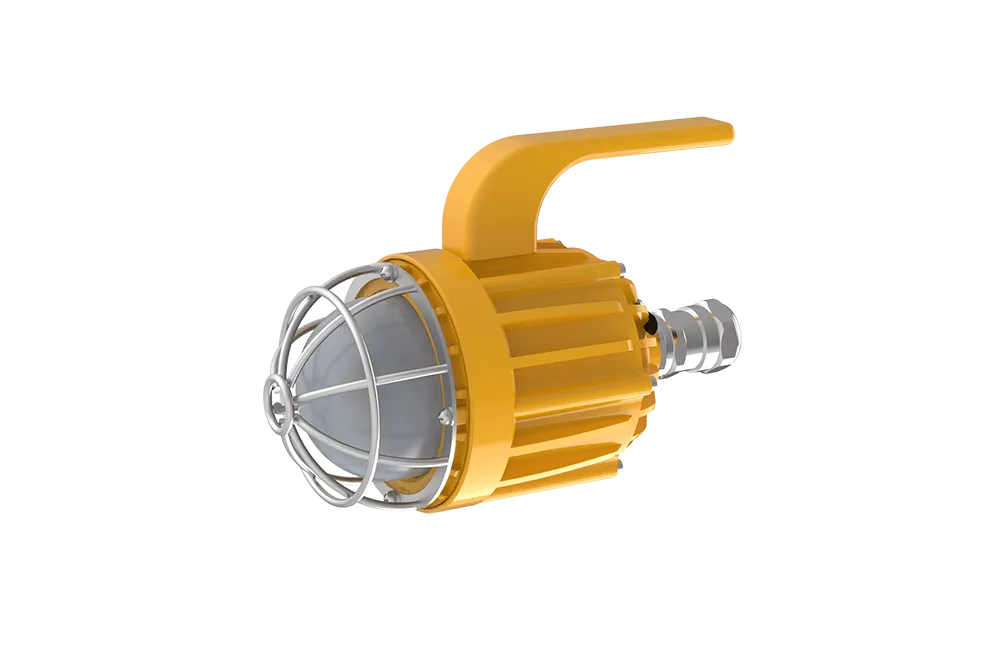
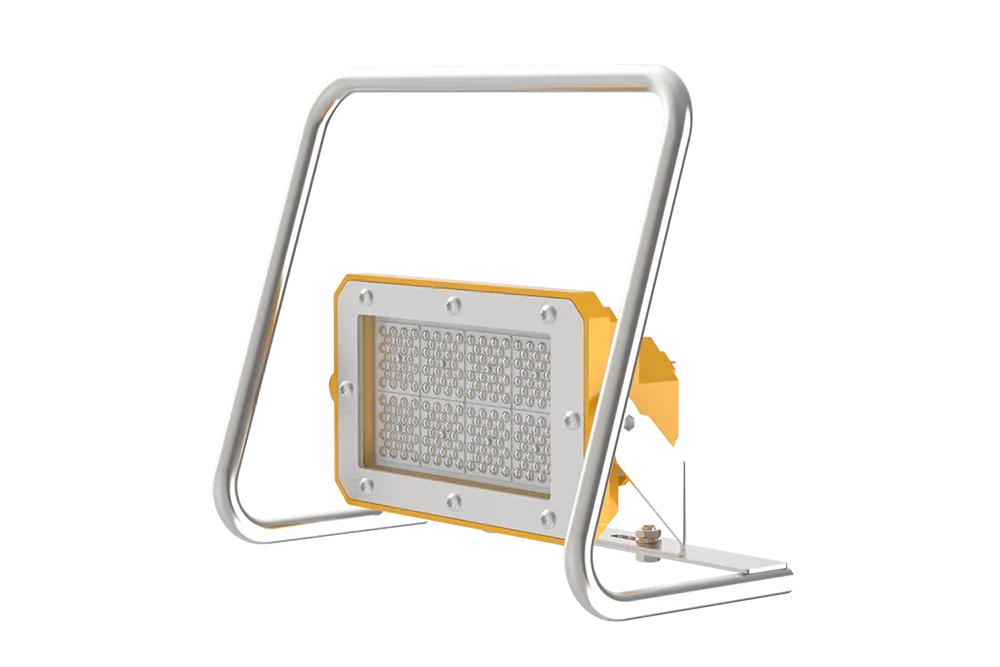
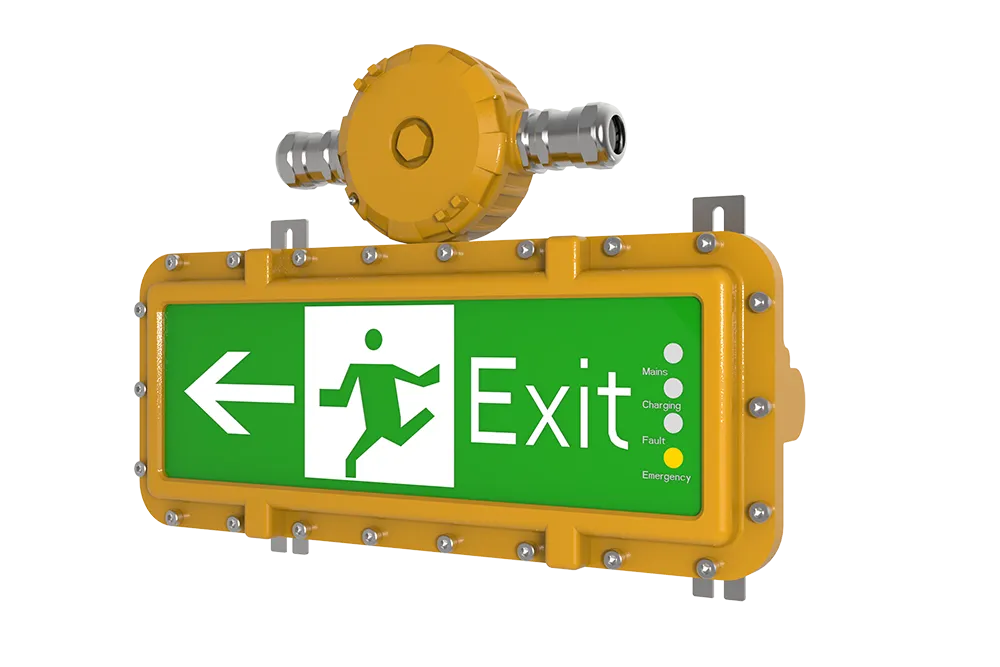
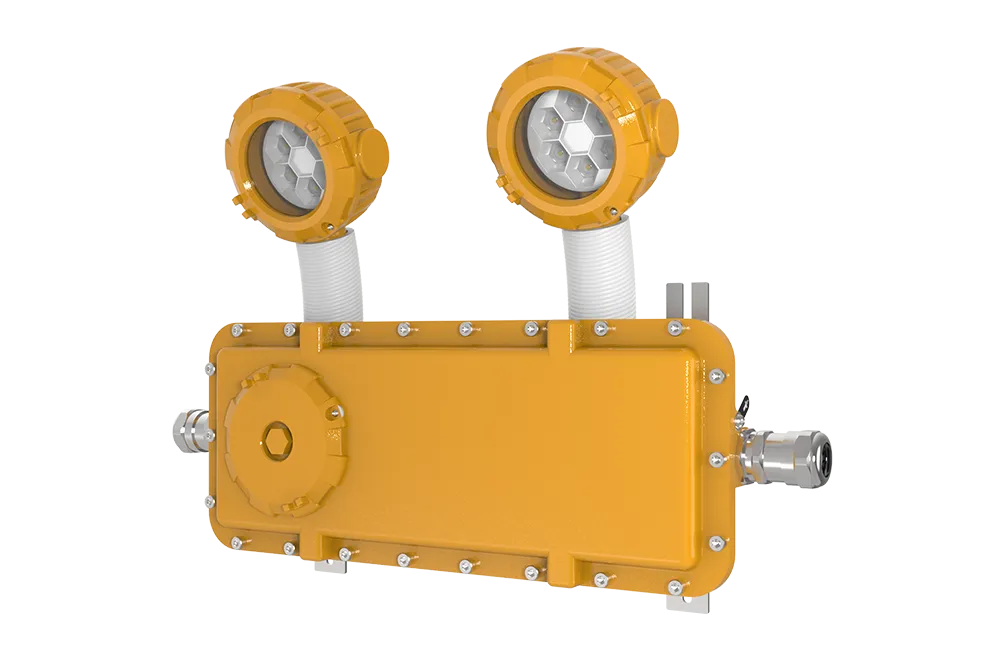
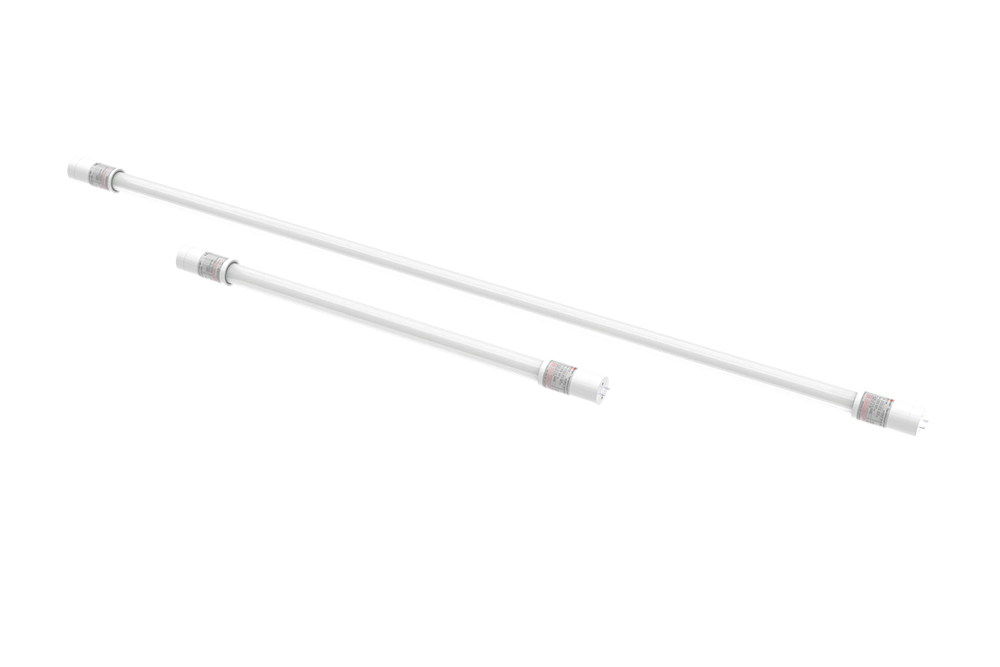
What is class 1 division 1 light fixtures? Class 1 Division 1 light fixtures are explosion-proof lighting systems designed for locations where flammable gases, vapors, or liquids are present during normal operation, providing safe illumination without creating ignition hazards.
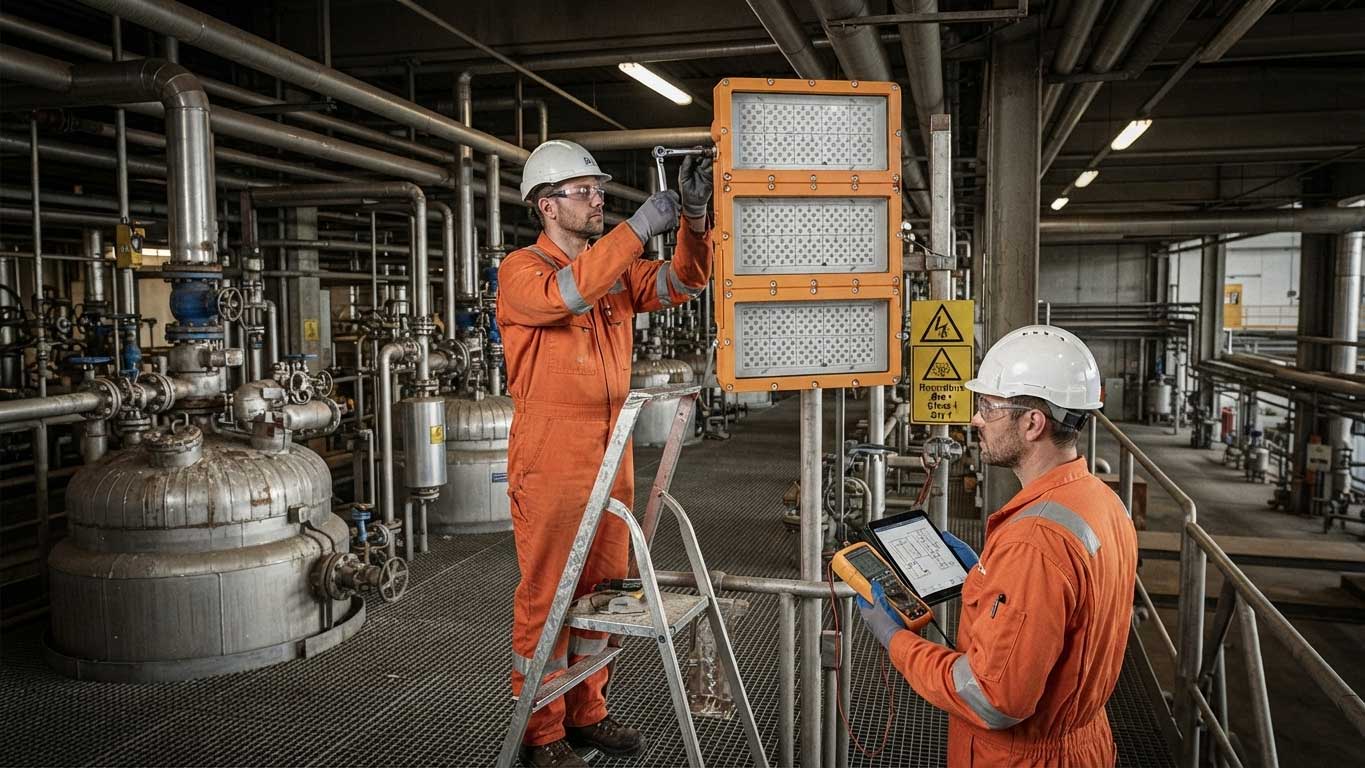
In industrial projects, these fixtures are selected before installation drawings are finalized. During hazardous area lighting reviews I have participated in, engineers usually check the classification label first, not wattage or brightness. A powerful light without the correct Class I Div 1 approval simply cannot enter the area.
Understanding Class I Division 1 Hazardous Location Lighting
Class I Division 1 (often written as Class I, Div 1 or C1D1) is a hazardous location classification defined by the National Electrical Code (NEC) in the United States.
It applies to areas where flammable gases, vapors, or liquids:
Exist under normal operating conditions
May frequently be released during maintenance or production
Could create an explosive atmosphere around electrical equipment
Typical locations include:
Oil refineries
Fuel processing facilities
Chemical plants
Gas compressor stations
Offshore platforms
Solvent storage areas
The purpose of Class 1 Division 1 light fixtures is not simply to survive harsh environments. Their main role is preventing the fixture itself from becoming an ignition source.
How Class I Division 1 Light Fixtures Work
A normal industrial light fixture assumes the surrounding environment is safe.
A Class I Div 1 fixture assumes the opposite.
The design must consider the possibility that explosive gases are already present.
Explosion-proof enclosure design
The fixture housing is engineered to contain internal explosions caused by electrical faults. If an arc occurs inside, the enclosure prevents flames from escaping and igniting surrounding gases.
Temperature control
Surface temperature is carefully controlled because hot surfaces can ignite certain gases.
Sealed electrical components
Drivers, wiring compartments, and connection points are protected against hazardous atmosphere exposure.
Standards Behind Class I Division 1 Fixtures
Class I Division 1 lighting products are typically evaluated according to recognized safety standards.
Important references include:
National Electrical Code (NFPA 70)
The NEC defines hazardous location classifications and installation requirements.
These standards exist because hazardous lighting failure is not only a maintenance issue—it can become a process safety event.
Real Field Experience: Why Classification Comes First
In hazardous lighting projects, the conversation is often different from ordinary commercial lighting.
A warehouse manager may ask: “How many lumens do we get?”
A refinery engineer asks: “Does it match our hazardous location classification?”
That difference is important.
During industrial retrofit projects, I have seen older HID fixtures replaced with LED explosion-proof units. The reason was not only energy savings. Maintenance teams wanted fewer shutdown interruptions, lower heat generation, and easier compliance documentation.
One maintenance supervisor told me:
“A light that works but is not certified is still a problem.”
That sentence explains how professionals in hazardous industries think.
These environments require lighting systems capable of operating where explosive atmospheres may occur regularly.
Class I Division 1 vs Standard Industrial Lighting
Feature
Class I Division 1 Fixture
Standard Industrial Fixture
Explosion protection
Required
Not designed
Hazardous gas protection
Yes
No
Certification
NEC / UL approved
General electrical rating
Installation area
Classified zones
Non-hazardous areas
Main priority
Safety
General illumination
The biggest misunderstanding is assuming higher brightness means better industrial lighting. In hazardous locations, correct classification matters more than maximum output.
Choosing the Right Class I Division 1 Light Fixture
Before selecting a fixture, engineers normally review:
Hazard classification
Gas group compatibility
Temperature rating
Voltage requirements
Mounting height
Ambient temperature range
Certification documents
A fixture designed for Class I Div 2 cannot automatically replace a Class I Div 1 product. The protection level is different.
FAQ: What is class 1 division 1 light fixtures?
What is class 1 division 1 light fixtures used for?
They are used in hazardous locations where flammable gases, vapors, or liquids may exist during normal operation.
Are Class I Division 1 lights explosion proof?
Yes. Certified Class I Div 1 fixtures are designed to contain internal ignition sources and prevent external ignition.
What industries use Class I Div 1 lighting?
Oil, gas, chemical processing, offshore, and fuel storage industries commonly use them.
Can Class I Div 2 fixtures replace Class I Div 1?
No. Class I Div 1 requires a higher level of protection because hazardous atmospheres are expected more frequently.
How long do LED Class I Division 1 fixtures last?
Quality LED explosion-proof fixtures commonly provide 50,000 hours or more of operational life depending on environment.
Why are these fixtures more expensive?
Because they require specialized housings, testing, certification, and safety engineering.
Conclusion
What is class 1 division 1 light fixtures? It is a certified explosion-proof lighting solution created for industrial areas where explosive gases or vapors may exist during normal operation.Visit the product page: Explosion Proof Lighting
From refinery units to chemical processing facilities, these fixtures represent a safety boundary between electrical equipment and hazardous atmospheres. Their value is not only producing light—it is maintaining visibility while protecting people, equipment, and production systems under demanding conditions.
SEEKINGLED develops industrial lighting solutions focused on hazardous environments where certification, reliability, and long-term performance are critical.
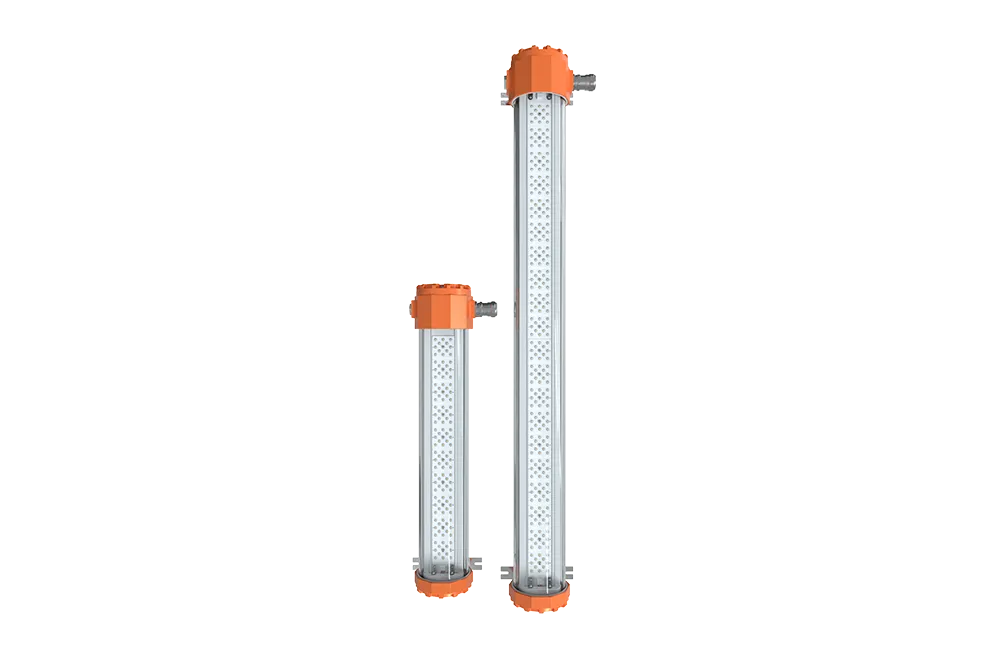
SEEKINGLED LED Linear Explosion Proof Light and Explosion Proof lighting is ATEX and IECEx certified for Zone 1, Zone 2, Zone 21 and Zone 22 hazardous locations, built for long-term industrial use.
LED Linear Explosion Proof Lights and EX Proof lights for Zone 1, Zone 2, Zone 21 and Zone 22 hazardous areas. ATEX & IECEx certified explosion proof LED linear lighting with emergency function, adjustable power and IP67 protection by SEEKINGLED.
SEEKINGLED LED Explosion Proof Flood Lights are ATEX certified for Zone 2 and Zone 22 hazardous areas, offering high efficiency, adjustable power and integrated junction box.
SEEKINGLED LED Explosion Proof Flood Lights are flameproof ATEX and IECEx certified for Zone 1 and Zone 2 hazardous areas, offering high power, adjustable output and long service life.
SEEKINGLED LED Gas Station Canopy Lights are ATEX certified for Zone 2 and Zone 22 hazardous areas, featuring adjustable power and built-in explosion-proof junction box.
ATEX: Ex II 2G Ex db IIB T6/T5 GbEx II 2D Ex tb IIIC T80°C/ T95°C Db IECEx Ex db IIB T6 Gb;Ex tb IIIC T80°C Db Feature: ● For Zone 1,2 and Zone 21,22● Flameproof type, the strongest● 100W can replace 250W HID,energy saving● Power:60W,80W,100W Application: Oil and gas, marine, Chemical, pharmaceutical, semiconductor,mining,military industr…
ATEX: II 3G Ex nR ⅡC T5/T6 GcII 3D Ex tc ⅢC T80℃/T95℃Dc ATEX Certificate NO: TÜV CY 26 ATEX 0207611 X Feature: ● For Zone 2 and Zone 22● 150W can replace 250W HID lamps,Energy saving● Power:50W,75W,100W,150W,200W Application: Oil and gas, marine, Chemical, pharmaceutical, semiconductor,mining,military industry, paint booth,power plant ETC…
LED explosion proof high bay lights are designed for Zone 1, Zone 2, Zone 21 and Zone 22 hazardous areas. This page introduces the HB21 Series from SEEKING, including certifications, power options and real application considerations.
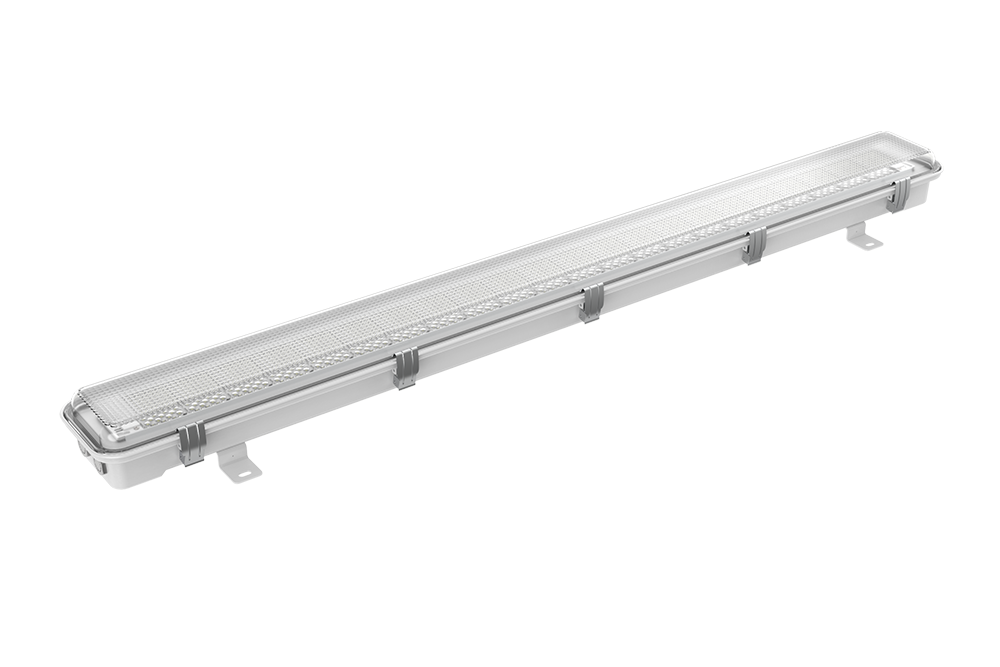
LED Linear Explosion Proof Lights from SEEKINGLED. LU Series Flame Proof lights ATEX-certified explosion proof LED linear lighting for Zone 2 gas and Zone 22 dust areas, IP69K, IK10, long lifetime and flexible power options.
Certified explosion proof work lights for Zone 1 & 21 hazardous areas. Portable, ATEX & IECEx approved, built for oil, gas and chemical plants by SEEKINGLED.
ATEX: II 3G Ex nR ⅡC T6 GcII 3D Ex tc ⅢC T80℃ Dc ATEX Certificate NO: TÜV CY 26 ATEX 0207611 X Feature: ● For Zone 2 and Zone 22● Accepts battery-powered supply● indestructible● Power:AC input:50W,75W,100WDC input:15W,25W,35W Application: Oil and gas, marine, Chemical, pharmaceutical, semiconductor,mining,military industry, paint booth,po…
ATEX: Ex II 2G Ex db IIB T6 GbEx II 2D Ex tb IIIC T80°C Db IECEx Ex db IIB T6 Gb;Ex tb IIIC T80°C Db Feature: ● For Zone 1,2 and Zone 21,22● Flameproof type, the strongest Application: Oil and gas, marine, Chemical, pharmaceutical, semiconductor,mining,military industry, paint booth,power plant ETC hazardous area. Technical Specifications:…
ATEX: Ex II 2G Ex db IIB T6 GbEx II 2D Ex tb IIIC T80°C Db IECEx Ex db IIB T6 Gb;Ex tb IIIC T80°C Db Feature: ● For Zone 1,2 and Zone 21,22● Flameproof type, the strongest Application: Oil and gas, marine, Chemical, pharmaceutical, semiconductor,mining,military industry, paint booth,power plant ETC hazardous area. Technical Specifications:…
ATEX: Ex II 2G Ex d e IIB T6 Gb ATEX: Ex d e IIB T6 Gb; Feature: ● For Zone 1,2● 9W can replace 18W fluorescent lamps,50% Energy saving Application: Oil and gas, marine, Chemical, pharmaceutical, semiconductor,mining,military industry, paint booth,power plant ETC hazardous area. Technical Specifications: Standards:60079-0, 60079-1, 60079…
200W High Bay LED Lights deliver powerful output, energy savings, and long lifespan. Discover how to choose reliable industrial lighting for real-world performance.
Explosion proof LED high bay lighting for hazardous areas. Safe, energy-efficient illumination for refineries, warehouses, and industrial sites by SEEKINGLED.
Discover how 200 watt street light solutions improve road safety and cut energy costs. Field-tested insights, real data, and durable design by SEEKINGLED.
 Seeking LED