 Seeking LED
XJ-HBS200W High Bay with Sensor in Australian Warehouse
291Real project record of XJ-HBS200W high bay with motion and daylight sensor installed in an Australian warehouse, focusing on on-site setup and energy-saving results.
View detailsSearch the whole station
An atex portable work light is a certified mobile lighting solution designed for hazardous areas where flammable gases, vapors, or combustible dust may exist. It provides safe illumination while preventing ignition risks through ATEX-approved protection design.
Unlike ordinary rechargeable lamps, an ATEX portable work light is engineered around explosion protection, temperature control, impact resistance, and operational reliability. In oil terminals, chemical plants, and offshore maintenance areas, workers depend on portable lighting when fixed systems cannot reach confined or temporary work locations.
During industrial lighting evaluations, I have inspected portable explosion-proof lamps used in refinery maintenance shutdowns. The difference between a normal lamp and an ATEX-rated model becomes obvious when technicians enter narrow equipment spaces, where one uncontrolled spark can create a serious safety event.Visit the product page: Explosion Proof Lighting
A conventional portable LED lamp mainly focuses on brightness, battery capacity, and convenience.
An atex portable work light focuses on:
The purpose is not simply to provide more light. The purpose is to ensure the light itself does not become a hazard.
According to the European Commission ATEX framework, equipment used in explosive atmospheres must meet essential health and safety requirements before being placed on the market.
Reference:
Many maintenance operations happen during temporary shutdowns. Workers may enter:
These locations often have changing atmospheric conditions.
An ATEX portable work light is classified according to the protection level required for the environment.
Typical classifications include:
| Classification | Application |
|---|---|
| Zone 0 | Continuous explosive atmosphere |
| Zone 1 | Explosive atmosphere likely during normal operation |
| Zone 2 | Explosive atmosphere unlikely or short duration |
For dust environments:
| Classification | Application |
|---|---|
| Zone 20 | Continuous combustible dust presence |
| Zone 21 | Dust likely during operation |
| Zone 22 | Dust rarely present |
Correct zone matching is one of the first checks engineers perform before selecting portable lighting equipment.
A professional ATEX portable work light usually includes:
The battery system is especially important.
In ordinary rechargeable lights, battery overheating is mainly a product reliability issue. In hazardous environments, thermal runaway can become an ignition concern.
That is why certified portable work lights require controlled electrical design and protection systems.
In industrial projects, portable lighting usually faces harsher conditions than fixed lighting.
A fixed explosion-proof fixture may remain mounted in one location for years.
A portable unit experiences:
During refinery turnaround projects, technicians often carry portable lights through metal structures, ladders, and confined spaces. The lamp housing receives impacts that are impossible to simulate through simple office testing.
This is where build quality becomes visible.
A maintenance worker once described portable hazardous lighting to me:
“The best light is the one you stop thinking about because it keeps working.”
That sentence reflects a practical requirement: reliability should disappear into daily operation.
Oil and gas facilities are among the most common environments requiring ATEX portable lighting.
Applications include:
Portable lighting allows technicians to work safely in areas where permanent lighting cannot provide sufficient coverage.
Chemical plants often contain solvents, gases, and combustible materials.
Portable ATEX lights are used during:
The ability to move lighting without introducing ignition sources is critical.
Mining environments and manufacturing facilities may involve:
Explosion-proof portable lamps provide additional safety during inspection and repair tasks.
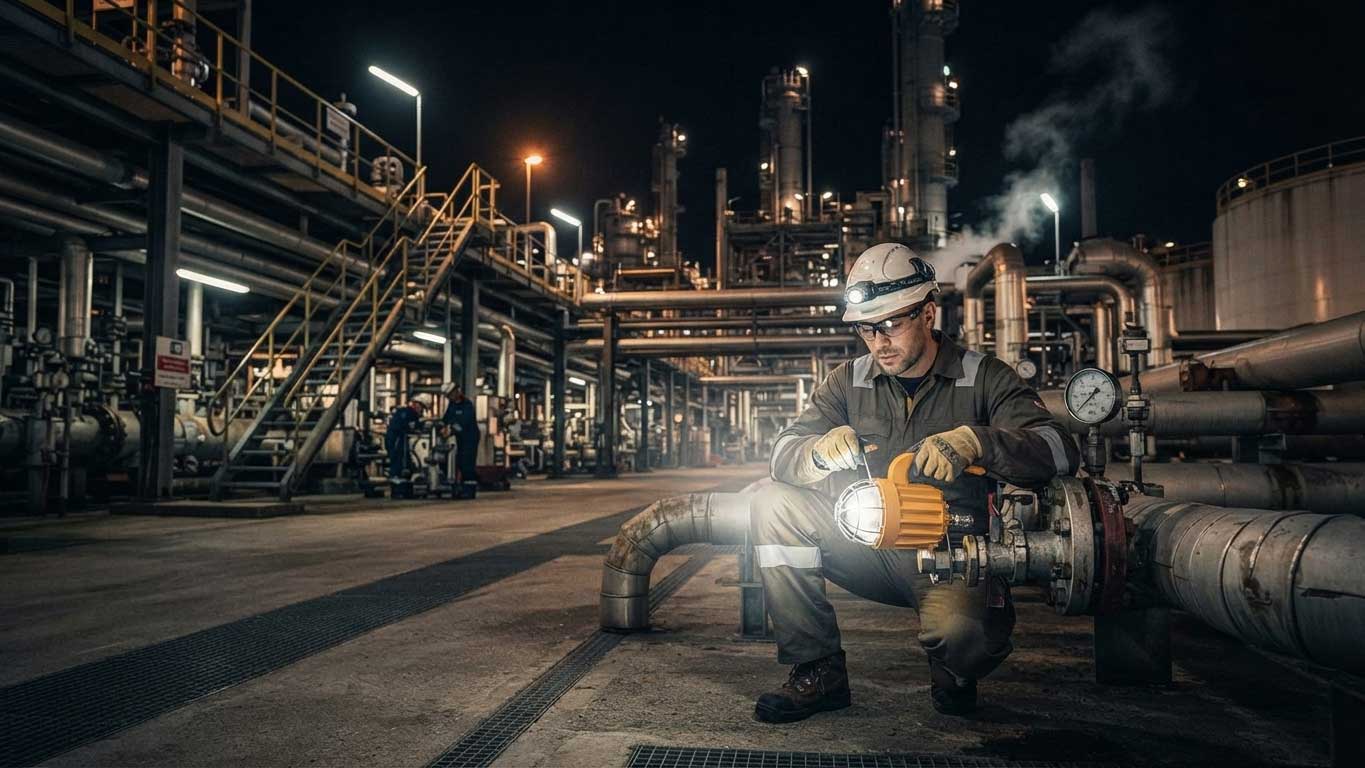
The first question is not:
“How bright is the lamp?”
The first question is:
“Is this lamp approved for the environment?”
Engineers verify:
For portable lighting, battery reliability directly affects productivity.
Important specifications include:
A lamp that loses power during confined-space inspection creates unnecessary operational risk.
Industrial portable lights are tools, not accessories.
Important durability factors:
At SEEKINGLED, explosion-proof lighting development is based on industrial application feedback rather than only laboratory parameters.
The design process considers questions engineers ask on-site:
Our hazardous lighting products are developed for demanding environments where reliability directly affects safety and productivity.
The goal is simple: create portable lighting equipment that workers can trust when conditions are difficult.
An atex portable work light proves its value during unpredictable industrial operations. Unlike fixed lighting systems, portable explosion-proof lights are usually used when technicians enter areas with limited access, temporary power restrictions, or changing safety conditions.
The following cases reflect common situations observed in industrial maintenance environments.
During refinery turnaround periods, hundreds of workers may enter processing areas simultaneously for inspection, cleaning, and repair.
One challenge is that permanent lighting cannot always cover:
In these situations, technicians rely on portable hazardous-area lighting.
A refinery maintenance team typically evaluates portable lights based on:
| Evaluation Point | Why It Matters |
|---|---|
| ATEX certification | Ensures suitability for explosive zones |
| Battery runtime | Prevents interruption during long shifts |
| Housing durability | Handles drops and industrial impact |
| Temperature stability | Reduces ignition risk |
| Weight balance | Improves worker mobility |
During field discussions with maintenance teams, one repeated concern was not maximum brightness—it was whether the lamp could remain reliable after being carried through an entire 12-hour shift.
Offshore platforms expose portable lighting equipment to:
According to the International Maritime Organization (IMO), corrosion control is a major operational concern for marine structures because saltwater environments accelerate material degradation.
Reference:
https://www.imo.org
For an ATEX portable work light used offshore, protection requirements extend beyond explosion safety.
Engineers also consider:
A lamp that performs well inside a warehouse may not survive offshore conditions.
| Feature | ATEX Portable Work Light | Standard LED Work Light |
|---|---|---|
| Explosion protection | Certified protection system | Usually none |
| Hazardous zone usage | Approved for specific zones | Not permitted |
| Housing design | Flame-resistant enclosure | General-purpose housing |
| Temperature control | Controlled surface temperature | Limited consideration |
| Industrial certification | ATEX / IECEx options | Consumer or commercial standards |
| Application | Oil, gas, chemical industries | Construction, workshops |
The difference is not visible from the outside.
Two lamps may produce similar brightness, but only one may be legally suitable inside a hazardous location.
Before purchasing, engineers should identify:
Choosing the wrong certification can make otherwise high-quality equipment unsuitable.
A maintenance technician working inside a confined vessel has different requirements from an offshore inspector.
Consider:
Confined space work
Offshore inspection
Emergency response
Industrial buyers often focus on initial purchase price, but maintenance teams usually measure total ownership cost.
Factors include:
A slightly higher-quality portable light can reduce replacement frequency during years of operation.
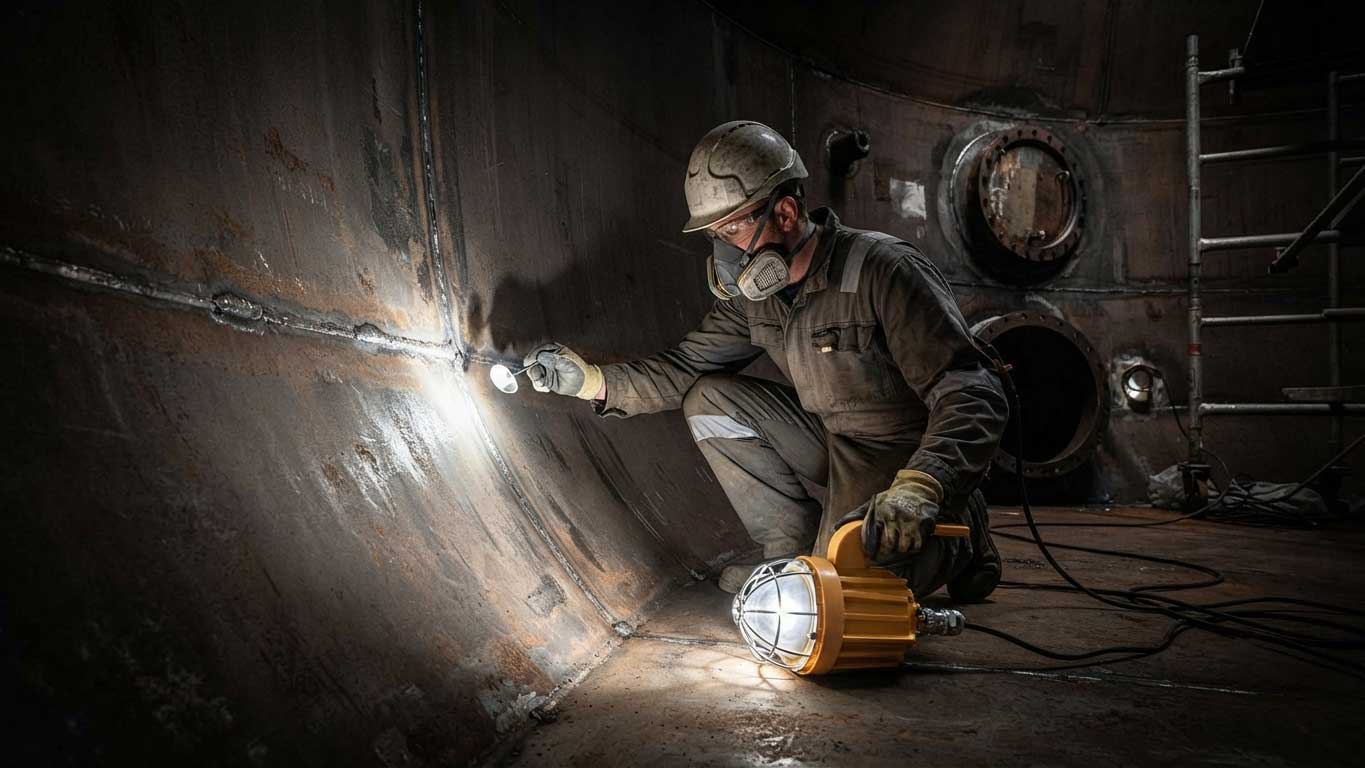
Professional buyers usually review several standards before approving equipment.
Common references include:
Defines requirements for equipment used in potentially explosive atmospheres within the European Union.
Provides an internationally recognized certification framework for explosive atmosphere equipment.
Covers requirements for electrical equipment used in explosive atmospheres.
Reference sources:
An ATEX portable work light is used in hazardous locations such as oil refineries, chemical plants, offshore platforms, and industrial maintenance areas where explosive gases or dust may exist.
No. Standard rechargeable lamps are generally not certified for explosive atmospheres and may introduce ignition risks in hazardous zones.
ATEX certification confirms that equipment has been designed and tested according to European requirements for use in potentially explosive environments.
Operating time depends on battery capacity, brightness mode, and working temperature. Industrial models commonly provide several hours of continuous operation per charge.
Many industrial models include high ingress protection ratings such as IP66 or higher, but users should verify the exact certification and protection level before deployment.
They are commonly used in:
The additional cost comes from certified materials, specialized enclosure design, testing procedures, and compliance requirements needed for hazardous environments.
After years working with industrial lighting applications, one thing becomes clear: portable hazardous lighting is not purchased because workers need “another flashlight.”
It is selected because the working environment demands controlled risk.
The best atex portable work light is the one that performs consistently when:
For industrial customers, reliability is measured differently. A good portable explosion-proof light is not noticed during operation—it simply allows the job to continue safely.
An atex portable work light provides safe, mobile illumination for hazardous environments by combining explosion protection, thermal control, and industrial durability.
For oil, gas, chemical, and offshore applications, selecting the correct certified portable lighting system is not only about brightness or battery life. It is about matching equipment design with the actual risks of the workplace.
SEEKINGLED focuses on developing hazardous lighting solutions that meet demanding industrial conditions, helping professionals work with confidence in environments where ordinary lighting cannot be used.
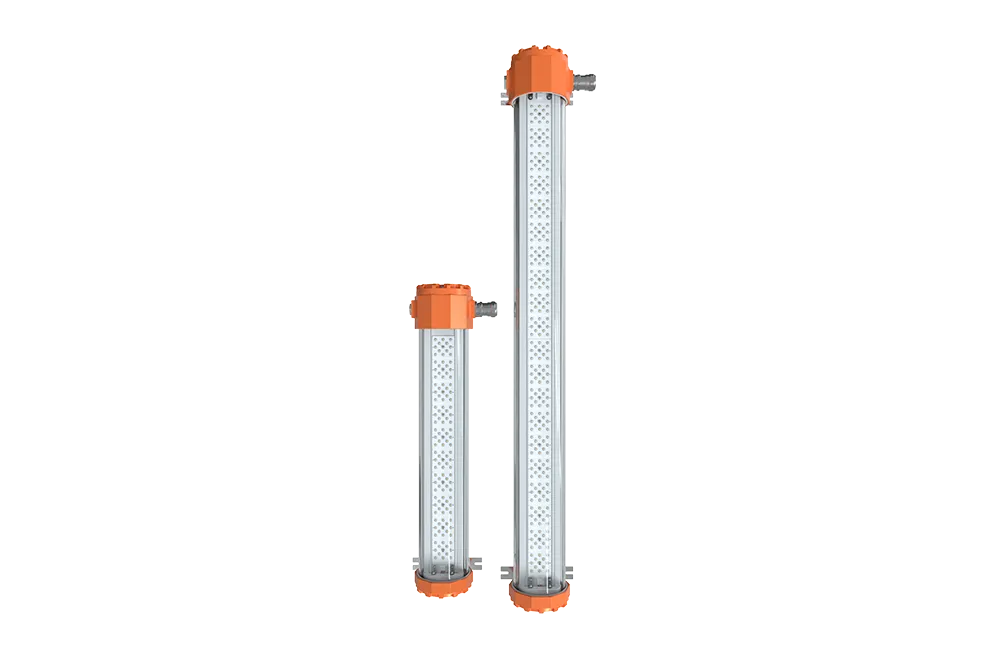
SEEKINGLED LED Linear Explosion Proof Light and Explosion Proof lighting is ATEX and IECEx certified for Zone 1, Zone 2, Zone 21 and Zone 22 hazardous locations, built for long-term industrial use.
View details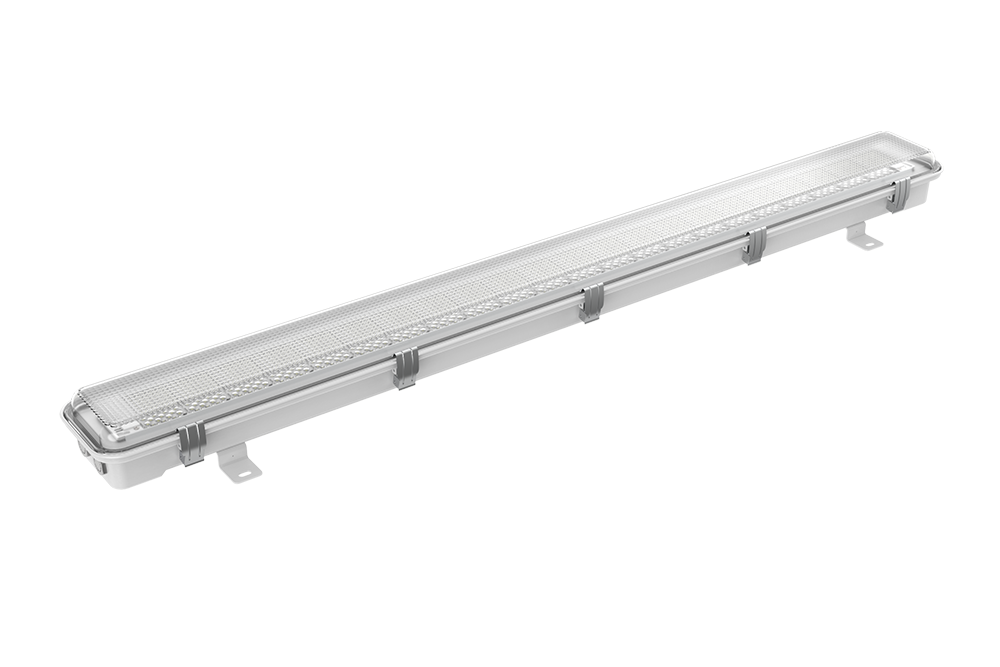
LED Linear Explosion Proof Lights and EX Proof lights for Zone 1, Zone 2, Zone 21 and Zone 22 hazardous areas. ATEX & IECEx certified explosion proof LED linear lighting with emergency function, adjustable power and IP67 protection by SEEKINGLED.
View details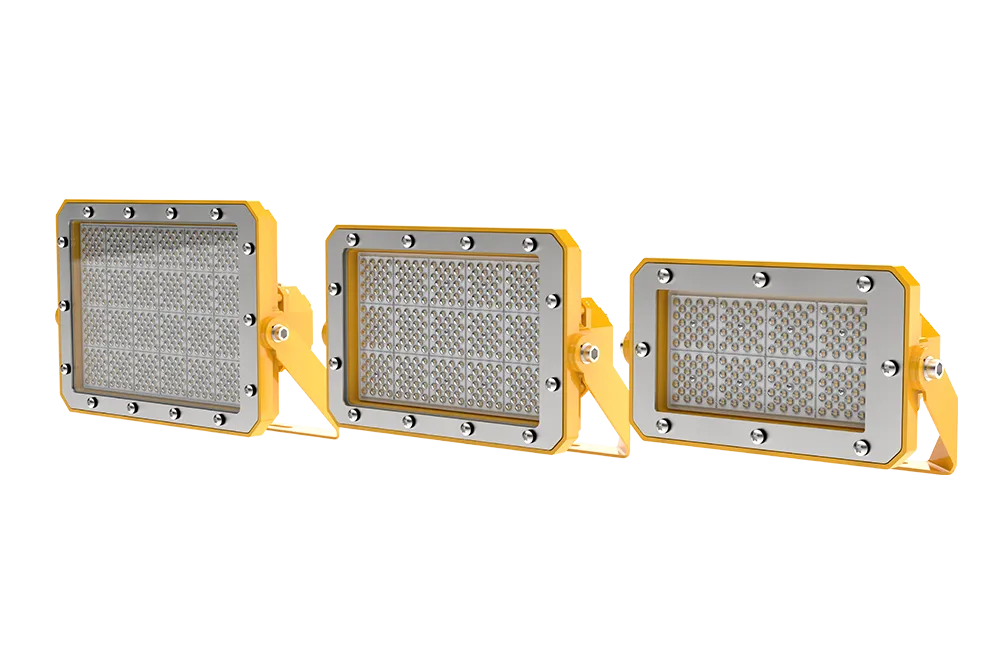
SEEKINGLED LED Explosion Proof Flood Lights are ATEX certified for Zone 2 and Zone 22 hazardous areas, offering high efficiency, adjustable power and integrated junction box.
View details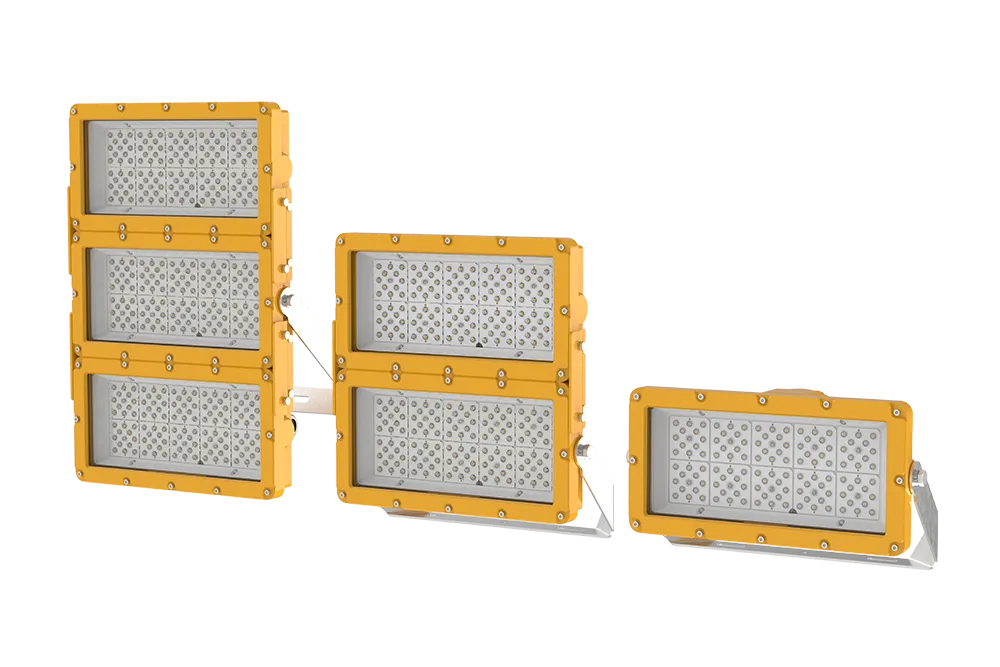
SEEKINGLED LED Explosion Proof Flood Lights are flameproof ATEX and IECEx certified for Zone 1 and Zone 2 hazardous areas, offering high power, adjustable output and long service life.
View details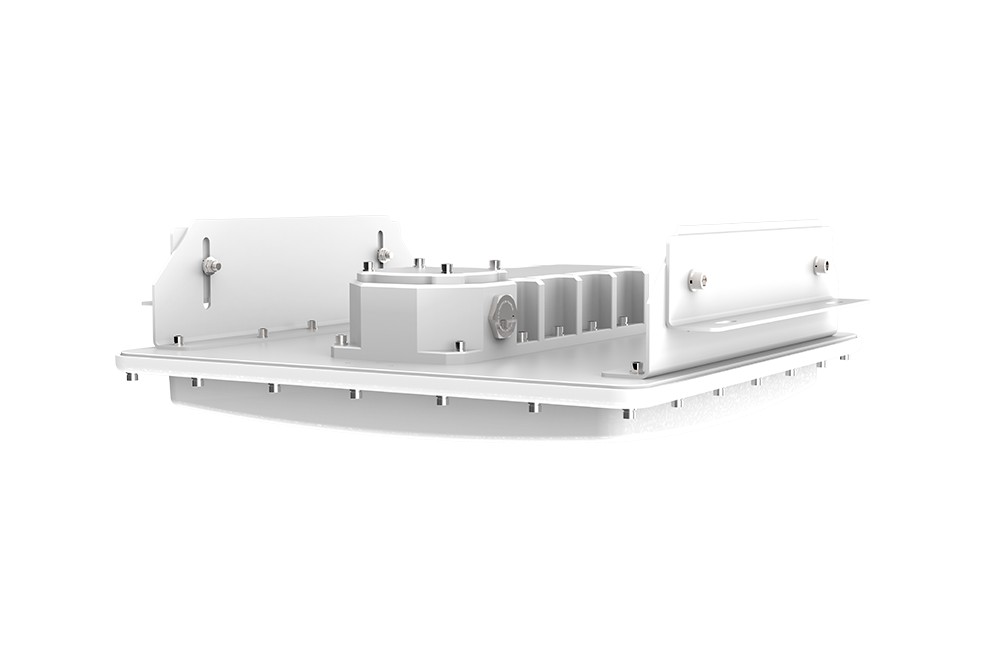
SEEKINGLED LED Gas Station Canopy Lights are ATEX certified for Zone 2 and Zone 22 hazardous areas, featuring adjustable power and built-in explosion-proof junction box.
View details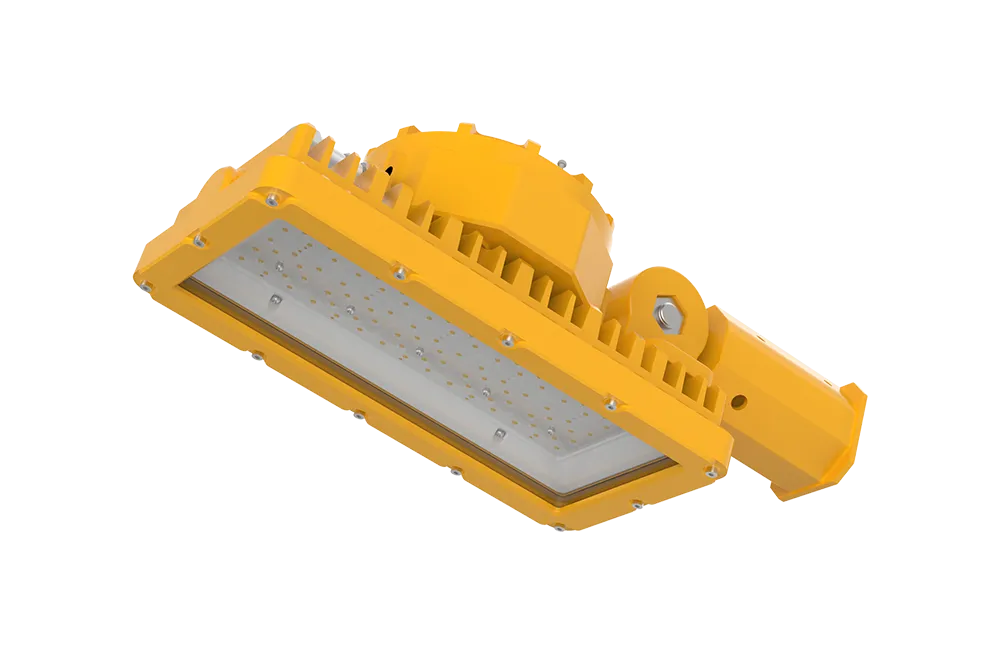
ATEX: Ex II 2G Ex db IIB T6/T5 GbEx II 2D Ex tb IIIC T80°C/ T95°C Db IECEx Ex db IIB T6 Gb;Ex tb IIIC T80°C Db Feature: ● For Zone 1,2 and Zone 21,22● Flameproof type, the strongest● 100W can replace 250W HID,energy saving● Power:60W,80W,100W Application: Oil and gas, marine, Chemical, pharmaceutical, semiconductor,mining,military industr…
View details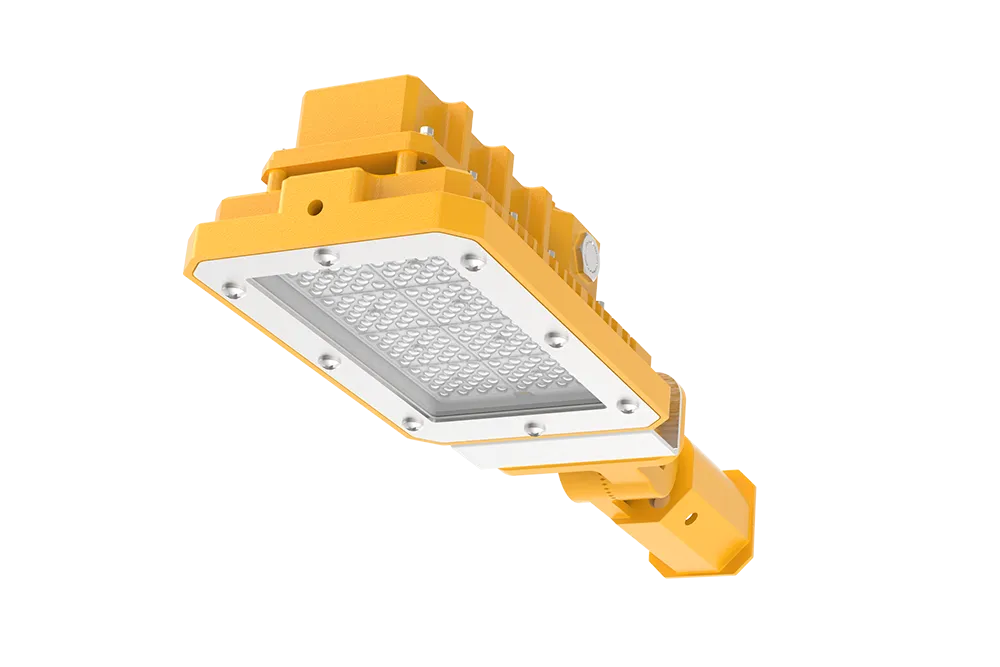
ATEX: II 3G Ex nR ⅡC T5/T6 GcII 3D Ex tc ⅢC T80℃/T95℃Dc ATEX Certificate NO: TÜV CY 26 ATEX 0207611 X Feature: ● For Zone 2 and Zone 22● 150W can replace 250W HID lamps,Energy saving● Power:50W,75W,100W,150W,200W Application: Oil and gas, marine, Chemical, pharmaceutical, semiconductor,mining,military industry, paint booth,power plant ETC…
View details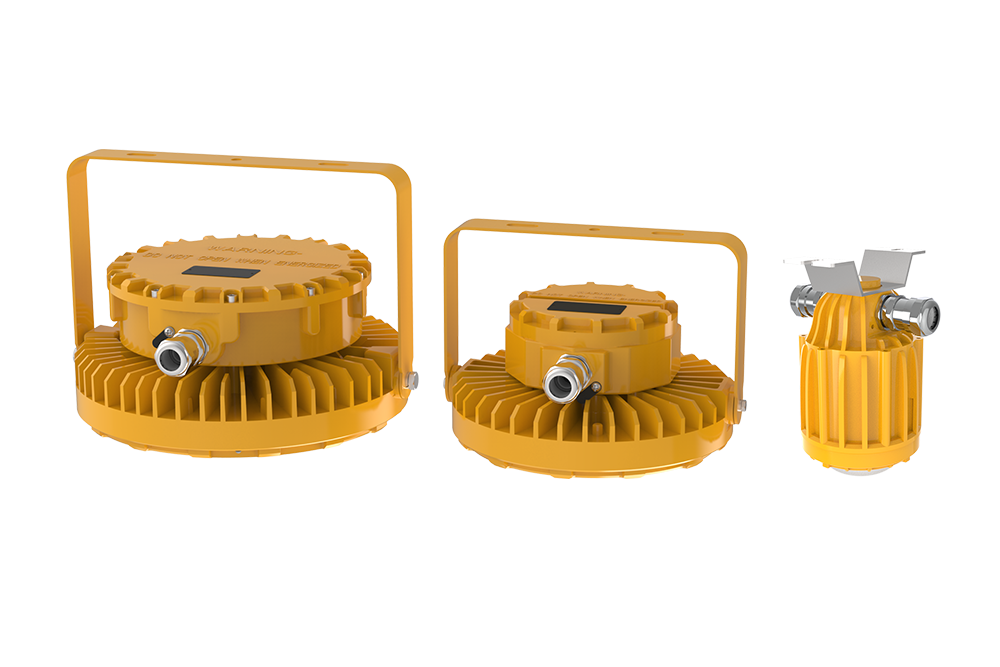
LED explosion proof high bay lights are designed for Zone 1, Zone 2, Zone 21 and Zone 22 hazardous areas. This page introduces the HB21 Series from SEEKING, including certifications, power options and real application considerations.
View details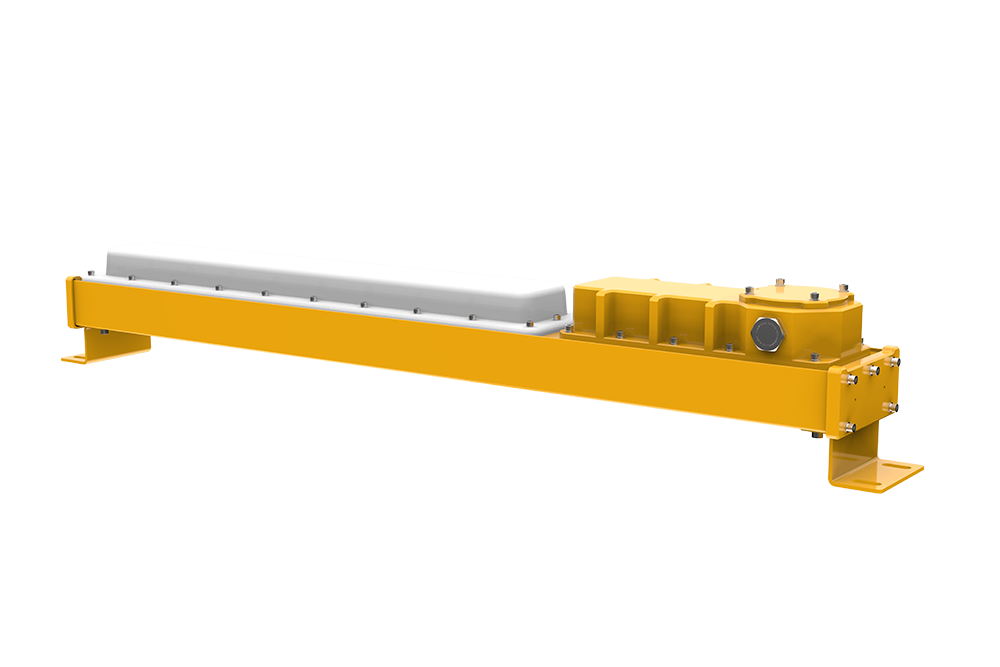
LED Linear Explosion Proof Lights from SEEKINGLED. LU Series Flame Proof lights ATEX-certified explosion proof LED linear lighting for Zone 2 gas and Zone 22 dust areas, IP69K, IK10, long lifetime and flexible power options.
View details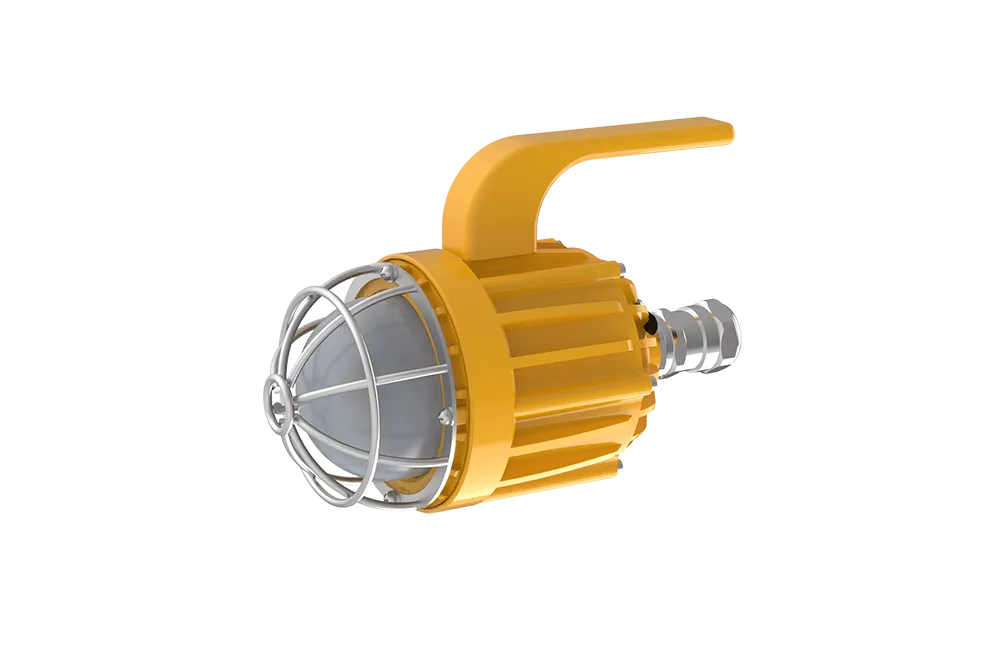
Certified explosion proof work lights for Zone 1 & 21 hazardous areas. Portable, ATEX & IECEx approved, built for oil, gas and chemical plants by SEEKINGLED.
View details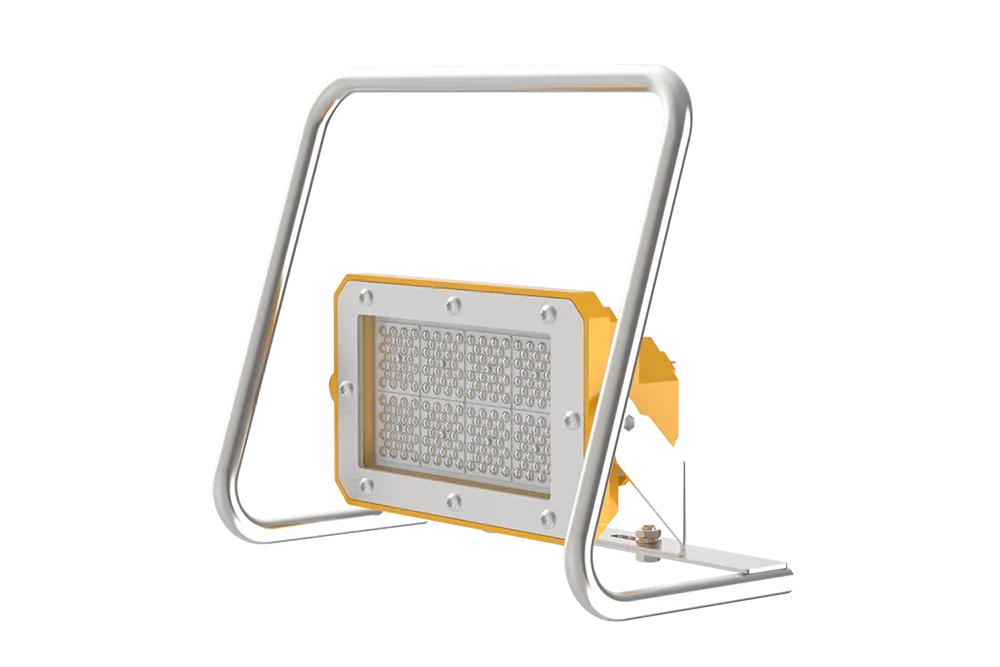
ATEX: II 3G Ex nR ⅡC T6 GcII 3D Ex tc ⅢC T80℃ Dc ATEX Certificate NO: TÜV CY 26 ATEX 0207611 X Feature: ● For Zone 2 and Zone 22● Accepts battery-powered supply● indestructible● Power:AC input:50W,75W,100WDC input:15W,25W,35W Application: Oil and gas, marine, Chemical, pharmaceutical, semiconductor,mining,military industry, paint booth,po…
View details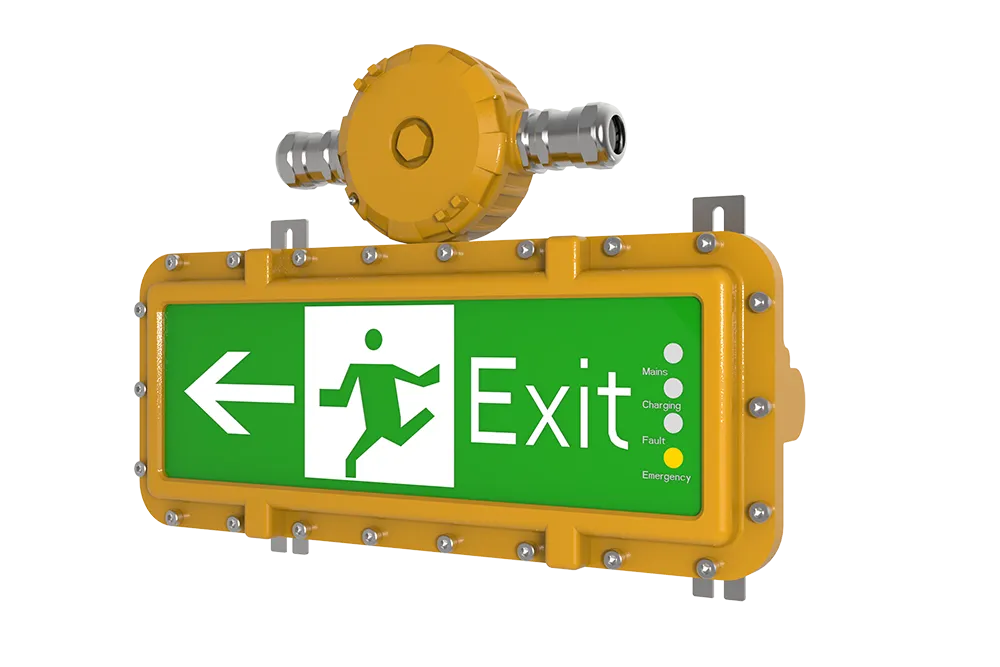
ATEX: Ex II 2G Ex db IIB T6 GbEx II 2D Ex tb IIIC T80°C Db IECEx Ex db IIB T6 Gb;Ex tb IIIC T80°C Db Feature: ● For Zone 1,2 and Zone 21,22● Flameproof type, the strongest Application: Oil and gas, marine, Chemical, pharmaceutical, semiconductor,mining,military industry, paint booth,power plant ETC hazardous area. Technical Specifications:…
View details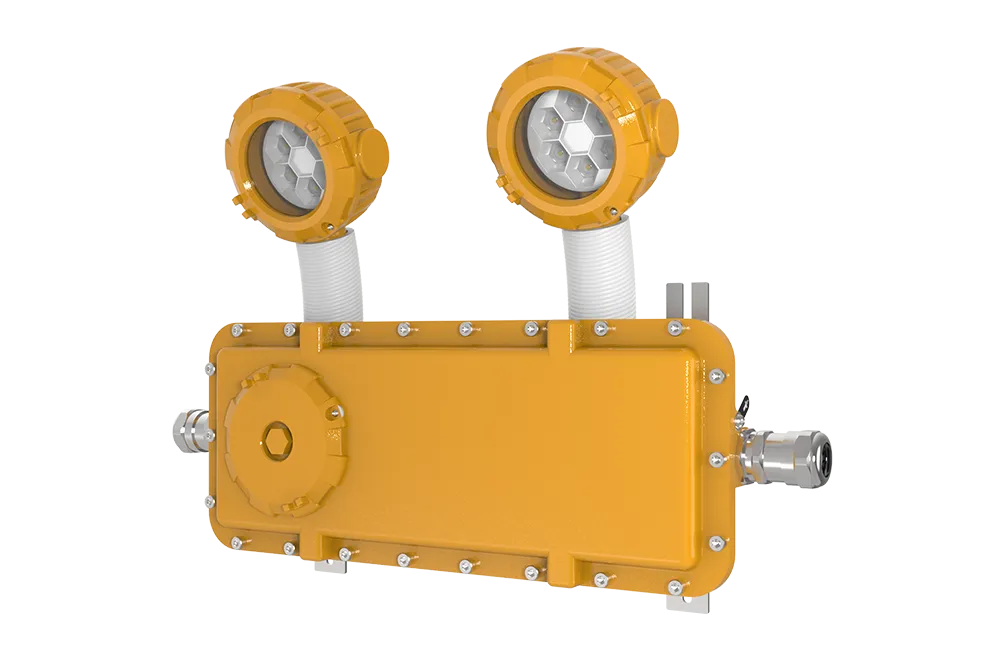
ATEX: Ex II 2G Ex db IIB T6 GbEx II 2D Ex tb IIIC T80°C Db IECEx Ex db IIB T6 Gb;Ex tb IIIC T80°C Db Feature: ● For Zone 1,2 and Zone 21,22● Flameproof type, the strongest Application: Oil and gas, marine, Chemical, pharmaceutical, semiconductor,mining,military industry, paint booth,power plant ETC hazardous area. Technical Specifications:…
View details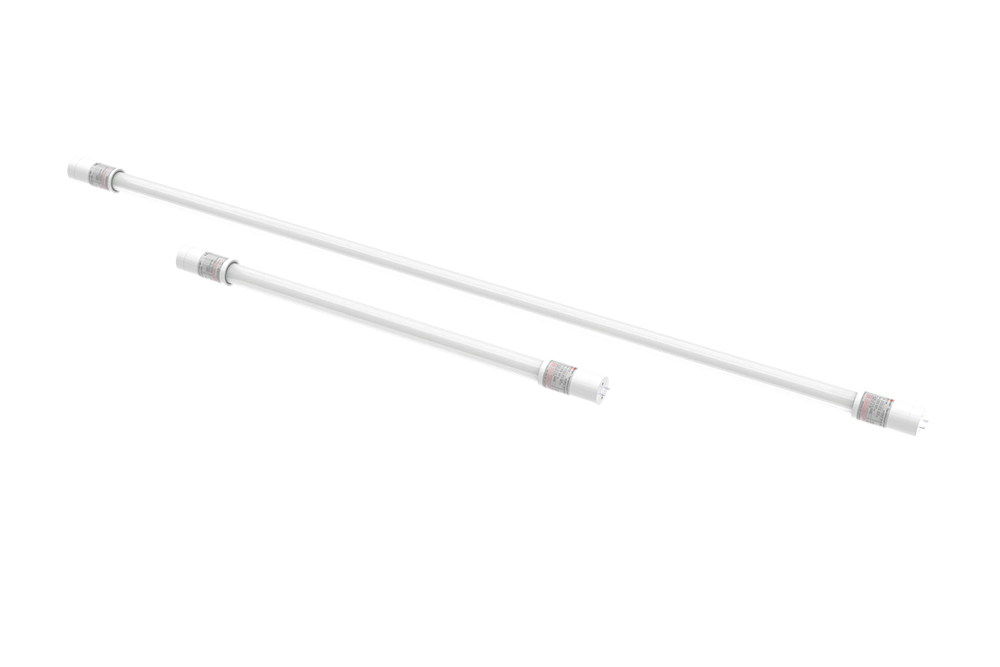
ATEX: Ex II 2G Ex d e IIB T6 Gb ATEX: Ex d e IIB T6 Gb; Feature: ● For Zone 1,2● 9W can replace 18W fluorescent lamps,50% Energy saving Application: Oil and gas, marine, Chemical, pharmaceutical, semiconductor,mining,military industry, paint booth,power plant ETC hazardous area. Technical Specifications: Standards:60079-0, 60079-1, 60079…
View details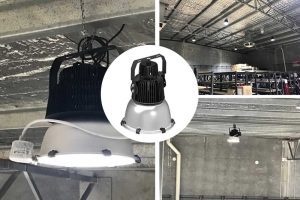
Real project record of XJ-HBS200W high bay with motion and daylight sensor installed in an Australian warehouse, focusing on on-site setup and energy-saving results.
View details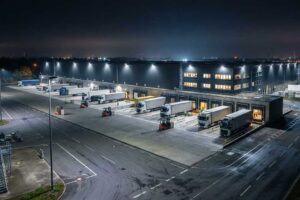
A flood light is an aimable, weather-resistant fixture designed to project a controlled, relatively broad beam across an indoor or outdoor area.
View details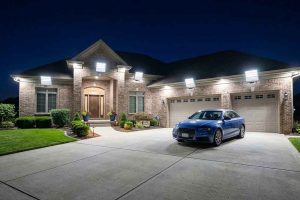
Outdoor flood light bulbs LED deliver powerful, energy-saving illumination for yards and buildings. Learn real installation tips, durability factors, and expert insights with SEEKINGLED.
View details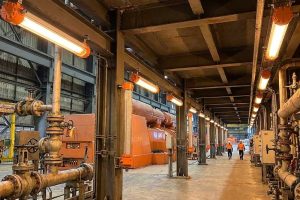
Discover why SEEKINGLED explosion-proof lighting is trusted worldwide. ATEX & IECEx certified, flameproof design, high efficiency, and reliable performance for hazardous areas.
View details