 Seeking LED
How Bright Is a 10W LED Floodlight?
432How Bright Is a 10W LED Floodlight in real use? Learn lumen output, coverage, 10W LED equivalent, and where 10W flood lights work best. Practical guide by SEEKINGLED.
View detailsSearch the whole station
Energy-saving projects are often discussed in terms of policy or targets, but on site, the situation looks different. What matters most is whether the lighting works as expected after years of use, not just during initial testing.
This is where a high-efficiency LED lighting solution for energy-saving projects becomes a practical issue rather than a marketing concept.
At SEEKINGLED, LED lighting products are developed mainly for projects that operate for long hours. Warehouses, industrial plants, outdoor facilities and public areas usually run lighting systems every day. In these environments, energy loss, heat buildup and unstable drivers show up quickly.
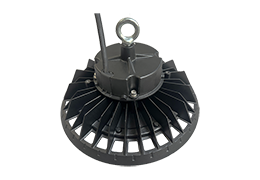
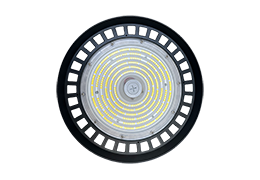
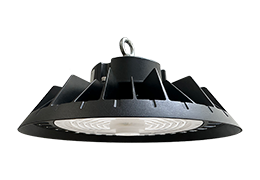
In real installations, high efficiency does not come from one single parameter. It is affected by how heat is released, how the driver behaves under load, and how much light is actually used rather than scattered.
For this reason, SEEKINGLED does not design products around peak lumen figures alone. LED chips are selected for consistency. Optical layouts are adjusted to reduce unnecessary glare and loss. The housing structure is designed to stay stable during long operating periods.
These choices are not visible in a brochure, but they influence operating cost over time.
Most energy-saving projects involve more than one type of lighting. SEEKINGLED supplies several product categories that are commonly used together.
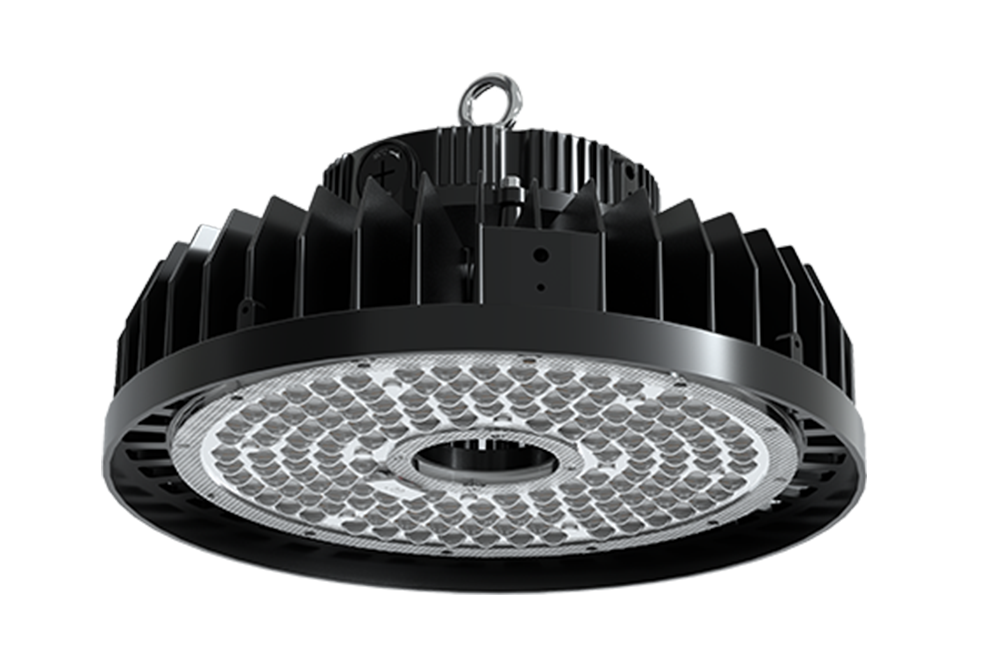
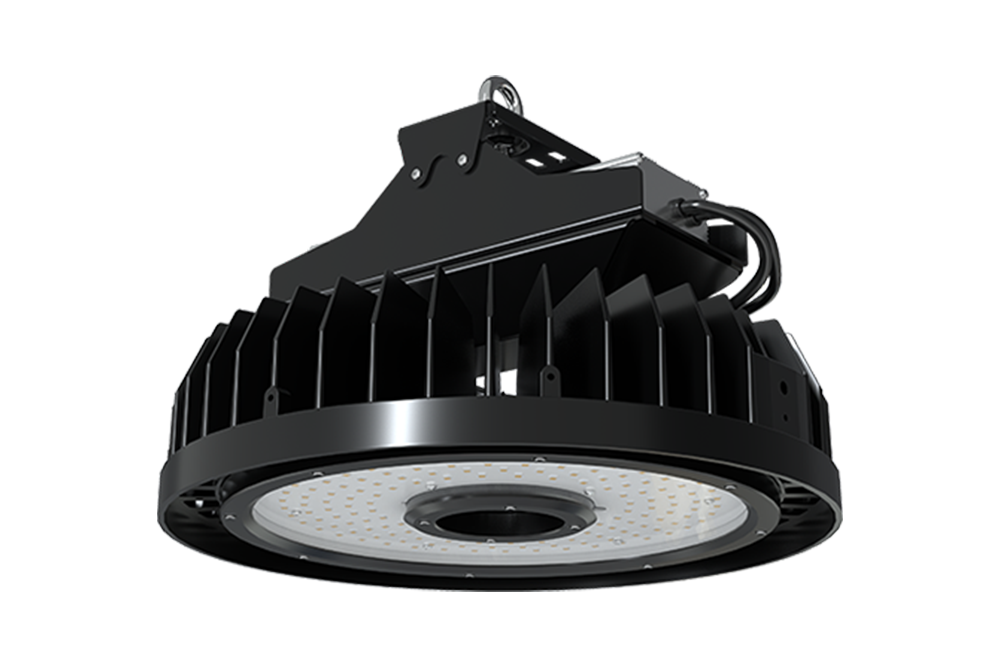
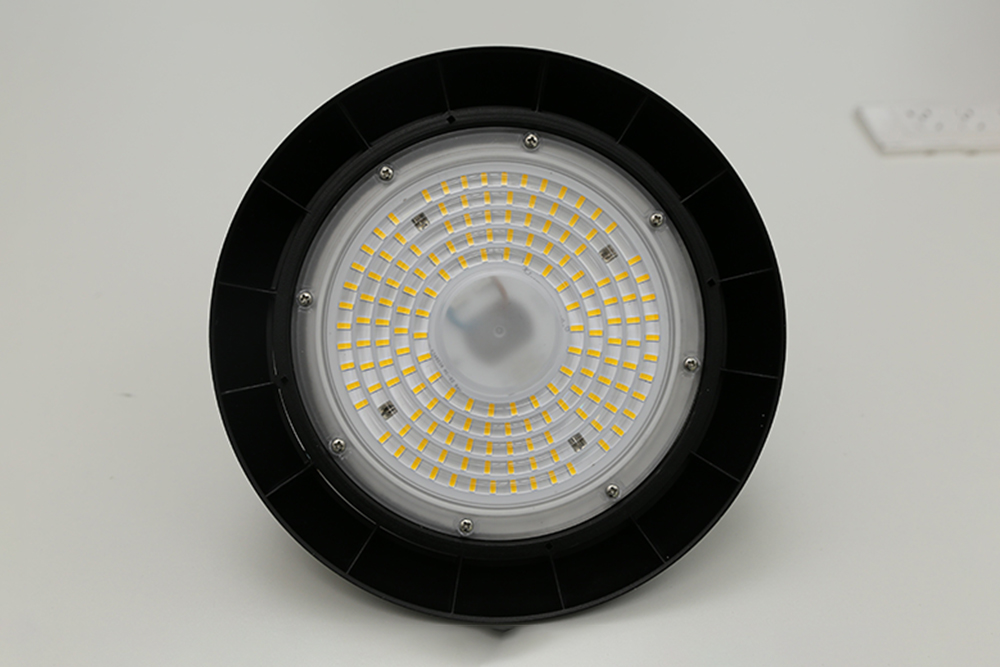
Explosion proof lights are applied in hazardous locations where safety standards are strict and failure is not an option. LED high bay lights are typically installed in factories and logistics centers where lights stay on for most of the day. LED flood lights and LED street lights are used outdoors, where weather and dust directly affect lifespan.
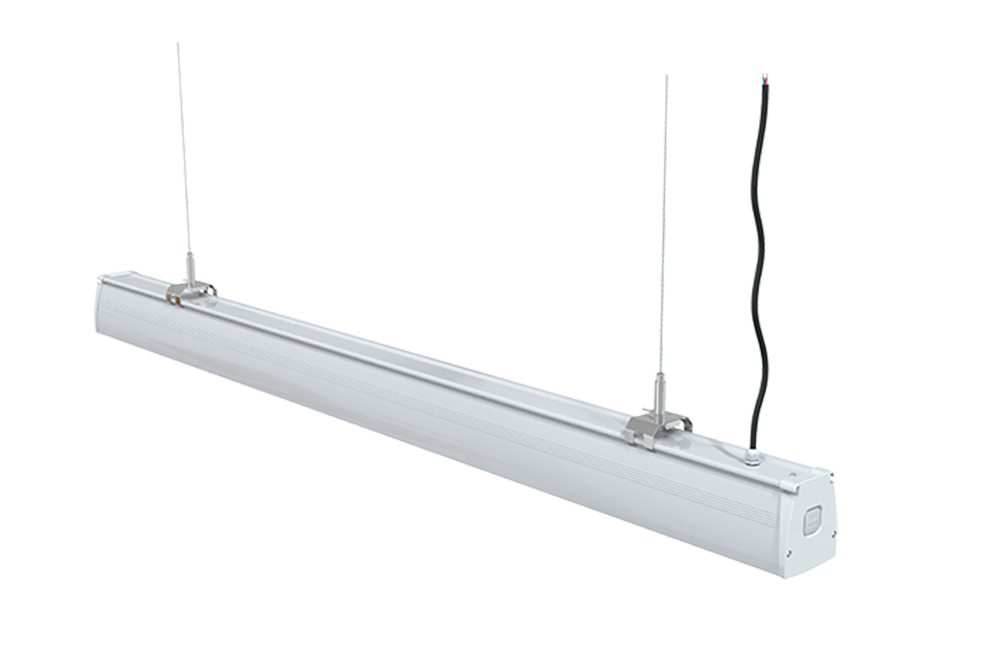
Garden lights LED are used in public areas where brightness needs to be controlled rather than maximized. Sports stadium LED lighting focuses on uniform light distribution and stable output. LED tri-proof lamps are chosen for humid or dusty environments, while linear LED lights are often installed in corridors, workshops and utility spaces.
Different products, similar expectations: stable performance and manageable energy use.
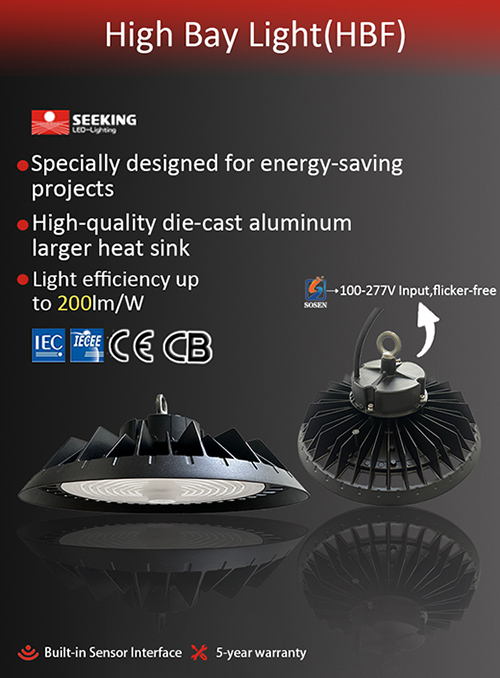
From an engineering perspective, energy-saving is meaningful only if performance remains stable. Rapid lumen drop, driver failure or overheating can quickly erase expected savings.
SEEKINGLED products are built using industrial-grade materials and standard assembly processes. The goal is not to eliminate maintenance completely, but to avoid unexpected issues that disrupt normal operation.
A high-efficiency LED lighting solution for energy-saving projects should fit into existing systems without requiring complex adjustments. SEEKINGLED focuses on straightforward designs that can be installed, operated and maintained with minimal intervention.
For many projects, this practical approach makes a noticeable difference over the full service life of the lighting system.
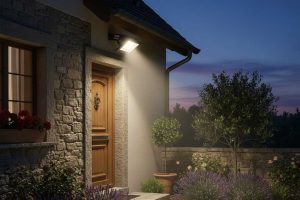
How Bright Is a 10W LED Floodlight in real use? Learn lumen output, coverage, 10W LED equivalent, and where 10W flood lights work best. Practical guide by SEEKINGLED.
View details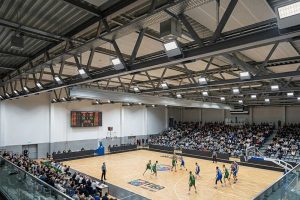
Upgrade your facility with indoor led floodlights from SEEKINGLED. Reliable brightness, lower energy costs, and real industrial performance that lasts.
View details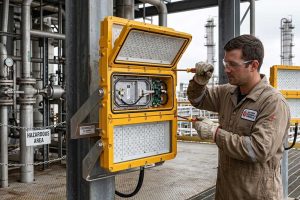
How to open an explosion proof light fixture safely? Learn certified procedures, tools, and field-proven tips to avoid hazards and maintain compliance.
View details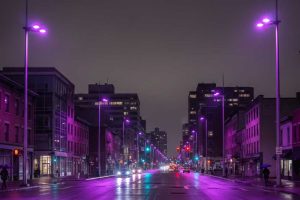
Why are there purple LED street lights appearing in cities? This official Q&A explains the real technical causes, safety impact, and how municipalities address purple street lights.
View details