 Seeking LED
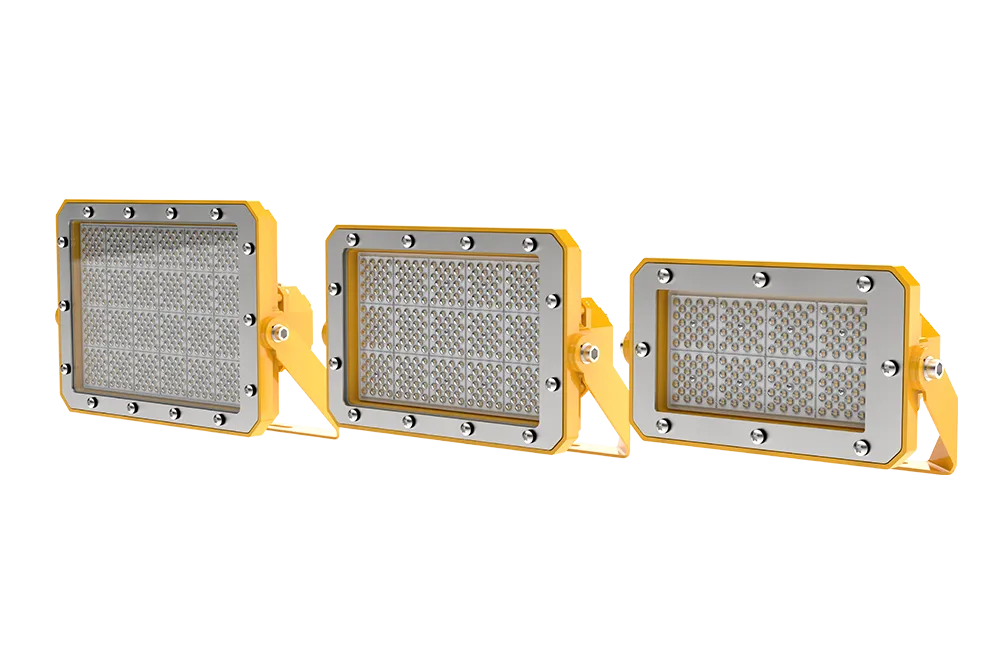
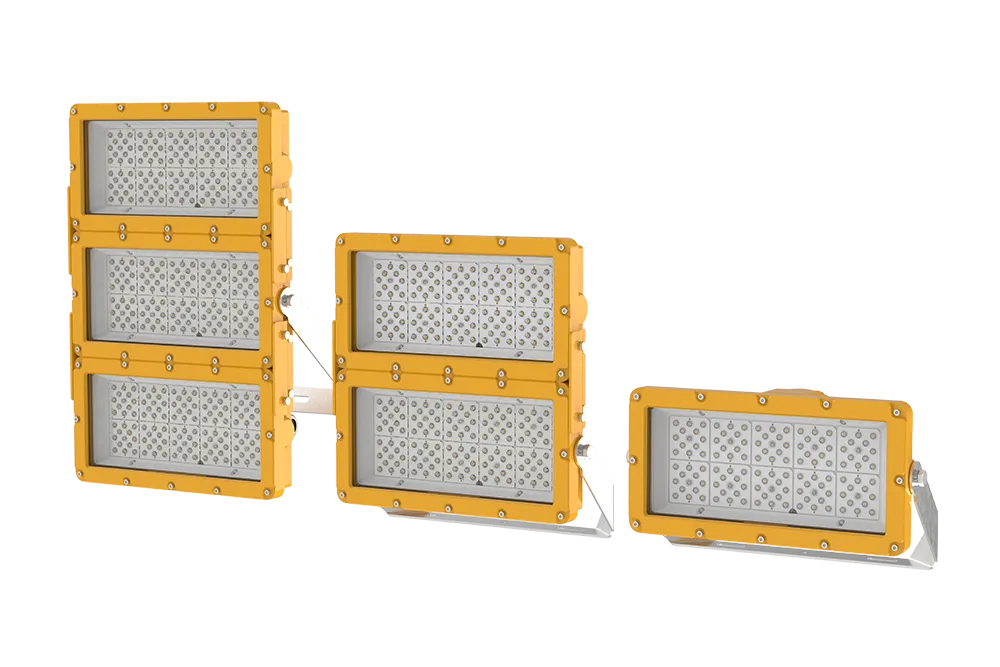
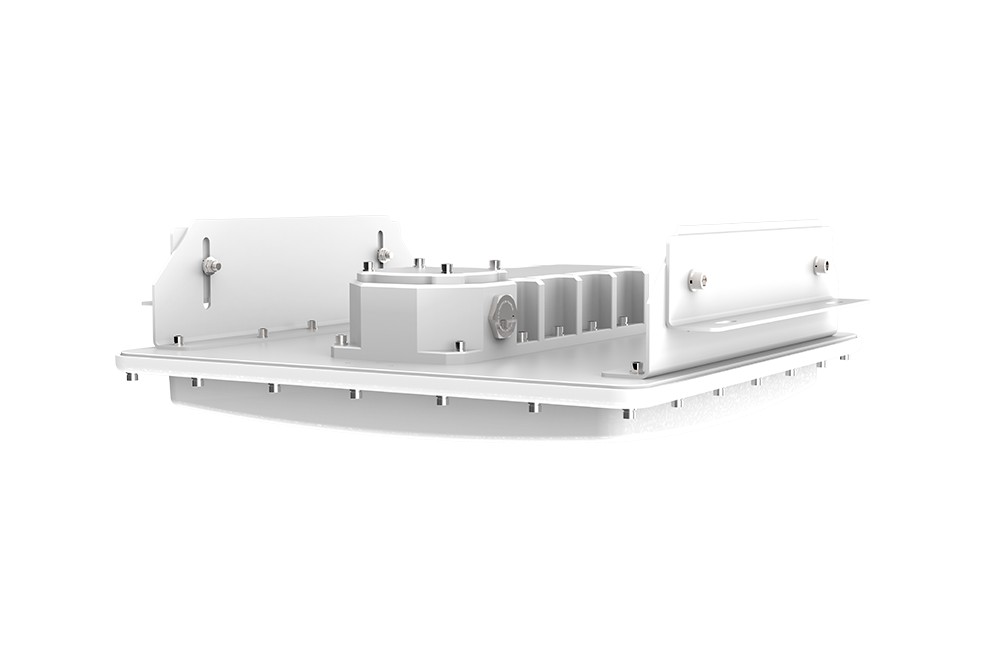
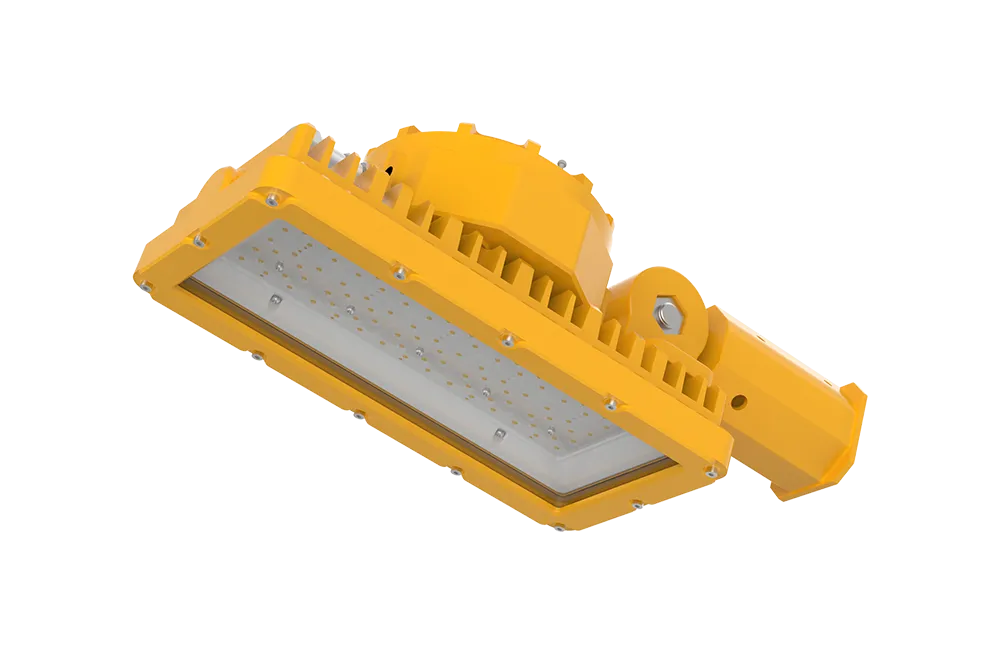
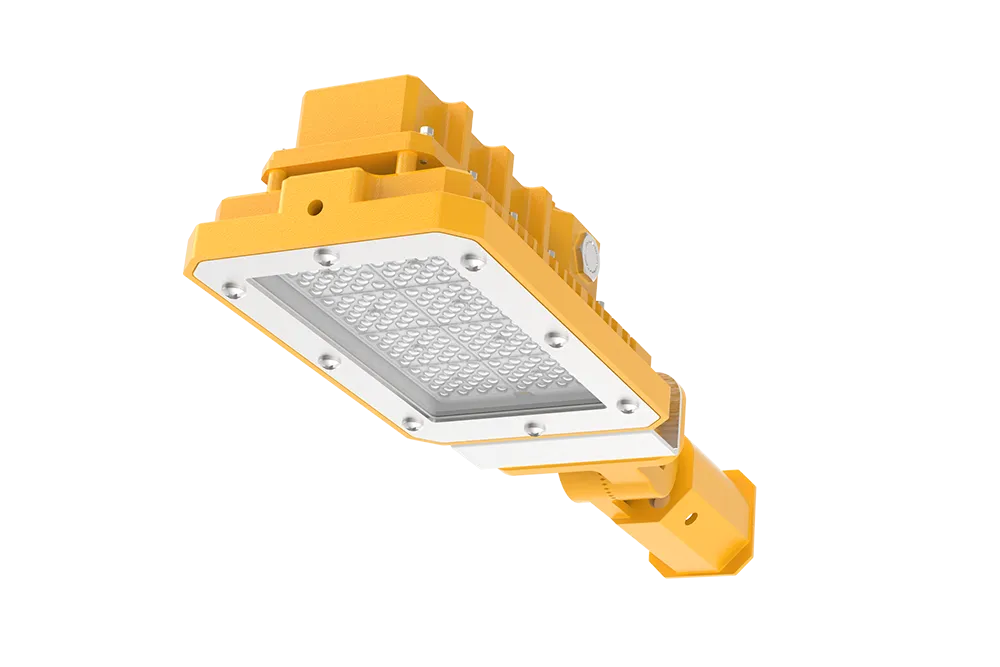
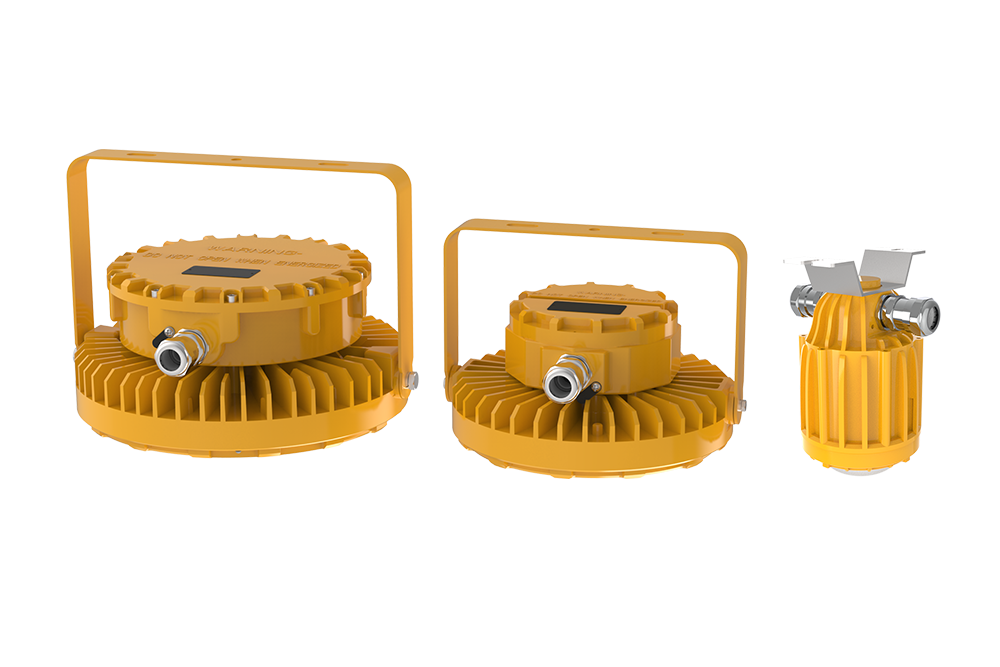
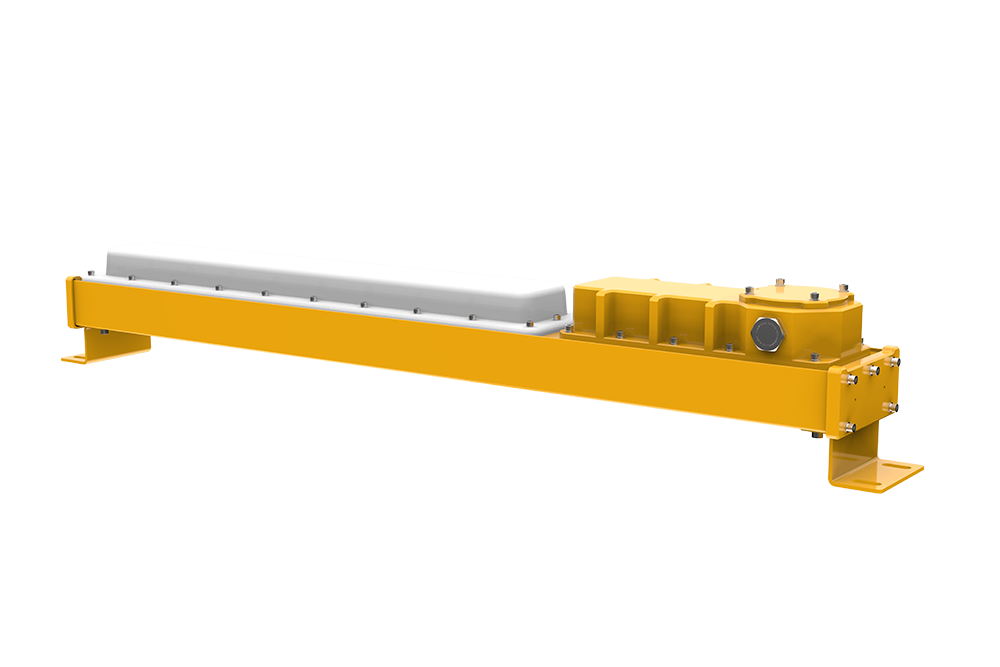
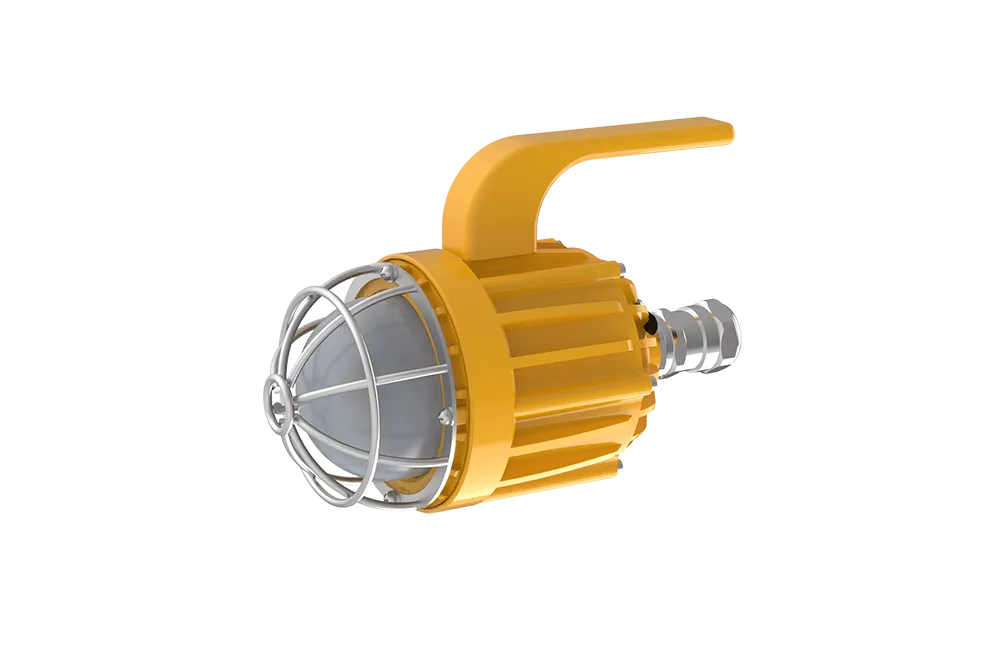
ATEX LED Flood Light in Hazardous Industrial Environments
98ATEX LED flood light built for hazardous areas in oil, gas, and chemical plants. Reliable explosion-proof lighting with high efficiency and durability from SEEKINGLED.
View detailsSearch the whole station
Toll stations are not typical road sections.
They combine moving traffic, stopping vehicles, payment operations, and pedestrian activity within a limited space. From an engineering point of view, lighting at toll plazas is not only about brightness—it directly affects driver reaction time, lane recognition, and operator safety.
As more toll stations move toward electronic collection and 24-hour operation, lighting systems must remain stable, efficient, and reliable under continuous use. This is where toll station LED lighting solutions have become the practical standard.
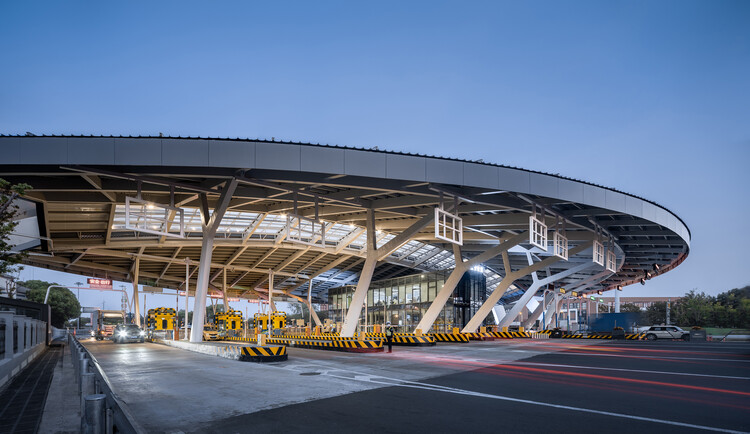
From field experience, poor lighting at toll stations often leads to the same problems:
late braking, unclear lane markings, glare on windshields, and blind spots around booths.
Well-designed LED lighting reduces these risks by providing uniform illumination across approach lanes, canopy areas, and exit zones. Clear visibility helps drivers identify toll lanes earlier and maintain proper spacing, especially at night or during rain and fog.
For toll booth operators, proper lighting also supports personal safety and improves camera-based monitoring without relying on excessive glare or harsh contrast.
Lighting design affects traffic flow more than many people expect.
Uneven or underpowered lighting slows drivers down unnecessarily, while overly bright fixtures can cause discomfort and visual fatigue.
Modern LED lighting for toll plazas focuses on controlled beam distribution rather than raw output. High bay luminaires and LED flood lights installed at proper mounting heights ensure that light reaches the roadway evenly, helping vehicles pass through toll areas smoothly and consistently.
This balance supports faster processing times and reduces congestion during peak hours.
From an engineering standpoint, LED technology fits toll station requirements well:
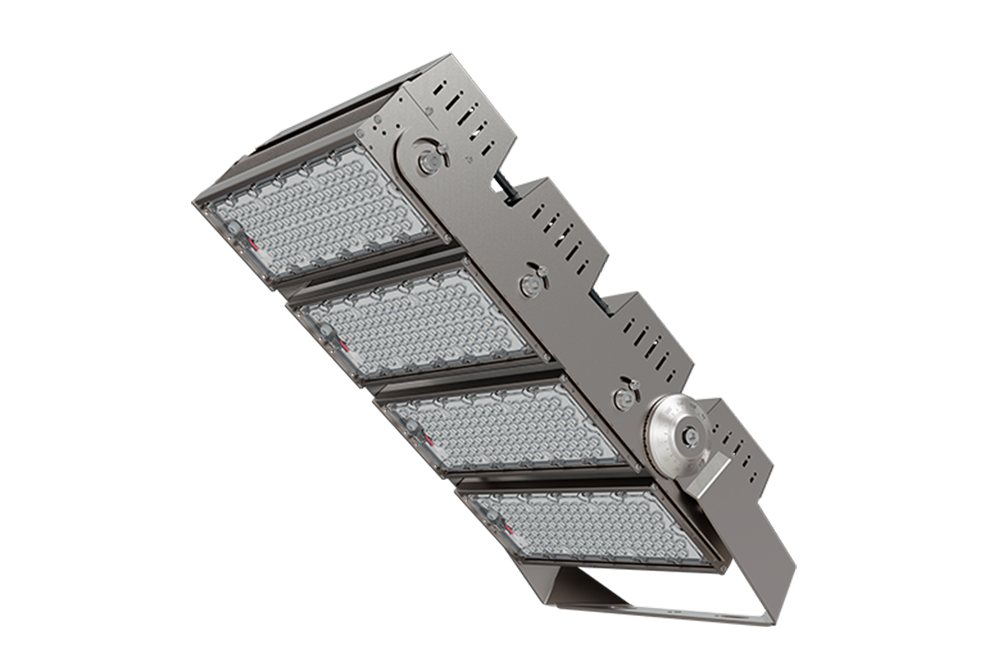
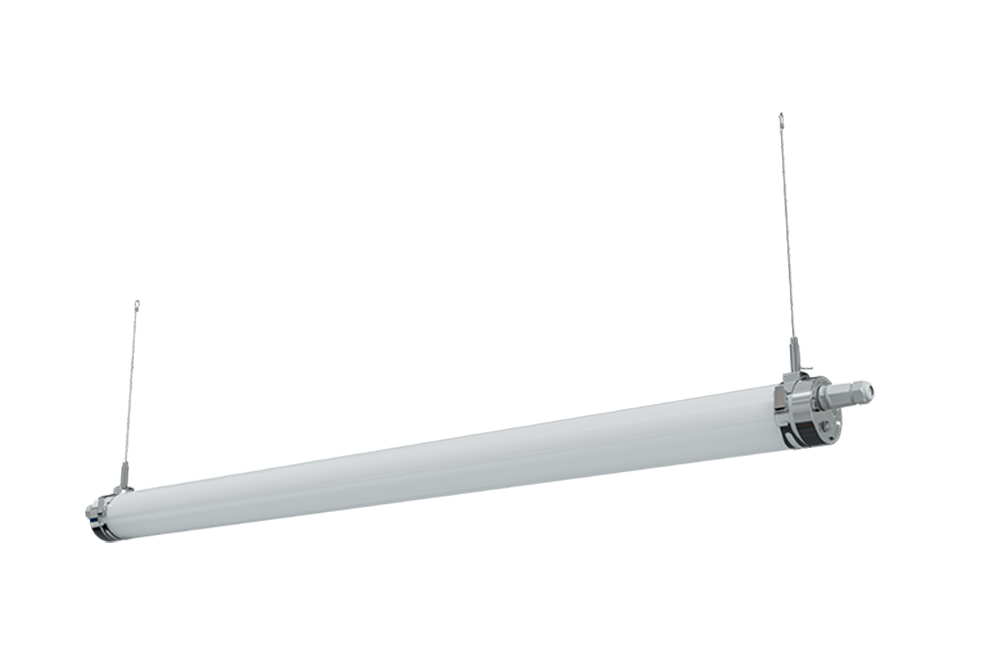
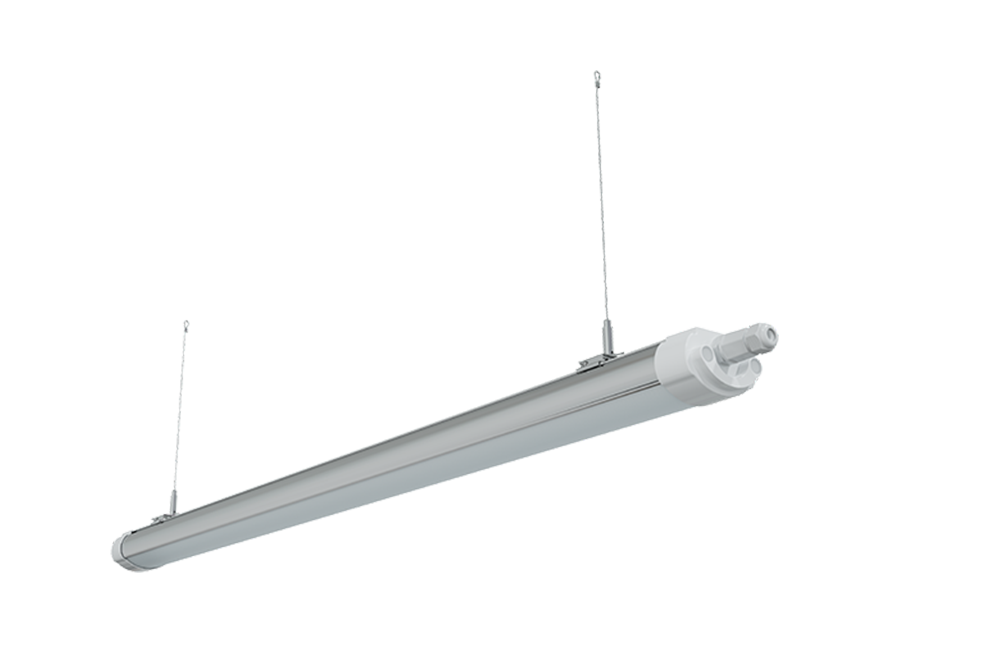
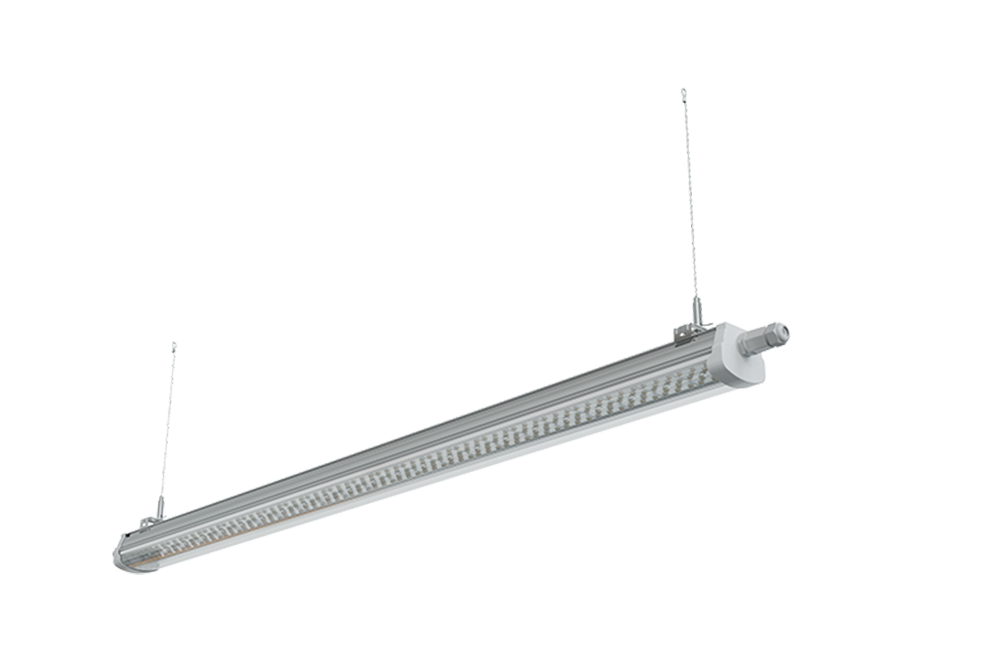
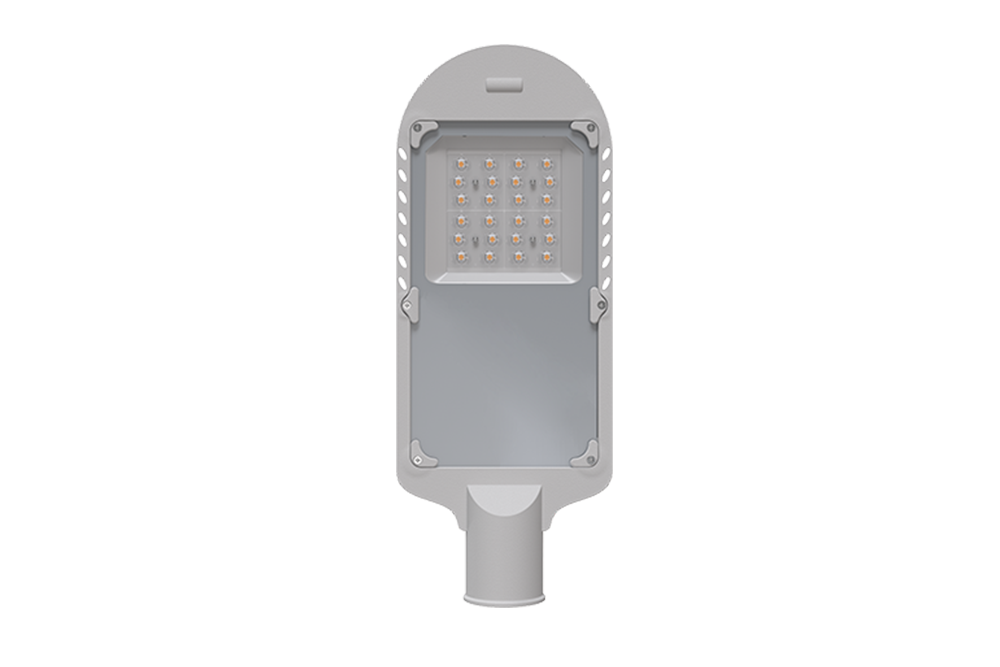
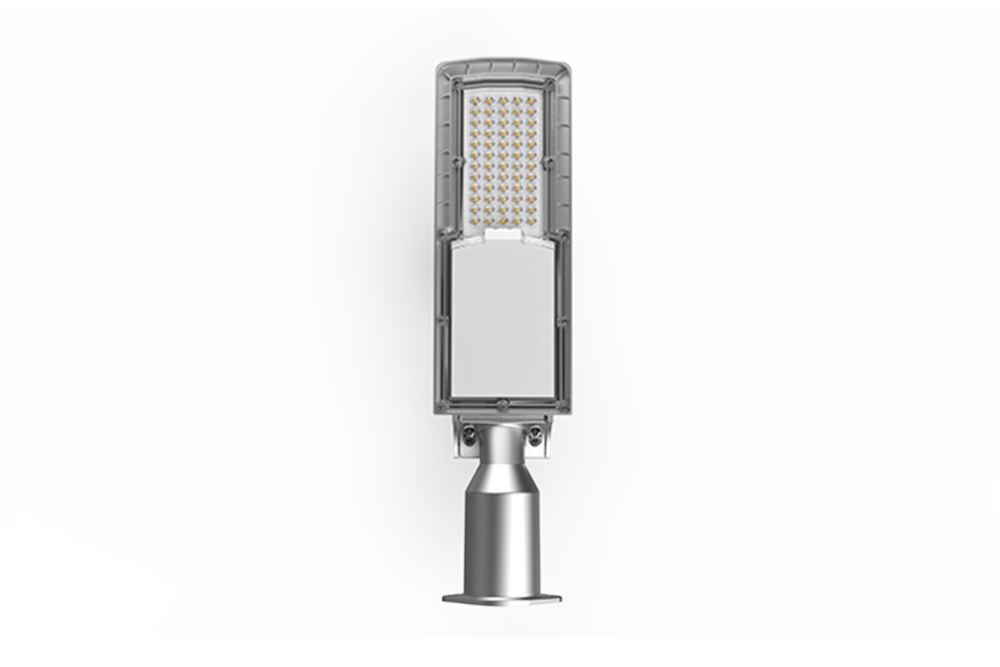
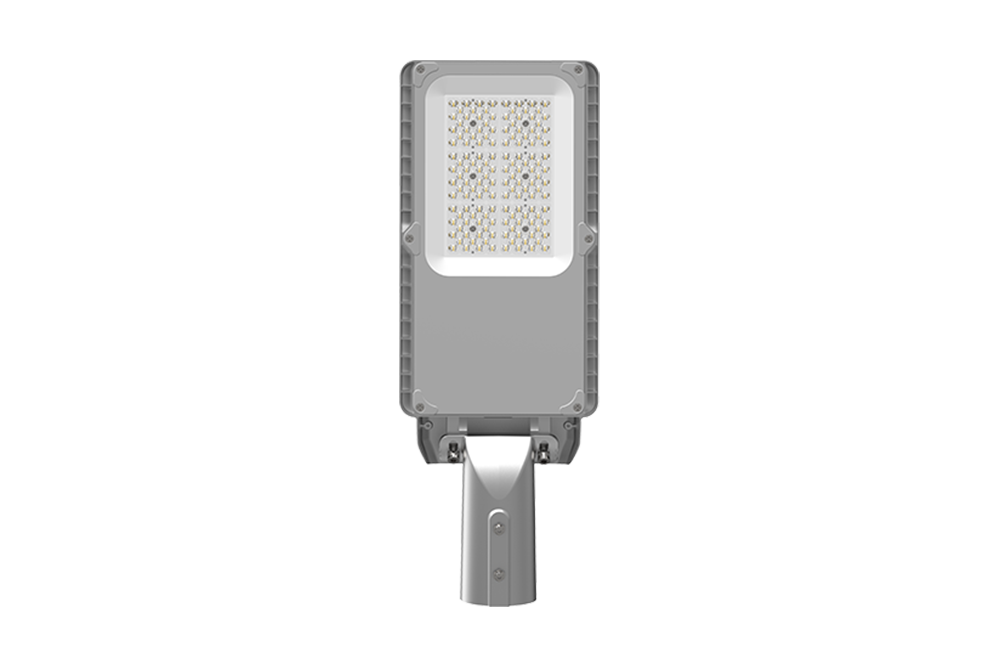
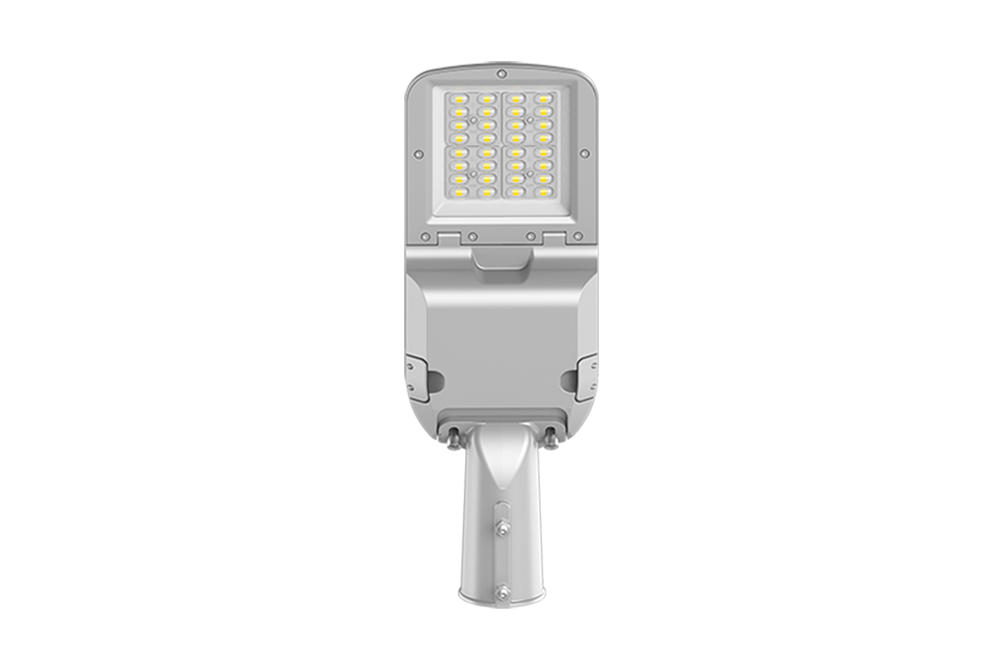
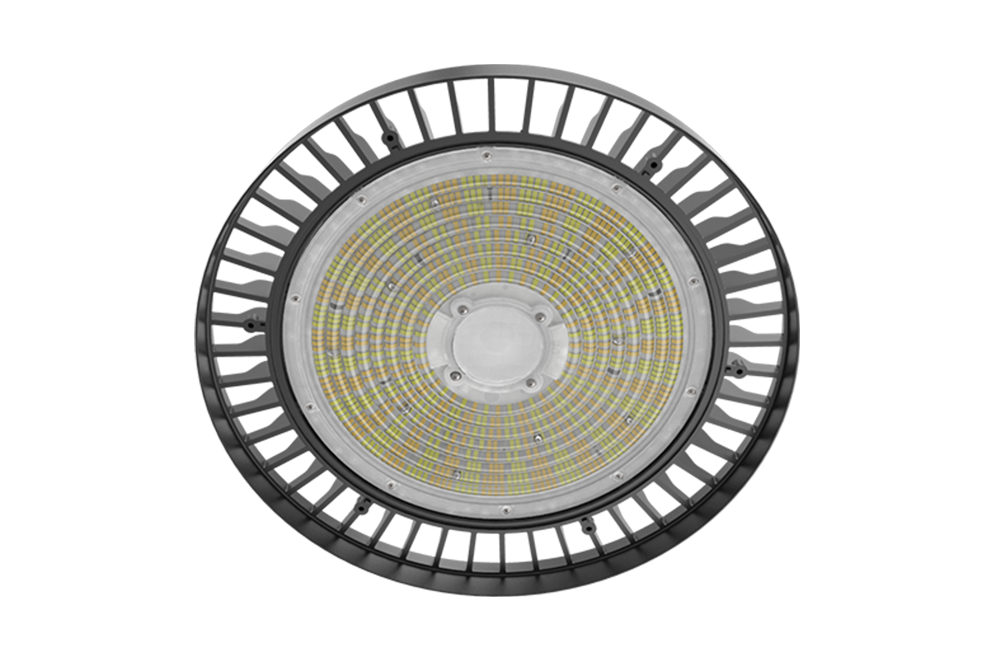
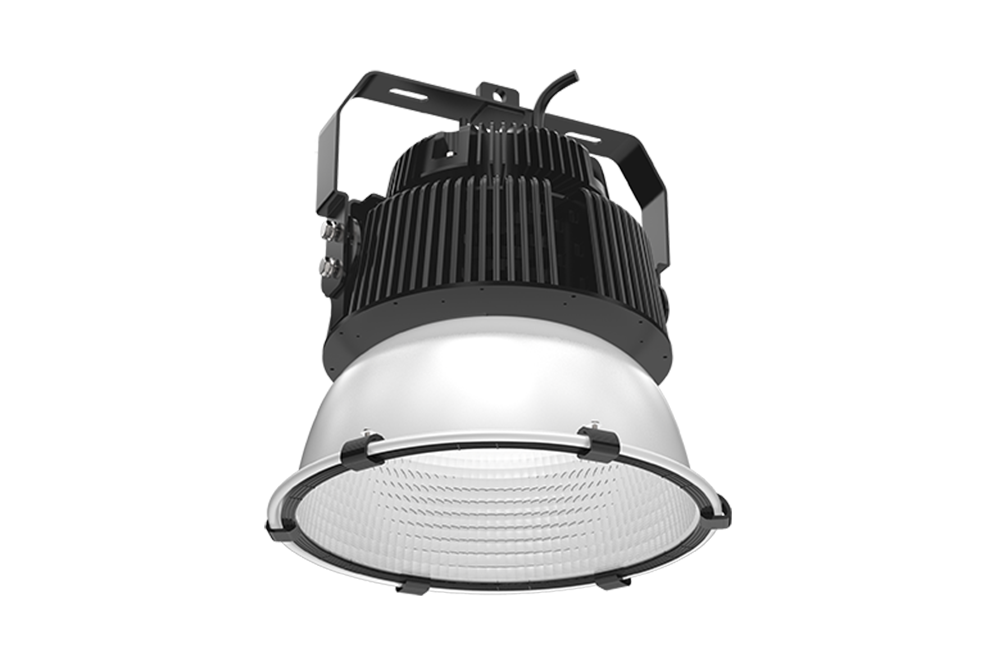
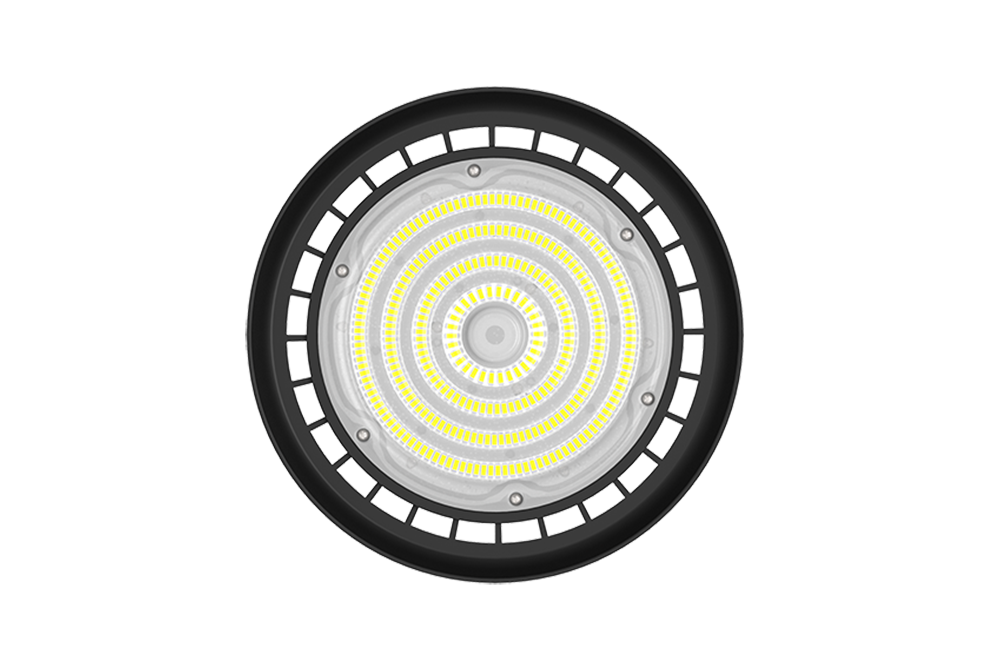
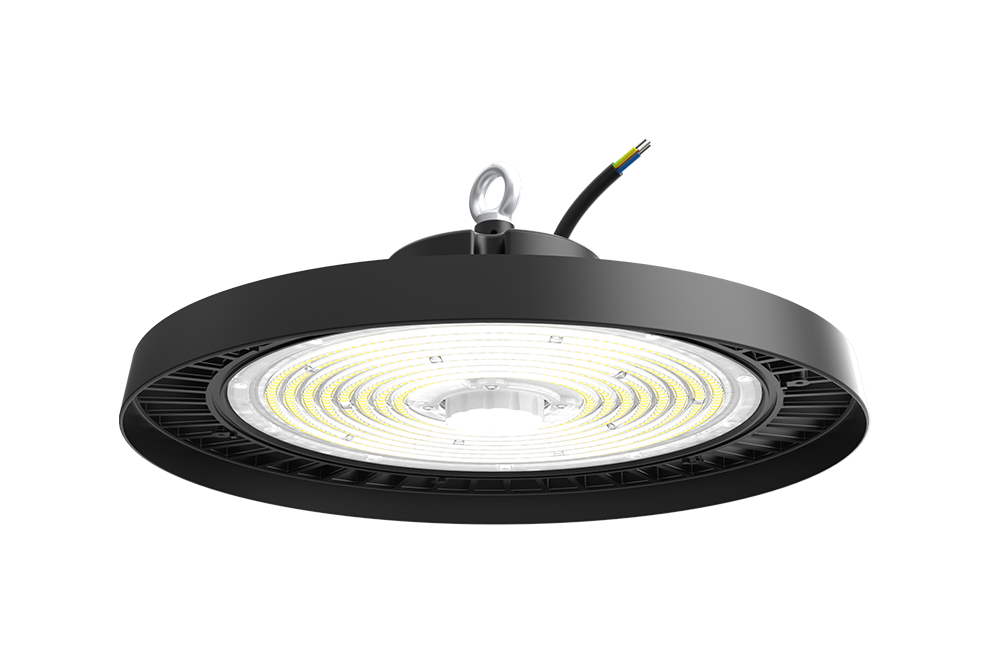
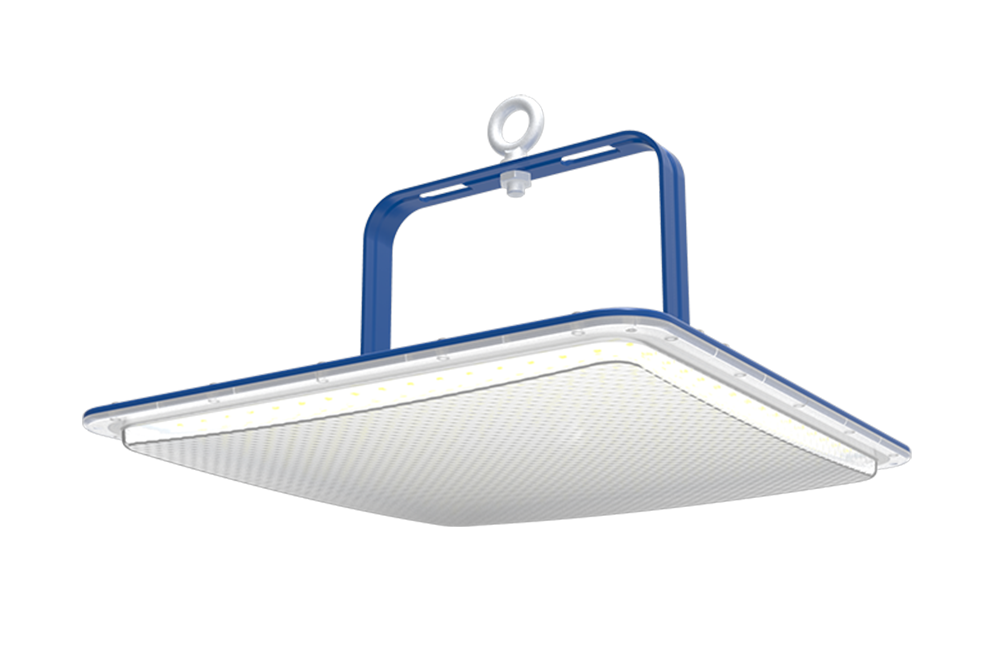
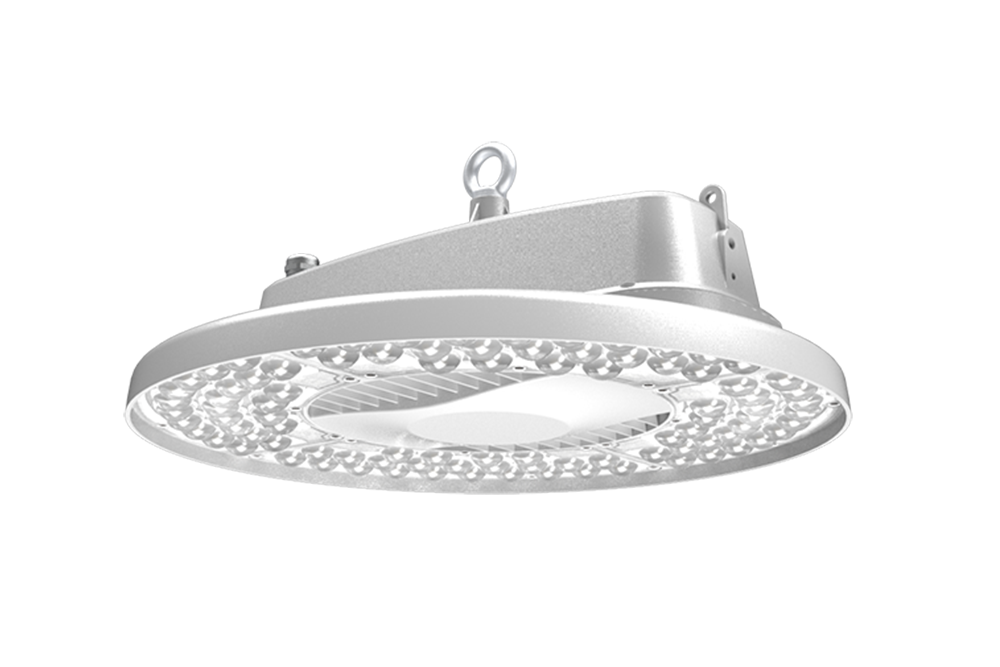
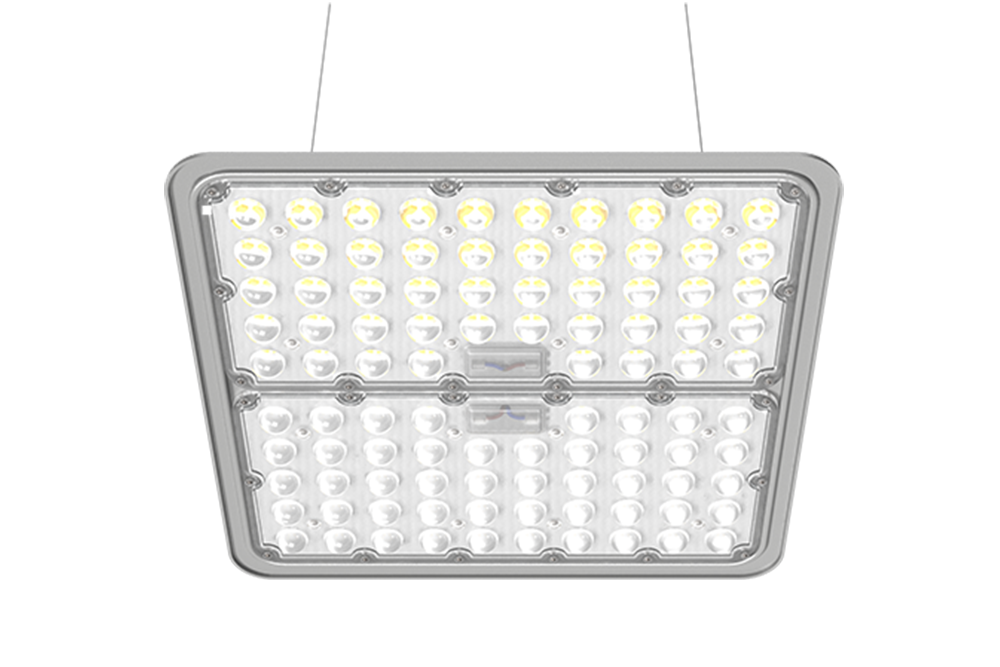
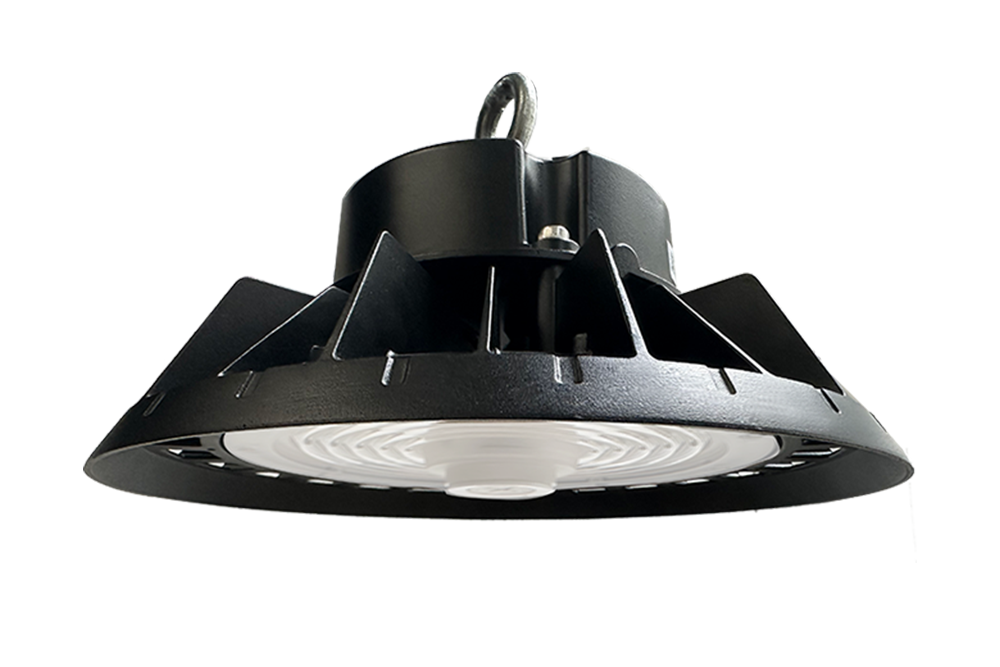
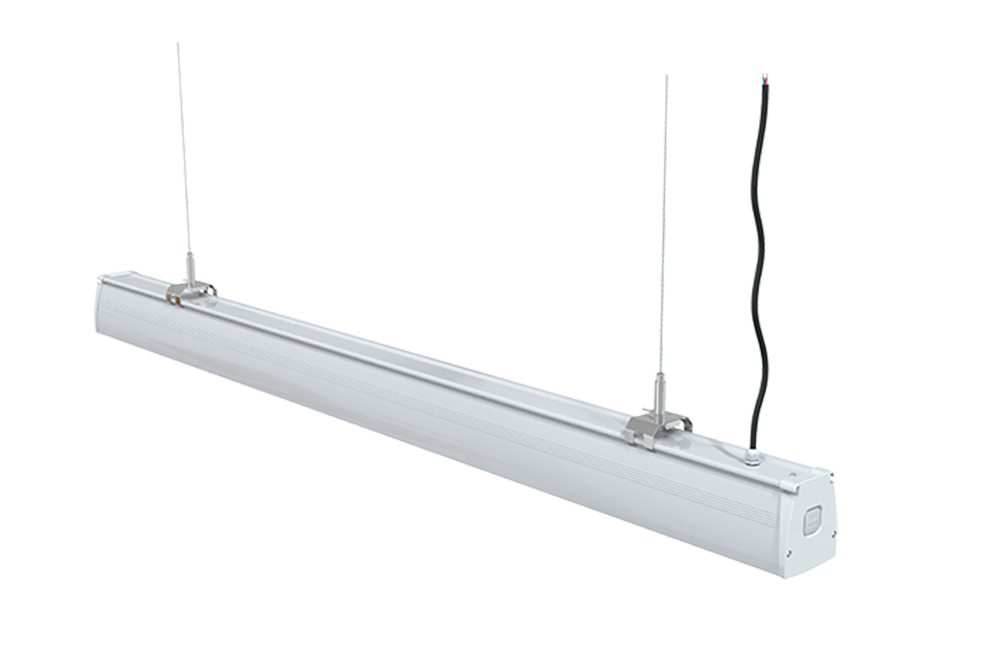
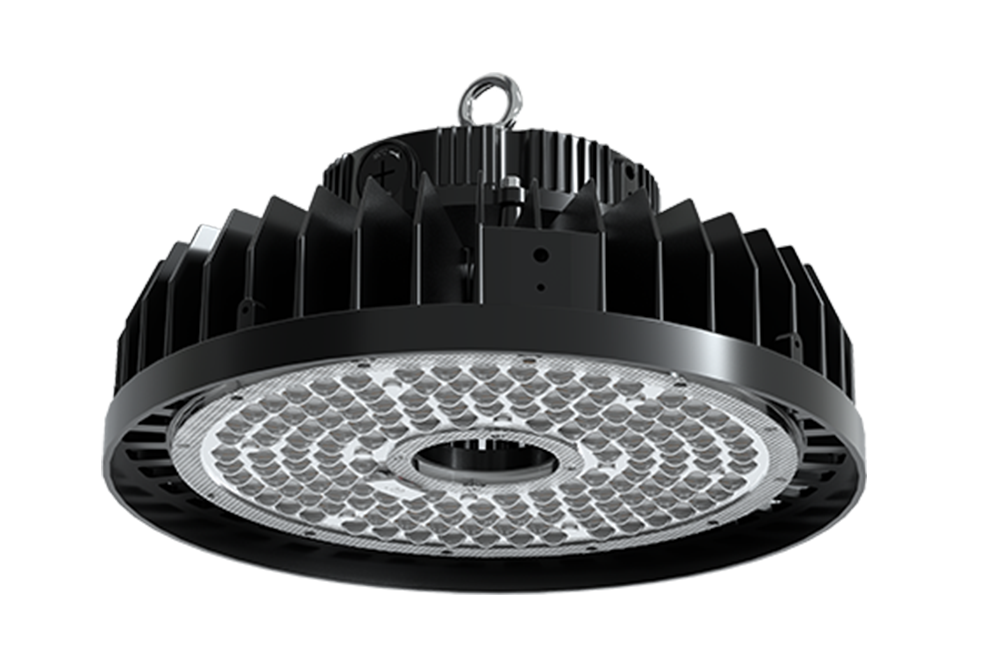
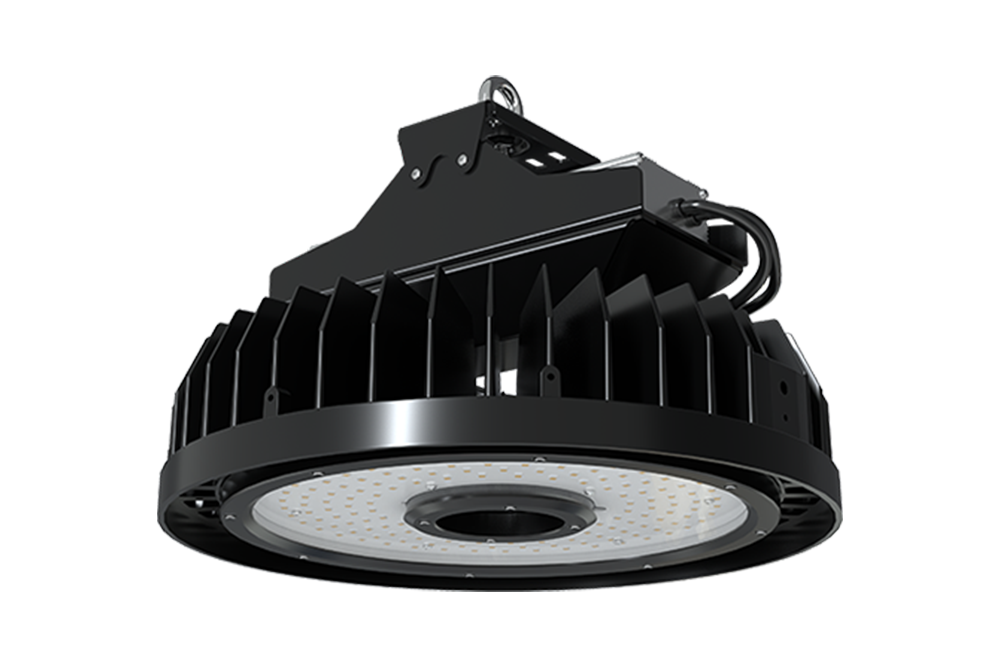
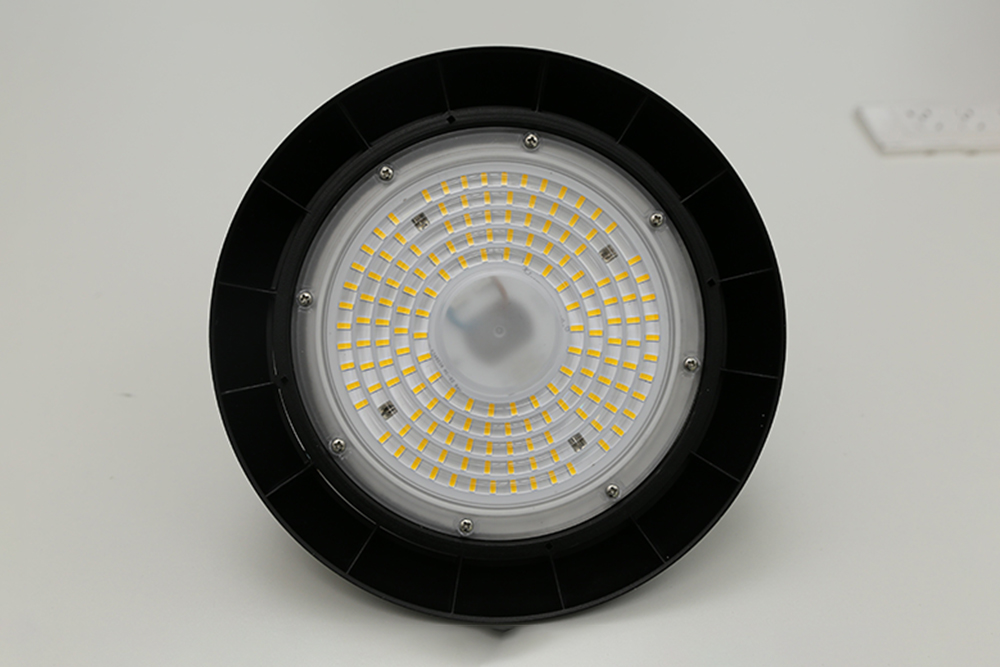
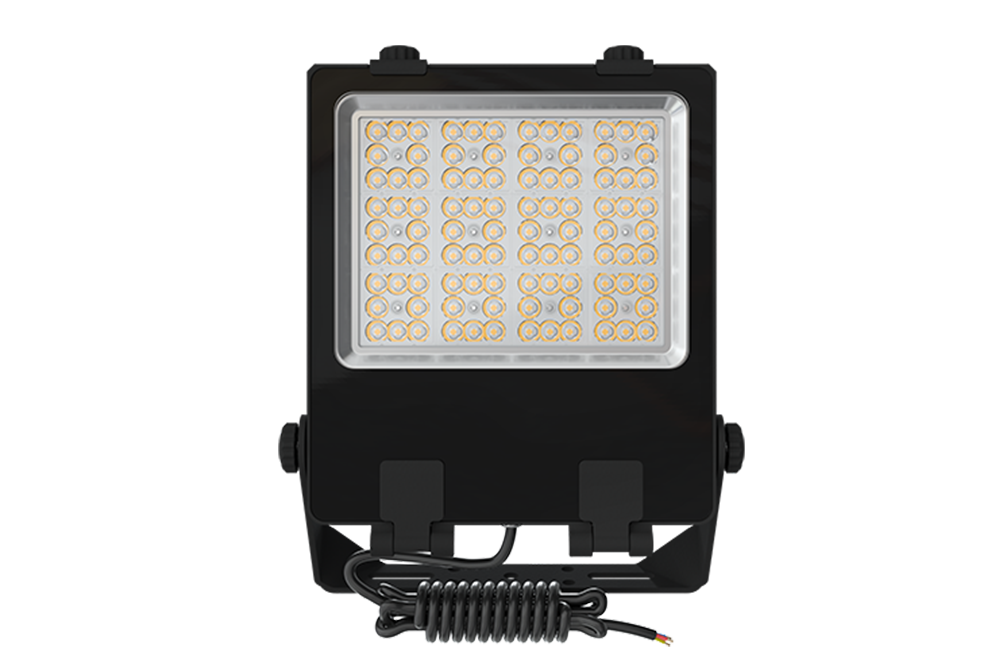
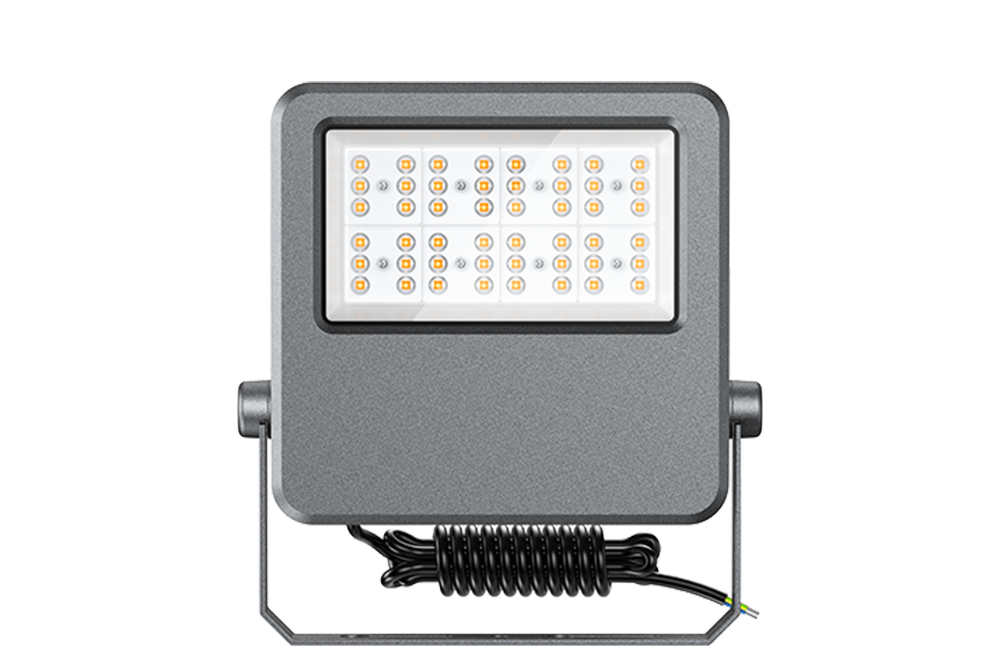
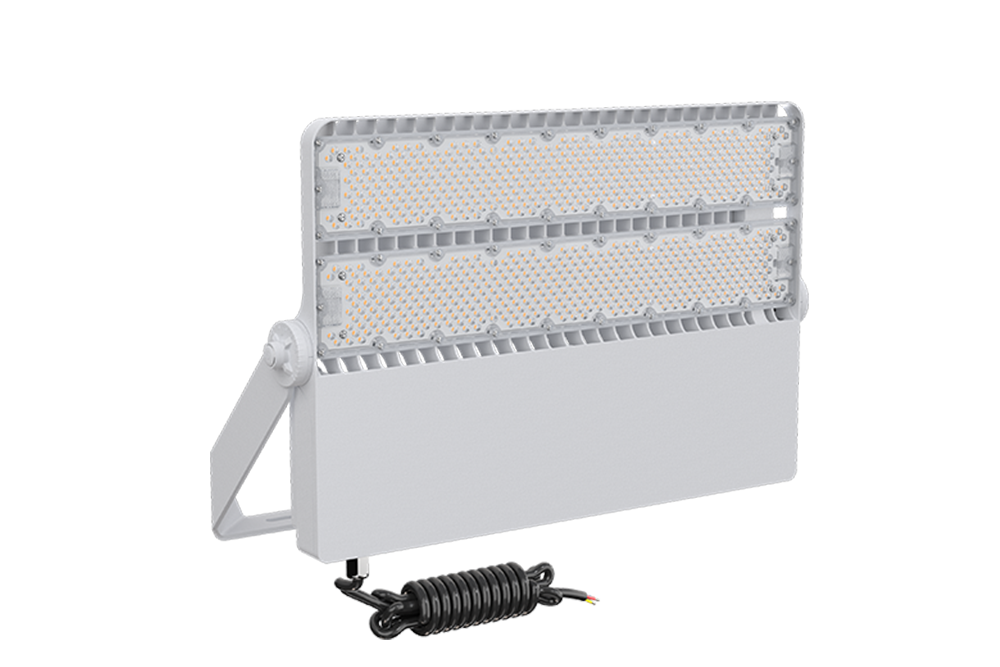
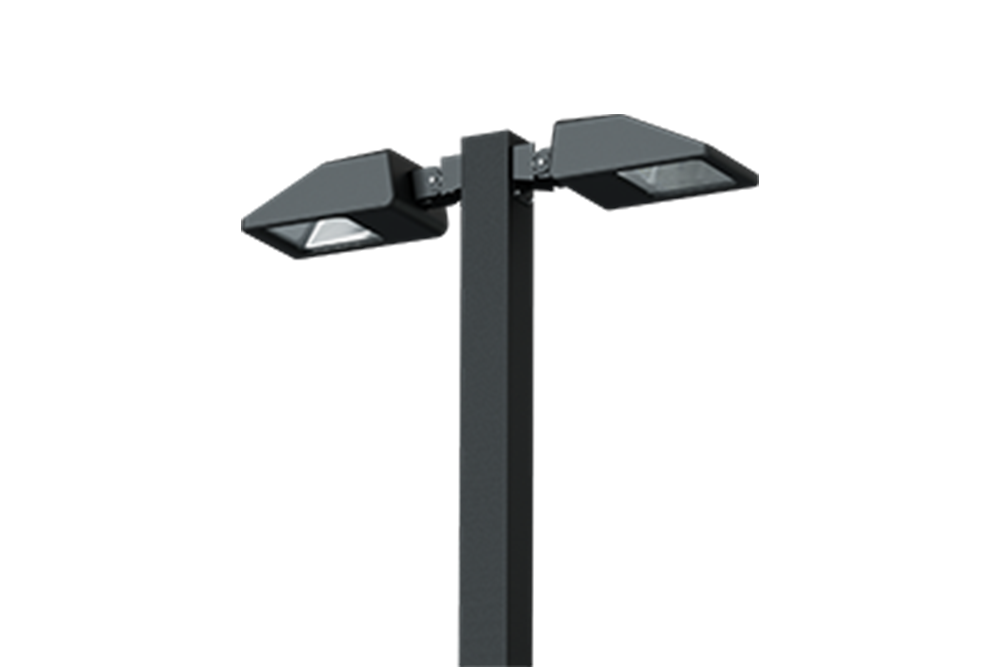
SEEKINGLED solutions commonly integrate LED High Bay Lights for canopy areas, LED Flood Lights for wide lane coverage, and LED Street Lights for approach and exit roads. In enclosed or semi-covered areas, LED Tri-proof lamps and Linear LED Lights are also practical options.
Toll stations operate year-round, often in harsh environments exposed to dust, exhaust gas, vibration, and changing weather.
LED luminaires used in these locations must meet strict requirements for waterproofing, surge protection, and mechanical strength.
From a system perspective, reducing maintenance frequency is just as important as reducing energy use. A stable lighting system minimizes lane closures and operational disruption over time.
Toll station LED lighting solutions are no longer optional upgrades—they are essential infrastructure components.
By using well-planned LED lighting layouts, toll stations can improve road safety, enhance operational efficiency, and reduce long-term energy and maintenance costs.
SEEKINGLED continues to support toll plaza projects with practical, application-driven LED lighting systems designed for real operating conditions rather than theoretical performance alone.
ATEX LED flood light built for hazardous areas in oil, gas, and chemical plants. Reliable explosion-proof lighting with high efficiency and durability from SEEKINGLED.
View details
What are the best LED outdoor flood lights for yards, driveways, or commercial spaces? Discover brightness, durability, and beam angle tips from SEEKINGLED experts.
View details
12 volt dc led flood lights offer safe, efficient low-voltage lighting. Explore real-world use cases, performance data, and expert installation insights.
View details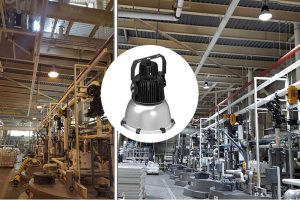
Engineering case record of XJ-HBS150W LED high bay replacing 400W metal halide lights in a USA steel factory, focusing on dust performance, heat dissipation, and energy savings.
View details