 Seeking LED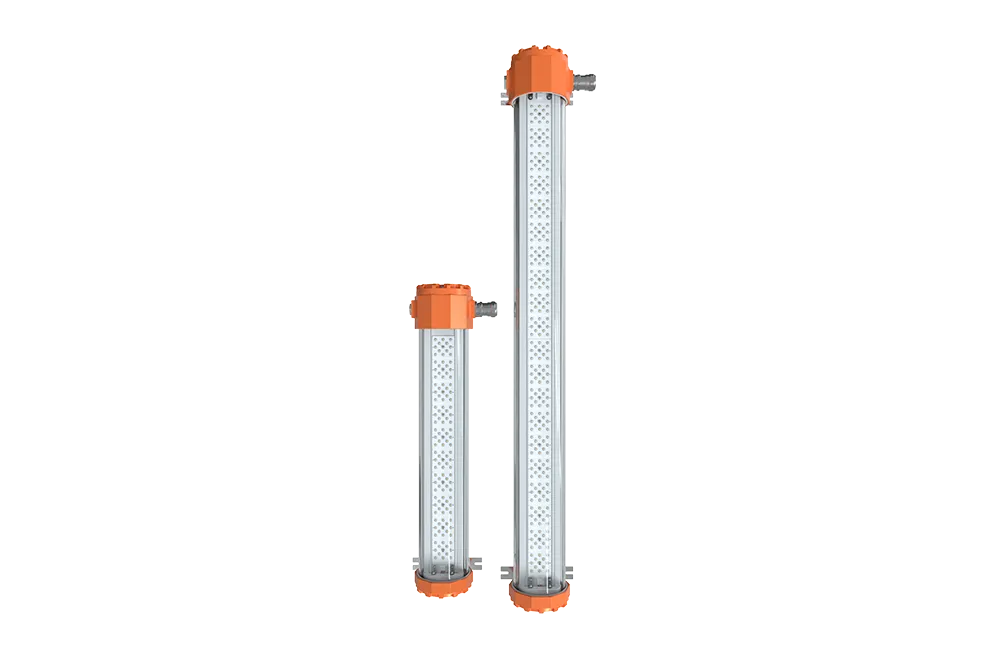

How Long to LED Lights Last?
57How long to LED lights last in real conditions? Not just specs—see true lifespan, failure causes, and what affects LED durability in daily use.
View detailsSearch the whole station
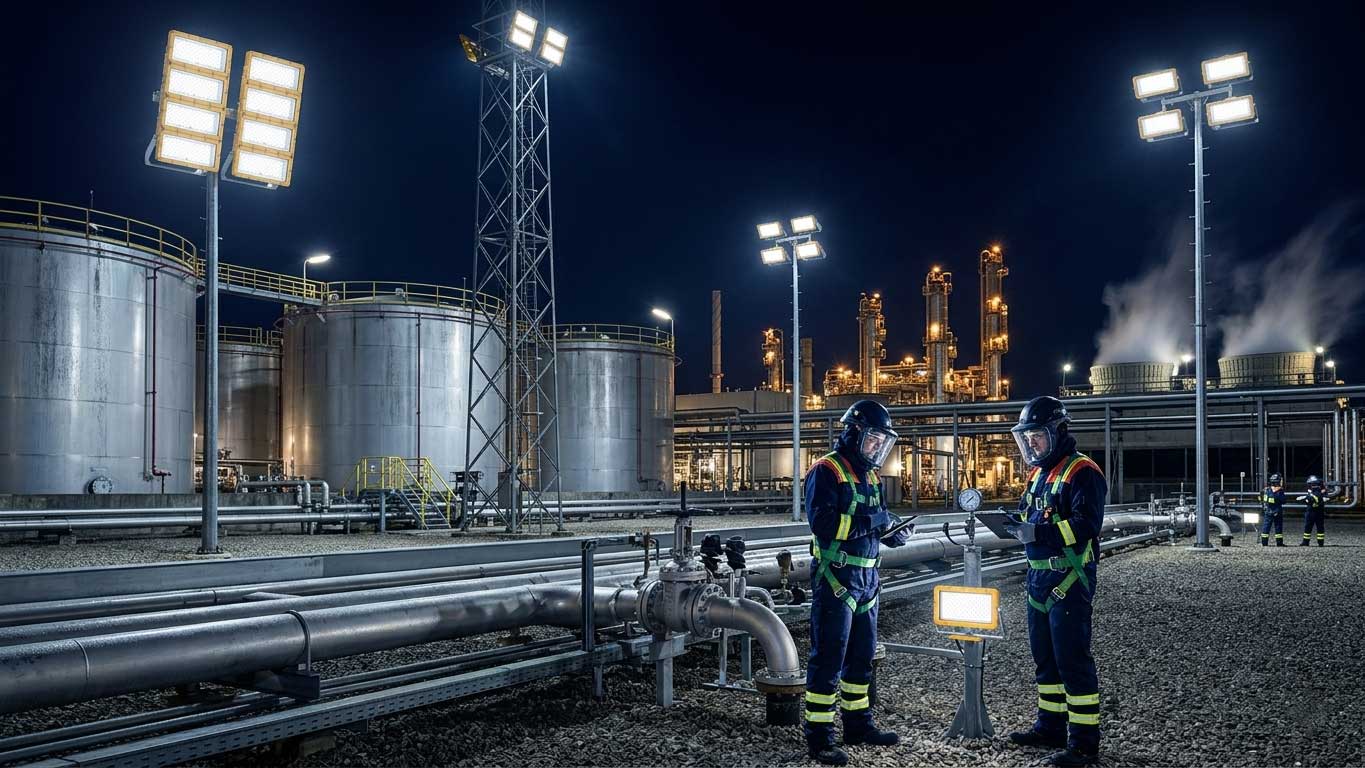
An atex led flood light rarely draws attention when everything works normally. But step into a refinery or chemical facility at night and the role becomes obvious immediately.
The first time I inspected hazardous-area lighting in a petrochemical storage yard, it was close to sunset. Massive tanks stood in rows. Pipe racks crossed overhead. Workers were finishing maintenance on several valves before night shift began.
Then the lighting came on.
Not soft lighting—industrial flood lighting. Wide beams sweeping across metal surfaces, valves, ladders, and safety walkways. Every fixture mounted on heavy brackets with thick housings.
Those were atex led flood light systems. And in environments where flammable gas may exist, that kind of lighting design isn’t optional.
Industrial facilities handling hydrocarbons, solvents, or combustible dust operate under strict safety rules.
Within the European regulatory system, hazardous equipment must comply with ATEX directives established by the European Commission. These directives define safety requirements for equipment operating in explosive atmospheres.
Facilities classify hazardous zones according to the probability of explosive gas presence:
Lighting systems installed in these areas must ensure they cannot ignite surrounding gases or vapors. That means the enclosure, electronics, temperature limits, and cable entries must all be engineered carefully.
This is exactly where the atex led flood light becomes essential.
Flood lighting is commonly used to illuminate wide industrial areas—tank farms, pipe corridors, outdoor processing zones, and loading terminals.
Ten years ago, hazardous-area flood lighting was dominated by metal halide or high-pressure sodium fixtures.
They worked. But they had issues.
Warm-up time could take several minutes. Maintenance teams replaced lamps regularly. Energy consumption was high, especially for large facilities operating 24 hours a day.
LED technology gradually replaced those systems.
According to research published by the U.S. Department of Energy, LED lighting can reduce energy consumption by up to 50–70% compared with conventional lighting technologies, depending on application and operating hours.
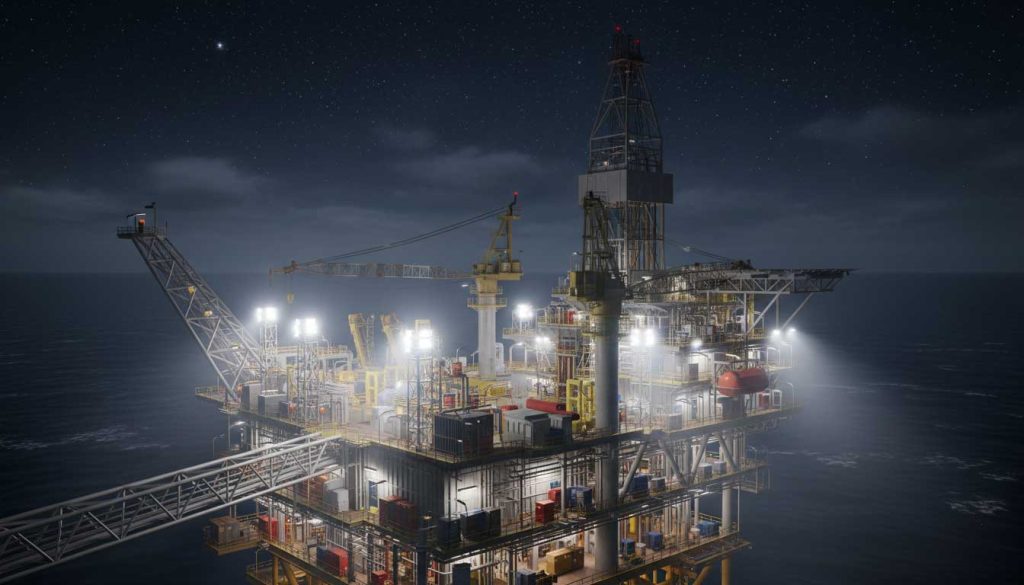
For oil refineries or offshore platforms with hundreds of fixtures, those numbers quickly translate into significant operational savings.
That’s why many facilities are now replacing older systems with modern atex led flood light installations.
Standing under one of these fixtures, the difference is obvious.
The housing is thick. The glass lens is reinforced. Cable entries are sealed. Everything about the design feels deliberate.
A proper atex led flood light typically includes several key design features:
Explosion-proof enclosure
The housing contains any internal spark or electrical fault.
Thermal control system
Surface temperatures remain below ignition levels for surrounding gases.
Industrial-grade LED drivers
Electrical components are protected from vibration, heat, and moisture.
Wide-area optical distribution
Flood lights must illuminate large spaces without creating dangerous shadows.
Manufacturers like SEEKINGLED design hazardous-area flood lights with these elements because once installed, these fixtures often operate in difficult-to-access locations for years.
One mistake I often see during facility upgrades is assuming more wattage automatically means better lighting.
It doesn’t.
Flood lighting is about coverage, not just brightness.
Older fixtures often produce narrow beams that create intense hot spots directly below the light but leave surrounding areas in shadow.
Modern atex led flood light designs focus on optical distribution. Proper beam angles ensure that platforms, valves, and service paths remain clearly visible without glare.
Workers notice this difference quickly. Maintenance teams especially appreciate it when reading gauges or performing nighttime inspections.
Replacing lighting equipment in hazardous environments is rarely simple.
Access permits, safety procedures, sometimes temporary shutdowns—maintenance can quickly become expensive.
This is one reason operators prioritize long-life LED systems.
Modern atex led flood light fixtures often provide operational lifetimes exceeding 50,000 hours before significant lumen depreciation occurs.
For large facilities, that means fewer replacements and less disruption to operations.
Reliable thermal design also plays a role. Proper heat dissipation prevents premature driver failure, something manufacturers like SEEKINGLED pay close attention to during product design.
While ATEX directives govern hazardous equipment in the European market, many global projects also reference standards from the International Electrotechnical Commission.
The IECEx certification system ensures electrical equipment can safely operate in explosive atmospheres worldwide.
For industrial operators working across multiple regions, choosing lighting products compliant with both ATEX and IECEx standards simplifies equipment approval.
SEEKINGLED LED Linear Explosion Proof Light and Explosion Proof lighting is ATEX and IECEx certified for Zone 1, Zone 2, Zone 21 and Zone 22 hazardous locations, built for long-term industrial use.
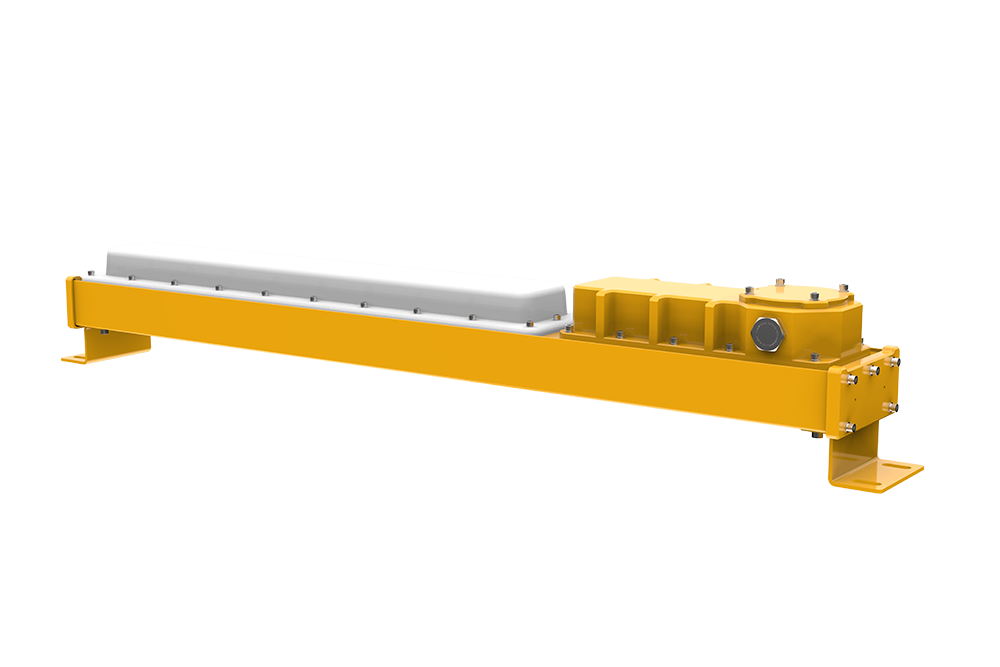
LED Linear Explosion Proof Lights and EX Proof lights for Zone 1, Zone 2, Zone 21 and Zone 22 hazardous areas. ATEX & IECEx certified explosion proof LED linear lighting with emergency function, adjustable power and IP67 protection by SEEKINGLED.
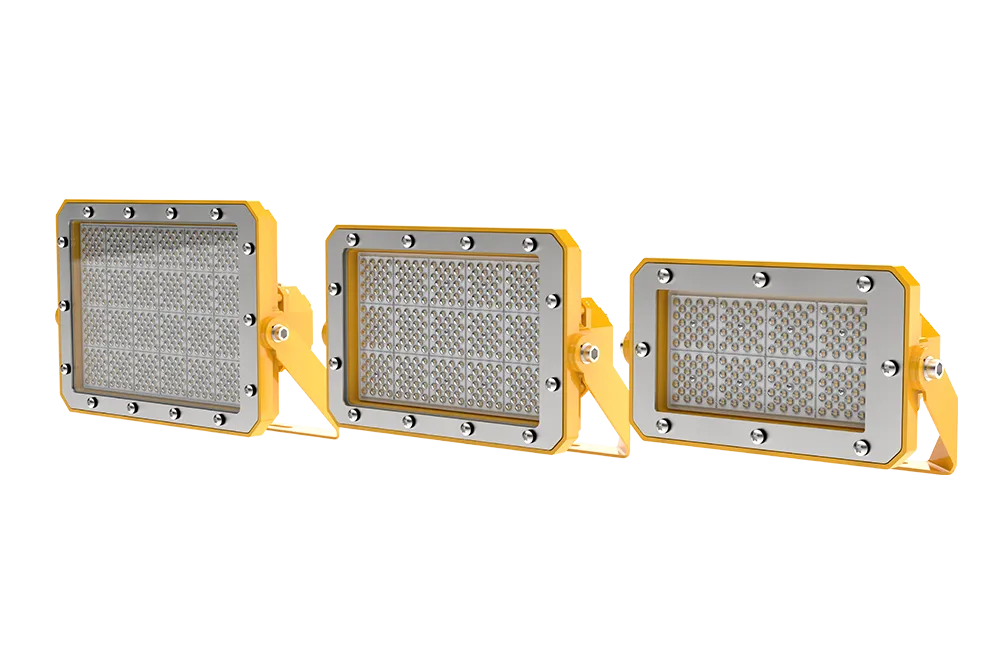
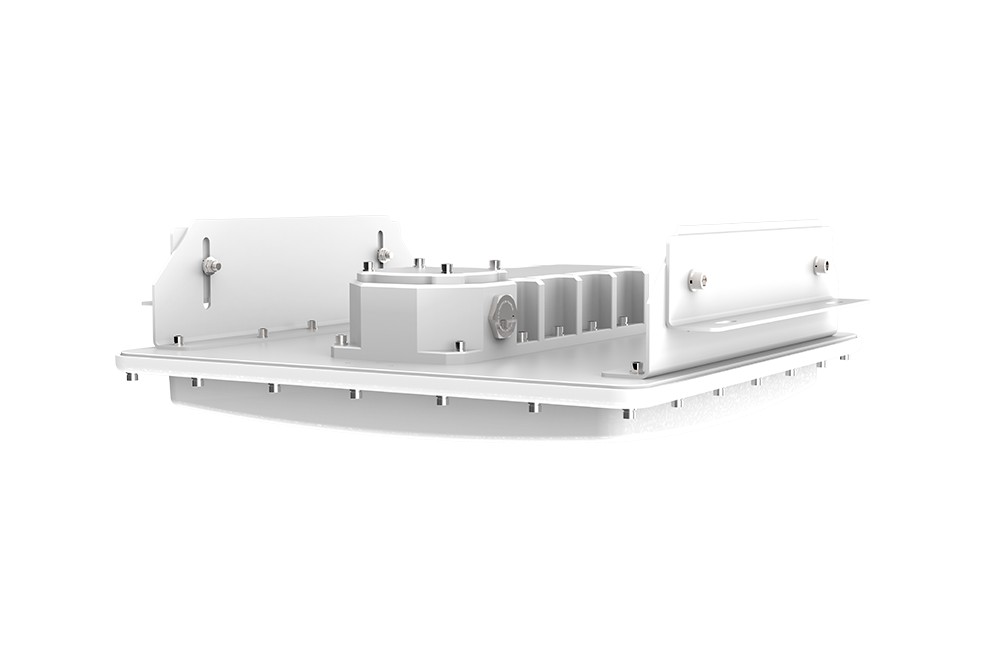
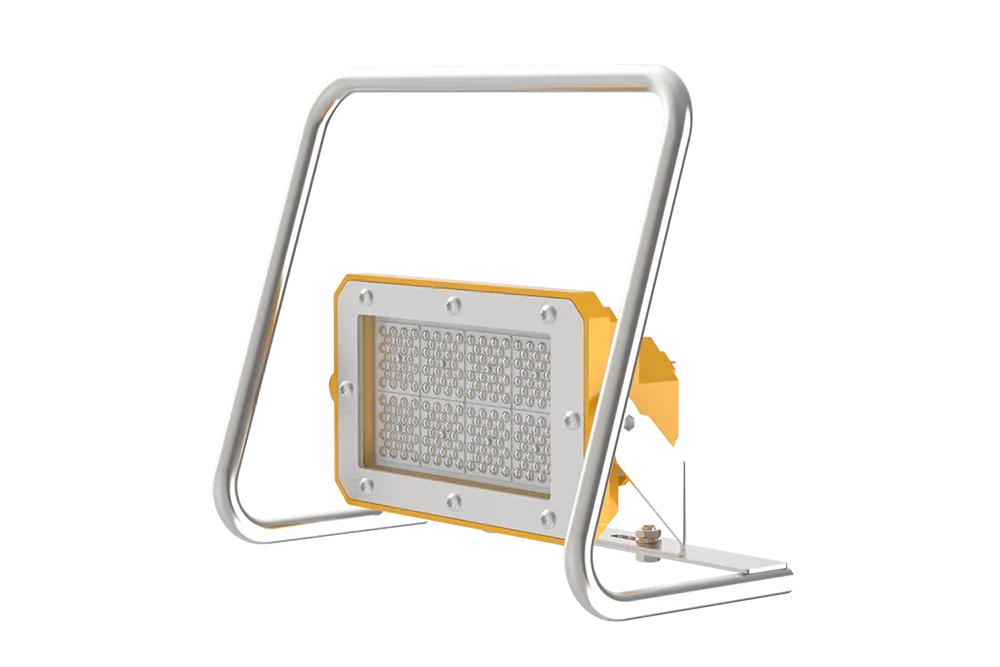
SEEKINGLED LED Explosion Proof Flood Lights are ATEX certified for Zone 2 and Zone 22 hazardous areas, offering high efficiency, adjustable power and integrated junction box.
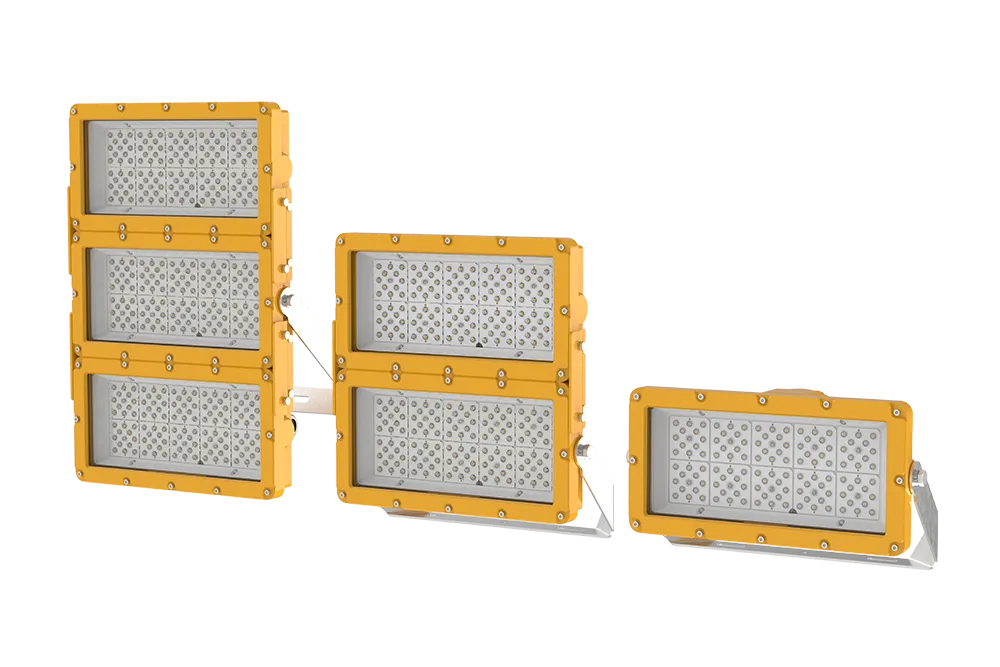
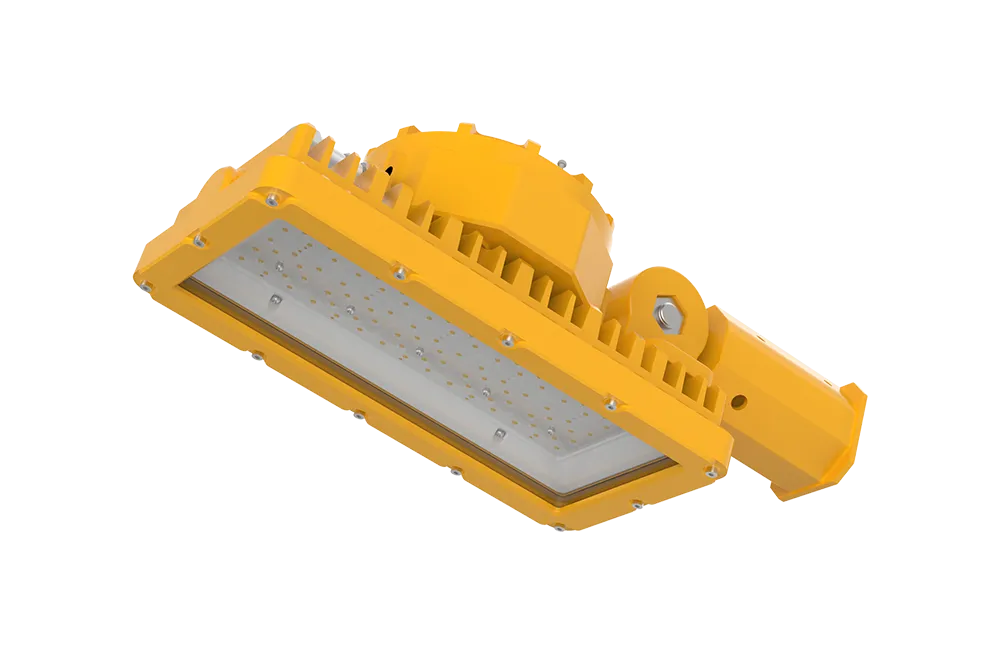
SEEKINGLED LED Explosion Proof Flood Lights are flameproof ATEX and IECEx certified for Zone 1 and Zone 2 hazardous areas, offering high power, adjustable output and long service life.
SEEKINGLED LED Gas Station Canopy Lights are ATEX certified for Zone 2 and Zone 22 hazardous areas, featuring adjustable power and built-in explosion-proof junction box.
ATEX: Ex II 2G Ex db IIB T6/T5 GbEx II 2D Ex tb IIIC T80°C/ T95°C Db IECEx Ex db IIB T6 Gb;Ex tb IIIC T80°C Db Feature: ● For Zone 1,2 and Zone 21,22● Flameproof type, the strongest● 100W can replace 250W HID,energy saving● Power:60W,80W,10…
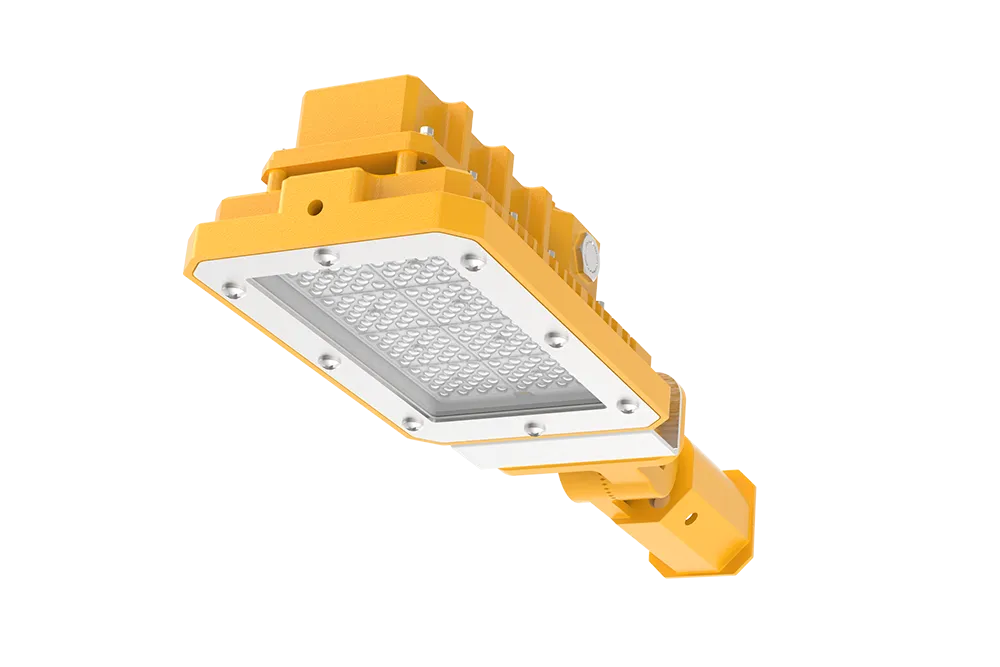
ATEX: II 3G Ex nR ⅡC T5/T6 GcII 3D Ex tc ⅢC T80℃/T95℃Dc ATEX Certificate NO: TÜV CY 26 ATEX 0207611 X Feature: ● For Zone 2 and Zone 22● 150W can replace 250W HID lamps,Energy saving● Power:50W,75W,100W,150W,200W Application: Oil and gas, m…
LED explosion proof high bay lights are designed for Zone 1, Zone 2, Zone 21 and Zone 22 hazardous areas. This page introduces the HB21 Series from SEEKING, including certifications, power options and real application considerations.
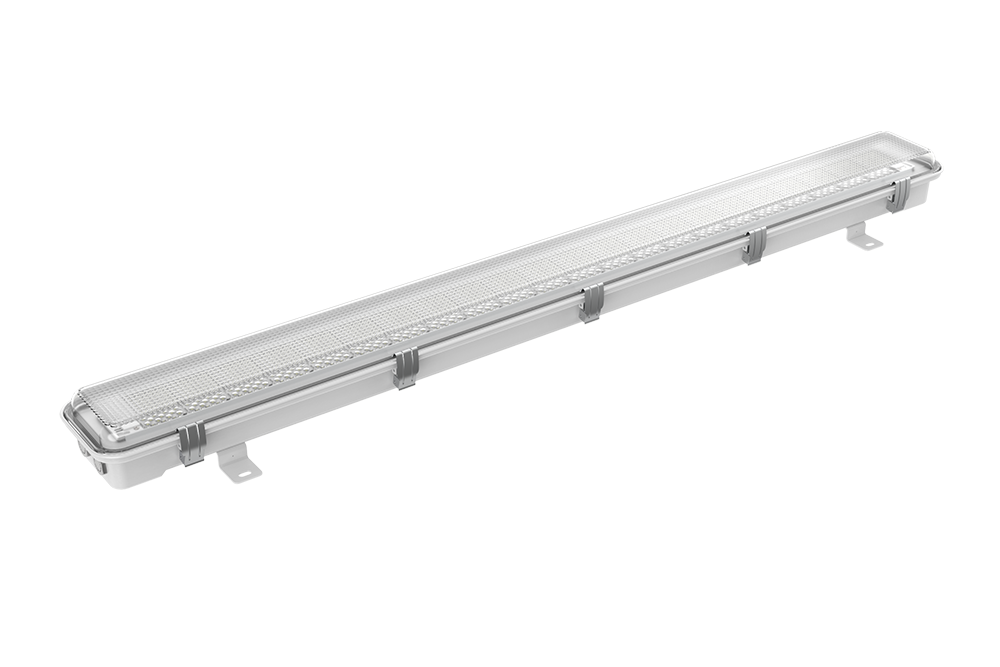
LED Linear Explosion Proof Lights from SEEKINGLED. LU Series Flame Proof lights ATEX-certified explosion proof LED linear lighting for Zone 2 gas and Zone 22 dust areas, IP69K, IK10, long lifetime and flexible power options.
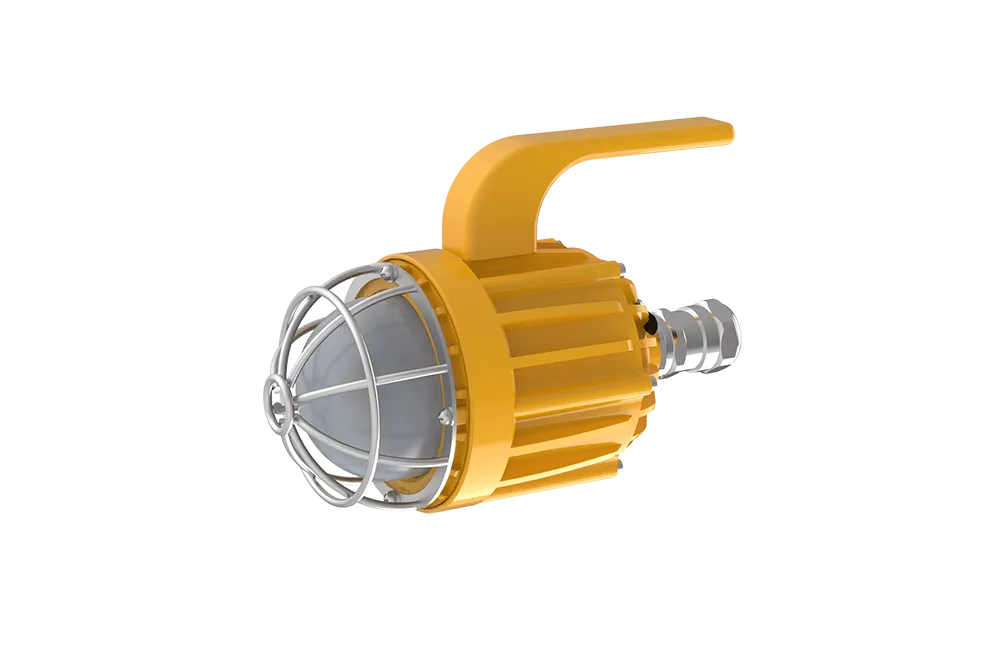
Certified explosion proof work lights for Zone 1 & 21 hazardous areas. Portable, ATEX & IECEx approved, built for oil, gas and chemical plants by SEEKINGLED.
ATEX: II 3G Ex nR ⅡC T6 GcII 3D Ex tc ⅢC T80℃ Dc ATEX Certificate NO: TÜV CY 26 ATEX 0207611 X Feature: ● For Zone 2 and Zone 22● Accepts battery-powered supply● indestructible● Power:AC input:50W,75W,100WDC input:15W,25W,35W Application: O…
ATEX: Ex II 2G Ex db IIB T6 GbEx II 2D Ex tb IIIC T80°C Db IECEx Ex db IIB T6 Gb;Ex tb IIIC T80°C Db Feature: ● For Zone 1,2 and Zone 21,22● Flameproof type, the strongest Application: Oil and gas, marine, Chemical, pharmaceutical, semicondu…
ATEX: Ex II 2G Ex db IIB T6 GbEx II 2D Ex tb IIIC T80°C Db IECEx Ex db IIB T6 Gb;Ex tb IIIC T80°C Db Feature: ● For Zone 1,2 and Zone 21,22● Flameproof type, the strongest Application: Oil and gas, marine, Chemical, pharmaceutical, semicondu…
ATEX: Ex II 2G Ex d e IIB T6 Gb ATEX: Ex d e IIB T6 Gb; Feature: ● For Zone 1,2● 9W can replace 18W fluorescent lamps,50% Energy saving Application: Oil and gas, marine, Chemical, pharmaceutical, semiconductor,mining,military industry, pain…
loading…
This is the last post!
How long to LED lights last in real conditions? Not just specs—see true lifespan, failure causes, and what affects LED durability in daily use.
View details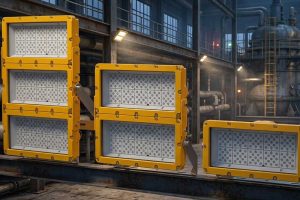
What is an explosion proof light? Discover how certified fixtures prevent ignition in hazardous areas, with real standards, materials, and field insights from SEEKINGLED.
View details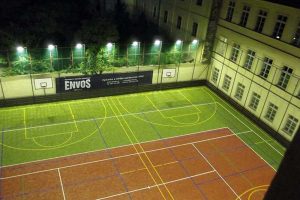
LED High Bay Light installation using SEEKINGLED HBS Series 150W improves nighttime visibility, uniformity, and energy efficiency for a basketball court in the Czech Republic.
View details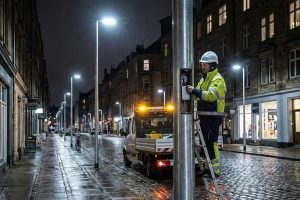
Is LED light street legit? This guide explains how to verify LED street light suppliers, avoid scams, and identify legitimate manufacturers based on real industry experience.
View details