 Seeking LED
are fog lights flood or spot?
13Fog lights are generally neither flood nor spot lights. They use a broad, low, controlled beam for near-road visibility while limiting upward light and glare.
View detailsSearch the whole station
The number of flood lights you need depends on the area’s size, required brightness, mounting height, beam angle, and fixture output. A small driveway may need one or two well-positioned lights, while a large yard or commercial parking area may require several fixtures and a photometric layout.
Start with the area you want to illuminate, then consider how bright it needs to be and how evenly light must be distributed. There is no reliable rule that one floodlight covers a fixed number of square feet in every situation.
| Location | Starting point for planning | Key consideration |
|---|---|---|
| Front door or small entrance | 1–2 fixtures | Reduce glare near eye level |
| Residential driveway | 1–3 fixtures | Cover the parking surface and walking routes |
| Backyard or garden | 1–3 fixtures | Avoid shining light into neighbors’ windows |
| Garage or workshop exterior | 2 or more, depending on layout | Minimize dark areas near doors and corners |
| Commercial yard or parking area | Site-specific lighting layout | Uniformity, mounting height, safety, and applicable standards |
These quantities are preliminary examples, not guaranteed designs. A single wide-beam fixture may cover more ground than several narrow-beam lights, but it may also produce uneven illumination or unwanted glare.
A useful first step is to estimate the total light reaching the area. Measure the length and width, then multiply them to find the square footage.
Next, choose a target illuminance appropriate for the activity. Illuminance is measured in foot-candles (fc) in the United States or lux internationally. One foot-candle equals approximately 10.76 lux.
A simplified lumen estimate is:
The utilization factor accounts for how much emitted light actually reaches the target surface. It depends on the fixture’s optics, mounting height, layout, and surroundings, so this calculation is only a preliminary estimate.
Example: A 600-square-foot driveway with a planning target of 2 foot-candles needs 1,200 lumens reaching the surface. If you assume a utilization factor of 0.50, the initial estimate becomes 2,400 lumens of fixture output. This is a simplified planning example, not a universal recommended driveway lighting level.
The actual number of fixtures depends on beam distribution and how evenly the light is spread. Elliott Electric Supply publishes a separate floodlighting calculation method using target foot-candles, area, fixture lumens, and depreciation factors. Its guidance also cautions that the formula is not a precise lighting design. Read the floodlighting calculation guide.
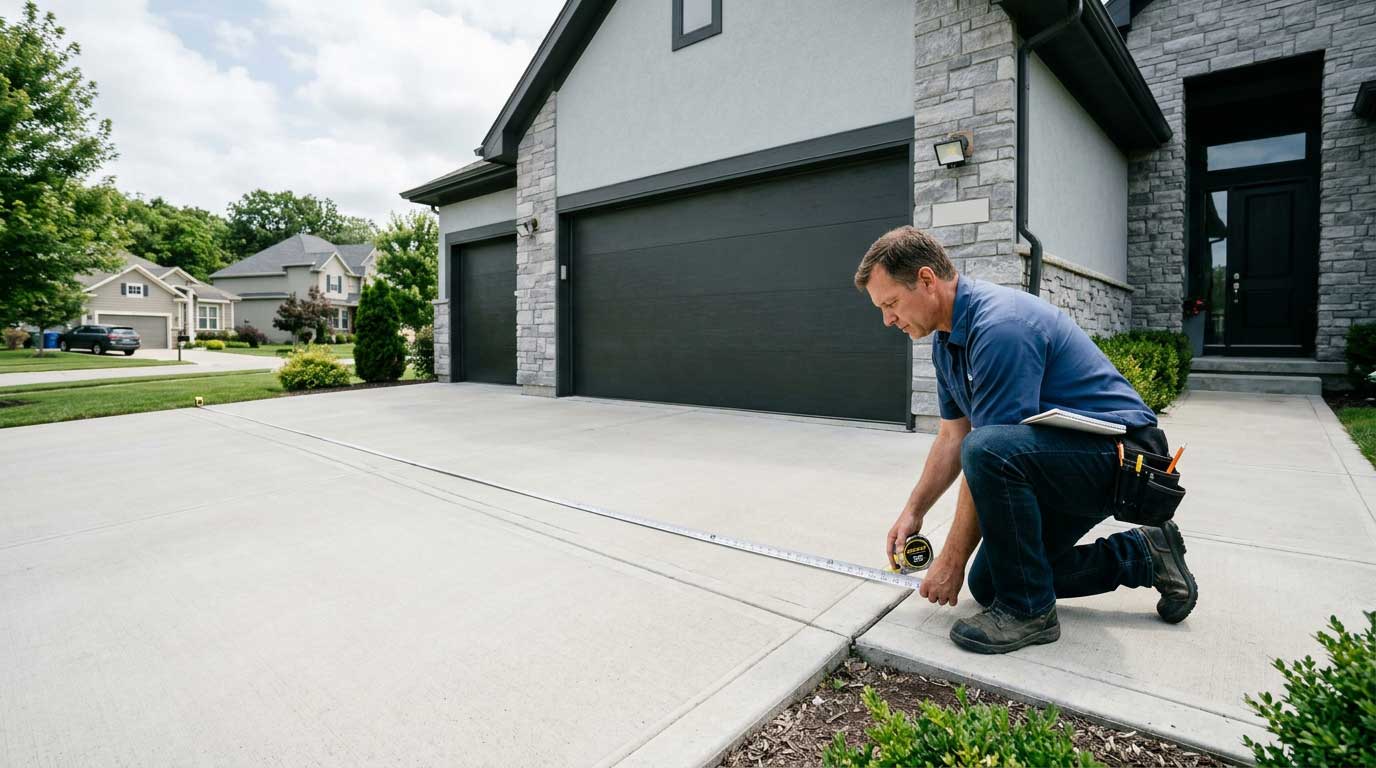
Three details can change the result substantially, even when the area stays the same.
Also consider what the light must accomplish. A security light intended to reveal people near a gate has different requirements from a fixture illuminating an entire loading area. More light is not always better: glare, shadows, and light spilling beyond the property can make an installation less effective.
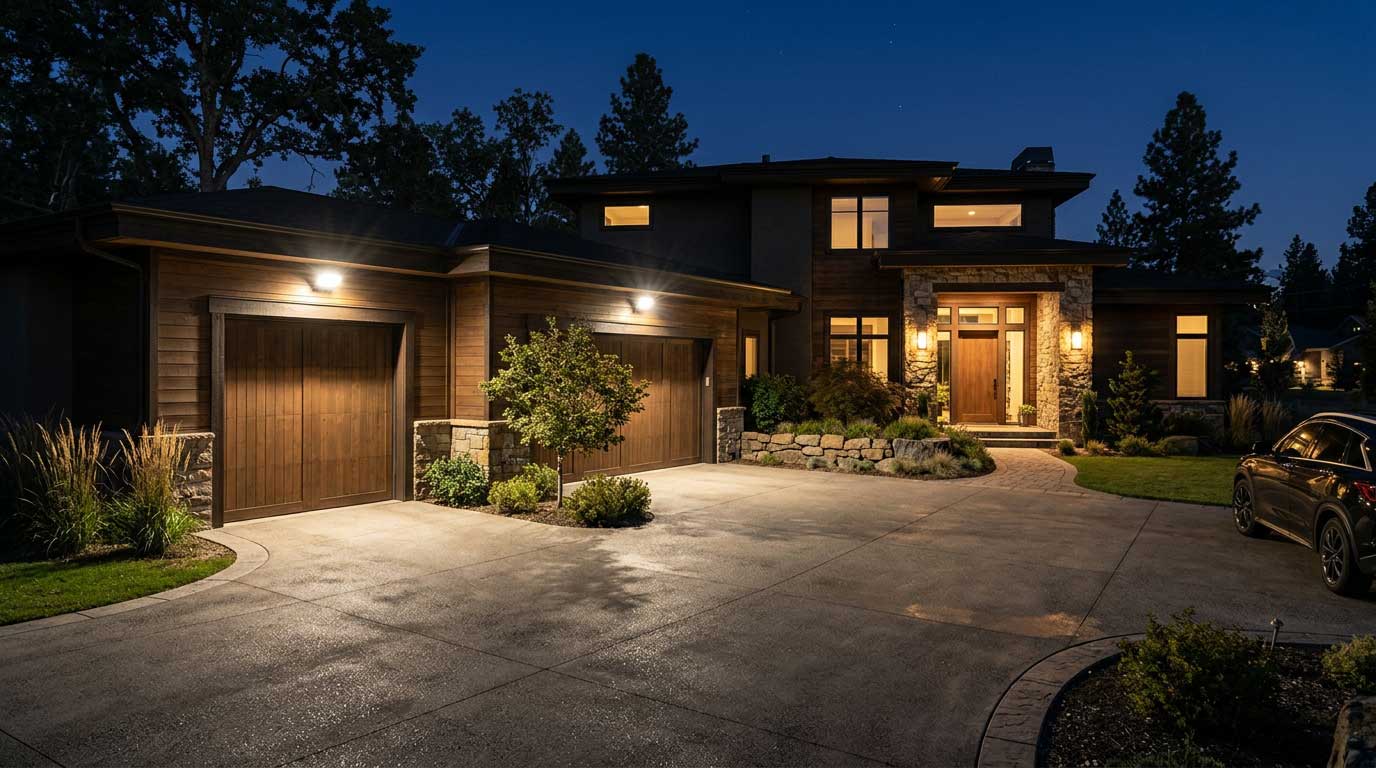
A small driveway may need one or two fixtures, while a wider or longer driveway may need more. Measure the area and compare lumens, beam angle, and mounting height before deciding.
It depends on the task, area, mounting position, and desired brightness. Choose a target illuminance first rather than selecting a fixture based only on wattage.
Yes, for some small yards, if its output and beam distribution are suitable. Larger or irregular spaces often benefit from multiple fixtures positioned to reduce shadows.
Compare light distribution, total lumen output, glare, and installation costs. Several smaller fixtures may provide more even coverage, while fewer powerful fixtures may simplify mounting.
Yes. Height changes beam spread and illuminance at ground level. Use the manufacturer’s photometric data to check coverage at the intended mounting height.
Aim fixtures toward the target area, choose an appropriate beam angle, and consider timers or motion sensors where suitable. Avoid unnecessary light spilling into neighboring properties.
How many flood lights do i need depends on the area, desired illuminance, fixture output, beam angle, and mounting height. Begin with measurements and a realistic lighting target, then verify coverage using product photometric data. For commercial properties, a site-specific lighting layout is preferable to guessing from fixture counts alone.
Technical reference: This guide follows general lighting-selection principles. For professional projects, use the fixture’s photometric report and applicable local lighting and electrical requirements. SEEKINGLED’s lighting team can help buyers assess product specifications for their intended application.
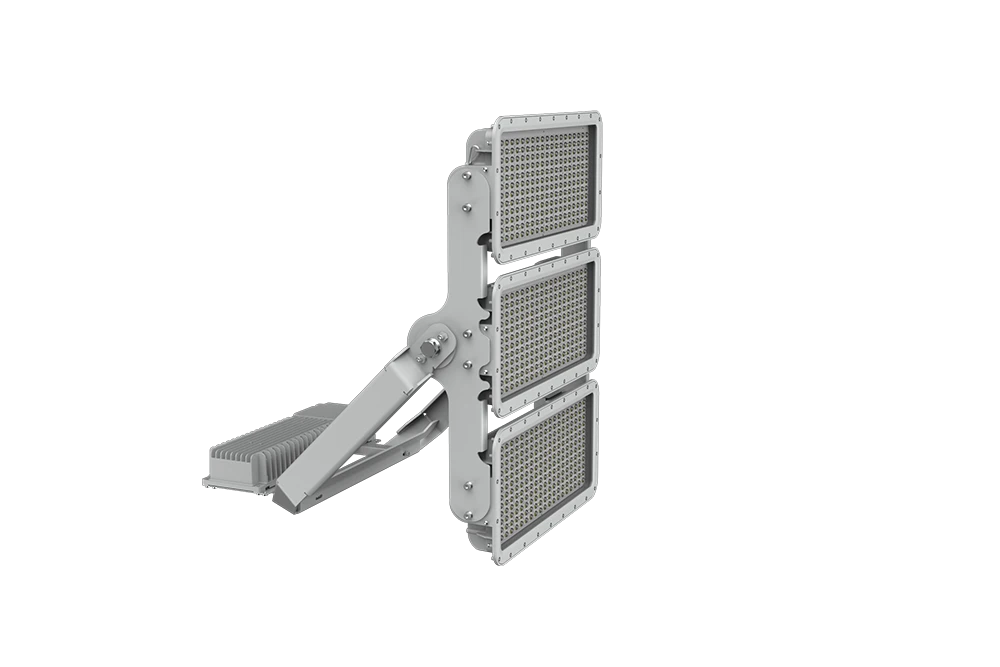
Sports Stadium LED Lighting by SEEKINGLED delivers high mast illumination, precise beam control, and EN 12193 compliant performance for professional venues.
View details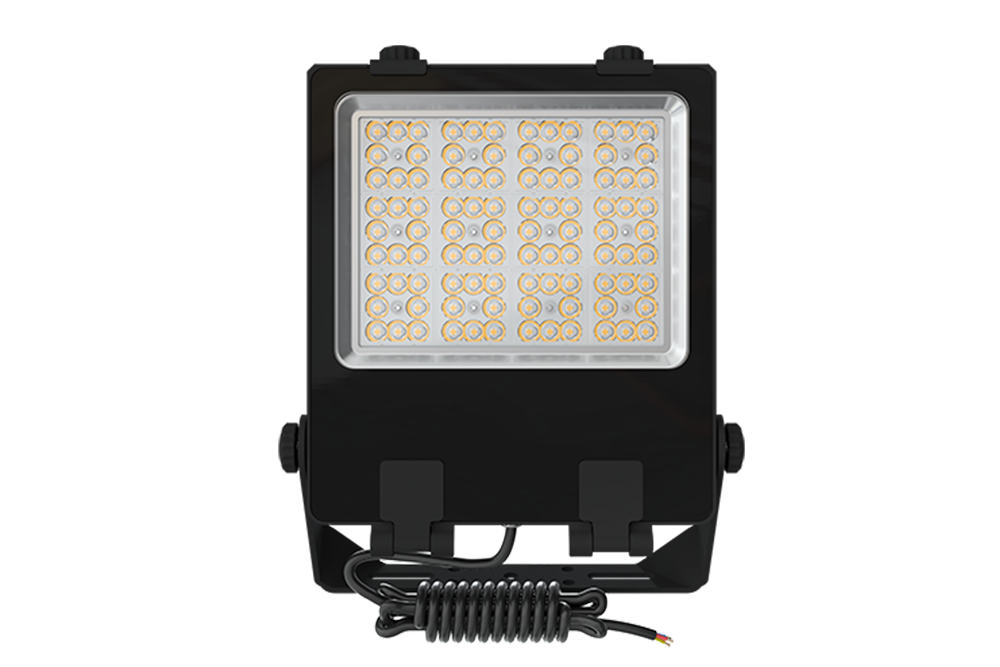
SEEKING FLX Series LED flood light outdoor for sports courts and open-area projects with 170lm/W efficiency, IP66 protection and multiple beam distributions. Designed for long-life commercial and public outdoor use.
View details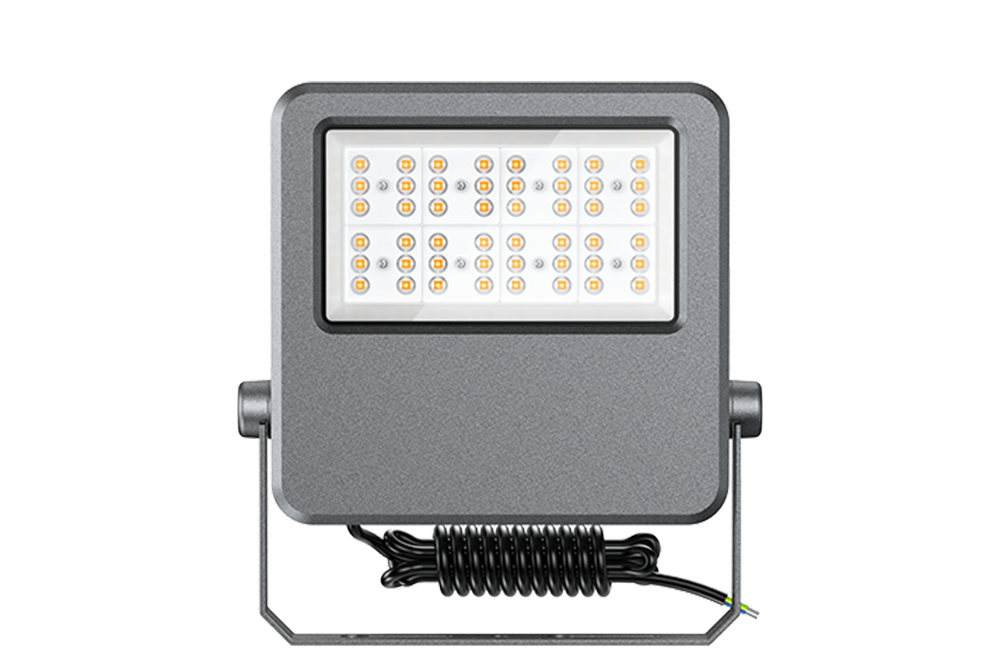
SEEKING FLE Series LED outdoor flood lights for sports grounds and open areas with multiple beam angles, IP66 protection and up to 170lm/W. Designed for long-life outdoor installations with professional driver options.
View details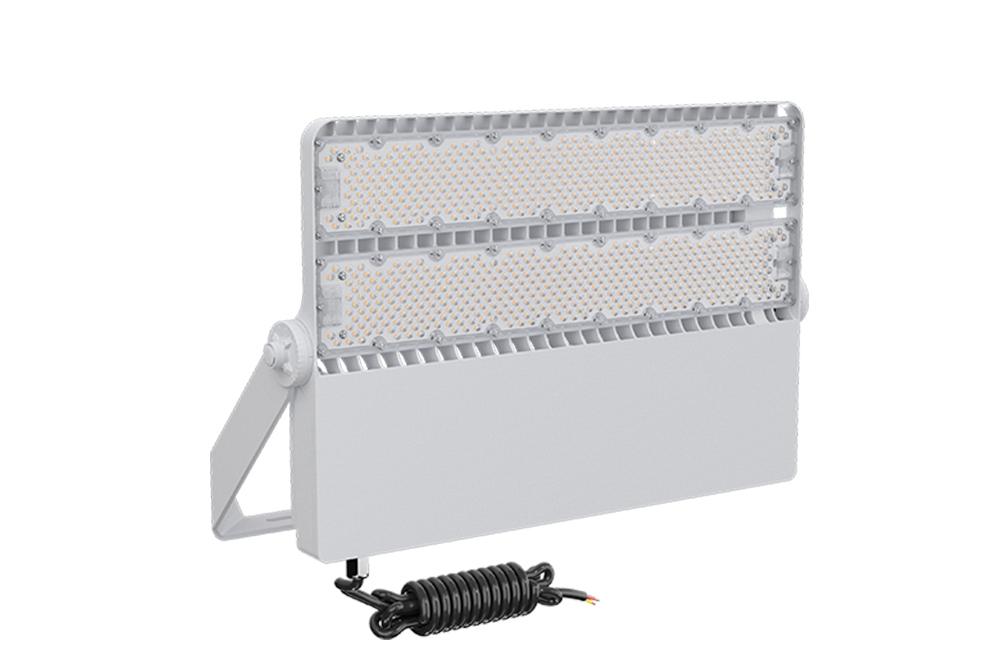
SEEKING FLD Series outdoor LED flood lights and high power led flood light deliver up to 960W with precision beam angles for sports fields, stadiums and large outdoor areas. IK08 & IP66 protection, 170lm/W efficiency and 100,000h lifetime.
View details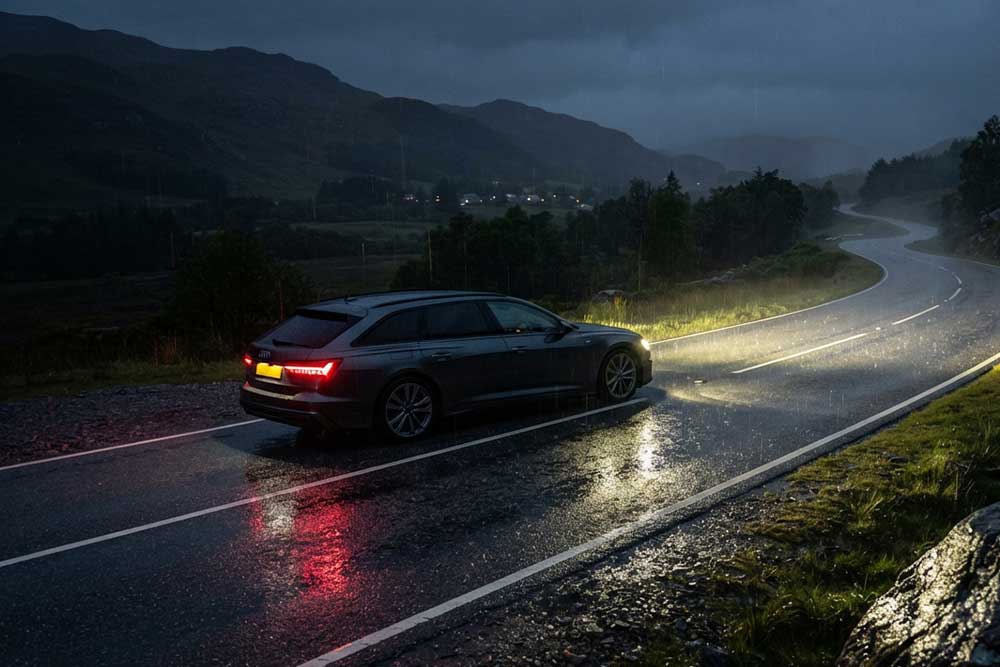
Fog lights are generally neither flood nor spot lights. They use a broad, low, controlled beam for near-road visibility while limiting upward light and glare.
View details
This engineering-based news article explains how energy saving LED lighting supports sustainable projects, covering LED Flood Light, LED Street Light, Sports Stadium LED Lighting and more by SEEKINGLED.
View details
Are LED lights street legal for public roads? Learn how regulations work, which LED lights are allowed, and why dedicated LED street lights like SEEKINGLED STA Series are widely approved.
View details
How many lumens is a LED street light for roads, parking lots, and city streets? Learn typical lumen ranges and see how SEEKINGLED STB Series matches real projects.
View details