 Seeking LED
explosion proof lighting requirements
42Explosion proof lighting requirements explained: standards, certifications, and key design rules for hazardous areas. Ensure safety with SEEKINGLED solutions.
View detailsSearch the whole station
Motion sensor flood lights detect movement within a defined area and automatically switch on when triggered. Most use passive infrared (PIR) sensors to detect changes in heat patterns, while a control circuit activates the light for a preset period.
A motion sensor floodlight combines a detector, an electronic control circuit, and a light source. When the detector identifies a qualifying change in its surroundings, the control circuit switches on the floodlight. After the configured hold time, the light switches off unless another trigger occurs.
The most common detection method in residential outdoor security lights is passive infrared, or PIR.
A PIR sensor does not usually send out a beam to scan the garden. Instead, it detects changes in infrared radiation arriving from objects within its field of view. People and animals emit infrared energy because their bodies are warmer than the surrounding environment.
The sensor’s optical lens divides its detection area into zones. When a warm object moves across these zones, the infrared pattern changes, allowing the electronics to recognize movement.
This explains a familiar installation problem: a light may trigger reliably when someone walks across a driveway but respond less consistently when someone walks directly toward the sensor. The result depends on the sensor’s design, movement direction, distance, and environmental conditions.
PIR is not the only technology available. Microwave sensors detect movement using reflected electromagnetic waves, and some fixtures combine sensing technologies to improve detection or reduce unwanted triggers.
The operating sequence is straightforward:
Some products also use a photocell to prevent activation during daylight. Others offer adjustable sensitivity, detection distance, or operating modes.
Placement can make the difference between reliable detection and a light that switches on too late—or keeps activating when nobody is there.
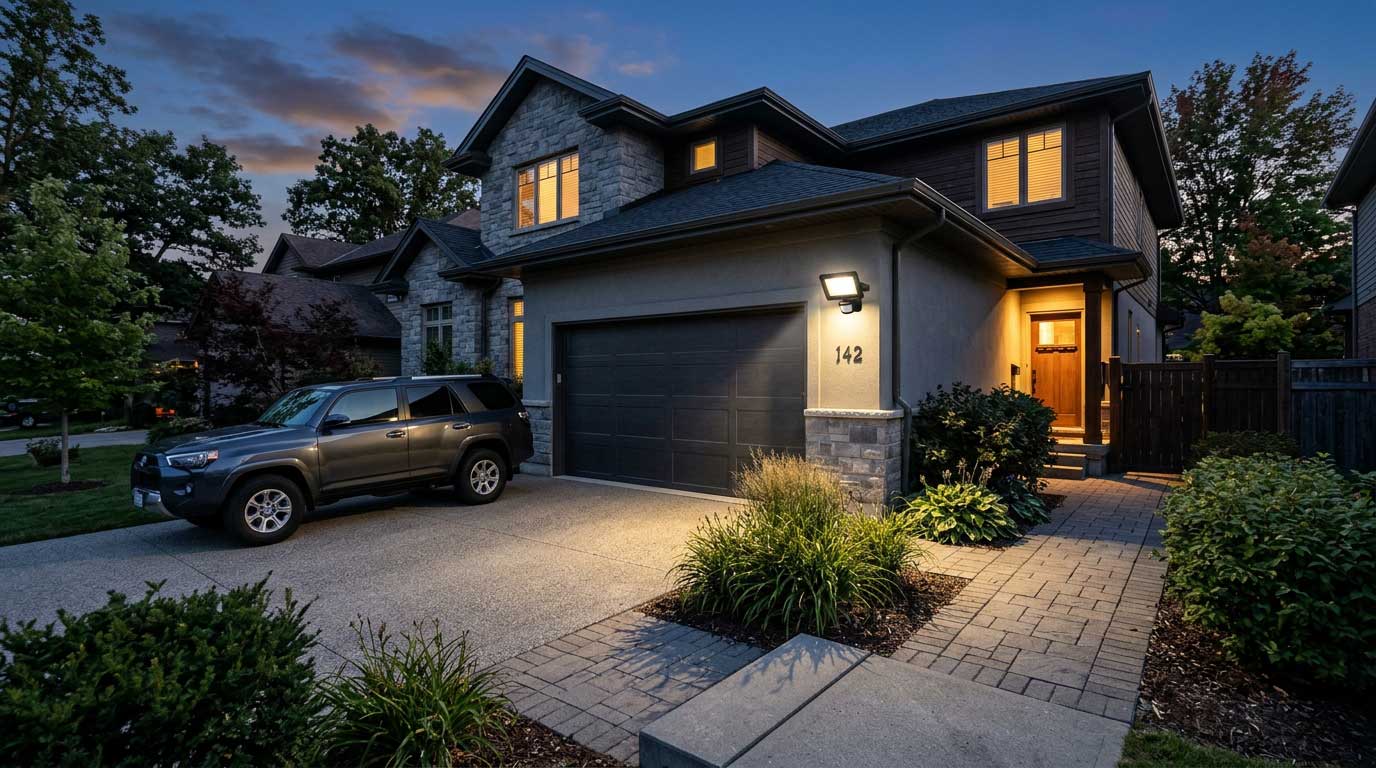
For a driveway, position the sensor so that a person walking across the entrance passes through its detection zones. At a side door, check that the door frame, nearby shrubs, and parked vehicles do not obstruct the sensor’s view.
Leviton’s sensor installation guidance recommends an unobstructed line of sight and positioning the sensor perpendicular to the likely direction of movement where practical. It also identifies nearby heat sources and airflow as factors that can affect performance. Source: Leviton — Sensor Installation and Placement
Most adjustable motion sensor floodlights offer some combination of the following controls:
| Setting | What it changes | Practical tip |
|---|---|---|
| Sensitivity | How readily movement triggers the light | Reduce it if passing traffic causes unwanted activation |
| Detection range | The area in which movement can be detected | Match the coverage to the entrance or path |
| Time delay | How long the light remains on | Use a longer setting where people need time to unlock doors or unload vehicles |
| Lux threshold | The ambient light level at which the sensor is allowed to operate | Set it to avoid unnecessary daytime activation |
Exact control names and adjustment ranges vary by model. Follow the manufacturer’s instructions rather than assuming every fixture uses the same settings.
False triggers do not automatically mean the sensor is defective. A tree branch moving in the wind may cross the detection area; a passing vehicle may enter the sensor’s field of view; or a nearby heat source may affect detection.
The Illuminating Engineering Society notes that outdoor motion-sensing applications can encounter both missed and false detections because of environmental obstacles and installation conditions. Its ANSI/IES RP-8-22 roadway and parking facility lighting guidance recommends careful consideration of the required detection pattern.
If the light behaves inconsistently, check these points first:
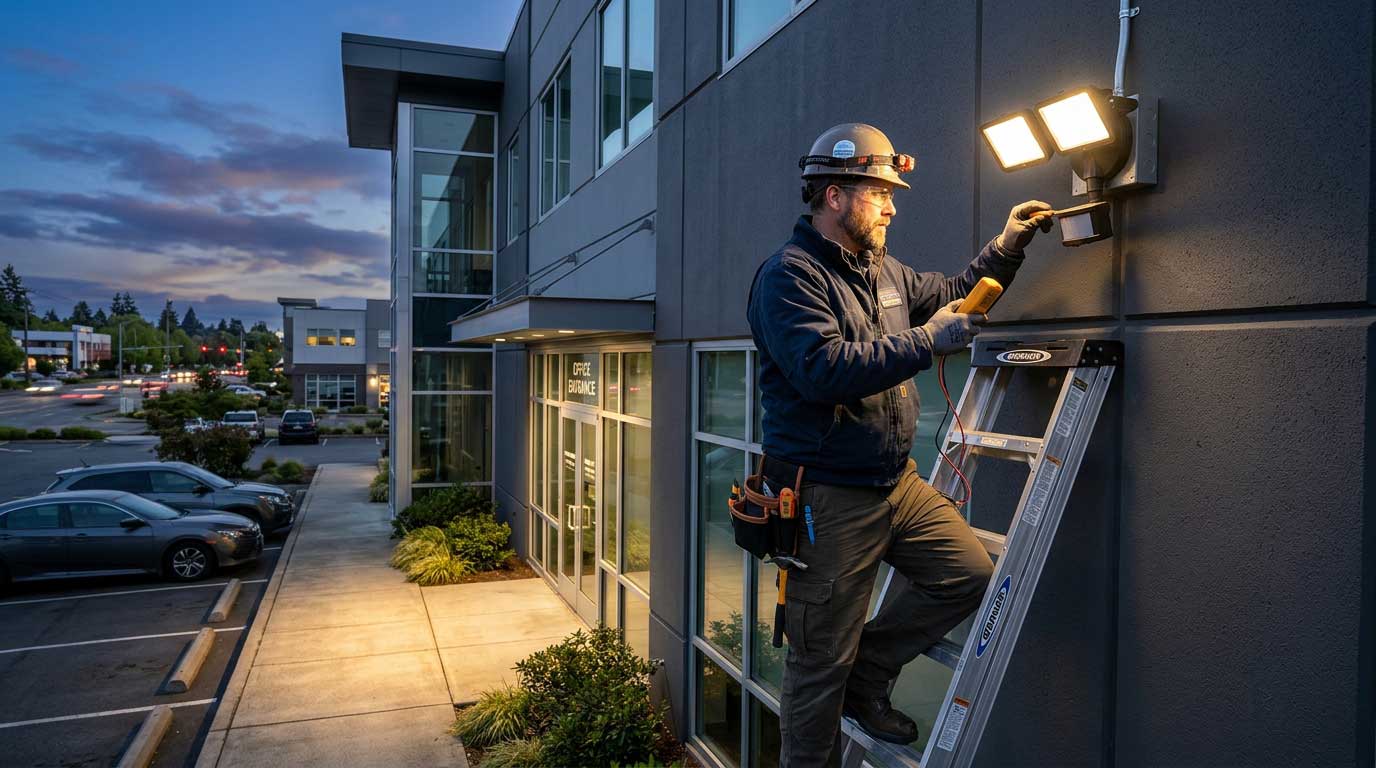
A useful commissioning test is to walk across the edge of the intended coverage area, then approach the fixture directly. Repeat from both sides. This simple check can reveal a blind spot that is easy to miss when testing only from the front.
Yes, if the model permits daytime activation. A built-in photocell or lux setting can prevent the light from switching on when sufficient daylight is available.
Detection range varies by model, sensor technology, mounting height, and movement direction. Check the manufacturer’s rated range and test it at the actual installation site.
The hold timer may be resetting because the sensor continues detecting movement. Incorrect settings, environmental interference, or a control fault can also cause this behavior.
Yes. Depending on sensitivity, sensor design, and the animal’s size and distance, a PIR sensor may detect pets or wildlife and activate the light.
They can reduce operating hours by switching the light on only when movement is detected. Actual savings depend on how often the sensor triggers, the fixture’s wattage, and the hold-time setting.
No. PIR sensors detect changes in infrared radiation, while microwave sensors detect movement using reflected electromagnetic waves. Each has different strengths and installation considerations.
Understanding how do motion sensor flood lights work helps buyers choose suitable detection technology, coverage, and lighting controls. For reliable outdoor performance, match the sensor to the site, adjust its settings, and test the full detection area before relying on it.
SEEKINGLED supports commercial lighting buyers with LED lighting solutions for different installation environments and project requirements.
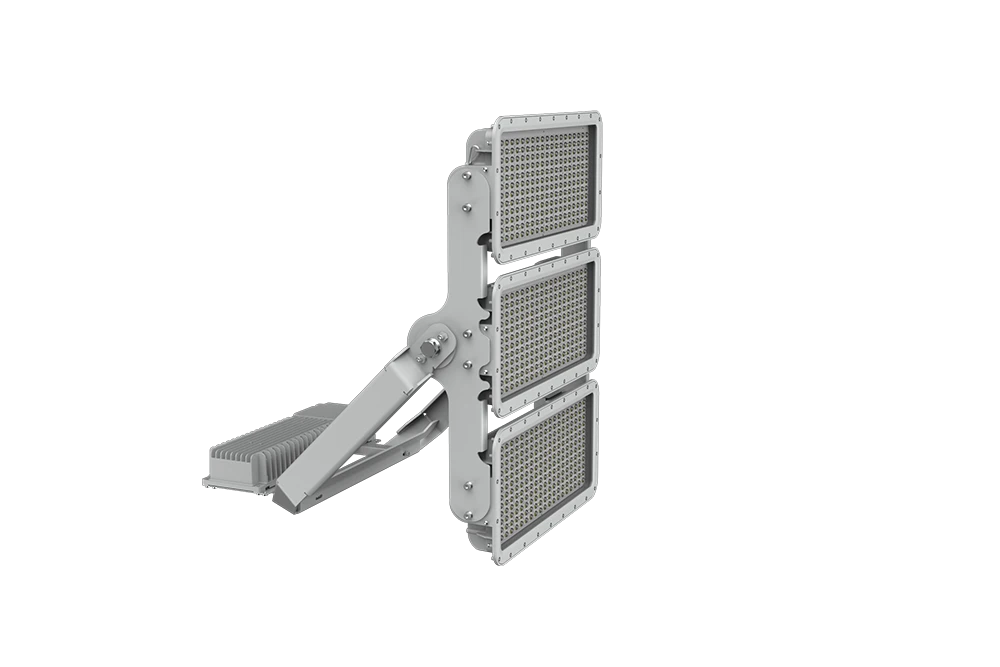
Sports Stadium LED Lighting by SEEKINGLED delivers high mast illumination, precise beam control, and EN 12193 compliant performance for professional venues.
View details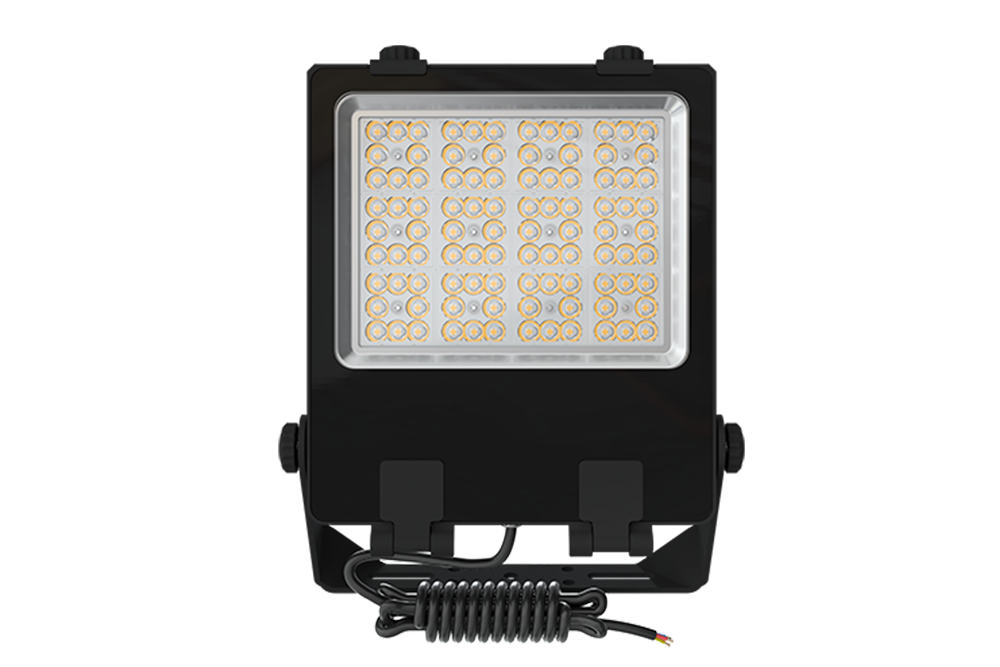
SEEKING FLX Series LED flood light outdoor for sports courts and open-area projects with 170lm/W efficiency, IP66 protection and multiple beam distributions. Designed for long-life commercial and public outdoor use.
View details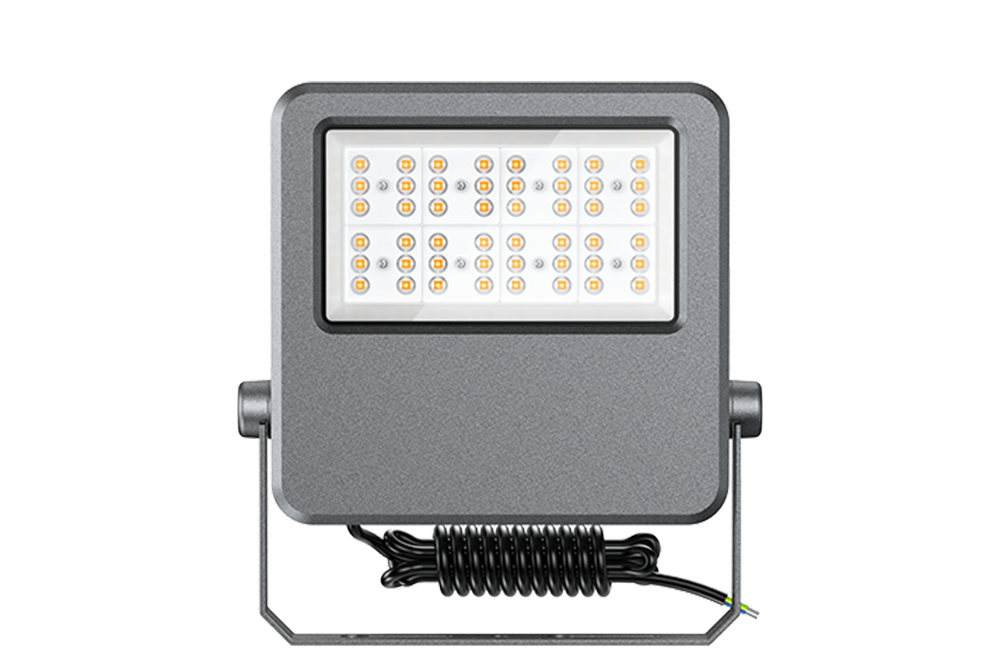
SEEKING FLE Series LED outdoor flood lights for sports grounds and open areas with multiple beam angles, IP66 protection and up to 170lm/W. Designed for long-life outdoor installations with professional driver options.
View details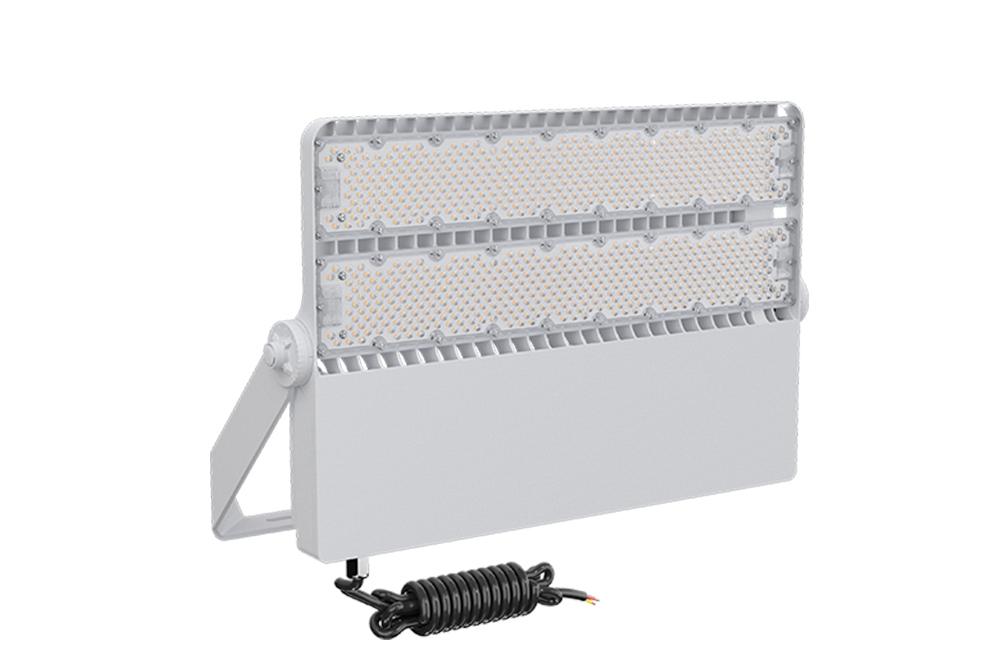
SEEKING FLD Series outdoor LED flood lights and high power led flood light deliver up to 960W with precision beam angles for sports fields, stadiums and large outdoor areas. IK08 & IP66 protection, 170lm/W efficiency and 100,000h lifetime.
View details
Explosion proof lighting requirements explained: standards, certifications, and key design rules for hazardous areas. Ensure safety with SEEKINGLED solutions.
View details
In hazardous areas such as oil & gas, chemical plants, coal mines and pharmaceuticals, explosion-proof lights are critical safety equipment. Many people find the prices high at first glance. Here is a clear look at current market ranges and th...
View details
What are the different types of LED high bay lights? Learn the main high bay LED light types, their applications, and how to choose the right one for your space.
View details
LED flood lights for sporting grounds explained by real field projects. Learn lux levels, pole layout, glare control, and standards with SEEKINGLED.
View details