LED Flood Lights for Sporting Grounds: What Works on Real Fields
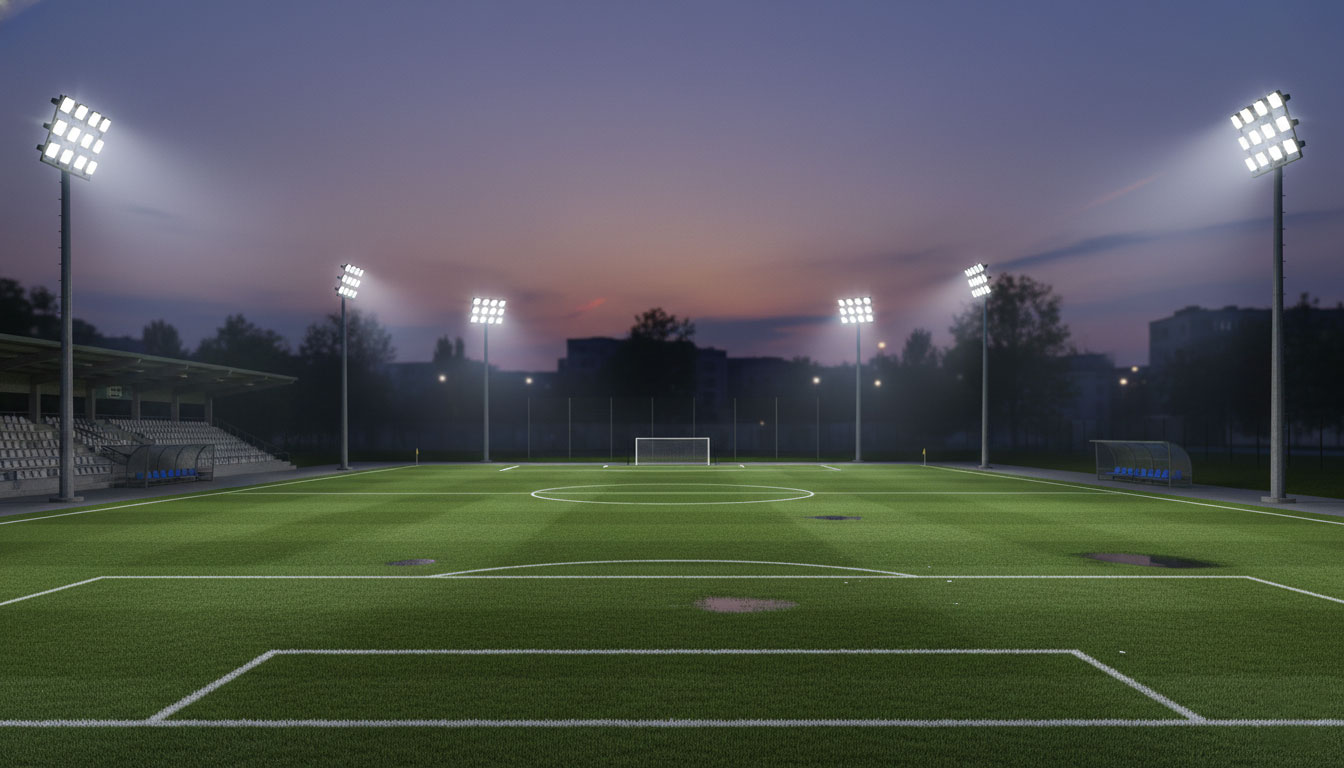
Choosing LED flood lights for sporting grounds is not just about brightness. It’s about control, uniformity, glare, and how athletes actually see the game once the sun is gone. I’ve worked on football pitches, training grounds, and multi-use sports fields where lighting looked impressive on day one—and failed players by season two.
This article is written from field-side experience, not a sales desk.
At SEEKINGLED, we approach sports lighting as a performance system. Because once the flood lights are up, there’s no easy correction.
Why Sporting Grounds Are Different from Parking Lots
A common mistake is treating sports lighting like large-area illumination. It isn’t.
According to EN 12193 (European Standard for Sports Lighting) and IES RP-6, sporting grounds require:
- High horizontal and vertical illuminance
- Tight uniformity ratios
- Strict glare limitation
- Consistent color rendering for player tracking and officiating
A field can be bright and still be wrong.
Lux Levels: What the Standards Actually Say
For football and similar field sports, the numbers are clear:
According to FIFA Lighting Guide and EN 12193:
- Training / recreational play: 200–300 lux
- Amateur competition: 300–500 lux
- Professional competition: 500–1000 lux
- Broadcast-ready fields: 1000 lux and above (with vertical lux control)
The U.S. Department of Energy confirms that LED flood lighting can reduce energy consumption by 60–75% compared to metal halide while meeting these levels—but only when optics and aiming are correct.
Pole Height and Aiming: Where Most Projects Go Wrong
From experience, the most common issue with sports field LED flood lighting is pole height mismatch.
Too low:
- Excessive glare
- Harsh shadows
- Poor vertical illumination
Too high:
- Wasted lumens
- Spill light complaints
- Higher installation cost
Typical working ranges:
- Recreational fields: 12–18 m poles
- Competition fields: 18–30 m poles
At SEEKINGLED, we always model beam angles before fixing pole height. Once poles are poured, mistakes get expensive.
Glare Control Is Not Optional
Players don’t complain in lux. They complain in missed passes.
IES studies show that glare reduces visual performance even when illuminance targets are met. That’s why modern football field LED flood lights rely on:
- Asymmetric optics
- Visor shields
- Careful aiming beyond field boundaries
If glare control isn’t addressed at design stage, it cannot be fixed later.
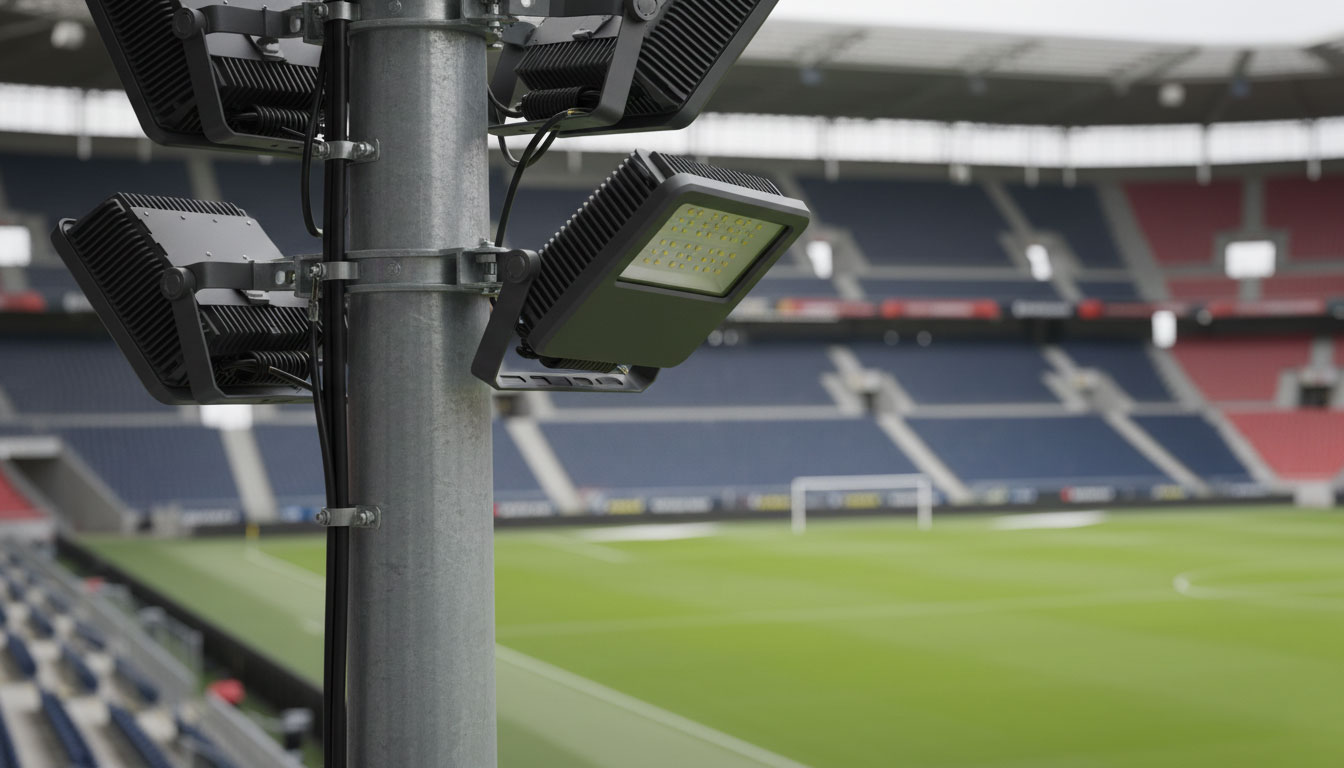
Durability: Sporting Grounds Are Harsh Environments
Outdoor fields mean:
- Wind load
- Vibration
- Rain, dust, insects
- Nightly thermal cycling
SEEKINGLED flood lights used for sporting grounds are designed to meet IP66 and relevant IEC 60598 requirements. That matters more than lumen numbers once the season starts.
About the Author & SEEKINGLED
This article is written by a lighting systems engineer with over 10 years of experience in outdoor and sports lighting projects, including football pitches, training grounds, and multi-use stadiums across Europe.
SEEKINGLED focuses on professional LED flood lighting for demanding outdoor applications, with solutions designed around real sports lighting standards—not simplified assumptions.
Final Thoughts
Good led flood lights for sporting grounds don’t draw attention to themselves. They disappear into the game. Players see the ball clearly. Officials see movement accurately. Spectators forget about the lights entirely.
That’s how you know the system is right.
LED flood light recommended
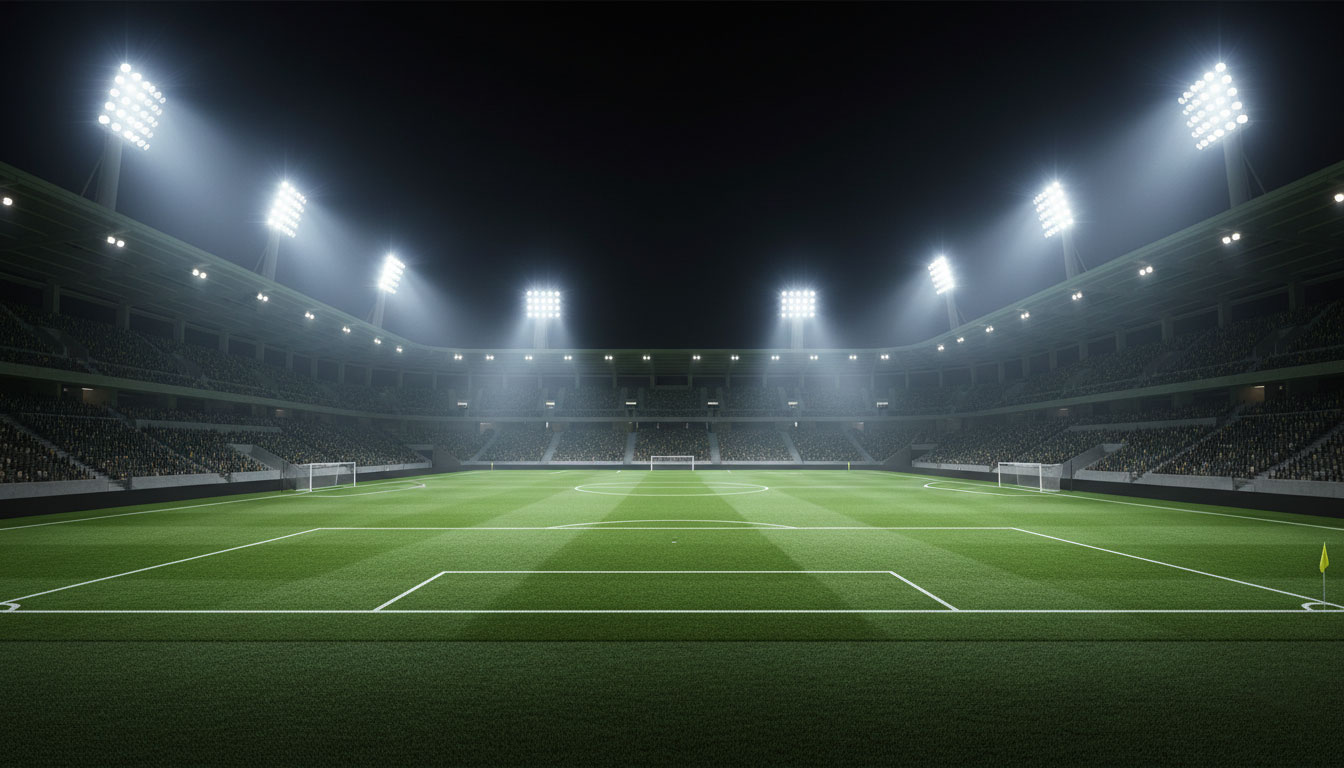
Sports Stadium LED Lighting by SEEKINGLED delivers high mast illumination, precise beam control, and EN 12193 compliant performance for professional venues.
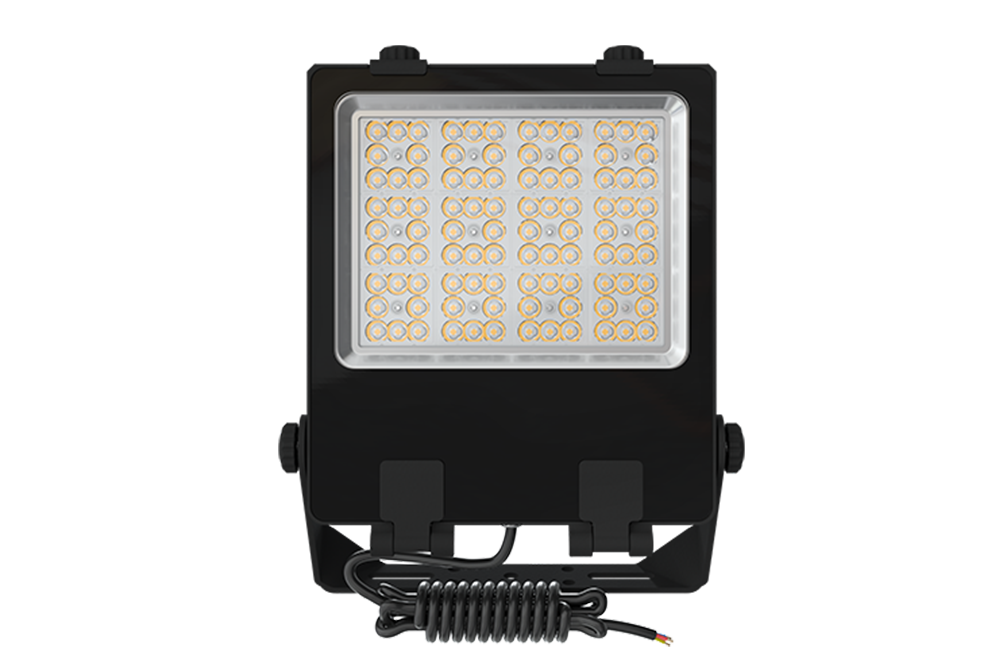
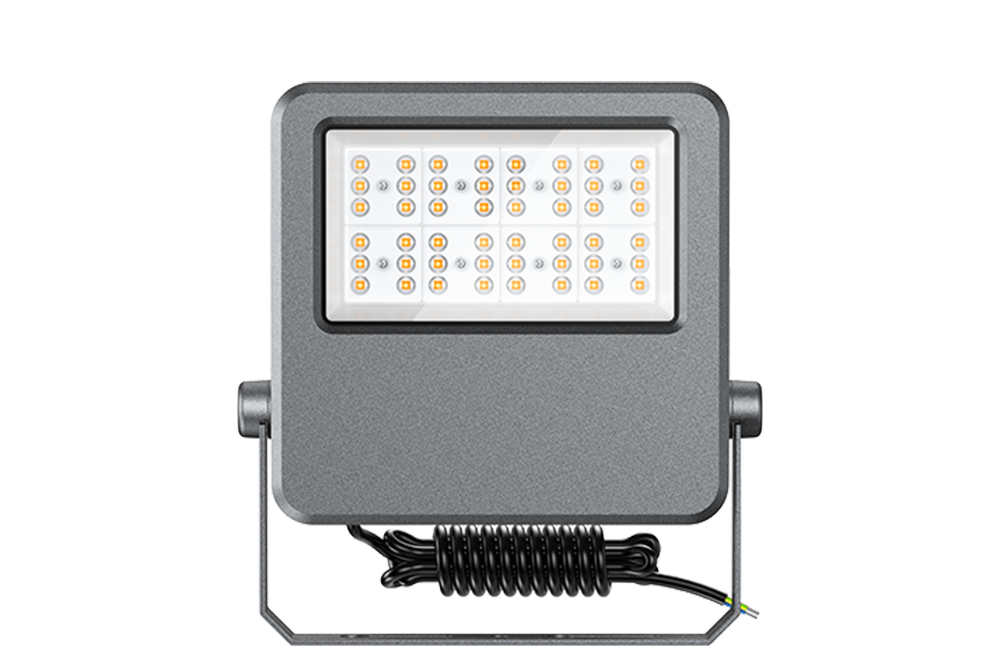
SEEKING FLX Series LED flood light outdoor for sports courts and open-area projects with 170lm/W efficiency, IP66 protection and multiple beam distributions. Designed for long-life commercial and public outdoor use.
SEEKING FLE Series LED outdoor flood lights for sports grounds and open areas with multiple beam angles, IP66 protection and up to 170lm/W. Designed for long-life outdoor installations with professional driver options.
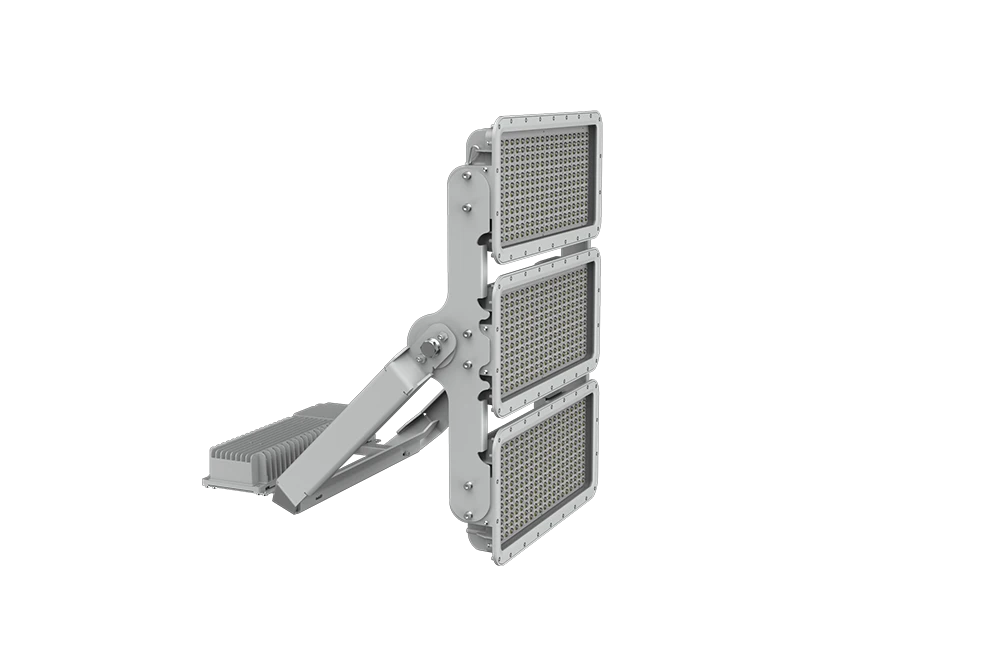
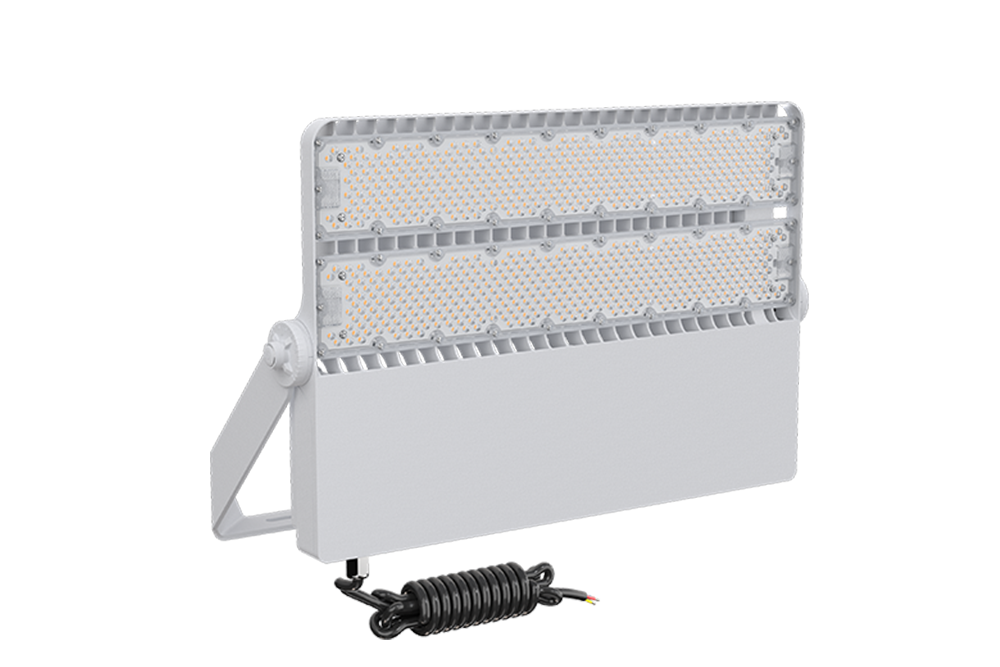
SEEKING FLD Series outdoor LED flood lights and high power led flood light deliver up to 960W with precision beam angles for sports fields, stadiums and large outdoor areas. IK08 & IP66 protection, 170lm/W efficiency and 100,000h lifetime.
loading…
This is the last post!
 Seeking LED