 Seeking LED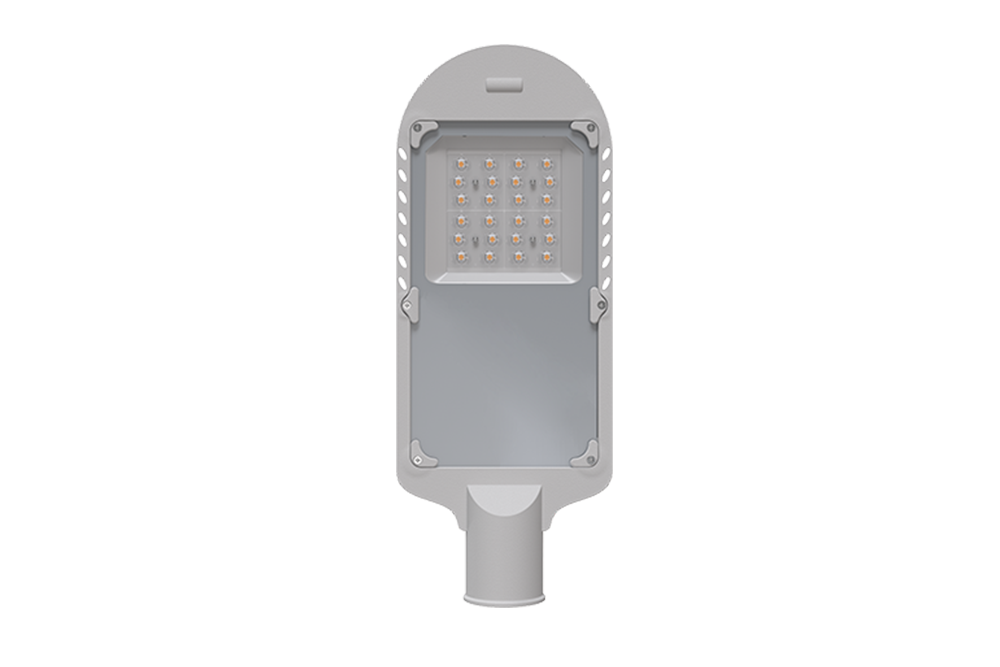
What Is the Best LED Flood Light?
212What is the best LED flood light based on real installation experience, not specs alone. Learn how professionals choose flood lights.
View detailsSearch the whole station
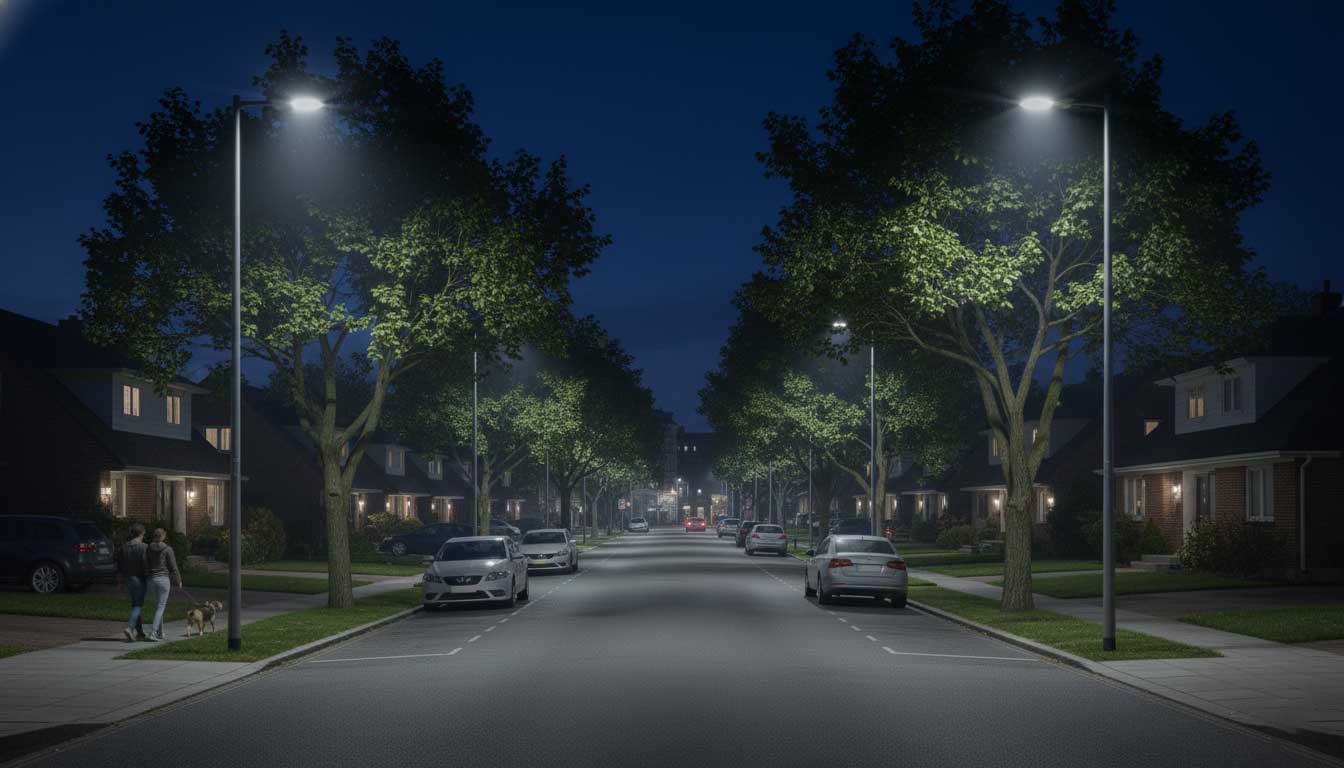
A typical LED street light ranges from about 6,000 lumens to over 30,000 lumens, depending on wattage, road width, and mounting height.
There is no single “standard” lumen number. Street lighting is designed around coverage and uniformity, not just raw brightness.
In everyday use, most projects fall into these ranges:
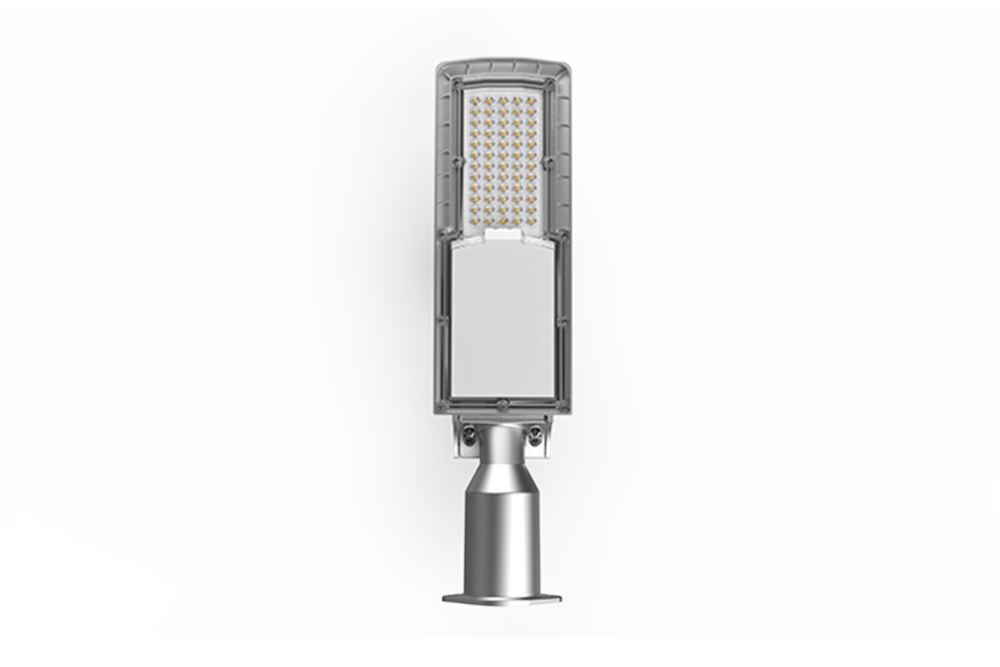
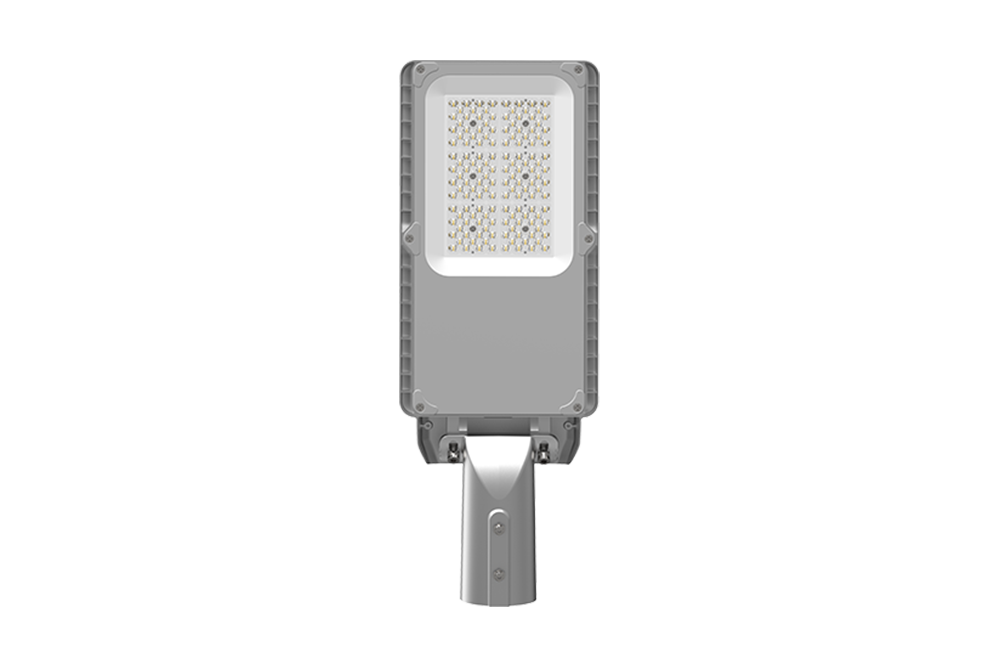
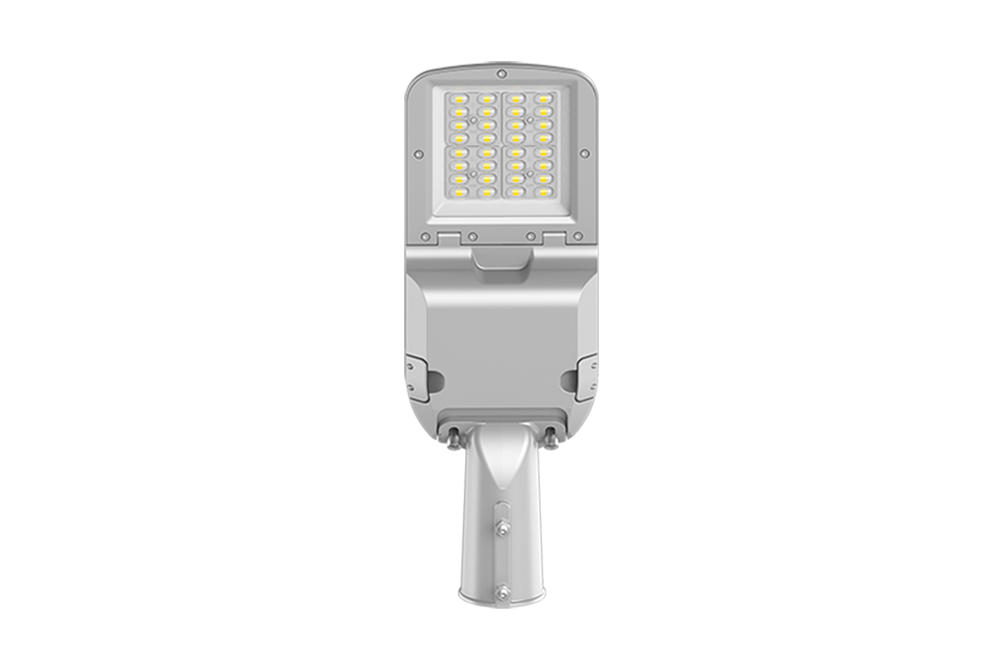
For example, the SEEKINGLED STB Series covers this range with outputs from 8,000 lumens (50W) up to 32,000 lumens (200W), giving planners flexibility without over-lighting.
With modern LEDs, wattage alone doesn’t tell the full story. Efficiency matters.
The STB Series runs at up to 160 lm/W, which means:
Higher efficiency allows fewer fixtures to cover the same area compared with older sodium or metal-halide lamps.
Not necessarily.
Too many lumens can cause glare, uneven lighting, and wasted energy. That’s why beam patterns (TPⅡM, TPⅡS, TPⅢM, TPⅢS) are just as important as lumen output.
A properly selected LED street light balances lumens, optics, pole height, and spacing, rather than pushing brightness alone.
Most LED street lights deliver between 6,000 and 30,000 lumens, depending on application. The SEEKINGLED STB Series LED Street Lighting is designed to cover this full range, making it suitable for residential streets, commercial roads, parking lots, and industrial zones without unnecessary oversizing.
What is a LED street lamp?
A LED street lamp is a lighting fixture designed to illuminate roads, walkways, and public outdoor spaces using LED technology. Unlike older sodium or metal-halide lamps, LED street lamps use semiconductor light sources combined with optical lenses to direct light more precisely onto the roadway.
In practical installations, the fixture usually includes the LED module, driver, heat sink, and lens system in one unit. This integrated design is one reason modern street lamps consume less energy while maintaining stable brightness for many years.
What are LED residential street lights used for?
LED residential street lights are typically installed on smaller neighborhood roads, pedestrian streets, or community areas. These environments don’t require extremely high brightness, but they still need clear visibility for safety and navigation at night.
Most residential street lighting projects use fixtures producing somewhere around 6,000 to 12,000 lumens. That level usually provides comfortable visibility without creating harsh glare for nearby houses or apartment windows.
How many lumens is a street light usually?
When people ask how many lumens is a street light, they’re often expecting a single number. In reality, street lighting varies quite a bit depending on road width, pole height, and spacing.
For many modern LED systems, the output typically falls between 6,000 and 30,000 lumens. Smaller residential roads stay at the lower end, while large roads or parking areas use higher-output fixtures.
Lighting designers usually calculate coverage and uniformity first, then choose the lumen output that fits the layout.
How many street light lumens are required for good visibility?
The street light lumens required for a project depend more on lighting layout than raw brightness. Engineers usually consider factors like pole spacing, mounting height, and beam distribution.
For example, a narrow community road may work perfectly with a 50W–80W fixture, while a wide urban roadway might require 120W–200W units. The goal isn’t maximum brightness—it’s even illumination across the road surface without dark spots or glare.
What are typical LED street light lumens in modern projects?
In many current installations, typical LED street light lumens fall within several practical ranges.
Residential roads often use about 6,000–10,000 lumens. Medium-size city roads tend to use 12,000–18,000 lumens, and large roadways or industrial zones may reach 20,000–30,000 lumens or more.
The exact number varies, but these ranges appear frequently in real projects because they balance efficiency, visibility, and long-term operating cost.
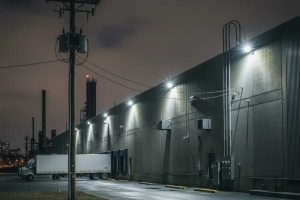
What is the best LED flood light based on real installation experience, not specs alone. Learn how professionals choose flood lights.
View details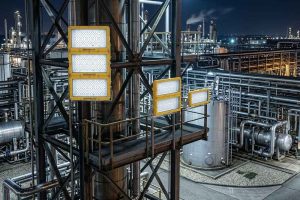
Are all LED lights explosion proof? Learn why only certified fixtures meet safety standards, and how to choose compliant lighting for hazardous areas.
View details
UL844 Certification is the key standard for explosion proof lighting in the US and Canada. Learn Class/Division requirements and hazardous area compliance.
View details
how many led high bay lights do i need? Learn how to calculate LED high bay quantity based on warehouse size, ceiling height, lumens, spacing, and lighting needs.
View details