 Seeking LED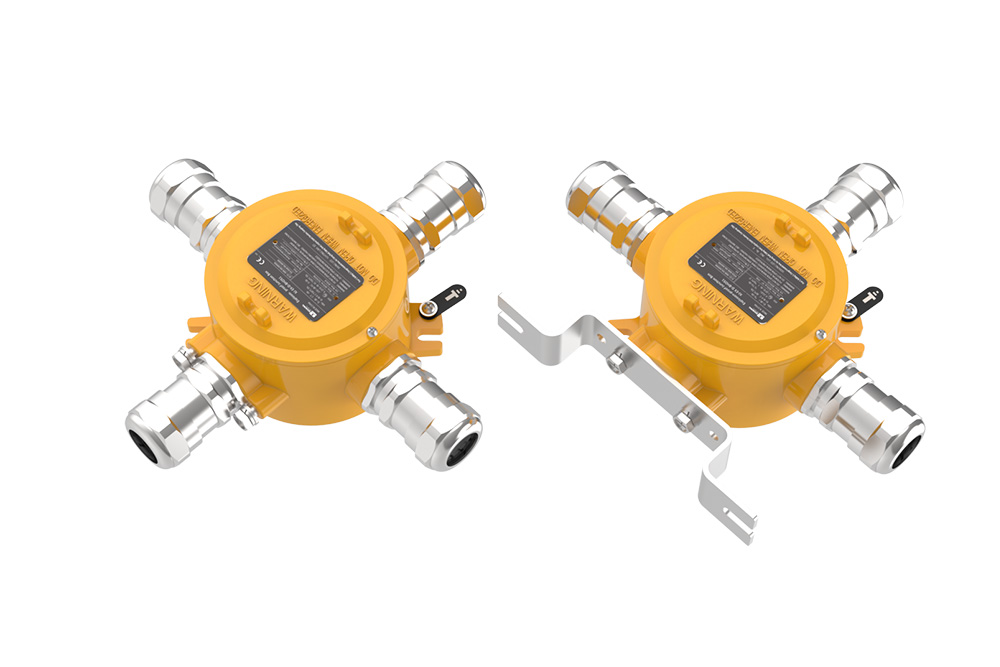
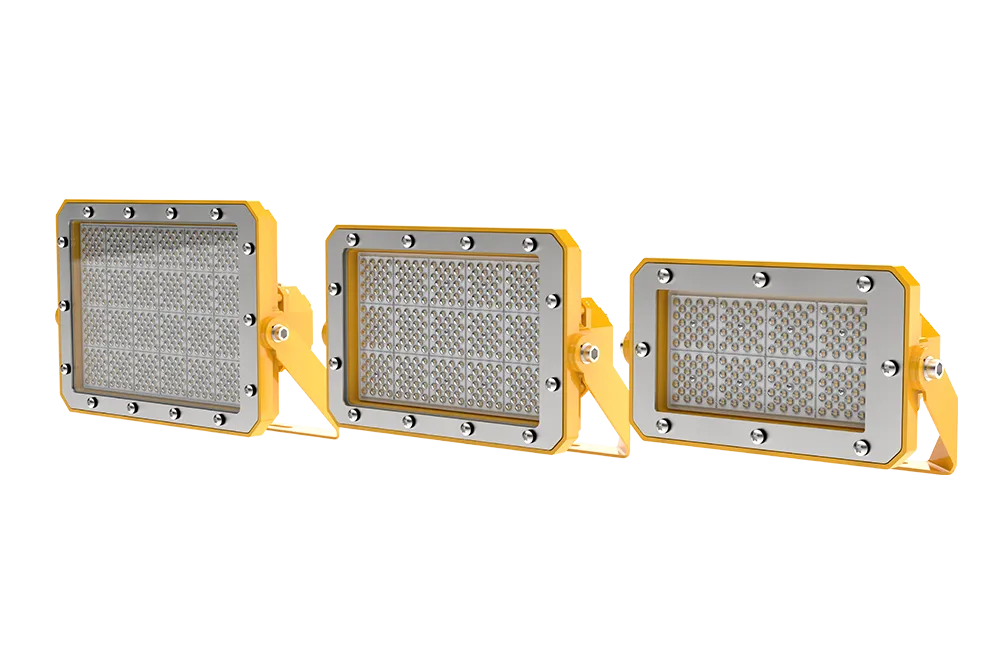
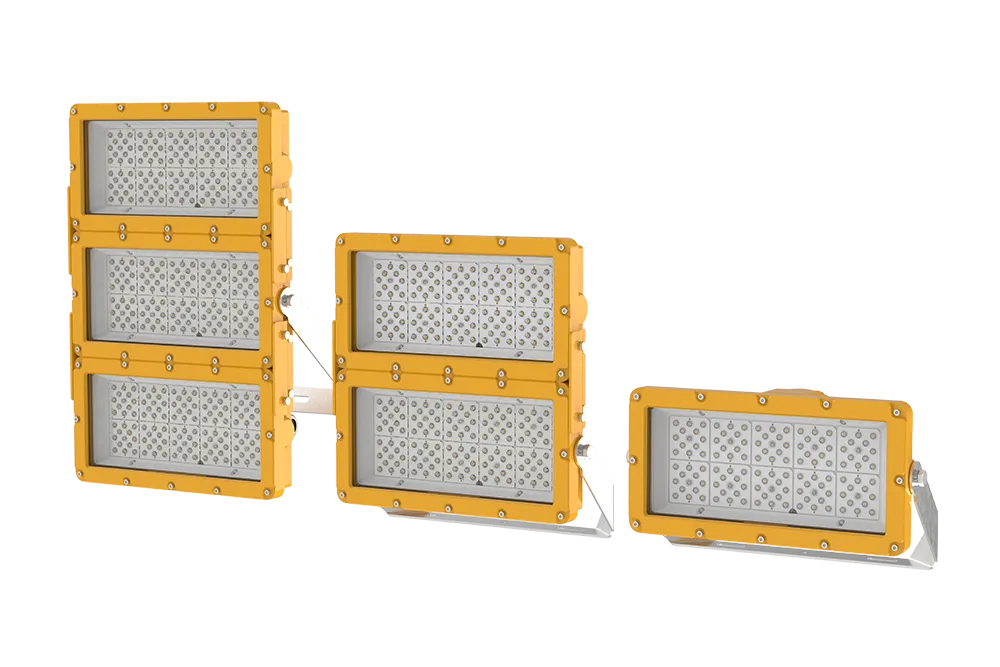
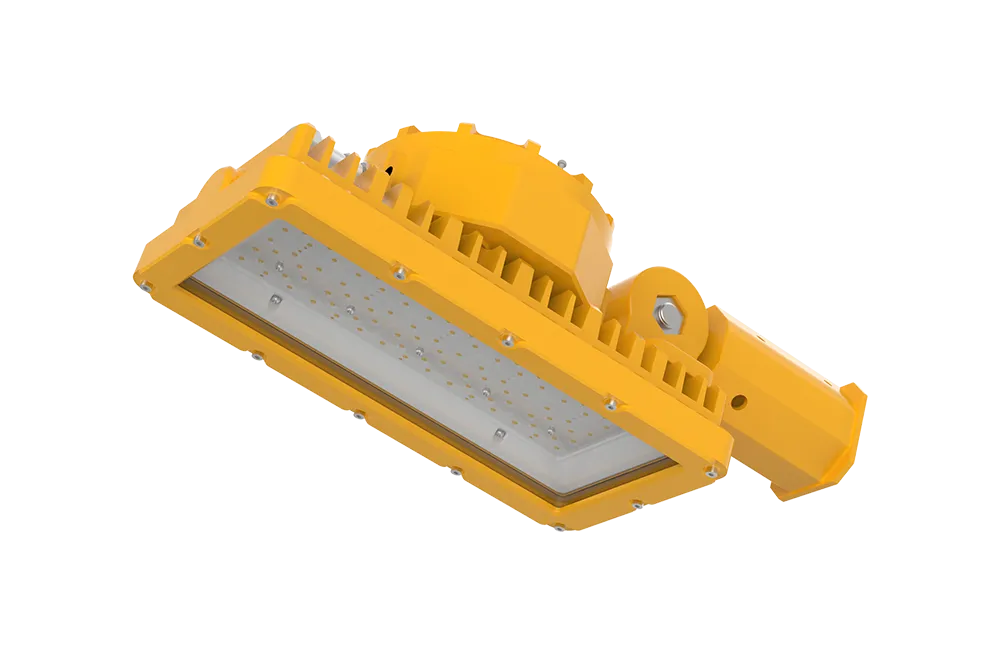

500W LED Flood – Questions That Come Up on Site
151500W LED flood explained for large outdoor projects. Learn where it works, where it fails, and how SEEKINGLED applies it in real installations.
View detailsSearch the whole station
In recent years, sustainability has shifted from a marketing concept to a practical engineering requirement. In lighting projects, especially for large-scale outdoor and industrial environments, energy efficiency is no longer optional. From an engineer’s point of view, energy saving LED lighting has become one of the most reliable tools for meeting both environmental targets and long-term operational needs.
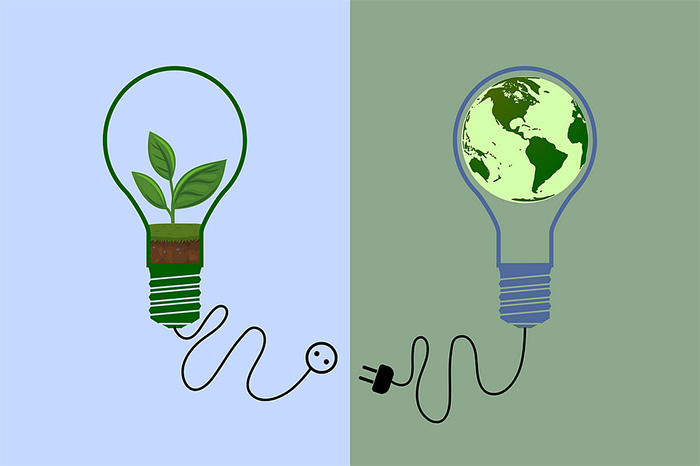
The core advantage of LED technology is not only lower power consumption, but how efficiently electrical energy is converted into usable light. Traditional lighting systems waste a large portion of energy as heat. In contrast, LED luminaires are designed to deliver light with far less thermal loss. Over time, this difference directly affects carbon emissions, operating costs, and system stability.
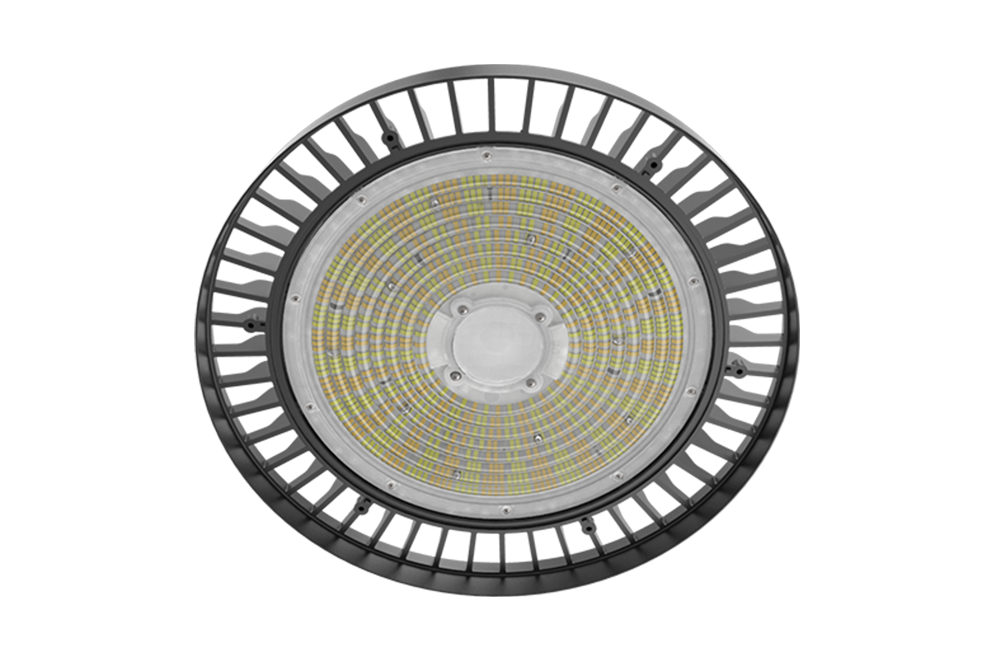
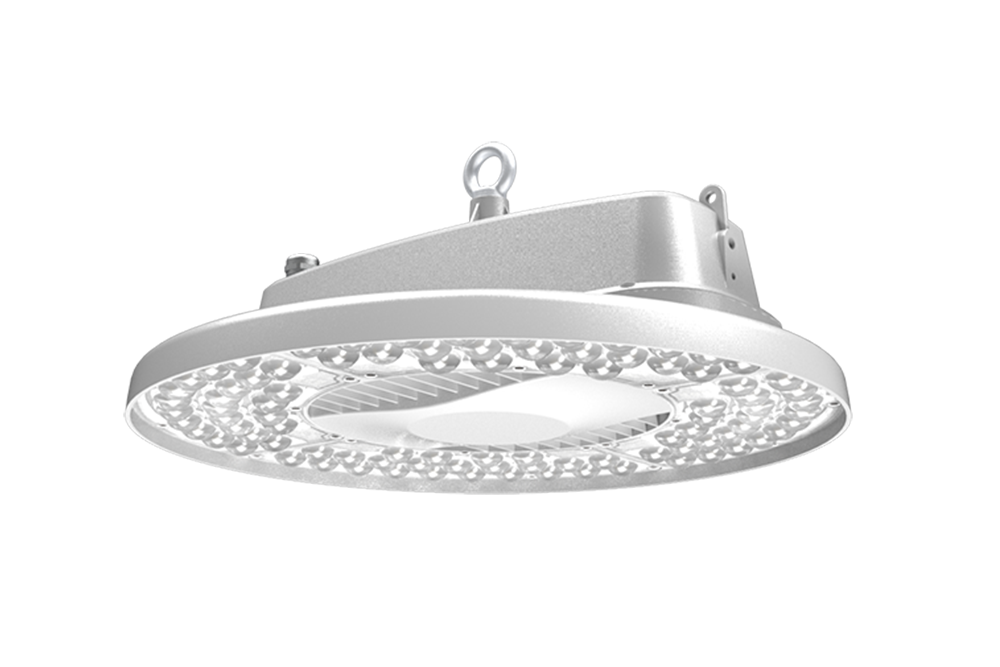
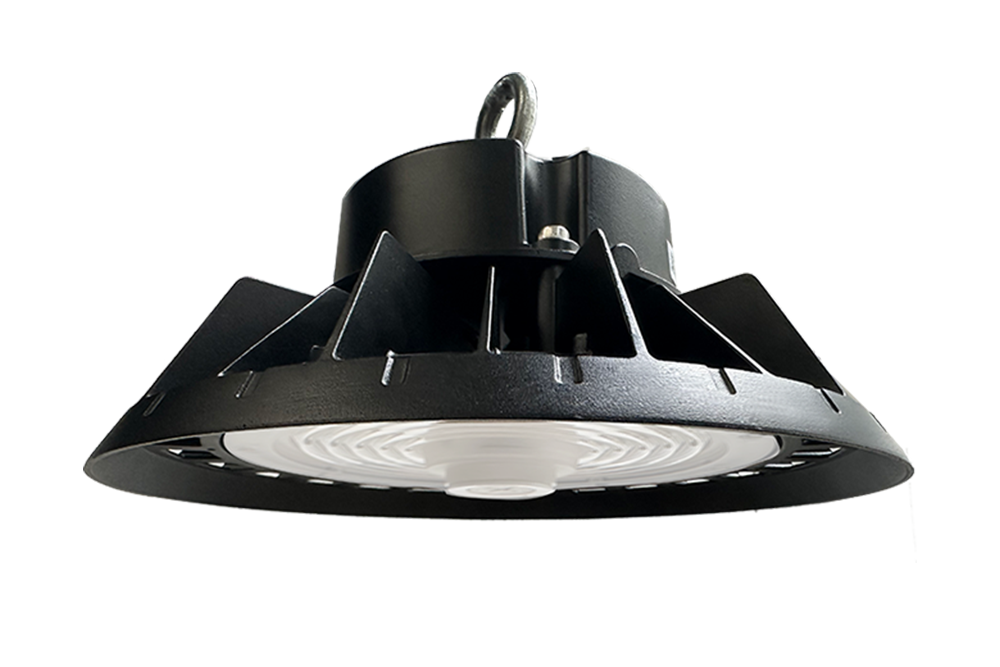
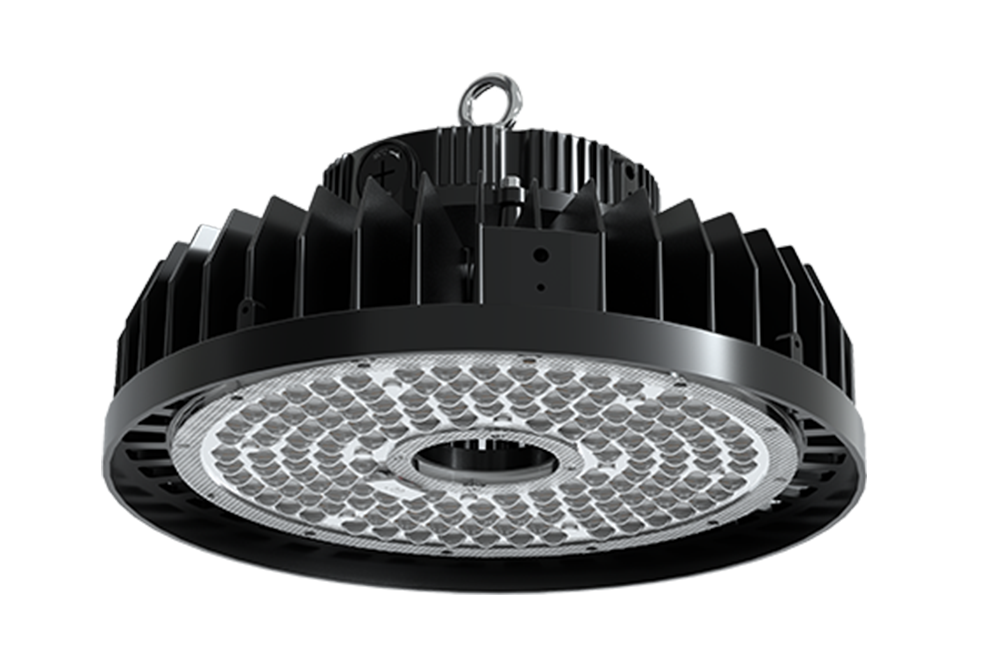
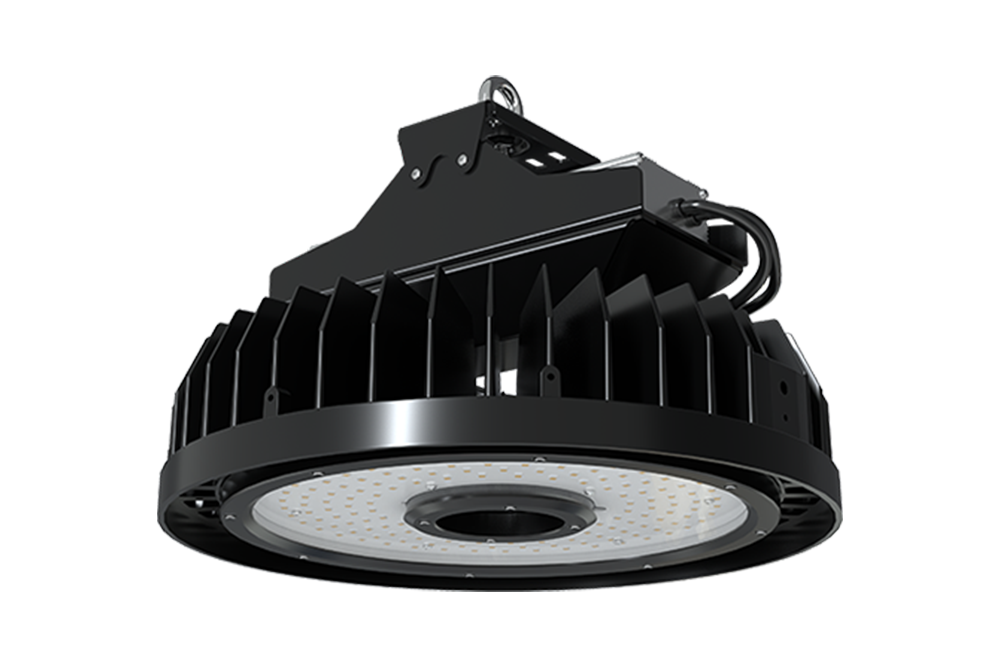
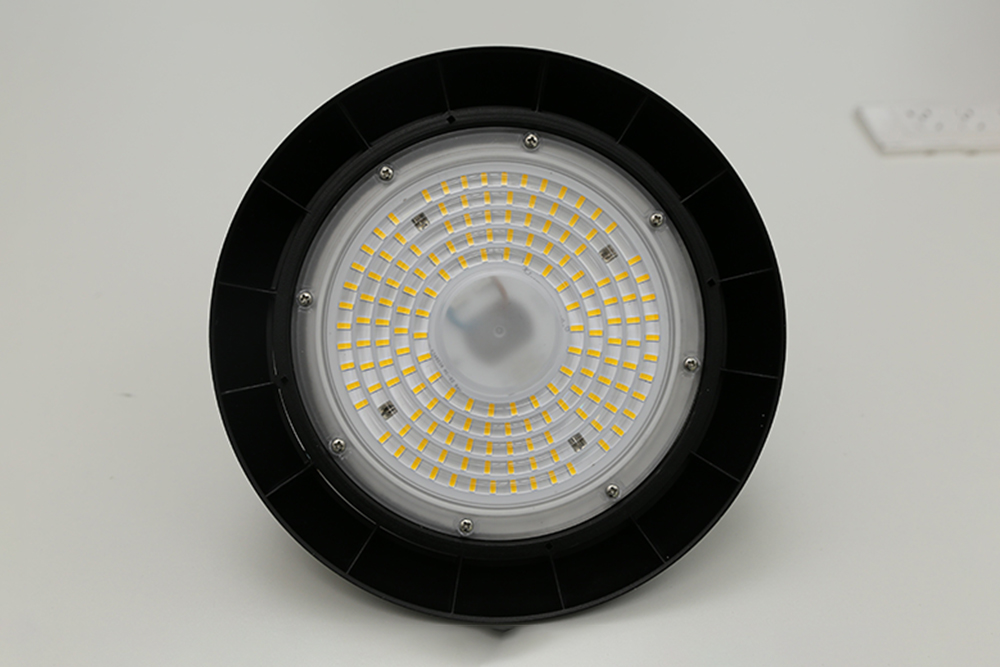
In real projects, sustainability is often evaluated through total energy load and service life. Energy saving LED lights typically operate for tens of thousands of hours with limited lumen depreciation. This reduces replacement frequency, which is especially important for installations such as LED High Bay Light systems in factories or warehouses, where access and downtime are costly. Fewer replacements also mean less material waste, an aspect that is often overlooked but critical for sustainable design.
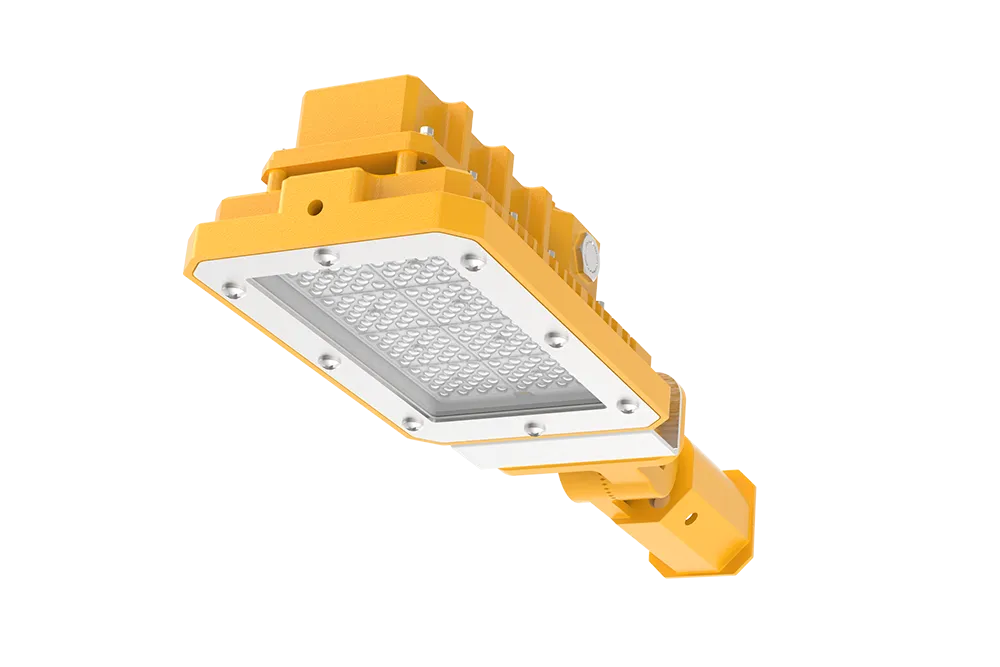
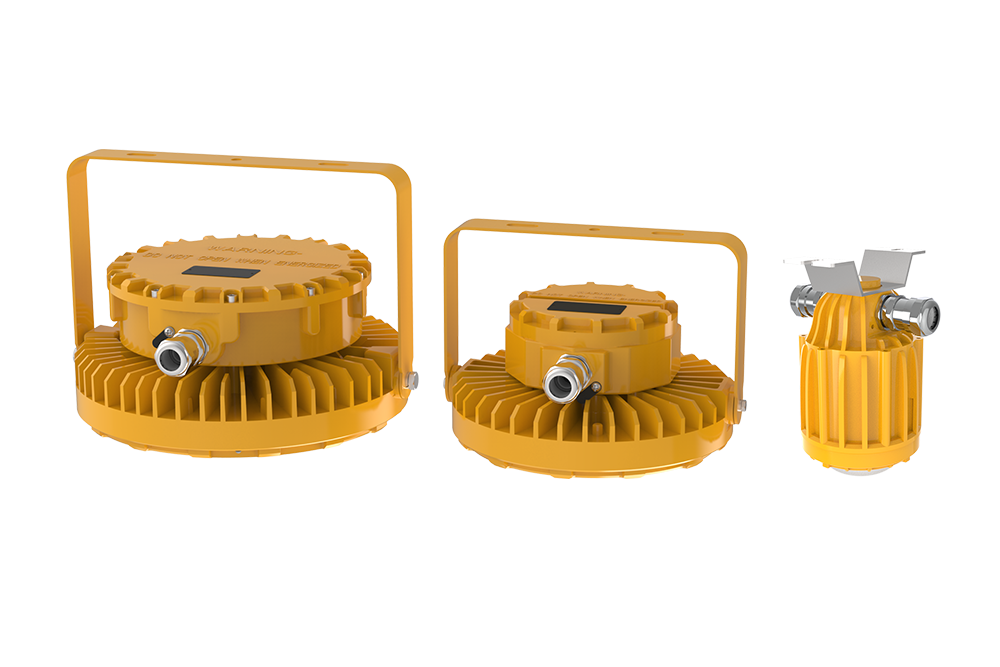
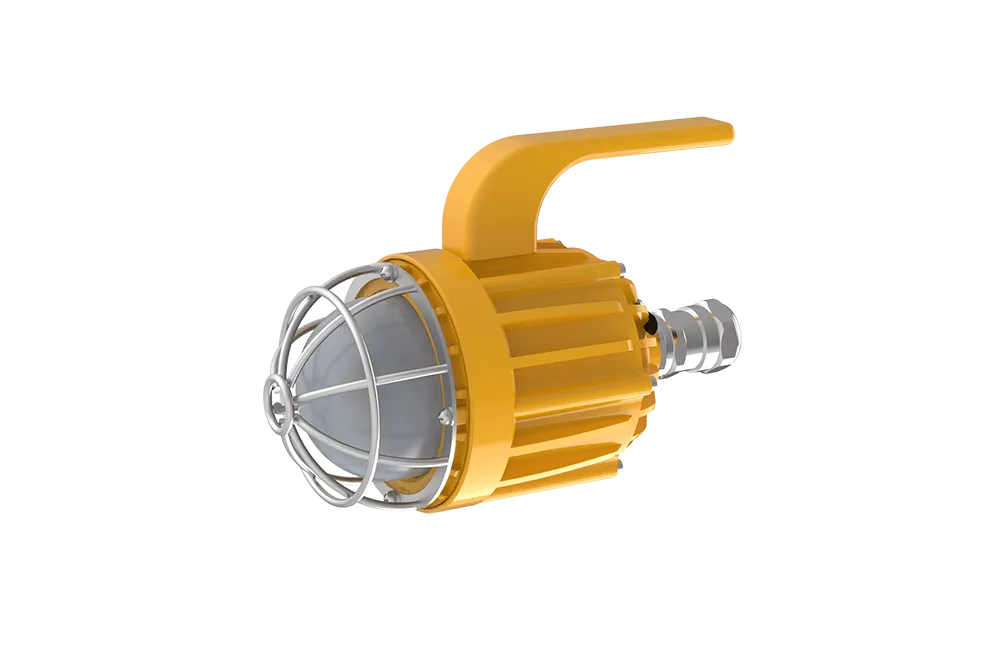
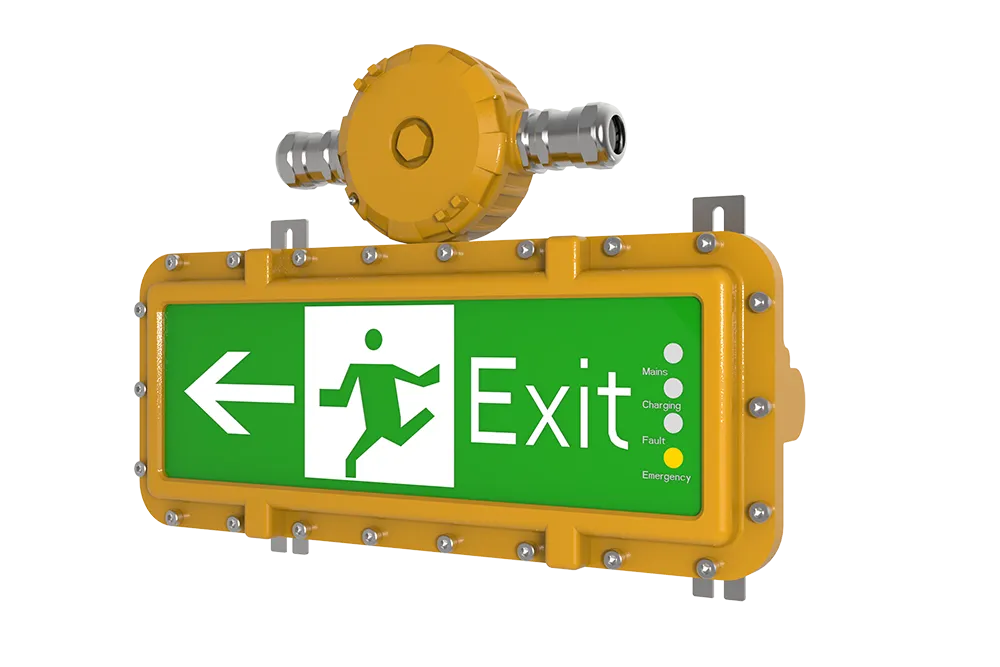
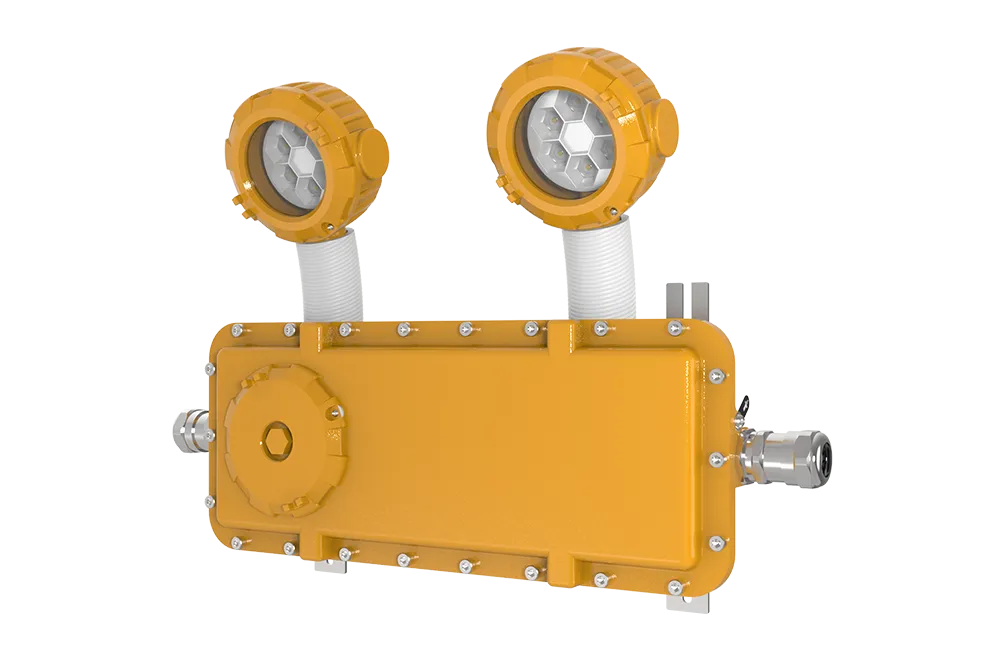
Safety is another practical factor engineers consider. LEDs generate much less surface heat compared to traditional lamps. In applications like Explosion proof light installations, thermal management is a key design concern. Lower operating temperatures help reduce stress on components and improve overall reliability. This characteristic supports safer operation in industrial zones, storage areas, and other controlled environments.
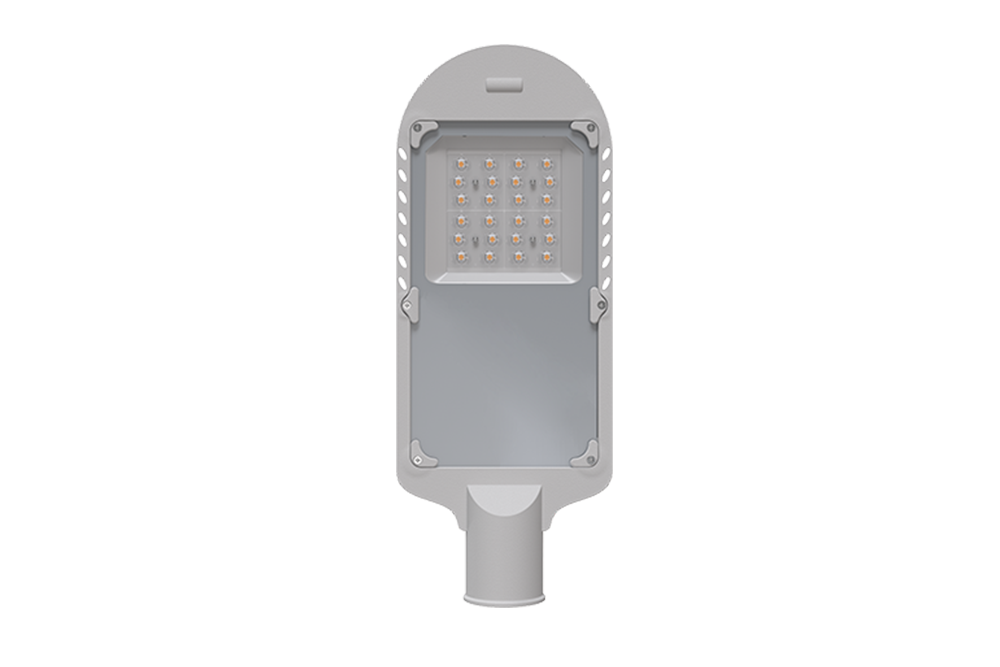
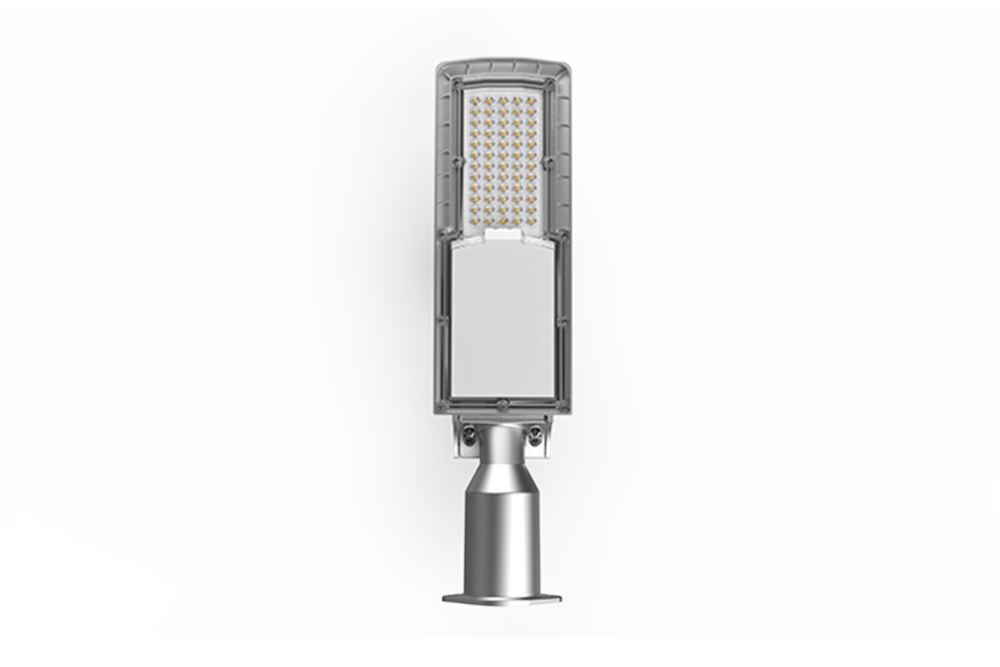
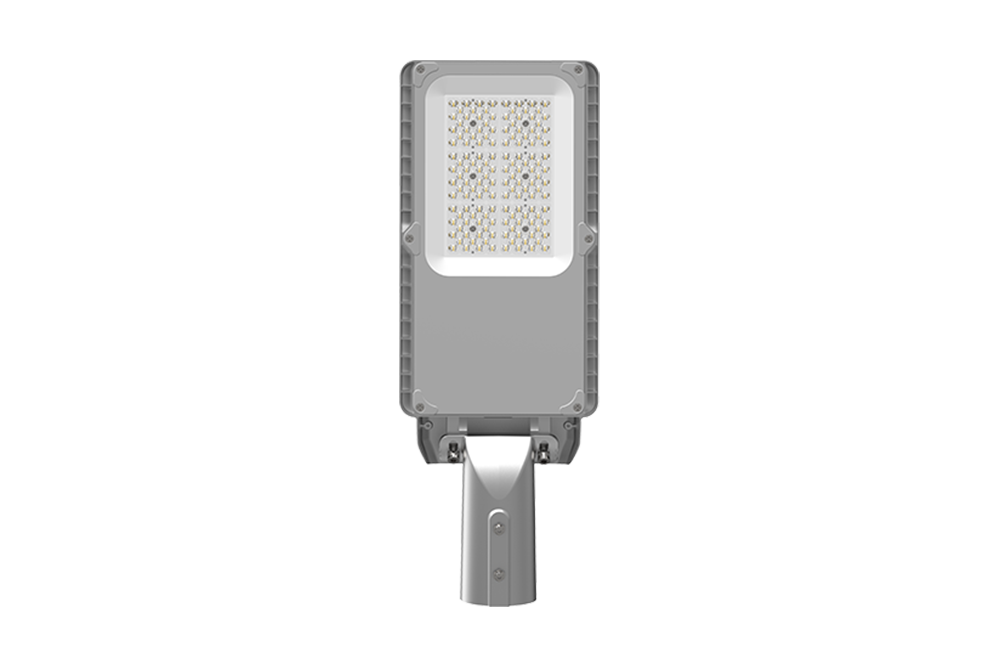
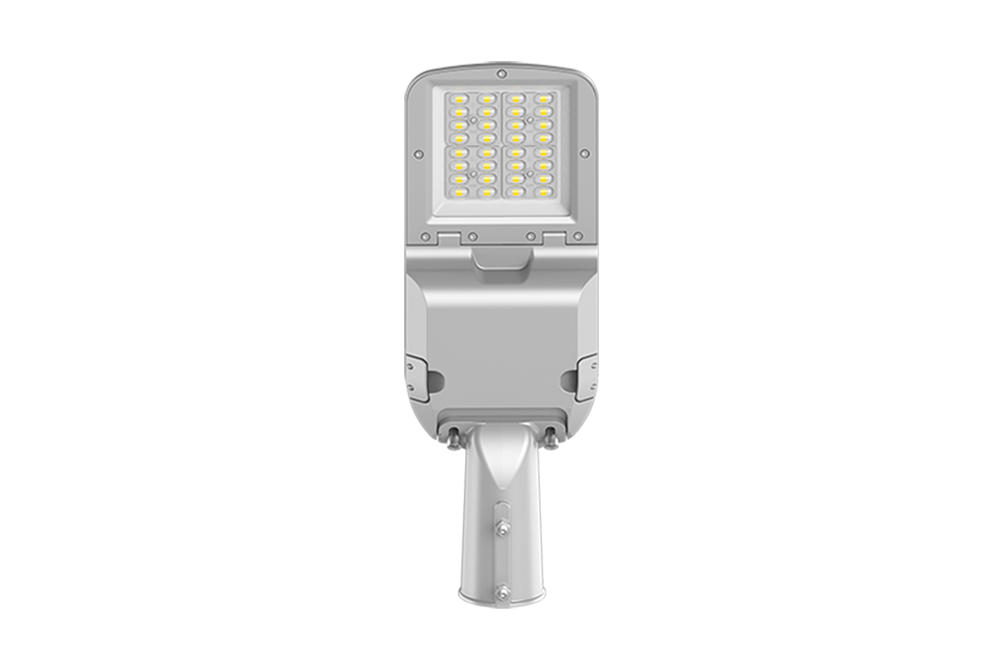
Outdoor lighting projects further highlight the sustainability benefits of LEDs. LED Street Light systems are widely adopted because they combine high efficiency with directional optics. Instead of scattering light, modern LED fixtures focus illumination on roads and walkways, reducing light pollution while maintaining visibility. From an engineering standpoint, this improves energy utilization rather than simply increasing brightness.
In public spaces and residential developments, Garden Lights LED solutions are often selected for similar reasons. Lower wattage, stable performance, and minimal maintenance requirements make them suitable for long-term outdoor use. These fixtures support sustainability goals without requiring complex infrastructure changes.
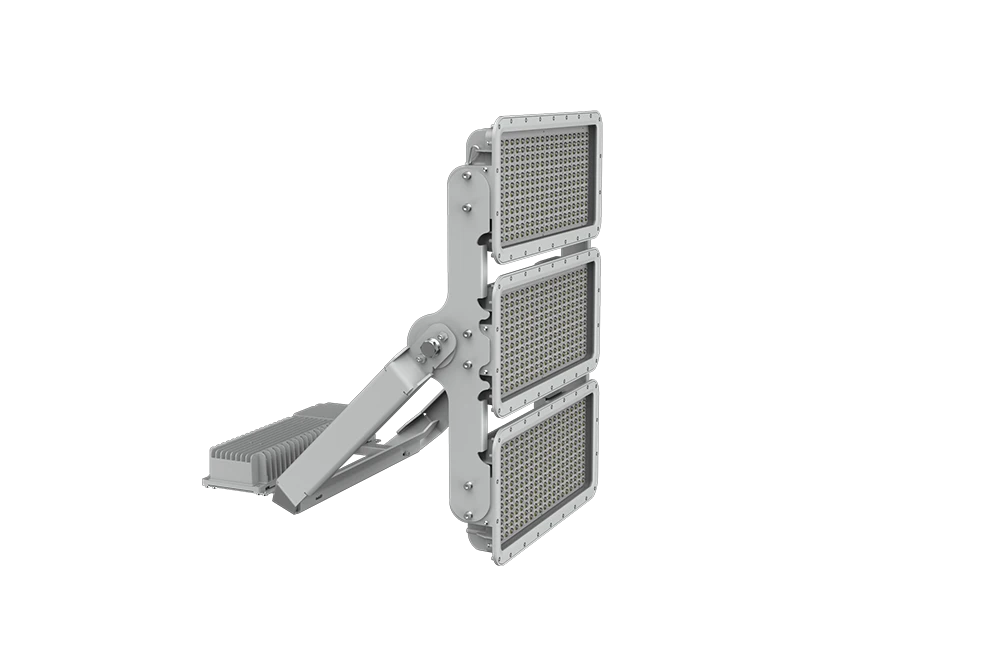
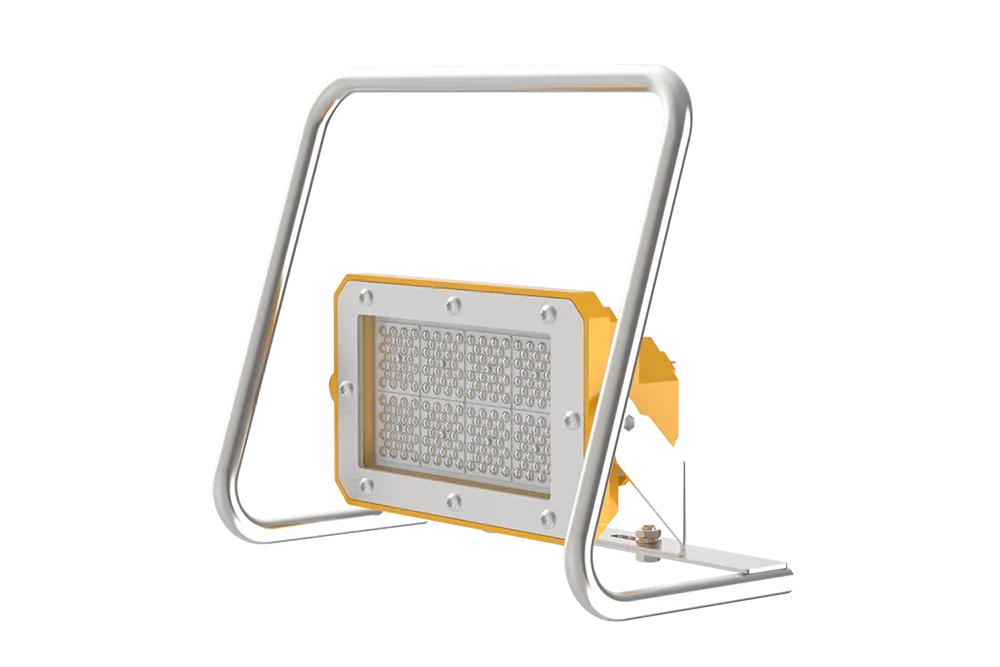
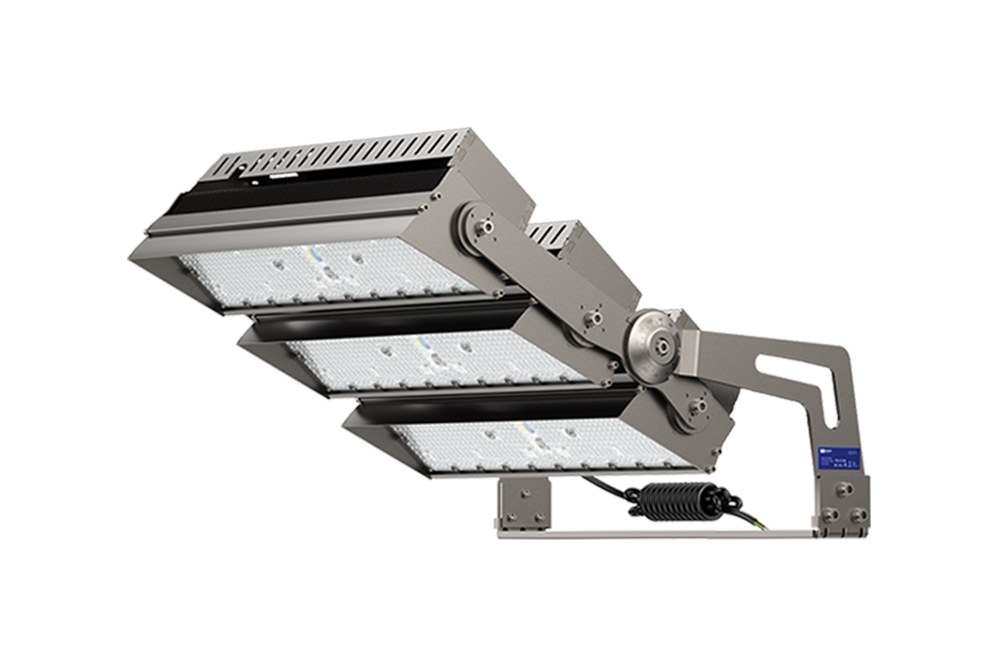
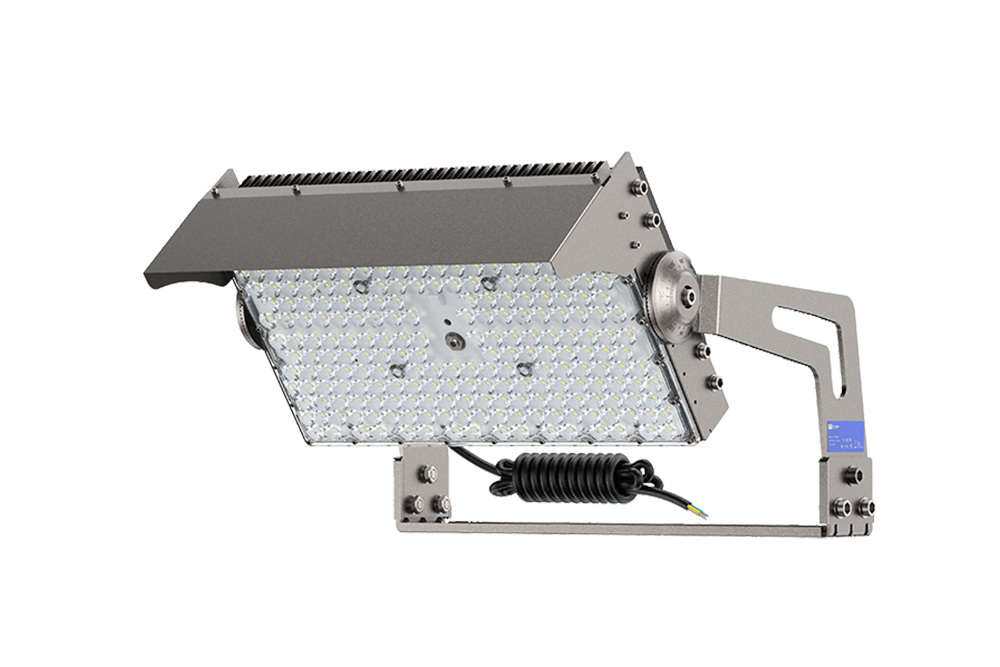
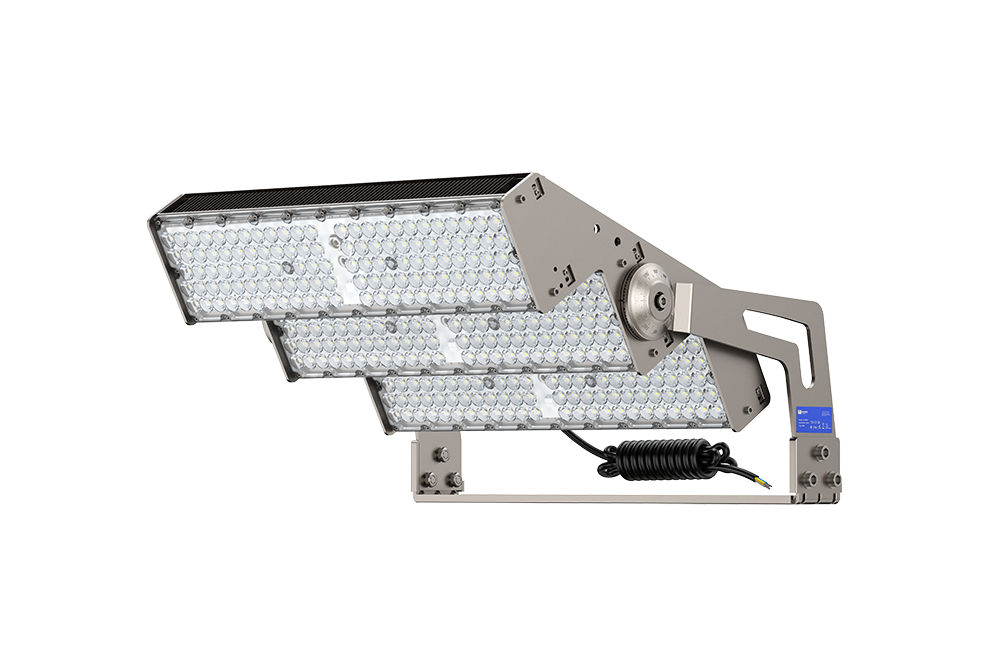
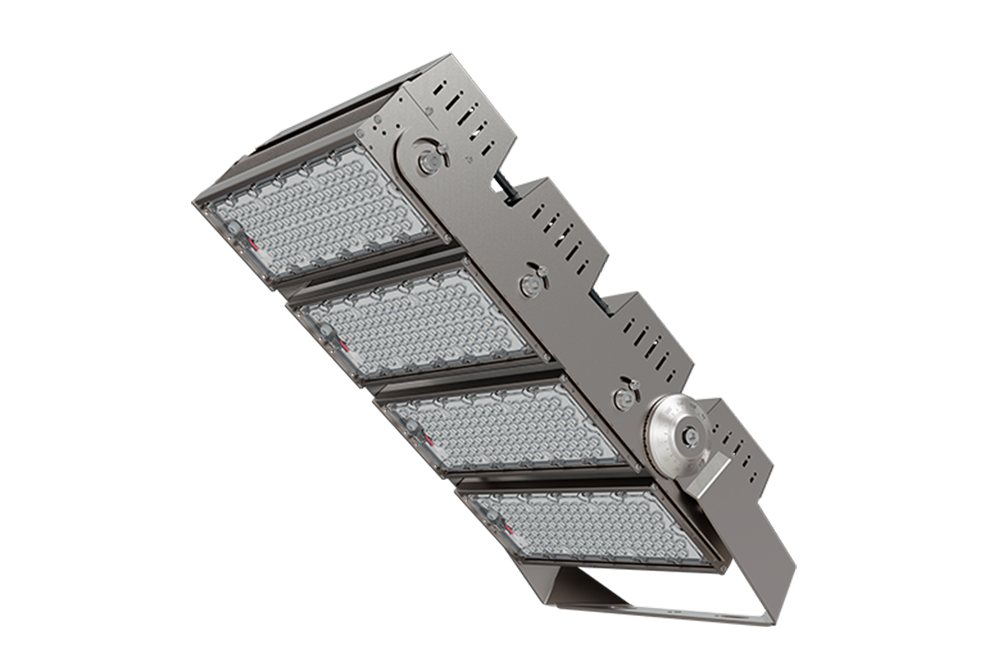
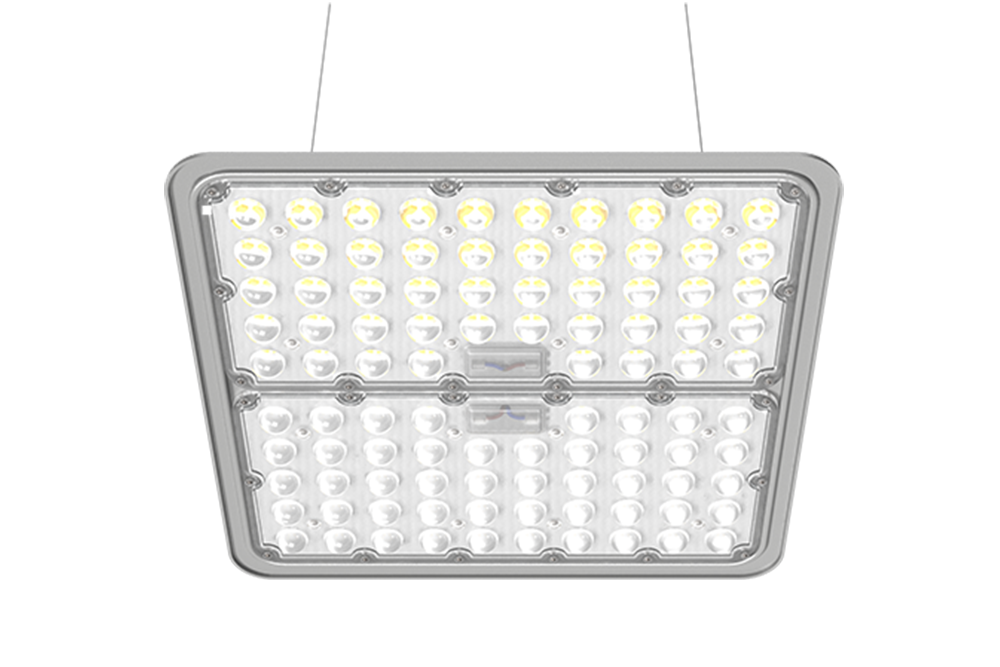
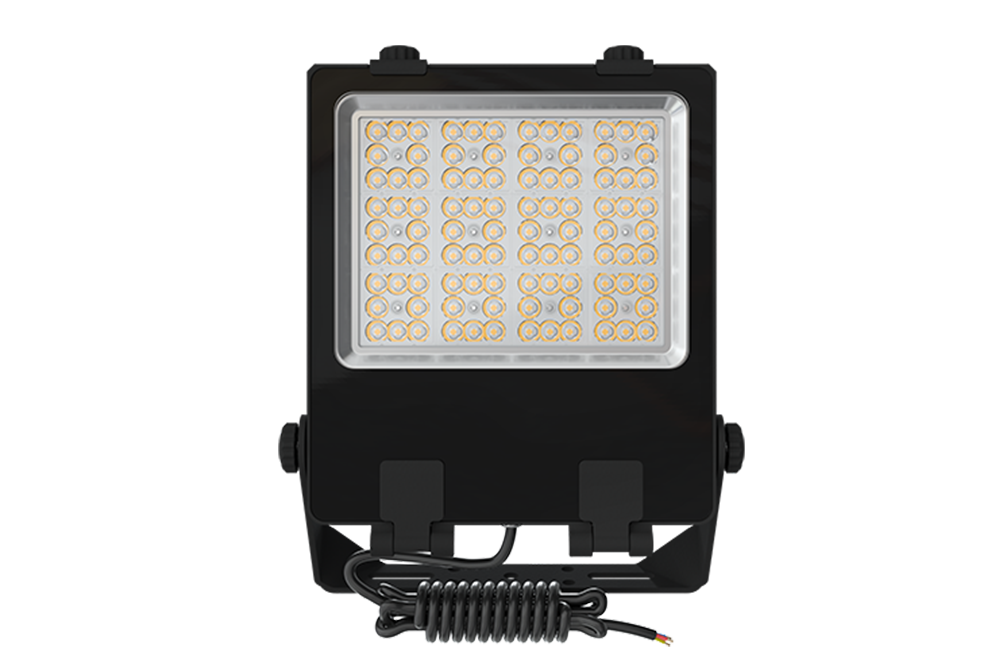
Sports facilities represent another demanding environment. Sports Stadium LED Lighting must meet strict illumination and uniformity requirements while controlling energy use. Compared with older discharge lamps, LED Flood Light systems allow precise beam control, instant start-up, and flexible operation schedules. Engineers value these features because they reduce unnecessary energy consumption during non-event hours while maintaining performance during peak use.
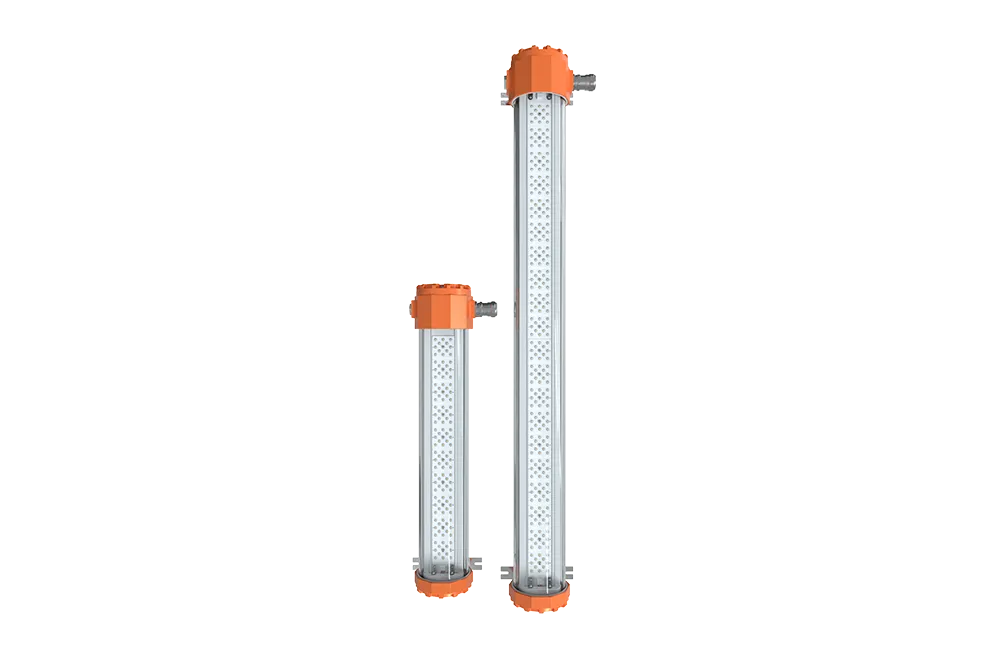
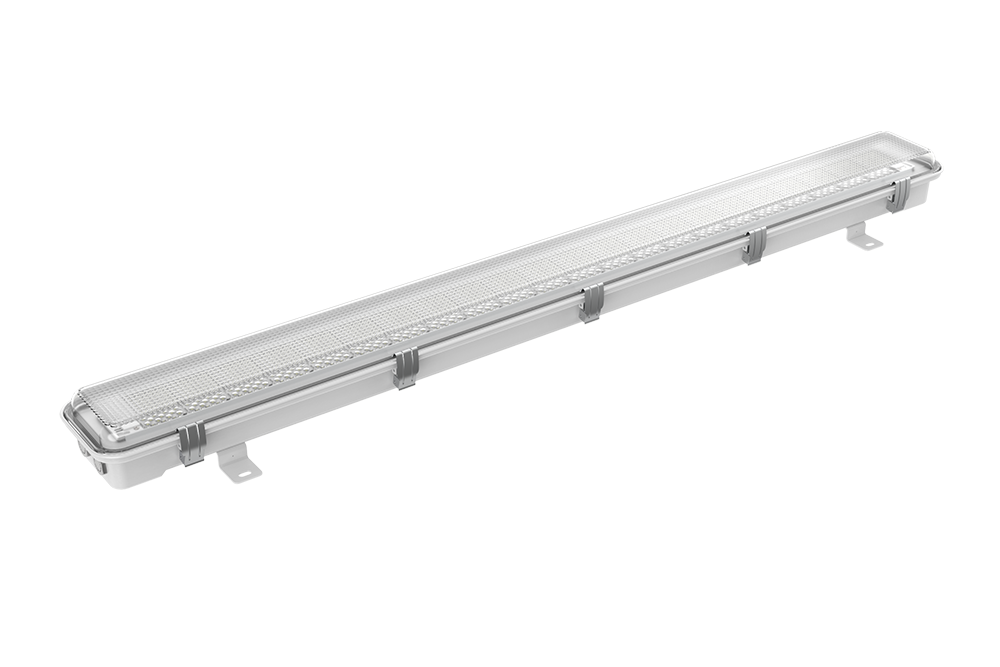
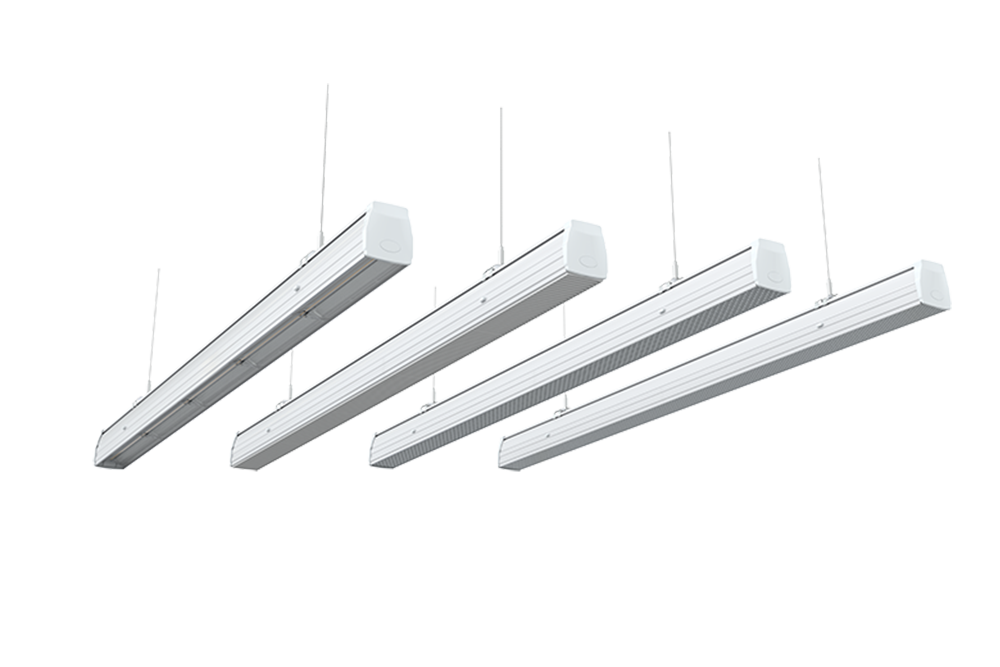
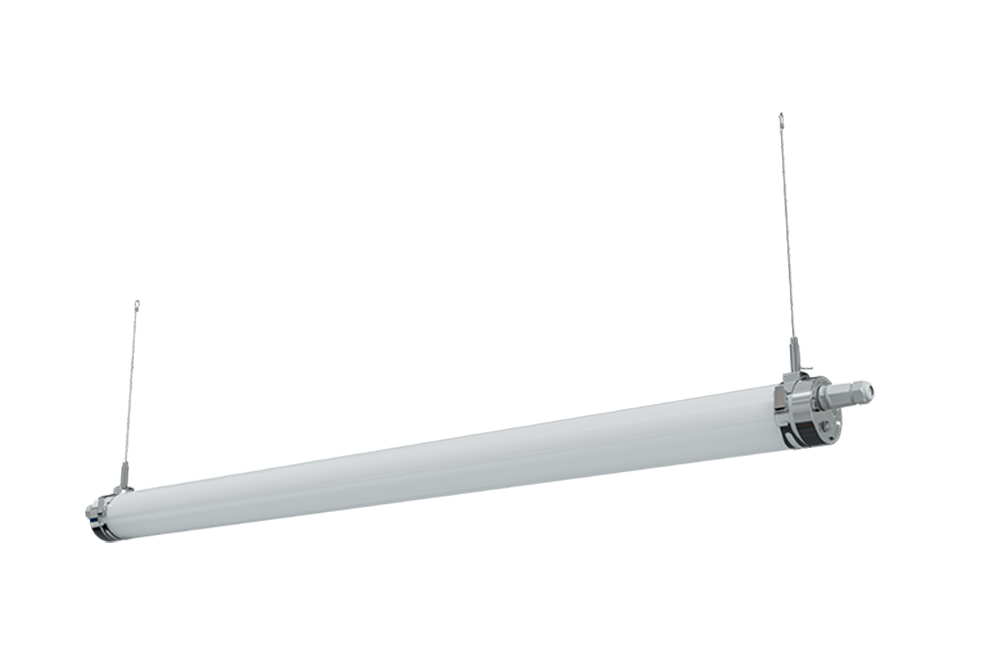
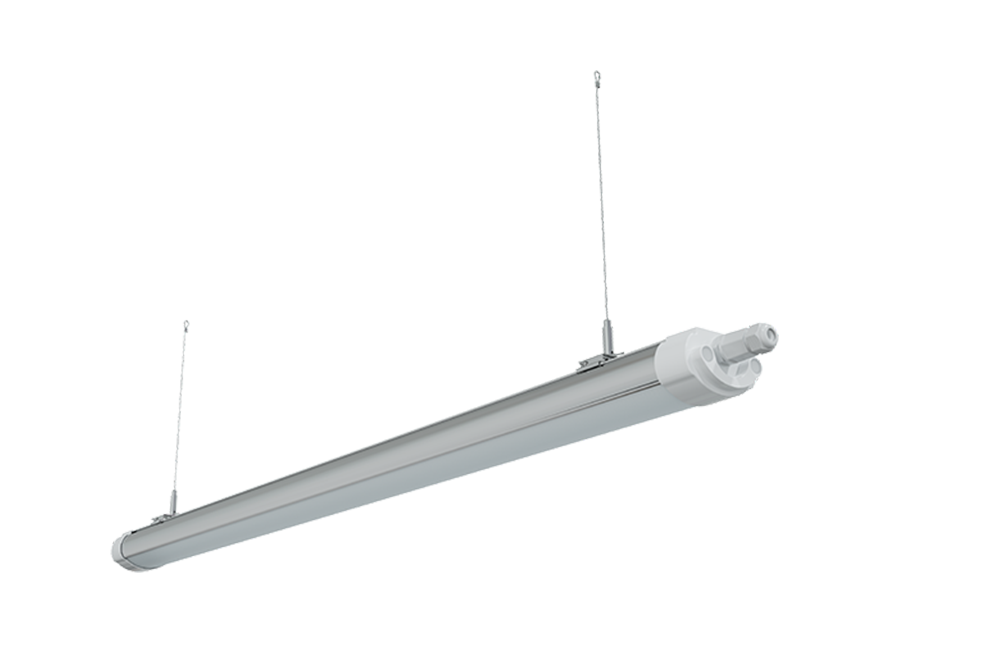
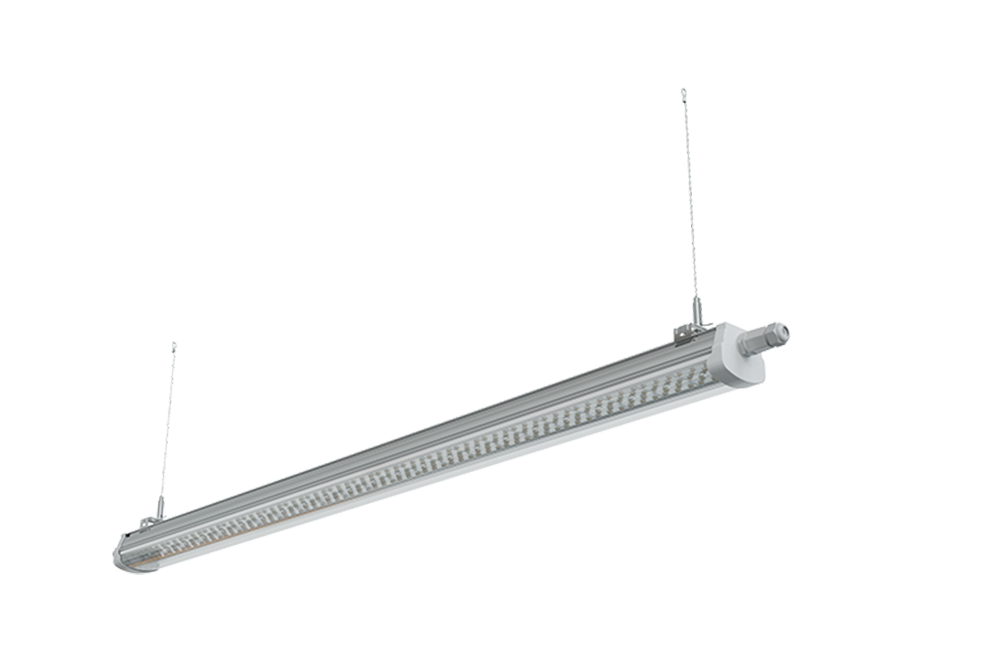
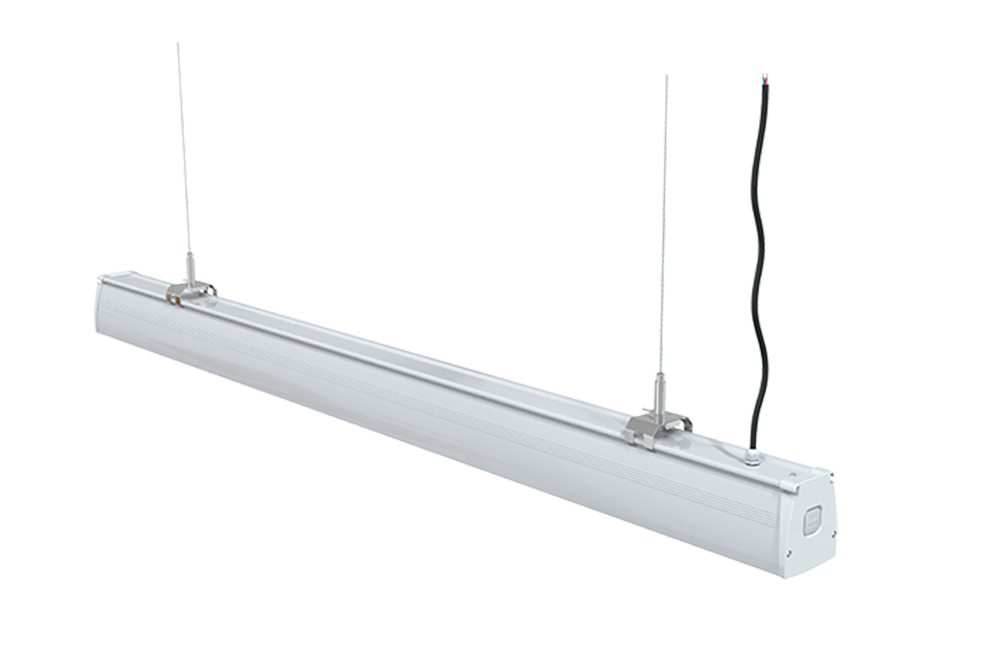
Indoor environments also benefit from LED-based solutions such as LED Tri-proof lamp and Linear LED Light products. These fixtures are commonly used in corridors, technical rooms, and parking structures where moisture, dust, or vibration are present. Their durability and long service life reduce maintenance intervention, supporting sustainable facility management over time.
At SEEKINGLED, sustainability is approached from a practical engineering perspective rather than abstract claims. Product development focuses on stable electrical design, efficient optics, and compliance with international safety standards. Whether applied in industrial facilities, outdoor infrastructure, or sports venues, the goal remains the same: deliver light where it is needed, using less energy, over a longer operational life.
Looking ahead, energy saving LED lighting will continue to evolve, but its role in sustainable projects is already well established. For engineers, the value lies in predictable performance, measurable energy reduction, and simplified maintenance. These factors, taken together, explain why LEDs are now the default choice in responsible lighting design.
500W LED flood explained for large outdoor projects. Learn where it works, where it fails, and how SEEKINGLED applies it in real installations.
View details
200W High Bay LED Lights deliver powerful output, energy savings, and long lifespan. Discover how to choose reliable industrial lighting for real-world performance.
View details
How to replace LED flood light bulb safely outdoors. Practical steps, common mistakes, and when replacement is not possible. By SEEKINGLED.
View details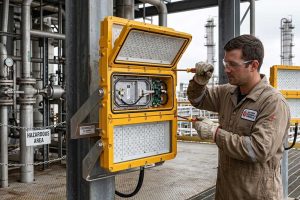
How to open an explosion proof light fixture safely? Learn certified procedures, tools, and field-proven tips to avoid hazards and maintain compliance.
View details