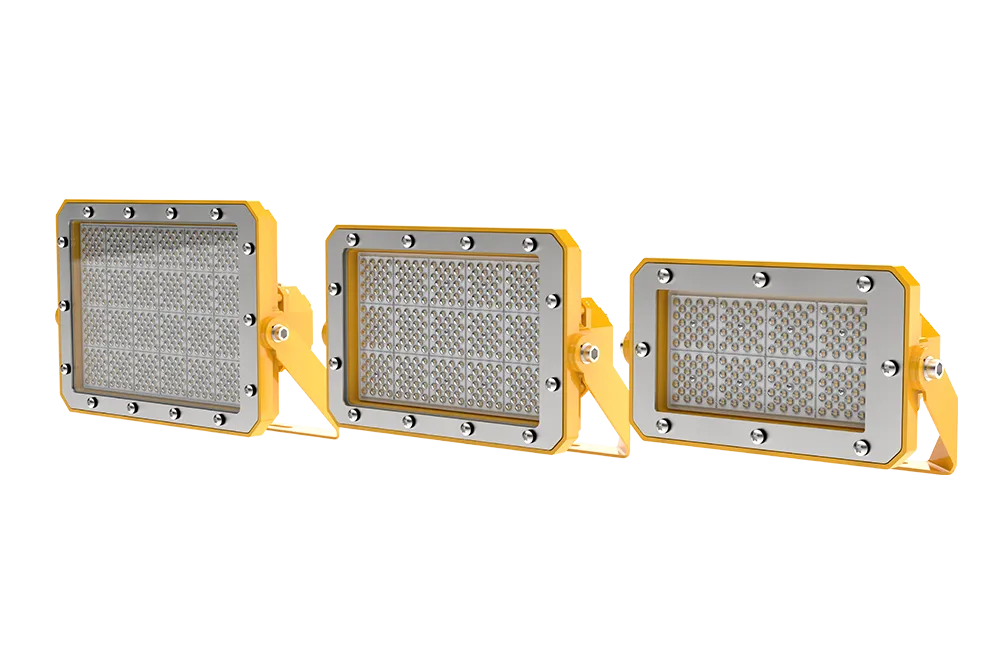
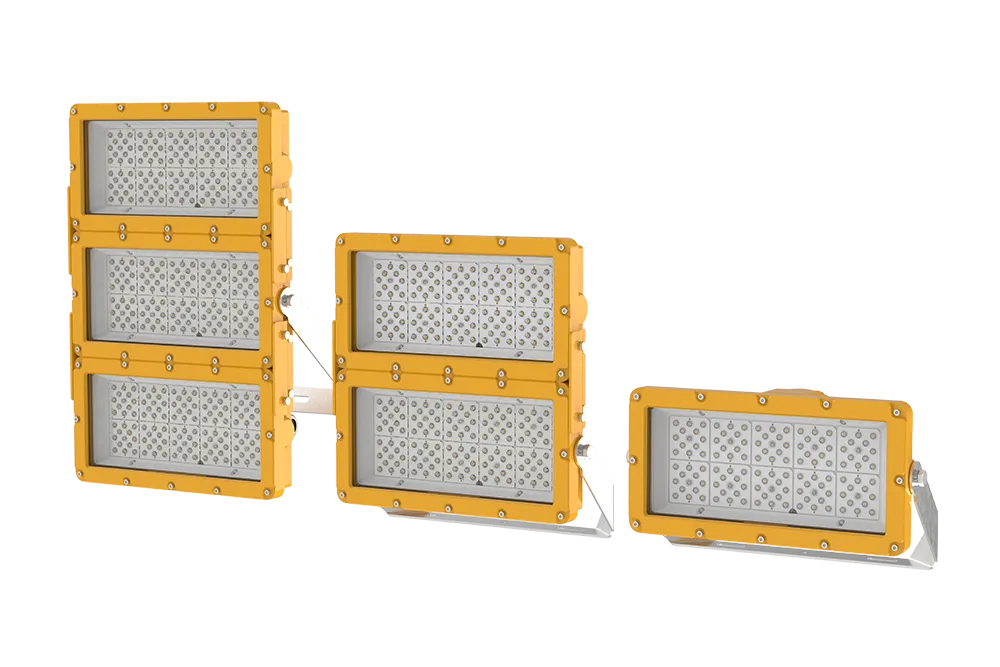
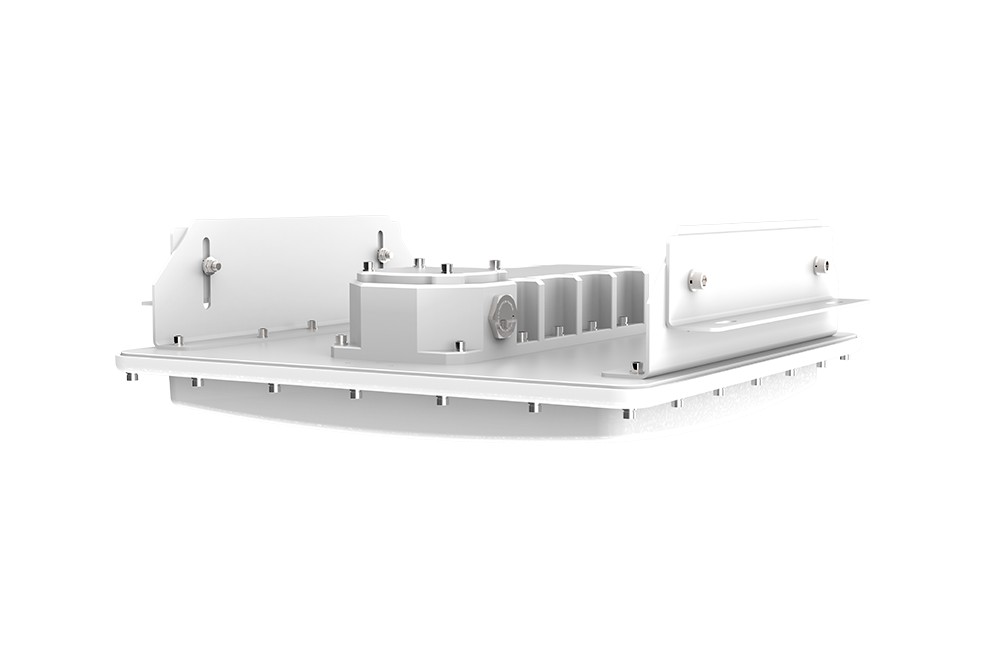
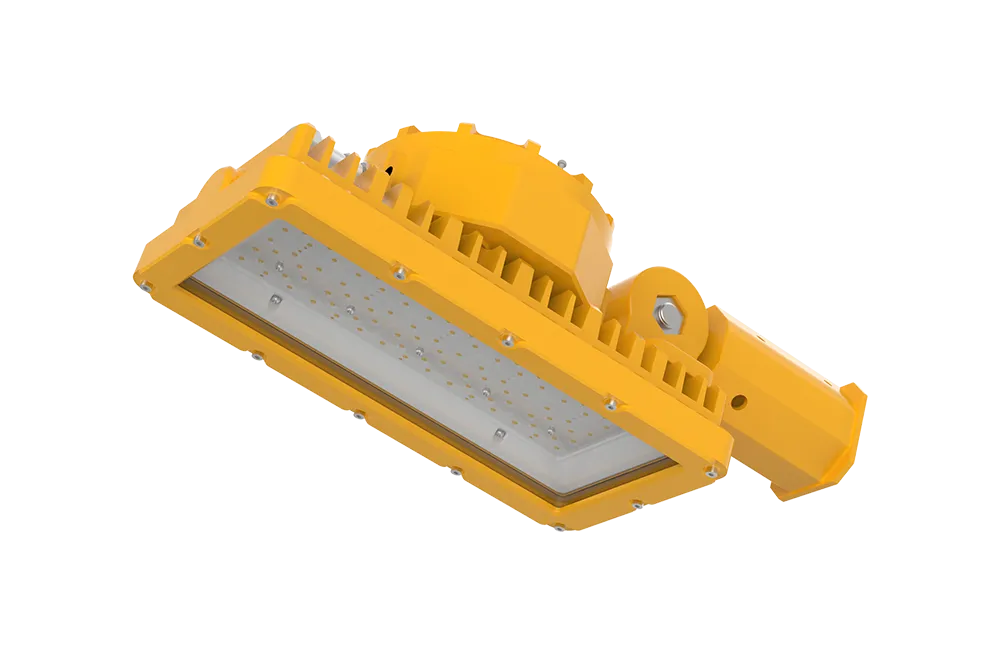
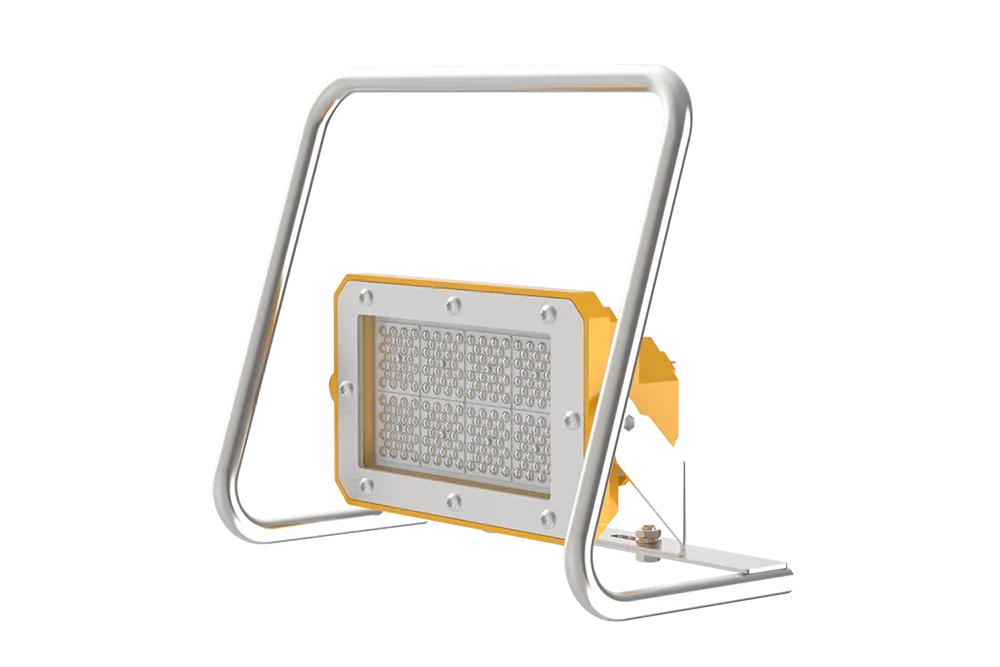
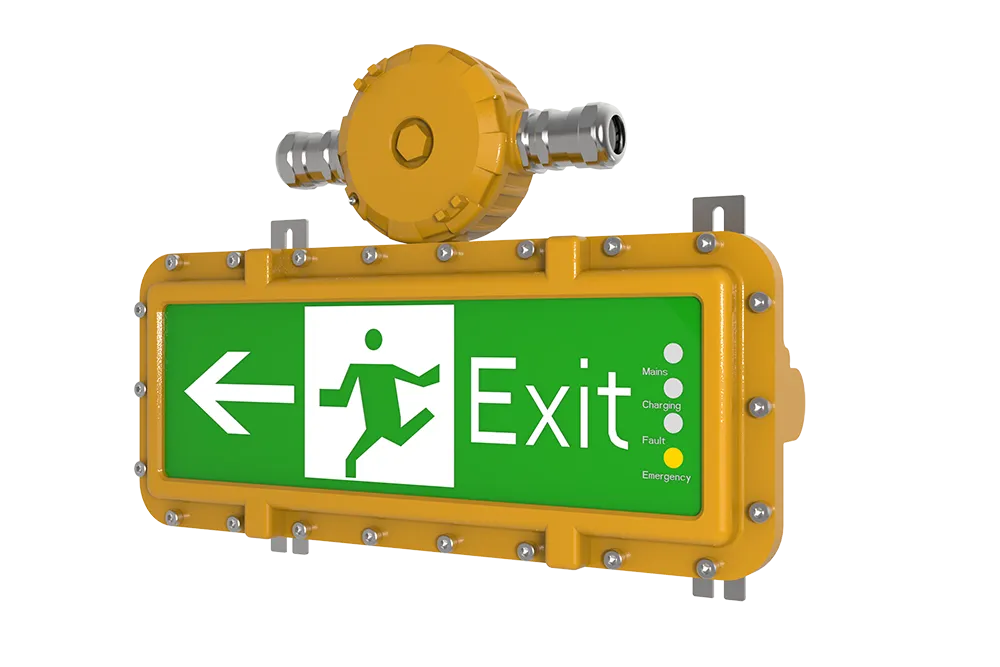
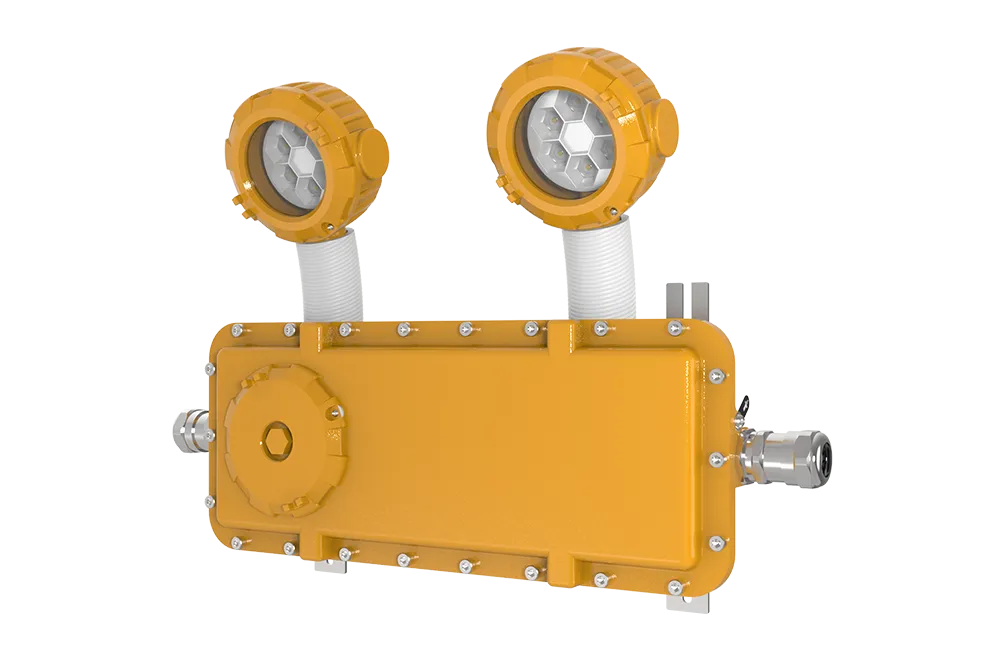
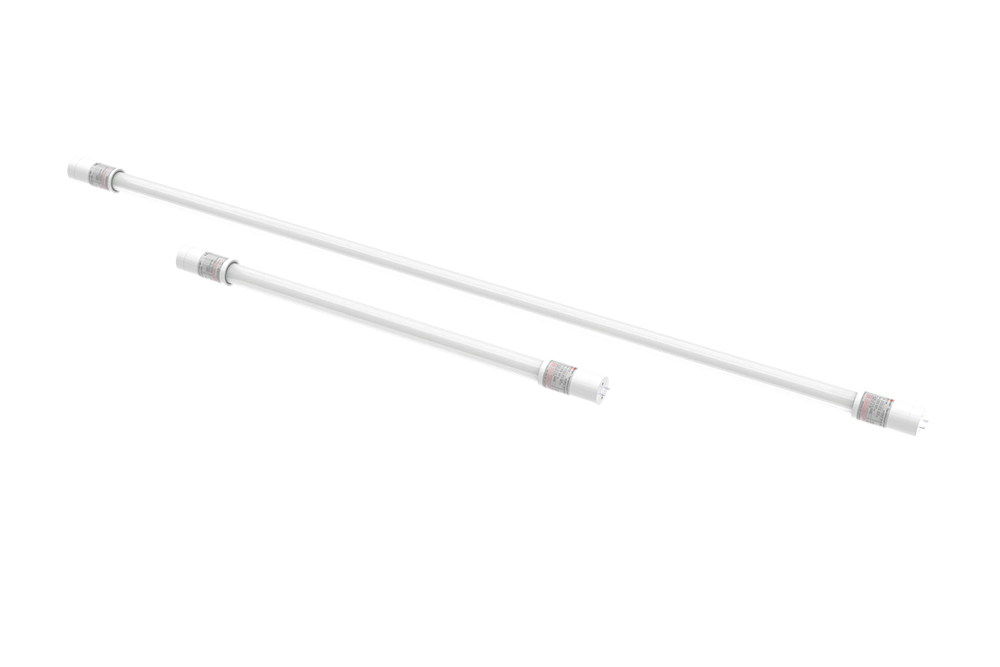
Yes. ATEX flood lights are specifically designed for hazardous outdoor environments where explosive gas, vapor, dust, rain, humidity, and extreme temperatures are present. Most certified ATEX LED flood lights feature IP66 or IP67 protection, corrosion-resistant housings, and sealed explosion-proof construction for safe long-term outdoor operation.
That’s the direct answer. But outdoor hazardous lighting is rarely as simple as “waterproof” or “weather-resistant.”
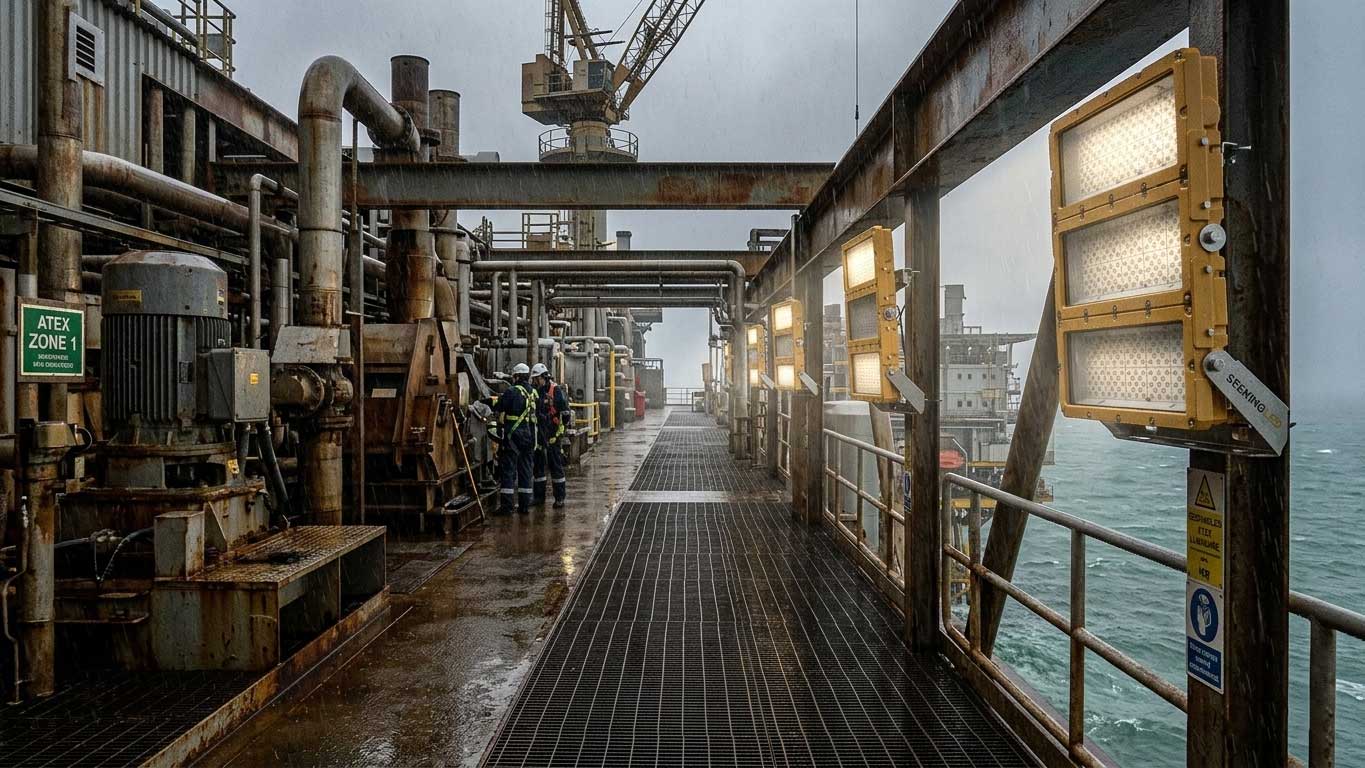
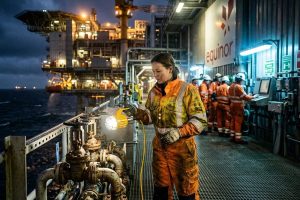
I’ve stood under offshore loading platforms during cold Atlantic rain where explosion-proof flood lights were coated in salt residue thick enough to dull the housing finish. Some fixtures kept running without issue after years of abuse. Others developed internal condensation because installers ignored cable gland sealing during installation. The difference usually comes down to engineering quality and field practice — not marketing claims.
Outdoor ATEX lighting survives because it is built for environments ordinary industrial fixtures cannot tolerate.
Why are ATEX flood lights commonly installed outdoors?
Many hazardous industries operate almost entirely outside.
Think about:
Oil refineries
Offshore drilling platforms
Chemical storage terminals
LNG transfer stations
Marine docks
Mining facilities
Grain handling plants
Wastewater treatment sites
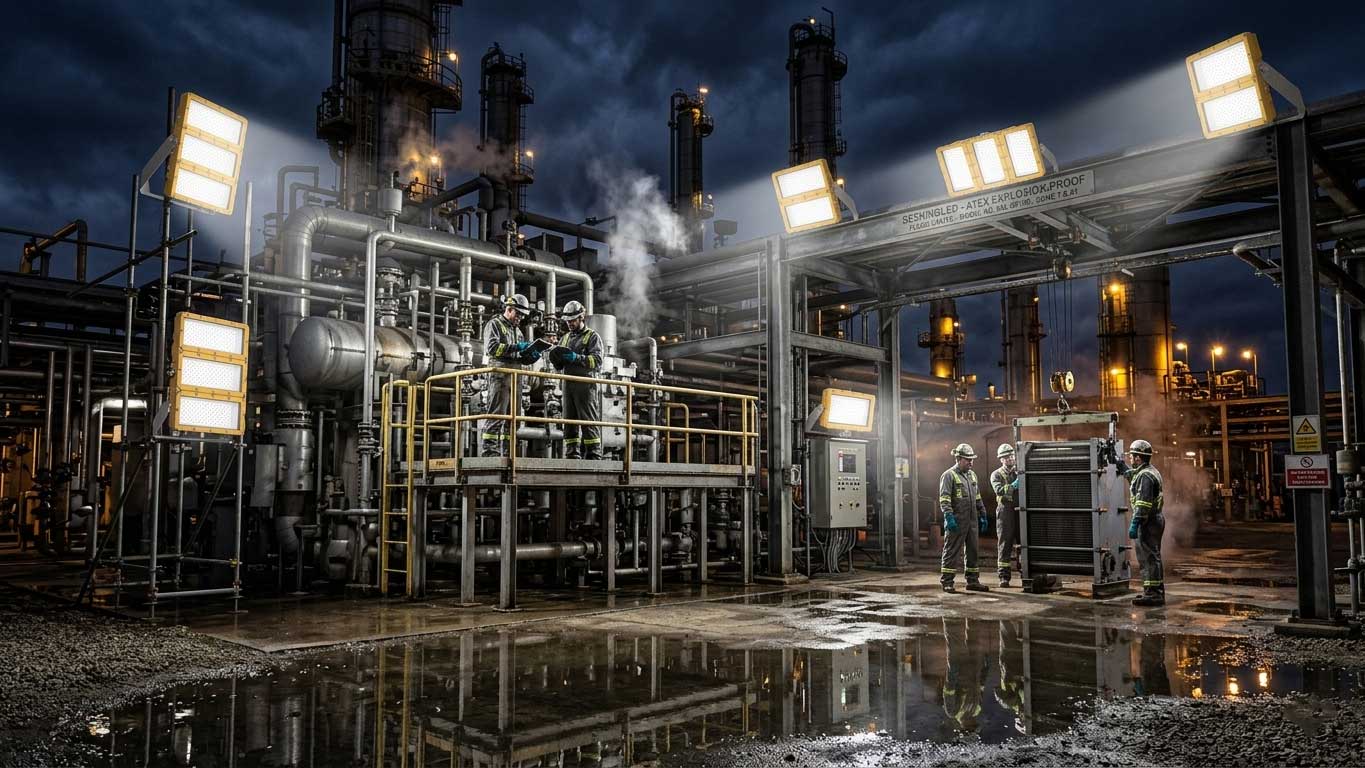
These environments combine explosive atmospheres with harsh weather exposure.
According to the European Commission ATEX guidance, hazardous areas may contain flammable gases, vapors, mists, or combustible dust under atmospheric conditions, requiring specially certified equipment. European Commission ATEX Guidelines
Outdoor hazardous lighting therefore needs to handle two separate risks at the same time:
Explosion prevention
Environmental durability
That second part gets underestimated surprisingly often.
What makes outdoor ATEX flood lights different?
An ordinary outdoor flood light may survive rain. An ATEX flood light must survive rain while ensuring no spark, arc, or excessive surface temperature ignites surrounding hazardous gases or dust.
That changes the entire design philosophy.
Key features of outdoor ATEX LED flood lights
Feature
Purpose
Explosion-proof enclosure
Contains internal ignition
IP66/IP67 sealing
Prevents water and dust ingress
Corrosion-resistant coating
Protects against salt and chemicals
Tempered glass lens
Handles impact and thermal stress
Heavy-duty cable glands
Maintains hazardous-area sealing
Marine-grade aluminum housing
Improves heat dissipation outdoors
The housing is not simply “rugged.” It is engineered to maintain safety certification under real environmental stress.
Are outdoor ATEX flood lights waterproof?
Most certified ATEX flood lights are highly water-resistant, but the correct technical term is ingress protection.
You’ll usually see ratings such as:
IP66
IP67
IP68
According to the International Electrotechnical Commission (IEC), IP66-rated equipment is protected against powerful water jets and dust ingress. IEC IP Protection Overview
In real-world refinery or marine conditions, that protection matters constantly.
I remember inspecting a coastal fuel terminal where standard industrial flood lights failed repeatedly because salty condensation entered through cheap connectors. After switching to properly sealed ATEX LED flood lights with certified glands, maintenance calls dropped dramatically over the following years.
The weakest point outdoors is often not the housing itself — it is the cable entry.
Can ATEX flood lights handle extreme weather?
Usually, yes — if the fixture is properly specified.
Outdoor hazardous environments are brutal on lighting systems.
Conditions outdoor ATEX fixtures commonly face
Heavy rainfall
Snow and ice
Coastal salt spray
UV exposure
Dust storms
High vibration
Extreme temperature cycling
Premium ATEX fixtures are tested specifically for these conditions.
Some industrial-grade LED ATEX flood lights operate in ambient temperatures from:
-40°C to +60°C
That temperature range is critical in locations such as:
Arctic oil facilities
Middle Eastern petrochemical plants
Desert mining operations
Heat becomes especially dangerous because sealed explosion-proof housings naturally trap thermal energy.
That is why high-quality thermal management is one of the biggest differences between premium and low-cost ATEX fixtures.
Outdoor installation mistakes that shorten fixture life
This part rarely appears in product brochures.
But it matters.
I’ve seen expensive hazardous-area flood lights fail early simply because installation shortcuts compromised sealing integrity.
Common outdoor installation problems
Incorrect cable gland tightening
Loose glands allow moisture ingress.
Damaged sealing rings
One cracked gasket can eventually destroy the driver compartment.
Improper mounting orientation
Some fixtures trap water when mounted incorrectly.
Mixing incompatible metals
Galvanic corrosion becomes severe in marine environments.
Poor drainage planning
Standing water accelerates housing deterioration.
Outdoor hazardous lighting systems fail slowly at first. Usually there’s no dramatic explosion or sudden blackout. Instead, corrosion quietly enters through small weaknesses over time.
Why LED technology improved outdoor ATEX lighting
Before LED systems became standard, outdoor hazardous lighting often relied on:
Metal halide fixtures
High-pressure sodium lamps
Fluorescent hazardous-area luminaires
Those technologies generated more heat and required frequent maintenance.
Replacing failed lamps outdoors at elevated hazardous locations was expensive and dangerous.
LED ATEX flood lights changed that.
Advantages of outdoor LED ATEX flood lights
Benefit
Real-world impact
Lower energy use
Reduced operating cost
Lower heat output
Improved safety
Longer lifespan
Fewer shutdowns
Instant-on operation
Better emergency response
Reduced maintenance
Safer servicing conditions
The U.S. Department of Energy reports that LED lighting can last significantly longer than traditional industrial lighting technologies while reducing energy consumption substantially. U.S. Department of Energy LED Information
In hazardous outdoor facilities, fewer maintenance trips alone can justify the upgrade cost.
How long do outdoor ATEX flood lights typically last?
Quality outdoor ATEX LED flood lights commonly achieve:
50,000–100,000 operating hours
8–15 years of industrial use
Actual lifespan depends heavily on:
Environmental corrosion
Driver temperature
Maintenance quality
Installation integrity
Voltage stability
Offshore platforms usually create the harshest conditions because salt spray attacks every exposed component continuously.
I’ve seen fixtures that looked visually destroyed from the outside but still operated reliably internally because the sealing system remained intact.
That’s good engineering.
FAQ:Can ATEX flood lights be used outdoors?
Can ATEX flood lights stay outside permanently?
Yes. Certified outdoor ATEX flood lights are designed for permanent outdoor hazardous-area installation.
Are outdoor ATEX lights waterproof?
Most outdoor ATEX fixtures are rated IP66 or IP67, meaning they resist heavy water exposure and dust ingress.
Can ATEX flood lights be used in marine environments?
Yes. Marine-grade ATEX flood lights are commonly installed on offshore platforms, docks, and coastal fuel terminals.
Do outdoor ATEX lights require maintenance?
Yes. Regular inspections should include seal checks, cleaning, corrosion inspection, and cable gland verification.
Final thoughts on Can ATEX flood lights be used outdoors
So, can ATEX flood lights be used outdoors?
Not only can they be used outdoors — many were engineered specifically for the world’s harshest outdoor hazardous environments. The best ATEX LED flood lights combine explosion protection, weather resistance, corrosion control, and long operational life into a single industrial lighting system. But outdoor reliability depends heavily on proper specification, installation quality, and ongoing maintenance discipline.
In hazardous outdoor facilities, lighting is never just illumination. It becomes part of the site’s overall safety infrastructure.
SEEKINGLED LED Linear Explosion Proof Light and Explosion Proof lighting is ATEX and IECEx certified for Zone 1, Zone 2, Zone 21 and Zone 22 hazardous locations, built for long-term industrial use.
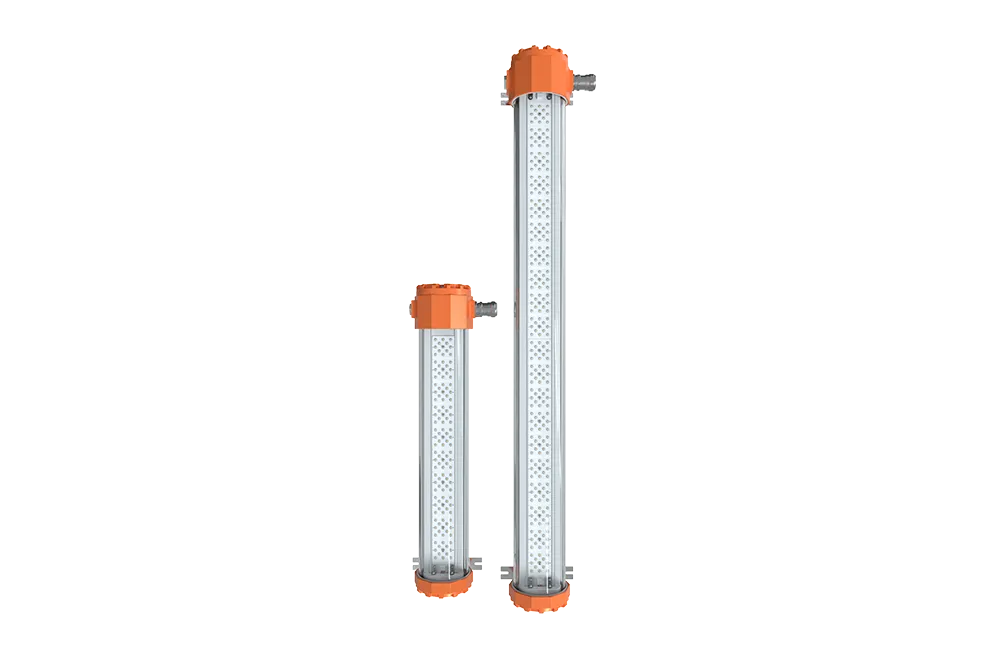
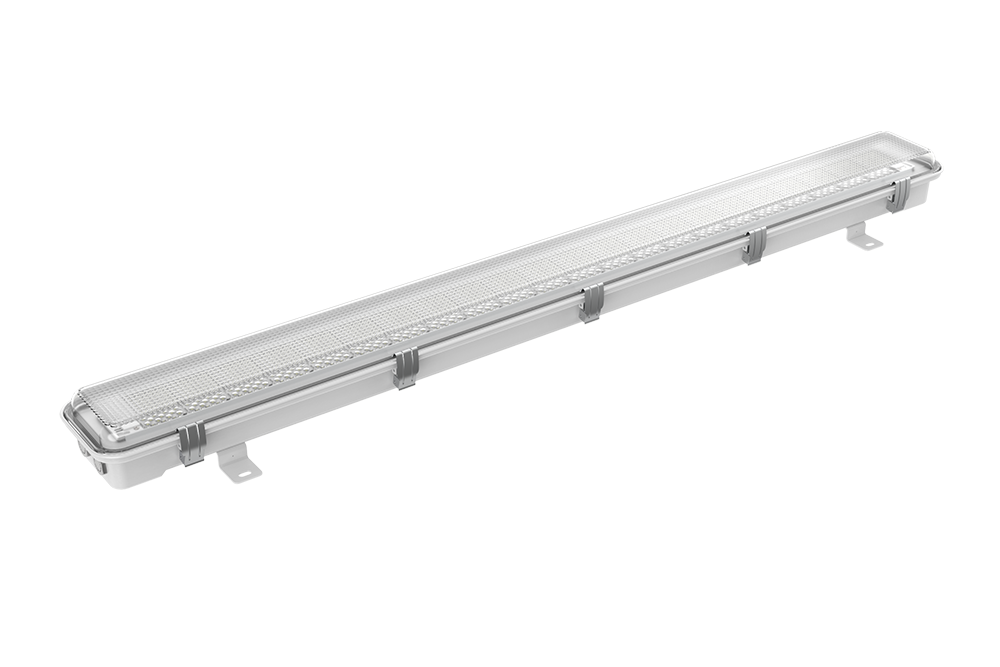
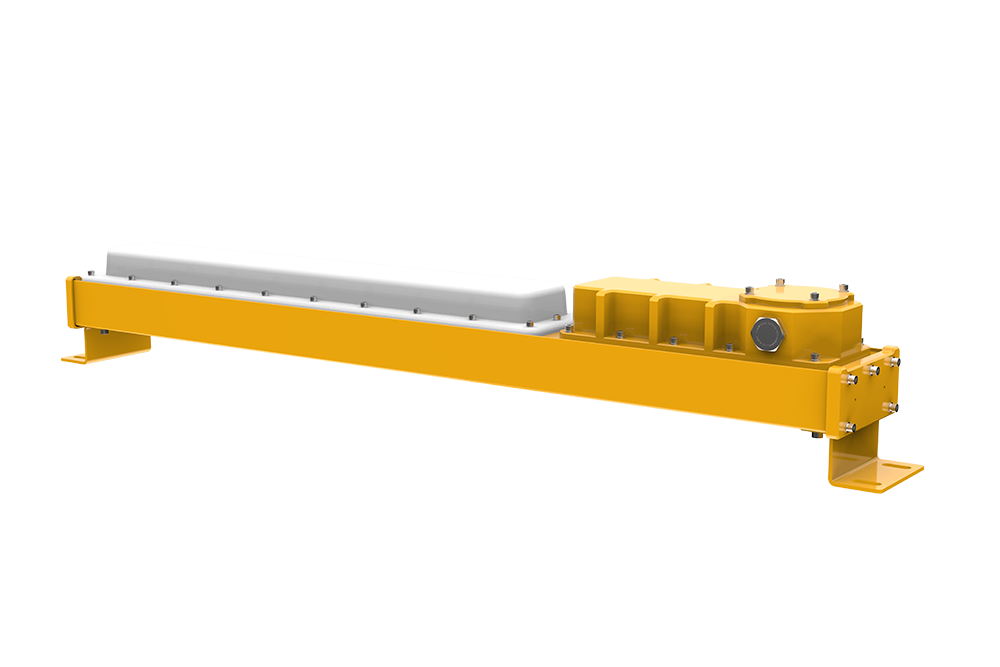
LED Linear Explosion Proof Lights and EX Proof lights for Zone 1, Zone 2, Zone 21 and Zone 22 hazardous areas. ATEX & IECEx certified explosion proof LED linear lighting with emergency function, adjustable power and IP67 protection by SEEKINGLED.
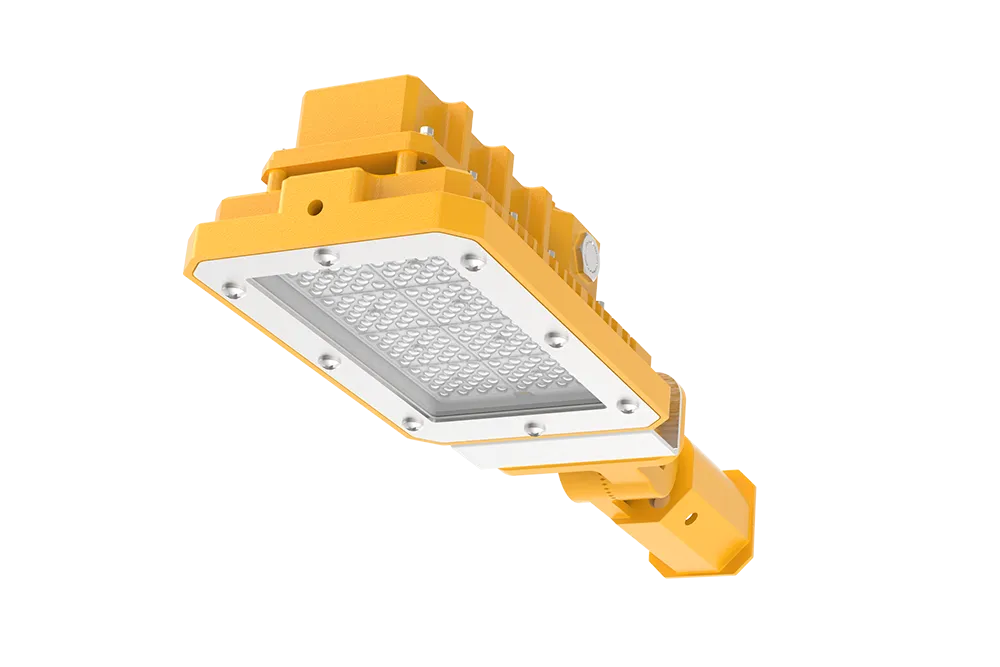
SEEKINGLED LED Explosion Proof Flood Lights are ATEX certified for Zone 2 and Zone 22 hazardous areas, offering high efficiency, adjustable power and integrated junction box.
SEEKINGLED LED Explosion Proof Flood Lights are flameproof ATEX and IECEx certified for Zone 1 and Zone 2 hazardous areas, offering high power, adjustable output and long service life.
SEEKINGLED LED Gas Station Canopy Lights are ATEX certified for Zone 2 and Zone 22 hazardous areas, featuring adjustable power and built-in explosion-proof junction box.
ATEX: Ex II 2G Ex db IIB T6/T5 GbEx II 2D Ex tb IIIC T80°C/ T95°C Db IECEx Ex db IIB T6 Gb;Ex tb IIIC T80°C Db Feature: ● For Zone 1,2 and Zone 21,22● Flameproof type, the strongest● 100W can replace 250W HID,energy saving● Power:60W,80W,100W Application: Oil and gas, marine, Chemical, pharmaceutical, semiconductor,mining,military industr…
ATEX: II 3G Ex nR ⅡC T5/T6 GcII 3D Ex tc ⅢC T80℃/T95℃Dc ATEX Certificate NO: TÜV CY 26 ATEX 0207611 X Feature: ● For Zone 2 and Zone 22● 150W can replace 250W HID lamps,Energy saving● Power:50W,75W,100W,150W,200W Application: Oil and gas, marine, Chemical, pharmaceutical, semiconductor,mining,military industry, paint booth,power plant ETC…
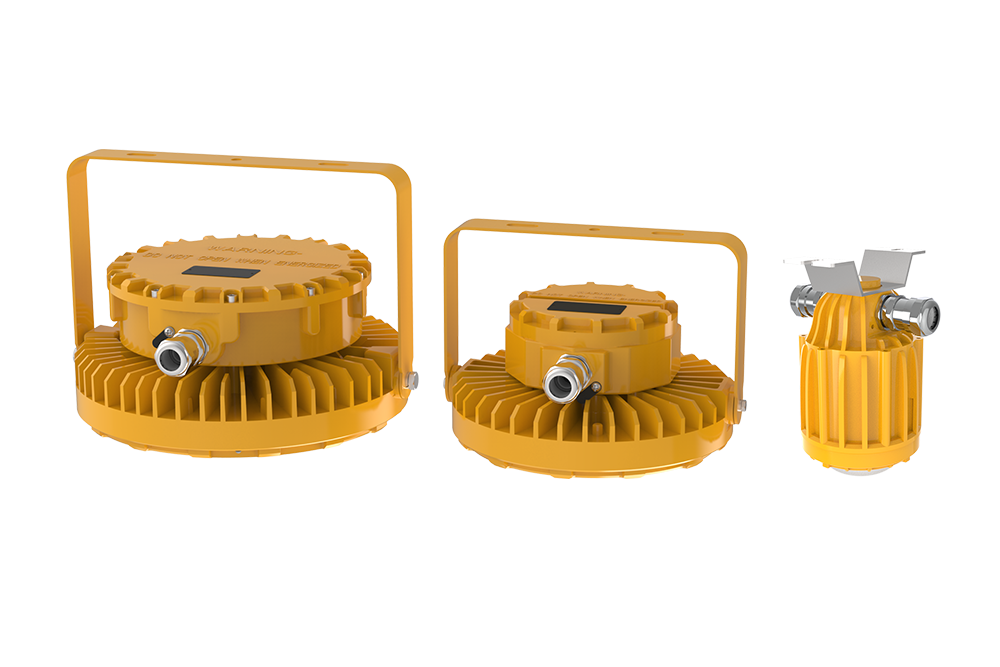
LED explosion proof high bay lights are designed for Zone 1, Zone 2, Zone 21 and Zone 22 hazardous areas. This page introduces the HB21 Series from SEEKING, including certifications, power options and real application considerations.
LED Linear Explosion Proof Lights from SEEKINGLED. LU Series Flame Proof lights ATEX-certified explosion proof LED linear lighting for Zone 2 gas and Zone 22 dust areas, IP69K, IK10, long lifetime and flexible power options.
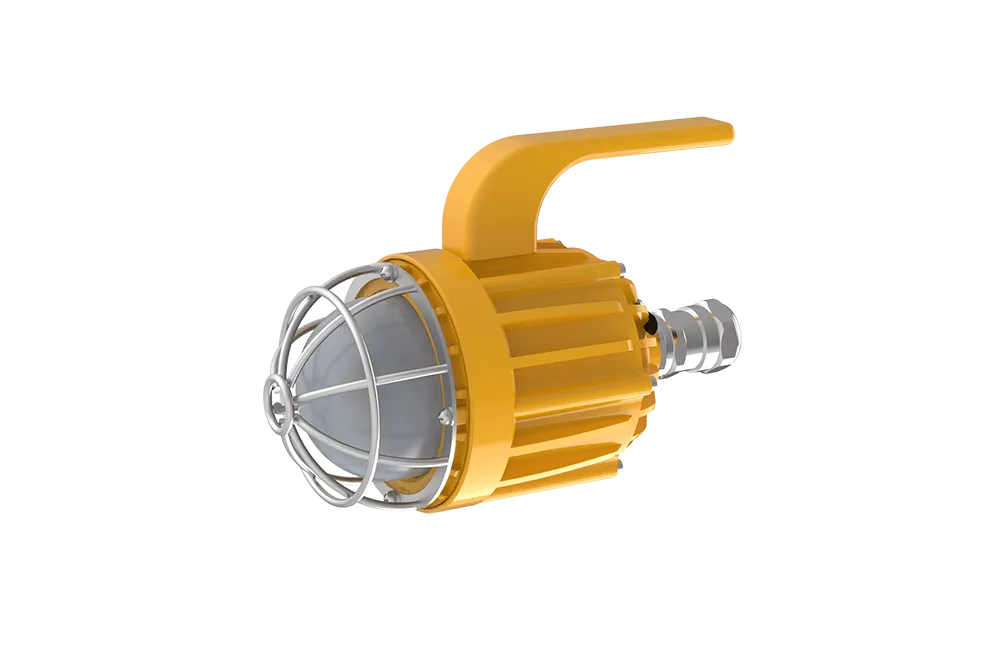
Certified explosion proof work lights for Zone 1 & 21 hazardous areas. Portable, ATEX & IECEx approved, built for oil, gas and chemical plants by SEEKINGLED.
ATEX: II 3G Ex nR ⅡC T6 GcII 3D Ex tc ⅢC T80℃ Dc ATEX Certificate NO: TÜV CY 26 ATEX 0207611 X Feature: ● For Zone 2 and Zone 22● Accepts battery-powered supply● indestructible● Power:AC input:50W,75W,100WDC input:15W,25W,35W Application: Oil and gas, marine, Chemical, pharmaceutical, semiconductor,mining,military industry, paint booth,po…
ATEX: Ex II 2G Ex db IIB T6 GbEx II 2D Ex tb IIIC T80°C Db IECEx Ex db IIB T6 Gb;Ex tb IIIC T80°C Db Feature: ● For Zone 1,2 and Zone 21,22● Flameproof type, the strongest Application: Oil and gas, marine, Chemical, pharmaceutical, semiconductor,mining,military industry, paint booth,power plant ETC hazardous area. Technical Specifications:…
ATEX: Ex II 2G Ex db IIB T6 GbEx II 2D Ex tb IIIC T80°C Db IECEx Ex db IIB T6 Gb;Ex tb IIIC T80°C Db Feature: ● For Zone 1,2 and Zone 21,22● Flameproof type, the strongest Application: Oil and gas, marine, Chemical, pharmaceutical, semiconductor,mining,military industry, paint booth,power plant ETC hazardous area. Technical Specifications:…
ATEX: Ex II 2G Ex d e IIB T6 Gb ATEX: Ex d e IIB T6 Gb; Feature: ● For Zone 1,2● 9W can replace 18W fluorescent lamps,50% Energy saving Application: Oil and gas, marine, Chemical, pharmaceutical, semiconductor,mining,military industry, paint booth,power plant ETC hazardous area. Technical Specifications: Standards:60079-0, 60079-1, 60079…
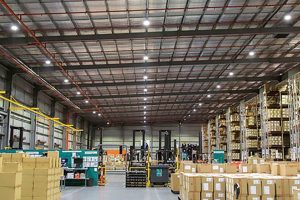
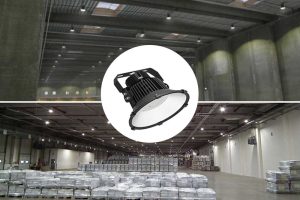
In 2024, a European storage warehouse upgraded to Seeking XJ-HBF240W LED High Bay Light, using 50 UFO fixtures with 200 lm/W, 300+ LUX and high uniformity, cutting energy use compared with traditional metal halide high bays.
explosion proof hand lamp engineered for Zone 1 & 2 hazardous areas. ATEX & IECEx certified portable lighting built for refinery, offshore and confined space safety.
Black Housing LED High Bay for Warehouse Lighting was required in a Danish warehouse. This project record documents how XJ-HBK130W was selected to meet aesthetic requirements while improving efficiency and reducing shipping cost.
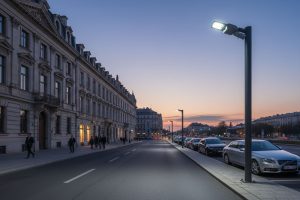
Upgrade outdoor roads with a 150W LED street light delivering 170 lm/W efficiency, long lifespan, and stable performance. Trusted by SEEKINGLED projects.
 Seeking LED