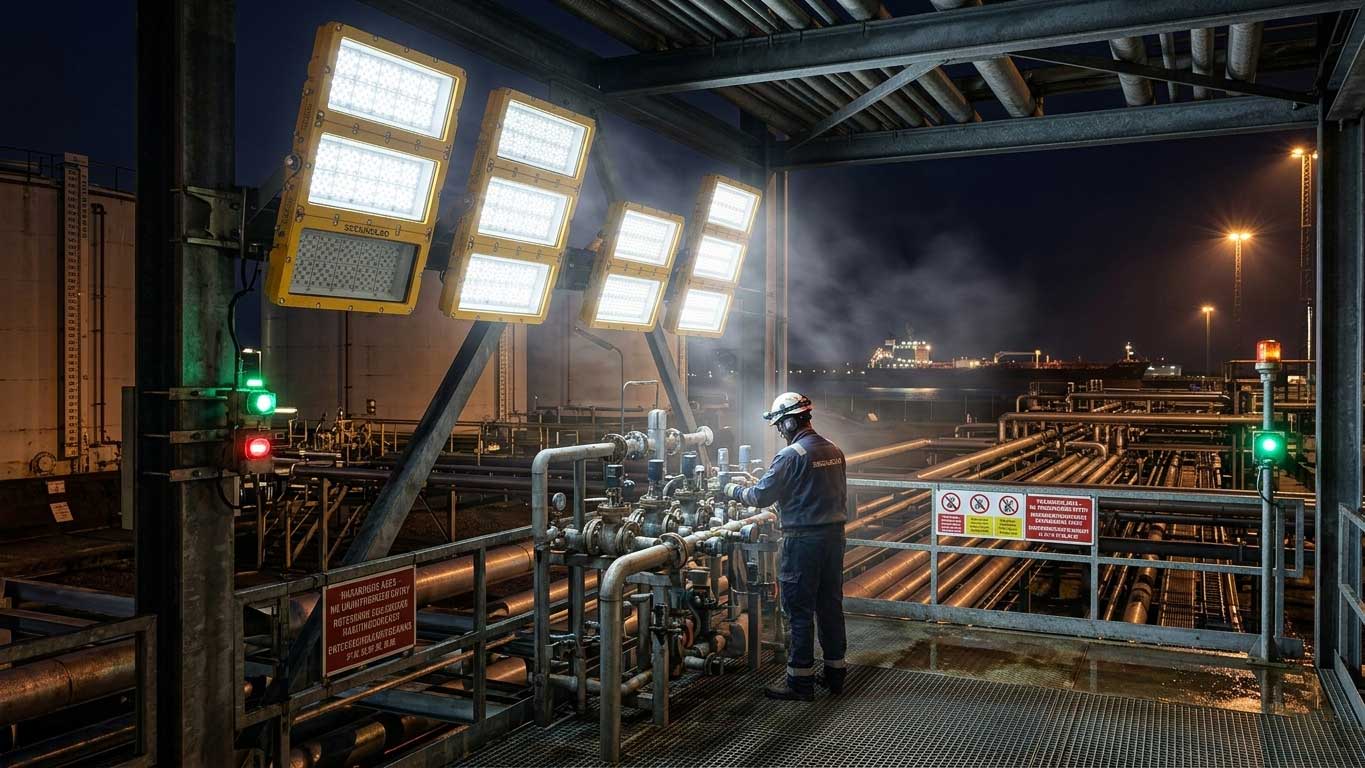
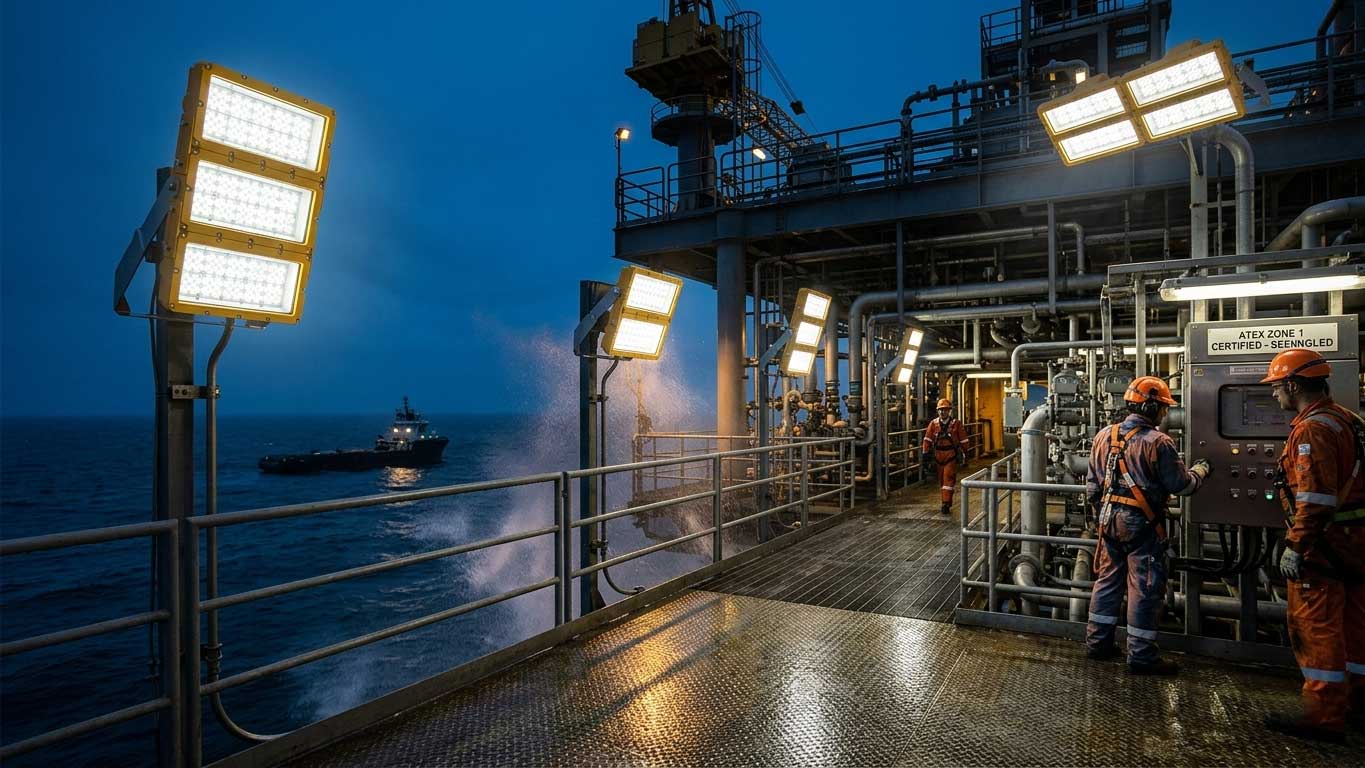
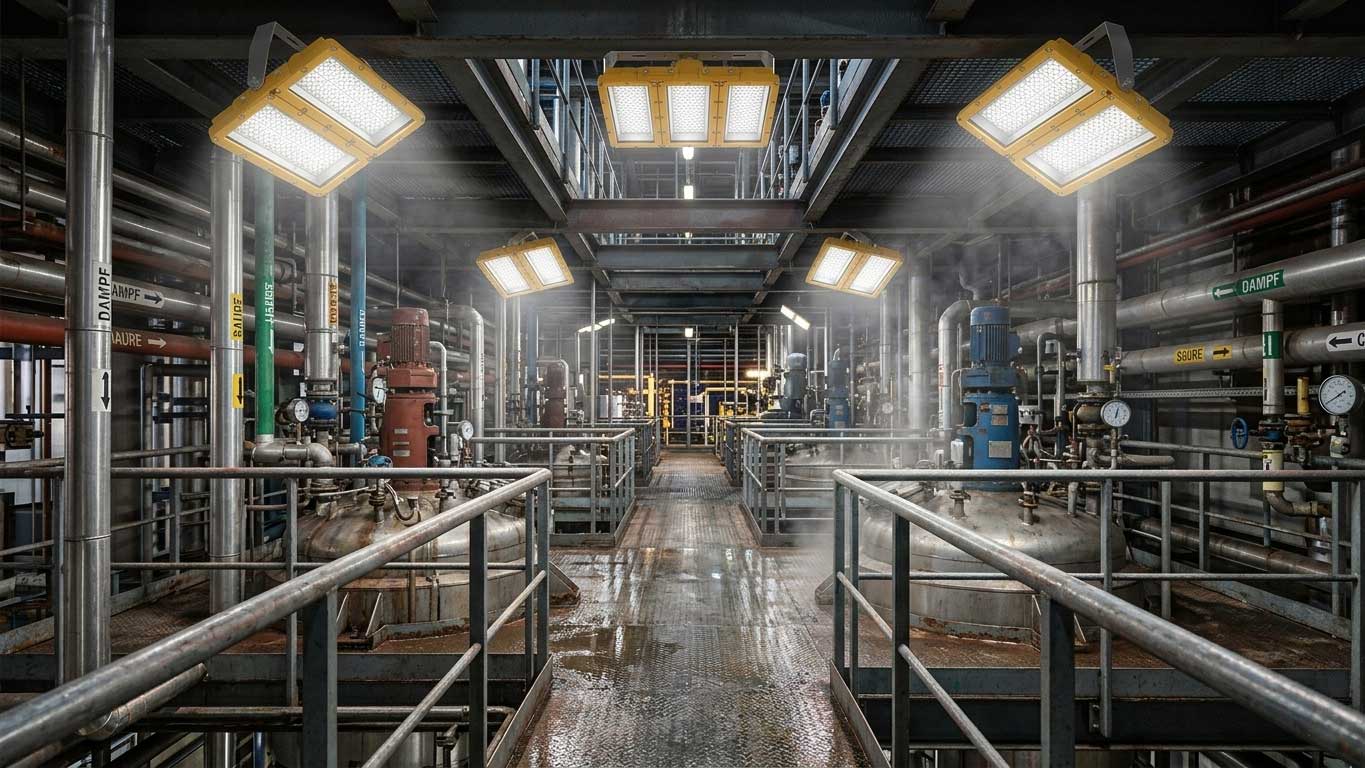
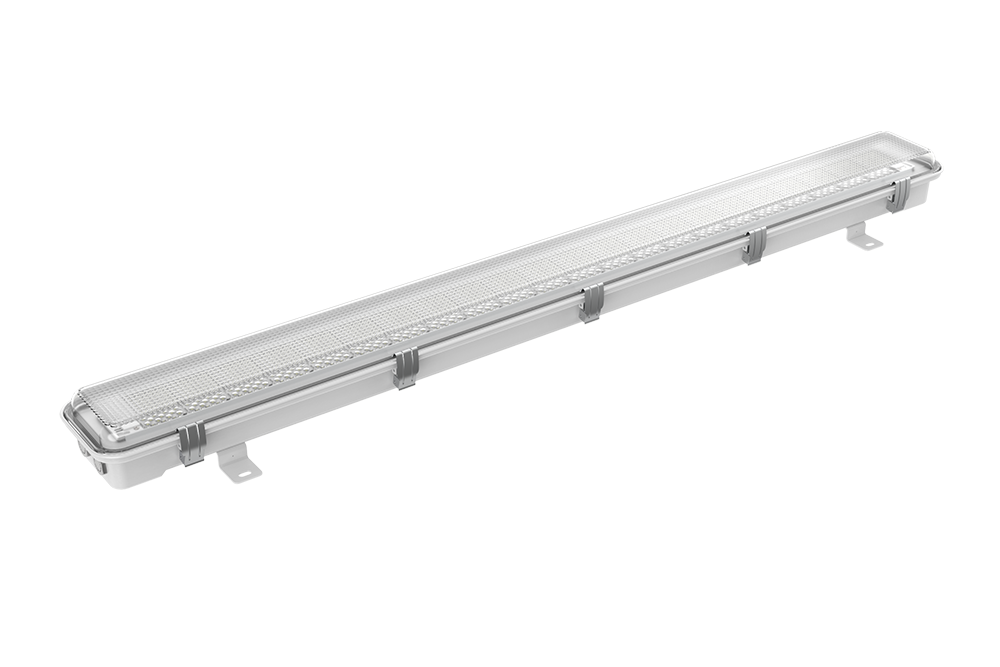
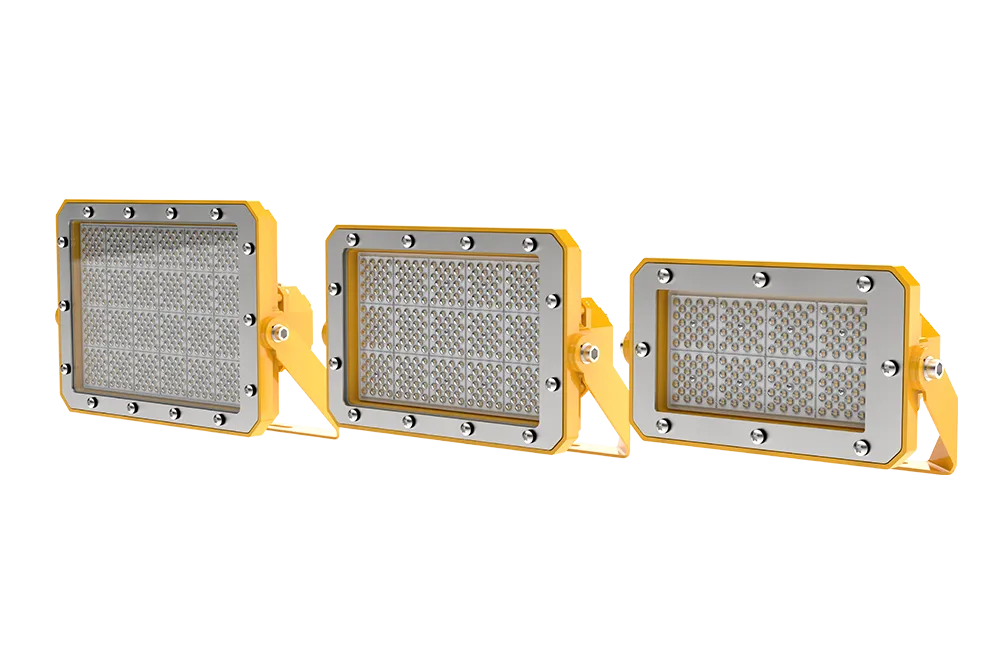
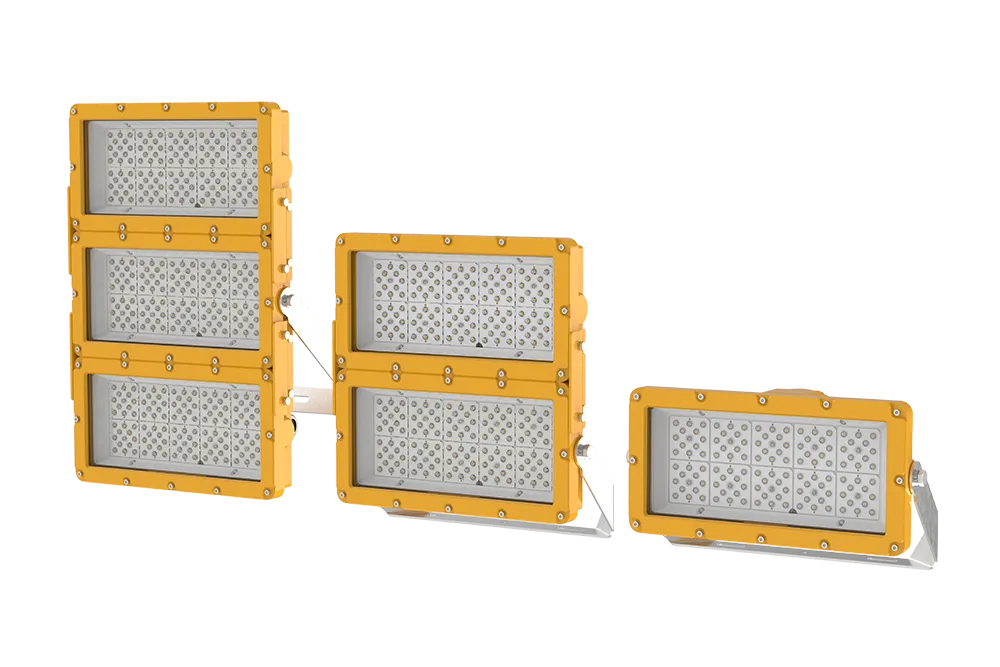
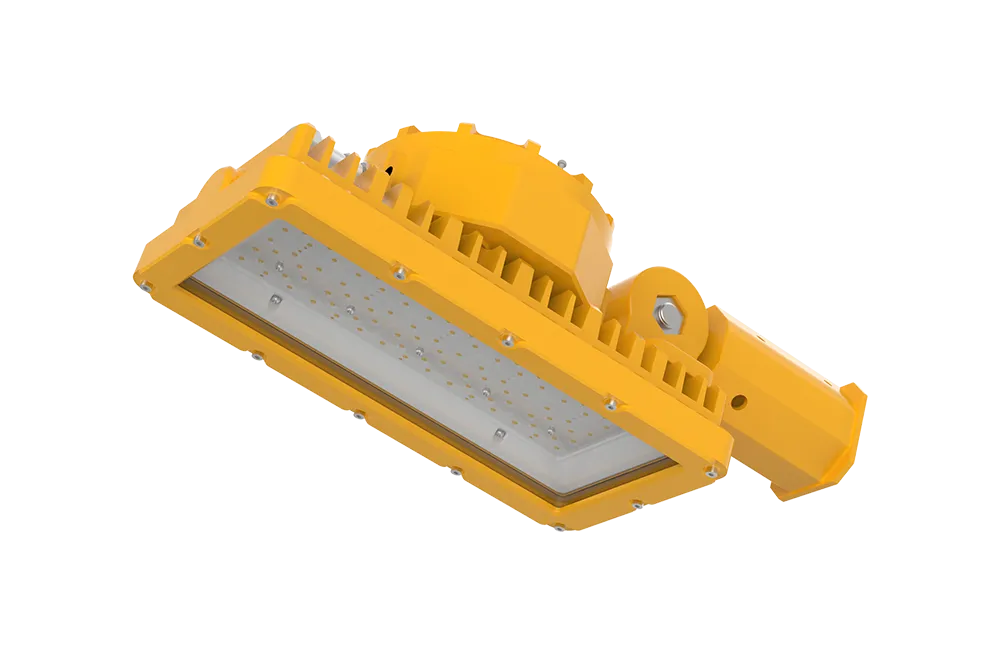
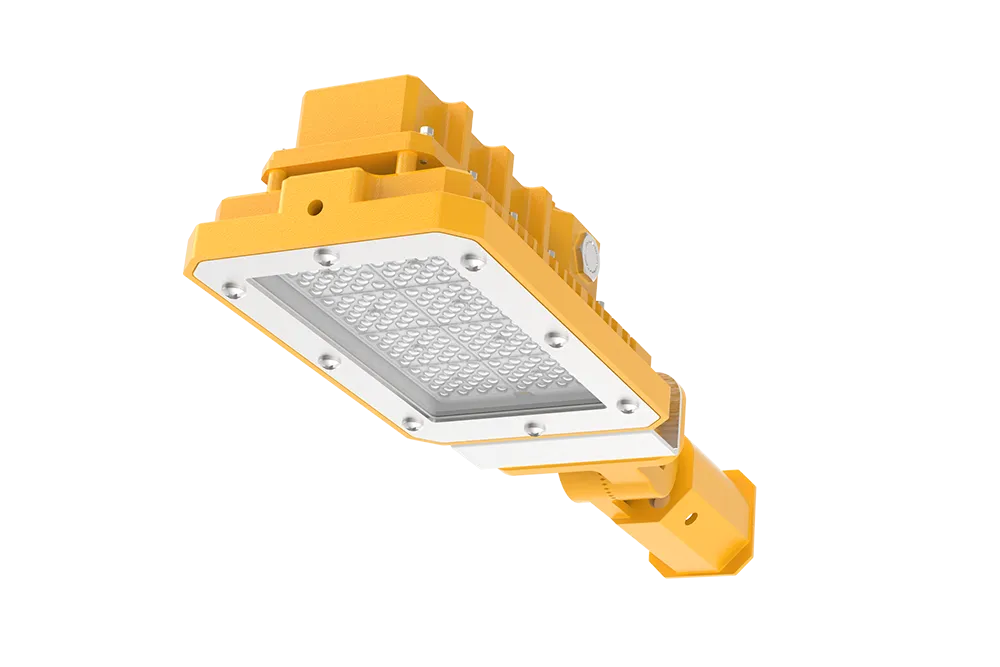
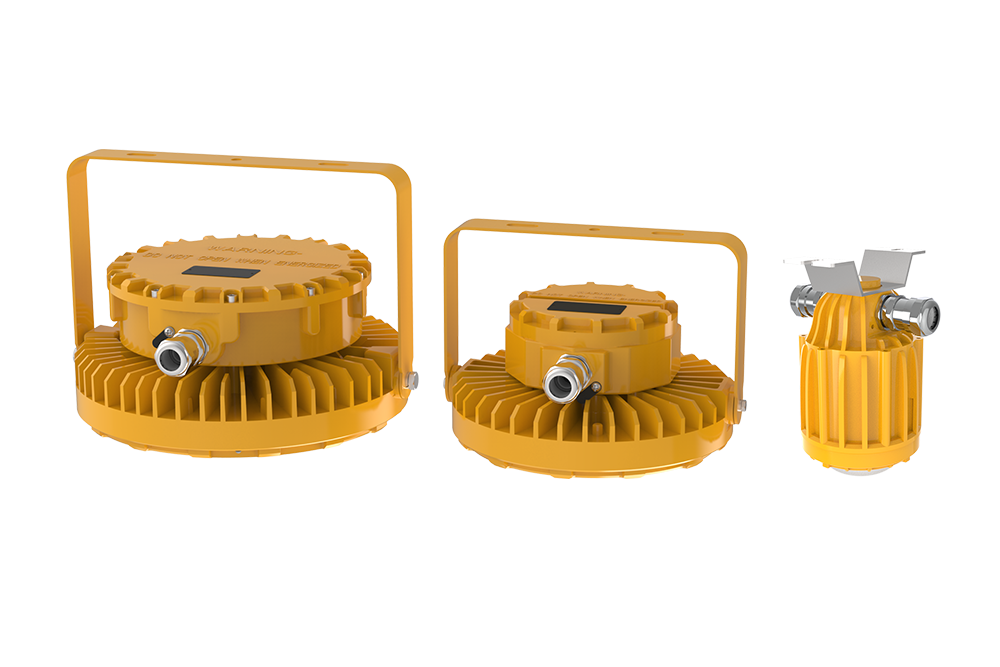
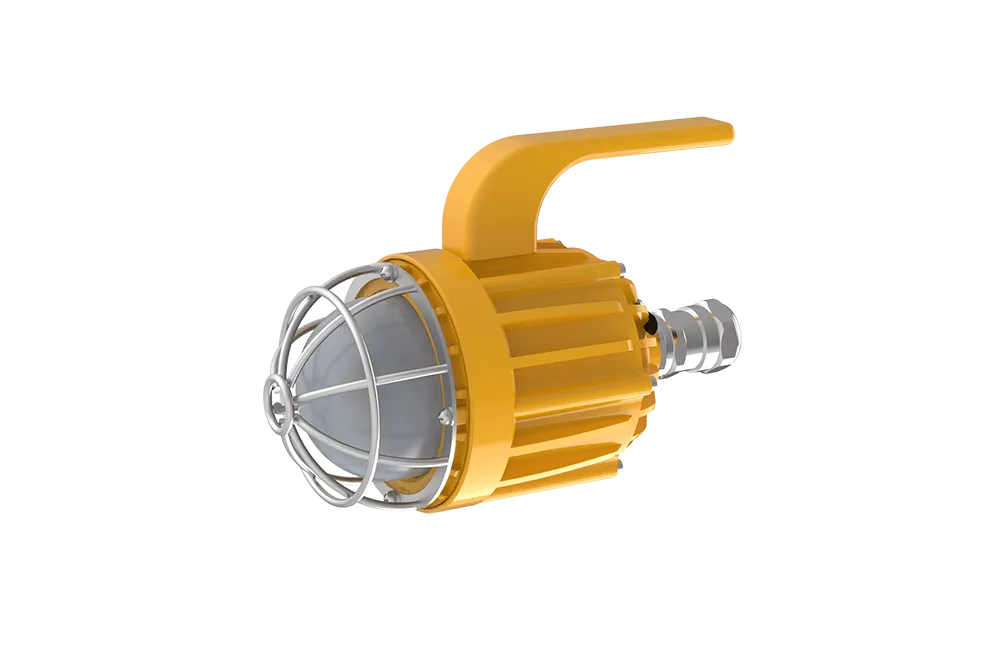
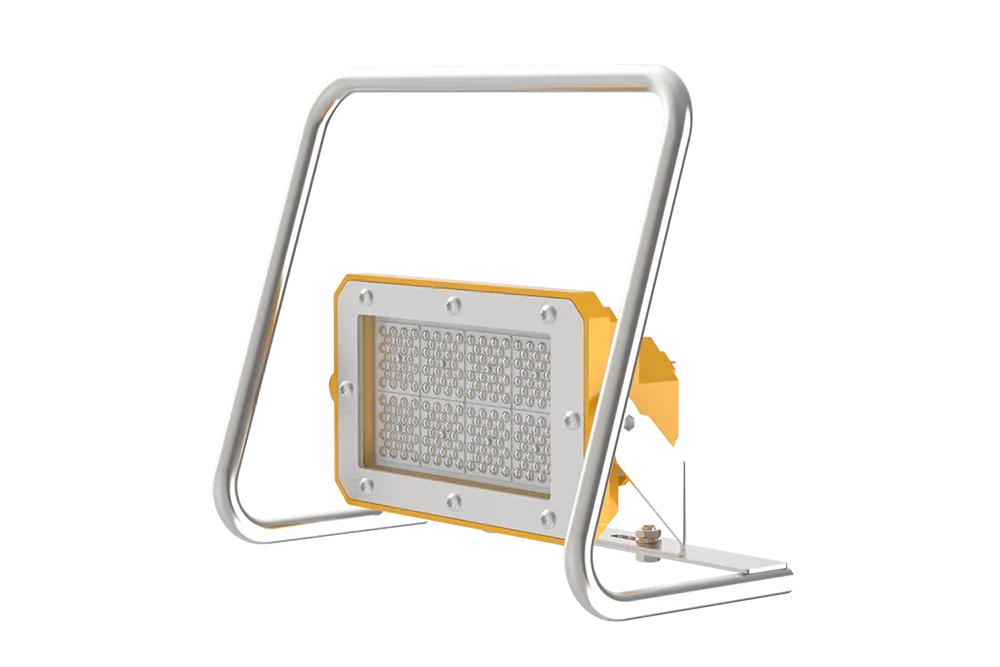
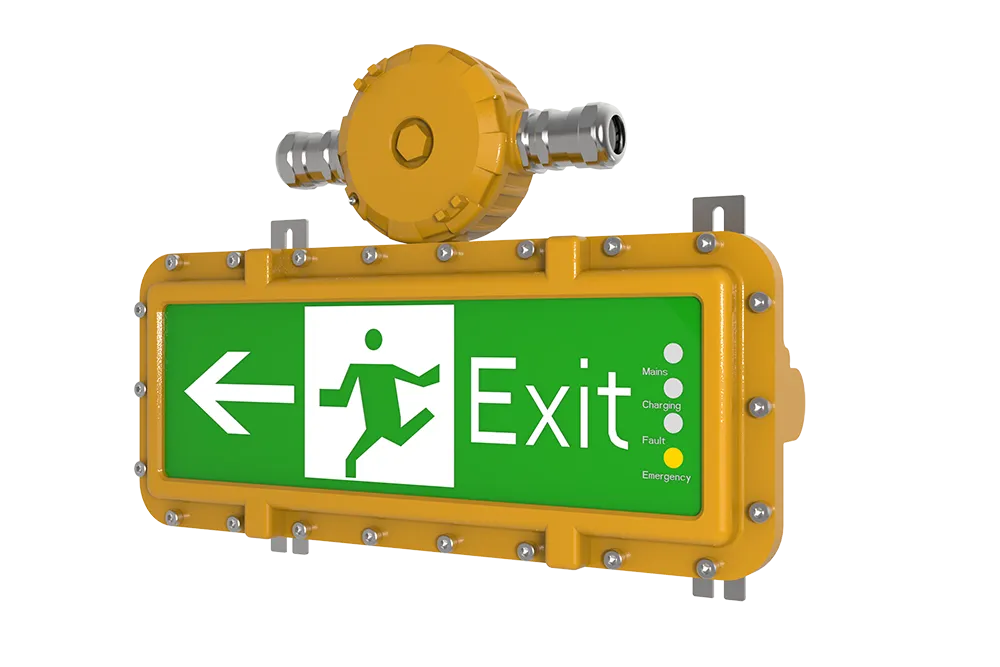
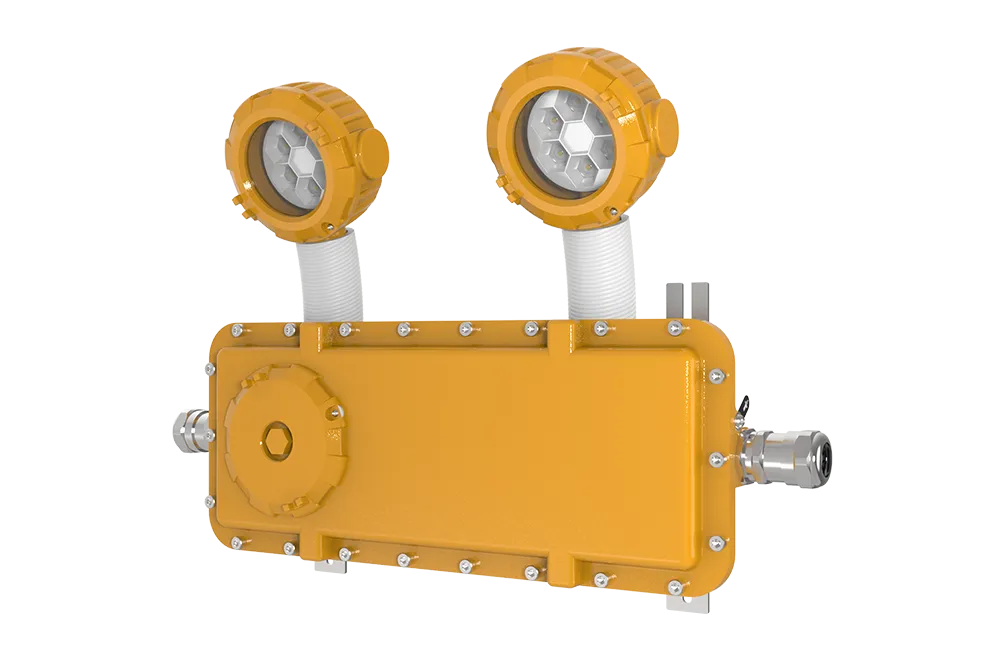
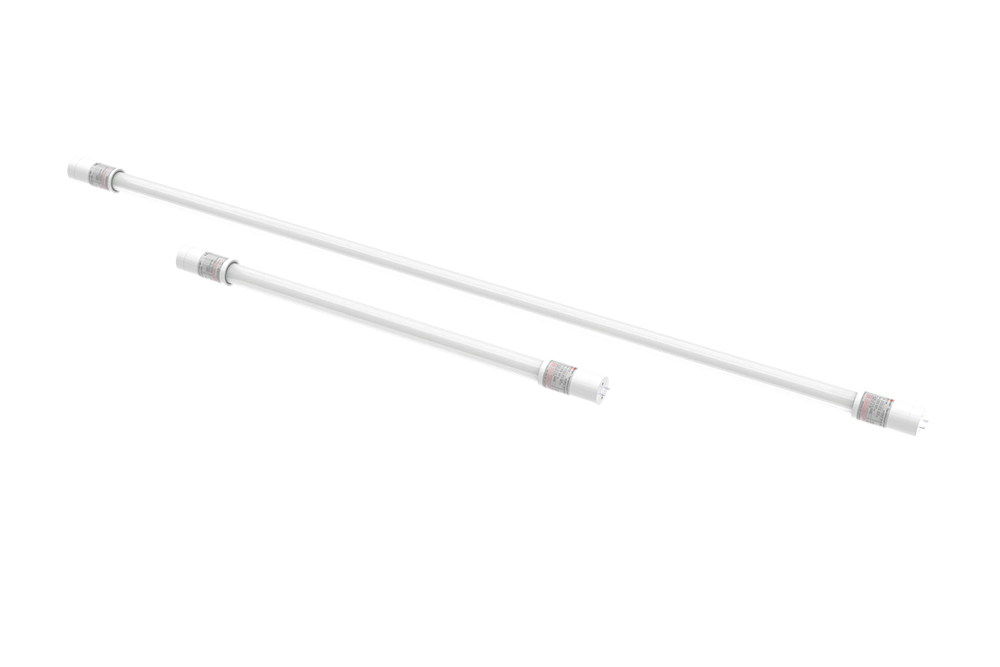
An ATEX LED flood light is a certified explosion-proof lighting fixture designed for hazardous areas where flammable gases, vapors, or combustible dust may exist. It prevents internal sparks, arcs, or excessive heat from igniting explosive atmospheres while delivering high-efficiency industrial illumination.
That’s the short answer. The reality onsite is much more serious.
I first understood the importance of ATEX lighting inside a coastal fuel transfer station in Southeast Asia. The old metal halide fixtures looked massive and indestructible, but maintenance crews constantly worried about heat buildup, cracked seals, and internal ignition risks. When the facility upgraded to ATEX-certified LED flood lights, the conversation changed from “Will this fixture survive?” to “How much downtime can we eliminate?”
That shift matters in hazardous environments.
Understanding the Meaning of “ATEX”
ATEX comes from the French phrase:
“ATmosphères EXplosibles”
It refers to European regulations governing equipment used in explosive atmospheres.
The ATEX directives are enforced across the European Union for industries where combustible materials create ignition risks.
According to the European Commission, ATEX regulations apply to equipment used in potentially explosive atmospheres involving:
An ATEX LED flood light is specifically engineered and certified to operate safely inside those dangerous environments.
Why Standard Flood Lights Are Dangerous in Hazardous Areas
Normal outdoor flood lights are not built to contain ignition sources.
Inside industrial facilities, ignition risks come from:
Electrical arcs
Surface heat
Internal sparks
Damaged wiring
Driver failures
In a refinery or chemical plant, even a small ignition source can become catastrophic.
According to the U.S. Chemical Safety Board (CSB), ignition of flammable vapor clouds continues to be a major cause of industrial explosions. Source: https://www.csb.gov/
That’s why hazardous-area lighting is heavily regulated.
What Makes ATEX LED Flood Lights Different?
ATEX LED flood lights are engineered to:
Contain internal explosions
Prevent spark escape
Limit external surface temperature
Resist corrosion and moisture
Operate safely in harsh industrial conditions
The housing itself becomes part of the protection system.
That’s why these fixtures are often heavier than ordinary LED flood lights.
How ATEX Zones Work
Hazardous locations are divided into zones based on how often explosive atmospheres are present.
Gas Hazard Zones
Zone
Risk Level
Typical Environment
Zone 0
Continuous explosive atmosphere
Inside fuel tanks
Zone 1
Likely during normal operation
Refineries, gas plants
Zone 2
Occasional exposure
Storage facilities
Dust Hazard Zones
Zone
Risk Level
Typical Environment
Zone 20
Continuous dust hazard
Grain silos
Zone 21
Likely dust presence
Flour processing
Zone 22
Occasional dust presence
Warehouses
Not every explosion-proof light is certified for every zone.
That detail gets overlooked constantly during procurement.
Why LED Technology Changed Hazardous Area Lighting
Older hazardous-area lighting systems relied heavily on:
Metal halide
High-pressure sodium
Fluorescent fixtures
Those technologies created several operational problems:
High heat generation
Frequent maintenance
Slow startup time
Fragile bulbs
Lower energy efficiency
LED systems changed that.
According to the U.S. Department of Energy, LED lighting can reduce energy use significantly compared to traditional industrial lighting technologies. Source: https://www.energy.gov/
In hazardous environments, lower operating temperatures are especially important.
Reduced Heat Means Reduced Risk
Heat management is critical in explosive atmospheres.
ATEX LED flood lights are designed to maintain controlled external temperatures even during long operating hours.
That reduces ignition potential around:
Gas vapors
Solvent fumes
Dust particles
In real industrial environments, thermal stability matters as much as brightness.
What Industries Use ATEX LED Flood Lights?
These fixtures are common in industries where combustible materials exist.
Typical Applications
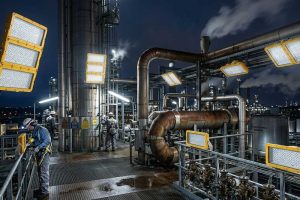
Oil refineries
Offshore drilling platforms
Chemical plants
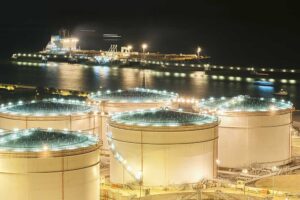
LNG terminals
Paint manufacturing
Grain processing
Mining operations
Pharmaceutical facilities
I’ve even seen ATEX flood lights used inside industrial ethanol storage facilities where vapor exposure changed hourly depending on temperature.
Hazardous environments are rarely static.
Key Features of Modern ATEX LED Flood Lights
Not all explosion-proof lights are built equally.
Good industrial fixtures usually include:
Heavy-Duty Aluminum Housing
Provides:
Impact resistance
Heat dissipation
Corrosion resistance
Tempered Glass Lens
Designed to withstand:
Pressure changes
Impact
Chemical exposure
IP66 or IP67 Protection
Protects against:
Water ingress
Dust penetration
Outdoor contamination
Wide Voltage Compatibility
Industrial sites often experience unstable electrical conditions.
Wide voltage drivers improve reliability.
Common Mistakes Buyers Make
This part rarely gets discussed honestly.
Choosing by Wattage Alone
Brightness matters.
But certification matters more.
A cheaper non-certified fixture may produce similar lumens while creating unacceptable safety risks.
Ignoring Ambient Temperature Ratings
Some hazardous facilities operate in extreme heat.
Fixtures must be rated correctly for surrounding conditions.
Buying “Explosion-Proof Style” Lights
Some products look industrial but lack real ATEX certification.
That distinction becomes critical during inspections.
Most quality industrial LED systems operate between:
50,000 to 100,000 hours
That translates into years of industrial use.
However, real-world lifespan depends heavily on:
Ambient heat
Chemical exposure
Driver quality
Installation conditions
Voltage stability
In offshore environments, salt corrosion oft
en damages cheaper fixtures long before the LEDs themselves fail.
FAQ:What Is an ATEX LED Flood Light?
What does ATEX mean in lighting?
ATEX refers to European certification standards for equipment used in explosive atmospheres involving gas, vapor, or combustible dust hazards.
Are ATEX LED flood lights explosion proof?
Yes. Properly certified ATEX LED flood lights are designed to contain internal ignition sources and operate safely in hazardous areas.
Where are ATEX flood lights used?
They are commonly installed in oil refineries, chemical plants, offshore platforms, mining operations, and industrial processing facilities.
What is the difference between ATEX and ordinary LED flood lights?
ATEX fixtures are engineered and certified specifically for explosive atmospheres, while standard flood lights are not safe for hazardous areas.
Are ATEX LED flood lights waterproof?
Most industrial models feature IP66 or IP67 protection for harsh outdoor environments.
Final Thoughts
Understanding what an ATEX LED flood light is goes far beyond brightness specifications or aluminum housing design.
These fixtures exist because industrial environments can become dangerous in seconds.
At SEEKINGLED, we’ve seen hazardous-area lighting installations where reliability mattered more than aesthetics, and where maintenance teams judged fixtures not by appearance — but by whether they could survive heat, vibration, corrosion, and years of nonstop operation without becoming a liability.
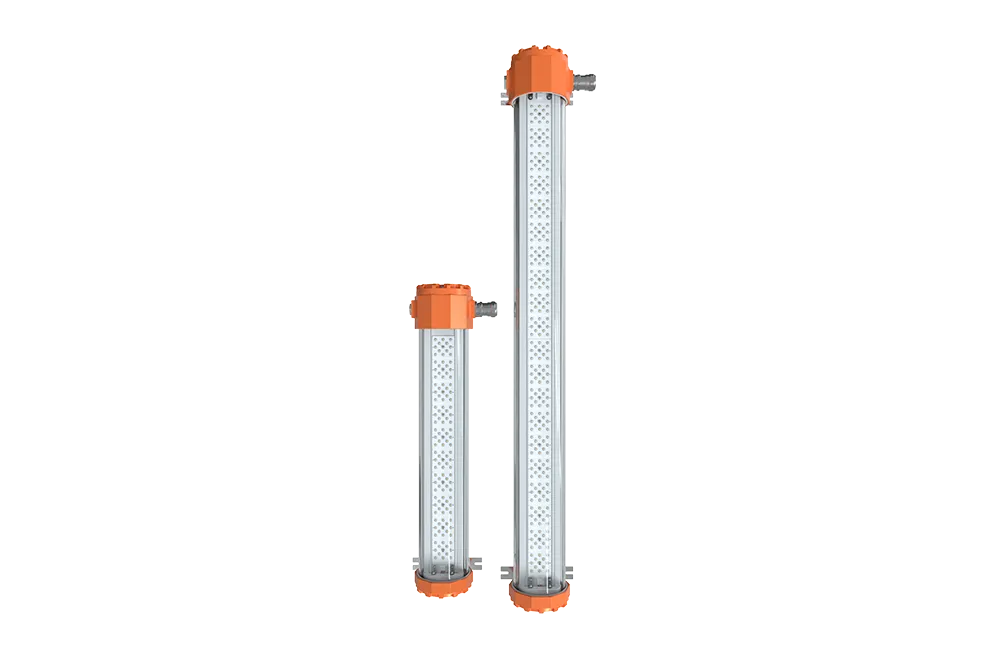
SEEKINGLED LED Linear Explosion Proof Light and Explosion Proof lighting is ATEX and IECEx certified for Zone 1, Zone 2, Zone 21 and Zone 22 hazardous locations, built for long-term industrial use.
LED Linear Explosion Proof Lights and EX Proof lights for Zone 1, Zone 2, Zone 21 and Zone 22 hazardous areas. ATEX & IECEx certified explosion proof LED linear lighting with emergency function, adjustable power and IP67 protection by SEEKINGLED.
SEEKINGLED LED Explosion Proof Flood Lights are ATEX certified for Zone 2 and Zone 22 hazardous areas, offering high efficiency, adjustable power and integrated junction box.
SEEKINGLED LED Explosion Proof Flood Lights are flameproof ATEX and IECEx certified for Zone 1 and Zone 2 hazardous areas, offering high power, adjustable output and long service life.
SEEKINGLED LED Gas Station Canopy Lights are ATEX certified for Zone 2 and Zone 22 hazardous areas, featuring adjustable power and built-in explosion-proof junction box.
ATEX: Ex II 2G Ex db IIB T6/T5 GbEx II 2D Ex tb IIIC T80°C/ T95°C Db IECEx Ex db IIB T6 Gb;Ex tb IIIC T80°C Db Feature: ● For Zone 1,2 and Zone 21,22● Flameproof type, the strongest● 100W can replace 250W HID,energy saving● Power:60W,80W,100W Application: Oil and gas, marine, Chemical, pharmaceutical, semiconductor,mining,military industr…
ATEX: II 3G Ex nR ⅡC T5/T6 GcII 3D Ex tc ⅢC T80℃/T95℃Dc ATEX Certificate NO: TÜV CY 26 ATEX 0207611 X Feature: ● For Zone 2 and Zone 22● 150W can replace 250W HID lamps,Energy saving● Power:50W,75W,100W,150W,200W Application: Oil and gas, marine, Chemical, pharmaceutical, semiconductor,mining,military industry, paint booth,power plant ETC…
LED explosion proof high bay lights are designed for Zone 1, Zone 2, Zone 21 and Zone 22 hazardous areas. This page introduces the HB21 Series from SEEKING, including certifications, power options and real application considerations.
LED Linear Explosion Proof Lights from SEEKINGLED. LU Series Flame Proof lights ATEX-certified explosion proof LED linear lighting for Zone 2 gas and Zone 22 dust areas, IP69K, IK10, long lifetime and flexible power options.
Certified explosion proof work lights for Zone 1 & 21 hazardous areas. Portable, ATEX & IECEx approved, built for oil, gas and chemical plants by SEEKINGLED.
ATEX: II 3G Ex nR ⅡC T6 GcII 3D Ex tc ⅢC T80℃ Dc ATEX Certificate NO: TÜV CY 26 ATEX 0207611 X Feature: ● For Zone 2 and Zone 22● Accepts battery-powered supply● indestructible● Power:AC input:50W,75W,100WDC input:15W,25W,35W Application: Oil and gas, marine, Chemical, pharmaceutical, semiconductor,mining,military industry, paint booth,po…
ATEX: Ex II 2G Ex db IIB T6 GbEx II 2D Ex tb IIIC T80°C Db IECEx Ex db IIB T6 Gb;Ex tb IIIC T80°C Db Feature: ● For Zone 1,2 and Zone 21,22● Flameproof type, the strongest Application: Oil and gas, marine, Chemical, pharmaceutical, semiconductor,mining,military industry, paint booth,power plant ETC hazardous area. Technical Specifications:…
ATEX: Ex II 2G Ex db IIB T6 GbEx II 2D Ex tb IIIC T80°C Db IECEx Ex db IIB T6 Gb;Ex tb IIIC T80°C Db Feature: ● For Zone 1,2 and Zone 21,22● Flameproof type, the strongest Application: Oil and gas, marine, Chemical, pharmaceutical, semiconductor,mining,military industry, paint booth,power plant ETC hazardous area. Technical Specifications:…
ATEX: Ex II 2G Ex d e IIB T6 Gb ATEX: Ex d e IIB T6 Gb; Feature: ● For Zone 1,2● 9W can replace 18W fluorescent lamps,50% Energy saving Application: Oil and gas, marine, Chemical, pharmaceutical, semiconductor,mining,military industry, paint booth,power plant ETC hazardous area. Technical Specifications: Standards:60079-0, 60079-1, 60079…
Even during the Qingming Festival holiday, SEEKINGLED remains fully committed to production and shipment. 880 units of GSL Series Canopy Lights are currently being loaded into containers and will arrive at a food processing plant in Belgium in two...
Can a LED put out street lights? Learn what this question really means, common myths, real causes of street light outages, and how modern LED systems behave.
explosion proof lighting led engineered for Zone 1 & 2 hazardous areas. ATEX & IECEx certified, energy-efficient and built for oil, gas and chemical safety.
 Seeking LED