 Seeking LED
500W LED Flood – Questions That Come Up on Site
151500W LED flood explained for large outdoor projects. Learn where it works, where it fails, and how SEEKINGLED applies it in real installations.
View detailsSearch the whole station
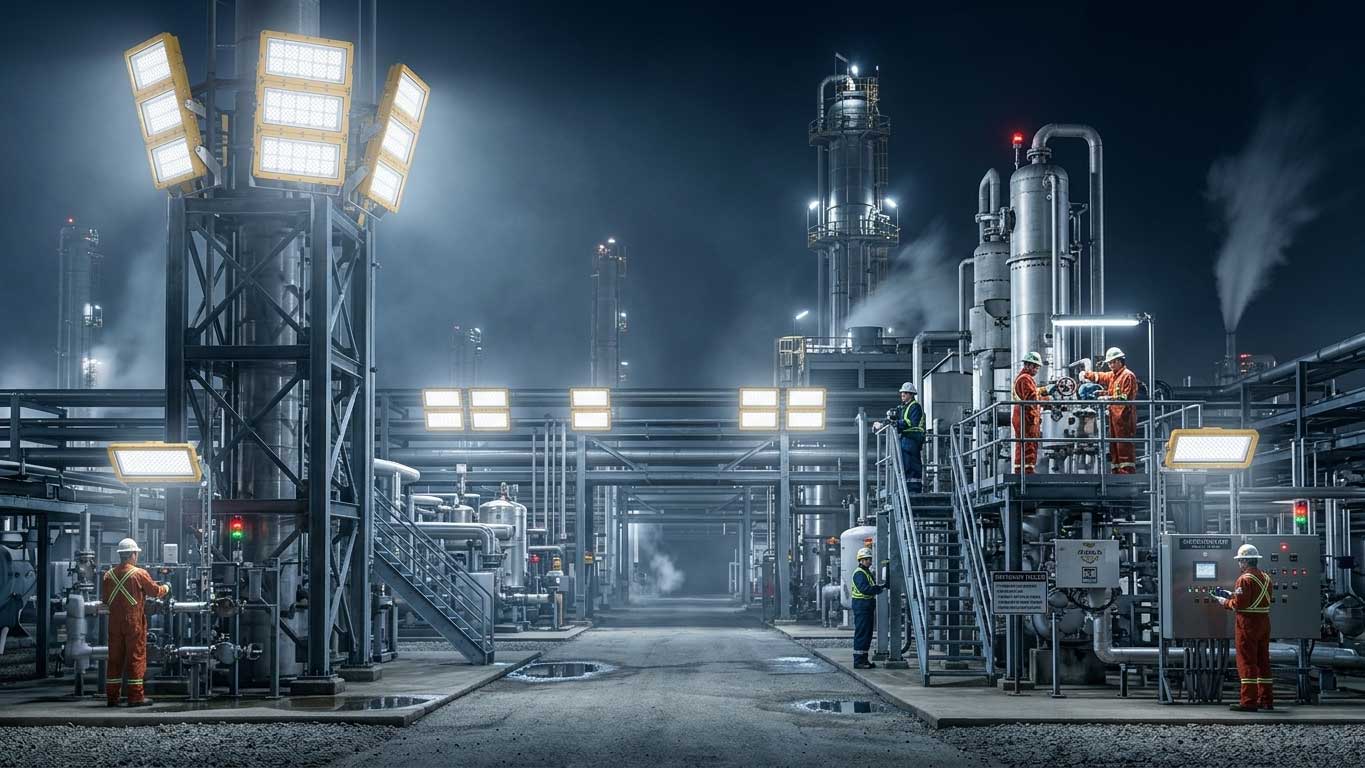
Class 1 Div 2 light fixtures are certified lighting systems designed for hazardous locations where flammable gases or vapors are not normally present during daily operations but may appear under abnormal conditions. These fixtures reduce ignition risks while delivering reliable industrial illumination in oil, gas, chemical, and manufacturing facilities.
A lot of people misunderstand what “Div 2” really means. It does not mean “safe enough for regular lights.” In real industrial environments, Division 2 areas still carry serious ignition risks. I’ve personally seen inspectors shut down newly installed warehouse lighting because standard LED high bays were mounted only 20 feet from classified solvent storage areas. The fixtures worked perfectly — until compliance officers arrived.
That difference matters.
Industrial facilities often contain invisible ignition hazards.
Fuel vapor. Solvent mist. Ethanol gas. Hydrogen leakage. Methane pockets.
Under ordinary conditions, these substances stay sealed inside process systems. But during equipment failure, valve leaks, maintenance activity, or ventilation loss, explosive atmospheres can form unexpectedly.
That is exactly where class 1 division 2 lighting becomes necessary.
According to the U.S. National Fire Protection Association (NFPA), flammable vapor ignition incidents continue to occur in petroleum handling, chemical processing, and wastewater treatment facilities every year. OSHA also maintains strict hazardous-location compliance rules under NEC Article 500 for classified industrial environments.
The role of class 1 div 2 light fixtures is simple:
They must never become the ignition source.
The NEC (National Electrical Code) hazardous location system separates dangerous environments into Classes and Divisions.
Class I locations contain:
Common examples include:
Division 2 means hazardous gases are:
This differs from Division 1, where explosive gas is expected during normal production processes.
| Industry | Common Hazard | Typical Lighting Area |
|---|---|---|
| Oil & Gas | Methane, propane | Pump stations |
| Chemical Processing | Solvent vapor | Mixing rooms |
| Wastewater Plants | Hydrogen sulfide | Treatment tunnels |
| Paint Facilities | Flammable vapor | Spray booth perimeters |
| Food Processing | Ethanol vapor | Packaging zones |
| Aviation Fueling | Jet fuel vapor | Hangar fueling areas |
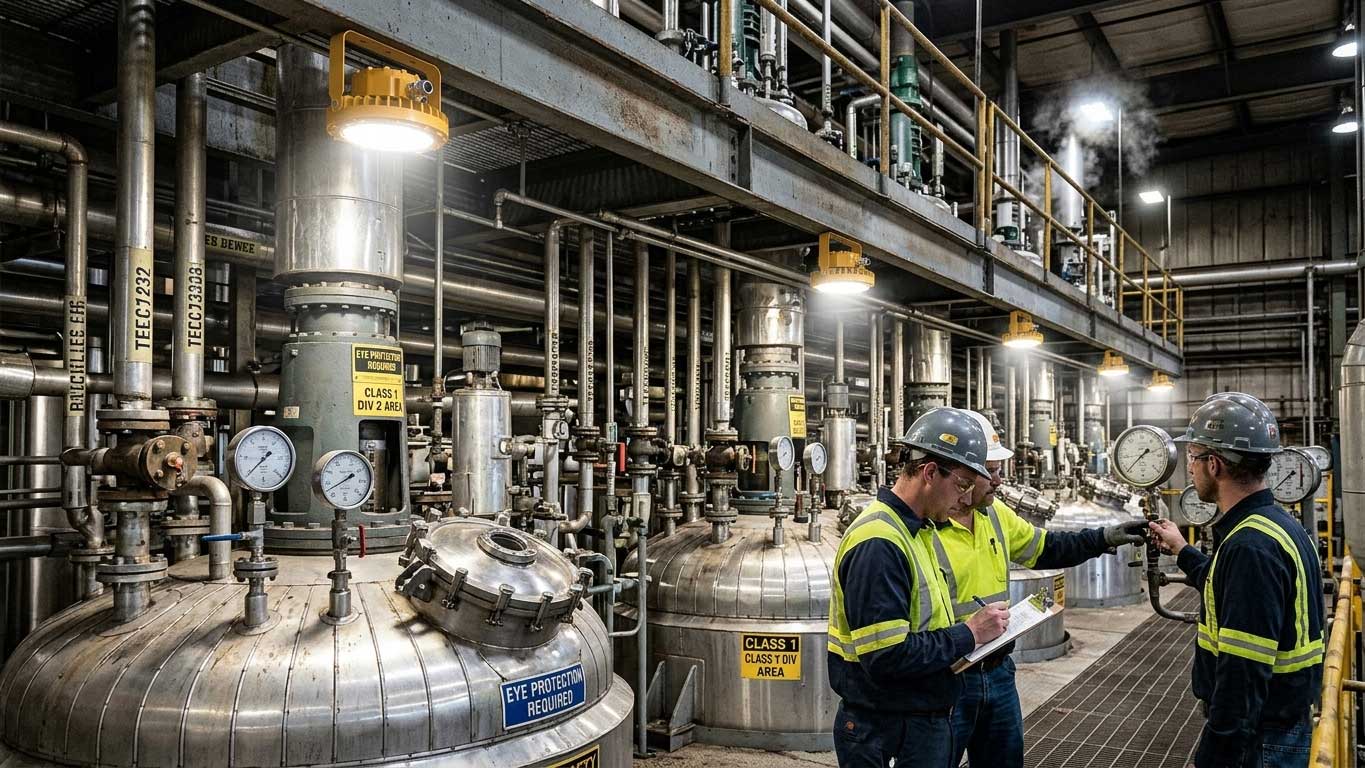
One overlooked reality: many “clean-looking” industrial buildings are still hazardous locations internally.
I visited a Midwest ethanol facility where the production floor looked cleaner than most hospitals. But hidden vapor release points still required c1d2 led lighting throughout the building perimeter.
At first glance, they may look similar.
Internally, they are not.
Ordinary industrial fixtures prioritize cost and lightweight construction.
Hazardous location light fixtures use:
SEEKINGLED fixtures commonly use marine-grade powder-coated aluminum combined with stainless-steel fasteners for long-term industrial durability.
Surface temperature matters enormously.
A standard LED driver operating too hot can ignite vapor even without visible sparks.
That is why explosion proof LED lights must comply with strict temperature codes like:
| T-Code | Maximum Surface Temperature |
|---|---|
| T1 | 450°C |
| T2 | 300°C |
| T3 | 200°C |
| T4 | 135°C |
| T5 | 100°C |
| T6 | 85°C |
Modern class 1 div 2 LED fixtures are frequently designed around T4 ratings or better.
One of the biggest mistakes buyers make is focusing only on IP ratings.
IP66 does NOT equal hazardous-location certification.
Proper class 1 division 2 lighting should carry recognized certifications such as:
Always verify:
Some low-cost imported fixtures use misleading wording like “hazardous-rated style” without legitimate testing.
That becomes dangerous fast.
Ten years ago, HID fixtures dominated hazardous environments.
They also created problems:
Modern c1d2 led lighting solved many of these issues.
Typical modern LED hazardous fixtures now achieve:
The U.S. Department of Energy has repeatedly documented LED energy savings exceeding 40% compared with legacy HID systems in industrial applications.
In offshore environments, the maintenance savings alone often justify the upgrade.
Replacing failed HID lamps 80 feet above a drilling platform during winter storms is not something maintenance crews enjoy.
This issue rarely appears in spec sheets.
But in coastal or chemical environments, corrosion destroys lighting systems faster than electrical failure.
SEEKINGLED hazardous-area fixtures use:
That matters heavily in:
Before selecting fixtures, evaluate:
Verify:
Common industrial mounting options include:
Improper mounting can compromise both safety and beam distribution.
Wide flood optics work better in:
Narrow optics suit:
Industrial projects commonly require:
Always confirm driver compatibility before installation.
Most procurement teams focus only on fixture price.
Experienced maintenance engineers focus on access difficulty.
That difference changes everything.
In one offshore retrofit project, the cheapest hazardous-area fixtures saved roughly $12,000 upfront.
Three years later, corrosion failure and repeated maintenance shutdowns cost more than five times the original savings.
Industrial lighting should always be evaluated using total ownership cost:
Not simply fixture purchase price.
Even certified fixtures become non-compliant if installers use:
High ambient temperatures reduce LED driver lifespan dramatically.
Desert refineries and steel plants often exceed 50°C ambient conditions.
Fixtures must be rated accordingly.
Division 1 and Division 2 environments require different protection methods.
Over-specifying wastes money.
Under-specifying creates legal and safety risks.
Not always. Some use non-incendive protection instead of fully explosion-proof construction.
No. Ordinary fixtures lack hazardous-location certification and may become ignition sources.
Oil & gas, chemical plants, wastewater treatment, fuel terminals, aviation fueling, ethanol processing, and paint facilities.
Div 1 hazards exist during normal operation. Div 2 hazards appear only during abnormal conditions.
High-quality fixtures commonly last 50,000–100,000 hours depending on environment and operating temperature.
SEEKINGLED designs hazardous-area lighting systems for demanding industrial environments including:
Key features include:
These are not decorative fixtures pretending to be industrial products.
They are built specifically for environments where failure can escalate very quickly.
Author: Daweiboss
Brand: SEEKINGLED
Daweiboss specializes in hazardous-area LED lighting systems for industrial facilities including oil & gas, marine engineering, petrochemical processing, and heavy manufacturing environments. His field experience includes explosion-proof lighting retrofits, hazardous-location compliance reviews, and industrial energy-efficiency upgrades.
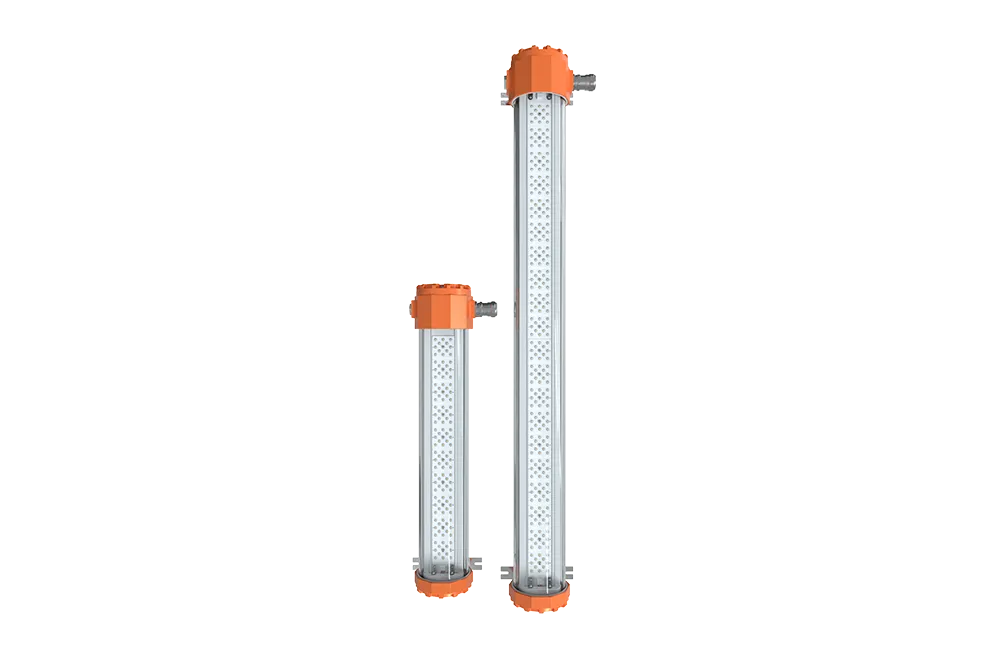
SEEKINGLED LED Linear Explosion Proof Light and Explosion Proof lighting is ATEX and IECEx certified for Zone 1, Zone 2, Zone 21 and Zone 22 hazardous locations, built for long-term industrial use.
View details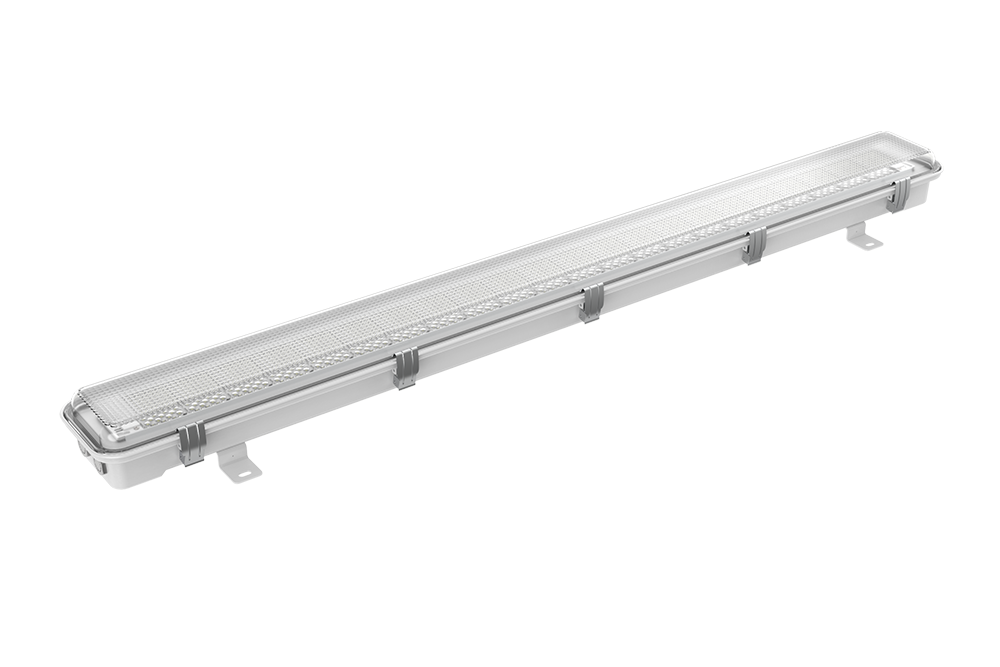
LED Linear Explosion Proof Lights and EX Proof lights for Zone 1, Zone 2, Zone 21 and Zone 22 hazardous areas. ATEX & IECEx certified explosion proof LED linear lighting with emergency function, adjustable power and IP67 protection by SEEKINGLED.
View details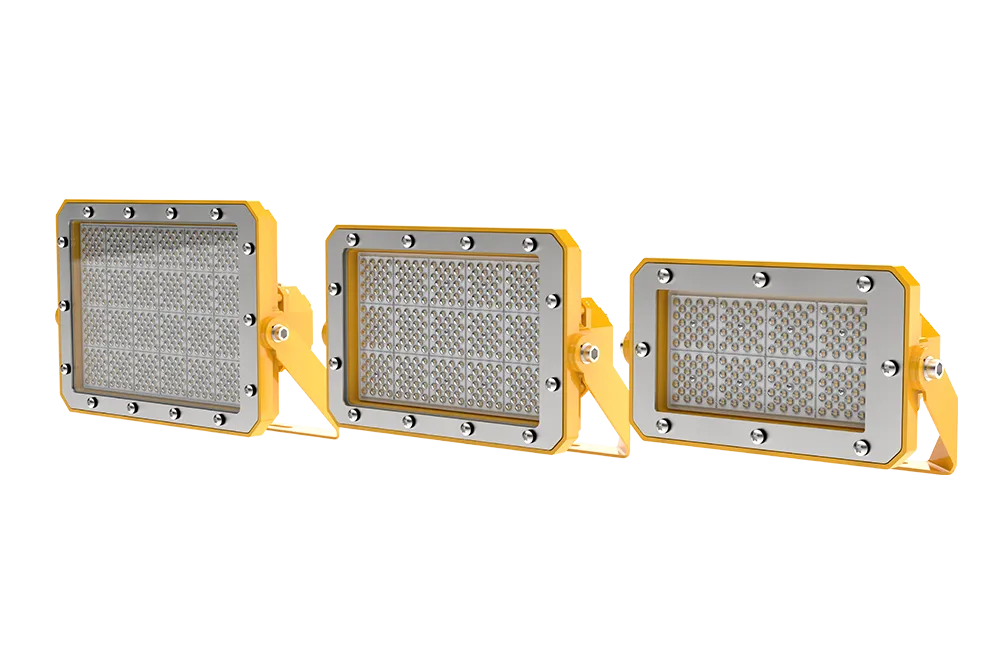
SEEKINGLED LED Explosion Proof Flood Lights are ATEX certified for Zone 2 and Zone 22 hazardous areas, offering high efficiency, adjustable power and integrated junction box.
View details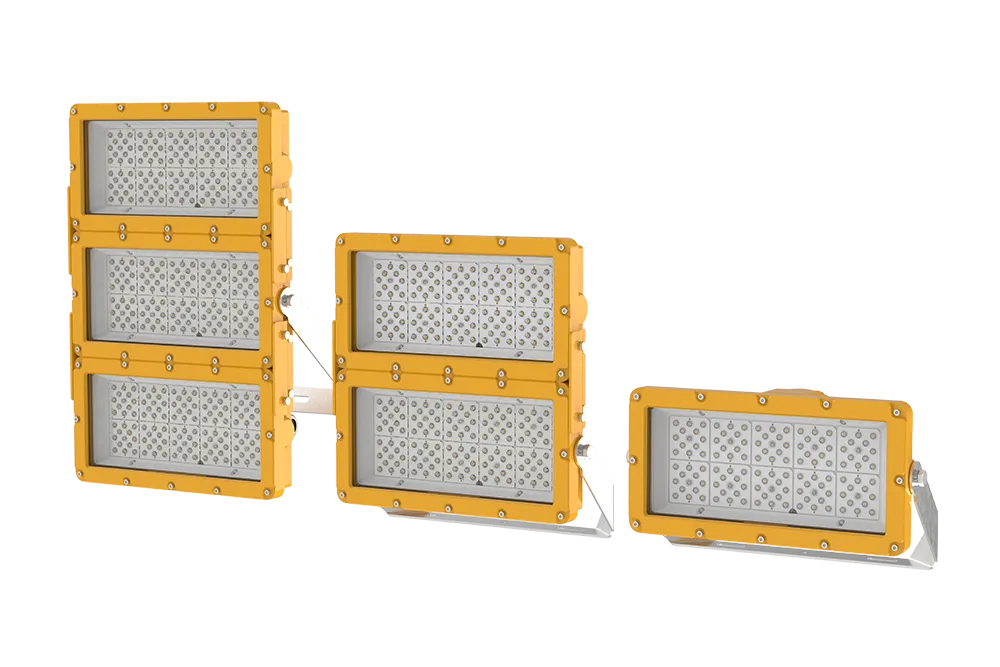
SEEKINGLED LED Explosion Proof Flood Lights are flameproof ATEX and IECEx certified for Zone 1 and Zone 2 hazardous areas, offering high power, adjustable output and long service life.
View details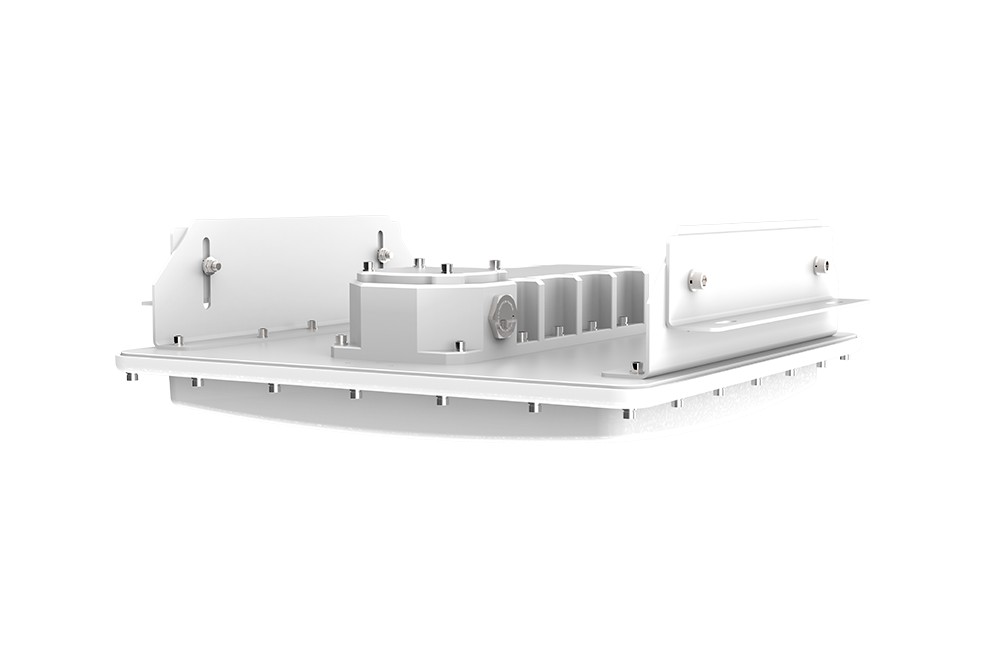
SEEKINGLED LED Gas Station Canopy Lights are ATEX certified for Zone 2 and Zone 22 hazardous areas, featuring adjustable power and built-in explosion-proof junction box.
View details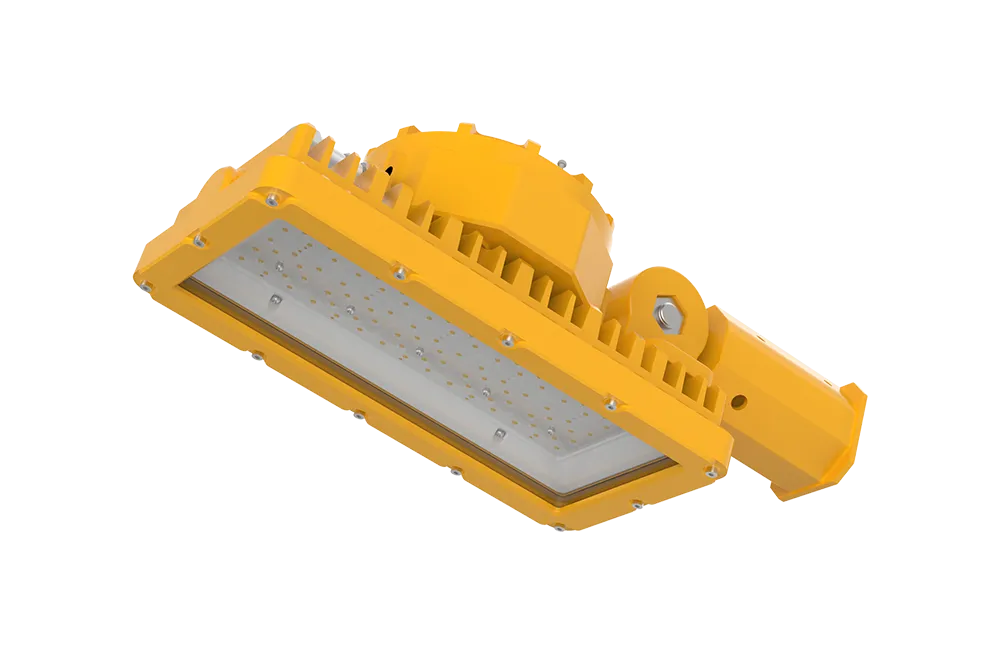
ATEX: Ex II 2G Ex db IIB T6/T5 GbEx II 2D Ex tb IIIC T80°C/ T95°C Db IECEx Ex db IIB T6 Gb;Ex tb IIIC T80°C Db Feature: ● For Zone 1,2 and Zone 21,22● Flameproof type, the strongest● 100W can replace 250W HID,energy saving● Power:60W,80W,100W Application: Oil and gas, marine, Chemical, pharmaceutical, semiconductor,mining,military industr…
View details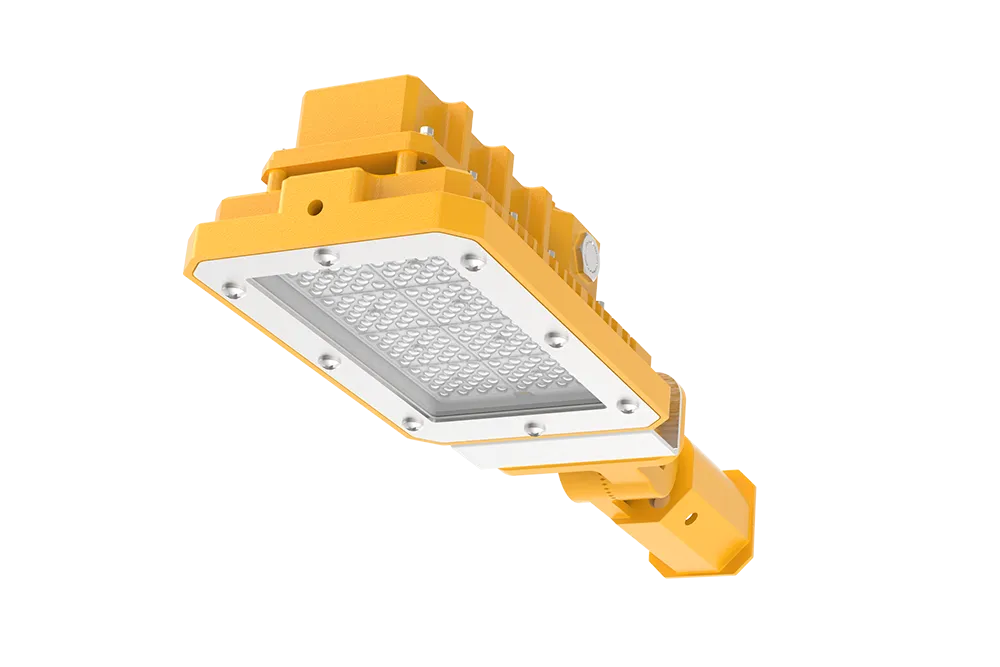
ATEX: II 3G Ex nR ⅡC T5/T6 GcII 3D Ex tc ⅢC T80℃/T95℃Dc ATEX Certificate NO: TÜV CY 26 ATEX 0207611 X Feature: ● For Zone 2 and Zone 22● 150W can replace 250W HID lamps,Energy saving● Power:50W,75W,100W,150W,200W Application: Oil and gas, marine, Chemical, pharmaceutical, semiconductor,mining,military industry, paint booth,power plant ETC…
View details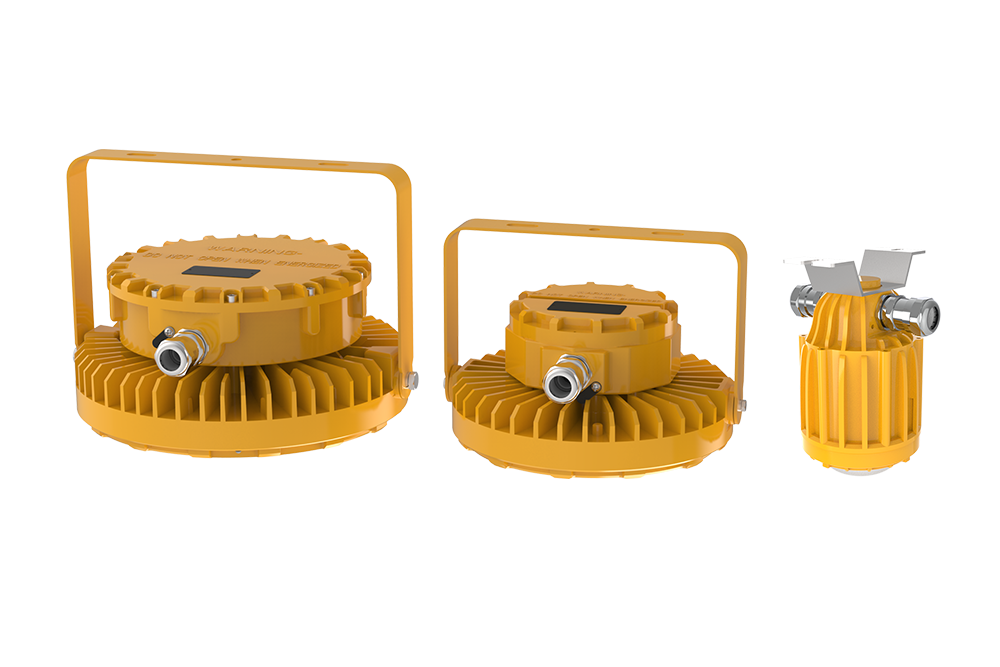
LED explosion proof high bay lights are designed for Zone 1, Zone 2, Zone 21 and Zone 22 hazardous areas. This page introduces the HB21 Series from SEEKING, including certifications, power options and real application considerations.
View details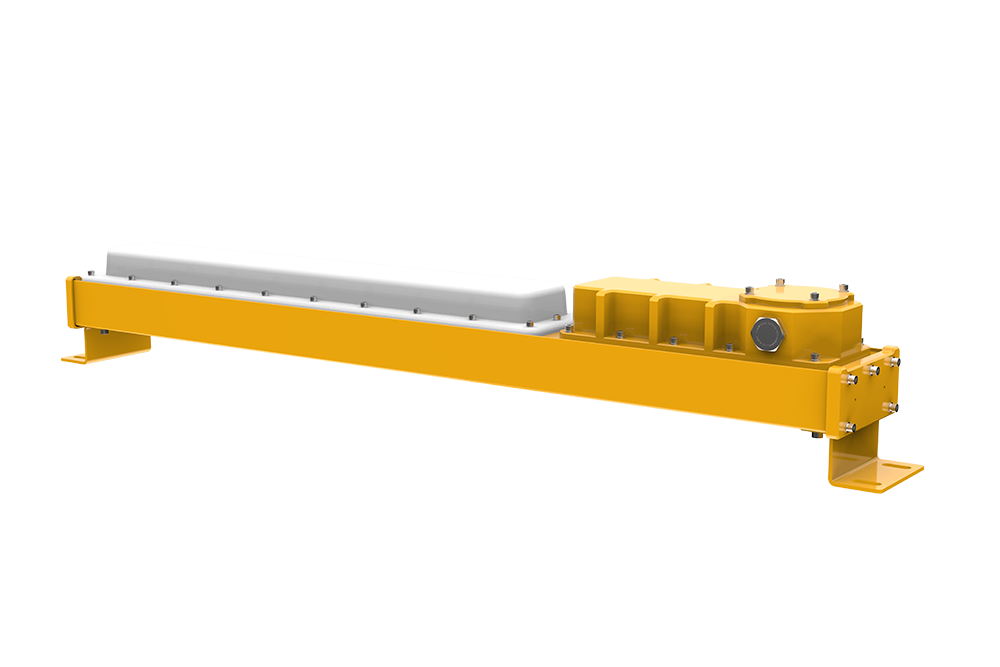
LED Linear Explosion Proof Lights from SEEKINGLED. LU Series Flame Proof lights ATEX-certified explosion proof LED linear lighting for Zone 2 gas and Zone 22 dust areas, IP69K, IK10, long lifetime and flexible power options.
View details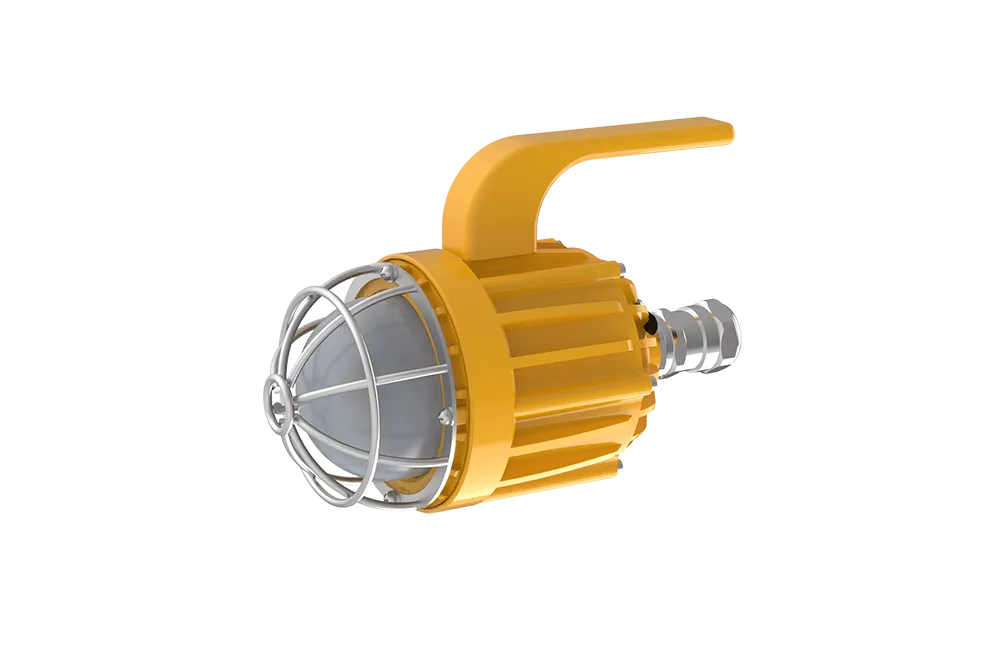
Certified explosion proof work lights for Zone 1 & 21 hazardous areas. Portable, ATEX & IECEx approved, built for oil, gas and chemical plants by SEEKINGLED.
View details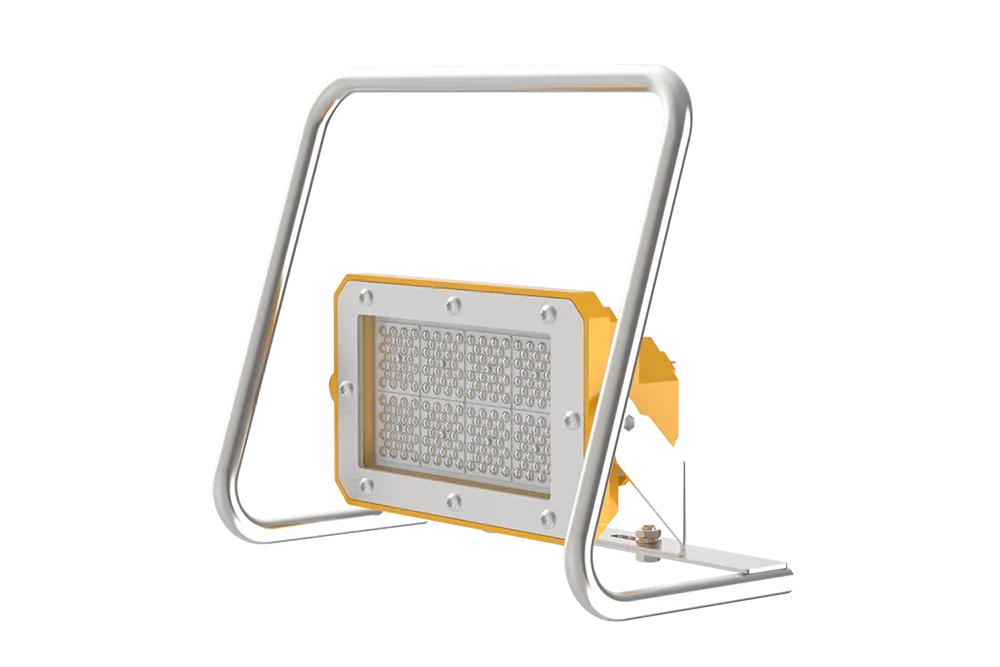
ATEX: II 3G Ex nR ⅡC T6 GcII 3D Ex tc ⅢC T80℃ Dc ATEX Certificate NO: TÜV CY 26 ATEX 0207611 X Feature: ● For Zone 2 and Zone 22● Accepts battery-powered supply● indestructible● Power:AC input:50W,75W,100WDC input:15W,25W,35W Application: Oil and gas, marine, Chemical, pharmaceutical, semiconductor,mining,military industry, paint booth,po…
View details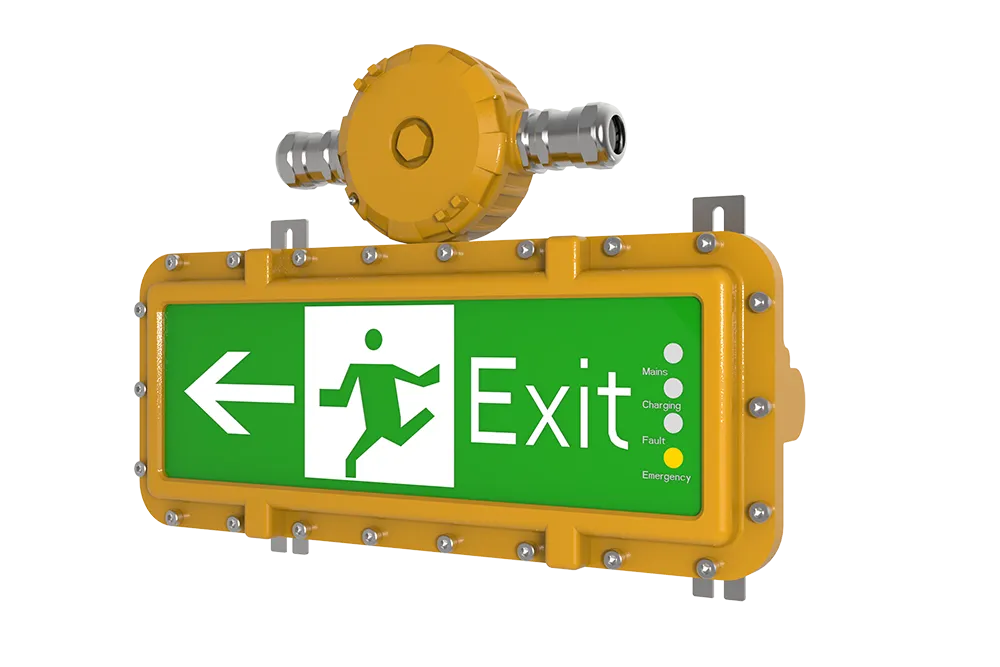
ATEX: Ex II 2G Ex db IIB T6 GbEx II 2D Ex tb IIIC T80°C Db IECEx Ex db IIB T6 Gb;Ex tb IIIC T80°C Db Feature: ● For Zone 1,2 and Zone 21,22● Flameproof type, the strongest Application: Oil and gas, marine, Chemical, pharmaceutical, semiconductor,mining,military industry, paint booth,power plant ETC hazardous area. Technical Specifications:…
View details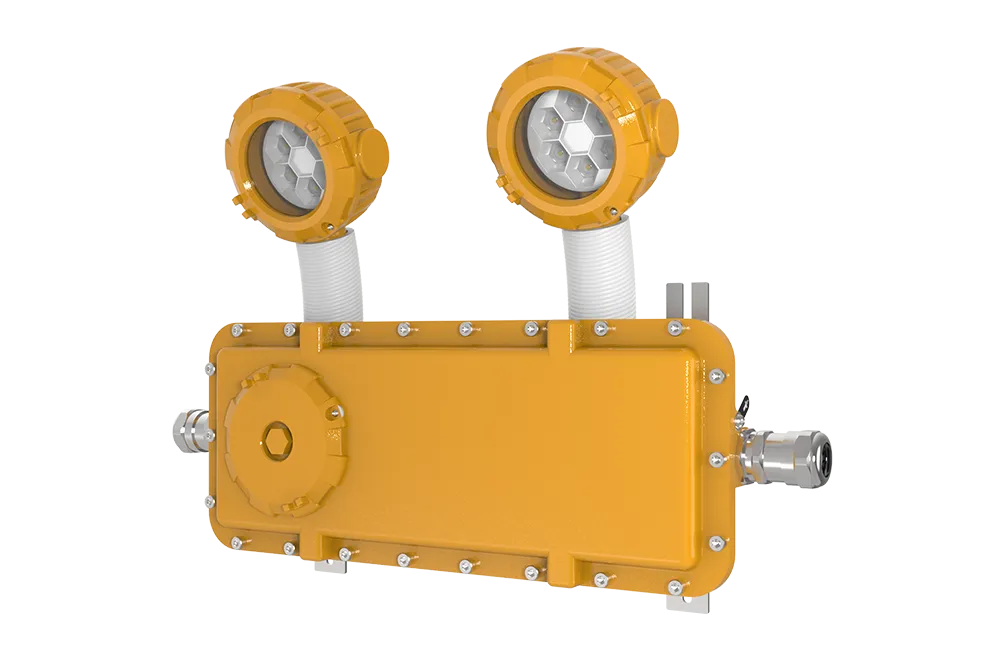
ATEX: Ex II 2G Ex db IIB T6 GbEx II 2D Ex tb IIIC T80°C Db IECEx Ex db IIB T6 Gb;Ex tb IIIC T80°C Db Feature: ● For Zone 1,2 and Zone 21,22● Flameproof type, the strongest Application: Oil and gas, marine, Chemical, pharmaceutical, semiconductor,mining,military industry, paint booth,power plant ETC hazardous area. Technical Specifications:…
View details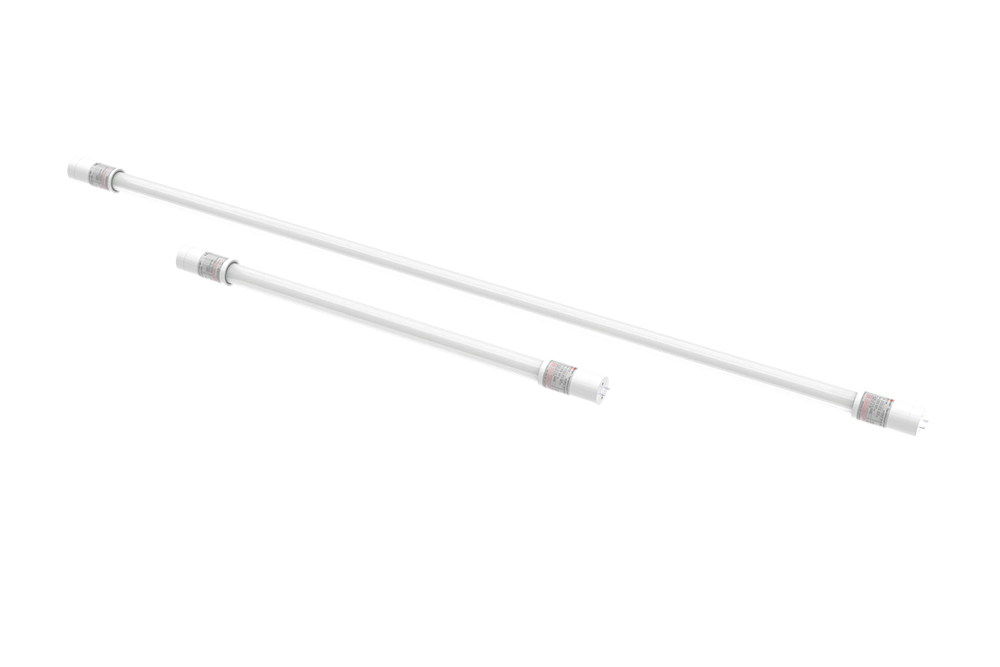
ATEX: Ex II 2G Ex d e IIB T6 Gb ATEX: Ex d e IIB T6 Gb; Feature: ● For Zone 1,2● 9W can replace 18W fluorescent lamps,50% Energy saving Application: Oil and gas, marine, Chemical, pharmaceutical, semiconductor,mining,military industry, paint booth,power plant ETC hazardous area. Technical Specifications: Standards:60079-0, 60079-1, 60079…
View details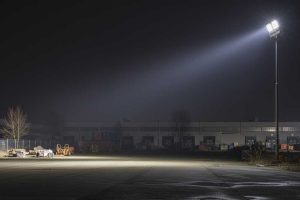
500W LED flood explained for large outdoor projects. Learn where it works, where it fails, and how SEEKINGLED applies it in real installations.
View details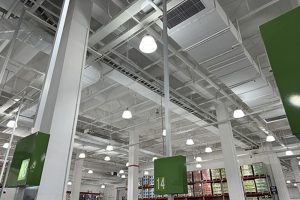
Discover how SEEKING LED Lighting Solutions helped Sam’s Club upgrade its high-ceiling supermarket lighting using XJ-HBC150W and XJ-HBC200W fixtures, improving brightness, comfort and energy efficiency.
View details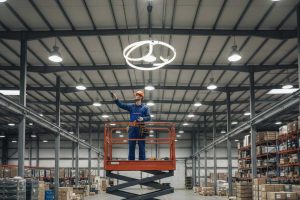
Learn how to stop LED high bay lights from flickering in warehouses and factories. Real causes, practical fixes, and installation insights from SEEKINGLED.
View details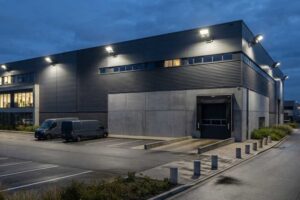
Flood lights are directional fixtures that project controlled illumination across large areas or specific surfaces.
View details