 Seeking LED
Where to Buy LED Light Replacements for Street Lighting?
245Where to buy LED light replacements for street lighting without guessing wrong. A real-world guide based on replacement projects and supplier experience.
View detailsSearch the whole station
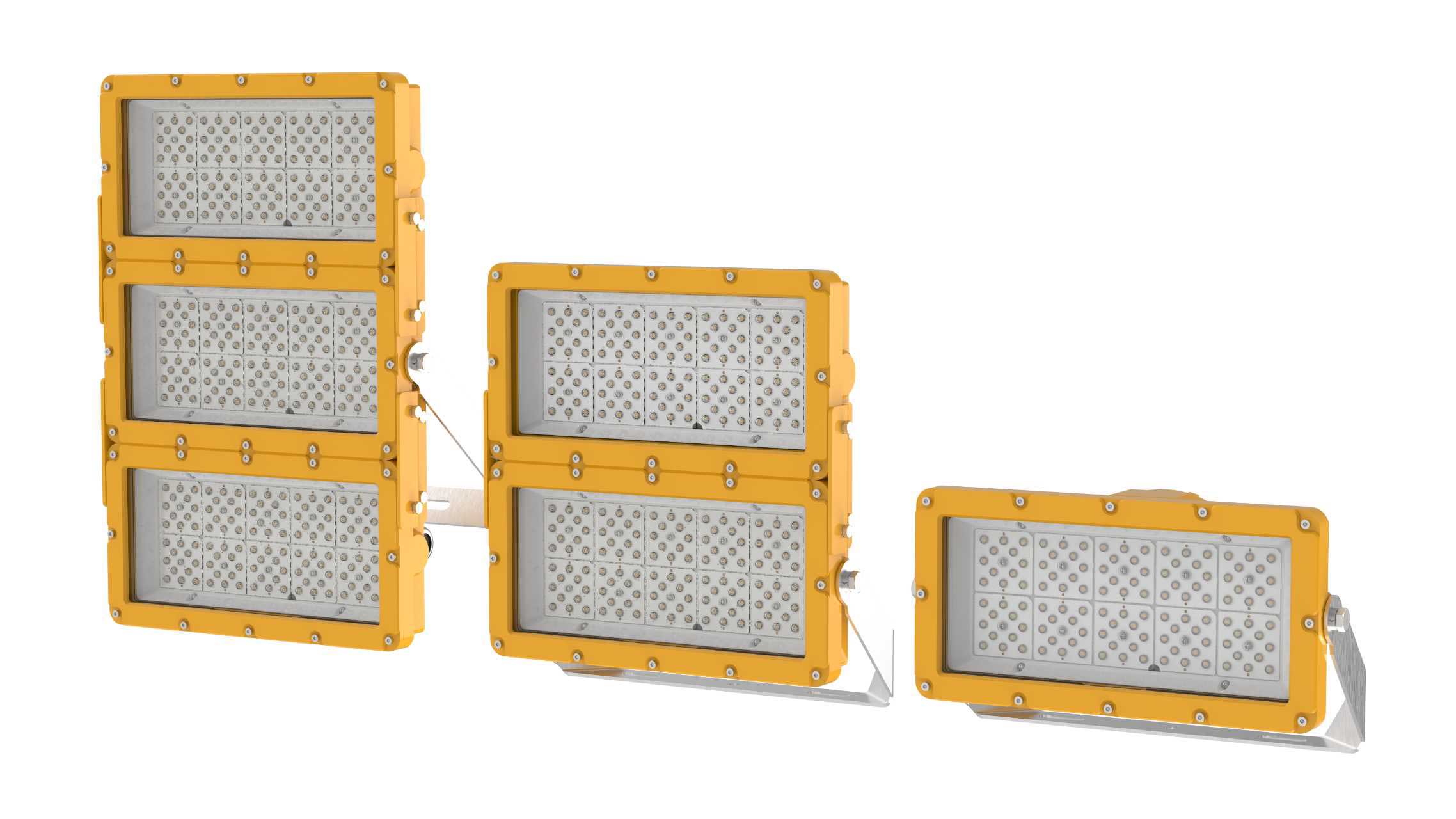
Explosion-proof lights prevent explosions primarily by ensuring the luminaire itself does not become an ignition source for the surrounding hazardous atmosphere. Below is a technical overview of the main protection methods used in hazardous area lighting:
| Protection Type | Code | Core Principle | Typical Zone | Common Applications |
| Flameproof | Ex d | Contains & cools internal explosion | Zone 1/2 | High-power floodlights, bulkheads |
| Increased Safety | Ex e | Prevents sparks & hot surfaces | Zone 1/2 | Terminal boxes, auxiliary parts |
| Encapsulation | Ex m | Fully potted electrical components | Zone 1/2 | LED drivers, compact modules |
| Type n | Ex n | Non-sparking + energy limitation | Zone 2 | Lower-risk area lighting |
| Intrinsic Safety | Ex i | Energy limitation | Zone 0/1/2 | Portable & emergency lights |
Original Author: Daweiboss from SEEKINGLED
For more information, feel free to visit:
Website: https://seekingled.com/fl7-series-led-explosion-proof-flood-lights
Facebook: https://www.facebook.com/reel/1342710760973702
Instagram: https://www.instagram.com/p/DQZByyzDzhG/
LinkedIn: https://www.linkedin.com/in/daweiboss/
YouTube: https://youtube.com/shorts/xzEZd-x2Irk
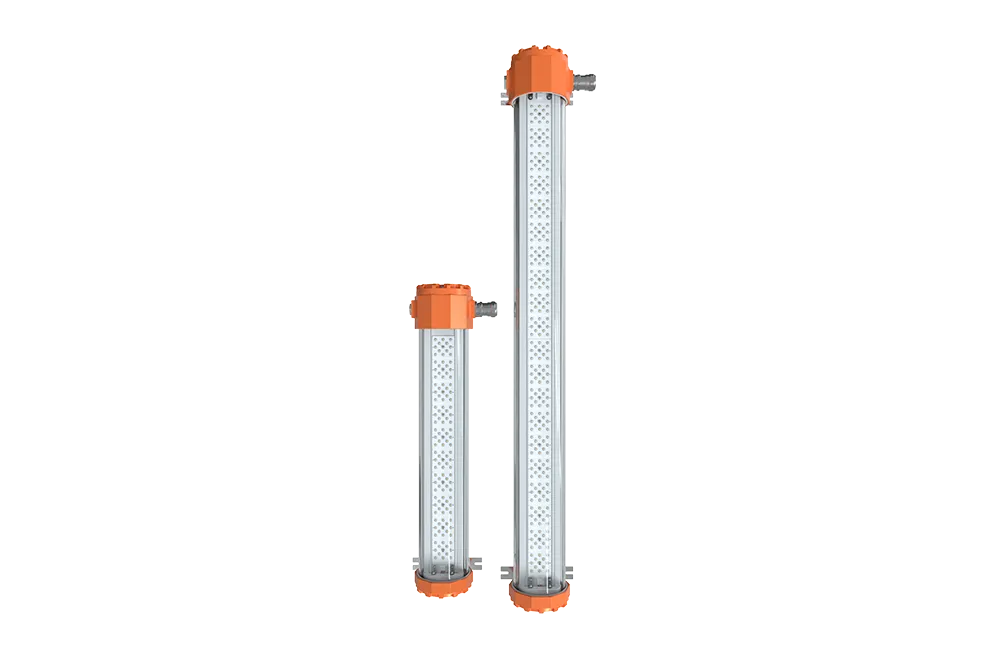
SEEKINGLED LED Linear Explosion Proof Light and Explosion Proof lighting is ATEX and IECEx certified for Zone 1, Zone 2, Zone 21 and Zone 22 hazardous locations, built for long-term industrial use.
View details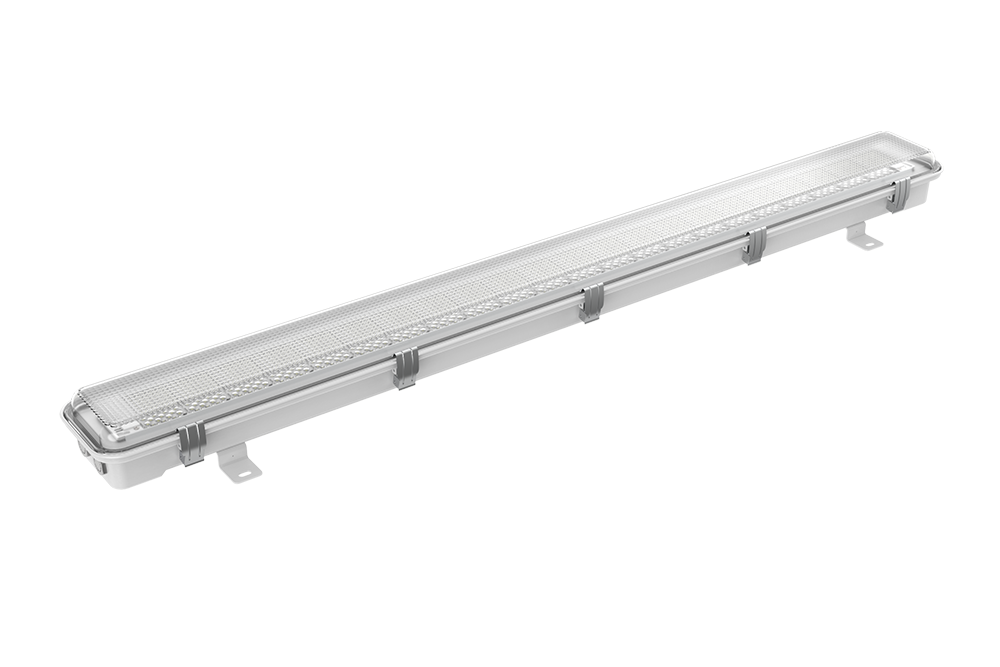
LED Linear Explosion Proof Lights and EX Proof lights for Zone 1, Zone 2, Zone 21 and Zone 22 hazardous areas. ATEX & IECEx certified explosion proof LED linear lighting with emergency function, adjustable power and IP67 protection by SEEKINGLED.
View details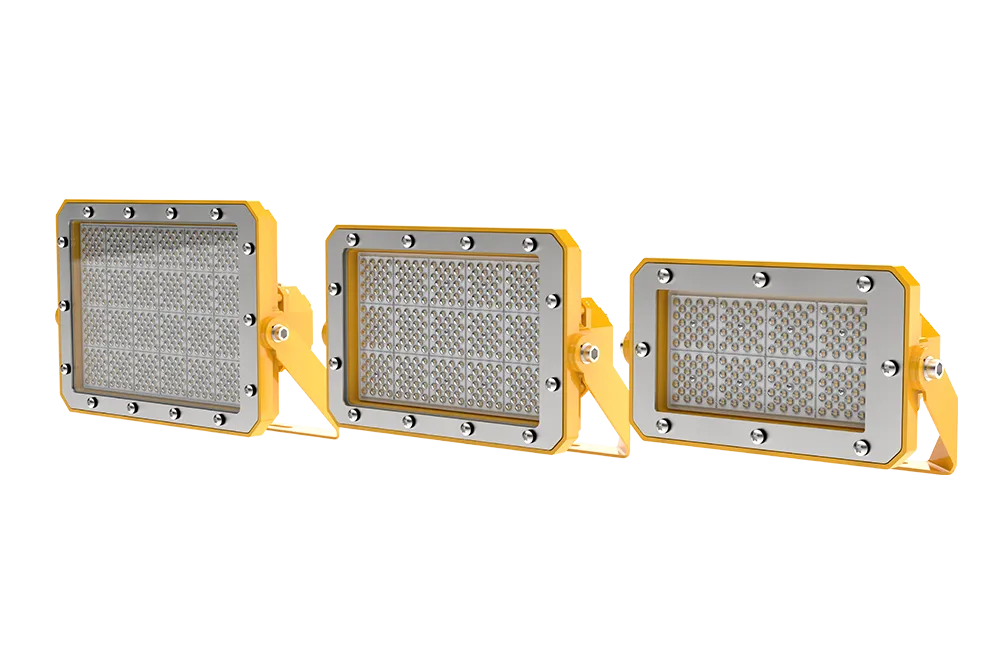
SEEKINGLED LED Explosion Proof Flood Lights are ATEX certified for Zone 2 and Zone 22 hazardous areas, offering high efficiency, adjustable power and integrated junction box.
View details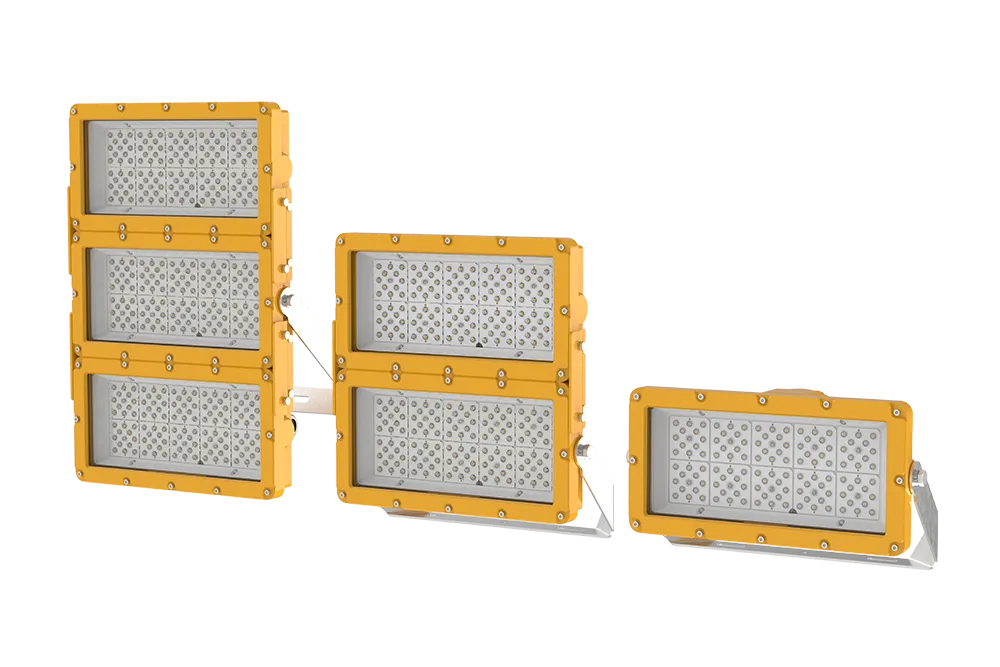
SEEKINGLED LED Explosion Proof Flood Lights are flameproof ATEX and IECEx certified for Zone 1 and Zone 2 hazardous areas, offering high power, adjustable output and long service life.
View details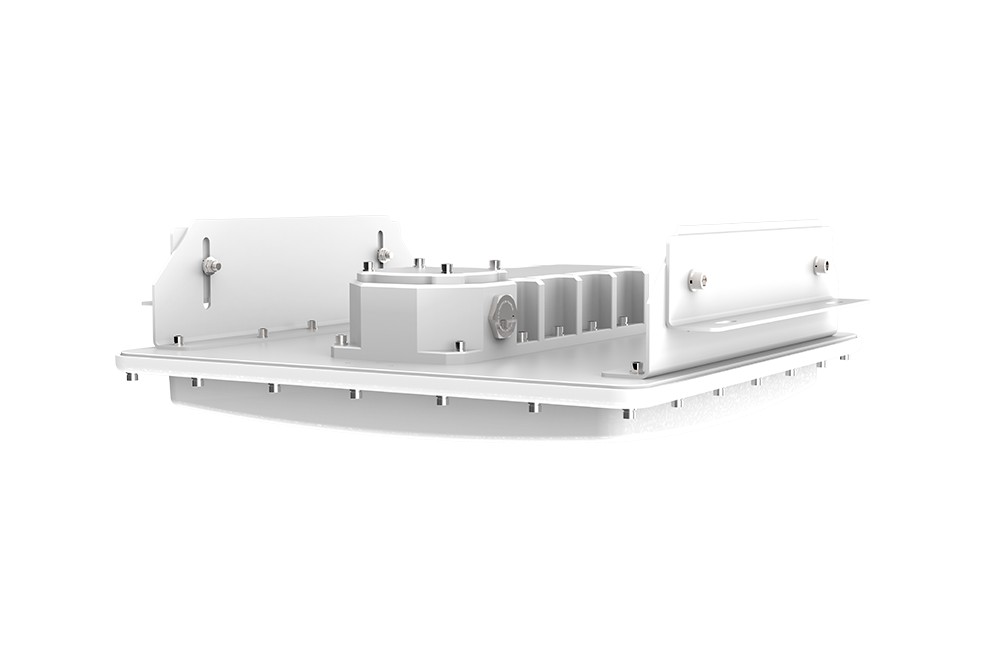
SEEKINGLED LED Gas Station Canopy Lights are ATEX certified for Zone 2 and Zone 22 hazardous areas, featuring adjustable power and built-in explosion-proof junction box.
View details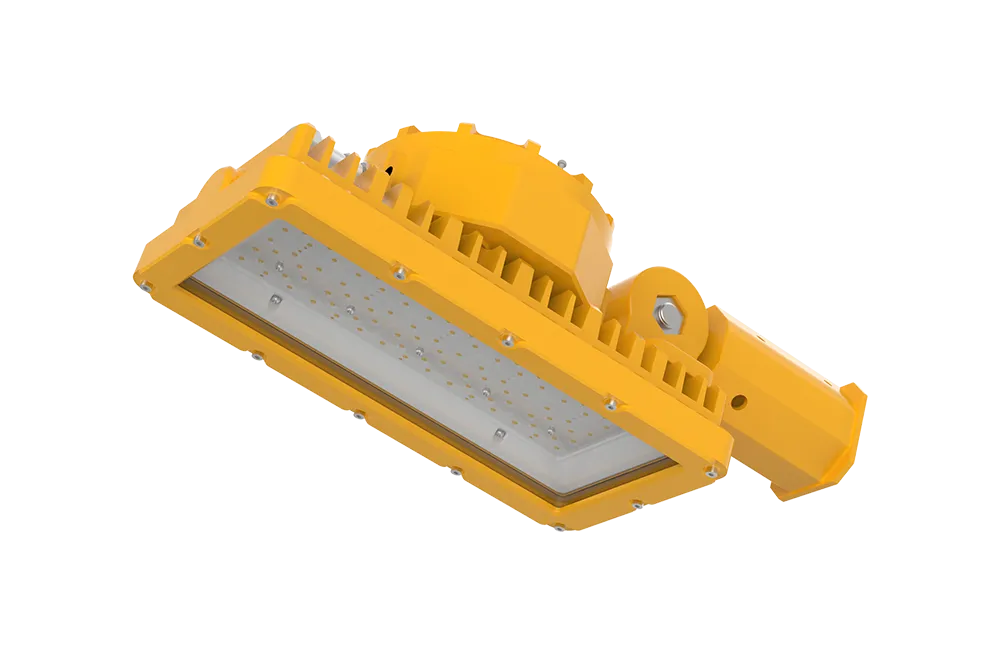
ATEX: Ex II 2G Ex db IIB T6/T5 GbEx II 2D Ex tb IIIC T80°C/ T95°C Db IECEx Ex db IIB T6 Gb;Ex tb IIIC T80°C Db Feature: ● For Zone 1,2 and Zone 21,22● Flameproof type, the strongest● 100W can replace 250W HID,energy saving● Power:60W,80W,100W Application: Oil and gas, marine, Chemical, pharmaceutical, semiconductor,mining,military industr…
View details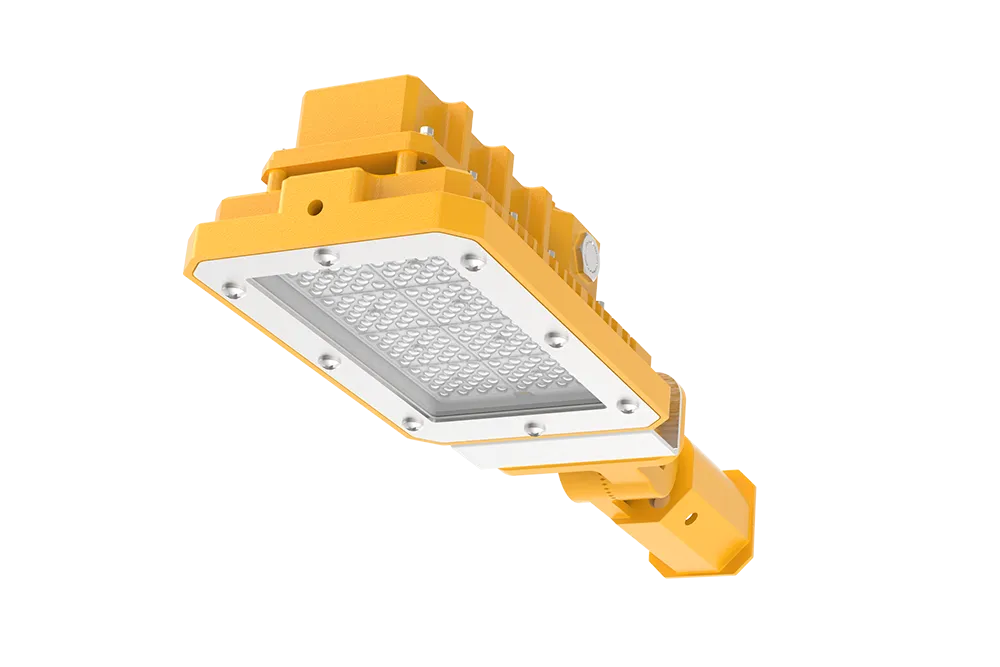
ATEX: II 3G Ex nR ⅡC T5/T6 GcII 3D Ex tc ⅢC T80℃/T95℃Dc ATEX Certificate NO: TÜV CY 26 ATEX 0207611 X Feature: ● For Zone 2 and Zone 22● 150W can replace 250W HID lamps,Energy saving● Power:50W,75W,100W,150W,200W Application: Oil and gas, marine, Chemical, pharmaceutical, semiconductor,mining,military industry, paint booth,power plant ETC…
View details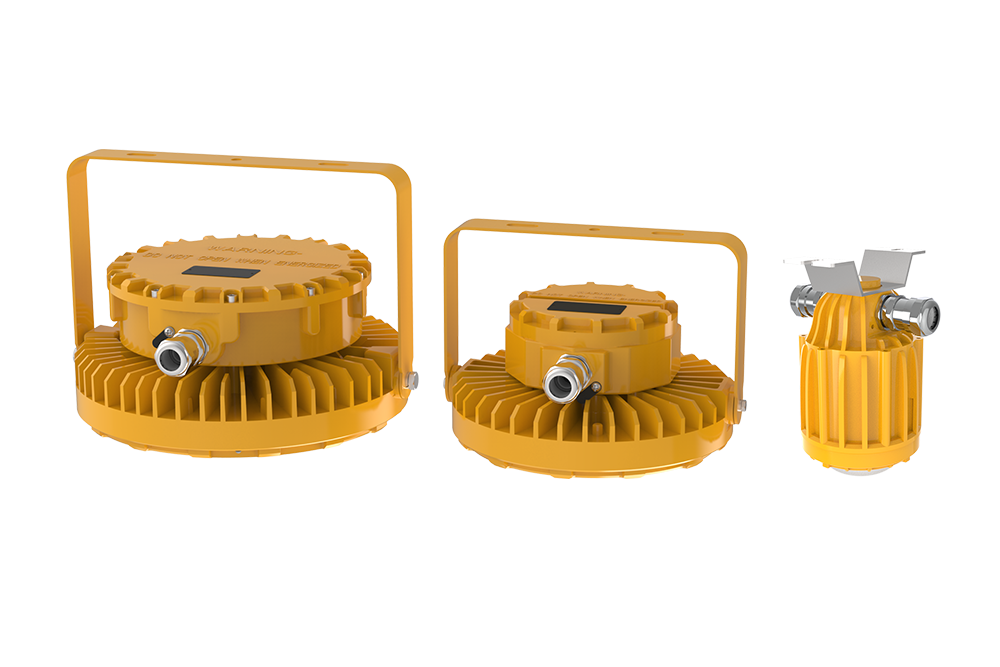
LED explosion proof high bay lights are designed for Zone 1, Zone 2, Zone 21 and Zone 22 hazardous areas. This page introduces the HB21 Series from SEEKING, including certifications, power options and real application considerations.
View details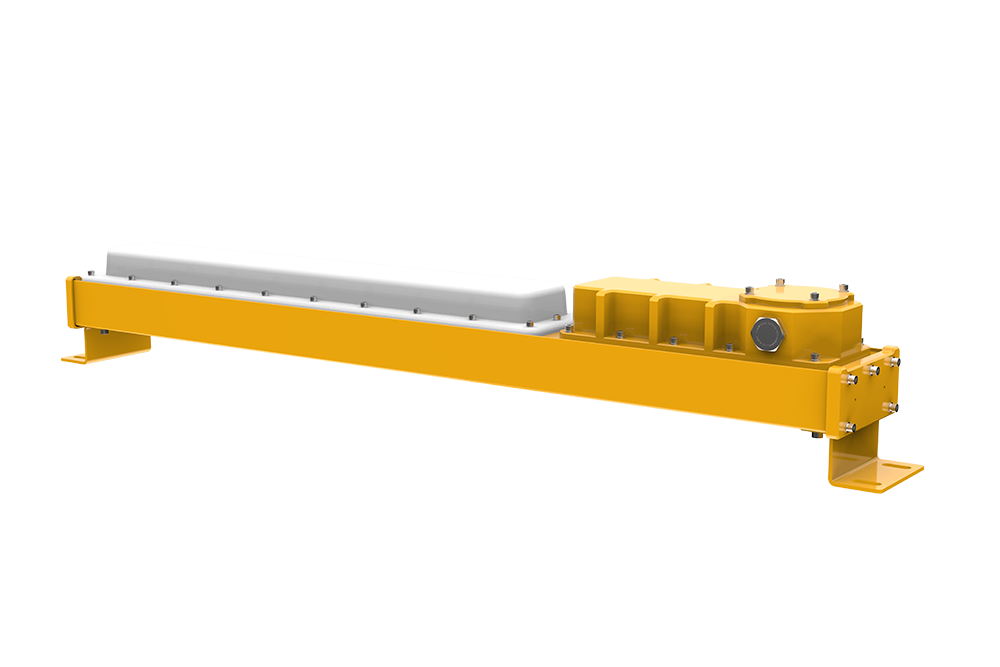
LED Linear Explosion Proof Lights from SEEKINGLED. LU Series Flame Proof lights ATEX-certified explosion proof LED linear lighting for Zone 2 gas and Zone 22 dust areas, IP69K, IK10, long lifetime and flexible power options.
View details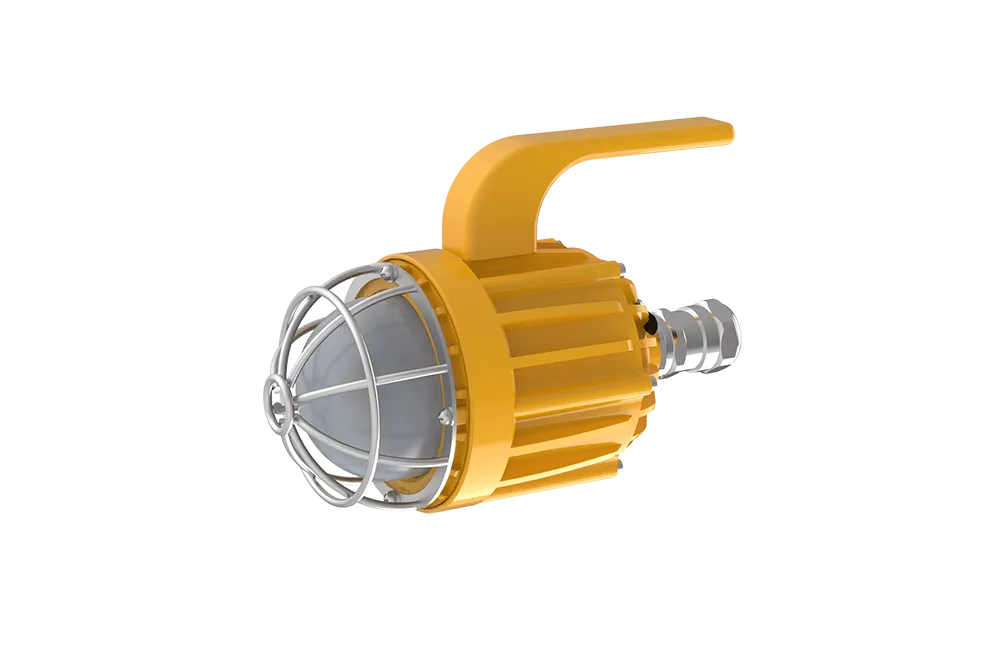
Certified explosion proof work lights for Zone 1 & 21 hazardous areas. Portable, ATEX & IECEx approved, built for oil, gas and chemical plants by SEEKINGLED.
View details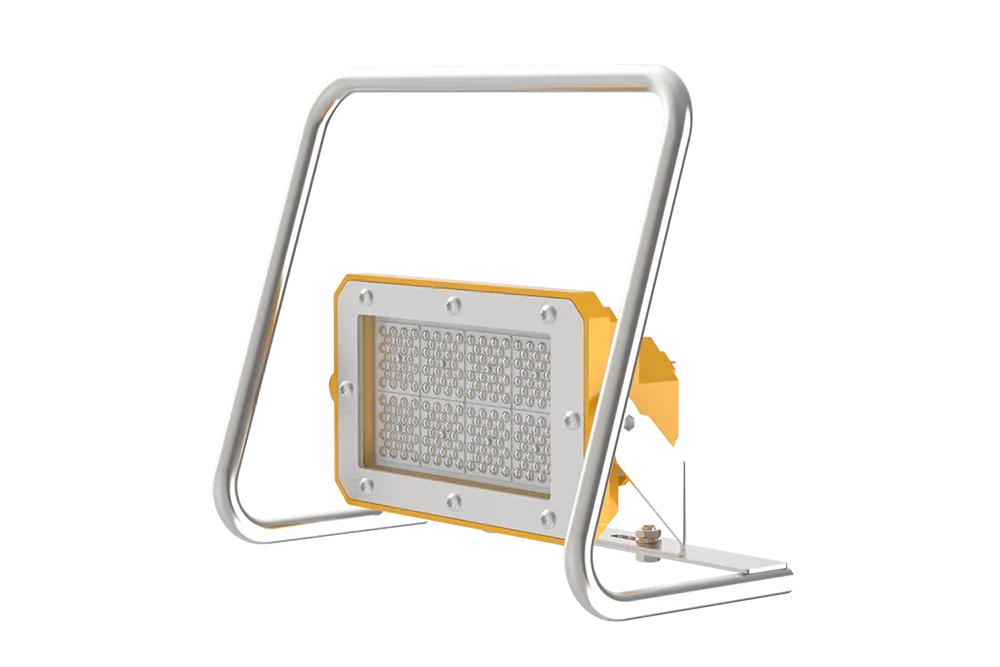
ATEX: II 3G Ex nR ⅡC T6 GcII 3D Ex tc ⅢC T80℃ Dc ATEX Certificate NO: TÜV CY 26 ATEX 0207611 X Feature: ● For Zone 2 and Zone 22● Accepts battery-powered supply● indestructible● Power:AC input:50W,75W,100WDC input:15W,25W,35W Application: Oil and gas, marine, Chemical, pharmaceutical, semiconductor,mining,military industry, paint booth,po…
View details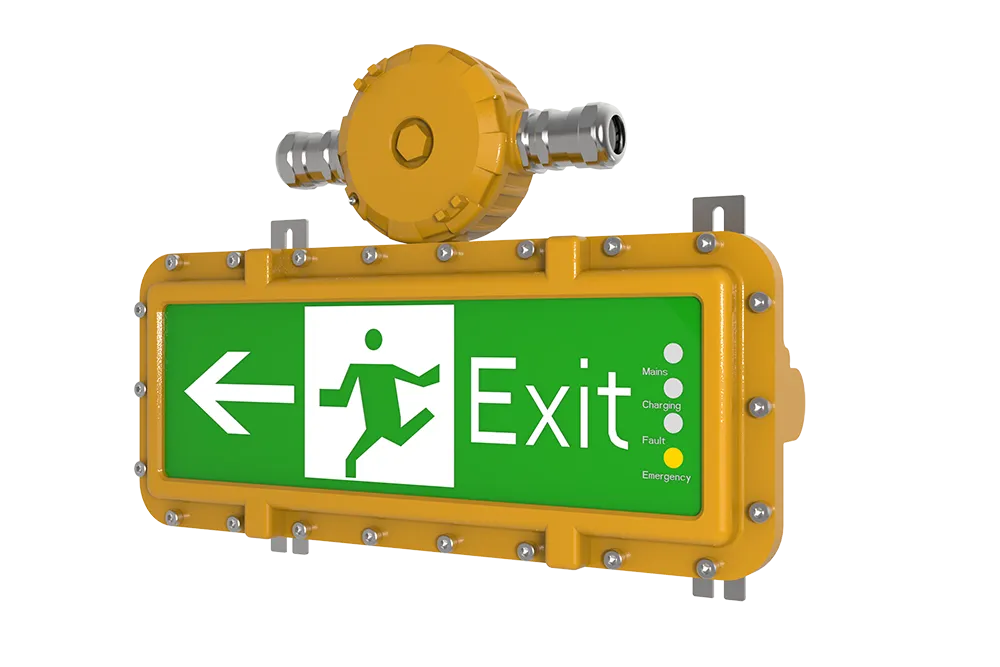
ATEX: Ex II 2G Ex db IIB T6 GbEx II 2D Ex tb IIIC T80°C Db IECEx Ex db IIB T6 Gb;Ex tb IIIC T80°C Db Feature: ● For Zone 1,2 and Zone 21,22● Flameproof type, the strongest Application: Oil and gas, marine, Chemical, pharmaceutical, semiconductor,mining,military industry, paint booth,power plant ETC hazardous area. Technical Specifications:…
View details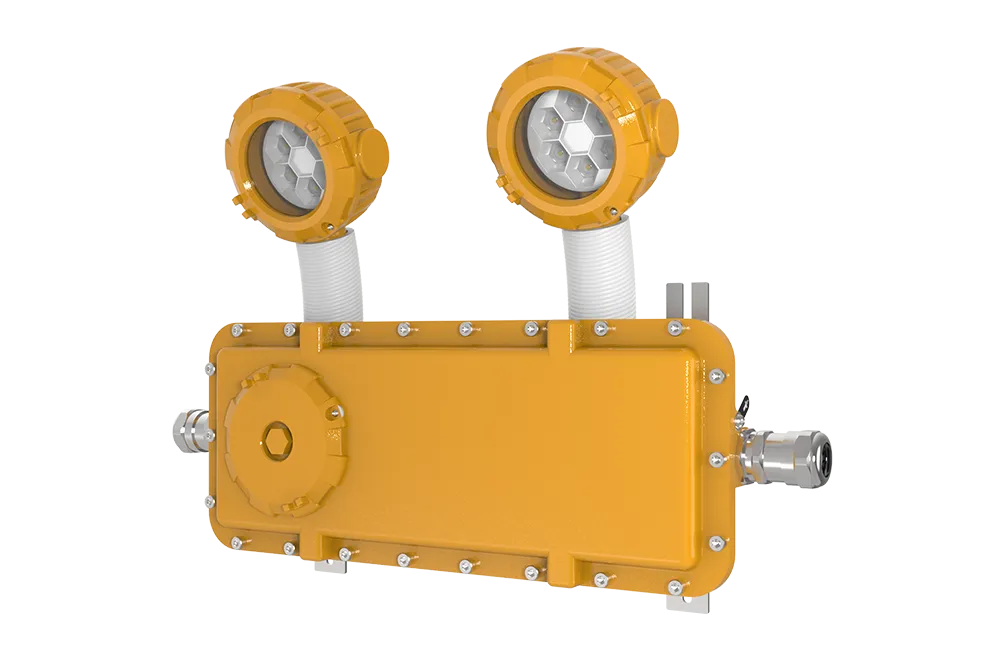
ATEX: Ex II 2G Ex db IIB T6 GbEx II 2D Ex tb IIIC T80°C Db IECEx Ex db IIB T6 Gb;Ex tb IIIC T80°C Db Feature: ● For Zone 1,2 and Zone 21,22● Flameproof type, the strongest Application: Oil and gas, marine, Chemical, pharmaceutical, semiconductor,mining,military industry, paint booth,power plant ETC hazardous area. Technical Specifications:…
View details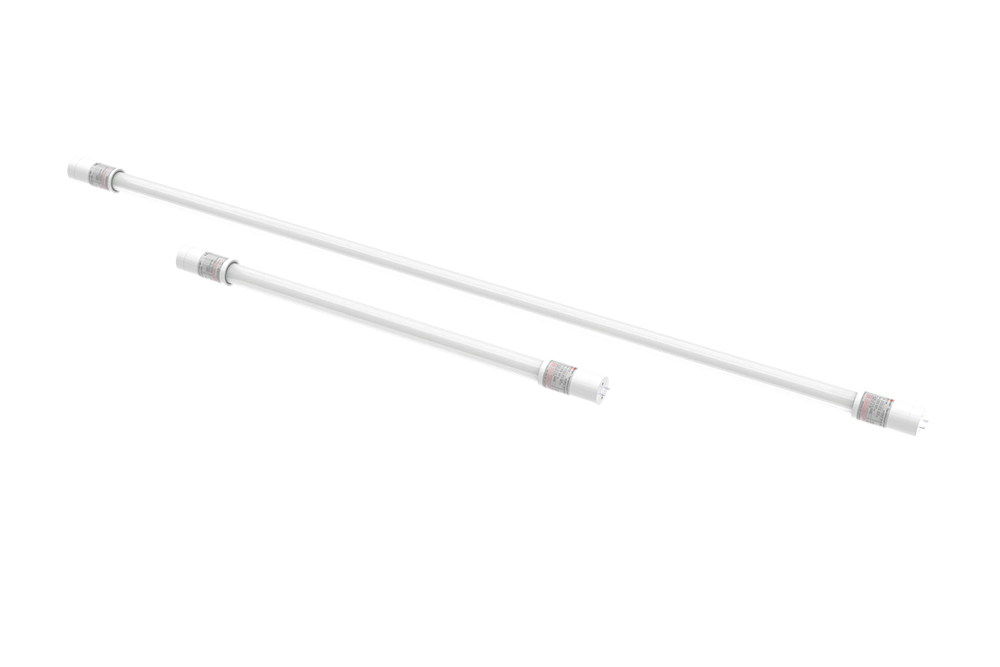
ATEX: Ex II 2G Ex d e IIB T6 Gb ATEX: Ex d e IIB T6 Gb; Feature: ● For Zone 1,2● 9W can replace 18W fluorescent lamps,50% Energy saving Application: Oil and gas, marine, Chemical, pharmaceutical, semiconductor,mining,military industry, paint booth,power plant ETC hazardous area. Technical Specifications: Standards:60079-0, 60079-1, 60079…
View details
Where to buy LED light replacements for street lighting without guessing wrong. A real-world guide based on replacement projects and supplier experience.
View details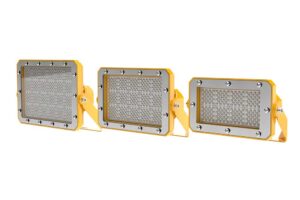
LED Explosion-Proof Lights run cooler, achieve T6 ratings, and offer superior safety over HID and fluorescent fixtures. Upgrade hazardous area protection today.
View details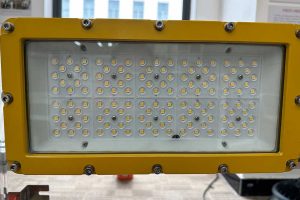
Explosion proof flood light engineered for Zone 1, 2, 21 and 22 hazardous areas. SEEKINGLED ATEX & IECEx certified fixtures deliver 150LM/W output and 100000-hour lifespan.
View details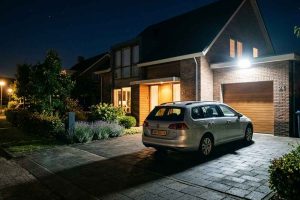
Are LED flood lights good for outdoor use? See real-world performance, pros, and what actually matters before choosing LED flood lighting.
View details