 Seeking LED
What Are Eco Friendly Flood Lights and Are They Really Worth Using?
133Choose eco friendly flood lights for lower energy use, longer lifespan, and reduced carbon impact. Reliable outdoor LED solutions built by SEEKINGLED.
View detailsSearch the whole station
Hazardous area equipment classification is the system used to determine which electrical equipment can safely operate in environments containing flammable gases, vapors, fibers, or combustible dust. Correct classification prevents ignition risks, protects workers, and ensures compliance with ATEX, IECEx, NEC, and OSHA regulations.
In real industrial projects, classification mistakes are rarely small problems. A wrong fixture in the wrong zone can shut down an oil terminal, fail an insurance audit, or trigger catastrophic ignition. After working around offshore platforms, grain transfer stations, and chemical blending lines, one thing becomes obvious: most failures happen not because equipment stops working, but because the wrong equipment was selected in the first place.
Ordinary industrial electrical equipment is not designed to contain sparks, arcs, or high surface temperatures. In hazardous locations, even a tiny electrical discharge can ignite surrounding gas or dust clouds.
According to the U.S. Chemical Safety Board (CSB), combustible dust explosions caused multiple fatal industrial incidents in North America over the past decade, especially in food processing and chemical facilities. The Occupational Safety and Health Administration (OSHA) also estimates that thousands of U.S. facilities handle combustible dust daily.
Hazardous area equipment classification creates a standardized method for selecting safe equipment.
Without classification systems:
That is why hazardous location classification is foundational in oil & gas, pharmaceutical manufacturing, mining, marine engineering, wastewater treatment, ethanol plants, and LNG facilities.
Different countries use different hazardous area classification systems. The two dominant approaches are:
| System | Main Regions | Structure |
|---|---|---|
| ATEX / IECEx | Europe, Middle East, Asia | Zones |
| NEC / CEC | United States & Canada | Classes & Divisions |
Although terminology differs, both systems aim to identify how often explosive atmospheres are present.
| Zone | Risk Level | Typical Environment |
|---|---|---|
| Zone 0 | Continuous explosive atmosphere | Inside fuel tanks |
| Zone 1 | Likely during normal operation | Refinery pump areas |
| Zone 2 | Unlikely and short duration | Pipe corridors |
| Zone | Dust Exposure Frequency |
|---|---|
| Zone 20 | Continuous combustible dust |
| Zone 21 | Dust likely during operation |
| Zone 22 | Dust rarely present |
This hazardous area equipment classification model is heavily used in ATEX-certified facilities across Europe.
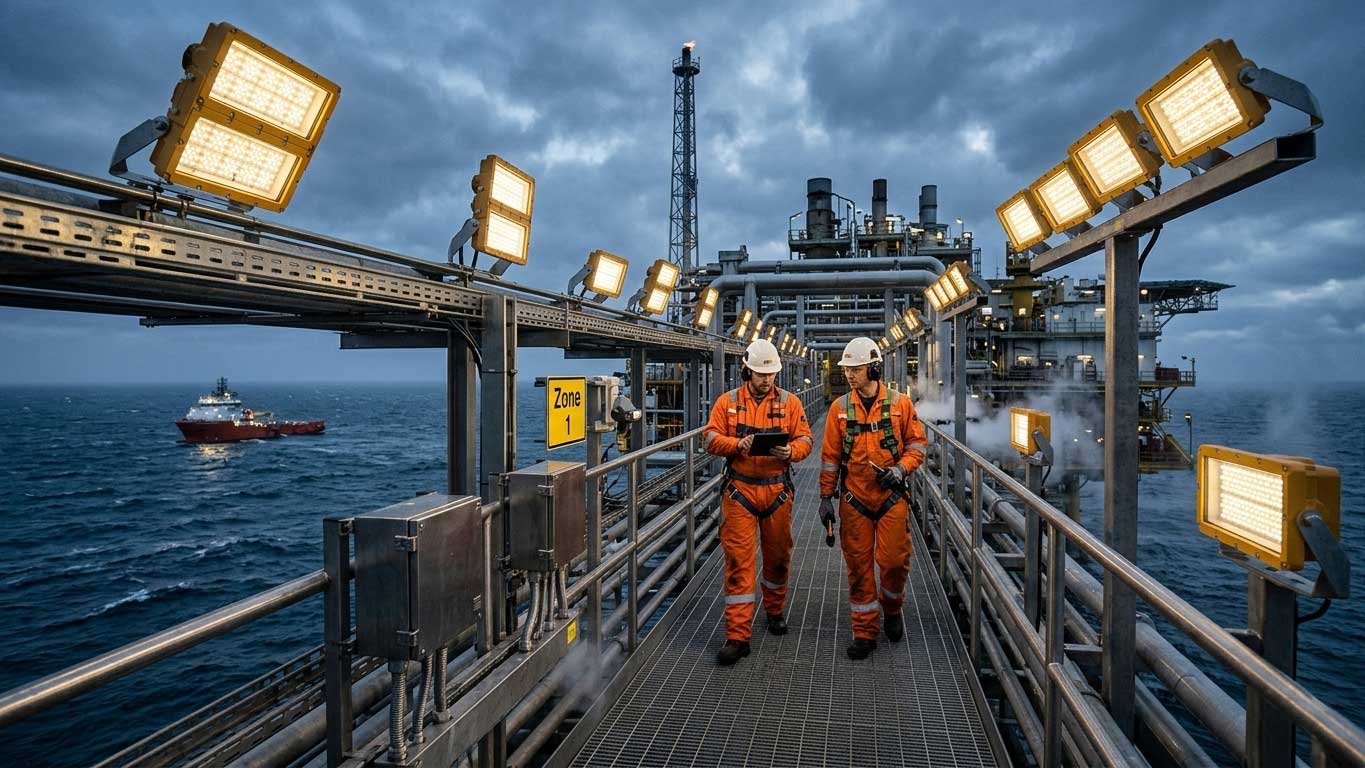
North America commonly uses Class/Division hazardous location classification.
| Class | Hazard Type |
|---|---|
| Class I | Flammable gases or vapors |
| Class II | Combustible dust |
| Class III | Ignitable fibers |
| Division | Risk Frequency |
|---|---|
| Div 1 | Hazard present during normal operation |
| Div 2 | Hazard only under abnormal conditions |
For example:
This distinction directly affects equipment cost, installation method, and certification requirements.
Different hazardous area equipment classifications require different protection technologies.
This is one of the most common methods in industrial explosion proof equipment classification.
The enclosure contains internal explosions and prevents flame propagation outside the fixture.
Typical applications:
Ex e equipment avoids arcs and sparks entirely by improving insulation and terminal design.
Commonly used in:
Intrinsic safety limits electrical energy below ignition thresholds.
Widely used for:
Surface temperature matters more than many installers realize.
Even without sparks, overheated equipment can ignite gases.
| T-Class | Maximum Surface Temperature |
|---|---|
| T1 | 450°C |
| T2 | 300°C |
| T3 | 200°C |
| T4 | 135°C |
| T5 | 100°C |
| T6 | 85°C |
Modern SEEKINGLED hazardous-area luminaires are commonly designed for T4–T6 environments.
In practical refinery work, T6 becomes especially important around hydrogen or acetylene exposure zones.
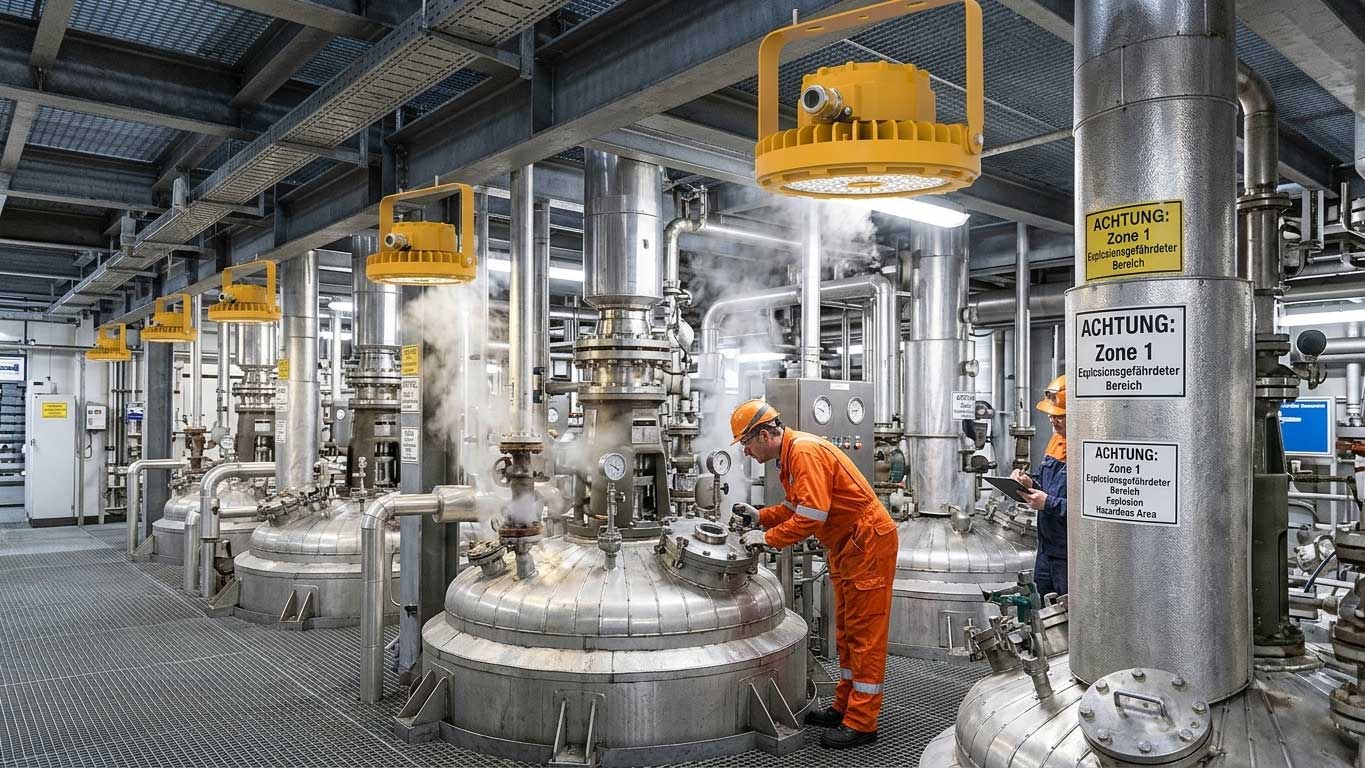
Industrial hazardous area equipment classification applies to far more than lighting.
A common mistake during retrofits is replacing only the fixture while ignoring accessories like cable glands or conduit seals.
In one grain terminal inspection in Southeast Asia, the lighting itself was compliant, but uncertified conduit fittings invalidated the entire installation.
Many facilities focus only on gas risks.
However, combustible dust can be equally dangerous.
Industries frequently overlooked include:
NFPA reports repeatedly show dust explosions remain a major industrial hazard globally.
Marine and offshore environments accelerate seal degradation.
Even certified equipment can fail early if:
That is why SEEKINGLED uses stainless steel external hardware and marine-grade anti-corrosion coatings in many hazardous-area fixtures.
This process sounds straightforward on paper. In reality, experienced engineers often spend weeks reviewing facility drawings before finalizing hazardous location classification.
Older HID explosion-proof fixtures generated excessive heat and required frequent lamp replacement.
Modern LED systems offer:
New hazardous area systems increasingly integrate:
This is especially valuable on offshore platforms where physical inspections are expensive and dangerous.
It is the process of categorizing explosive environments and matching certified equipment to those environments safely.
ATEX is legally required in the European Union, while IECEx is an international certification system accepted globally.
No. IP ratings only describe dust and water resistance. They do not certify explosion protection.
They require thicker enclosures capable of containing internal explosions safely.
Hazardous area equipment classification is not paperwork. It is a practical engineering system built around preventing ignition in environments where mistakes become disasters very quickly.
The difference between compliant and non-compliant equipment often looks small from the outside. Inside industrial environments, though, that difference determines whether workers go home safely.
For facilities handling gas, vapor, combustible dust, or volatile chemicals, properly classified equipment is not optional—it is operational survival.
Author: Daweiboss
Brand: SEEKINGLED
Daweiboss has worked with hazardous-area LED lighting projects across oil & gas, chemical processing, marine engineering, and heavy industrial applications. His field experience includes explosion-proof lighting selection, ATEX/IECEx compliance review, and industrial retrofit consulting.
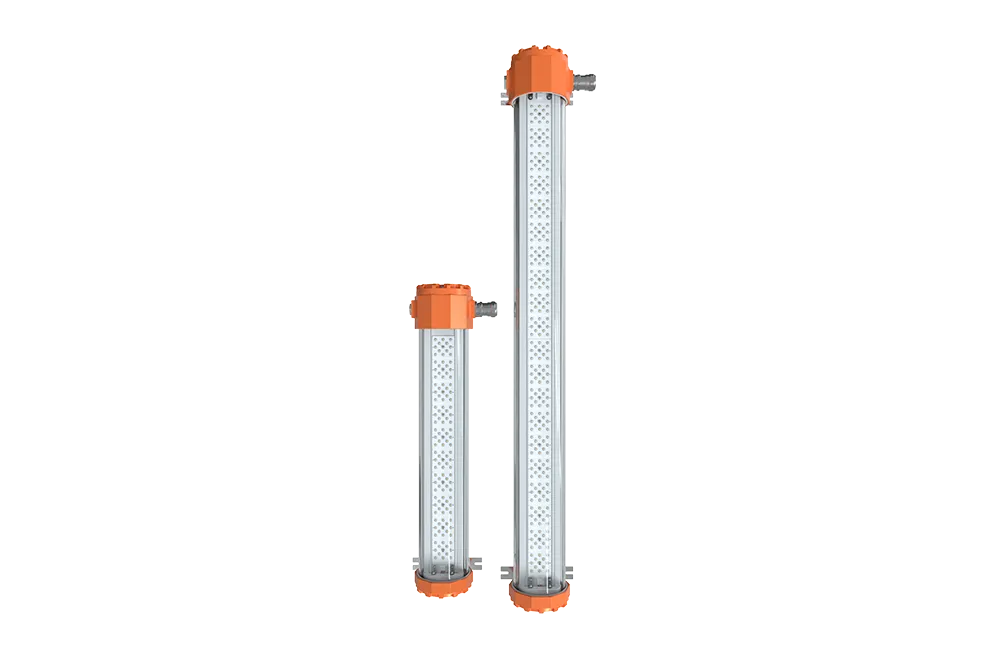
SEEKINGLED LED Linear Explosion Proof Light and Explosion Proof lighting is ATEX and IECEx certified for Zone 1, Zone 2, Zone 21 and Zone 22 hazardous locations, built for long-term industrial use.
View details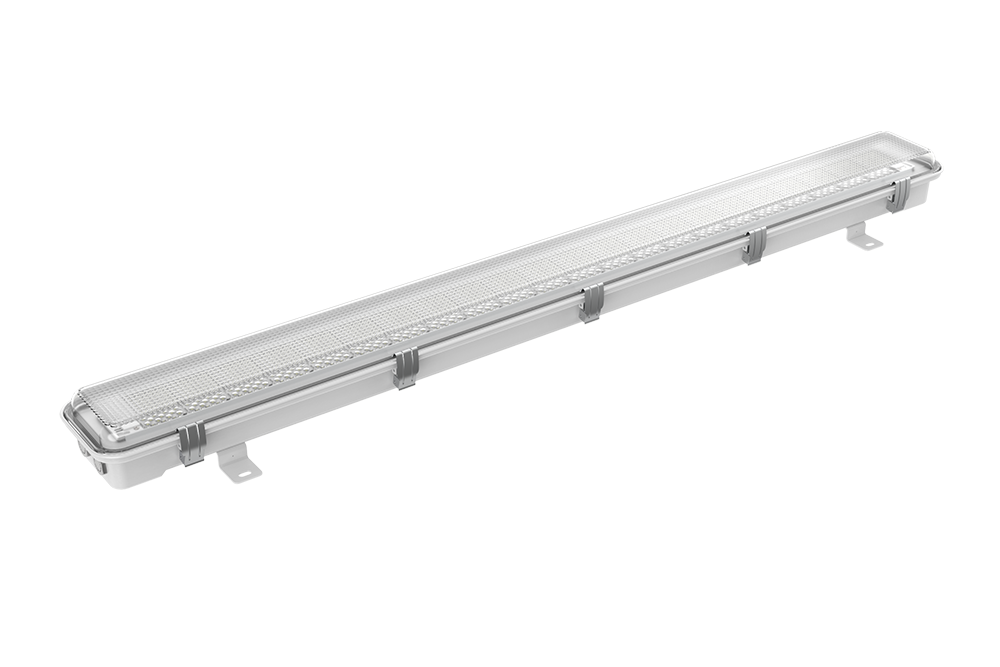
LED Linear Explosion Proof Lights and EX Proof lights for Zone 1, Zone 2, Zone 21 and Zone 22 hazardous areas. ATEX & IECEx certified explosion proof LED linear lighting with emergency function, adjustable power and IP67 protection by SEEKINGLED.
View details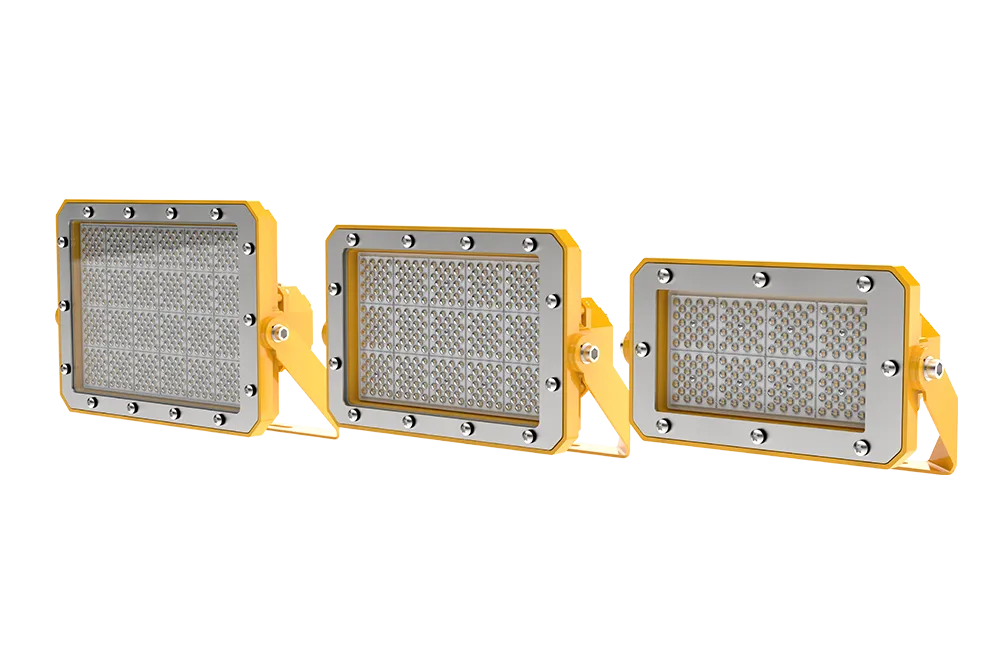
SEEKINGLED LED Explosion Proof Flood Lights are ATEX certified for Zone 2 and Zone 22 hazardous areas, offering high efficiency, adjustable power and integrated junction box.
View details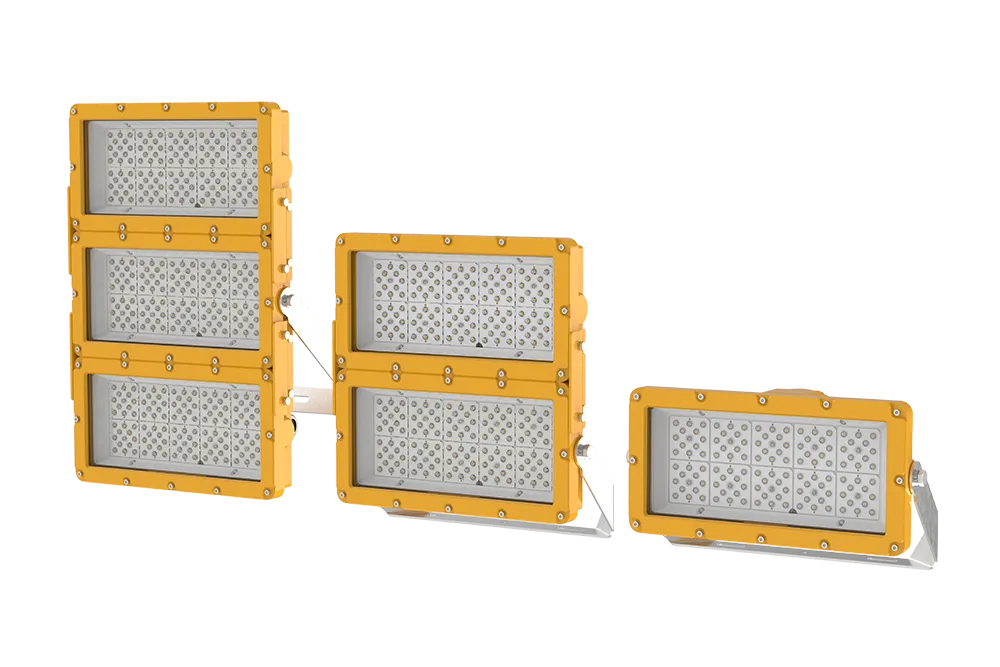
SEEKINGLED LED Explosion Proof Flood Lights are flameproof ATEX and IECEx certified for Zone 1 and Zone 2 hazardous areas, offering high power, adjustable output and long service life.
View details
SEEKINGLED LED Gas Station Canopy Lights are ATEX certified for Zone 2 and Zone 22 hazardous areas, featuring adjustable power and built-in explosion-proof junction box.
View details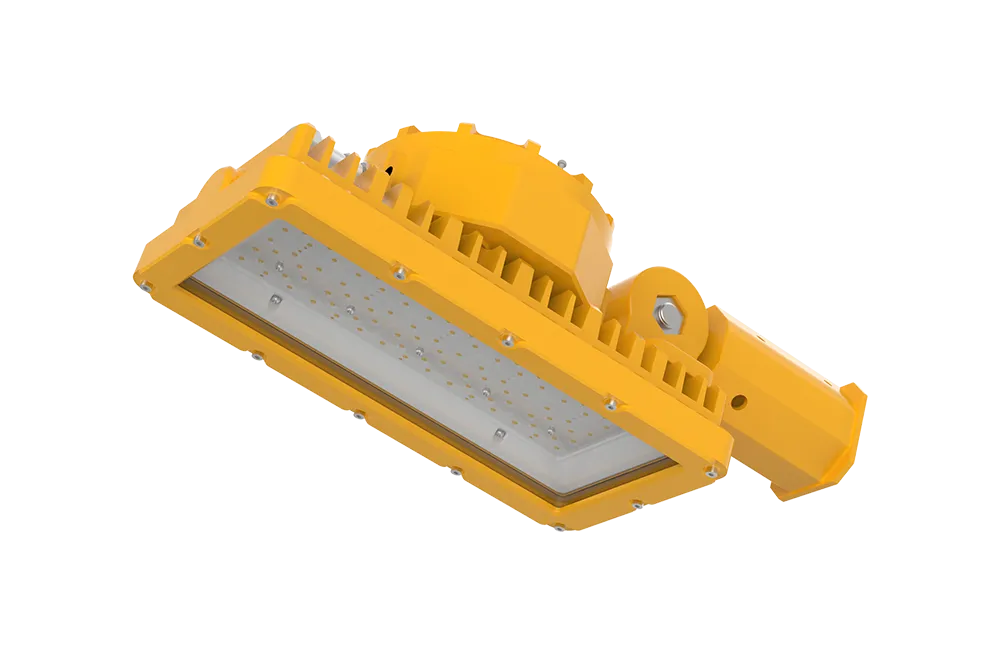
ATEX: Ex II 2G Ex db IIB T6/T5 GbEx II 2D Ex tb IIIC T80°C/ T95°C Db IECEx Ex db IIB T6 Gb;Ex tb IIIC T80°C Db Feature: ● For Zone 1,2 and Zone 21,22● Flameproof type, the strongest● 100W can replace 250W HID,energy saving● Power:60W,80W,100W Application: Oil and gas, marine, Chemical, pharmaceutical, semiconductor,mining,military industr…
View details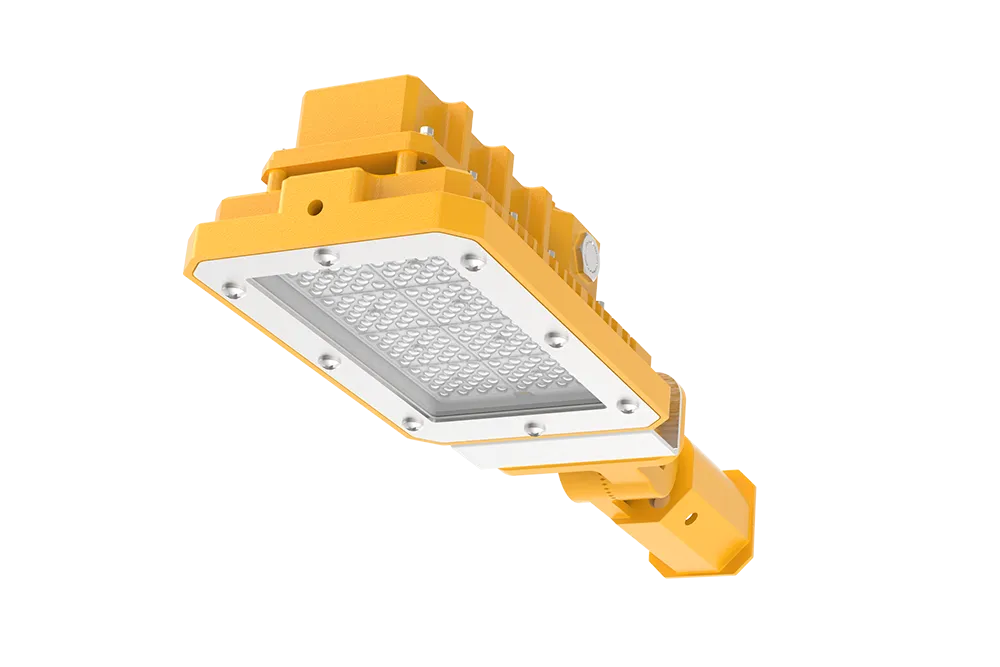
ATEX: II 3G Ex nR ⅡC T5/T6 GcII 3D Ex tc ⅢC T80℃/T95℃Dc ATEX Certificate NO: TÜV CY 26 ATEX 0207611 X Feature: ● For Zone 2 and Zone 22● 150W can replace 250W HID lamps,Energy saving● Power:50W,75W,100W,150W,200W Application: Oil and gas, marine, Chemical, pharmaceutical, semiconductor,mining,military industry, paint booth,power plant ETC…
View details
LED explosion proof high bay lights are designed for Zone 1, Zone 2, Zone 21 and Zone 22 hazardous areas. This page introduces the HB21 Series from SEEKING, including certifications, power options and real application considerations.
View details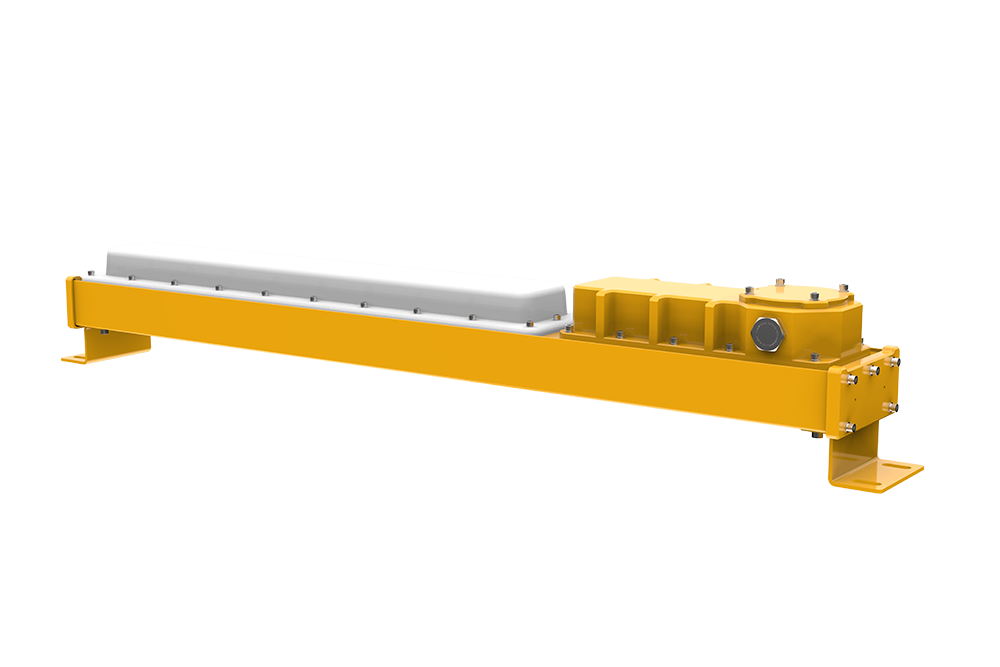
LED Linear Explosion Proof Lights from SEEKINGLED. LU Series Flame Proof lights ATEX-certified explosion proof LED linear lighting for Zone 2 gas and Zone 22 dust areas, IP69K, IK10, long lifetime and flexible power options.
View details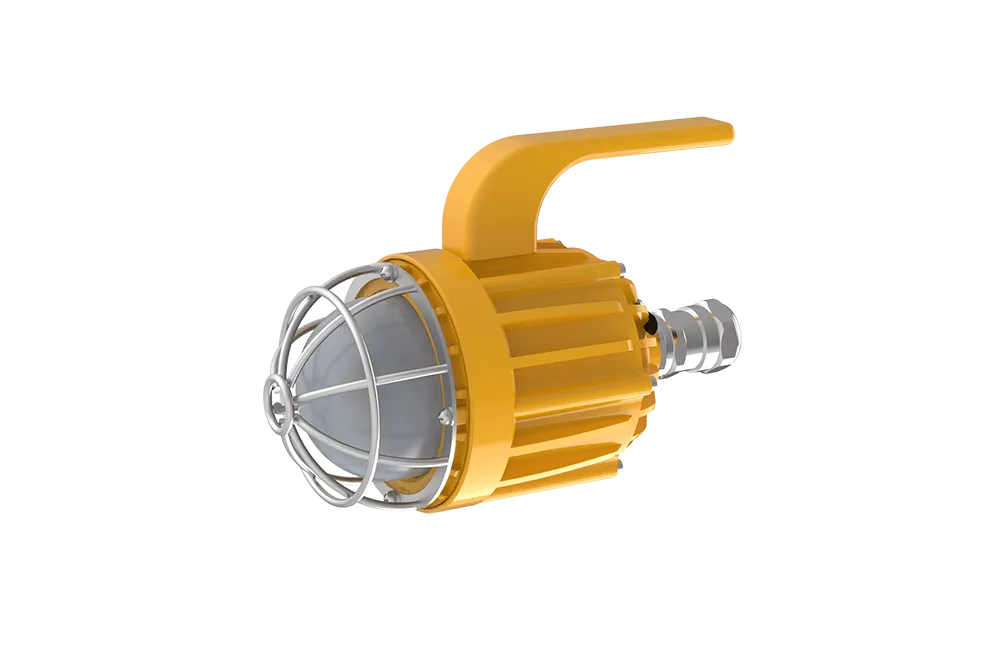
Certified explosion proof work lights for Zone 1 & 21 hazardous areas. Portable, ATEX & IECEx approved, built for oil, gas and chemical plants by SEEKINGLED.
View details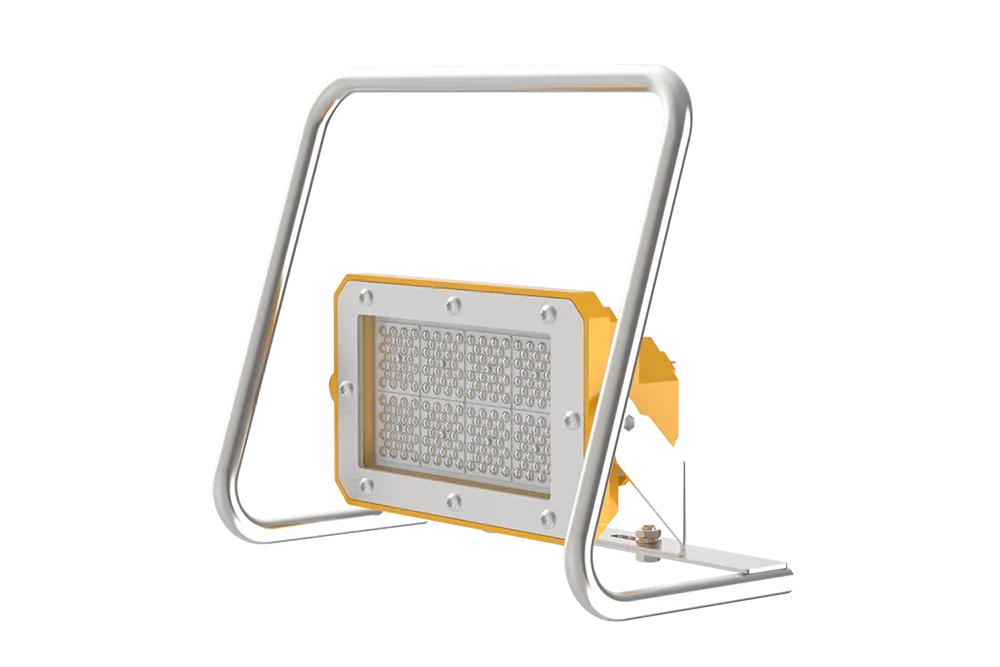
ATEX: II 3G Ex nR ⅡC T6 GcII 3D Ex tc ⅢC T80℃ Dc ATEX Certificate NO: TÜV CY 26 ATEX 0207611 X Feature: ● For Zone 2 and Zone 22● Accepts battery-powered supply● indestructible● Power:AC input:50W,75W,100WDC input:15W,25W,35W Application: Oil and gas, marine, Chemical, pharmaceutical, semiconductor,mining,military industry, paint booth,po…
View details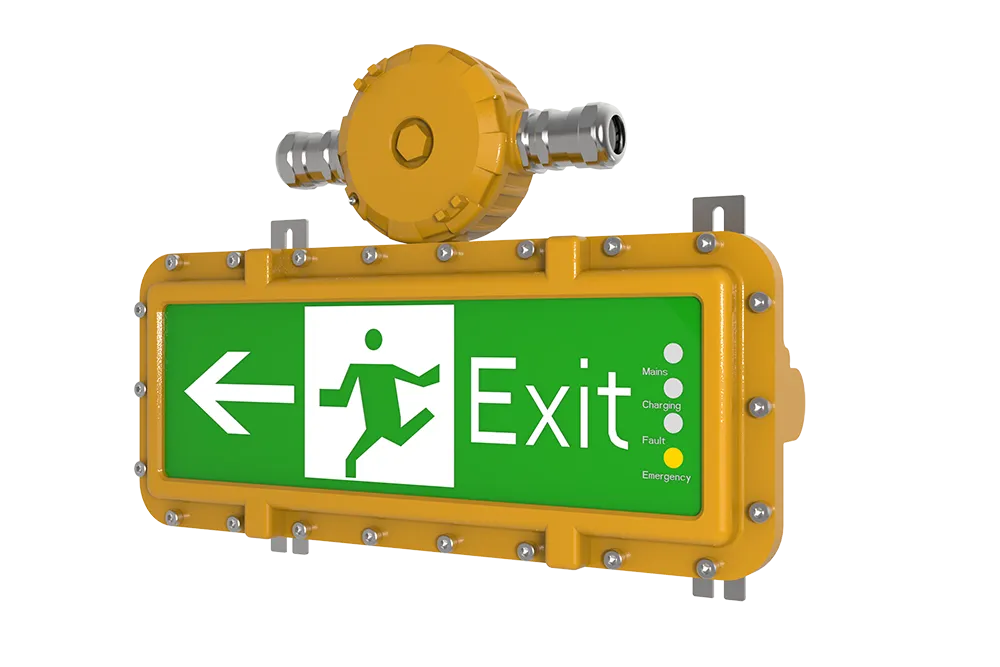
ATEX: Ex II 2G Ex db IIB T6 GbEx II 2D Ex tb IIIC T80°C Db IECEx Ex db IIB T6 Gb;Ex tb IIIC T80°C Db Feature: ● For Zone 1,2 and Zone 21,22● Flameproof type, the strongest Application: Oil and gas, marine, Chemical, pharmaceutical, semiconductor,mining,military industry, paint booth,power plant ETC hazardous area. Technical Specifications:…
View details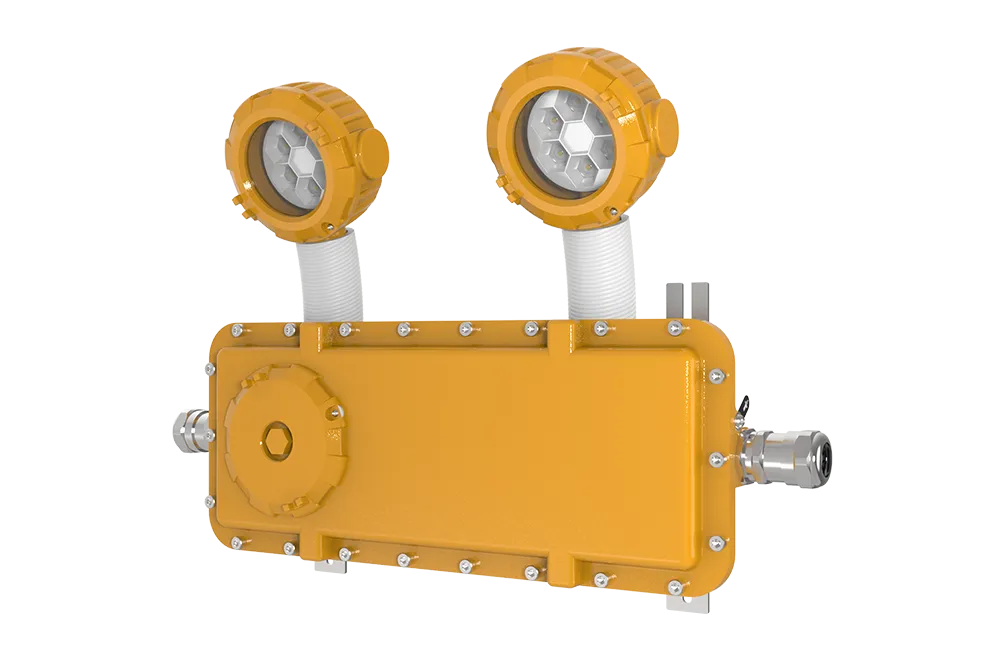
ATEX: Ex II 2G Ex db IIB T6 GbEx II 2D Ex tb IIIC T80°C Db IECEx Ex db IIB T6 Gb;Ex tb IIIC T80°C Db Feature: ● For Zone 1,2 and Zone 21,22● Flameproof type, the strongest Application: Oil and gas, marine, Chemical, pharmaceutical, semiconductor,mining,military industry, paint booth,power plant ETC hazardous area. Technical Specifications:…
View details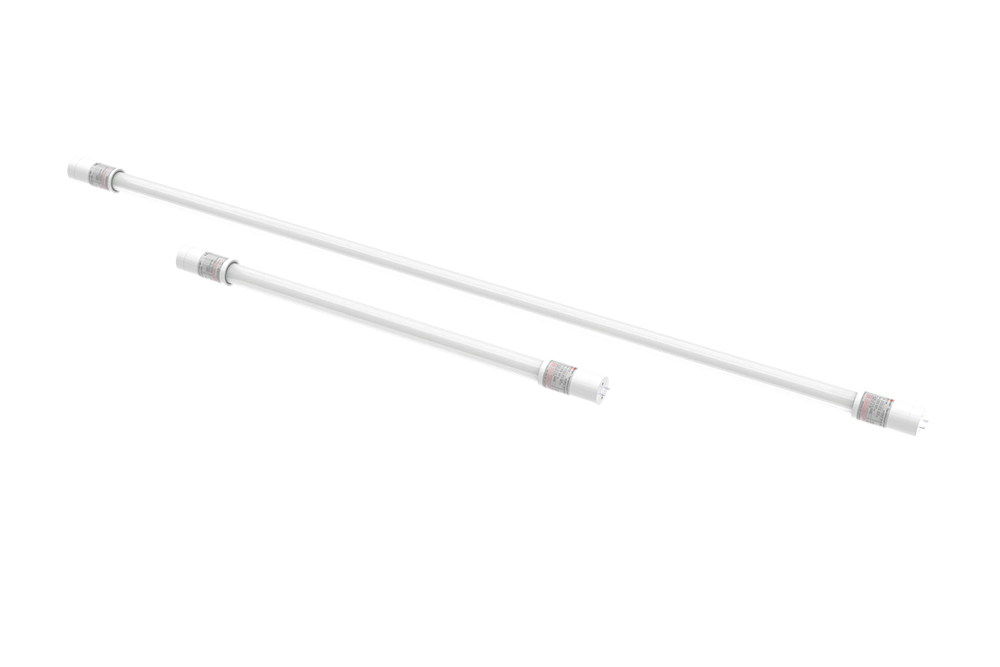
ATEX: Ex II 2G Ex d e IIB T6 Gb ATEX: Ex d e IIB T6 Gb; Feature: ● For Zone 1,2● 9W can replace 18W fluorescent lamps,50% Energy saving Application: Oil and gas, marine, Chemical, pharmaceutical, semiconductor,mining,military industry, paint booth,power plant ETC hazardous area. Technical Specifications: Standards:60079-0, 60079-1, 60079…
View details
Choose eco friendly flood lights for lower energy use, longer lifespan, and reduced carbon impact. Reliable outdoor LED solutions built by SEEKINGLED.
View details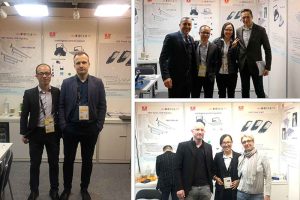
18th-23th- March-2018 Booth NO.:10.2 A61HGSL series low bay light include 80W, 100W, 150W, 200W, 240W, square appearance, IP65 protection grade. PC cover, ultrathin design, suspension, recessed, surface mounting and other ...
View details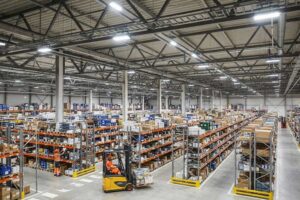
LED high bay lights typically provide 30,000–50,000 hours of useful life, depending on heat, driver quality, operating hours, and installation conditions.
View details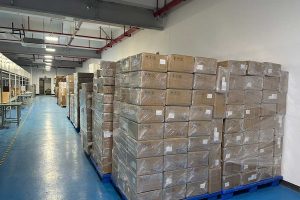
Since April, SEEKINGLED’s production workshop has been operating at full capacity. Due to rising material prices, lamp manufacturers and overseas buyers have been placing orders aggressively, resulting in a sharp surge in demand. The supply chain ...
View details