 Seeking LED
Can LED Replace Street Lights?
267Can LED replace street lights? A real-world answer based on field experience, covering performance, cost, replacement options, and long-term results.
View detailsSearch the whole station
What is an ATEX rating? An ATEX rating is a European explosion protection classification that identifies whether equipment is safe to use in areas where explosive gases, vapors, or dust may exist. It defines equipment categories, protection levels, and hazardous zone suitability.
In industrial environments, a lighting fixture is not simply selected by brightness or efficiency. When a product is installed in oil refineries, chemical plants, mining facilities, or fuel storage areas, safety certification becomes a critical requirement.
From SEEKINGLED’s experience working with industrial lighting applications, one of the most common misunderstandings is treating ATEX as a product feature rather than a complete safety classification system. The rating represents how equipment has been designed, tested, and certified to reduce ignition risks in potentially explosive atmospheres.
ATEX comes from the French term “ATmosphères EXplosibles”, meaning explosive atmospheres.
The ATEX framework is based on European Union directives that regulate equipment used in environments where explosive atmospheres may occur.
The two main ATEX directives are:
| Directive | Purpose |
|---|---|
| ATEX 2014/34/EU | Equipment and protective systems used in explosive atmospheres |
| ATEX 1999/92/EC | Workplace safety requirements and hazardous area management |
According to the European Commission, ATEX 2014/34/EU establishes requirements for equipment intended for use in potentially explosive atmospheres.
Reference:
https://single-market-economy.ec.europa.eu/sectors/mechanical-engineering/atex_en
For manufacturers, ATEX compliance requires more than modifying the external housing. Engineers must consider:
An ATEX rating combines several elements to describe where and how equipment can operate safely.
A typical ATEX marking may include:
II 2G Ex db IIC T6 Gb
Each section provides information.
| Marking | Meaning |
|---|---|
| II | Equipment group for surface industries |
| 2G | Category for gas environments |
| Ex | Explosion protection |
| db | Flameproof enclosure protection |
| IIC | Gas group classification |
| T6 | Maximum surface temperature |
| Gb | Equipment protection level |
This information helps engineers determine whether a product is suitable for a specific hazardous area.
Explosive gases and vapors are classified into three main zones.
| Zone | Description | Example Location |
|---|---|---|
| Zone 0 | Explosive atmosphere exists continuously or for long periods | Inside fuel tanks |
| Zone 1 | Explosive atmosphere may occur during normal operation | Chemical processing areas |
| Zone 2 | Explosive atmosphere is unlikely but possible | Outdoor fuel handling areas |
Dust environments use different classifications.
| Zone | Description |
|---|---|
| Zone 20 | Continuous combustible dust presence |
| Zone 21 | Dust atmosphere likely during normal operation |
| Zone 22 | Dust atmosphere unlikely but possible |
Choosing the wrong equipment category can create serious safety risks.
A Zone 1 application requires much higher protection than a Zone 2 installation.
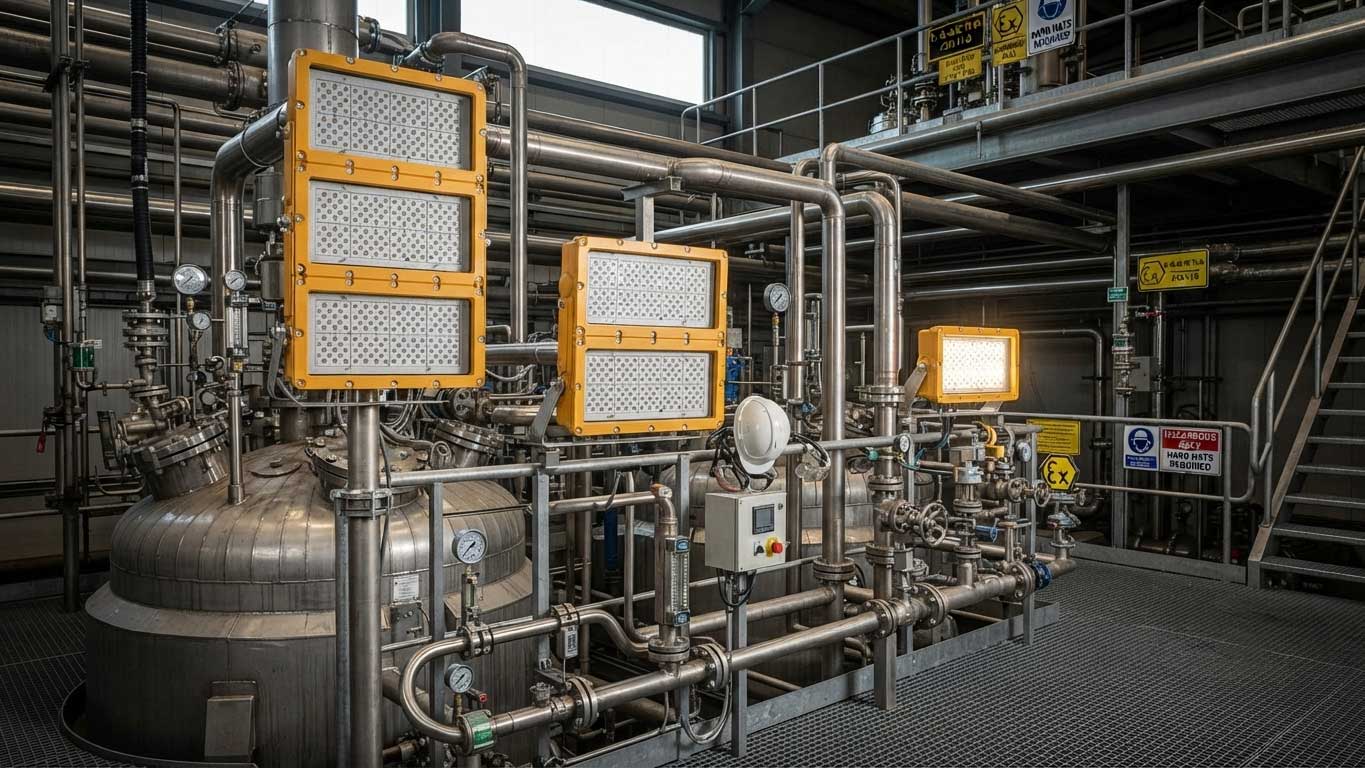
Explosion-proof LED lighting is often installed in environments where traditional fixtures may create ignition risks.
Common applications include:
A standard LED light may operate correctly in normal conditions, but it is not designed to prevent ignition in hazardous environments.
ATEX-rated LED lights typically include:
ATEX is widely used in Europe, but other regions have similar hazardous area certification systems.
| Standard | Region | Application |
|---|---|---|
| ATEX | European Union | Explosive atmosphere equipment |
| IECEx | International | Global explosion protection certification |
| NEC Class/Division | North America | Hazardous location classification |
Many international industrial projects require equipment that meets multiple standards depending on the installation location.
For global lighting suppliers, understanding these differences is essential.
At SEEKINGLED, hazardous area lighting projects are approached from the application environment first.
Before recommending an explosion-proof LED fixture, engineers usually review:
A lighting product that works in a normal warehouse may not be suitable for a refinery or chemical plant.
The certification marking is only one part of the solution. Correct product selection and installation are equally important.
One of the biggest mistakes is choosing equipment based only on appearance or wattage.
A 100W LED explosion-proof light designed for Zone 2 may not meet requirements for Zone 1.
IP65 or IP66 protection only describes resistance against dust and water.
It does not mean the product can safely operate in explosive atmospheres.
| Rating | Purpose |
|---|---|
| IP66 | Dust and water protection |
| ATEX | Explosion atmosphere protection |
Both may be required depending on the environment.
An ATEX rating is used to identify whether equipment can safely operate in explosive environments containing gases, vapors, or combustible dust.
In the European Union, equipment used in regulated explosive atmospheres must comply with ATEX requirements.
ATEX is mainly used in Europe, while IECEx is an international certification system based on IEC standards.
Yes, ATEX LED lights are designed and certified for hazardous areas where explosion risks may exist.
ATEX Zone 1 means an explosive gas atmosphere may occur during normal operation and requires suitable certified equipment.
No. IP ratings protect against environmental factors like dust and water, but they do not provide explosion protection.
ATEX ratings help ensure lighting equipment does not become an ignition source in hazardous industrial environments.
ATEX categories define the level of protection provided by equipment and determine where the product can be installed.
For gas and vapor environments:
| Equipment Category | Protection Level | Suitable Zone |
|---|---|---|
| Category 1G | Very high protection | Zone 0, Zone 1, Zone 2 |
| Category 2G | High protection | Zone 1, Zone 2 |
| Category 3G | Normal protection | Zone 2 |
For combustible dust environments:
| Equipment Category | Protection Level | Suitable Zone |
|---|---|---|
| Category 1D | Very high protection | Zone 20, Zone 21, Zone 22 |
| Category 2D | High protection | Zone 21, Zone 22 |
| Category 3D | Normal protection | Zone 22 |
The category selection depends on how frequently an explosive atmosphere may appear.
For example:
Selecting the correct category is not a marketing decision. It is an engineering decision based on risk assessment.
One of the most important parts of an ATEX rating is the temperature class.
Electrical equipment can become a potential ignition source if its surface temperature exceeds the ignition temperature of surrounding gases.
ATEX temperature classes include:
| Temperature Class | Maximum Surface Temperature |
|---|---|
| T1 | 450°C |
| T2 | 300°C |
| T3 | 200°C |
| T4 | 135°C |
| T5 | 100°C |
| T6 | 85°C |
Lower temperature classes provide higher protection.
For example, equipment marked T6 must maintain a maximum surface temperature below 85°C.
In LED lighting applications, thermal management becomes especially important because the fixture operates continuously for long periods.
Poor heat dissipation can shorten component life and create unsafe operating conditions.
Many customers use “ATEX” and “explosion proof” as if they mean exactly the same thing.
They are related, but not identical.
| Term | Meaning |
|---|---|
| ATEX | European certification framework for explosive atmospheres |
| Explosion proof | General description of equipment designed to prevent ignition |
| Flameproof enclosure | Specific protection method containing internal explosions |
An ATEX-certified explosion-proof LED light has been tested according to specific European requirements.
However, simply calling a product “explosion proof” does not automatically prove compliance.
The certification marking must match the actual hazardous area classification.
When selecting ATEX-rated LED lighting, professionals normally evaluate:
The first question is:
Where will the light be installed?
Examples:
The fixture must match the zone requirement.
Different substances have different ignition characteristics.
Gas groups include:
| Group | Typical Application |
|---|---|
| IIA | Propane, methane environments |
| IIB | Ethylene environments |
| IIC | Hydrogen and highly explosive gases |
IIC represents the highest gas protection level.
Industrial lighting rarely operates in perfect conditions.
Projects may involve:
A suitable ATEX light should also consider:
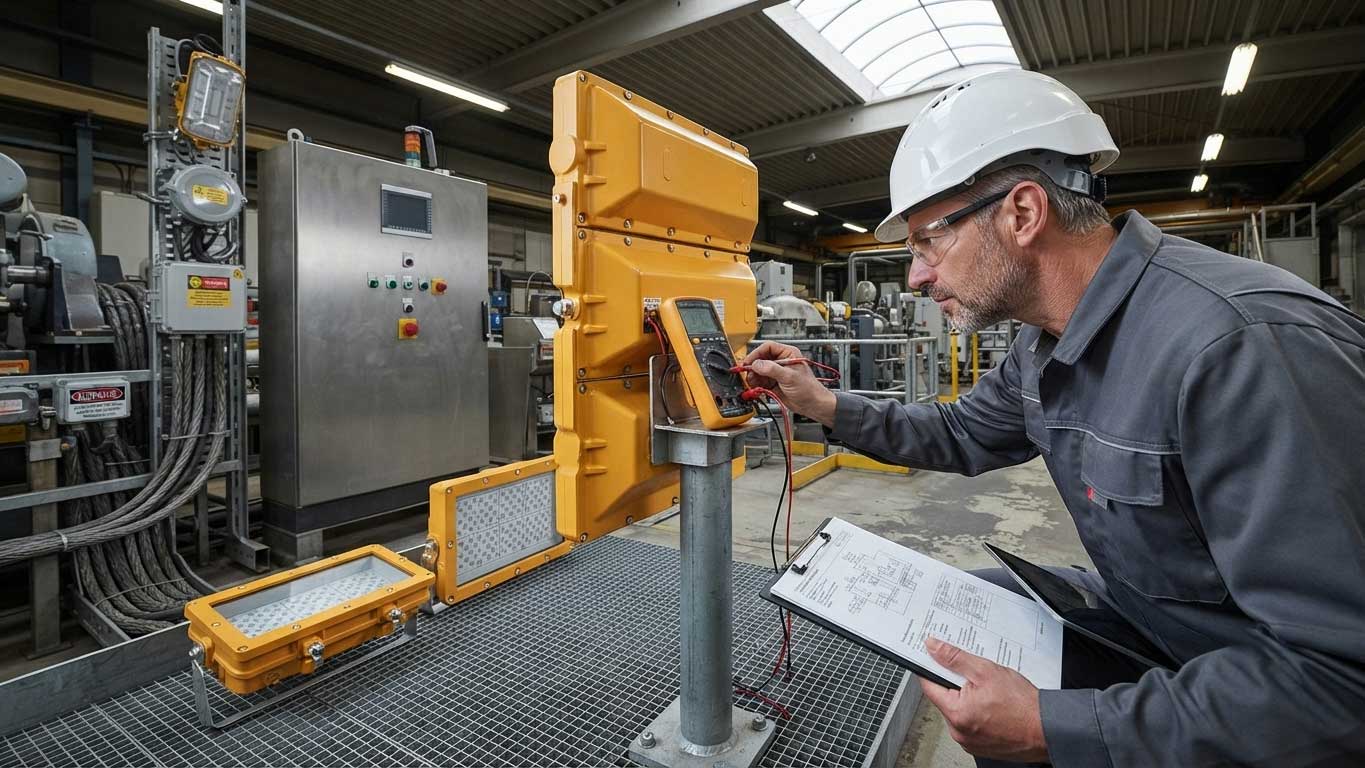
The main purpose of ATEX lighting is reducing ignition risks.
Certified fixtures are designed to prevent:
Industrial facilities often operate 24/7.
Replacing lighting in hazardous locations can require:
Reliable ATEX LED fixtures reduce unnecessary maintenance activities.
LED technology provides significant efficiency advantages compared with traditional HID or fluorescent lighting.
According to the U.S. Department of Energy, LED lighting can use at least 75% less energy and last up to 25 times longer than incandescent lighting.
Reference:
https://www.energy.gov/energysaver/led-lighting
Although this data applies broadly to LED technology, industrial facilities benefit from the same efficiency principles when upgrading hazardous area lighting.
Typical locations:
Requirements:
Chemical processing environments may contain:
ATEX-rated lighting helps reduce potential ignition hazards.
Mining sites often require protection against:
Lighting equipment must combine explosion protection with durability.
Example:
II 2G Ex db IIC T6 Gb
Breaking it down:
| Section | Explanation |
|---|---|
| II | Surface industry equipment |
| 2G | Gas category |
| Ex | Explosion protection |
| db | Flameproof enclosure |
| IIC | Highest gas group |
| T6 | Maximum surface temperature 85°C |
| Gb | High protection level |
Understanding these markings helps buyers avoid selecting unsuitable products.
A common mistake in hazardous lighting projects is focusing only on initial product cost.
A cheaper fixture may create problems later:
At SEEKINGLED, industrial lighting solutions are evaluated based on the complete application environment.
The goal is not only producing light — it is producing reliable illumination in places where failure is expensive.
What is an ATEX rating? It is a certification system that defines whether equipment can safely operate in explosive atmospheres containing gas, vapor, or combustible dust.
For hazardous area LED lighting, ATEX ratings provide important information about:
However, certification alone is not enough.
Correct zone classification, proper installation, and suitable product selection determine whether an industrial lighting system performs safely over many years.
SEEKINGLED works with industrial lighting requirements by considering real operating environments, helping customers select reliable explosion-proof LED solutions for demanding applications.
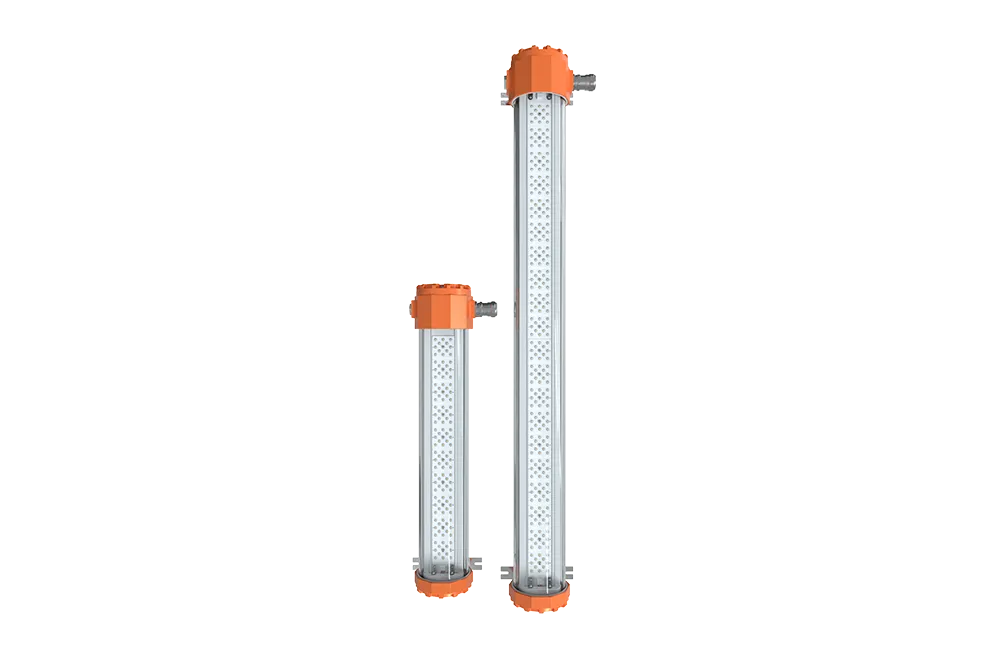
SEEKINGLED LED Linear Explosion Proof Light and Explosion Proof lighting is ATEX and IECEx certified for Zone 1, Zone 2, Zone 21 and Zone 22 hazardous locations, built for long-term industrial use.
View details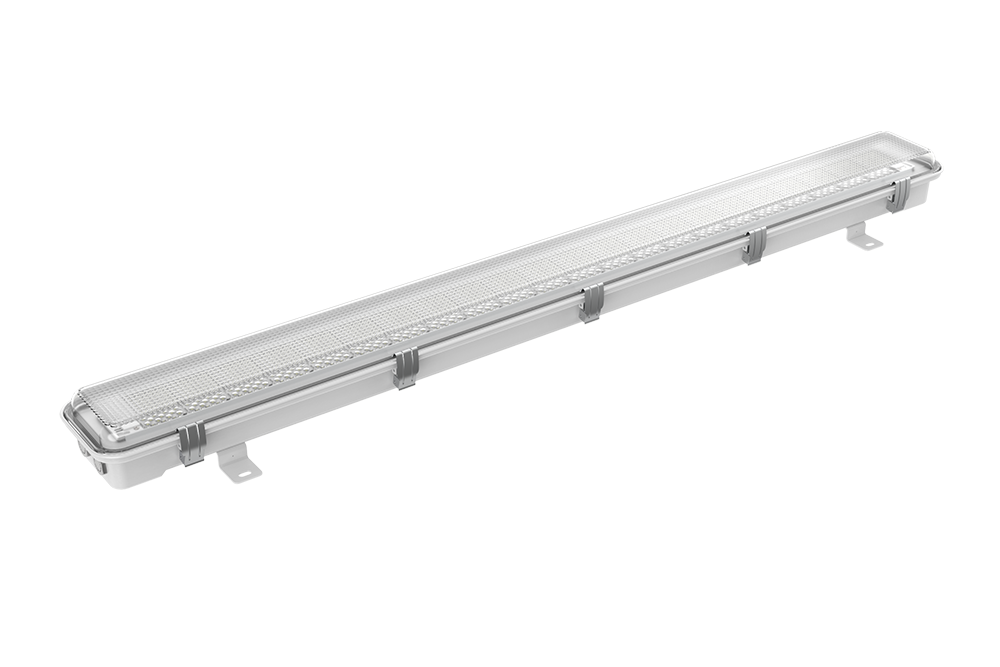
LED Linear Explosion Proof Lights and EX Proof lights for Zone 1, Zone 2, Zone 21 and Zone 22 hazardous areas. ATEX & IECEx certified explosion proof LED linear lighting with emergency function, adjustable power and IP67 protection by SEEKINGLED.
View details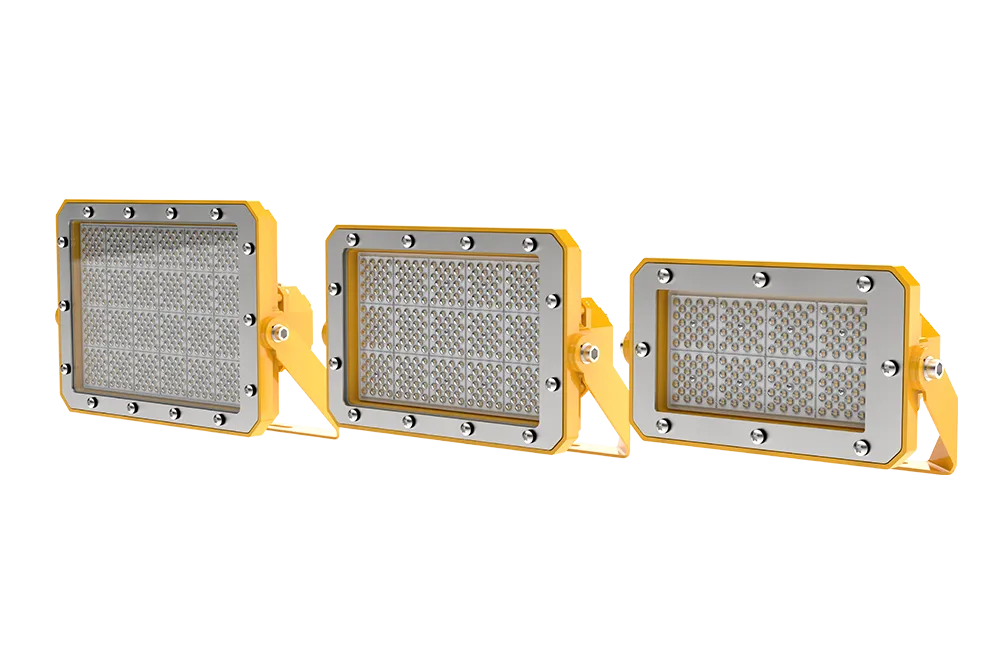
SEEKINGLED LED Explosion Proof Flood Lights are ATEX certified for Zone 2 and Zone 22 hazardous areas, offering high efficiency, adjustable power and integrated junction box.
View details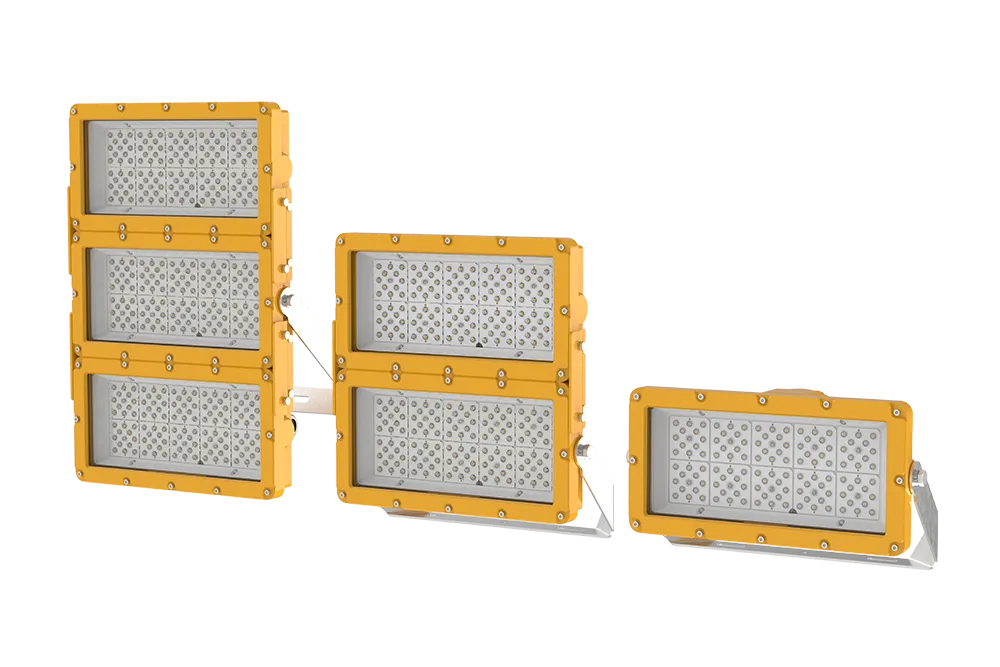
SEEKINGLED LED Explosion Proof Flood Lights are flameproof ATEX and IECEx certified for Zone 1 and Zone 2 hazardous areas, offering high power, adjustable output and long service life.
View details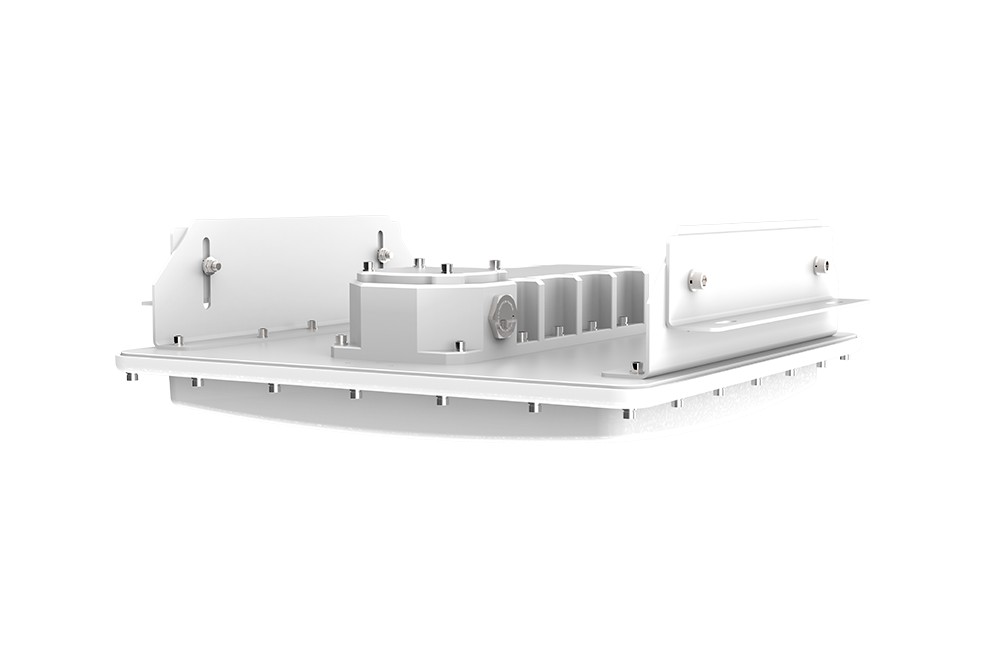
SEEKINGLED LED Gas Station Canopy Lights are ATEX certified for Zone 2 and Zone 22 hazardous areas, featuring adjustable power and built-in explosion-proof junction box.
View details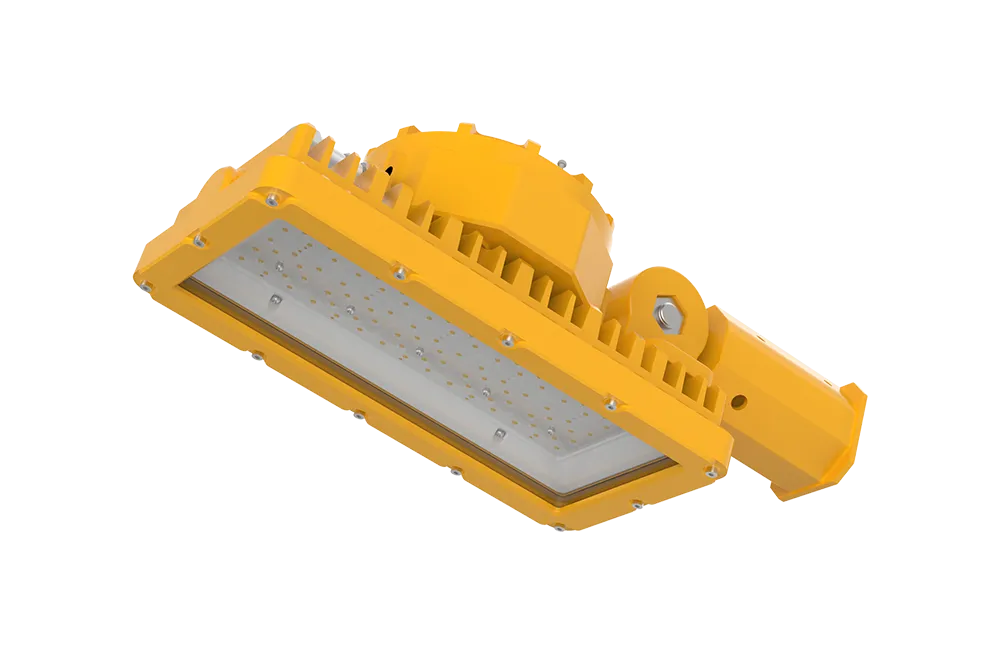
ATEX: Ex II 2G Ex db IIB T6/T5 GbEx II 2D Ex tb IIIC T80°C/ T95°C Db IECEx Ex db IIB T6 Gb;Ex tb IIIC T80°C Db Feature: ● For Zone 1,2 and Zone 21,22● Flameproof type, the strongest● 100W can replace 250W HID,energy saving● Power:60W,80W,100W Application: Oil and gas, marine, Chemical, pharmaceutical, semiconductor,mining,military industr…
View details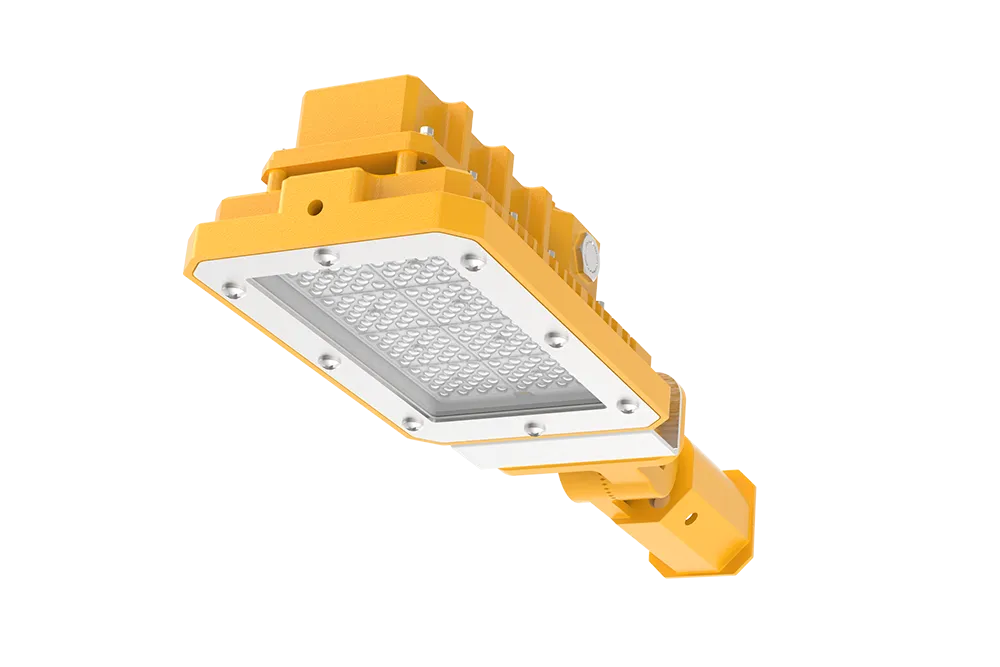
ATEX: II 3G Ex nR ⅡC T5/T6 GcII 3D Ex tc ⅢC T80℃/T95℃Dc ATEX Certificate NO: TÜV CY 26 ATEX 0207611 X Feature: ● For Zone 2 and Zone 22● 150W can replace 250W HID lamps,Energy saving● Power:50W,75W,100W,150W,200W Application: Oil and gas, marine, Chemical, pharmaceutical, semiconductor,mining,military industry, paint booth,power plant ETC…
View details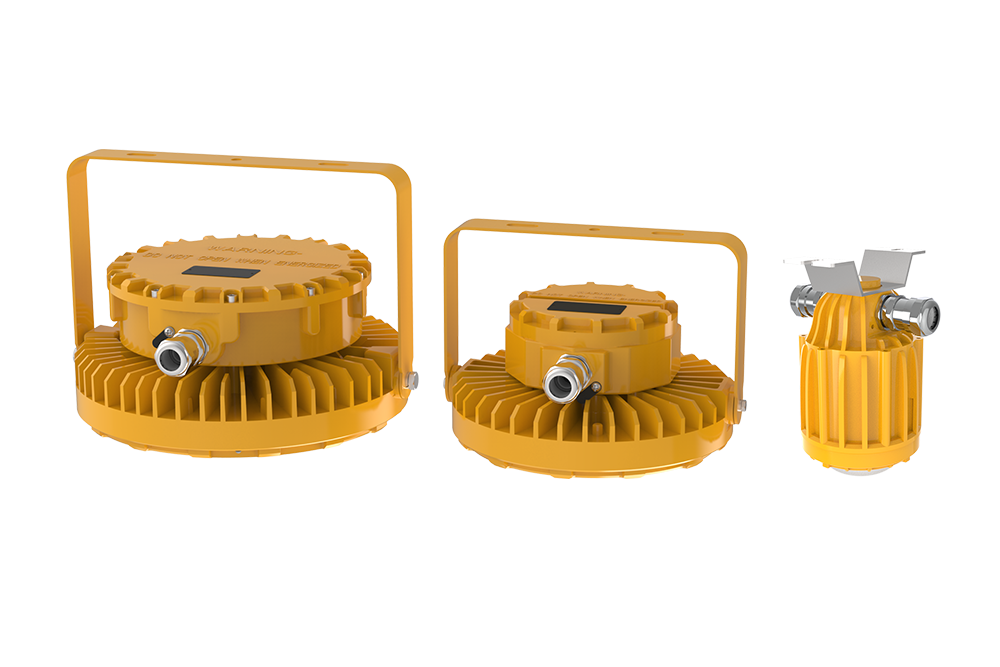
LED explosion proof high bay lights are designed for Zone 1, Zone 2, Zone 21 and Zone 22 hazardous areas. This page introduces the HB21 Series from SEEKING, including certifications, power options and real application considerations.
View details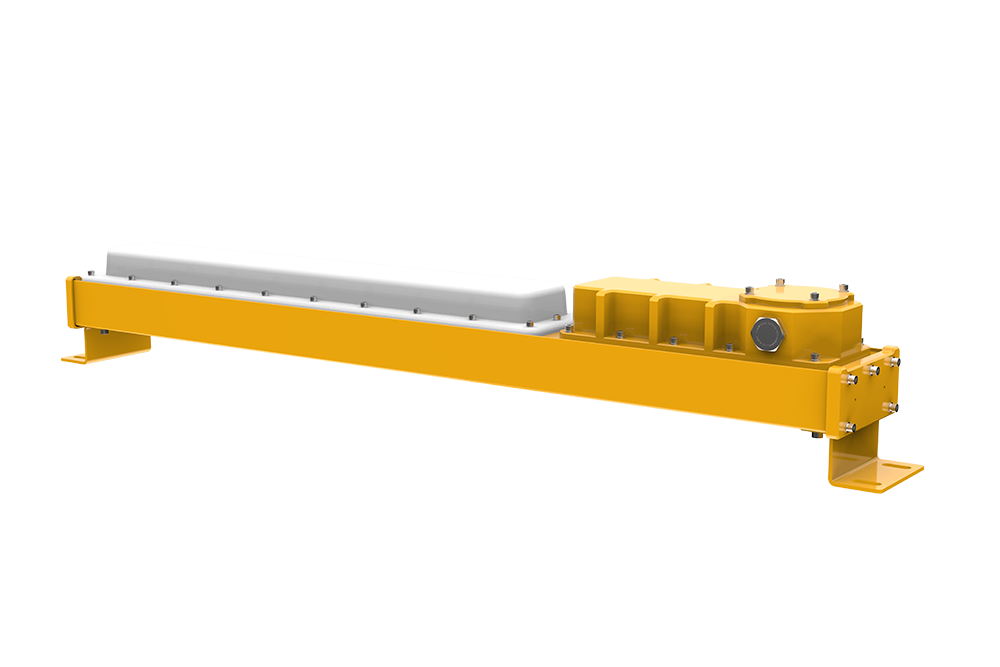
LED Linear Explosion Proof Lights from SEEKINGLED. LU Series Flame Proof lights ATEX-certified explosion proof LED linear lighting for Zone 2 gas and Zone 22 dust areas, IP69K, IK10, long lifetime and flexible power options.
View details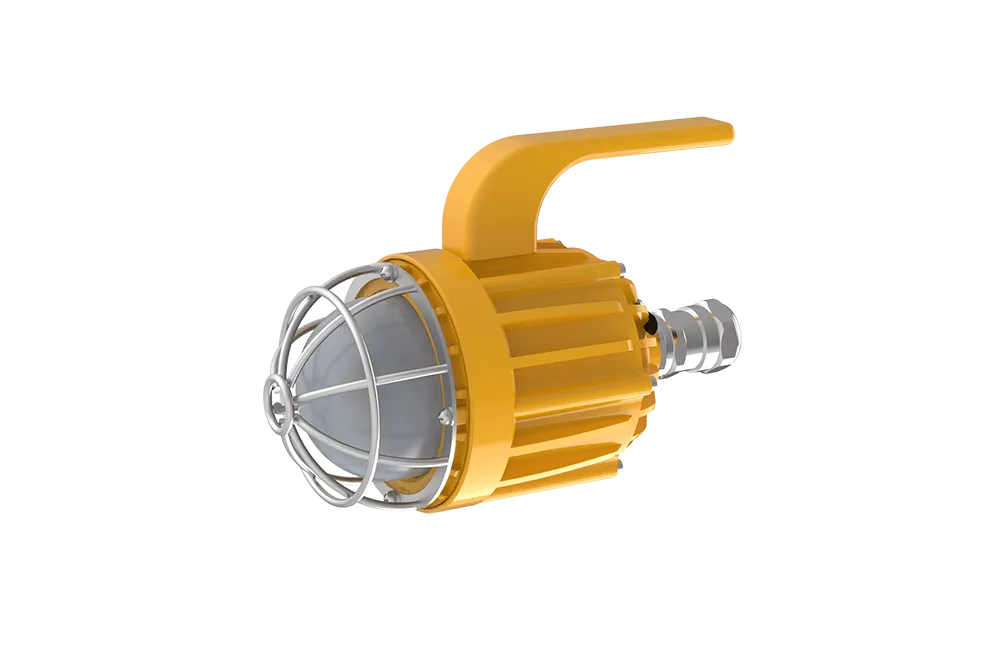
Certified explosion proof work lights for Zone 1 & 21 hazardous areas. Portable, ATEX & IECEx approved, built for oil, gas and chemical plants by SEEKINGLED.
View details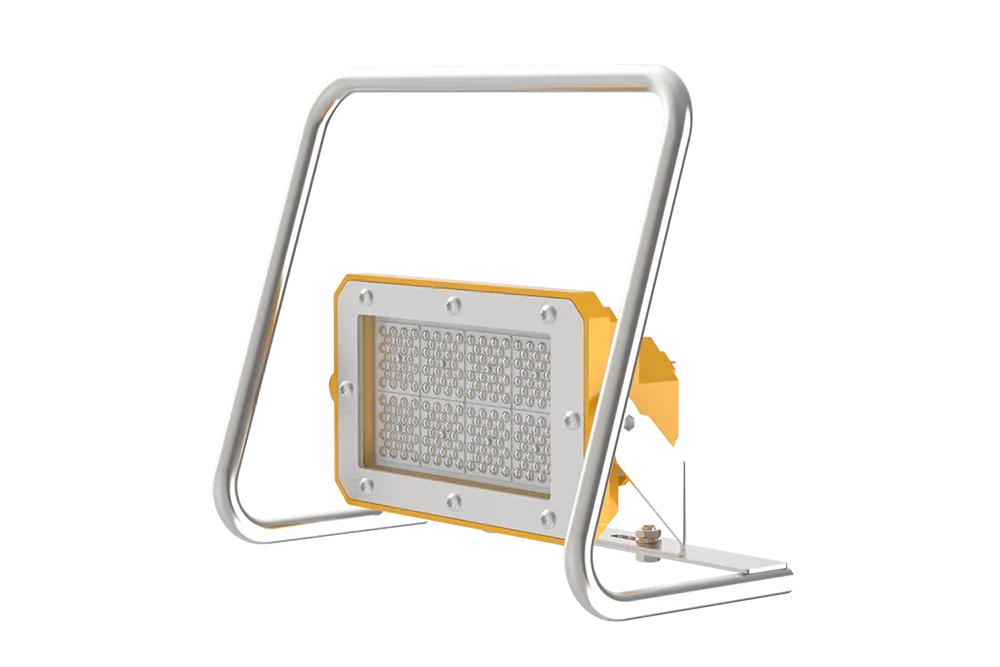
ATEX: II 3G Ex nR ⅡC T6 GcII 3D Ex tc ⅢC T80℃ Dc ATEX Certificate NO: TÜV CY 26 ATEX 0207611 X Feature: ● For Zone 2 and Zone 22● Accepts battery-powered supply● indestructible● Power:AC input:50W,75W,100WDC input:15W,25W,35W Application: Oil and gas, marine, Chemical, pharmaceutical, semiconductor,mining,military industry, paint booth,po…
View details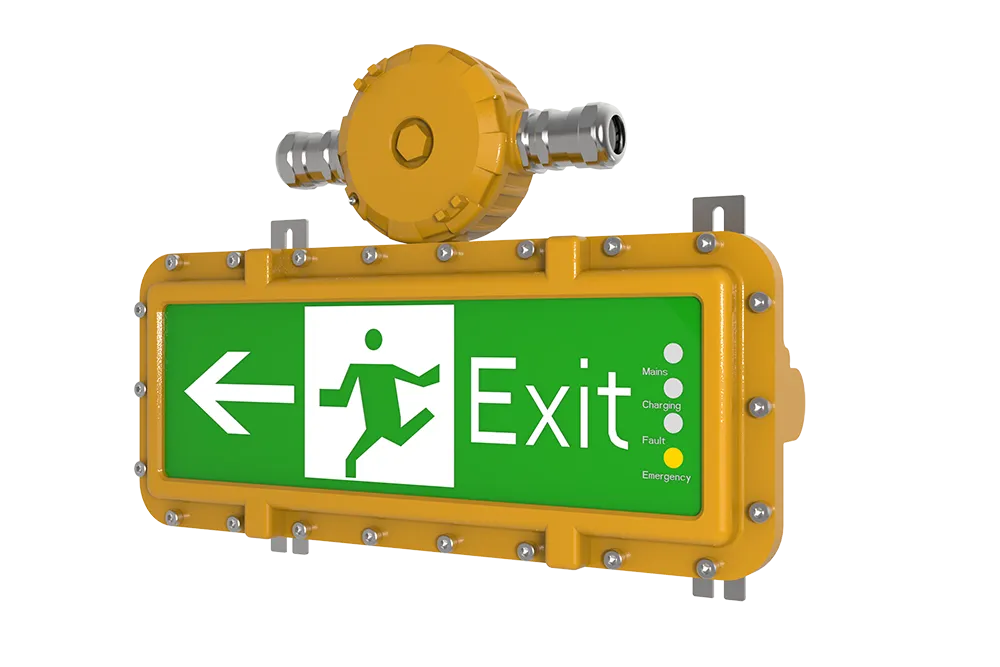
ATEX: Ex II 2G Ex db IIB T6 GbEx II 2D Ex tb IIIC T80°C Db IECEx Ex db IIB T6 Gb;Ex tb IIIC T80°C Db Feature: ● For Zone 1,2 and Zone 21,22● Flameproof type, the strongest Application: Oil and gas, marine, Chemical, pharmaceutical, semiconductor,mining,military industry, paint booth,power plant ETC hazardous area. Technical Specifications:…
View details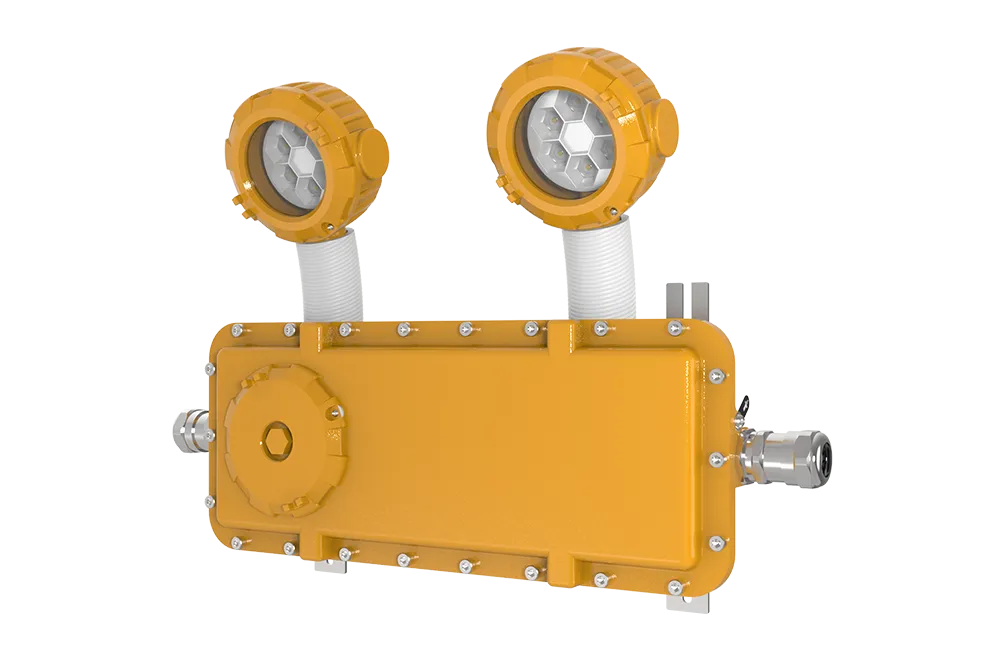
ATEX: Ex II 2G Ex db IIB T6 GbEx II 2D Ex tb IIIC T80°C Db IECEx Ex db IIB T6 Gb;Ex tb IIIC T80°C Db Feature: ● For Zone 1,2 and Zone 21,22● Flameproof type, the strongest Application: Oil and gas, marine, Chemical, pharmaceutical, semiconductor,mining,military industry, paint booth,power plant ETC hazardous area. Technical Specifications:…
View details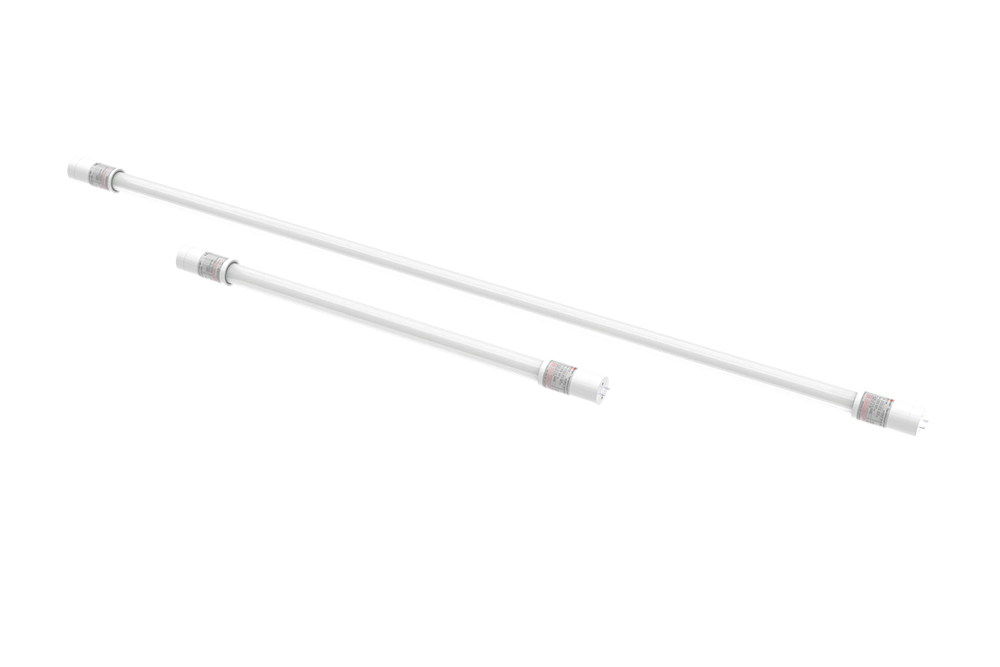
ATEX: Ex II 2G Ex d e IIB T6 Gb ATEX: Ex d e IIB T6 Gb; Feature: ● For Zone 1,2● 9W can replace 18W fluorescent lamps,50% Energy saving Application: Oil and gas, marine, Chemical, pharmaceutical, semiconductor,mining,military industry, paint booth,power plant ETC hazardous area. Technical Specifications: Standards:60079-0, 60079-1, 60079…
View details
Can LED replace street lights? A real-world answer based on field experience, covering performance, cost, replacement options, and long-term results.
View details
Why are my LED flood lights blinking? Learn the real reasons behind flickering outdoor flood lights and how to fix them.
View details
how much power does a 200w led light use - cost guide | SEEKINGLED
View details
Are LED lights UL listed by default? Not always. Learn what UL listing really means, how to check it, and why SEEKINGLED treats UL as non-negotiable.
View details