 Seeking LED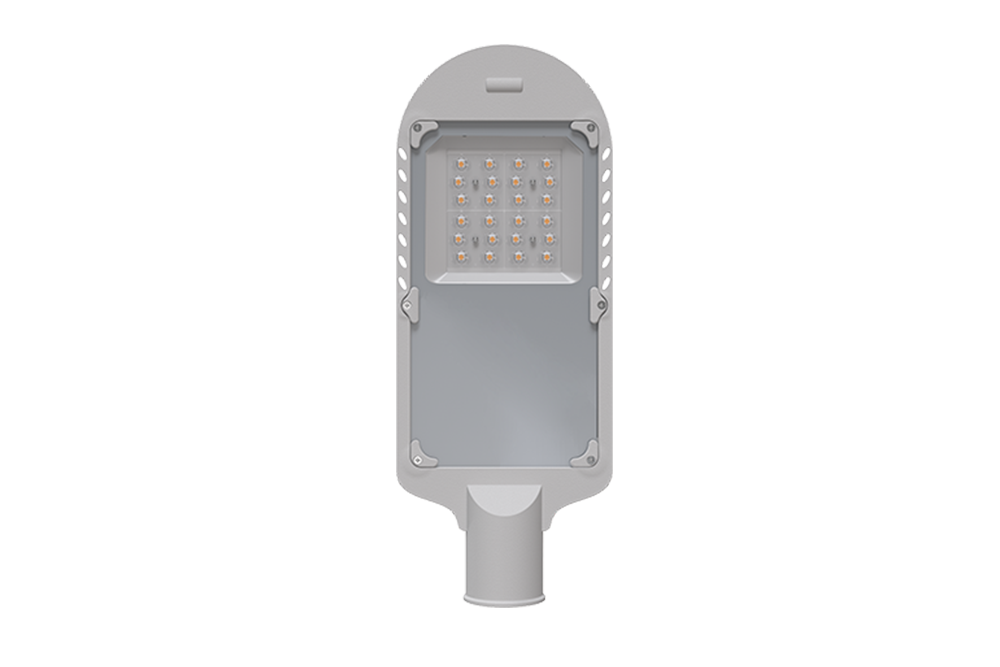
How Many Lumens Is a Flood Light?
0How many lumens is a flood light? Learn recommended lumen levels for outdoor, security, and industrial lighting applications with expert tips from SEEKINGLED.
View detailsSearch the whole station
A cobra head LED street light is not meant to impress anyone. If it does its job properly, most people will never notice it at all. Drivers pass under it without glare. Residents sleep without light spilling into windows. Maintenance teams don’t get emergency calls in the middle of the night.
After working more than 15 years in roadway and outdoor lighting, mostly on municipal and industrial road projects, I’ve learned that cobra head fixtures earn their reputation not because they are modern, but because they are reliable.
The SEEKINGLED cobra head LED street light follows this same principle. It focuses on stable output, controlled distribution, and components chosen for long service life rather than visual complexity.
The cobra head form has existed long before LEDs became mainstream. It survived technology changes because the geometry works.
According to IES RP-8-21, roadway luminaires must prioritize forward throw, consistent spacing, and glare limitation. The elongated cobra head housing naturally supports these goals by placing optics ahead of the pole and directing light along the travel lane instead of directly downward.
In practical terms, this design:
That’s why cobra head fixtures remain common on city streets, branch roads, and suburban arterials.
By Daniel R., Senior Roadway Lighting Engineer (15+ years field experience)
Most road lighting failures have little to do with LEDs themselves. The issues appear elsewhere:
I’ve replaced far more drivers than LED boards. That’s why housing design, sealing, and surge protection matter more than chasing peak lumen numbers.
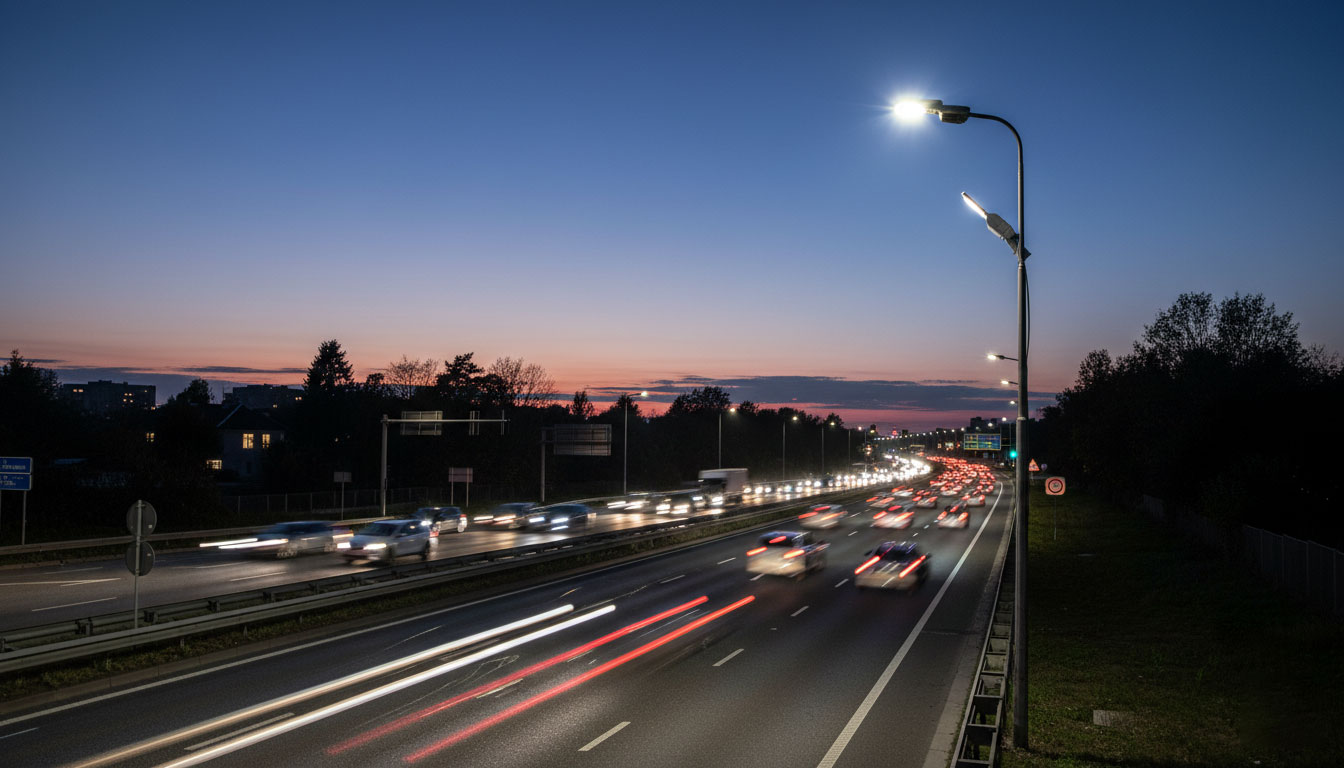
One mistake I still see is oversizing power to compensate for poor optics. That approach creates glare, wastes energy, and annoys residents.
IES guidance emphasizes uniformity ratios and visual comfort, not raw brightness. A properly designed cobra head LED street light uses optics to spread light evenly along the roadway, not concentrate it under the pole.
In multiple retrofit projects, replacing high-pressure sodium lamps with cobra head LED fixtures resulted in:
Good optics outperform extra watts every time.
Modern cobra head LED street lights typically operate 4,000–4,500 hours per year. According to data published by the U.S. Department of Energy, LED roadway lighting can reduce energy consumption by 50–65% compared to legacy HPS systems while improving lighting quality.
The benefit extends beyond electricity:
Based on LM-80 and TM-21 methodologies, fixtures rated L80B20 >100,000 hours maintain predictable light output over long periods, which is critical for municipal planning.
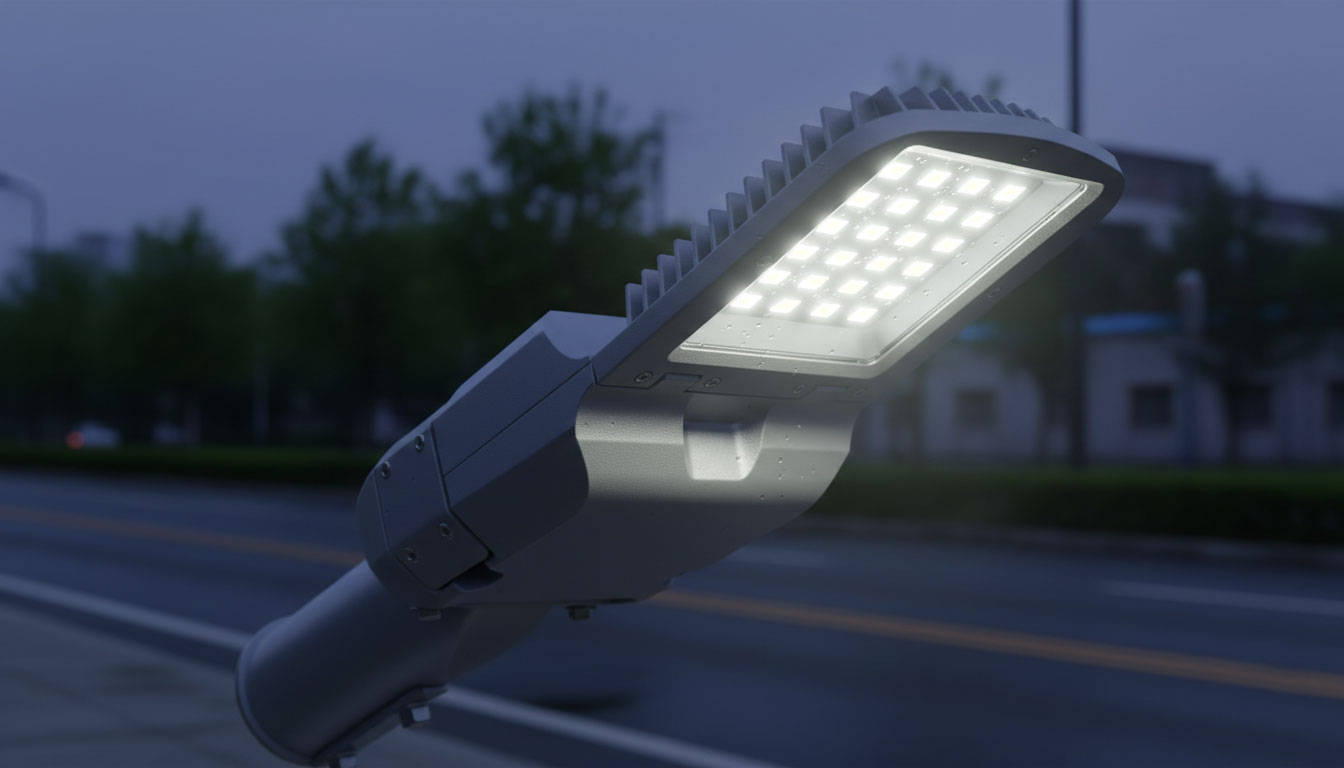
Road lights live in harsh conditions. Rain, dust, heat, vibration, and electrical instability are normal.
That’s why cobra head LED street lights typically include:
These features aren’t optional on real roads. They are learned requirements.
From long-term projects, cobra head fixtures perform best in:
They are functional tools, not decorative elements.
A cobra head LED street light should never try to stand out. Its success is measured by how little attention it draws over time.
The SEEKINGLED cobra head LED street light focuses on what matters: controlled optics, durable construction, and stable electrical performance. That approach aligns with real-world roadway requirements and long-term maintenance realities.
After years of watching which fixtures survive and which ones don’t, this kind of straightforward design is still the safest choice for road lighting projects.
And that reliability is exactly why cobra head LED street lights continue to be specified around the world.
SEEKING STL-Series LED street lights deliver stable performance, 170 lm/W efficiency and 10KV surge protection. Ideal for city streets, parking lots, public roads and outdoor area lighting projects. Durable IP66 & IK08 design for long-term reliabi…
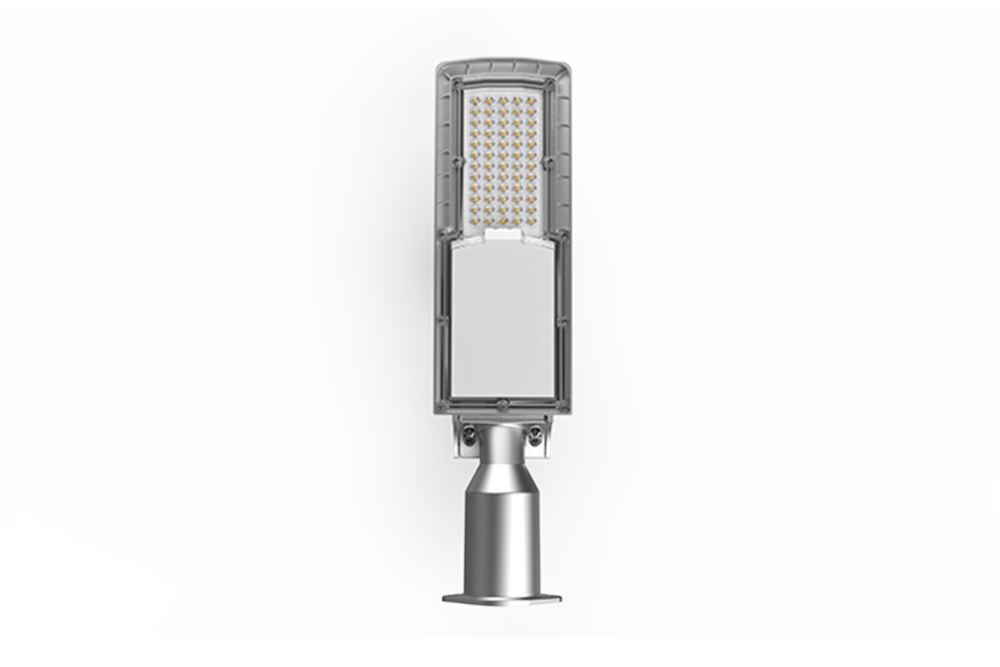
The SEEKING STC Series LED light street light delivers up to 170lm/W efficiency with MOSO drivers, IP66 protection, and a ±15° adjustable arm—ideal for roads, residential areas, and public lighting upgrades.
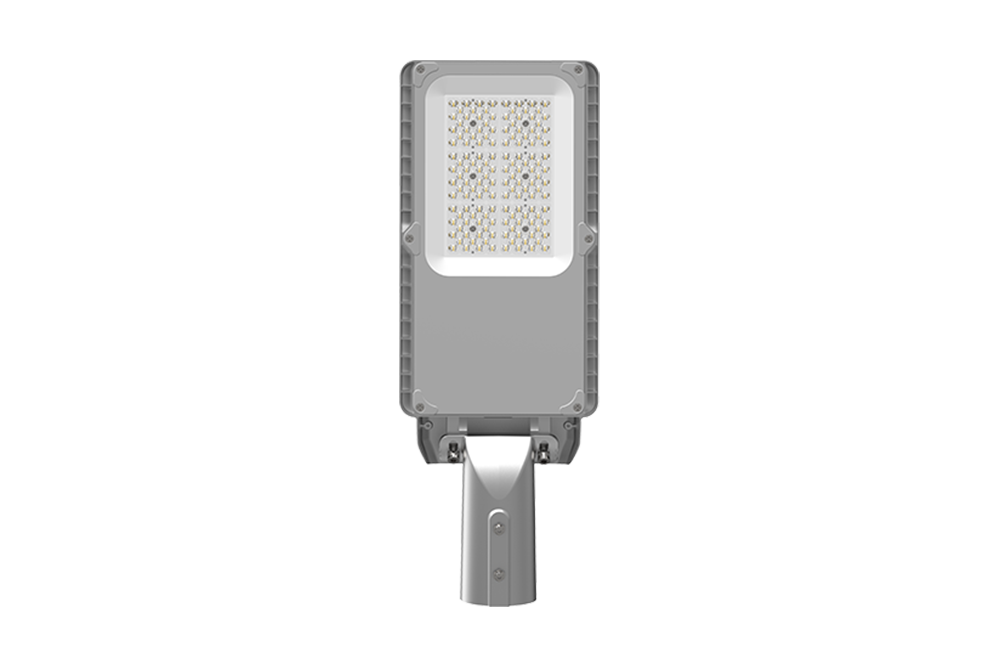
SEEKING STB Series LED street lighting delivers up to 160 lm/W, 10kV surge protection, IP66 waterproofing, and durable IK08 impact resistance. Ideal for streets, parking lots, and large outdoor areas needing long-lasting, energy-saving LED roadway…
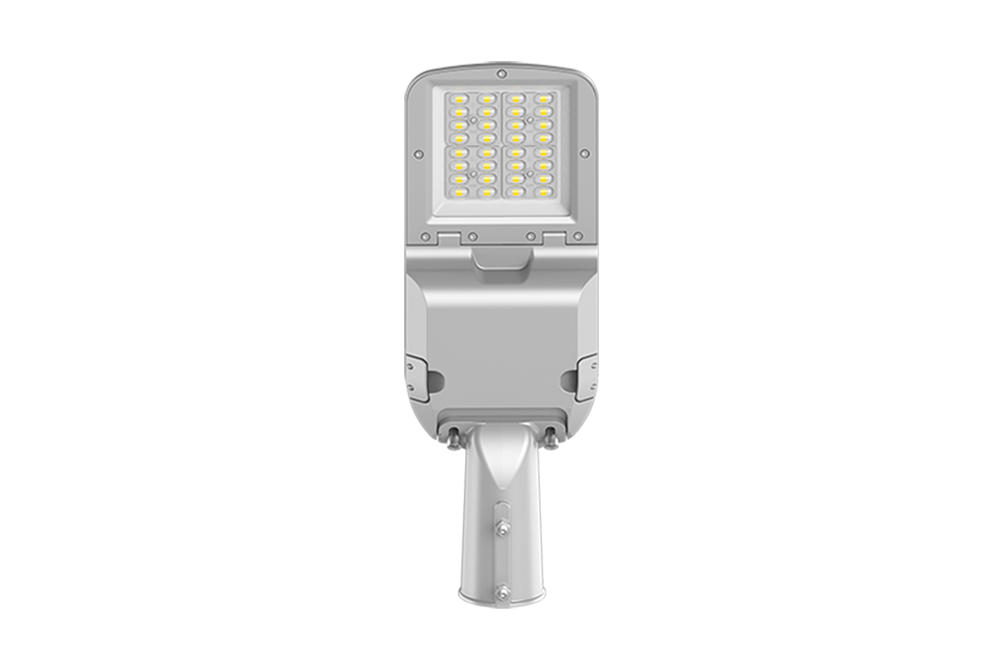
The SEEKING STA Series LED street light delivers strong efficiency, IP66 protection, 10kV surge resistance and multiple beam patterns for roads, parking lots and urban areas. High lumen output, easy installation and reliable performance for long-t…
loading…
This is the last post!
How many lumens is a flood light? Learn recommended lumen levels for outdoor, security, and industrial lighting applications with expert tips from SEEKINGLED.
View details
Are flickering LED lights dangerous in real environments? Learn causes, health risks, and how SEEKINGLED lighting systems reduce flicker for safer performance.
View details
High CRI sports stadium LED lighting plays a critical role in color accuracy, broadcast quality, and on-site visibility. This engineer-led insight explains how CRI affects real stadium lighting projects using SEEKINGLED solutions.
View details
Do high bay lights work at low level? Learn when high bays can be used on low ceilings, how glare and beam angle change, and when low bay lights are better.
View details