 Seeking LED
What Is Explosion Proof Junction Box?
0What is explosion proof junction box? Learn how explosion-proof junction boxes prevent ignition risks in hazardous areas, where they are used, and how to choose the right model.
View detailsSearch the whole station
How to replace flood light? You can replace a flood light by switching off power, removing the old fixture, checking wiring, installing the new light, and testing the system safely. Proper installation ensures reliable outdoor illumination and longer service life.
Replacing an outdoor flood light may look like a simple fixture swap, but professional installation involves more than removing screws and connecting wires. The mounting location, electrical condition, waterproof protection, and beam direction all influence the final lighting performance.
At SEEKINGLED, we have worked with LED flood light applications for commercial buildings, industrial facilities, parking areas, and outdoor security projects. From field experience, many lighting problems after replacement are not caused by the new fixture itself. They often come from old wiring, incorrect mounting angles, poor sealing, or unsuitable replacement specifications.
A flood light normally requires replacement when performance drops or components become unreliable.
Common signs include:
Many older halogen and HID flood lights are replaced with LED models because LED technology offers longer service life and better efficiency.
According to the U.S. Department of Energy, LED lighting uses at least 75% less energy and lasts up to 25 times longer than incandescent lighting.
Source:
https://www.energy.gov/energysaver/led-lighting
For outdoor applications, upgrading an old flood light to LED can reduce maintenance frequency while improving brightness consistency.
Before starting the replacement, prepare:
| Tool / Material | Purpose |
|---|---|
| Voltage tester | Confirm power is disconnected |
| Screwdriver | Remove and install fixture screws |
| Wire connectors | Secure electrical connections |
| Waterproof cable gland | Protect outdoor wiring |
| Adjustable wrench | Tighten mounting hardware |
| Safety gloves | Protect hands during installation |
For commercial projects, installers may also use:
A replacement flood light should not only match the previous wattage. It should also fit the application environment.
Important specifications include:
| Specification | Recommended Consideration |
|---|---|
| Wattage | Match required brightness |
| Voltage | Confirm electrical compatibility |
| IP Rating | Suitable for outdoor conditions |
| Beam Angle | Covers the correct area |
| Mounting Type | Fits existing structure |
Safety is the first step.
Before removing the old fixture:
Outdoor flood lights are often installed on walls, poles, and building exteriors, so proper safety preparation is essential.
Once the power is disconnected:
During replacement projects, technicians often discover:
Replacing the fixture without checking these problems can cause the new flood light to fail prematurely.
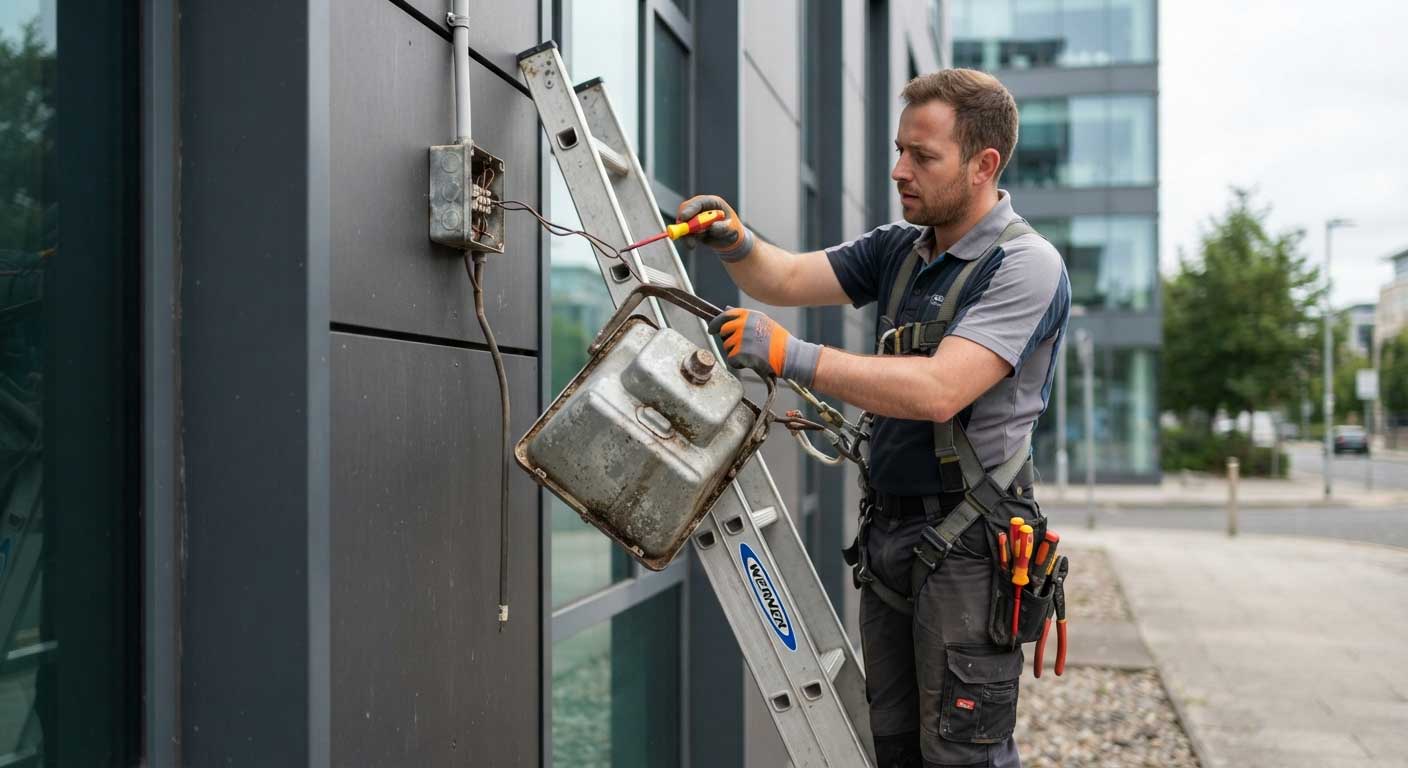
The replacement model should be selected according to the application.
Typical uses:
Recommended features:
Typical uses:
Recommended features:
Replacing an old flood light with LED technology provides several advantages:
LED flood lights generate high brightness with lower electrical power requirements.
Quality LED flood lights commonly provide:
Modern LED flood lights often include:
At SEEKINGLED, our LED flood light solutions are designed for demanding outdoor environments where reliability and long-term performance are critical.
After removing the old fixture and confirming the electrical condition, connect the replacement flood light according to the manufacturer’s wiring instructions.
Most outdoor LED flood lights use three basic wires:
| Wire | Function |
|---|---|
| Live (L) | Provides electrical power |
| Neutral (N) | Completes the circuit |
| Ground/Earth | Provides safety protection |
During installation:
Water intrusion is one of the most common causes of outdoor lighting failure. Even a high-quality LED flood light can experience early damage if the wiring area is not properly protected.
For industrial and commercial installations, additional protection such as waterproof junction boxes and surge protection may improve long-term reliability.
After wiring is complete, secure the new flood light to the mounting surface.
Check:
The correct installation angle is often overlooked.
A flood light installed too high may create weak illumination near the ground. A fixture aimed incorrectly may create unnecessary glare while leaving dark areas.
For example:
| Application | Recommended Lighting Direction |
|---|---|
| Building entrance | Downward and toward access areas |
| Parking area | Wide coverage across vehicle zones |
| Warehouse exterior | Focus on loading and operation areas |
| Security perimeter | Cover possible entry points |
Professional lighting projects usually consider mounting height, beam angle, and surrounding environment before final adjustment.
After installation:
A proper test should verify:
If the flood light includes motion control, photocell, or smart features, test each function separately.
Many users assume a higher wattage flood light always provides better performance.
However, lighting performance depends on:
A correctly selected 100W LED flood light may provide better results than an incorrectly installed higher-power model.
A new flood light cannot solve damaged electrical systems.
Before installation, check for:
Old wiring is especially common in buildings where outdoor lights have operated for many years.
Outdoor flood lights must handle changing weather conditions.
Typical recommendations:
| Location | Recommended Protection |
|---|---|
| Covered outdoor area | IP65 |
| Rain-exposed installation | IP66 |
| Coastal or industrial environment | Higher corrosion protection |
The correct IP rating helps protect internal components from dust and moisture.
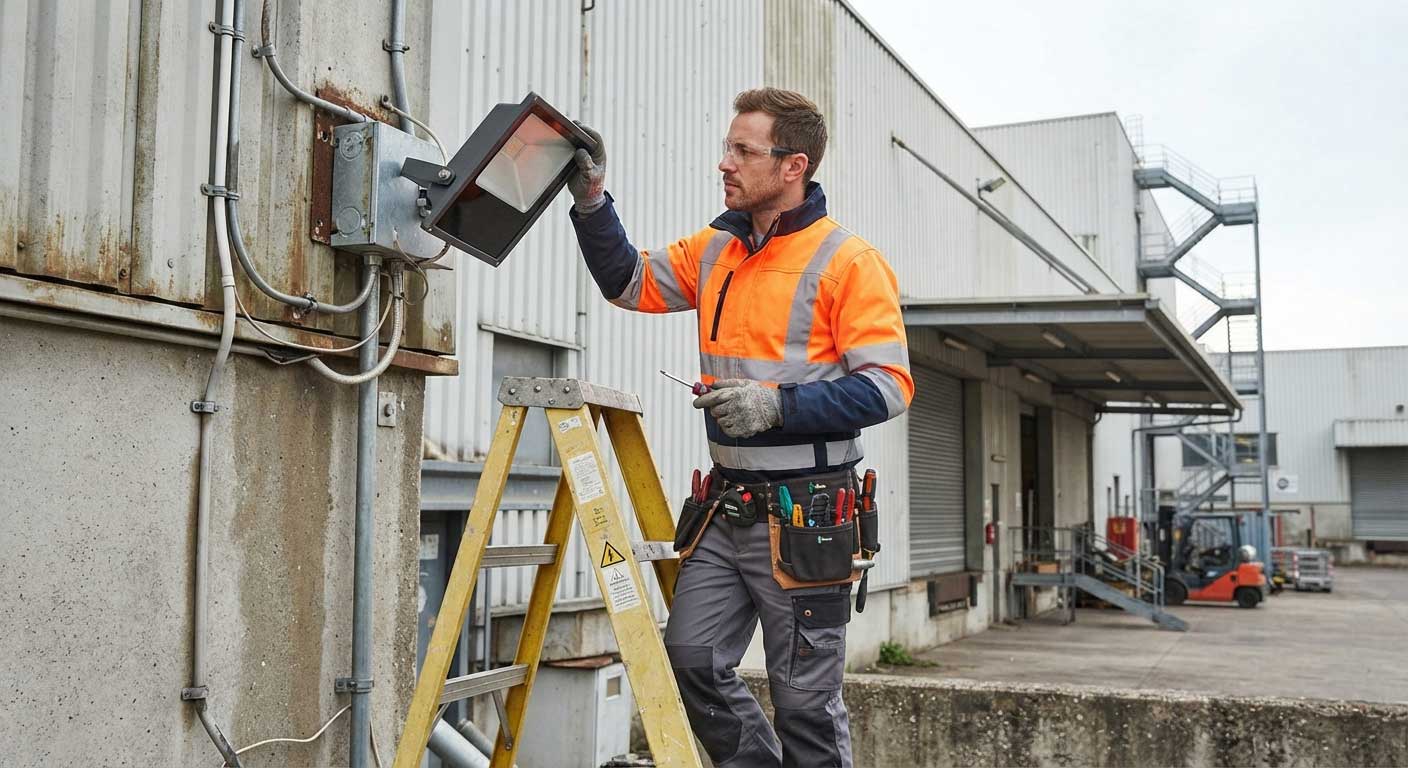
Yes, some basic replacements can be completed by experienced homeowners. However, electrical safety procedures must be followed, including switching off power and checking wiring before installation.
A simple residential flood light replacement may take around 30–60 minutes. Commercial installations usually require more time because of mounting height, wiring inspection, and safety requirements.
Not always. If existing wiring is in good condition and meets electrical requirements, it can often be reused. Damaged or outdated wiring should be repaired before connecting a new fixture.
Yes. LED flood lights are commonly used as replacements for halogen and HID fixtures because they offer longer lifespan, lower energy consumption, and reduced maintenance.
Most outdoor applications require at least IP65 protection. Locations exposed to heavy rain, dust, or harsh environments may benefit from IP66 or higher protection.
Common causes include:
Checking electrical connections is the first troubleshooting step.
Not necessarily. The correct replacement depends on brightness requirements, coverage area, mounting height, and energy efficiency rather than wattage alone.
How to change LED flood light bulb is a common question, especially for outdoor lighting around buildings, parking areas, or sports facilities. The short answer is: it depends on the type of LED flood light you are using.
Unlike traditional halogen or HID floodlights, many modern LED flood lights are designed as integrated fixtures rather than bulb-replaceable lamps.Learn more about “How to Change LED Flood Light Bulb“
How to replace flood light requires more than simply removing an old fixture and installing a new one. A reliable replacement involves checking electrical safety, selecting the correct LED specification, protecting connections, and adjusting the lighting position properly.
From SEEKINGLED’s experience with commercial and industrial LED lighting projects, the best replacement results come from matching the fixture to the environment instead of choosing only the highest brightness option.
A properly installed LED flood light can provide years of stable performance, lower maintenance requirements, and improved outdoor visibility for residential, commercial, and industrial applications.
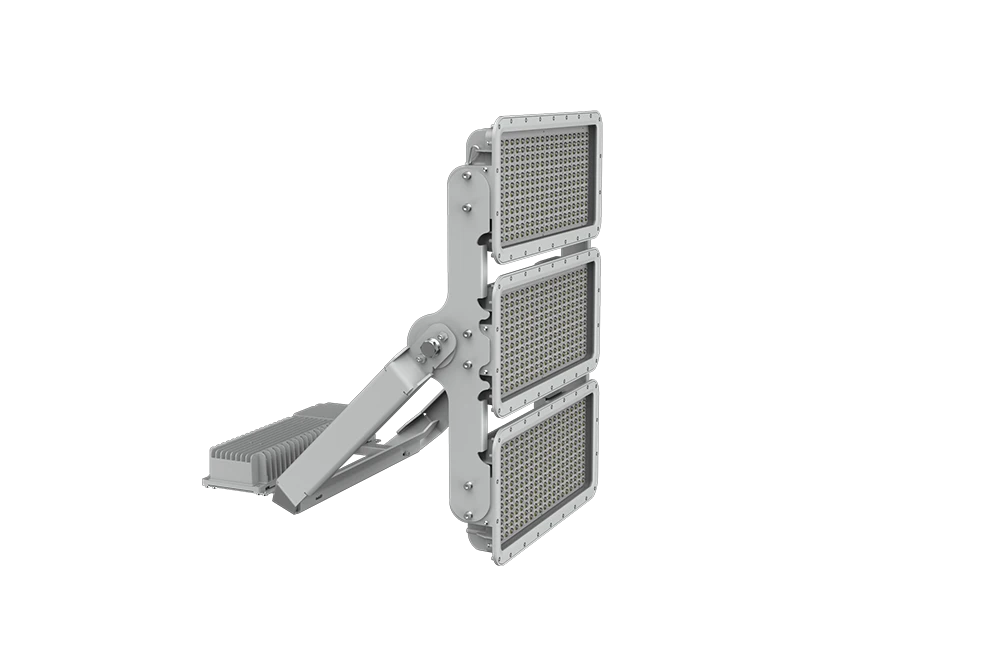
Sports Stadium LED Lighting by SEEKINGLED delivers high mast illumination, precise beam control, and EN 12193 compliant performance for professional venues.
View details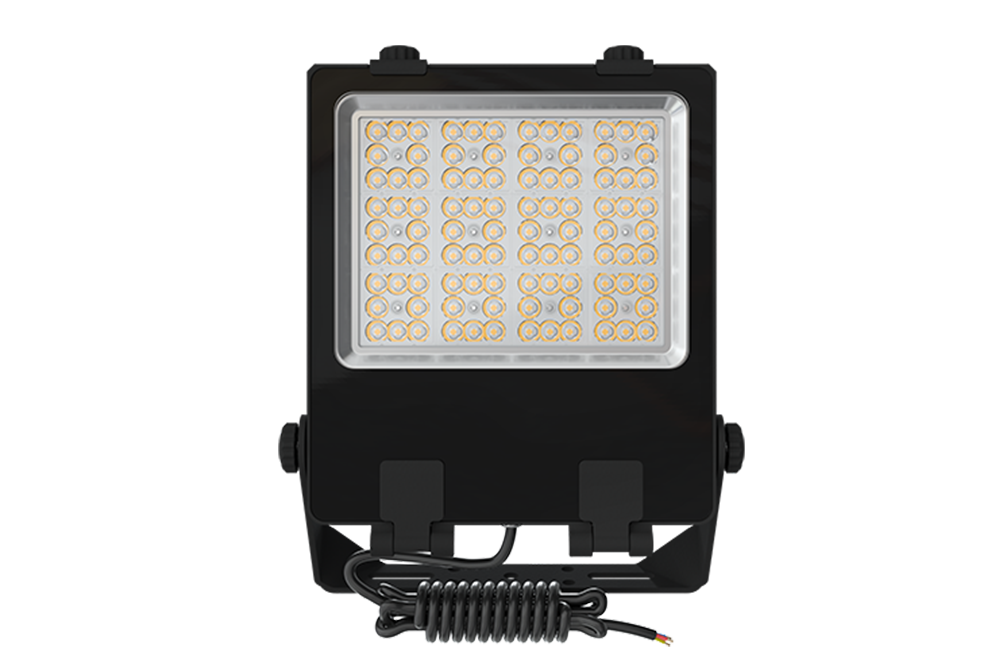
SEEKING FLX Series LED flood light outdoor for sports courts and open-area projects with 170lm/W efficiency, IP66 protection and multiple beam distributions. Designed for long-life commercial and public outdoor use.
View details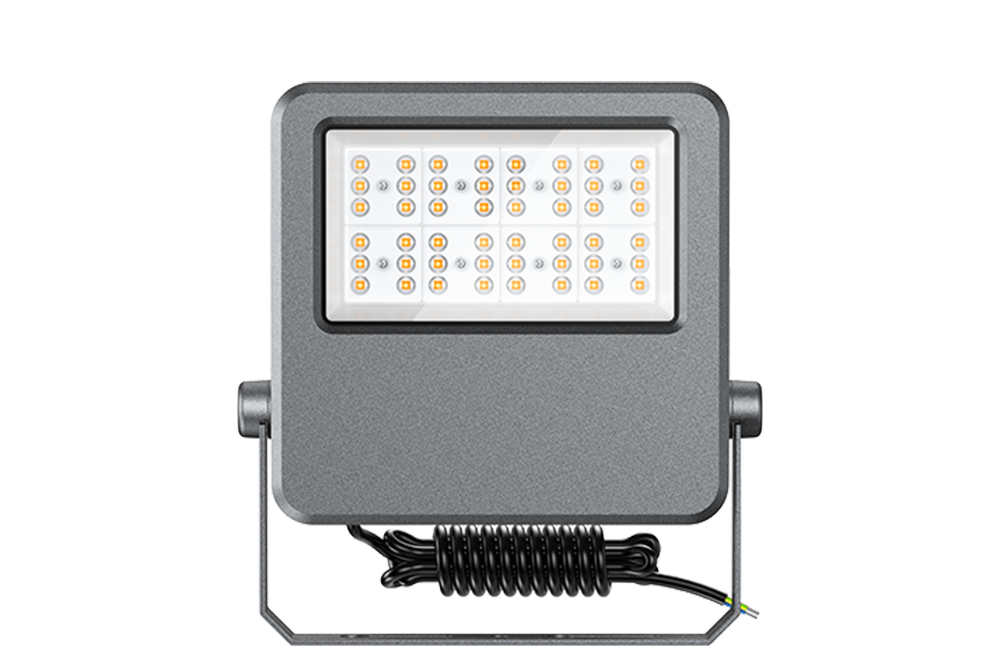
SEEKING FLE Series LED outdoor flood lights for sports grounds and open areas with multiple beam angles, IP66 protection and up to 170lm/W. Designed for long-life outdoor installations with professional driver options.
View details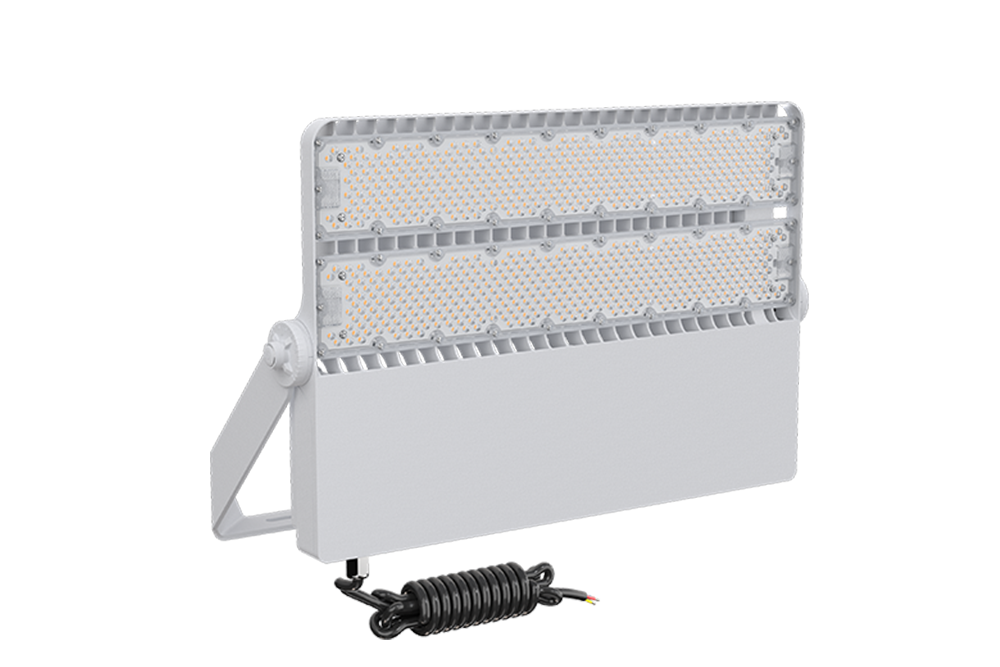
SEEKING FLD Series outdoor LED flood lights and high power led flood light deliver up to 960W with precision beam angles for sports fields, stadiums and large outdoor areas. IK08 & IP66 protection, 170lm/W efficiency and 100,000h lifetime.
View details
What is explosion proof junction box? Learn how explosion-proof junction boxes prevent ignition risks in hazardous areas, where they are used, and how to choose the right model.
View details
How to avoid sunk cost in LED high bay lighting projects starts with design decisions, not fixtures. Learn how to stop throwing money at bad layouts.
View details
What Are Hazardous Area Batten Lights? Discover how certified hazardous area batten lights improve safety, reduce maintenance, and protect industrial facilities.
View details
How to install LED street light on poles, roads, and parking areas. A practical installation guide based on real projects, common mistakes, and field experience.
View details