Q: What wattage for outdoor LED flood lights should I choose?
There is no single wattage that fits every outdoor job.
If someone gives you one number right away, that’s usually a shortcut. Outdoors doesn’t behave that cleanly.
The right wattage depends on where the light is mounted, how far it needs to throw, and how long it stays on every night.
Start with distance, not brightness claims
Most mistakes happen here.
People look at lumens or wattage first, then figure out mounting height later. In real projects, it should be the other way around.
A led flood light mounted at 3 meters behaves very differently from one mounted at 10 or 12 meters. Same wattage, different result.
Low wattage works closer than you think
For small outdoor areas—walkways, small yards, loading zones close to the wall—lower wattage often works fine.
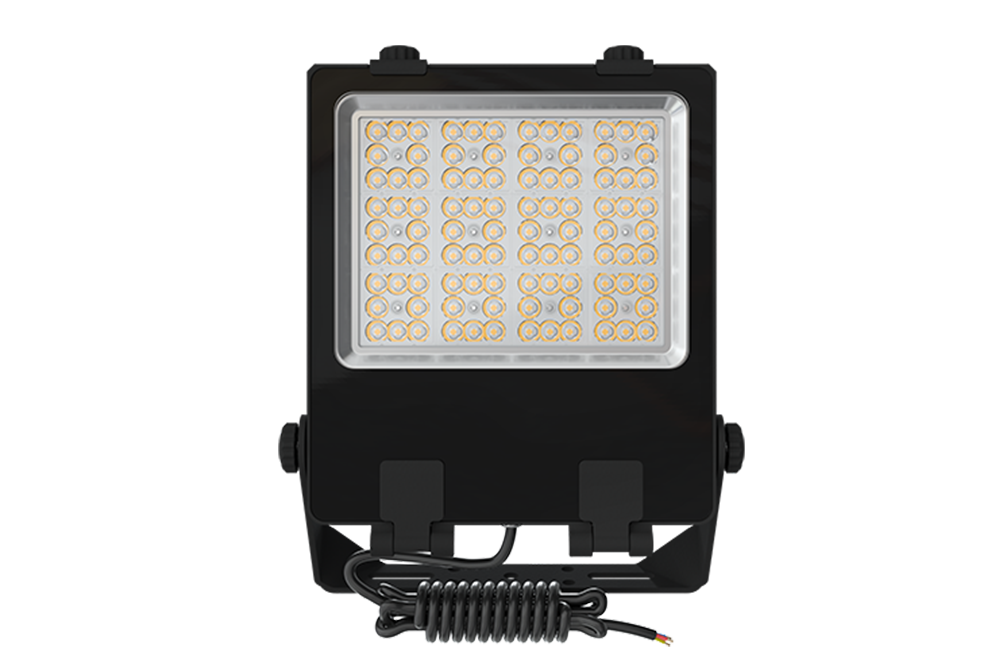
In many cases, 30W to 50W LED flood lights already provide enough usable light. Going higher doesn’t improve visibility much. It just wastes energy and creates glare.
More light is not always better. Outdoors proves that quickly.
Medium wattage is where most outdoor jobs land
This is the range most people actually need, even if they don’t realize it.
Parking areas, building perimeters, open work zones—this is where mid-range wattage makes sense.
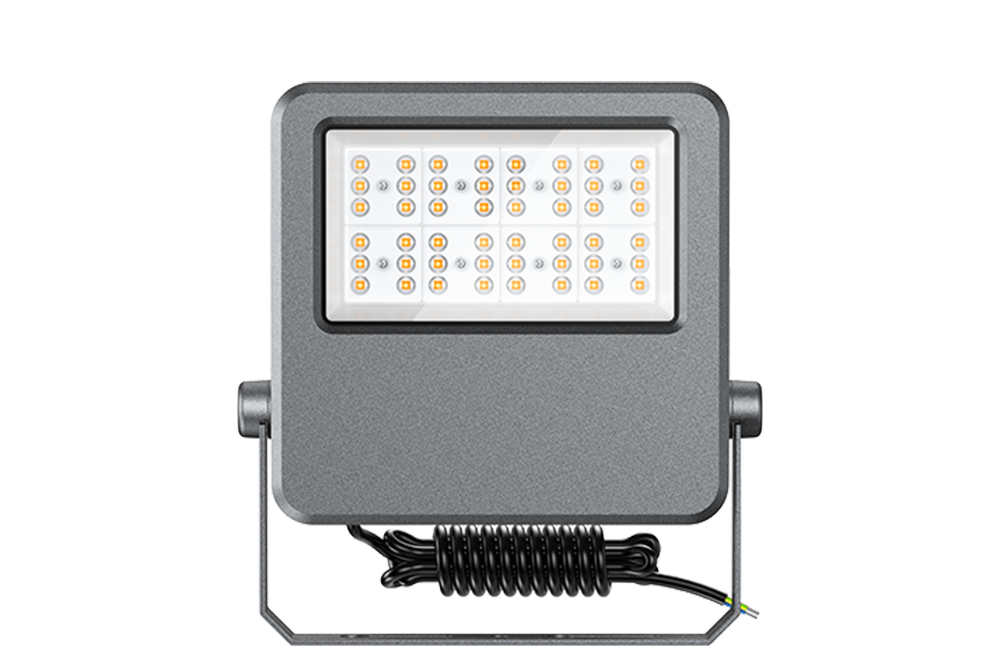
Roughly speaking, 100W to 150W outdoor LED flood lights are commonly used here. Not because the number looks good, but because the coverage stays usable without blowing out the scene.
This is also where optic design starts to matter more than wattage.
High wattage only earns its place when height increases
Once mounting height goes up, wattage follows.
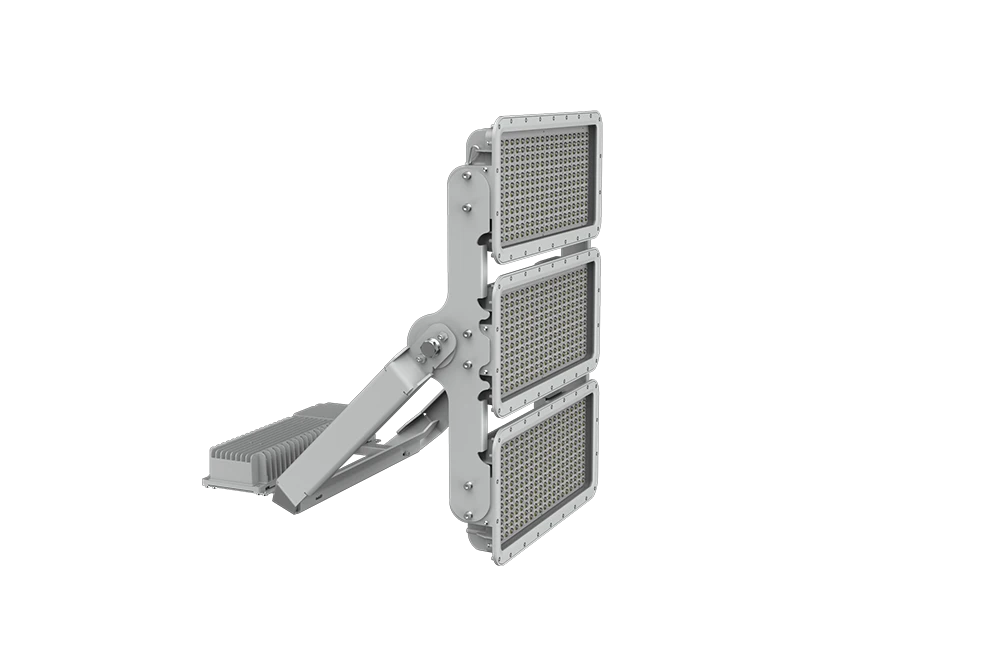
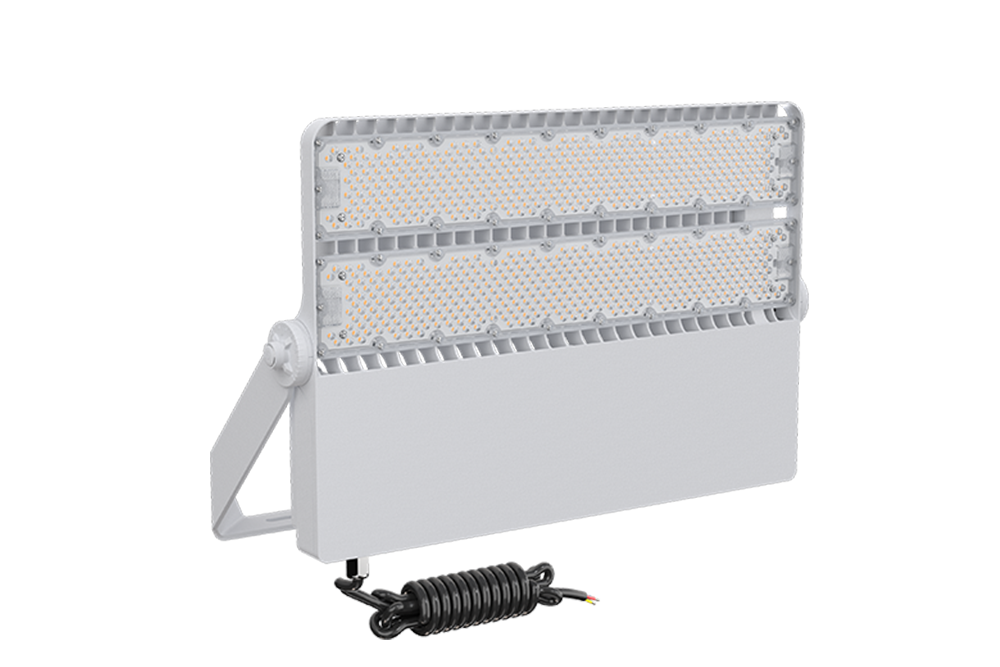
Poles, tall walls, large yards—this is where 200W and above starts to make sense. Below that, light simply doesn’t travel far enough.
But this is also where poor design fails fast. Cheap high-watt lights often look powerful at first, then drop output after heat builds up.
That’s not theory. You see it on site.
Why wattage alone still misleads people
Two flood lights can share the same wattage and perform completely differently.
Driver quality, heat dissipation, and beam control decide whether that wattage turns into usable light—or just heat.
This is why at SEEKINGLED, wattage is never discussed alone. It’s always paired with mounting height and application.
Typical wattage ranges (real-world reference)
Not rules. Just practical reference points:
- Small outdoor areas: 30W–50W
- General outdoor spaces: 100W–150W
- Large yards or high mounting: 200W+
Adjustments always follow site conditions. Wind, ambient temperature, and usage hours all play a role.
A common mistake worth avoiding
Many people overspec wattage “just to be safe.”
Outdoors, that often backfires. Too much light flattens contrast, creates harsh shadows, and increases maintenance issues.
Choosing the correct wattage is not about maxing numbers. It’s about control.
Final answer, without softening it
The right wattage for outdoor LED flood lights depends on distance, height, and runtime—not marketing claims.
If the light still performs the same after hours of use, then the wattage choice was correct.
LED flood lights Recommendations
 Seeking LED