 Seeking LED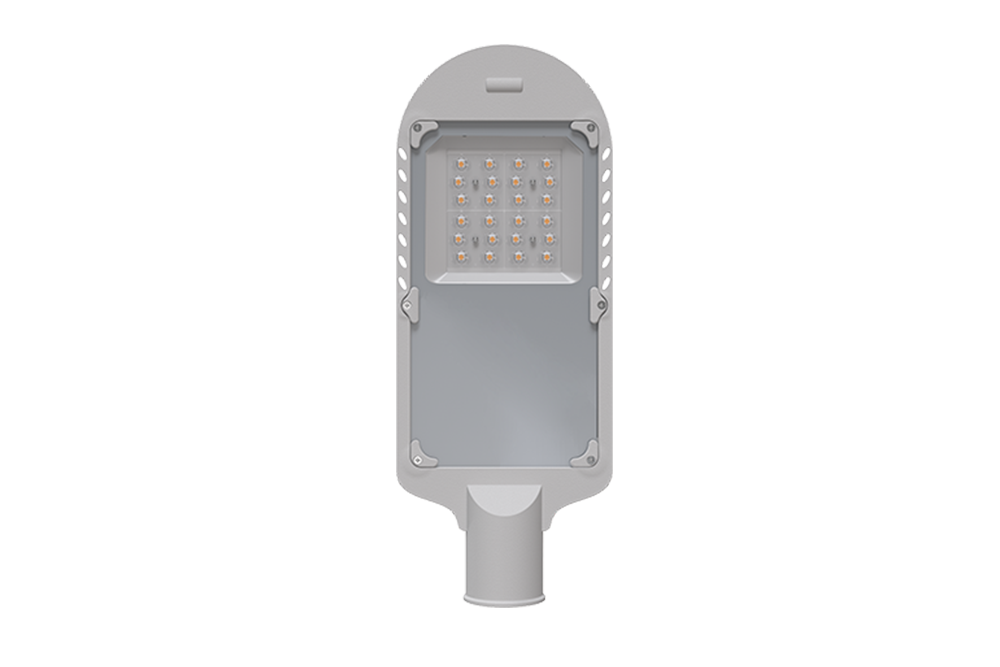
What Is explosion-proof flashlights?
0What Is explosion-proof flashlights? Learn how certified industrial flashlights protect workers in hazardous areas with explosion-proof design, standards, and field insights.
View detailsSearch the whole station
People don’t ask why do LED street lights turn blue because they like the color.
They ask because one night, the street looked wrong.
Not dim.
Not off.
Just… blue. Cold blue.
And it usually spreads, pole by pole.
Short answer:
the light isn’t “changing color.” It’s losing part of itself.
Most LED street lights are blue chips with a phosphor coating.
That coating converts harsh blue into usable white.
When the coating degrades, the blue stays. The white disappears.
What you see is not a feature.
It’s exposure.
This matters, so let’s be clear.
When LED street lights turn blue:
Replacing drivers won’t fix blue light.
The LED package itself is aging incorrectly.
From field observation, it usually comes down to three things.
Poor thermal design shortens everything.
Once heat cycles break down the phosphor layer, the blue wavelength dominates.
The light output may still look “bright,” but it’s no longer correct.
Brightness fools people. Color tells the truth.
Not all LEDs age the same.
Cheaper packages often look fine for the first year or two.
Then the shift starts. Slowly. Then suddenly obvious.
This is why entire streets sometimes turn blue together.
Same batch. Same failure curve.
Outdoor LED street lights live hard lives:
Without proper encapsulation, the phosphor layer simply doesn’t last.
They’re not “dangerous” in the dramatic sense.
But they are problematic.
Blue-heavy light:
Municipalities notice. Residents complain.
And yes—many cities replace them early.
No. And this matters.
If you’re asking why do LED street lights turn blue, you’re likely also asking:
“Can we fix this without replacing everything?”
The answer, in most cases, is no.
Once the LED package degrades, replacement is the only stable option.
This is where manufacturer choices matter more than specs on paper.
At SEEKINGLED, blue-shift failures are something we actively design against:
Because nobody wants to explain blue streets to a city council.
If the color shift is visible to the naked eye, the answer is simple:
Replace them.
Waiting doesn’t reverse degradation.
It only increases complaints.
And mixing blue-shifted fixtures with normal white ones makes streets look worse, not better.
So, why do LED street lights turn blue?
Because the part that makes them white didn’t survive the job.
It’s not mysterious.
It’s not rare anymore.
And it’s preventable—with the right design and supplier choices.
SEEKING STL-Series LED street lights deliver stable performance, 170 lm/W efficiency and 10KV surge protection. Ideal for city streets, parking lots, public roads and outdoor area lighting projects. Durable IP66 & IK08 design for long-term reliabi…
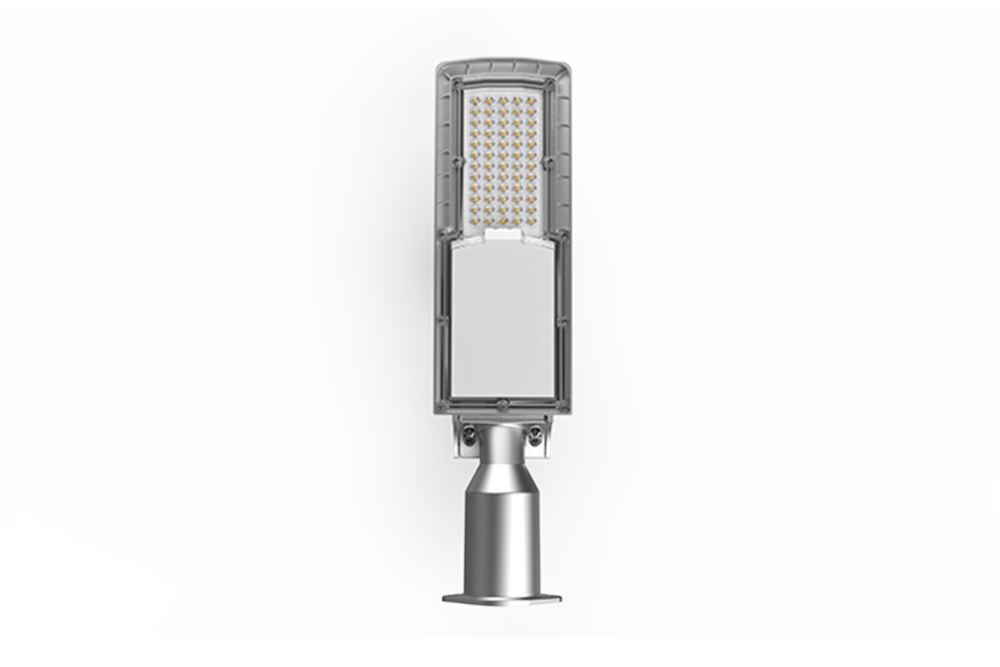
The SEEKING STC Series LED light street light delivers up to 170lm/W efficiency with MOSO drivers, IP66 protection, and a ±15° adjustable arm—ideal for roads, residential areas, and public lighting upgrades.
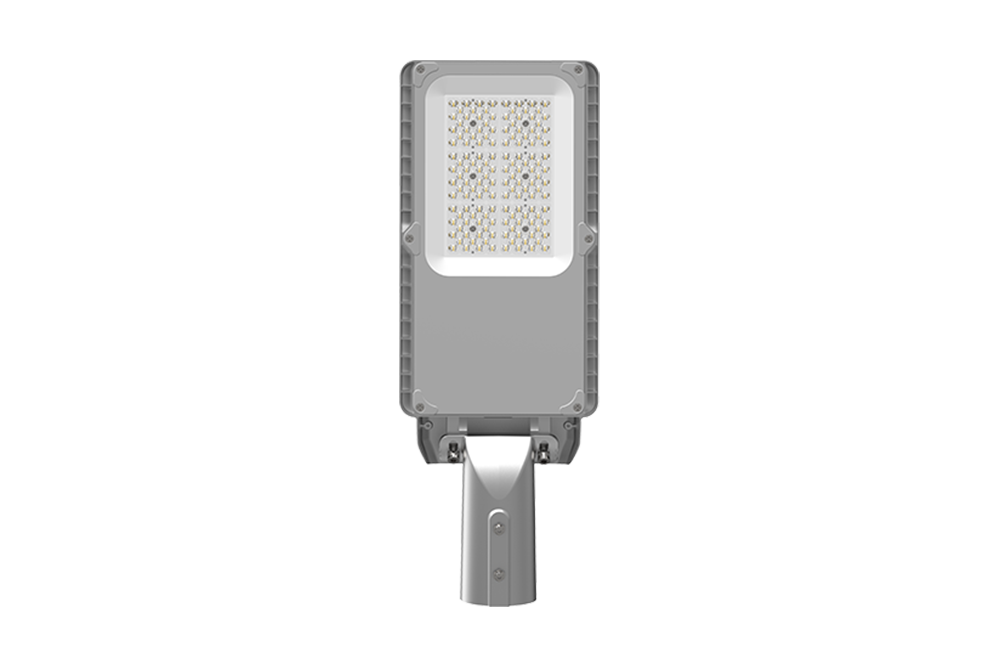
SEEKING STB Series LED street lighting delivers up to 160 lm/W, 10kV surge protection, IP66 waterproofing, and durable IK08 impact resistance. Ideal for streets, parking lots, and large outdoor areas needing long-lasting, energy-saving LED roadway…
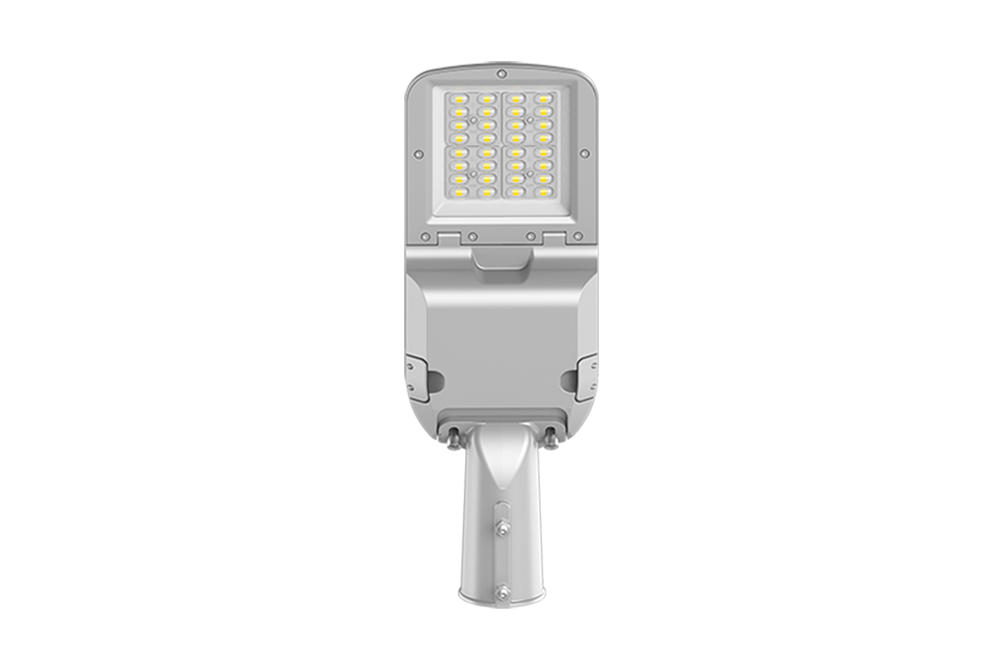
The SEEKING STA Series LED street light delivers strong efficiency, IP66 protection, 10kV surge resistance and multiple beam patterns for roads, parking lots and urban areas. High lumen output, easy installation and reliable performance for long-t…
loading…
This is the last post!

What Is explosion-proof flashlights? Learn how certified industrial flashlights protect workers in hazardous areas with explosion-proof design, standards, and field insights.
View details
Flood light 100W for outdoor and commercial lighting. Strong illumination, stable performance, and long-term reliability from SEEKINGLED.
View details
30th-March-4th-April-2014 Booth NO.:10.1 G90 In 2013, We launch the HBL series high bay light. Include 100W, 120W, 150W, 200W, 240W, which use SMD3020 LED chip, IP65.use Meanwell HLG series driver, whole lamp 5 year warranty. 12...
View details
foco led 100w floodlights deliver efficient, bright outdoor lighting with low energy use, long lifespan, and reliable performance for residential and commercial use.
View details