 Seeking LED
explosion proof linear light for hazardous industrial lighting
2Explosion proof linear light designed for Zone 1 and Zone 2 hazardous locations. High-efficiency LED protection for oil, gas, marine, and chemical plants.
View detailsSearch the whole station
Wiring methods for explosion-proof light fixtures are a common question from users.
According to the IEC 60079 explosion-proof safety standards, live electrical contacts must not be exposed in flammable or explosive atmospheres. In Zone 1 and Zone 2 hazardous areas, explosion-proof junction boxes of the appropriate protection level must be used to ensure the safety of cable connections.
SEEKINGLED has integrated an explosion-proof junction box into the structural design of every fixture. This built-in solution offers three major advantages:
1,Eliminates the cost of purchasing additional explosion-proof junction boxes;
2,Reduces labor costs during on-site installation;
3,Significantly lowers the risk of accidents caused by improper wiring.
Furthermore, the integrated explosion-proof junction box features internal wiring terminals with “one-in, one-out” capability, allowing multiple fixtures to be connected in series. This not only further reduces wiring costs but also enhances the overall safety and reliability of the lighting system.

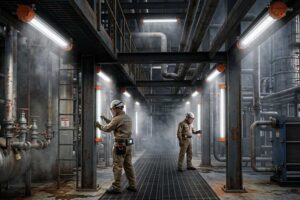
Explosion proof linear light designed for Zone 1 and Zone 2 hazardous locations. High-efficiency LED protection for oil, gas, marine, and chemical plants.
View details
How high to mount high bay LED lights for proper coverage and efficiency? This guide explains mounting height ranges, spacing logic, and real-world installation tips from SEEKINGLED projects.
View details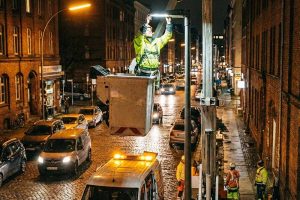
Where to buy LED light replacements for street lighting without guessing wrong. A real-world guide based on replacement projects and supplier experience.
View details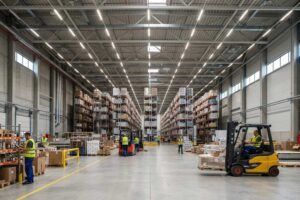
A high bay light typically uses 100W–240W, with larger fixtures exceeding 300W. A 150W fixture running 10 hours consumes about 1.5 kWh per day.
View details