 Seeking LED
How Many Amps Does a 200 Watt LED Light Draw?
129how many amps does a 200 watt led light draw in real installations? Discover the current draw at 120V and 240V, practical load calculations, and electrical tips from SEEKINGLED.
View detailsSearch the whole station
Zone 2 ATEX lighting is designed for hazardous locations where explosive gas atmospheres are unlikely during normal operation but may appear briefly under abnormal conditions. These certified LED fixtures provide safe, efficient, and reliable illumination for industrial environments.
In real industrial projects, choosing hazardous area lighting is not only about checking wattage or brightness. Engineers need to evaluate the actual working environment, possible gas exposure, temperature conditions, and maintenance requirements before selecting a suitable fixture.
At SEEKINGLED, we have worked with industrial lighting applications where customers needed dependable illumination for oil terminals, chemical storage areas, and manufacturing facilities. Many project discussions start with a simple question: “Is Zone 2 classification enough for this area?” The answer depends on the hazardous assessment, not only the location name.
Zone 2 ATEX lighting refers to explosion-protected lighting equipment certified for areas where explosive gas atmospheres are not expected during normal operation but may exist temporarily due to equipment failure or abnormal conditions.
Under the ATEX Directive 2014/34/EU, equipment used in explosive atmospheres must meet essential safety requirements before being placed on the European market.
Source:
European Commission ATEX Directive
https://single-market-economy.ec.europa.eu/sectors/mechanical-engineering-and-machinery/atex_en
Zone 2 areas are different from Zone 1 locations. The probability of explosive atmosphere formation is lower, but equipment must still prevent possible ignition caused by electrical sparks, overheating, or component failure.
Typical Zone 2 applications include:
In many facilities, Zone 2 areas are located around equipment rather than inside the process equipment itself. For example, a pump room may contain normal operating equipment but still require certified lighting because small leaks can create temporary hazardous conditions.
The ATEX classification system divides hazardous areas according to how frequently explosive atmospheres may occur.
| Zone Classification | Gas Atmosphere Condition | Typical Example |
|---|---|---|
| Zone 0 | Present continuously or for long periods | Inside gas tanks |
| Zone 1 | Likely to occur occasionally during normal operation | Production equipment areas |
| Zone 2 | Not likely during normal operation, but possible temporarily | Storage and surrounding areas |
Selecting the correct lighting category helps companies avoid unnecessary costs while maintaining compliance.
A common mistake we see in industrial projects is selecting products only based on “explosion-proof” wording. Different hazardous zones require different protection levels. A Zone 2 fixture is not automatically suitable for Zone 1 applications, and certification details must always be checked.Visit the product page: Explosion Proof Lighting
A qualified zone 2 atex lighting product should include clear certification information.
Important parameters include:
Typical markings may include:
The correct marking depends on the protection method and application environment.
For industrial buyers, requesting the original certificate from the manufacturer is an important step. A product description alone cannot replace certification documentation.
Temperature control is critical in hazardous environments because flammable gases have different ignition temperatures.
Common ATEX temperature classes:
| Temperature Class | Maximum Surface Temperature |
|---|---|
| T1 | 450°C |
| T2 | 300°C |
| T3 | 200°C |
| T4 | 135°C |
| T5 | 100°C |
| T6 | 85°C |
For example, a chemical facility handling low ignition temperature materials may require a lower temperature classification.
When evaluating lighting fixtures, engineers should consider:
Zone 2 lighting is often installed in outdoor or semi-outdoor industrial environments. Explosion protection alone is not enough.
Additional protection requirements commonly include:
| Protection Type | Recommended Level |
|---|---|
| Dust and water protection | IP66/IP67 |
| Impact resistance | IK08–IK10 |
| Corrosion resistance | Industrial coating |
According to IEC 60529, IP ratings define protection levels against solid particles and water ingress.
Source:
International Electrotechnical Commission IEC 60529
https://www.iec.ch/
A fixture installed near coastal chemical plants, for example, faces corrosion risks that may affect lifespan even when explosion protection remains intact.
LED technology has become widely adopted in industrial environments because of improved efficiency.
The U.S. Department of Energy states that LED lighting uses at least 75% less energy and lasts up to 25 times longer than incandescent lighting.
Source:
U.S. Department of Energy – LED Lighting
https://www.energy.gov/energysaver/led-lighting
For factories operating 24 hours a day, energy savings can become a significant operating advantage.
Maintenance in hazardous areas is more complicated than in ordinary industrial spaces.
Replacing damaged lamps may require:
Long-life LED fixtures reduce the frequency of maintenance activities and help keep production schedules stable.
Industrial Zone 2 environments often involve:
A well-designed LED hazardous area fixture must maintain stable output despite these conditions.
At SEEKINGLED, our engineering process focuses on thermal management, enclosure protection, and application suitability rather than only achieving initial brightness.
SEEKINGLED develops industrial LED lighting solutions for global customers requiring reliable performance in challenging environments.
During project evaluation, we normally review:
In one industrial storage application, the customer initially planned to use standard industrial LED lights because the area was considered “mostly safe.” After reviewing the site conditions, the surrounding gas handling equipment indicated that certified Zone 2 lighting was a more appropriate solution.
This type of assessment is why hazardous lighting selection should involve both product knowledge and application experience.
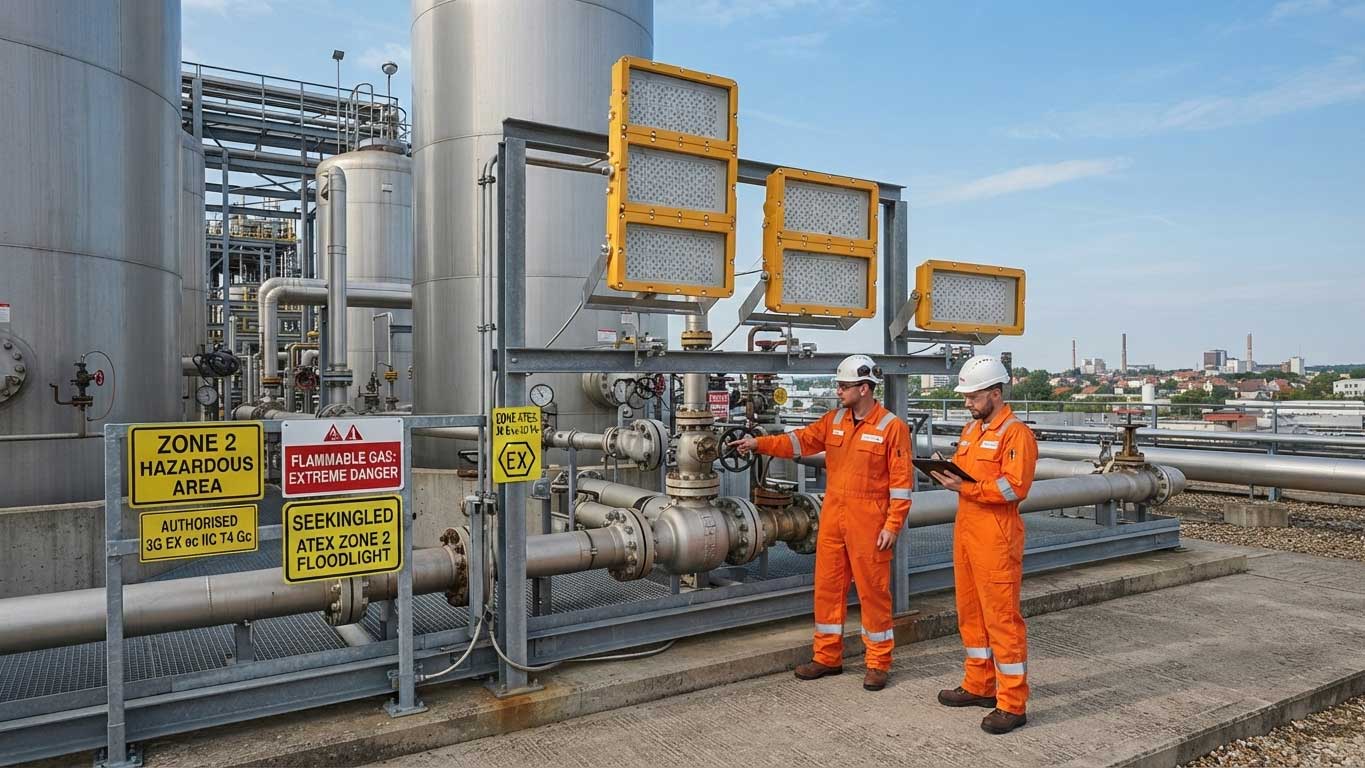
Selecting the correct zone 2 atex lighting fixture requires more than comparing lumen output or purchase price. In industrial environments, the lighting system must match the hazardous classification, environmental conditions, and operational requirements.
Before choosing a fixture, engineers should confirm the following points:
| Selection Factor | Why It Matters |
|---|---|
| Hazardous zone classification | Ensures the fixture matches Zone 2 requirements |
| Gas group | Determines compatibility with hazardous substances |
| Temperature class | Prevents surface temperature ignition risks |
| Ambient temperature | Ensures stable operation in extreme conditions |
| IP protection rating | Protects against dust and water exposure |
| Installation height | Determines required optical performance |
| Maintenance access | Influences long-term operating costs |
A common project issue is selecting lighting only according to power rating. A 100W fixture may provide enough brightness but still fail if it cannot withstand the surrounding environment. Hazardous lighting selection must consider safety, reliability, and total lifecycle value.
Oil and gas storage areas are among the most common applications for Zone 2 hazardous lighting.
These locations may include:
Although explosive gases are not expected continuously, accidental leakage can create temporary hazardous conditions. Certified lighting helps maintain visibility without introducing additional ignition risks.
Chemical production environments often contain flammable liquids, solvents, and gases.
Zone 2 LED lighting is commonly installed in:
The lighting system must handle chemical exposure, temperature variation, and continuous operation.
Some manufacturing processes involve combustible gases, vapors, or materials.
Typical examples include:
In these environments, reliable lighting improves workplace safety while reducing maintenance interruptions.
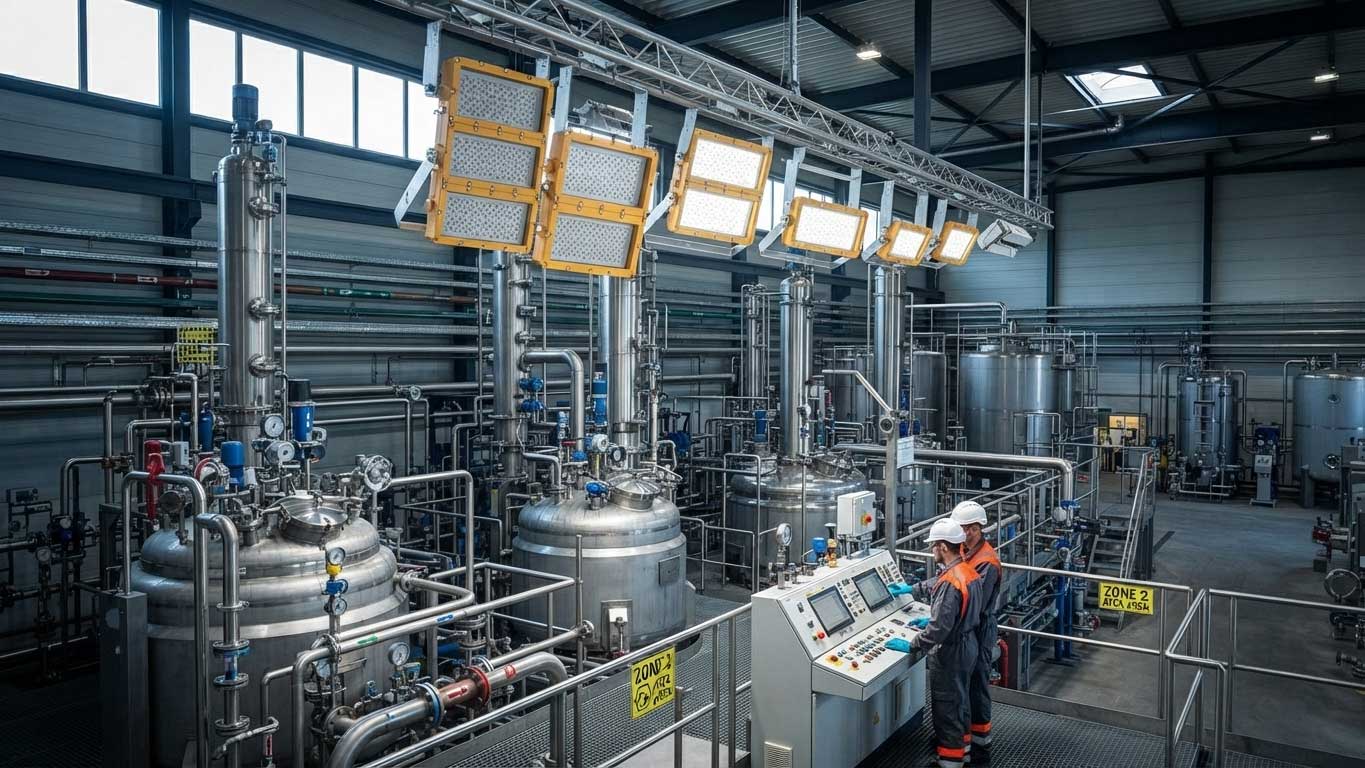
Even certified lighting products require correct installation to maintain their intended protection level.
Before installation:
During installation:
After installation:
A preventive maintenance plan helps extend the working life of hazardous lighting equipment.
Recommended inspection items:
| Inspection Item | Purpose |
|---|---|
| Housing inspection | Detect physical damage |
| Lens cleaning | Maintain illumination efficiency |
| Cable inspection | Prevent connection failures |
| Corrosion check | Avoid enclosure degradation |
| Temperature monitoring | Confirm safe operation |
Industrial customers often focus on replacing failed products, but experienced maintenance teams focus on preventing failures before production is affected.
SEEKINGLED combines industrial LED manufacturing experience with hazardous lighting application knowledge.
Our approach focuses on:
Hazardous area lighting requires careful consideration of:
The goal is stable performance in demanding environments.
Different industries have different lighting requirements.
A warehouse near a fuel station, for example, may require a completely different solution compared with a chemical processing line.
SEEKINGLED supports customers by evaluating:
For international industrial projects, customers need more than a lighting supplier. They need technical communication, documentation support, and consistent product quality.
SEEKINGLED provides professional LED lighting solutions for hazardous areas, industrial facilities, and commercial applications worldwide.
Zone 2 ATEX lighting is certified lighting equipment designed for hazardous areas where explosive gas atmospheres are unlikely during normal operation but may occur temporarily due to abnormal conditions.
Zone 2 lighting is commonly used in oil storage facilities, chemical plants, gas stations, wastewater treatment plants, industrial workshops, and areas surrounding hazardous process equipment.
Yes. Zone 2 ATEX lighting uses certified explosion protection methods designed to reduce ignition risks caused by electrical faults, sparks, or excessive surface temperatures.
Zone 1 areas have a higher probability of explosive atmospheres occurring during normal operation, while Zone 2 areas only experience explosive atmospheres occasionally or under abnormal conditions.
The service life depends on product quality, operating temperature, and installation conditions. High-quality industrial LED fixtures can typically provide long-term operation with reduced maintenance requirements.
Zone 2 lighting should have appropriate ATEX certification information, including equipment category, protection type, gas group, and temperature classification.
LED lighting provides high efficiency, long lifespan, lower maintenance frequency, and stable performance, making it suitable for industrial locations where maintenance access is difficult.
Zone 2 ATEX lighting provides certified illumination for hazardous locations where explosive atmospheres may occur temporarily. Selecting the correct LED fixture improves operational safety, reduces maintenance requirements, and supports reliable industrial production.
For industrial facilities, lighting performance is closely connected with safety management. A suitable hazardous area lighting solution must combine certification compliance, environmental protection, and practical engineering experience.
SEEKINGLED continues to develop professional LED lighting solutions for customers in oil and gas, chemical processing, manufacturing, and other demanding industries.
Choosing the right zone 2 atex lighting supplier means choosing a partner that understands both lighting technology and hazardous environment requirements.
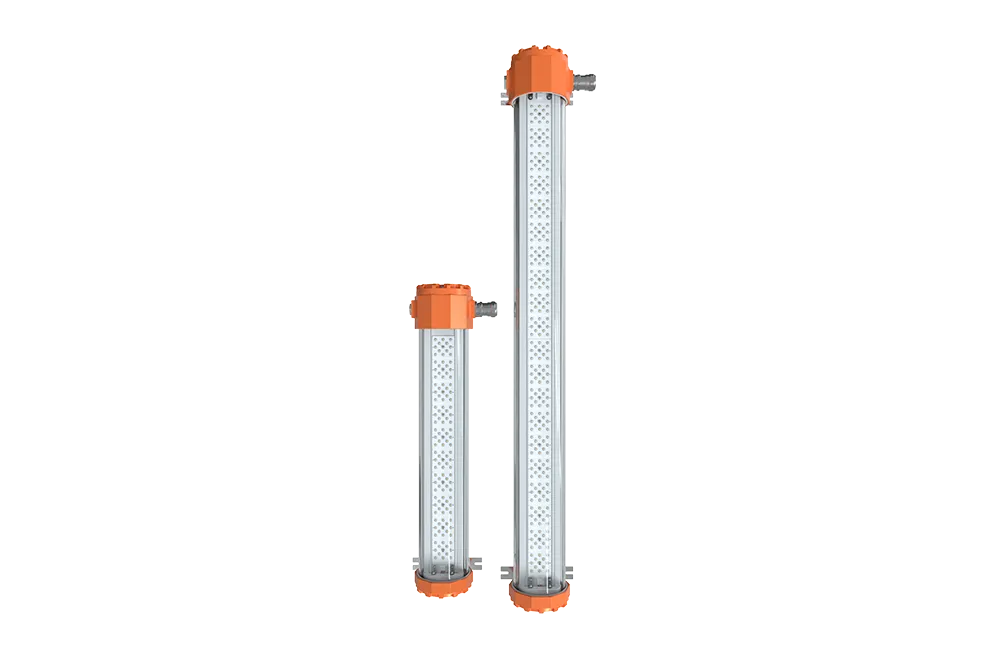
SEEKINGLED LED Linear Explosion Proof Light and Explosion Proof lighting is ATEX and IECEx certified for Zone 1, Zone 2, Zone 21 and Zone 22 hazardous locations, built for long-term industrial use.
View details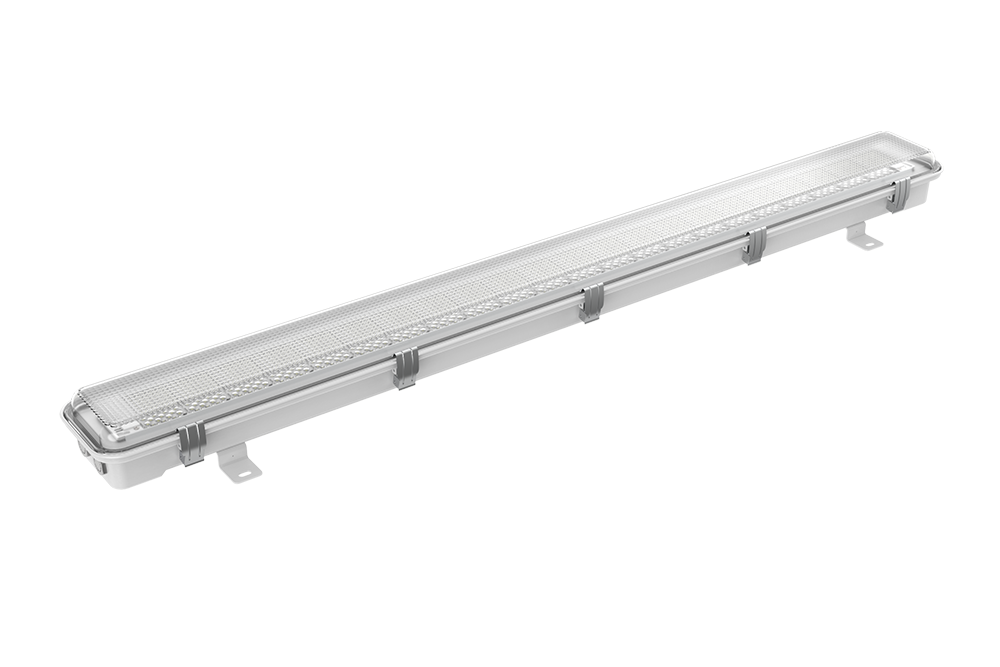
LED Linear Explosion Proof Lights and EX Proof lights for Zone 1, Zone 2, Zone 21 and Zone 22 hazardous areas. ATEX & IECEx certified explosion proof LED linear lighting with emergency function, adjustable power and IP67 protection by SEEKINGLED.
View details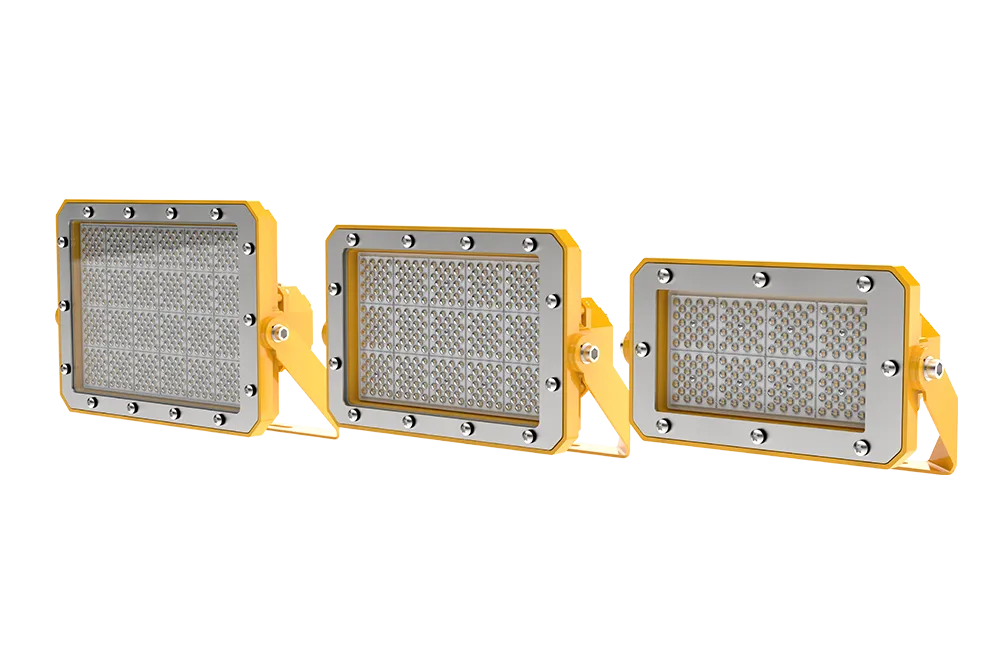
SEEKINGLED LED Explosion Proof Flood Lights are ATEX certified for Zone 2 and Zone 22 hazardous areas, offering high efficiency, adjustable power and integrated junction box.
View details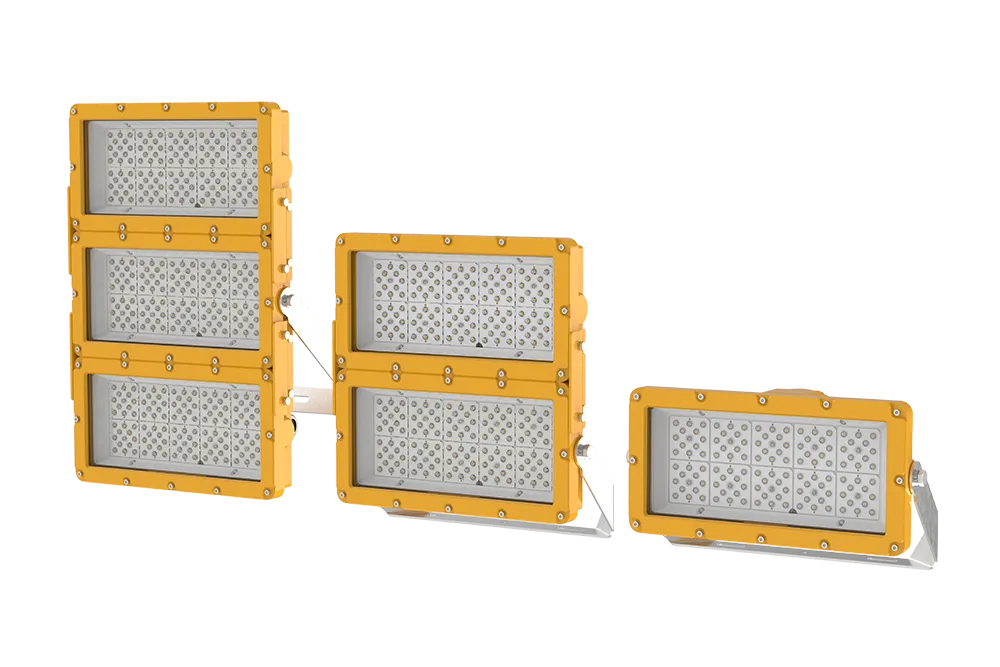
SEEKINGLED LED Explosion Proof Flood Lights are flameproof ATEX and IECEx certified for Zone 1 and Zone 2 hazardous areas, offering high power, adjustable output and long service life.
View details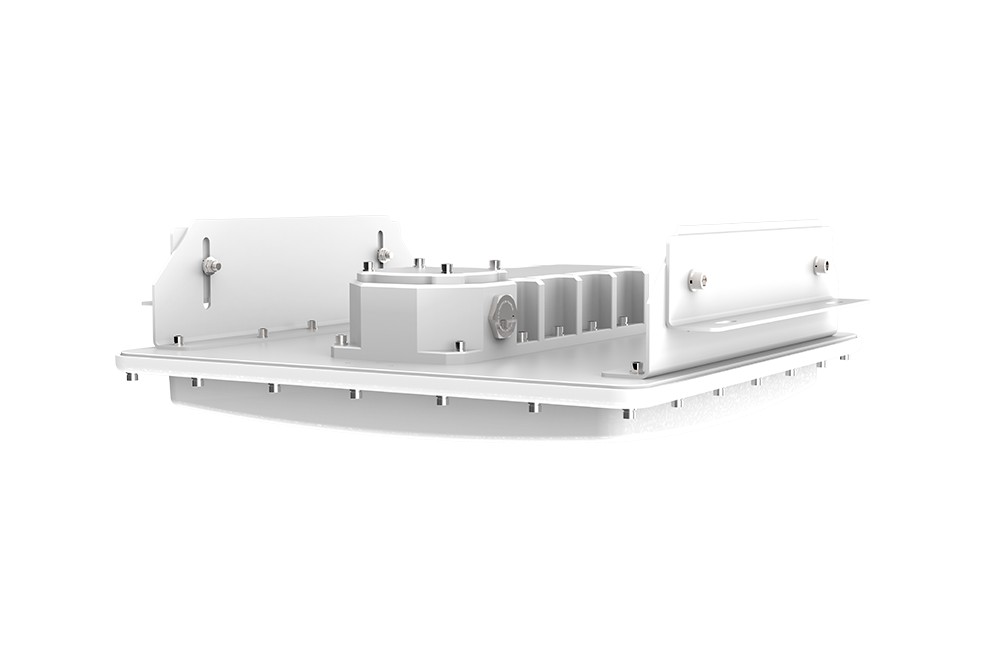
SEEKINGLED LED Gas Station Canopy Lights are ATEX certified for Zone 2 and Zone 22 hazardous areas, featuring adjustable power and built-in explosion-proof junction box.
View details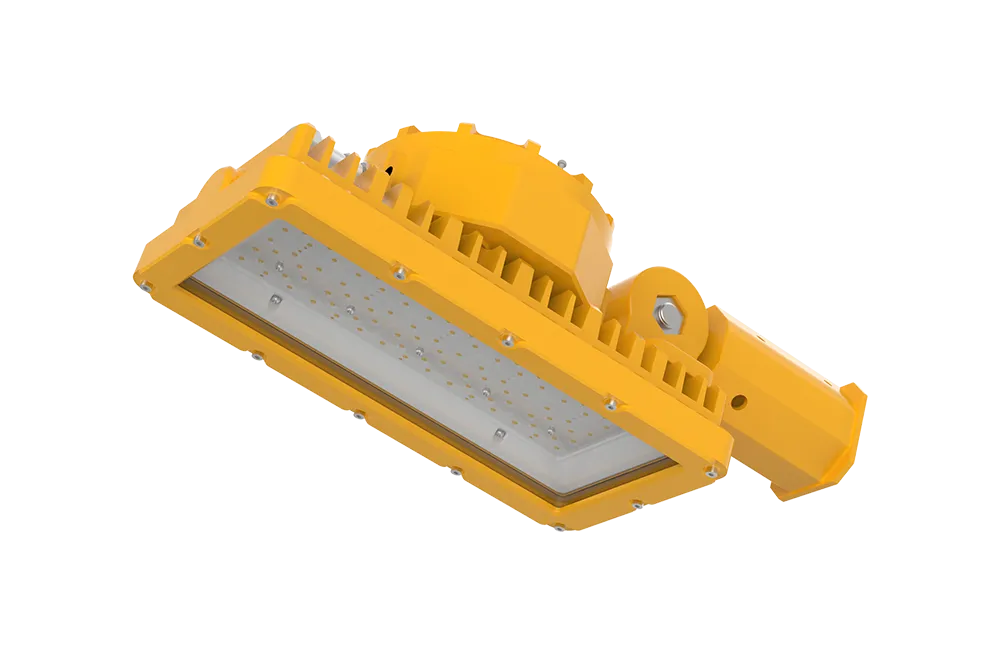
ATEX: Ex II 2G Ex db IIB T6/T5 GbEx II 2D Ex tb IIIC T80°C/ T95°C Db IECEx Ex db IIB T6 Gb;Ex tb IIIC T80°C Db Feature: ● For Zone 1,2 and Zone 21,22● Flameproof type, the strongest● 100W can replace 250W HID,energy saving● Power:60W,80W,100W Application: Oil and gas, marine, Chemical, pharmaceutical, semiconductor,mining,military industr…
View details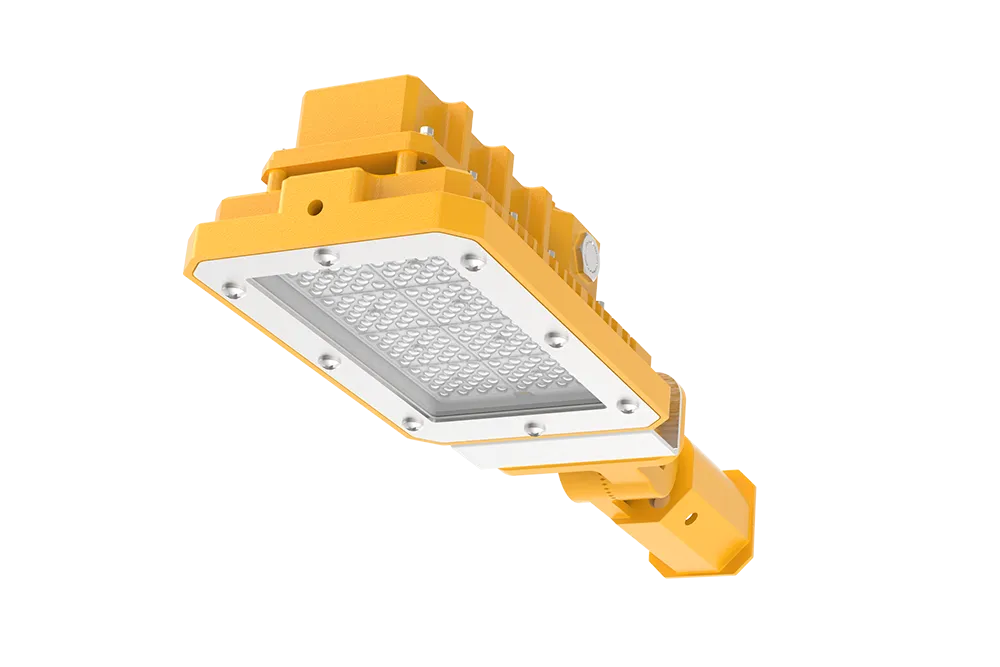
ATEX: II 3G Ex nR ⅡC T5/T6 GcII 3D Ex tc ⅢC T80℃/T95℃Dc ATEX Certificate NO: TÜV CY 26 ATEX 0207611 X Feature: ● For Zone 2 and Zone 22● 150W can replace 250W HID lamps,Energy saving● Power:50W,75W,100W,150W,200W Application: Oil and gas, marine, Chemical, pharmaceutical, semiconductor,mining,military industry, paint booth,power plant ETC…
View details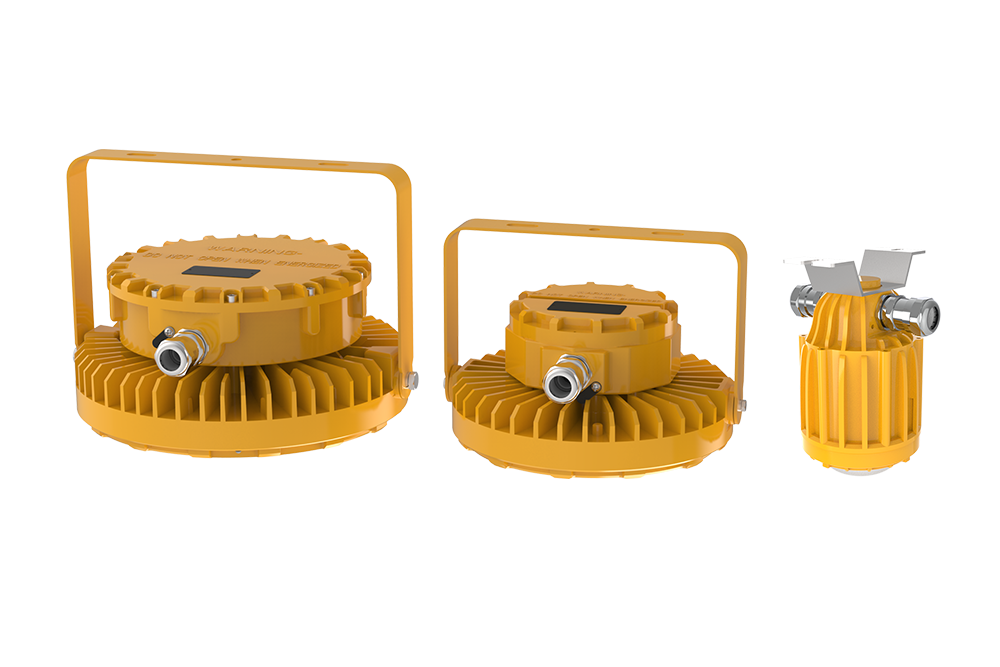
LED explosion proof high bay lights are designed for Zone 1, Zone 2, Zone 21 and Zone 22 hazardous areas. This page introduces the HB21 Series from SEEKING, including certifications, power options and real application considerations.
View details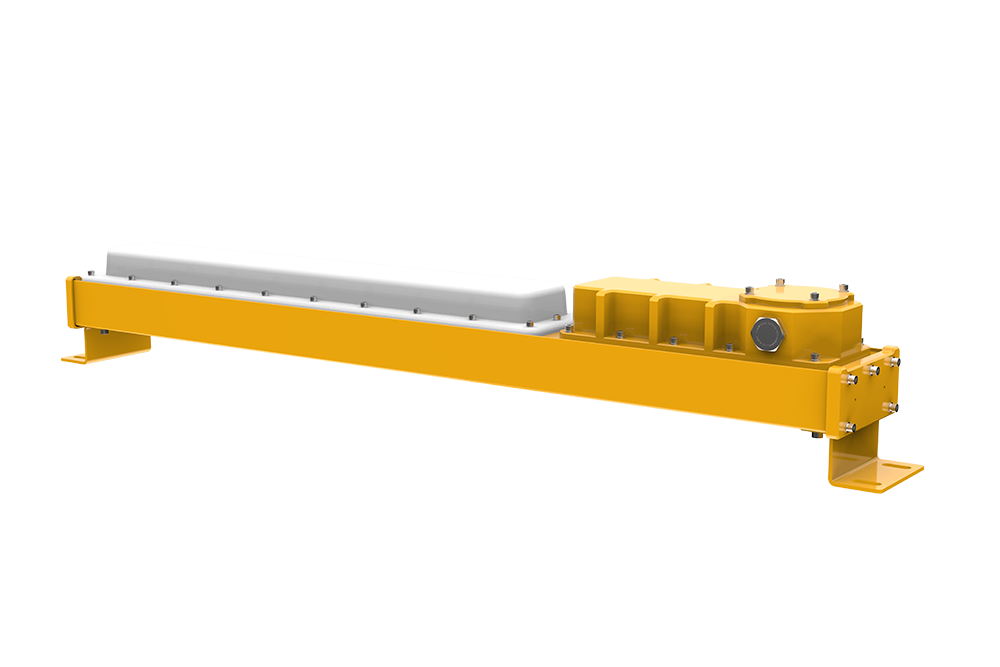
LED Linear Explosion Proof Lights from SEEKINGLED. LU Series Flame Proof lights ATEX-certified explosion proof LED linear lighting for Zone 2 gas and Zone 22 dust areas, IP69K, IK10, long lifetime and flexible power options.
View details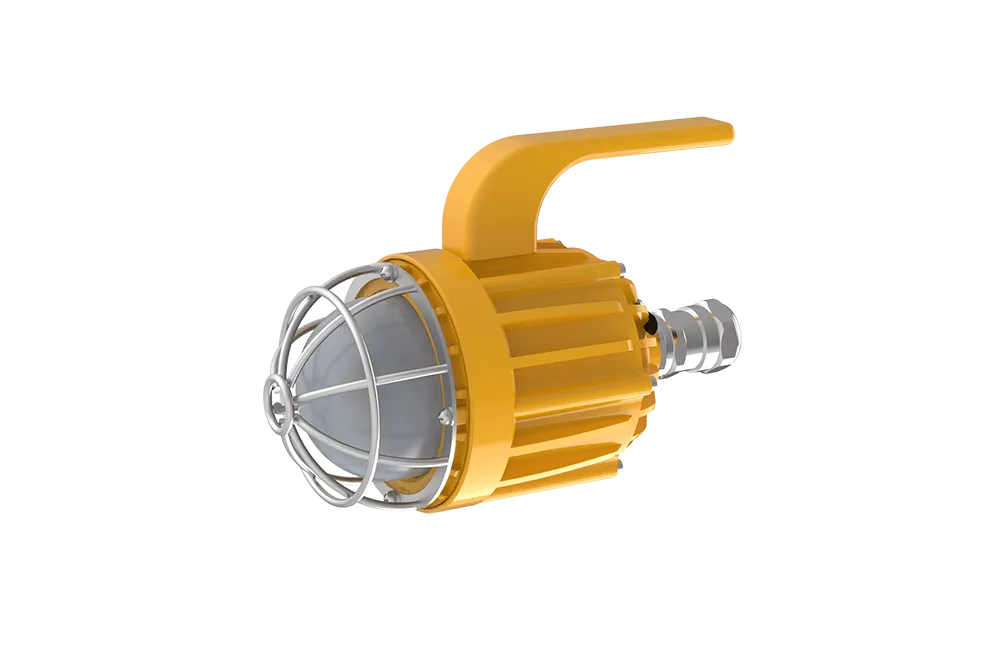
Certified explosion proof work lights for Zone 1 & 21 hazardous areas. Portable, ATEX & IECEx approved, built for oil, gas and chemical plants by SEEKINGLED.
View details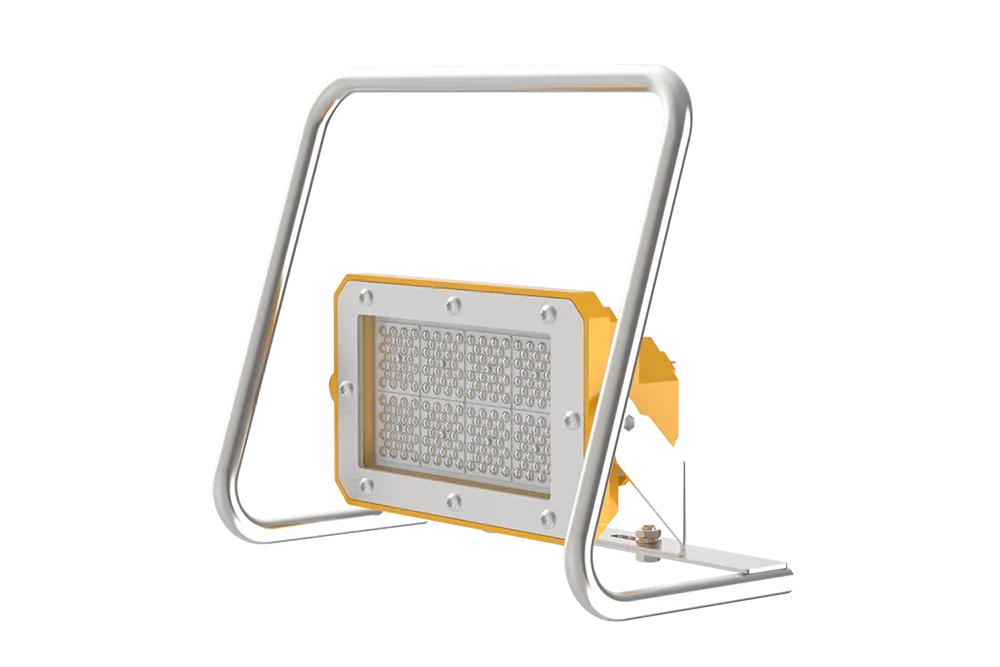
ATEX: II 3G Ex nR ⅡC T6 GcII 3D Ex tc ⅢC T80℃ Dc ATEX Certificate NO: TÜV CY 26 ATEX 0207611 X Feature: ● For Zone 2 and Zone 22● Accepts battery-powered supply● indestructible● Power:AC input:50W,75W,100WDC input:15W,25W,35W Application: Oil and gas, marine, Chemical, pharmaceutical, semiconductor,mining,military industry, paint booth,po…
View details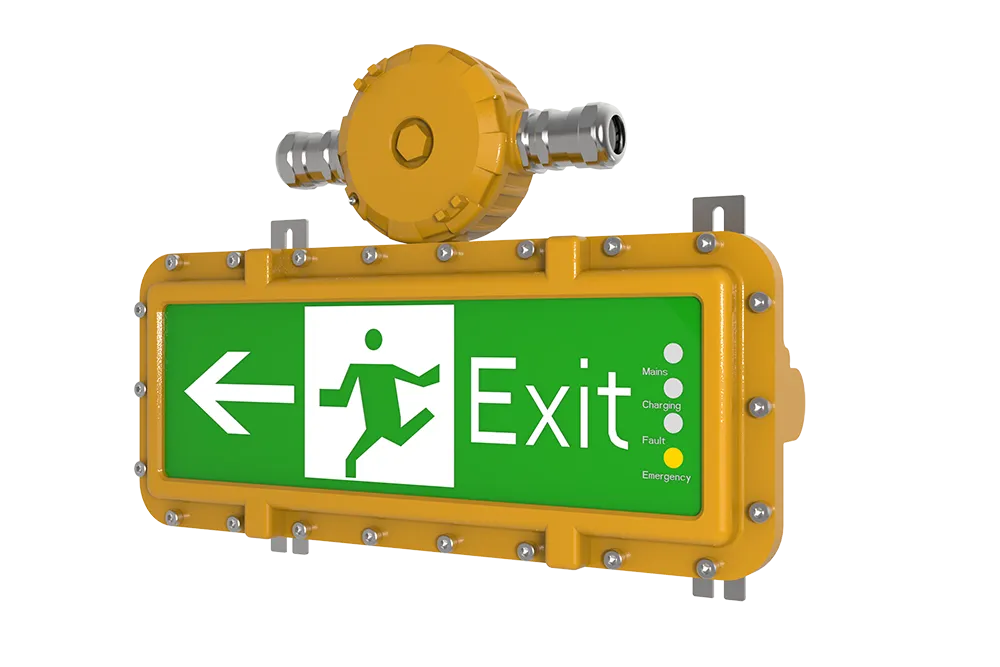
ATEX: Ex II 2G Ex db IIB T6 GbEx II 2D Ex tb IIIC T80°C Db IECEx Ex db IIB T6 Gb;Ex tb IIIC T80°C Db Feature: ● For Zone 1,2 and Zone 21,22● Flameproof type, the strongest Application: Oil and gas, marine, Chemical, pharmaceutical, semiconductor,mining,military industry, paint booth,power plant ETC hazardous area. Technical Specifications:…
View details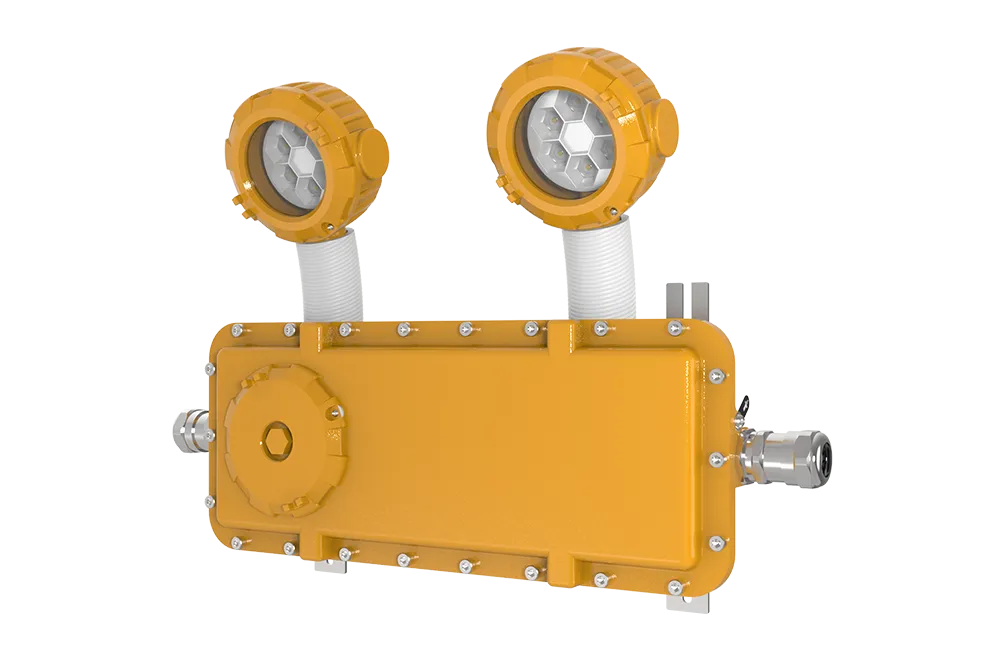
ATEX: Ex II 2G Ex db IIB T6 GbEx II 2D Ex tb IIIC T80°C Db IECEx Ex db IIB T6 Gb;Ex tb IIIC T80°C Db Feature: ● For Zone 1,2 and Zone 21,22● Flameproof type, the strongest Application: Oil and gas, marine, Chemical, pharmaceutical, semiconductor,mining,military industry, paint booth,power plant ETC hazardous area. Technical Specifications:…
View details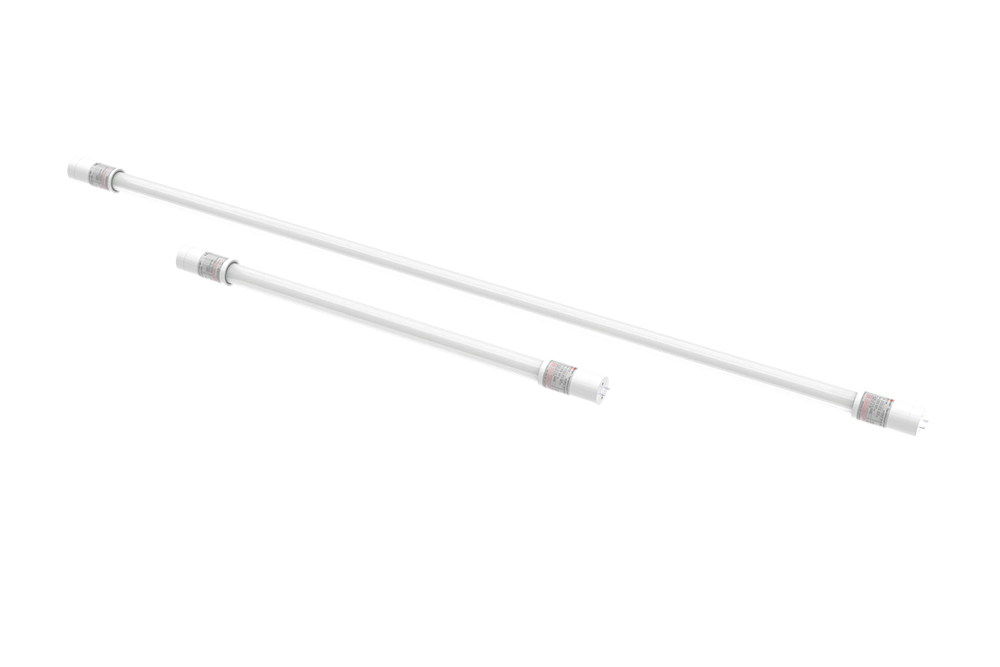
ATEX: Ex II 2G Ex d e IIB T6 Gb ATEX: Ex d e IIB T6 Gb; Feature: ● For Zone 1,2● 9W can replace 18W fluorescent lamps,50% Energy saving Application: Oil and gas, marine, Chemical, pharmaceutical, semiconductor,mining,military industry, paint booth,power plant ETC hazardous area. Technical Specifications: Standards:60079-0, 60079-1, 60079…
View details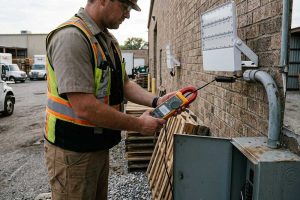
how many amps does a 200 watt led light draw in real installations? Discover the current draw at 120V and 240V, practical load calculations, and electrical tips from SEEKINGLED.
View details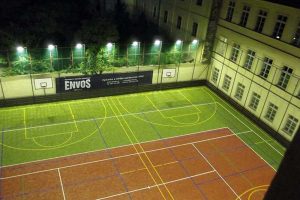
LED High Bay Light installation using SEEKINGLED HBS Series 150W improves nighttime visibility, uniformity, and energy efficiency for a basketball court in the Czech Republic.
View details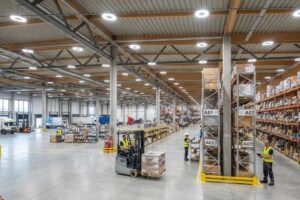
Learn what is a high bay light fixture, how it works, where it is used, and how to choose the right industrial lighting solution from SEEKINGLED experts.
View details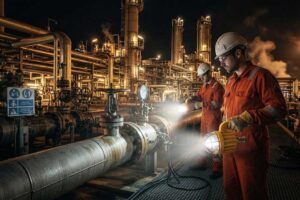
explosion-proof flashlights provide safe portable lighting for hazardous environments. Learn certifications, industrial applications, and field insights from SEEKINGLED.
View details