 Seeking LED
Zone 2 Hazardous Area Lighting: Complete Selection and Safety Guide
0Discover zone 2 hazardous area lighting requirements, certifications, applications, and LED solutions for safe industrial operation in hazardous environments.
View detailsSearch the whole station
What Makes Explosion Proof Paint Booth Lighting Different?
Explosion proof paint booth lighting is different because it is specifically engineered and certified to prevent the fixture from becoming an ignition source in environments where paint vapors, solvent fumes, or combustible particles may be present. Unlike standard industrial lighting, it is designed to contain internal sparks, control surface temperatures, and maintain safe operation under hazardous conditions.
I learned this lesson years ago while inspecting a coating facility in Southeast Asia. At first glance, the lighting looked almost identical to conventional industrial fixtures. The housings were metal. The lenses were thick. Everything seemed ordinary.
Then a maintenance supervisor removed a damaged fixture from a paint booth wall.
The difference became obvious immediately.
The housing walls were substantially thicker. Threaded flame paths were machined with remarkable precision. Every cable entry included certified sealing components. This was not simply a brighter light. It was a safety device.
That distinction matters.
Paint booths are among the most overlooked hazardous locations in industrial facilities. People focus on spray guns, compressors, and ventilation systems. Lighting is often treated as an afterthought until compliance inspections begin.
Paint booths create a unique hazard.
During spraying operations, atomized paint particles mix with solvent vapors and air. Depending on concentration levels, these vapors can form potentially explosive atmospheres.
According to the U.S. Occupational Safety and Health Administration (OSHA), spray finishing operations involving flammable and combustible materials require electrical equipment suitable for hazardous locations.
Source: OSHA Spray Finishing Standards
Website: OSHA
URL: https://www.osha.gov
In practical terms, this means standard warehouse lights cannot simply be installed above a paint booth.
A fixture that works perfectly well in a factory corridor may become a serious ignition risk inside a spray finishing environment.
Many of these substances have low flash points and generate flammable vapors during normal operation.
This is where things become interesting.
Many buyers assume explosion proof lighting prevents explosions.
It doesn’t.
Properly designed explosion proof paint booth lighting prevents a lighting fixture from igniting an external explosive atmosphere.
The distinction is important.
A certified fixture contains any internal arc, spark, or fault.
If an electrical failure occurs:
This principle has been used for decades in hazardous-area equipment.
One overlooked feature is temperature control.
Certain solvent vapors can ignite merely by contacting a sufficiently hot surface.
Explosion proof fixtures therefore receive temperature classifications such as:
| Temperature Class | Maximum Surface Temperature |
|---|---|
| T1 | 450°C |
| T2 | 300°C |
| T3 | 200°C |
| T4 | 135°C |
| T5 | 100°C |
| T6 | 85°C |
A properly selected paint booth light must have a temperature rating suitable for the chemicals present.
This is not a marketing feature.
It is a life-safety requirement.
Several years ago, I participated in a retrofit assessment for an automotive refinishing facility.
The original fluorescent fixtures had been operating for nearly twelve years.
Technicians complained about:
After upgrading to explosion proof LED paint booth fixtures, measurable improvements appeared almost immediately.
Paint technicians depend on color consistency.
Even minor lighting distortions can affect coating inspection.
The U.S. Department of Energy notes that modern LEDs can provide high Color Rendering Index (CRI) values while maintaining excellent efficiency.
Source: U.S. Department of Energy Solid-State Lighting Program
Website: energy.gov
URL: https://www.energy.gov
Many paint booth applications now specify:
The visual difference is significant.
Metallic finishes become easier to evaluate.
Orange peel defects become more visible.
Color matching becomes more reliable.
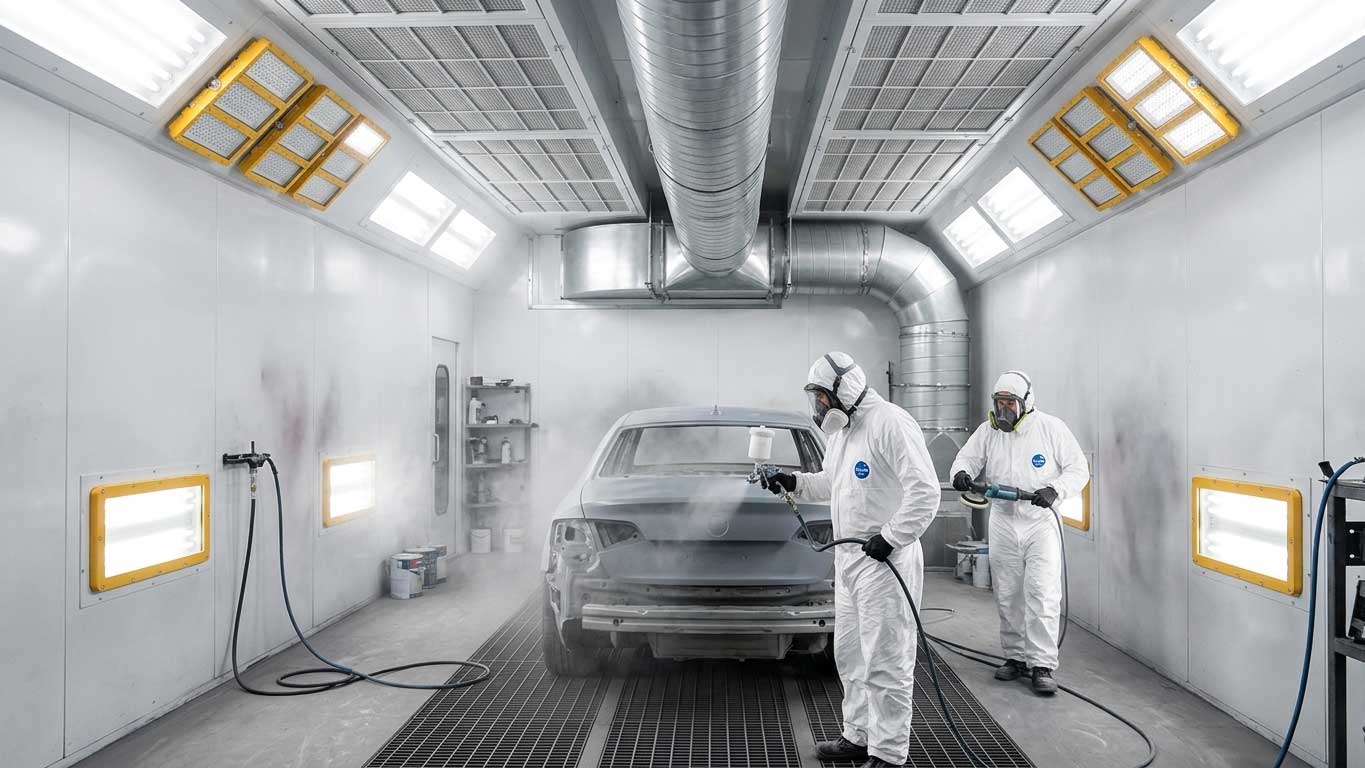
The certification process separates genuine hazardous-location products from ordinary industrial lights.
Depending on region, paint booth lighting may require:
| Region | Standard |
|---|---|
| USA | UL844 |
| USA | NEC Class/Division |
| Canada | CSA |
| Europe | ATEX |
| Global | IECEx |
A fixture lacking the appropriate certification should never be installed in a classified spray environment.
Many paint booths fall under:
Classification depends on:
This is why lighting selection should always follow a hazard assessment.
Twenty years ago, most facilities relied on fluorescent technology.
That era is ending.
According to the International Energy Agency (IEA), LEDs now dominate lighting sales worldwide because of higher efficiency and longer service life.
Source: International Energy Agency (IEA)
Website: iea.org
URL: https://www.iea.org
For large industrial paint facilities, maintenance reduction alone often justifies the upgrade.
A failed fixture in a hazardous area can trigger work permits, shutdown procedures, access restrictions, and compliance documentation.
Replacing fewer fixtures means fewer disruptions.
After reviewing hundreds of hazardous-area lighting projects, I notice the same purchasing mistakes repeatedly.
A 100W fixture from one manufacturer may outperform a 150W fixture from another.
Why?
Because effective illumination depends on:
Paint booths often contain aggressive chemicals.
Look for:
Cheap lenses can yellow over time.
High-quality tempered glass or certified impact-resistant materials generally perform better in demanding environments.
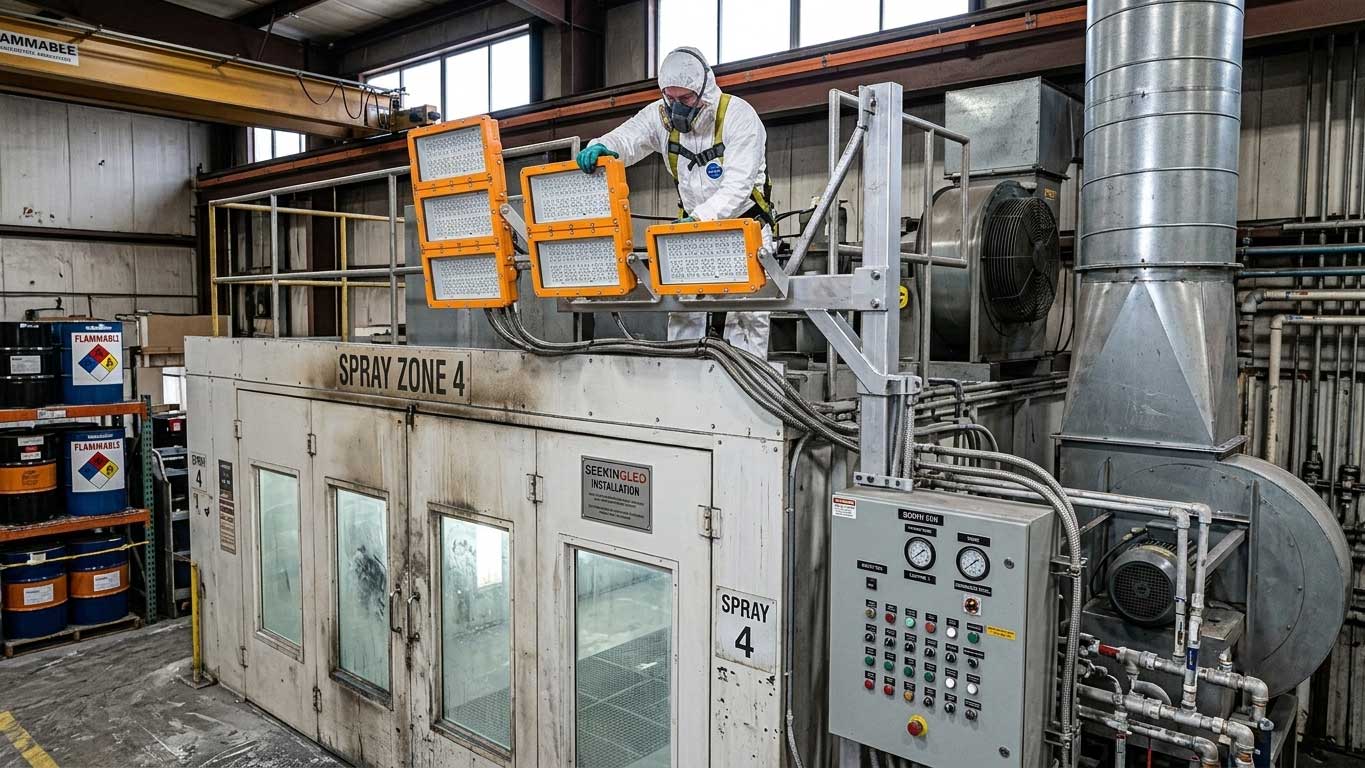
No. Standard LED fixtures generally lack hazardous-location certification and may become an ignition source if exposed to flammable vapors.
Most certified fixtures provide high ingress protection ratings such as IP66 or IP67, helping resist dust, moisture, and cleaning operations.
Quality fixtures commonly achieve L70 lifetimes exceeding 50,000 to 100,000 hours depending on operating conditions and thermal management.
Not always. Requirements depend on hazard classification, ventilation design, and local regulations. A professional hazard assessment should determine fixture requirements.
Visit the product page:Explosion Proof Lighting
When someone asks, “What Makes Explosion Proof Paint Booth Lighting Different?”, the answer goes far beyond thicker housings or certification labels.
These fixtures exist because paint booths create environments where flammable vapors can be present during normal operations. Explosion proof lighting is engineered to prevent the fixture itself from becoming an ignition source while delivering the illumination quality needed for accurate finishing work.
After years spent around coating lines, automotive refinishing facilities, marine fabrication yards, and industrial paint operations, I have found that the best installations share one characteristic: safety and lighting performance are treated as the same objective.
That is exactly what modern SEEKINGLED explosion proof paint booth lighting is designed to achieve.
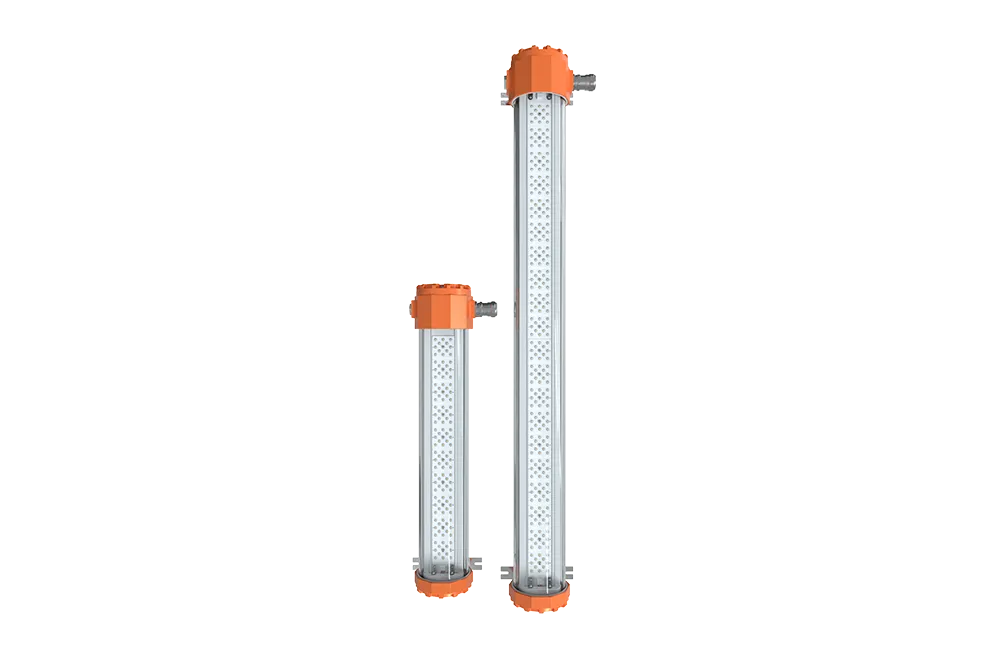
SEEKINGLED LED Linear Explosion Proof Light and Explosion Proof lighting is ATEX and IECEx certified for Zone 1, Zone 2, Zone 21 and Zone 22 hazardous locations, built for long-term industrial use.
View details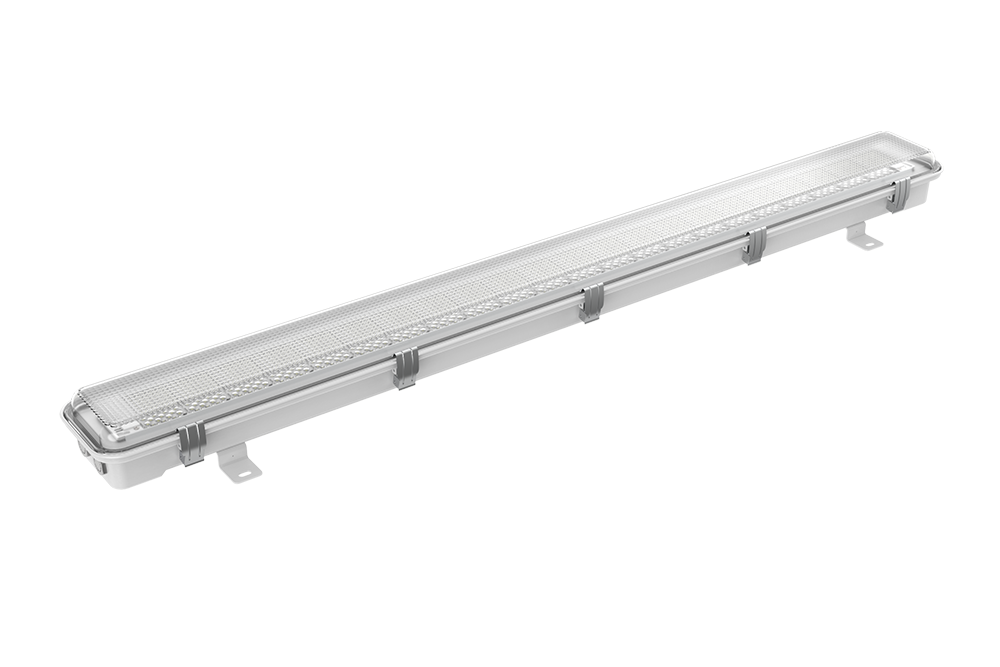
LED Linear Explosion Proof Lights and EX Proof lights for Zone 1, Zone 2, Zone 21 and Zone 22 hazardous areas. ATEX & IECEx certified explosion proof LED linear lighting with emergency function, adjustable power and IP67 protection by SEEKINGLED.
View details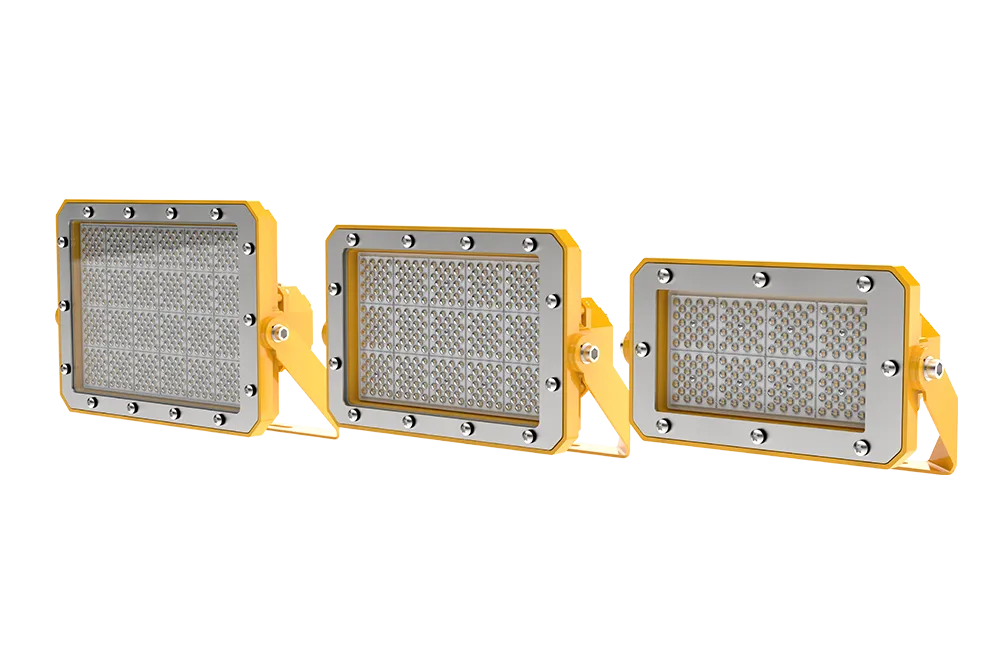
SEEKINGLED LED Explosion Proof Flood Lights are ATEX certified for Zone 2 and Zone 22 hazardous areas, offering high efficiency, adjustable power and integrated junction box.
View details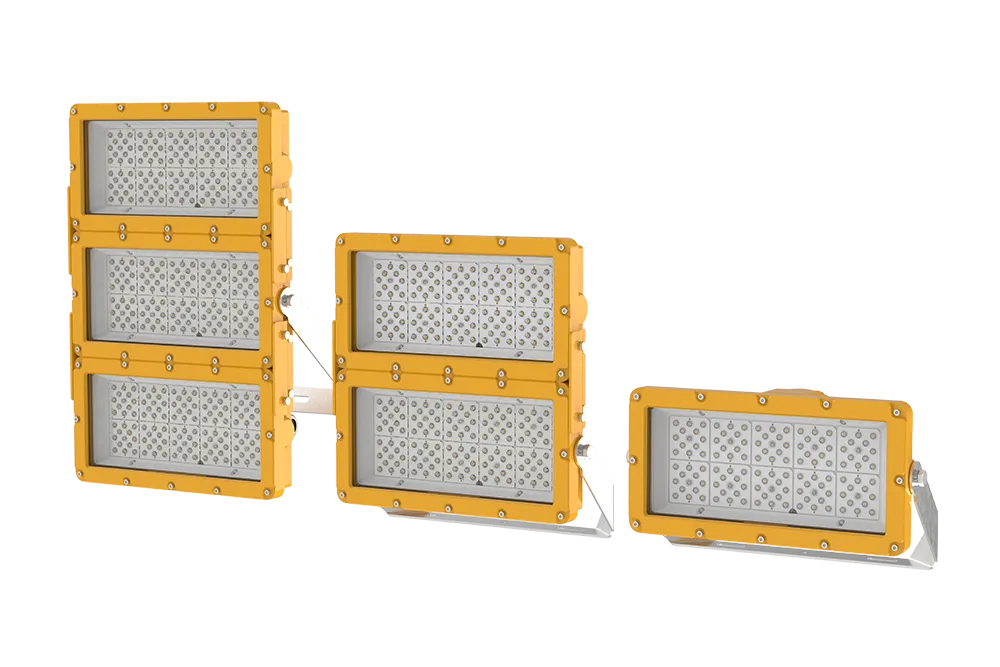
SEEKINGLED LED Explosion Proof Flood Lights are flameproof ATEX and IECEx certified for Zone 1 and Zone 2 hazardous areas, offering high power, adjustable output and long service life.
View details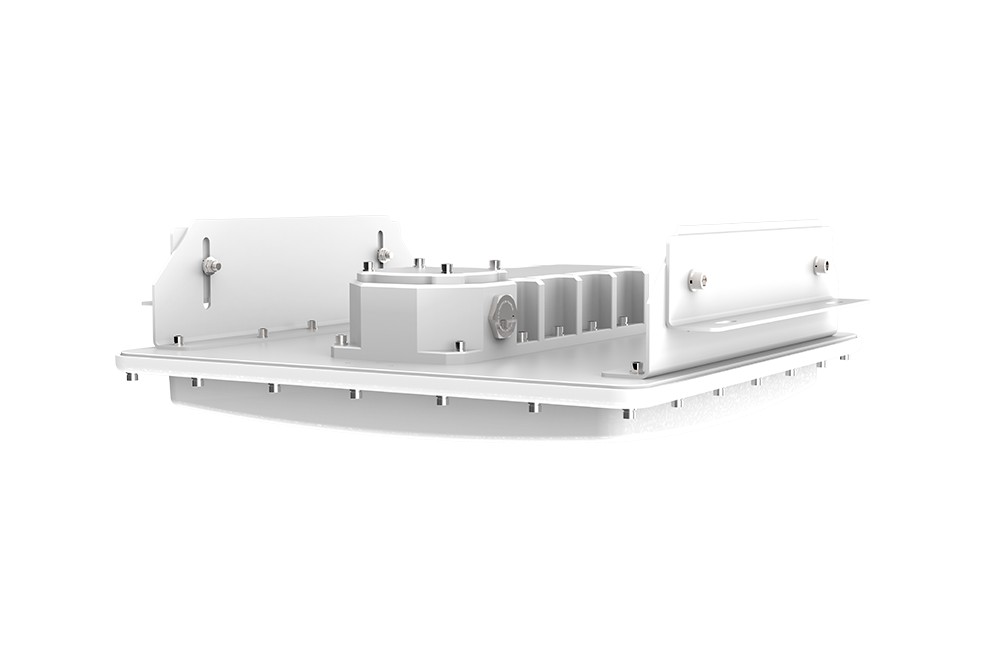
SEEKINGLED LED Gas Station Canopy Lights are ATEX certified for Zone 2 and Zone 22 hazardous areas, featuring adjustable power and built-in explosion-proof junction box.
View details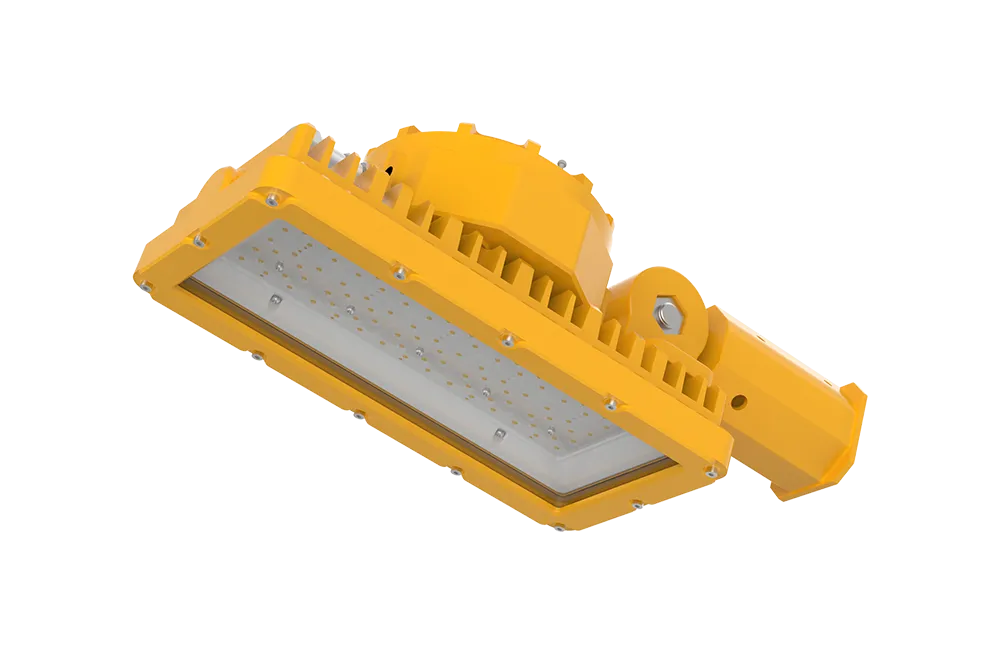
ATEX: Ex II 2G Ex db IIB T6/T5 GbEx II 2D Ex tb IIIC T80°C/ T95°C Db IECEx Ex db IIB T6 Gb;Ex tb IIIC T80°C Db Feature: ● For Zone 1,2 and Zone 21,22● Flameproof type, the strongest● 100W can replace 250W HID,energy saving● Power:60W,80W,100W Application: Oil and gas, marine, Chemical, pharmaceutical, semiconductor,mining,military industr…
View details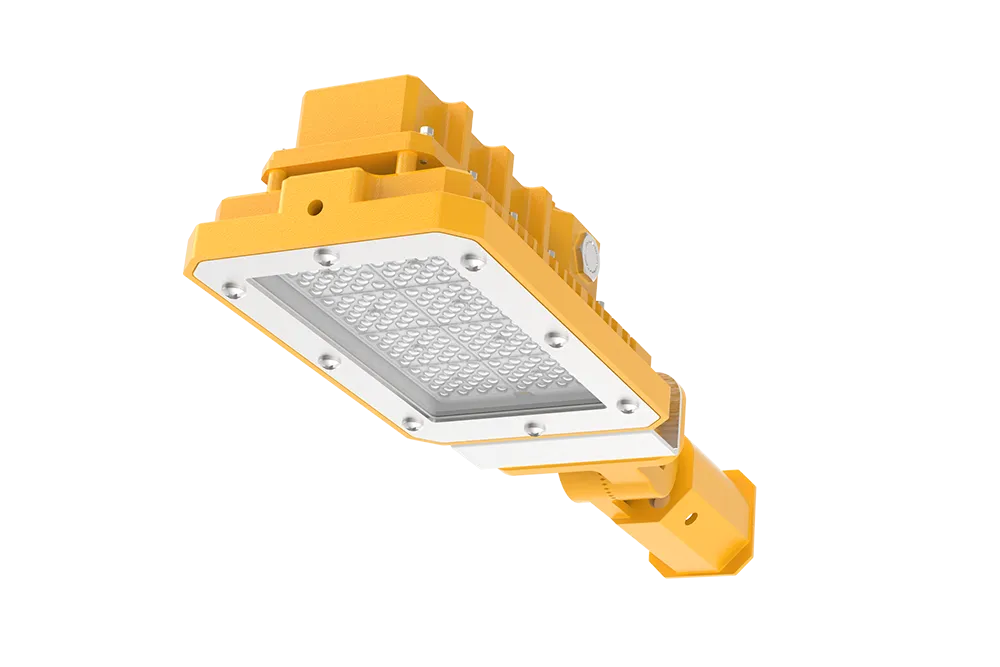
ATEX: II 3G Ex nR ⅡC T5/T6 GcII 3D Ex tc ⅢC T80℃/T95℃Dc ATEX Certificate NO: TÜV CY 26 ATEX 0207611 X Feature: ● For Zone 2 and Zone 22● 150W can replace 250W HID lamps,Energy saving● Power:50W,75W,100W,150W,200W Application: Oil and gas, marine, Chemical, pharmaceutical, semiconductor,mining,military industry, paint booth,power plant ETC…
View details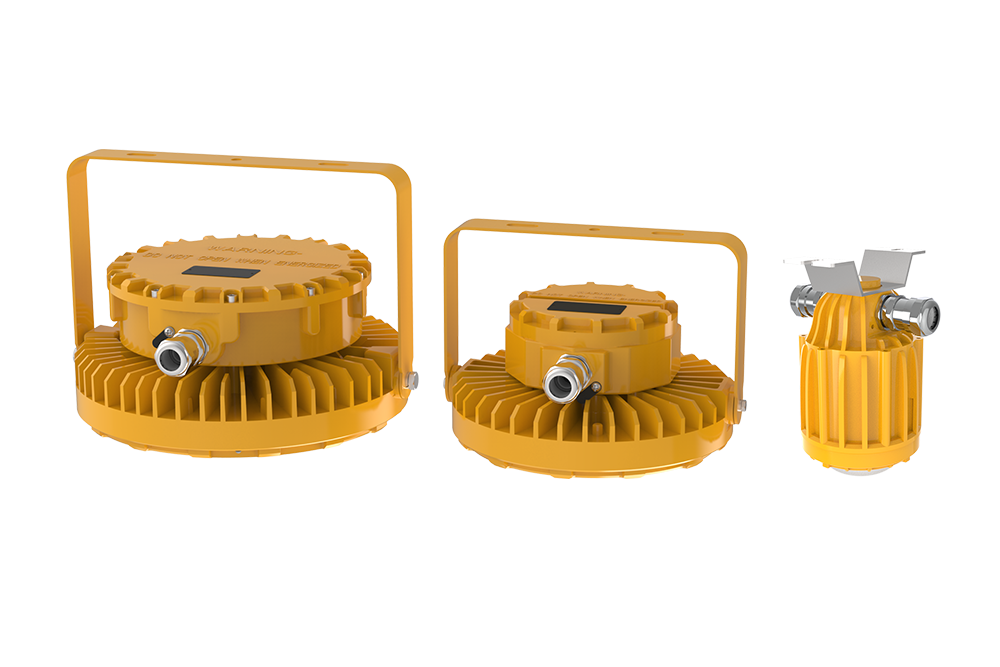
LED explosion proof high bay lights are designed for Zone 1, Zone 2, Zone 21 and Zone 22 hazardous areas. This page introduces the HB21 Series from SEEKING, including certifications, power options and real application considerations.
View details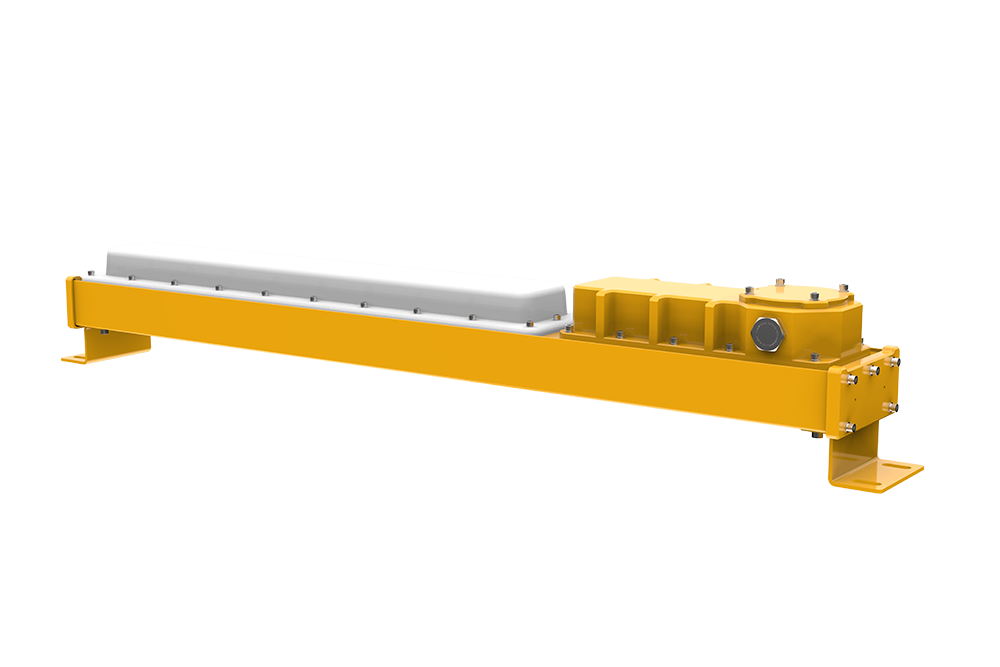
LED Linear Explosion Proof Lights from SEEKINGLED. LU Series Flame Proof lights ATEX-certified explosion proof LED linear lighting for Zone 2 gas and Zone 22 dust areas, IP69K, IK10, long lifetime and flexible power options.
View details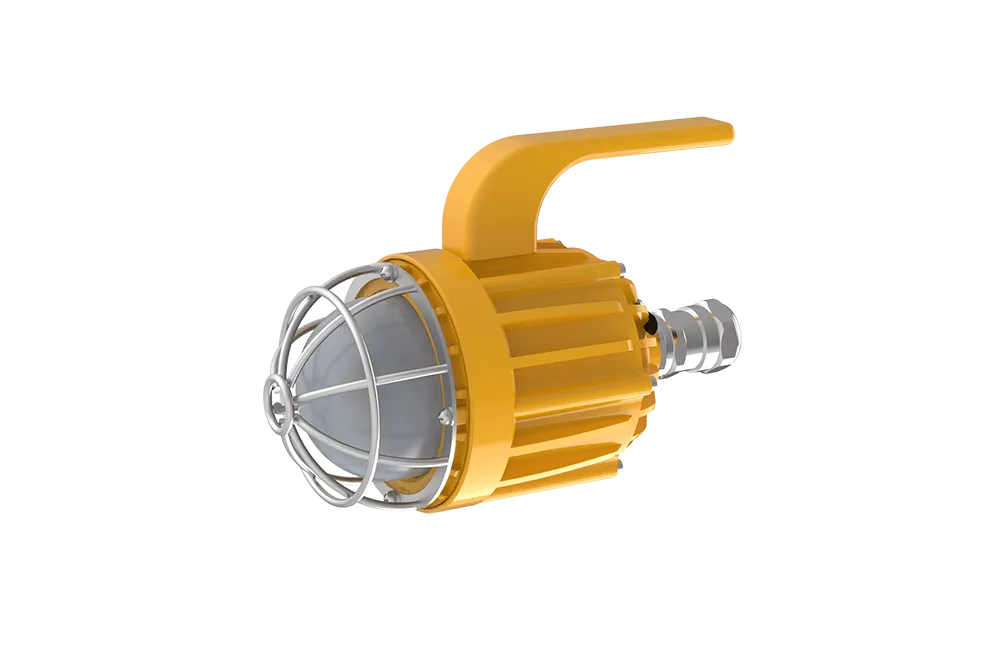
Certified explosion proof work lights for Zone 1 & 21 hazardous areas. Portable, ATEX & IECEx approved, built for oil, gas and chemical plants by SEEKINGLED.
View details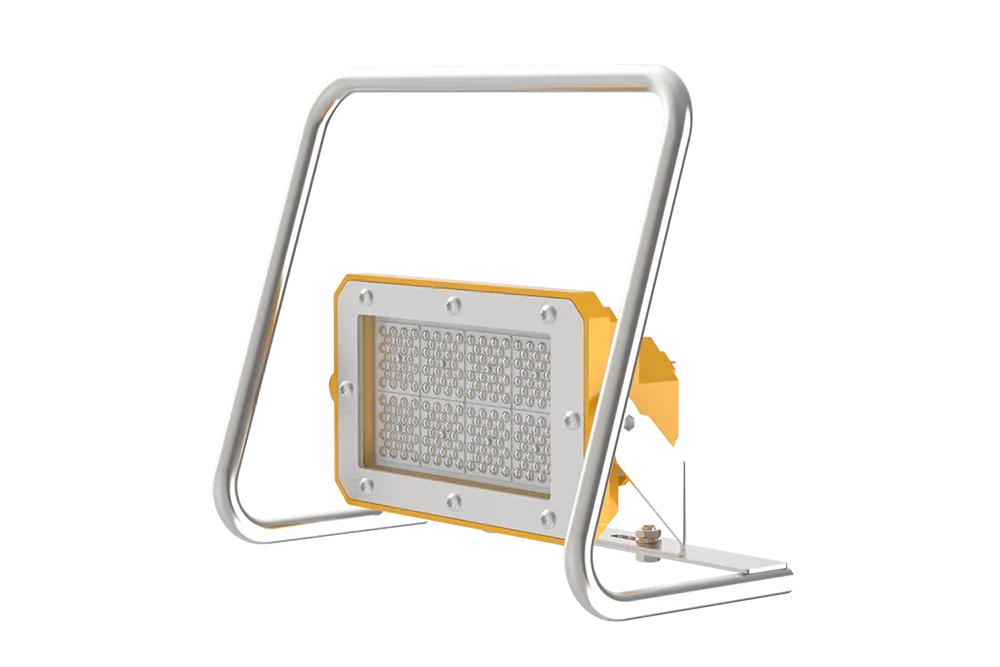
ATEX: II 3G Ex nR ⅡC T6 GcII 3D Ex tc ⅢC T80℃ Dc ATEX Certificate NO: TÜV CY 26 ATEX 0207611 X Feature: ● For Zone 2 and Zone 22● Accepts battery-powered supply● indestructible● Power:AC input:50W,75W,100WDC input:15W,25W,35W Application: Oil and gas, marine, Chemical, pharmaceutical, semiconductor,mining,military industry, paint booth,po…
View details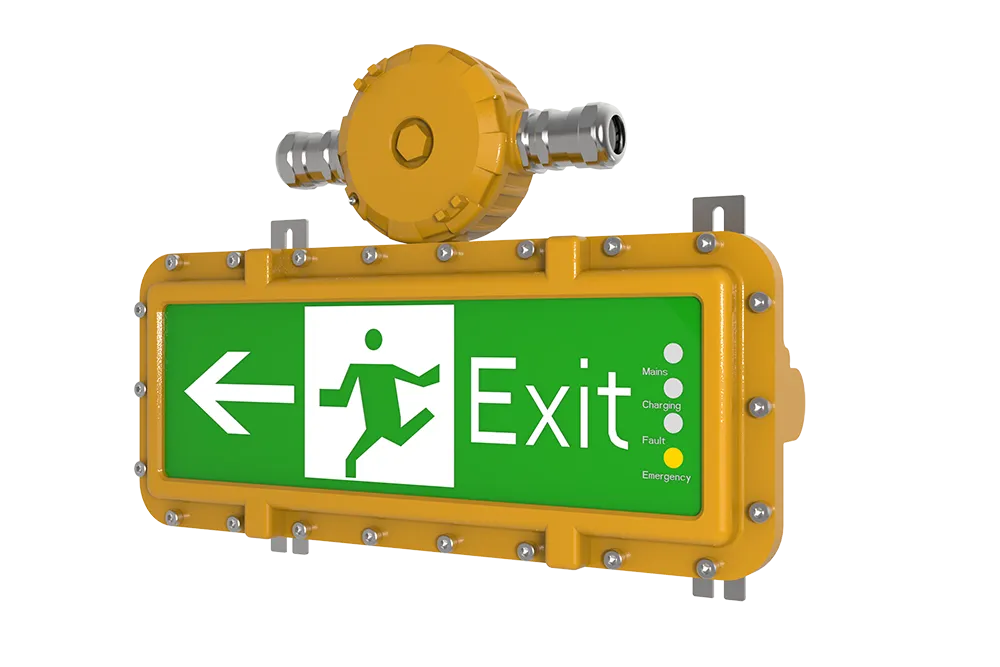
ATEX: Ex II 2G Ex db IIB T6 GbEx II 2D Ex tb IIIC T80°C Db IECEx Ex db IIB T6 Gb;Ex tb IIIC T80°C Db Feature: ● For Zone 1,2 and Zone 21,22● Flameproof type, the strongest Application: Oil and gas, marine, Chemical, pharmaceutical, semiconductor,mining,military industry, paint booth,power plant ETC hazardous area. Technical Specifications:…
View details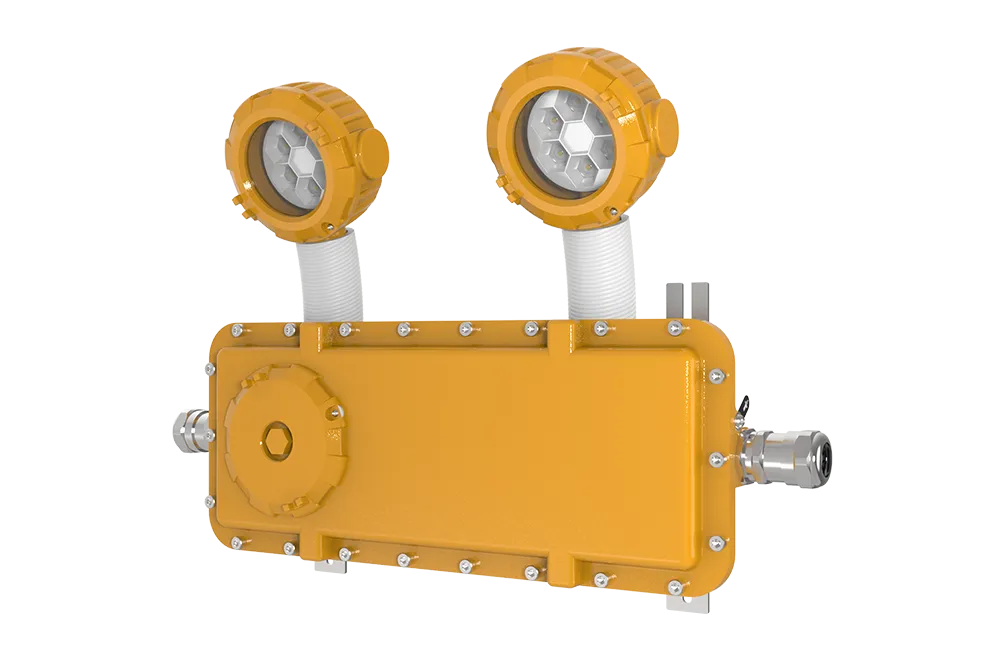
ATEX: Ex II 2G Ex db IIB T6 GbEx II 2D Ex tb IIIC T80°C Db IECEx Ex db IIB T6 Gb;Ex tb IIIC T80°C Db Feature: ● For Zone 1,2 and Zone 21,22● Flameproof type, the strongest Application: Oil and gas, marine, Chemical, pharmaceutical, semiconductor,mining,military industry, paint booth,power plant ETC hazardous area. Technical Specifications:…
View details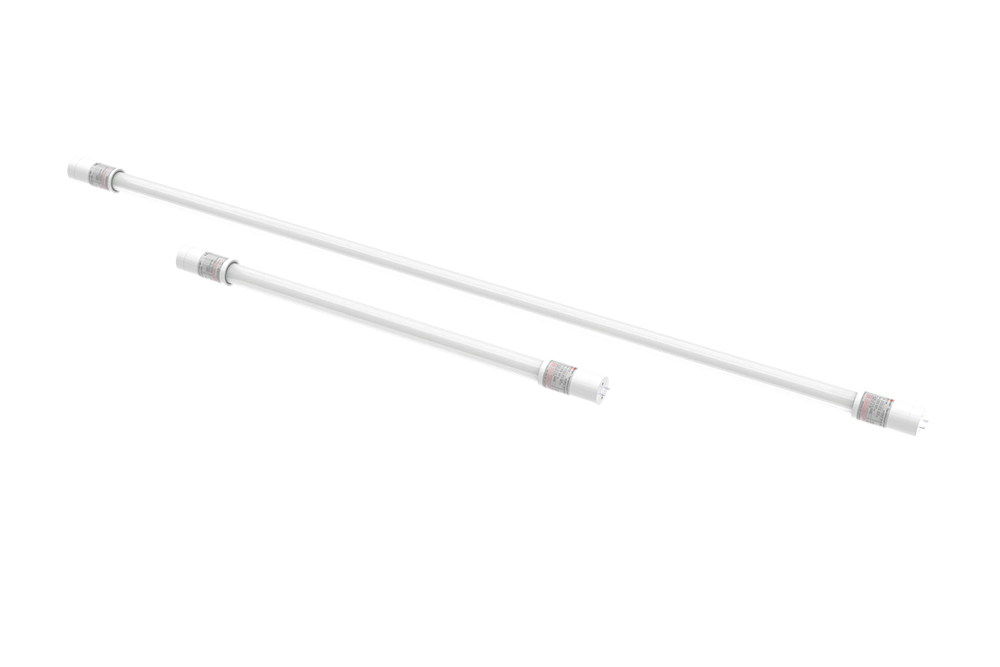
ATEX: Ex II 2G Ex d e IIB T6 Gb ATEX: Ex d e IIB T6 Gb; Feature: ● For Zone 1,2● 9W can replace 18W fluorescent lamps,50% Energy saving Application: Oil and gas, marine, Chemical, pharmaceutical, semiconductor,mining,military industry, paint booth,power plant ETC hazardous area. Technical Specifications: Standards:60079-0, 60079-1, 60079…
View details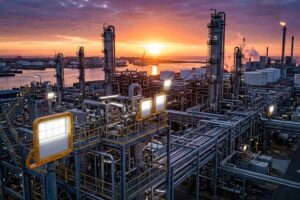
Discover zone 2 hazardous area lighting requirements, certifications, applications, and LED solutions for safe industrial operation in hazardous environments.
View details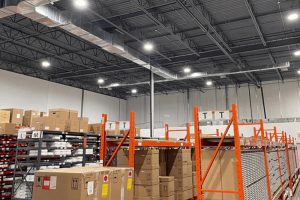
In 2024, a European storage warehouse upgraded to Seeking XJ-HBC200W LED High Bay Light, using 90 UFO fixtures with 170 lm/W, 300+ LUX, high uniformity and motion sensors to save energy and improve lighting quality.
View details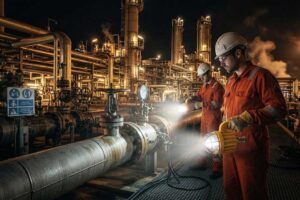
explosion-proof flashlights provide safe portable lighting for hazardous environments. Learn certifications, industrial applications, and field insights from SEEKINGLED.
View details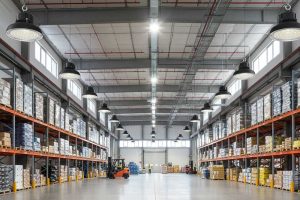
Which high bay LED lights offer the best ROI depends on efficiency, lifetime, and real operating conditions. This guide explains how to choose cost-effective high bay LED lighting based on practical project experience.
View details