 Seeking LED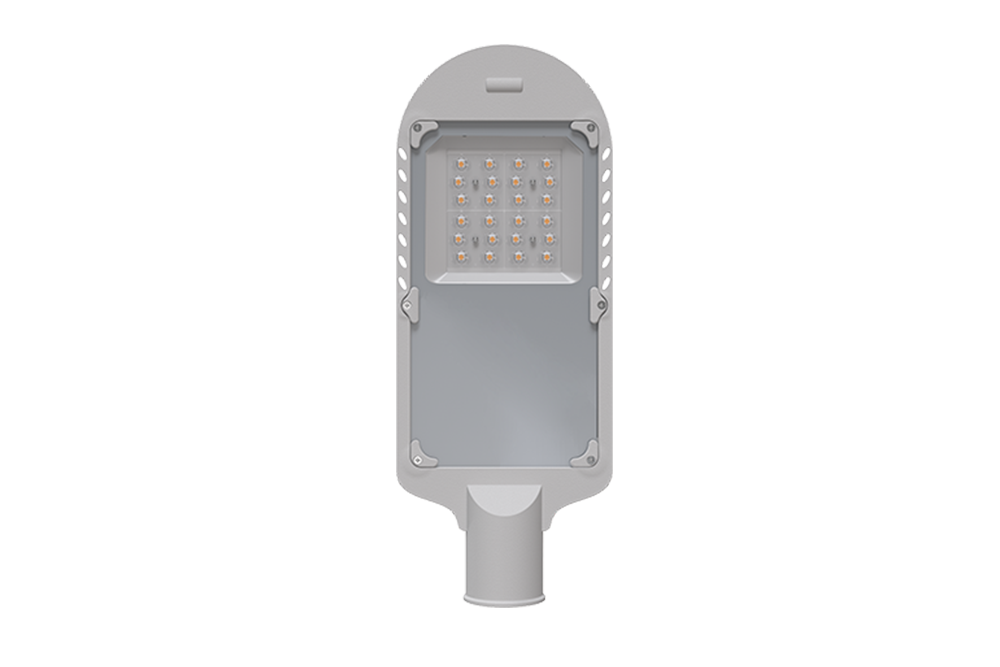
100W LED High Bay Light: Where Efficiency Starts — and Where It Often Ends
206Looking for a reliable 100W LED high bay light? Learn how SEEKINGLED HBF Series scales efficiency up to 200 lm/W for real industrial savings.
View detailsSearch the whole station
People search how to make LED street light for different reasons.
Some are curious.
Some think it’s a DIY project.
Others want to understand what they’re actually buying.
Here’s the honest answer upfront:
You can assemble something that turns on.
That doesn’t mean you’ve made a real LED street light.
There’s a difference. And it shows—every night.
Making an LED street light is not about soldering LEDs onto a board and hanging it on a pole.
A real street light must:
That’s why LED street light manufacturing is closer to system design than assembly.
At SEEKINGLED, “making” always starts with the question: where will this light actually work?
Let’s break it down, without romance.
High-lumen chips are only useful if they’re stable. Cheap chips look fine on day one. Six months later, they tell a different story.
Brightness alone is not quality.
This is where many DIY attempts fail.
Street lighting needs direction. Roads need forward throw. Sidewalks need control. Without proper optics, you get glare, dark spots, or both.
A bare LED is not a street light.
Heat kills LEDs slowly. And quietly.
Aluminum housing design matters more than people admit. Thin housings save cost. They also shorten lifespan.
If the fixture runs hot to the touch, it won’t age well.
Drivers don’t just power LEDs. They protect them.
Voltage fluctuation, surge, dimming compatibility—this is where many “made” lights fail after installation, not during testing.
Short answer: you can try.
Long answer: most DIY LED street lights end up as:
They don’t survive poles, storms, or traffic vibration.
There’s no shame in that. Street lighting operates under different rules. Regulations, safety standards, and real-world abuse change everything.
This is why cities don’t experiment on active roads.
When people ask how to make LED street light, they often miss the balance part.
You balance:
Push one too hard, and something else breaks.
SEEKINGLED designs street lights with this balance in mind, not to win spec sheets, but to survive years of real operation.
Seen too often:
Street lights fail slowly. That’s why mistakes hide at first.
So, how to make LED street light the right way?
You don’t start with parts.
You start with use cases.
Road width. Mounting height. Environment. Regulations.
That’s why most successful projects don’t make street lights from scratch—they work with manufacturers who already solved these problems.
SEEKINGLED didn’t start by building one lamp.
We started by fixing the ones that failed.
If your goal is to learn, asking how to make LED street light is the right question.
If your goal is to light a road safely and reliably, the smarter move is understanding how street lights are designed—and choosing the ones built for that job.
Because when a street light fails, it doesn’t fail quietly.
SEEKING STL-Series LED street lights deliver stable performance, 170 lm/W efficiency and 10KV surge protection. Ideal for city streets, parking lots, public roads and outdoor area lighting projects. Durable IP66 & IK08 design for long-term reliabi…
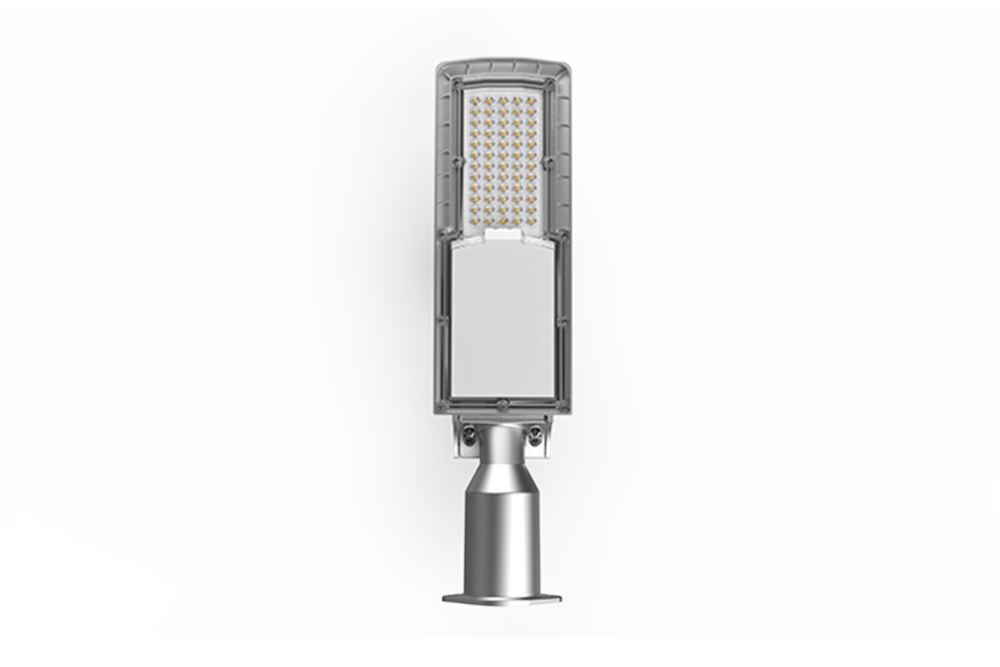
The SEEKING STC Series LED light street light delivers up to 170lm/W efficiency with MOSO drivers, IP66 protection, and a ±15° adjustable arm—ideal for roads, residential areas, and public lighting upgrades.
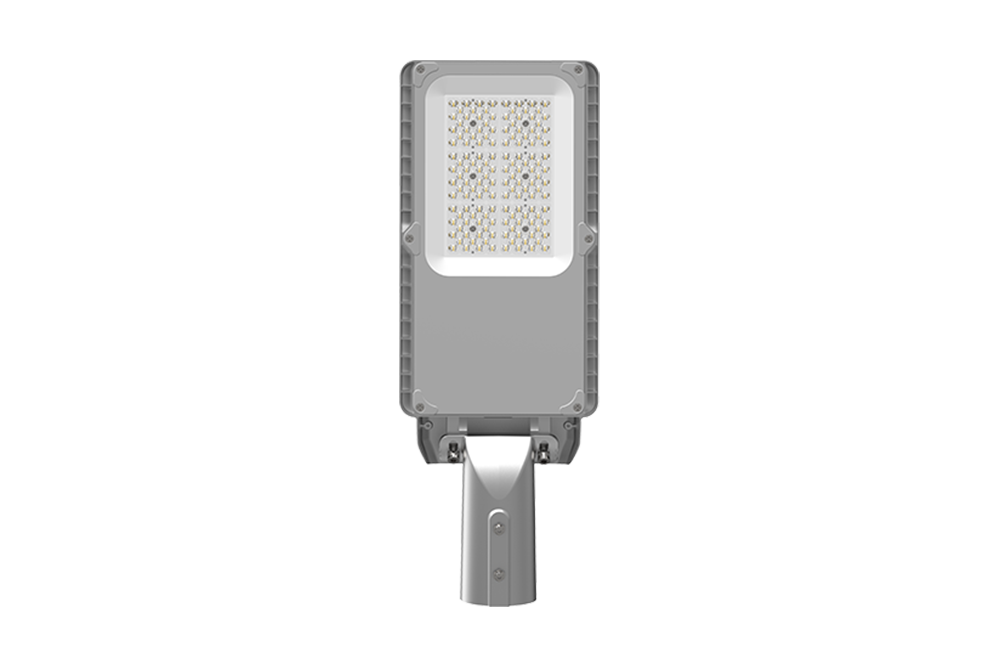
SEEKING STB Series LED street lighting delivers up to 160 lm/W, 10kV surge protection, IP66 waterproofing, and durable IK08 impact resistance. Ideal for streets, parking lots, and large outdoor areas needing long-lasting, energy-saving LED roadway…
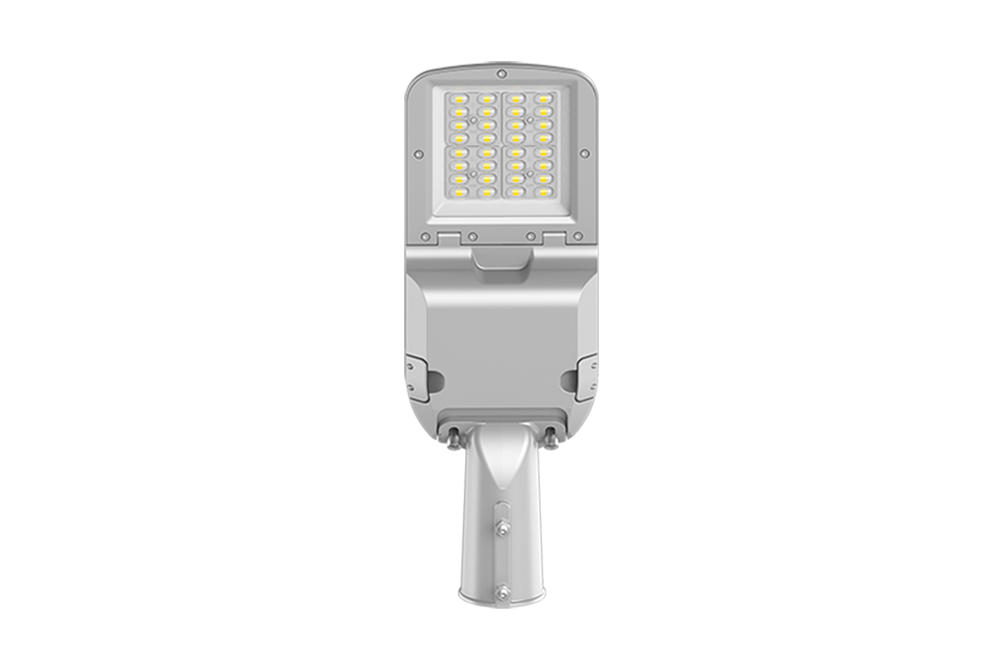
The SEEKING STA Series LED street light delivers strong efficiency, IP66 protection, 10kV surge resistance and multiple beam patterns for roads, parking lots and urban areas. High lumen output, easy installation and reliable performance for long-t…
loading…
This is the last post!
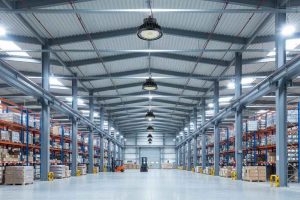
Looking for a reliable 100W LED high bay light? Learn how SEEKINGLED HBF Series scales efficiency up to 200 lm/W for real industrial savings.
View details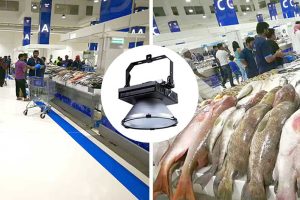
LED High Bay Lighting for Seafood Market was required in a Dubai seafood market where high floor lux was essential. This project record documents multiple Dialux calculations and on-site decision-making using XJ-HBL high bays.
View details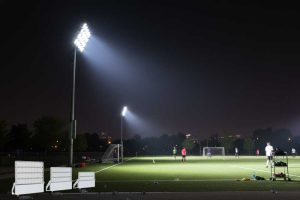
Do LED flood lights get hot during operation? Learn how heat is managed in high power outdoor LED flood lights and what it means for safety and lifespan.
View details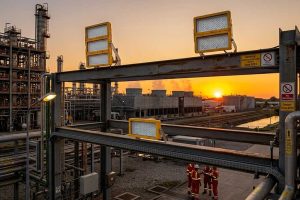
ex proof lamp by SEEKINGLED delivers ATEX & IECEx certified flameproof protection for Zone 1 & 21 hazardous areas with high efficiency and 100,000h life.
View details