 Seeking LED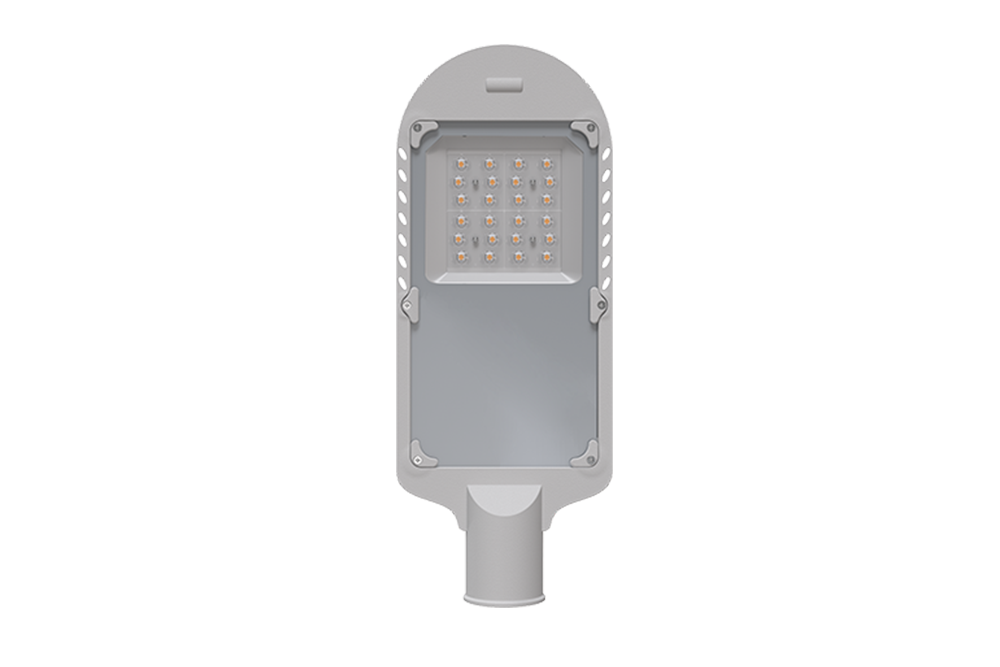
What are the external materials of explosion-proof lights?
01.Main housing material: 2.Light-transmitting surface material: 3.Mounting bracket: 4.Screws:
View detailsSearch the whole station
A 100w led street light looks simple on paper. One fixture, one pole, one power rating. But after years of working on commercial and municipal lighting projects, I can say this: most performance problems don’t come from wattage—they come from design choices made before the light is ever installed.
I’ve spent more than 12 years involved in outdoor lighting projects, from industrial parks in Eastern Europe to mixed-use commercial zones in Southeast Asia. In that time, the 100W category has become one of the most frequently specified power levels, especially for commercial streets, parking areas, and wide access roads.
This article is based on that field experience, using the SEEKINGLED STL-Series 100W LED street light as a practical reference point.
The reason 100W dominates modern projects is simple: LED efficiency has changed the math.
According to the U.S. Department of Energy (DOE) Solid-State Lighting reports, modern LED street luminaires commonly operate between 150–170 lm/W at system level. At 170 lm/W, a 100W fixture delivers around 17,000 lumens, which comfortably meets lighting requirements for:
In many of my retrofit projects, a 100W LED street light has replaced 250W or even 320W high-pressure sodium (HPS) lamps while improving uniformity and visibility.
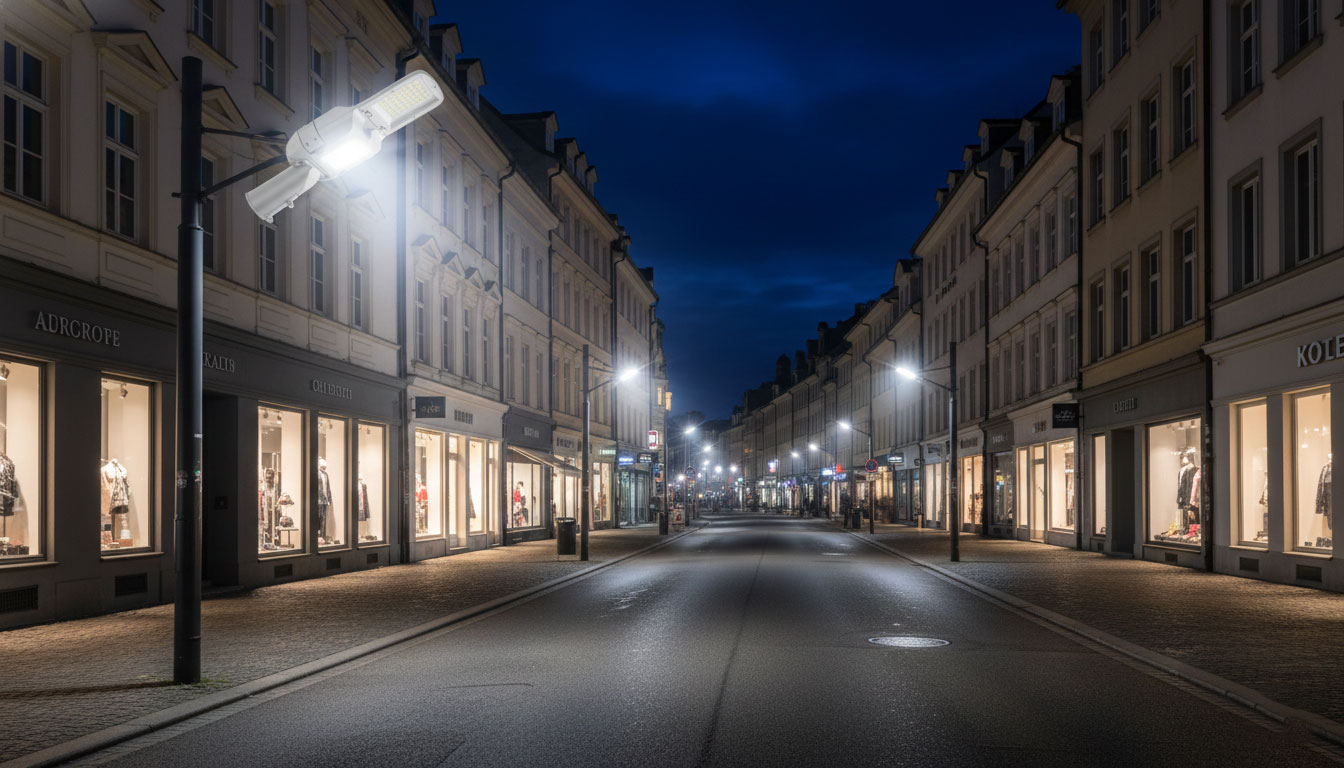
One mistake I still see is choosing fixtures based only on lumen output. For street lighting, optical distribution is what determines whether light ends up on the road—or wasted in the air.
The STL-Series uses TⅡM1 and TⅢM1 beam patterns, which align with IES RP-8 roadway lighting recommendations. In practical terms, this means:
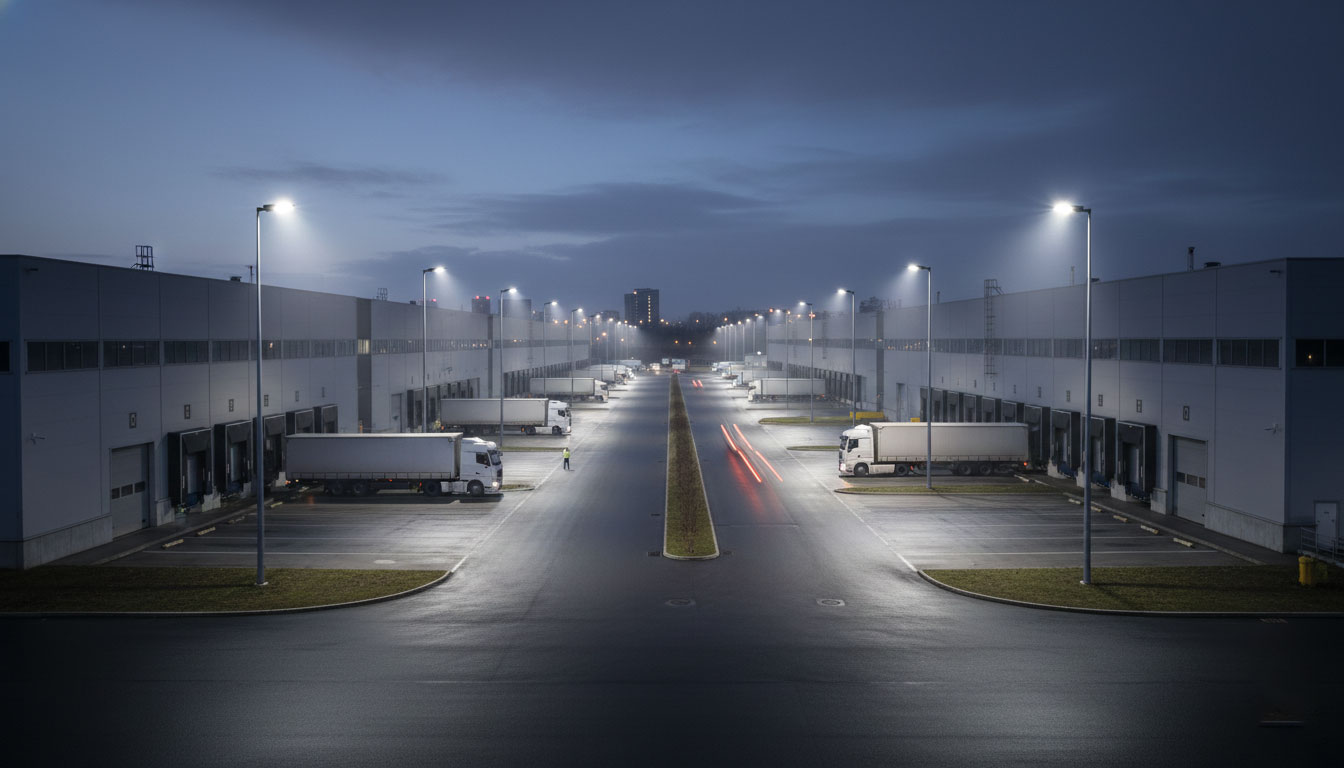
On one logistics park project, switching to proper TⅢ distribution allowed us to reduce pole count by nearly 18%, while still meeting average lux and uniformity targets.
Outdoor lighting doesn’t fail dramatically—it fails quietly, one driver or seal at a time.
According to IEC 61000-4-5, surge events caused by lightning and grid switching are among the most common causes of outdoor luminaire failure. This is why a 10kV surge protector and a stable driver matter far more than most buyers realize.
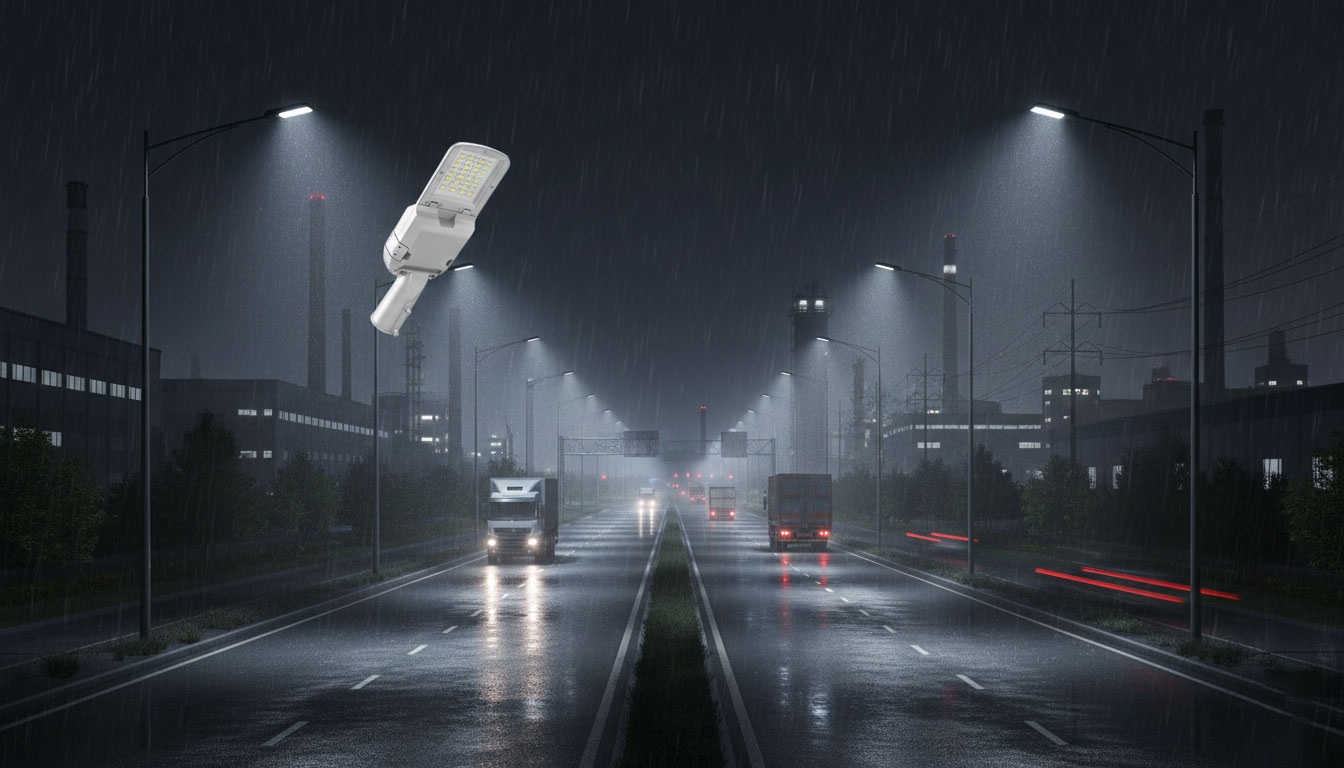
The STL-Series uses MEAN WELL drivers, which I’ve specified repeatedly over the years for projects where long operating hours and voltage fluctuations are common. Combined with IP66 waterproofing and IK08 impact resistance, the fixture is built for environments with rain, dust, vibration, and occasional abuse.
In coastal and industrial zones, I’ve seen poorly sealed luminaires fail in under two years. Proper thermal design and sealing make the difference between a five-year plan and an early replacement headache.
From an energy perspective, replacing traditional discharge lamps with a 100w led street light typically cuts electricity consumption by 55–65%.
The International Energy Agency (IEA) reports that LED street lighting retrofits often achieve full payback in 2–4 years, depending on operating hours and electricity prices.
In my own audits, the bigger savings often come later: fewer lamp replacements, fewer maintenance visits, and less downtime. That’s where LED systems quietly outperform older technologies.
The SEEKINGLED STL-Series 100W model is best suited for:
For highways or wide arterial roads, higher wattage may be required. But for most commercial outdoor lighting tasks, 100W hits the balance between efficiency, coverage, and cost.
A 100w led street light doesn’t win awards for novelty. What it does is work—night after night, year after year.
After more than a decade in outdoor lighting projects, I’ve learned that the best fixtures are rarely the most complicated ones. They’re the ones that deliver light where it’s needed, survive harsh conditions, and quietly reduce operating costs over time.
That’s exactly where a well-designed 100W solution like the SEEKINGLED STL-Series LED Street Light earns its place.
SEEKING STL-Series LED street lights deliver stable performance, 170 lm/W efficiency and 10KV surge protection. Ideal for city streets, parking lots, public roads and outdoor area lighting projects. Durable IP66 & IK08 design for long-term reliabi…
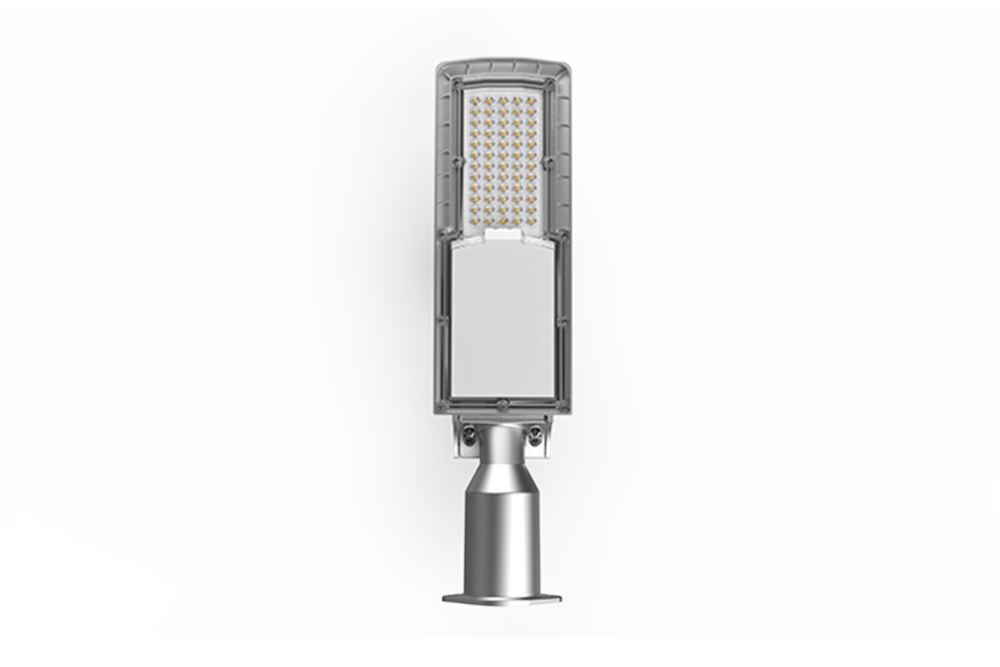
The SEEKING STC Series LED light street light delivers up to 170lm/W efficiency with MOSO drivers, IP66 protection, and a ±15° adjustable arm—ideal for roads, residential areas, and public lighting upgrades.
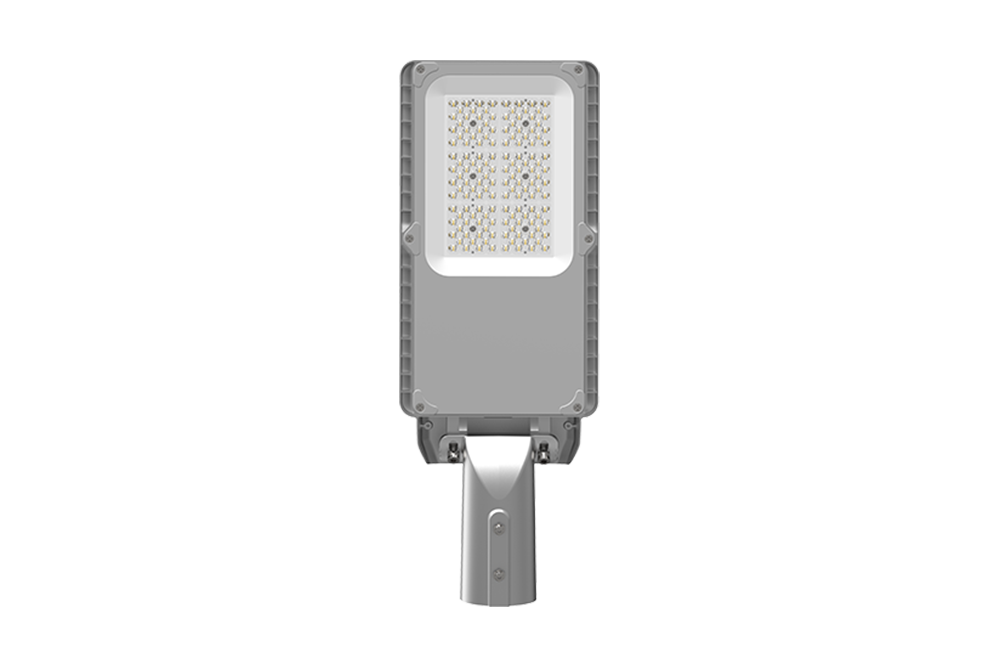
SEEKING STB Series LED street lighting delivers up to 160 lm/W, 10kV surge protection, IP66 waterproofing, and durable IK08 impact resistance. Ideal for streets, parking lots, and large outdoor areas needing long-lasting, energy-saving LED roadway…
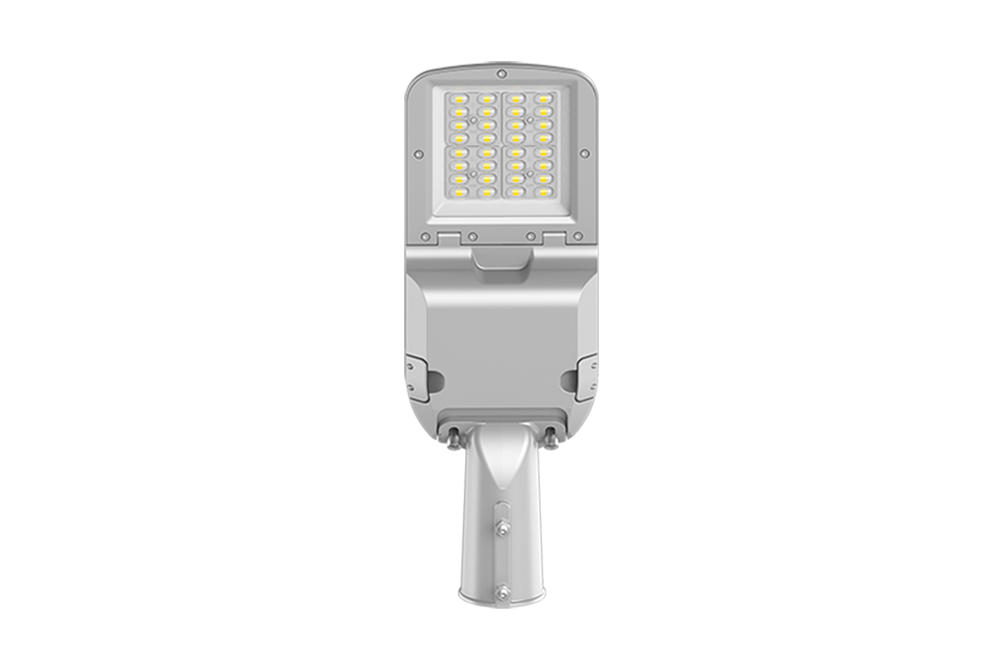
The SEEKING STA Series LED street light delivers strong efficiency, IP66 protection, 10kV surge resistance and multiple beam patterns for roads, parking lots and urban areas. High lumen output, easy installation and reliable performance for long-t…
loading…
This is the last post!
1.Main housing material: 2.Light-transmitting surface material: 3.Mounting bracket: 4.Screws:
View details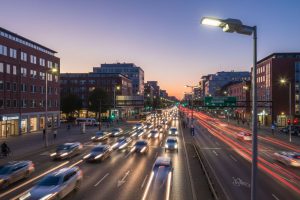
LED Street Light 150 Watt solutions for real traffic roads. Discover efficiency, optics, and durability insights for choosing reliable 150W street lighting.
View details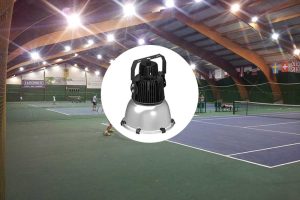
Tennis Court High Bay Lighting requires uniform illumination, not only target lux levels. This case records how SEEKINGLED adjusted XJ-HBS beam angles in an Italian tennis court project to improve lighting distribution.
View details
How to wire high bay LED lights with dimmer for warehouse and industrial projects. Covers real wiring logic, 0–10V control, and common on-site mistakes to avoid.
View details