 Seeking LED
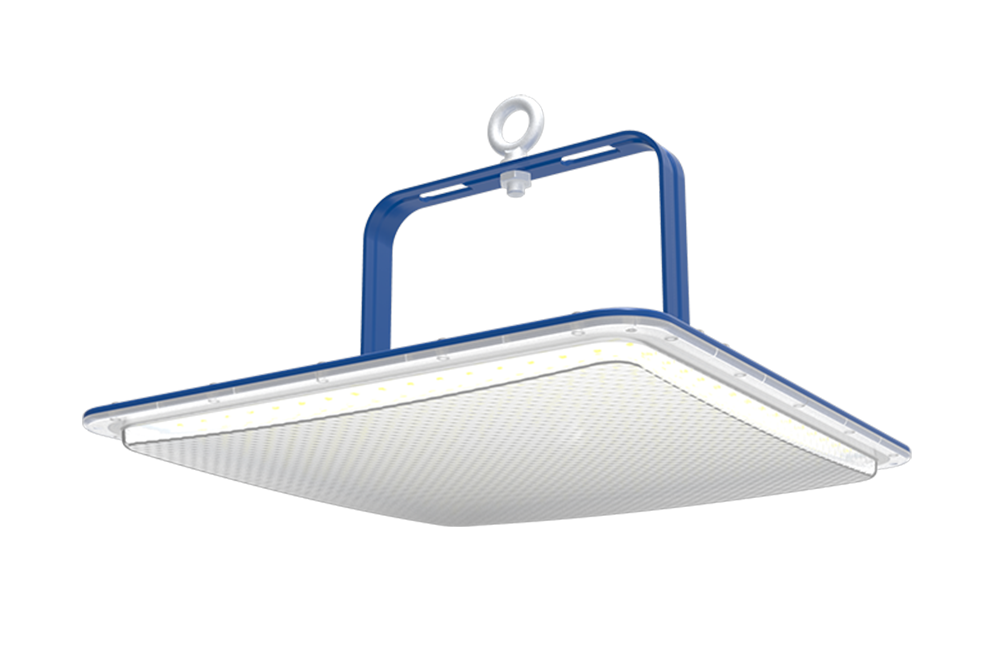
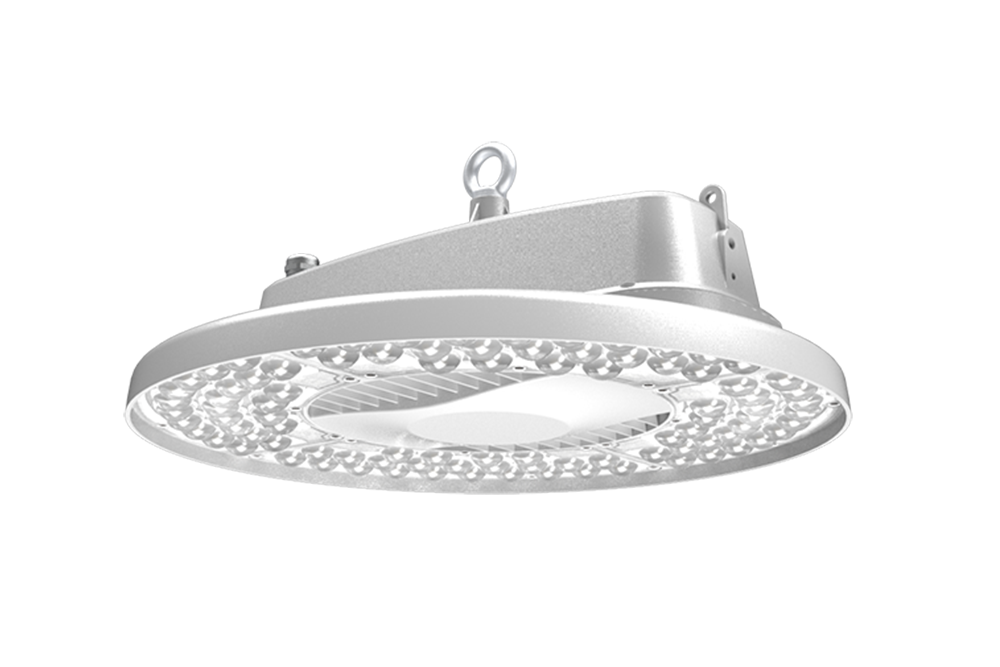
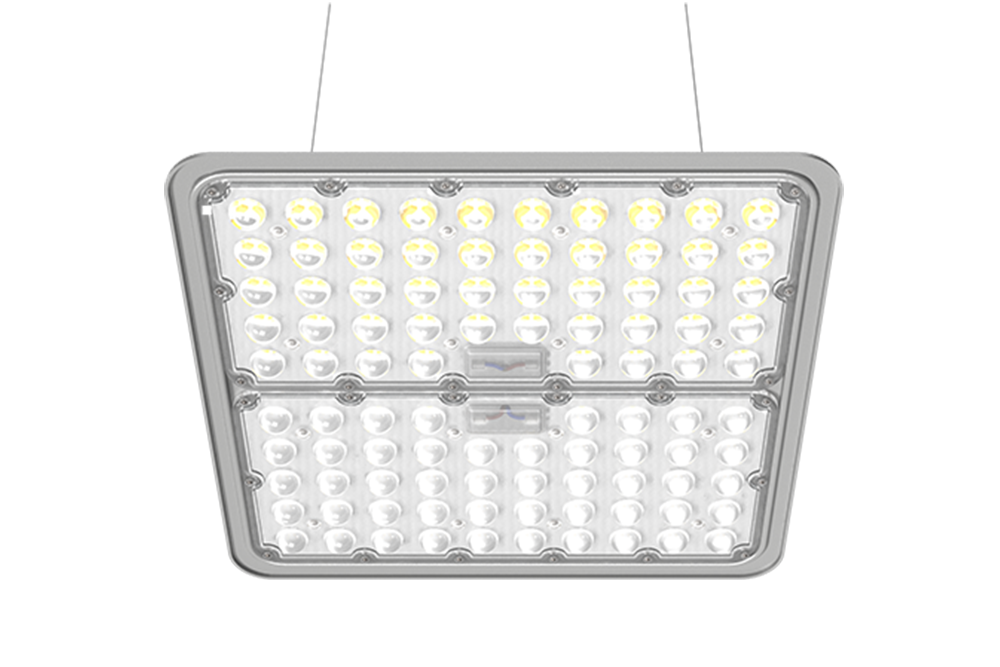
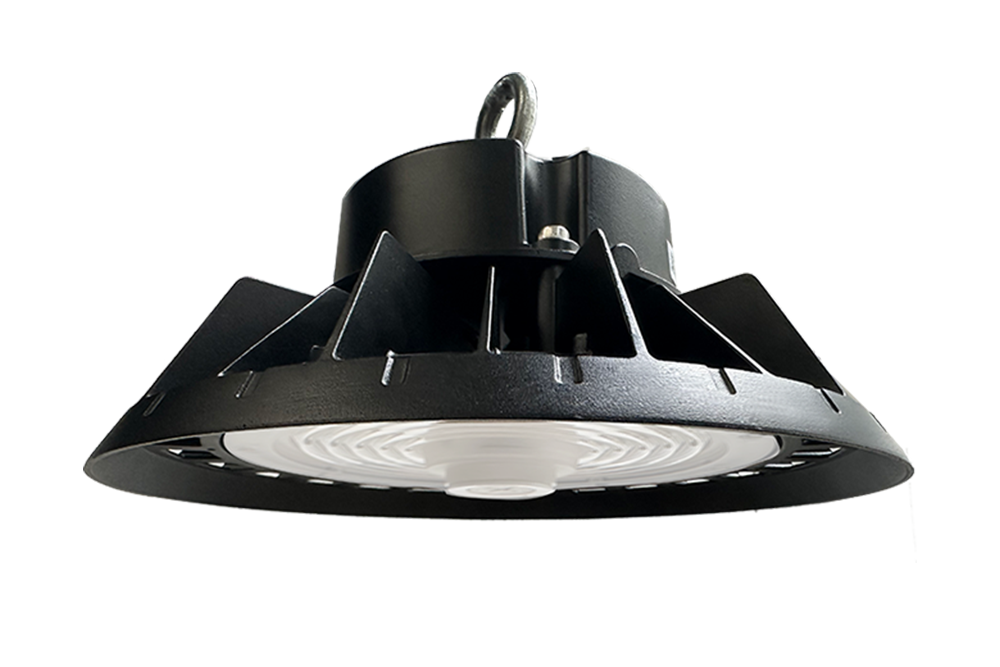
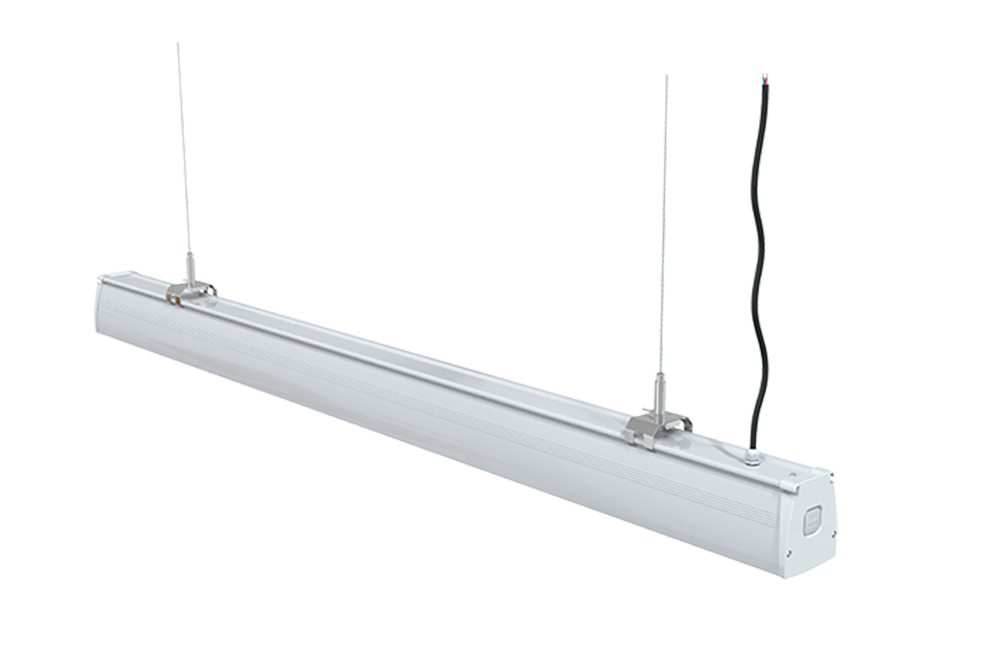
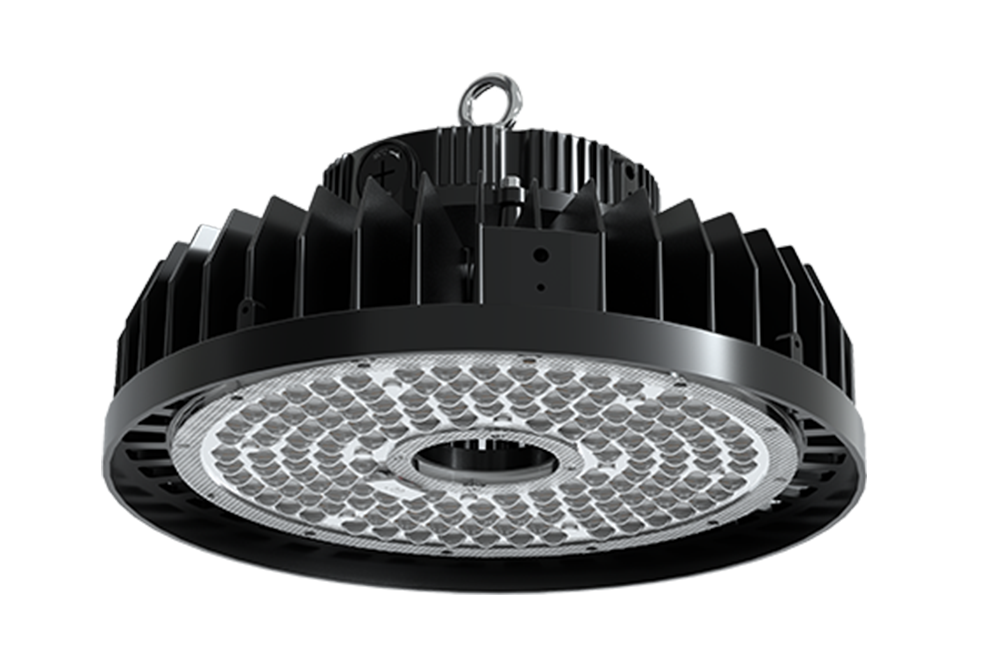
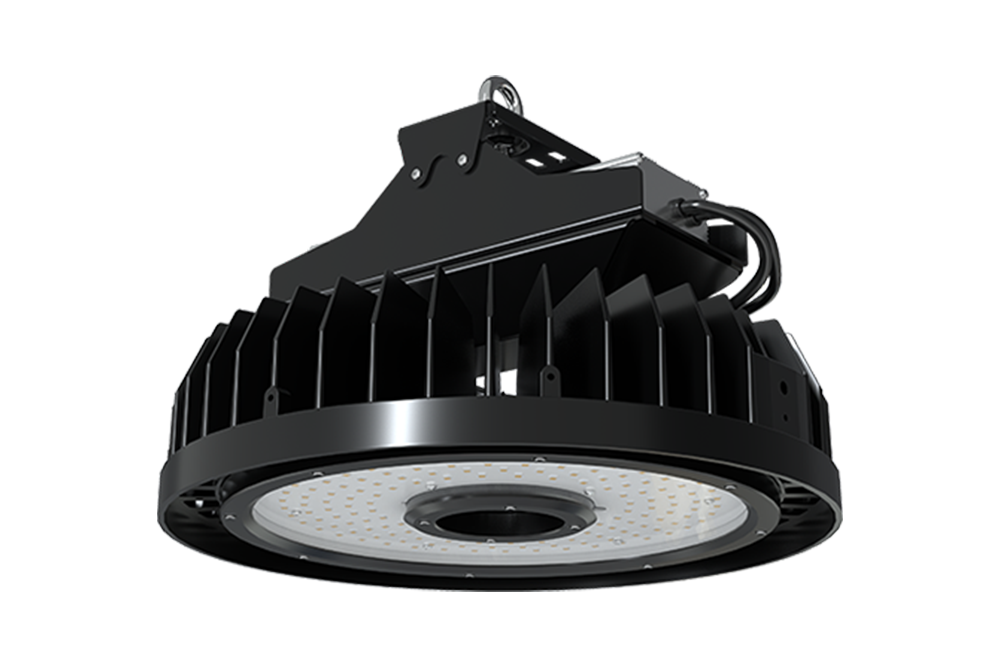
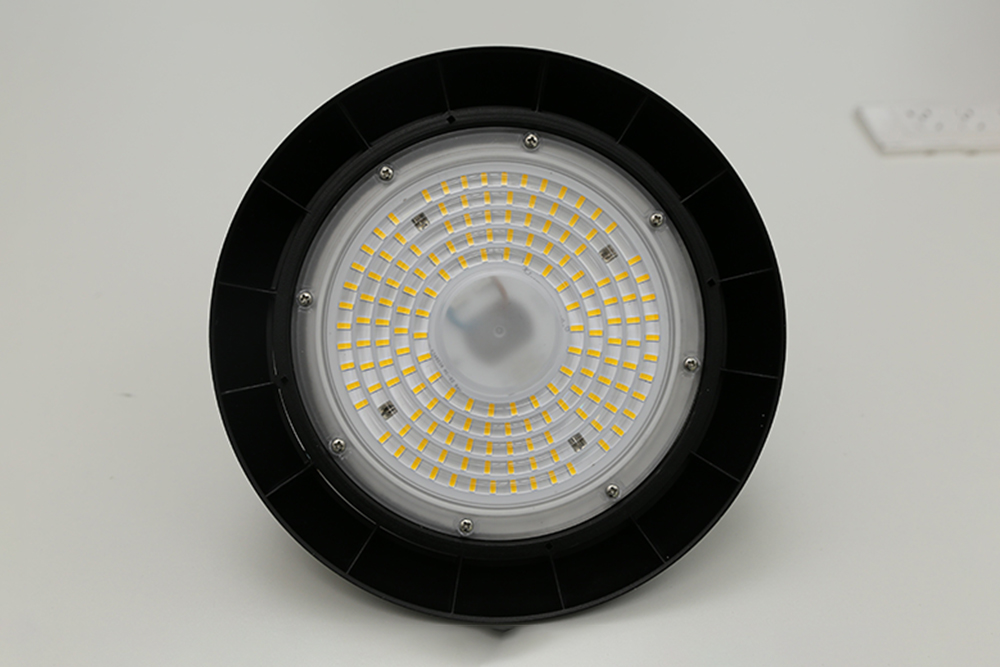
Wine Cellar LED Lighting for Winery Fermentation Spaces
0Wine cellar LED lighting for winery fermentation spaces. Low heat, moisture-resistant, and stable illumination for barrels and production by SEEKINGLED.
View detailsSearch the whole station
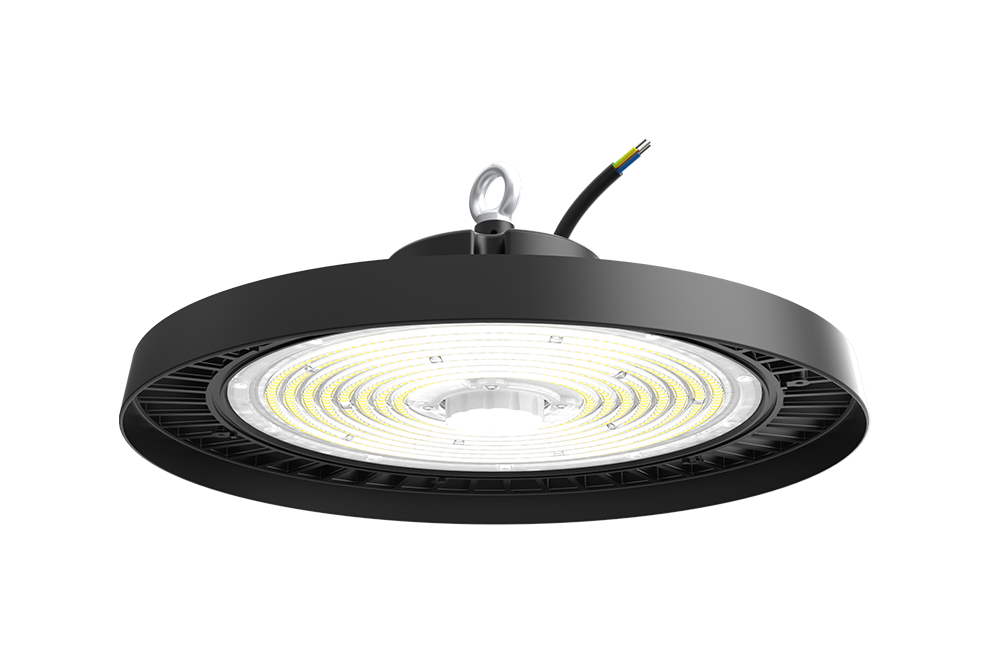
Wiring LED high bay lights is generally straightforward, but in industrial spaces—such as warehouses, logistics centers, or production halls—it still needs to follow basic electrical standards and project practices. Below is a practical explanation based on real installations using SEEKINGLED HBI Series High Bay LED Lights.
Before wiring any LED high bay light, check the available input voltage on site.
The HBI Series supports AC 100–277V, 50/60Hz, which covers most industrial power systems in Europe, North America, and many overseas markets.
Make sure:
Most LED high bay lights, including the HBI Series, use standard wiring colors:
Connect each wire firmly to the corresponding terminal inside the junction box. Loose connections are a common cause of flicker or early driver failure.
The HBI Series uses a SOSEN flicker-free driver, pre-installed inside the housing.
Once the AC input is connected, no additional wiring is needed between the driver and LED module. This reduces on-site errors and speeds up installation, especially when installing multiple fixtures at height.
For suspension mounting, ensure:
In warehouses with intermittent traffic, many contractors choose to add a microwave motion sensor.
The HBI Series reserves a plug-and-play sensor interface, so no complex rewiring is required.
Typical sensor wiring includes:
Once installed, the light switches to full output only when movement is detected, helping reduce energy consumption in aisles or stacking zones.
After wiring:
For large projects, it’s common to test one lighting row before completing the full hall.
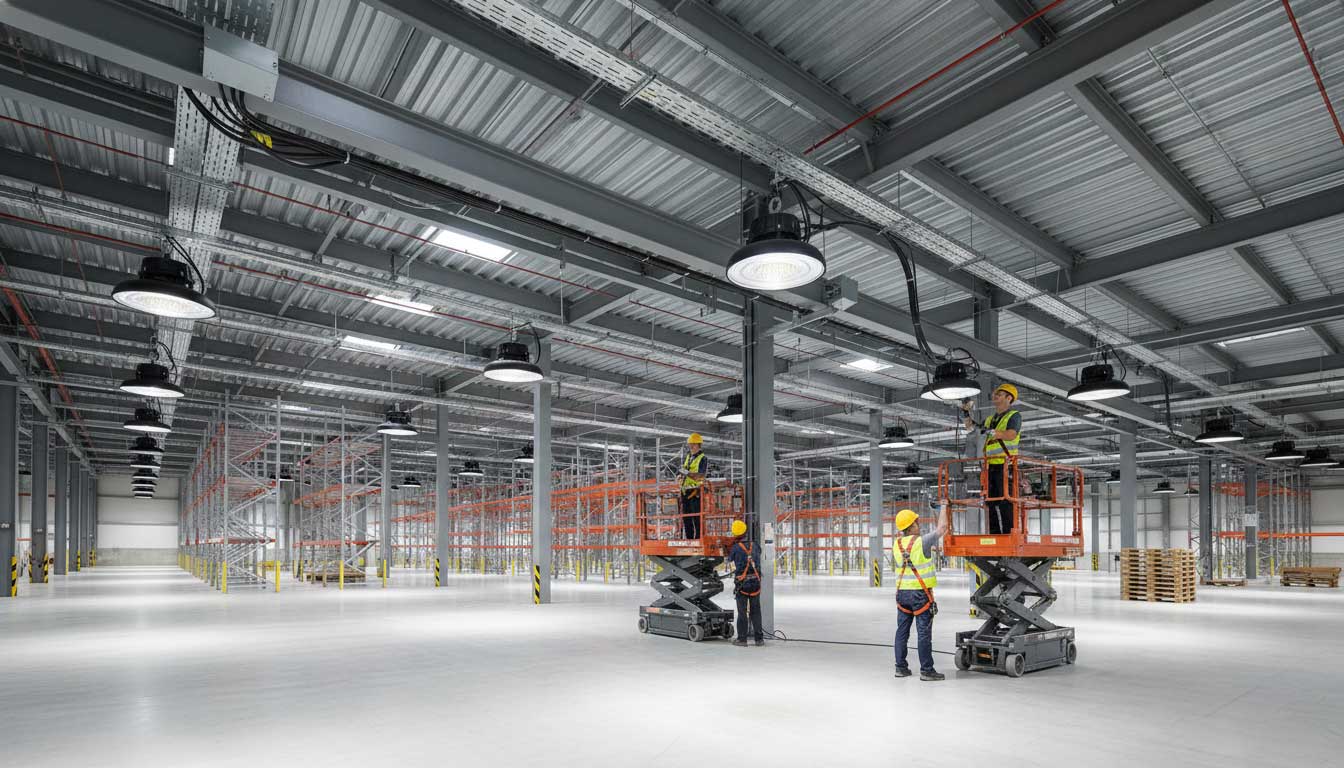
Do LED high bay lights need a separate ballast?
No. LED high bay lights use an integrated LED driver. Traditional HID ballasts are not required.
Can LED high bay lights be wired in series?
No. Each fixture should be wired in parallel to ensure stable voltage and consistent performance.
Is a wiring diagram required for inspection?
Most industrial projects require a basic LED high bay light wiring diagram as part of electrical documentation. SEEKINGLED can provide this upon request.
The result is a high bay LED light that installs cleanly and works reliably over time, even in demanding industrial settings.
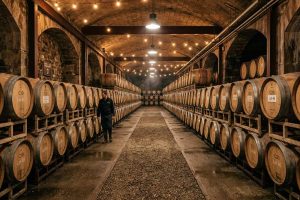
Wine cellar LED lighting for winery fermentation spaces. Low heat, moisture-resistant, and stable illumination for barrels and production by SEEKINGLED.
View details
Learn how to get a explosive proof cap off junction box safely without damaging flame paths or certifications. Step-by-step guide for hazardous locations.
View details
what is a flood light? Learn how LED flood lights work, their applications, key features, and selection tips from SEEKINGLED lighting experts.
View details
Zone 1 LED floodlight solutions deliver certified safety, reliable performance, and powerful illumination for hazardous industrial environments and explosive gas zones.
View details