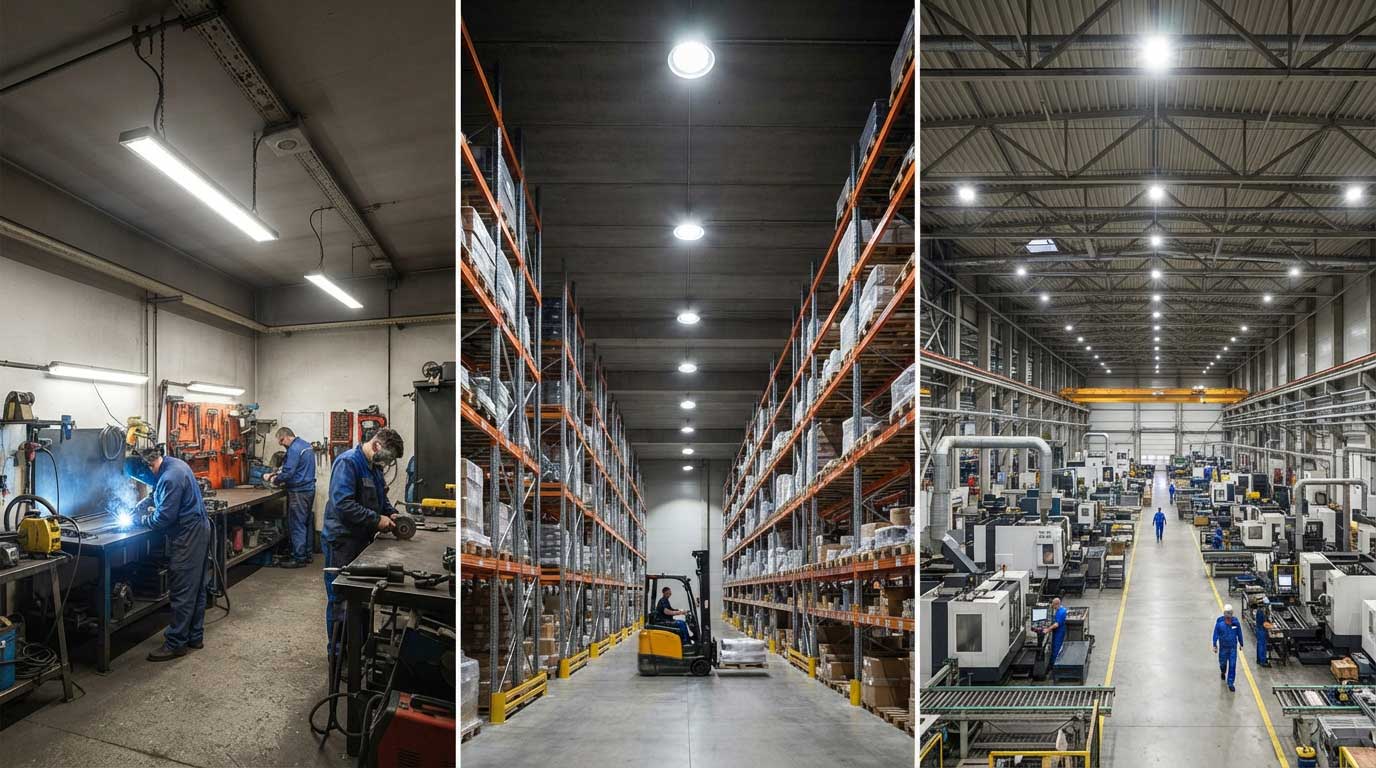
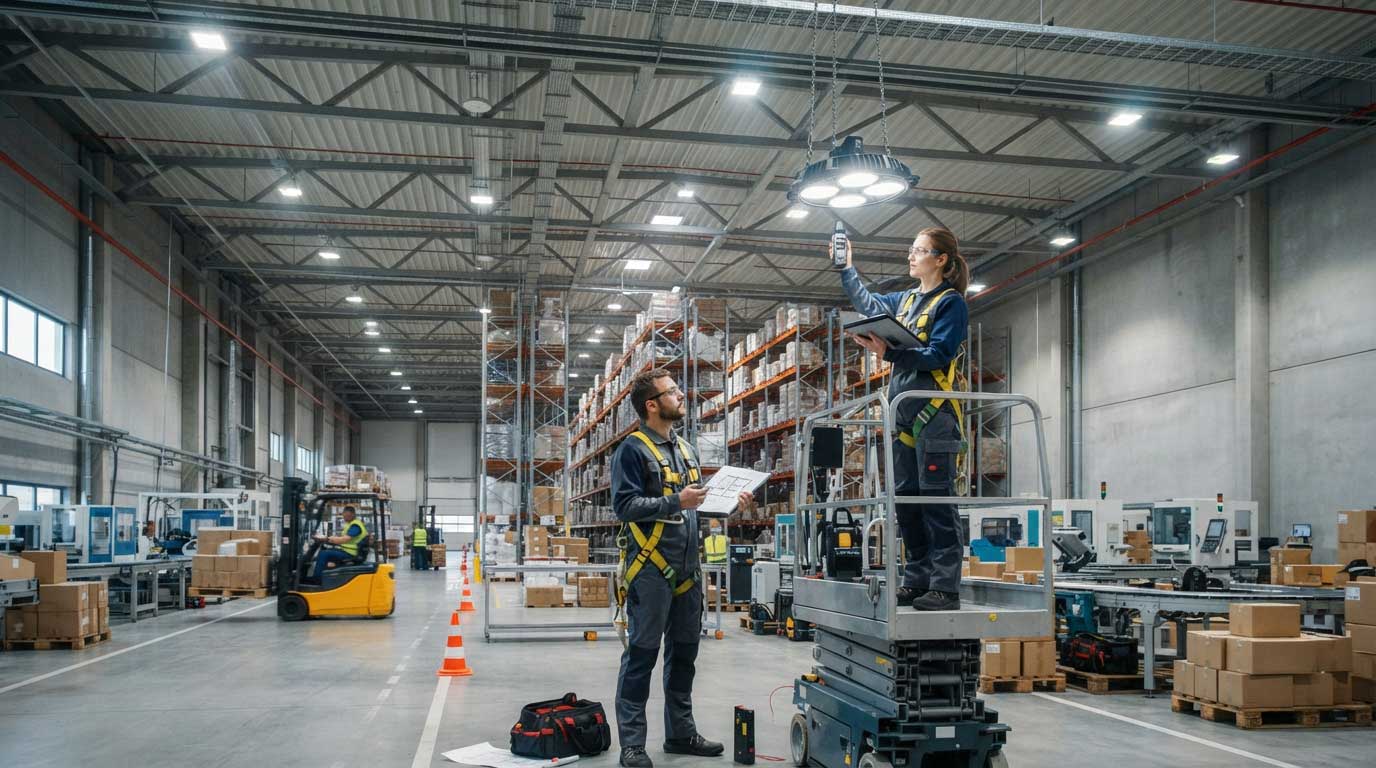
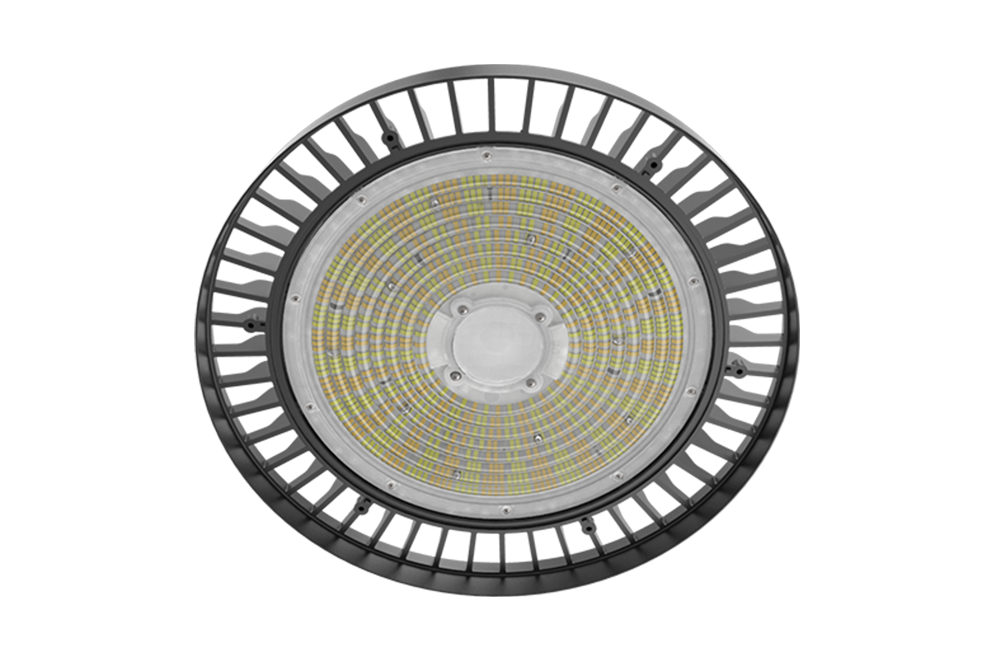
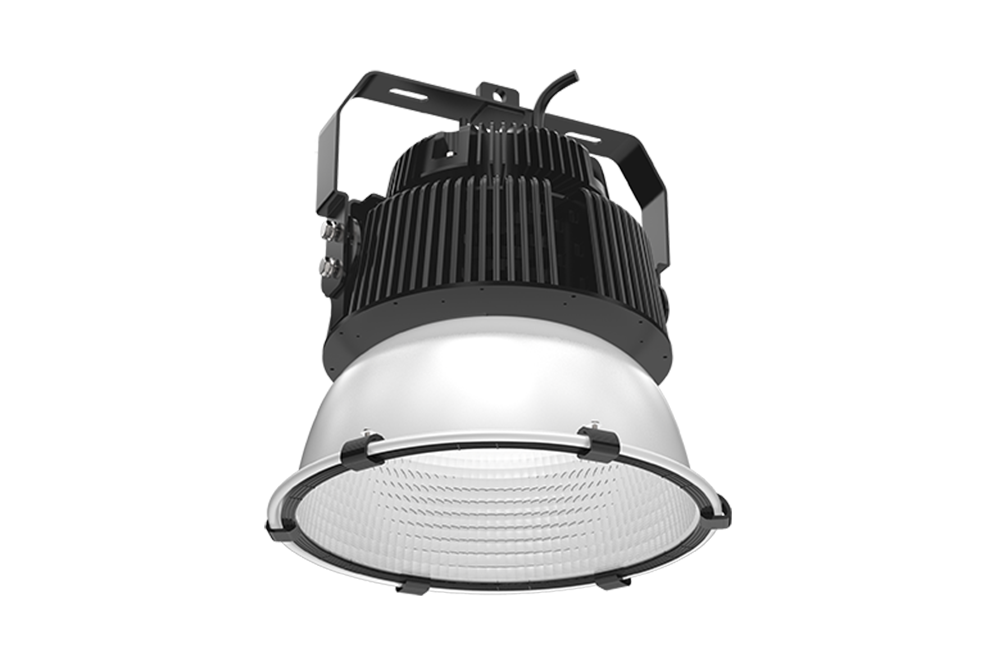
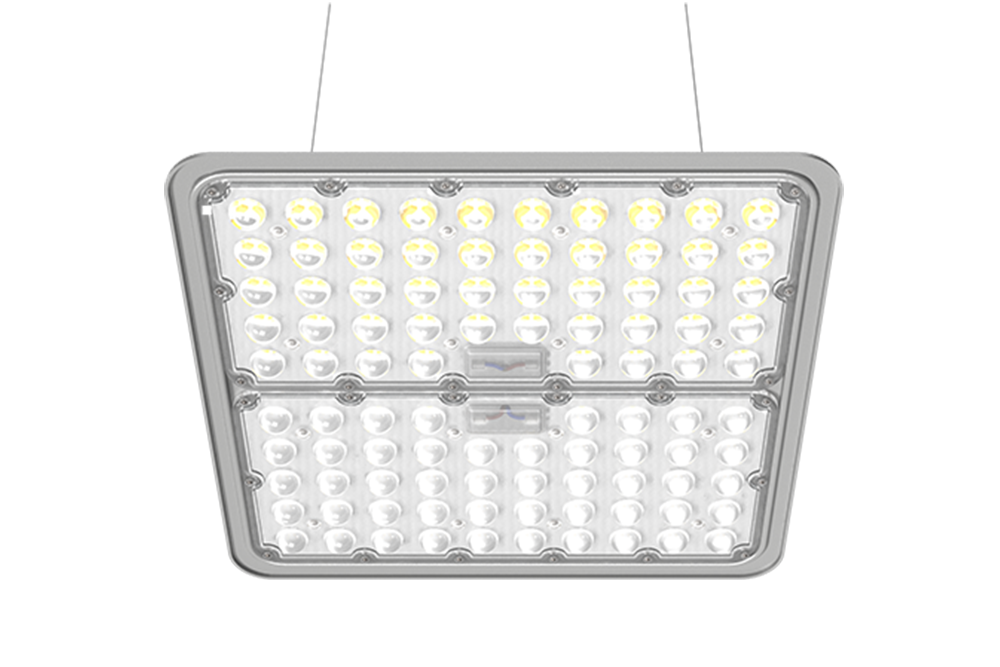
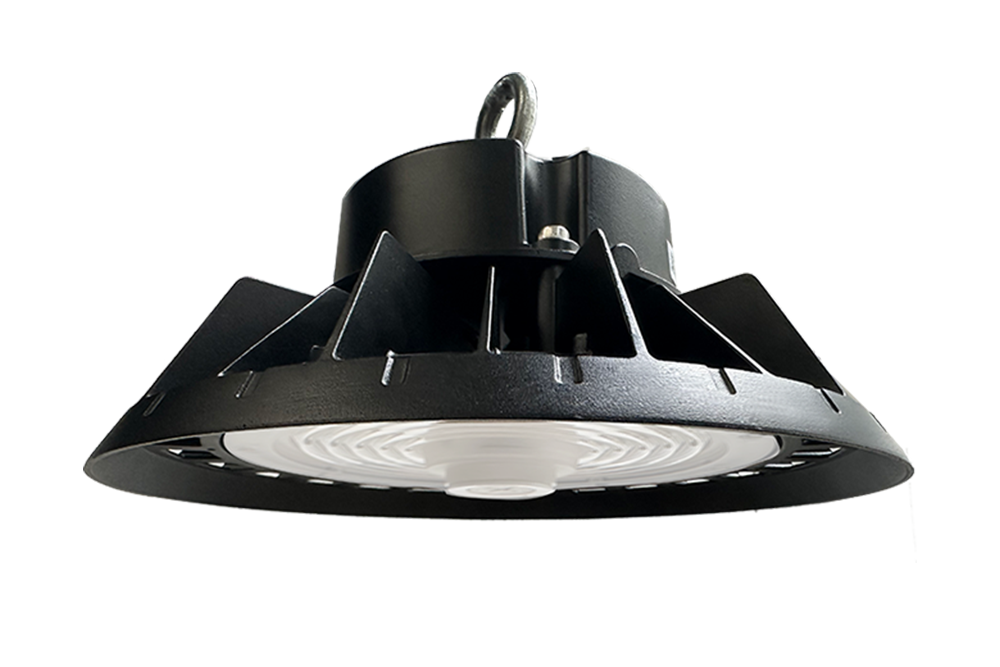
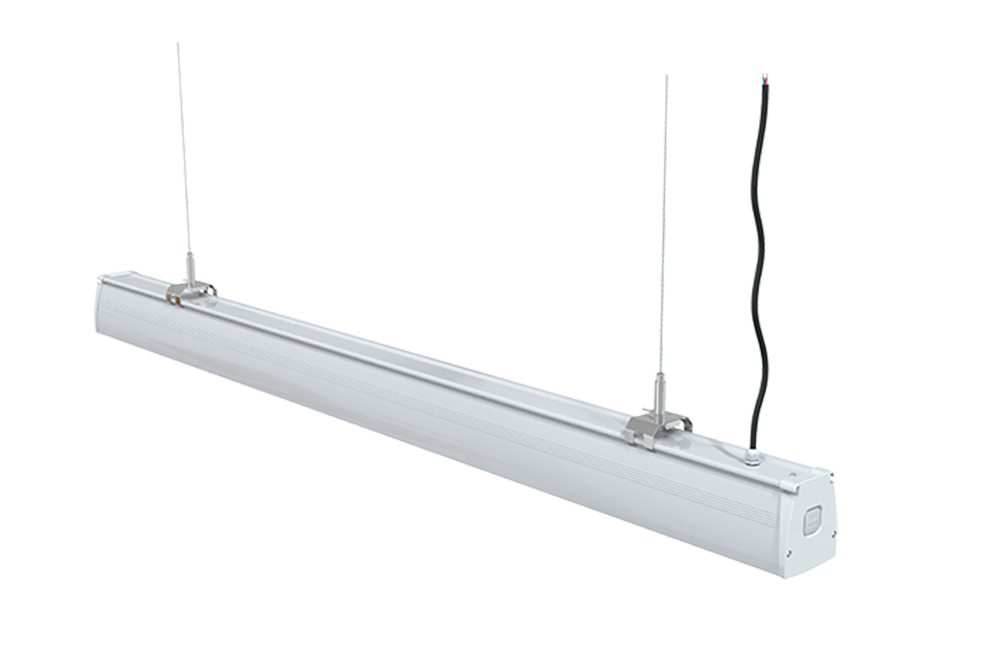
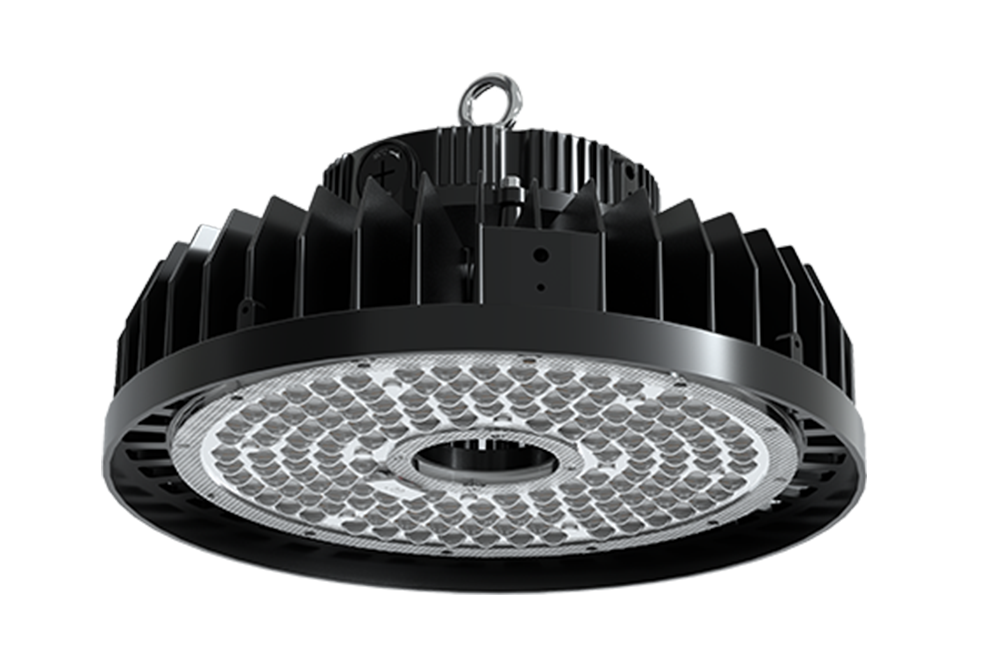
How high is high bay for lighting? High bay lighting is generally designed for spaces with mounting heights from 15 to over 50 feet, with the most common applications between 20 and 40 feet. The correct height depends on ceiling structure, lumen output, beam angle, and workspace requirements.
That is the simple answer.
The practical answer is more detailed.
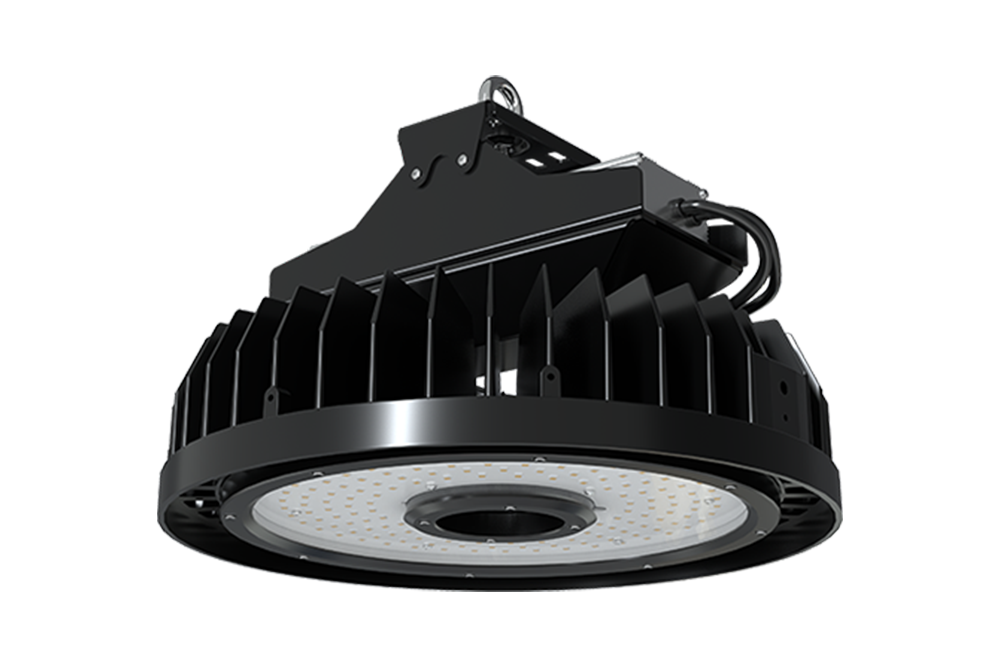
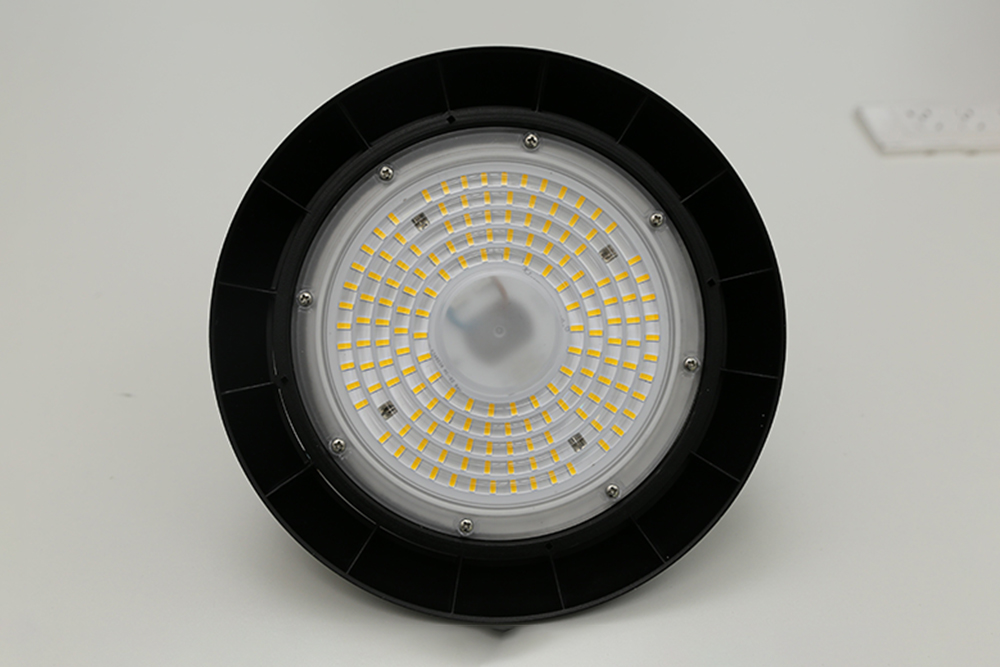
During industrial lighting projects at SEEKINGLED, I have inspected warehouses where the ceiling height was impressive, but the lighting performance was disappointing. The fixtures were powerful, yet the installation height and beam distribution did not match the environment.Visit the product page:Industrial LED High Bay Lights
The issue was not insufficient LED technology.
It was poor height planning.
High bay lighting works because it is designed to deliver controlled illumination from elevated positions. The height determines:
How far light travels
How wide the coverage becomes
How many fixtures are required
How evenly the workspace is illuminated
Choosing the correct mounting height is one of the first decisions in industrial lighting design.
What Height Is Considered High Bay Lighting?
Traditionally, lighting professionals classify fixtures based on mounting height.
General guidelines:
Lighting Type
Typical Mounting Height
Low bay lighting
Below 20 feet
High bay lighting
20–45 feet
Extra-high bay lighting
Above 45 feet
However, LED technology has changed the traditional rules.
Older HID lighting systems often required very high mounting heights because efficiency and optics were limited.
Modern LED high bay fixtures provide:
Higher lumen output
Better beam control
Improved optical efficiency
This allows LED high bay lights to perform effectively in spaces that may previously have used different lighting systems.
The U.S. Department of Energy highlights that LED lighting efficiency is measured through factors such as lumens per watt, which helps determine how effectively electrical energy becomes usable light.
Different buildings require different mounting heights.
Warehouse High Bay Lighting
Typical height:
20–40 feet
Common applications:
Storage areas
Distribution centers
Logistics facilities
Important considerations:
Rack height
Product visibility
Forklift movement
A warehouse with 30-foot racks may require different optics compared with an open storage building.
Manufacturing Facility Lighting
Typical height:
20–35 feet
Manufacturing environments often require:
Better uniformity
Reduced shadows
Clear visibility around machinery
The lighting height must support workers performing tasks below.
Large Industrial Buildings
Typical height:
40–60+ feet
Examples:
Aircraft hangars
Sports facilities
Large production halls
These applications often require:
High lumen fixtures
Narrow beam optics
Professional photometric calculations
Why High Bay Lighting Height Matters
The installation height directly affects lighting performance.
If High Bay Lights Are Installed Too High
Possible problems:
Reduced floor illumination
More fixtures required
Higher initial costs
Light spreads as it travels, but intensity decreases with distance.
According to the inverse square law of light, increasing the distance between a light source and the target surface significantly reduces illumination levels.
For example:
If the distance doubles, the light intensity can drop to approximately one-quarter.
This is why very tall spaces require careful fixture selection.
If High Bay Lights Are Installed Too Low
Possible issues:
Excessive glare
Uncomfortable brightness
Poor visual conditions
Equipment clearance problems
The goal is not placing lights as high as possible.
The goal is placing them at the height where the light distribution works best.
How Ceiling Height and Mounting Height Are Different
One common mistake is confusing ceiling height with mounting height.
They are not always the same.
Example:
Building ceiling:
40 feet
Fixture suspension:
5 feet below ceiling
Actual mounting height:
35 feet
Lighting calculations should use the fixture height above the working area.
The working plane may be:
Floor level in warehouses
Work surfaces in factories
Playing surfaces in sports facilities
This measurement affects:
Fixture quantity
Beam selection
Spacing distance
How Beam Angle Changes High Bay Lighting Height
Beam angle determines how light spreads from the fixture.
The same LED high bay fixture can perform differently at different heights depending on its optics.
Narrow Beam High Bay Lights
Recommended for:
35–60 feet mounting heights
Tall warehouses
Rack aisles
Advantages:
Longer light throw
Better vertical illumination
Medium Beam High Bay Lights
Recommended for:
20–40 feet mounting heights
General industrial applications
Advantages:
Balanced coverage
Good uniformity
Wide Beam High Bay Lights
Recommended for:
15–25 feet mounting heights
Open workshops
Advantages:
Larger coverage area
Reduced dark zones
A common mistake in industrial projects is selecting fixtures only by wattage.
A 200W LED high bay with the wrong beam angle may perform worse than a lower-power fixture with better optical control.
How to Choose the Correct High Bay Lighting Height
A professional lighting design usually starts with several questions:
How high is the ceiling?
How high will the fixture actually hang?
What tasks happen below?
How much illumination is required?
What beam angle is suitable?
A simple height decision can affect the entire lighting system.
For example:
A 25-foot warehouse may work well with:
150W LED high bays
Medium beam optics
A 45-foot distribution center may require:
240W LED high bays
Narrow beam optics
The fixture and height must work together.
How High Should High Bay Lights Be Mounted in a Warehouse?
There is no single height that works for every warehouse.
A practical guideline:
Ceiling Height
Recommended High Bay Mounting Height
15–20 feet
100W–150W LED high bay
20–30 feet
150W–200W LED high bay
30–40 feet
200W–300W LED high bay
40+ feet
High-output LED high bay with narrow optics
These ranges are starting points only.
A warehouse with reflective white walls and open floors may need less power than a warehouse with dark racks and dense storage.
In real projects, I usually check the ceiling structure first, then review the working area below. A forklift aisle, production line, and storage rack system all require different lighting approaches.
Lighting is not installed for the ceiling.
It is installed for the people working underneath it.
How to Calculate High Bay Lighting Height
A simple starting method is the 60% ceiling height rule.
Formula:
Mounting Height = Ceiling Height × 60%
Example:
A building has:
35-foot ceiling
Calculation:
35 × 0.6 = approximately 21 feet
This provides an initial reference point.
However, professional lighting design requires more information:
Fixture lumen output
Beam angle
Required lux level
Room reflectance
Spacing distance
The 60% rule is only a planning shortcut, not a final lighting calculation. Industry guides also recommend considering spacing criteria and optical distribution before confirming fixture placement.
What Is the Maximum Height for LED High Bay Lights?
Modern LED high bay lights can operate at very high mounting heights.
Typical applications:
20–40 feet: Standard industrial spaces
40–50 feet: Large warehouses and logistics centers
50+ feet: Aircraft hangars and large facilities
Some commercial LED high bay products are designed for mounting heights approaching 60 feet or more when paired with suitable lumen packages and optics.
However, increasing height does not mean simply increasing wattage.
At higher elevations, the lighting system must control:
Light throw distance
Vertical illumination
Glare
Uniformity
A 400W fixture installed incorrectly may perform worse than a 240W fixture with the right optical design.
High Bay Lighting Height and Spacing Relationship
Mounting height directly affects fixture spacing.
A common starting relationship:
Spacing ≈ 1.0–1.5 × Mounting Height
Example:
Mounting height:
30 feet
Possible spacing:
30–45 feet
But this changes depending on beam angle.
Beam Angle
Suitable Height
30°–60° narrow beam
High ceilings, tall racks
60°–90° medium beam
Standard warehouses
90°–120° wide beam
Lower ceilings
A narrow beam focuses light farther downward.
A wide beam spreads light over a larger area.
This is why choosing a fixture only by wattage often creates lighting problems.
The optics decide where the light goes.
Real Installation Experience: Why Height Decisions Fail
One mistake I frequently see during industrial lighting upgrades is replacing old fixtures with higher-output LEDs but keeping the original layout.
For example:
A factory originally using 400W metal halide lamps may have fixtures mounted at 35 feet.
The customer replaces them with LED high bays but selects a wide beam fixture designed for 20-foot ceilings.
The result:
Bright areas directly below fixtures
Dark spaces between fixtures
Poor uniformity
The problem is not LED quality.
The problem is a mismatch between:
Height
Beam angle
Spacing
At SEEKINGLED, we usually review the installation environment before recommending a fixture model. The building usage always comes before the product specification.
Recommended High Bay Heights for Different Applications
Warehouse Storage Areas
Recommended height:
20–45 feet
Best choices:
UFO LED high bays
Medium or narrow optics
Higher lumen output for tall racks
Manufacturing Workshops
Recommended height:
20–35 feet
Focus on:
Worker visibility
Machine operation
Reduced shadows
Gymnasiums and Indoor Sports Areas
Recommended height:
25–60 feet
Important factors:
Glare control
Vertical illumination
Player visibility
Aircraft Hangars
Recommended height:
40–80 feet
Usually require:
High-output fixtures
Narrow beam distribution
Professional lighting simulation
FAQ About How High Is High Bay for Lighting?
How high is high bay for lighting?
High bay lighting is generally used from 20 feet upward, with many LED high bay applications installed between 20 and 50 feet depending on the building and lighting requirements.
Can high bay lights be installed at 15 feet?
Yes.
At 15 feet, LED high bay fixtures can work well when the correct wattage and beam angle are selected. Lower mounting heights usually require wider optics.
Are high bay lights suitable for 50-foot ceilings?
Yes.
For 50-foot ceilings, choose high-output LED high bays with appropriate beam angles and photometric planning.
Does higher mounting height require more watts?
Not always.
Higher ceilings usually require more lumen output, but better optics can improve efficiency without simply increasing wattage.
How far should high bay lights hang from the ceiling?
Many installations suspend fixtures several feet below the ceiling to achieve better light distribution and easier maintenance access.
What happens if high bay lights are too high?
Lights installed too high may create insufficient floor illumination, dark areas, and inefficient energy use.
Conclusion
How high is high bay for lighting? Most high bay lights are installed between 20 and 50 feet, but the correct height depends on ceiling height, fixture output, beam angle, and the activity performed below the lights.
After working with industrial LED lighting applications, I have learned that height is never just a measurement.
It is a design decision.
The best high bay lighting installation balances:
Mounting height
Light distribution
Energy efficiency
Workplace visibility
A properly selected height allows LED high bay lights to perform efficiently while reducing unnecessary fixtures and operating costs.
The goal is not to place lights as high as possible.
The goal is to place the right light at the right height.
The SEEKING HBC-T Series high bay lights LED offer long-lasting performance for warehouses, production plants and logistics centers. Durable IP65 & IK08 housing, 60°/90° beam angles, up to 150 lm/W, and a lifespan beyond 100,000 hours. Ideal for airport halls, commercial storage, construction sites and large indoor spaces.
The SEEKING HBS Series LED UFO high bay light delivers 140 lm/W efficiency, IP65 protection and MEAN WELL drivers. A durable high-rise lighting solution for factories, warehouses and commercial halls.
SEEKING HBD Series LED high bay lighting delivers 160 lm/W efficiency, IP66 protection, and long 100,000-hour lifespan. A durable UFO high bay solution for warehouses, workshops, logistics centers and commercial facilities.
The SEEKING HBC Series high bay LED light fixtures combine strong efficiency, practical design and reliable SOSEN drivers. A durable UFO high bay lighting option for warehouses, workshops and wholesale projects.
The SEEKING GSL Series high bay LED light delivers powerful, efficient lighting for industrial and commercial spaces. With IP65 protection, flexible mounting, and up to 140 lm/W performance, it’s ideal for warehouses, workshops, and retail areas.
The SEEKING HB15(GLE) Series delivers advanced high bay led lighting with UGR 100,000 h) and reliable illumination for demanding commercial environments.
Discover the SEEKING HB13(GLK) Series ufo led high bay light, engineered for sports halls, airport lounges, showrooms, and large commercial spaces. UGR 100,000 h). Ideal for industrial ufo high bay lighting fixtures and commercial retrofits.
SEEKING HBF Series offers industrial LED high bay lighting with up to 200lm/W efficiency, SOSEN flicker-free driver, IP65 protection and optional microwave motion sensor. Ideal for warehouses, factories and commercial distribution projects.
The HLD Series linear high bay LED lights from SEEKING deliver up to 200 lm/W with multiple beam angles and adjustable CCT options for warehouse, workshop, corridor and general industrial lighting.
The HBK Series LED high bay light by SEEKING combines 500W power, 160–175 lm/W efficiency and IP65 durability for heavy-duty industrial lighting. Designed for warehouse, factory and production facilities with demanding ceiling heights.
LED high bay lights engineered for extreme heat and low-temperature industrial sites. SEEKING HBK Ultua Series operates from -40°C to +70°C with Nichia LEDs and Inventronics driver.
High bay LED lights built for warehouses, production plants and wholesale distribution. SEEKING HBI Series offers up to 200lm/W, IP65, IK08 and optional microwave motion sensor for energy saving operation.
LED High Bay Replacement for 400W Metal Halide was carried out in Germany using XJ-HBG150W. This project record documents how 192 MH fixtures were replaced by 72 LED high bays through a new lighting calculation.
hazardous area flood light guide for ATEX/IECEx zones. Learn real refinery use, safety limits, installation logic & field insights from SEEKINGLED engineers.
Automotive Showroom High Bay Lighting requires controlled brightness and visual comfort. This case records how SEEKINGLED applied XJ-HBS High Bays with PC reflectors in an Audi 4S store in Germany.
 Seeking LED