 Seeking LED
What Are Hazardous Area Floodlights?
0What are hazardous area floodlights? Learn how certified floodlights improve safety, visibility, and reliability in oil, gas, chemical, and hazardous industrial environments.
View detailsSearch the whole station
How far apart should high bay lights be? High bay lights should typically be spaced 1 to 1.5 times the mounting height, but the ideal distance depends on ceiling height, beam angle, lumen output, and lighting requirements. Proper spacing creates uniform illumination without dark areas or excessive brightness.
The distance between high bay lights is one of the most important factors in industrial lighting design.
A fixture can have excellent efficiency and high lumen output, but incorrect spacing can still create an uncomfortable workspace.
During lighting projects at SEEKINGLED, I have seen factories replace newly installed LED high bays because the lights were mounted too far apart. The fixtures were powerful enough, but the floor had alternating bright and dark zones.Visit the product page:Industrial LED High Bay Lights
The issue was not the LED technology.
It was the layout.
High bay light spacing should always be calculated together with:
The correct spacing allows each fixture to work together as a complete lighting system.
High bay lights are usually installed in large spaces such as:
Unlike residential lighting, industrial lighting covers large floor areas from significant mounting heights.
A small spacing mistake becomes a large lighting problem.
Incorrect spacing can lead to:
| Problem | Cause |
|---|---|
| Dark areas between fixtures | Fixtures installed too far apart |
| Excessive glare | Fixtures installed too close together |
| Uneven workplace visibility | Incorrect beam distribution |
| Higher energy costs | Too many unnecessary fixtures |
| Poor productivity | Insufficient task lighting |
The goal is not simply adding more lights.
The goal is creating consistent illumination across the entire working area.
The Illuminating Engineering Society (IES) recommends considering illuminance, uniformity, and glare control when designing lighting systems.
Source:
https://www.ies.org
A commonly used starting guideline is:
Spacing Distance = Mounting Height × 1.0 to 1.5
For example:
If LED high bay lights are installed 30 feet above the floor:
However, this is only a starting point.
The actual distance depends on fixture design.
A narrow beam fixture concentrates light downward.
A wide beam fixture spreads light over a larger area.
Example:
A 150W LED high bay with a 60° beam angle may require different spacing compared with a 150W fixture using a 120° beam angle.
Same wattage.
Same lumen output.
Different lighting result.
This is why professional lighting plans use photometric data instead of relying only on spacing formulas.
Mounting height is the first factor to check before deciding fixture spacing.
The higher the fixture is installed, the larger the distance between lights can usually become.
Typical spacing references:
| Mounting Height | Common Spacing Range |
|---|---|
| 15–20 feet | 15–30 feet |
| 20–30 feet | 20–45 feet |
| 30–40 feet | 30–60 feet |
| 40+ feet | Requires professional calculation |
For example:
A warehouse with 40-foot ceilings may use fewer high-output fixtures with narrow beam optics.
A workshop with 15-foot ceilings may need closer spacing and wider light distribution.
The mistake many buyers make is copying another building’s lighting layout.
Every facility has different conditions.
Beam angle is often overlooked when planning high bay spacing.
It controls how widely light spreads from the fixture.
Typical applications:
Advantages:
Typical applications:
Advantages:
Typical applications:
Advantages:
A common mistake is increasing fixture quantity when the real problem is incorrect beam selection.
Sometimes changing the optic solves the problem better than adding more lights.
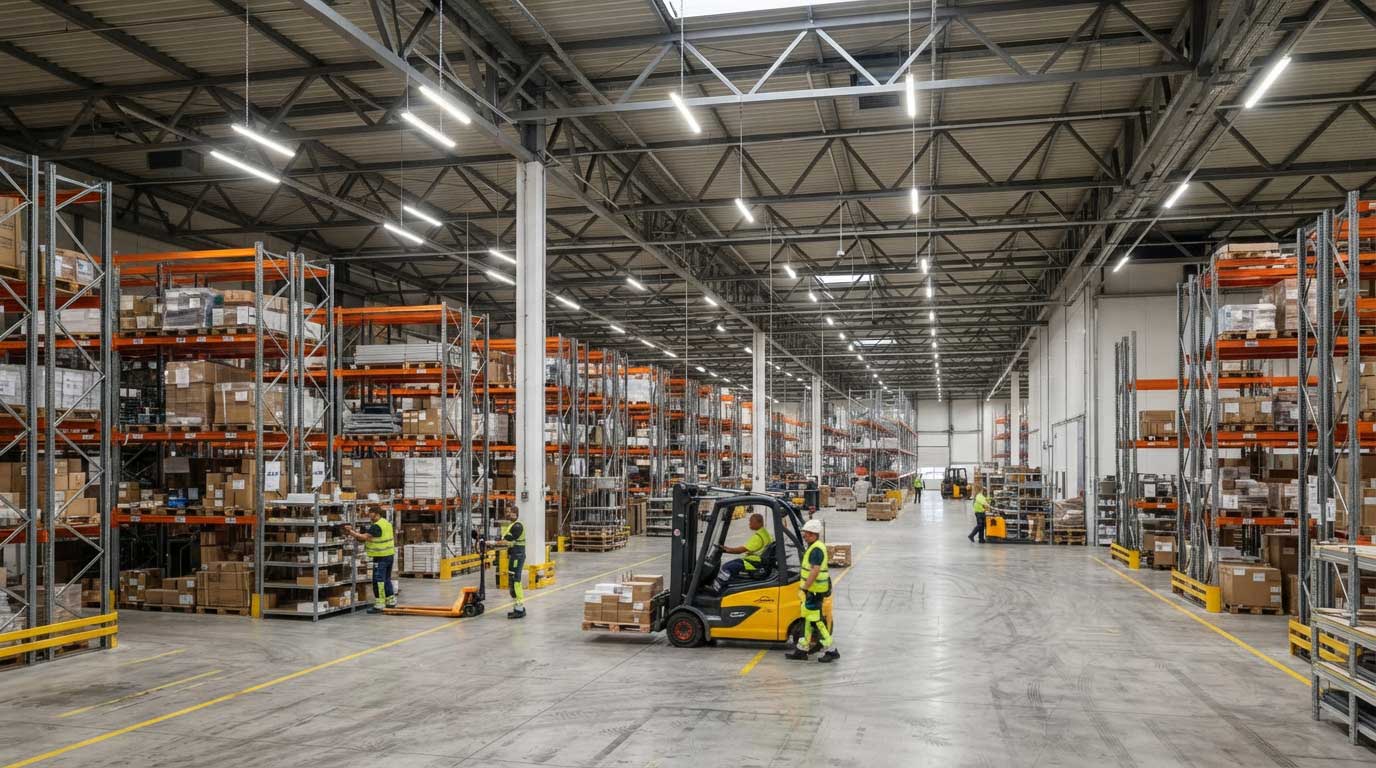
Before selecting spacing, measure the entire installation area.
Important measurements include:
Example:
Warehouse size:
A basic spacing plan may consider:
30–40 feet spacing between fixtures.
The layout could become:
Total:
Approximately 12–16 fixtures.
However, the final number depends on:
The calculation provides a framework.
Photometric testing provides confidence.
Many people select spacing based only on fixture wattage.
This creates inaccurate results.
Modern LED high bay lights can have very different outputs:
| Power | Possible Output Range |
|---|---|
| 100W LED High Bay | 15,000–20,000 lumens |
| 150W LED High Bay | 22,000–30,000 lumens |
| 200W LED High Bay | 30,000–40,000 lumens |
The U.S. Department of Energy recommends evaluating LED performance through efficiency metrics such as lumens per watt rather than electrical power alone.
Source:
https://www.energy.gov
A higher lumen fixture may allow wider spacing.
But only if the light distribution remains uniform.
The building layout often changes the spacing decision.
A completely open warehouse and a rack storage facility may have the same ceiling height but require different fixture placement.
For open spaces:
Example:
A 30-foot mounting height with a wide beam LED high bay may allow spacing closer to the upper end of the recommended range.
For warehouses with tall racks:
The light needs to reach:
In these applications, simply spacing lights evenly in a square grid may not provide the best result.
A lighting layout should follow the actual workflow of the building.
Many installations focus only on the distance between fixtures and forget the walls.
The first row of high bay lights should not usually be placed too far away from the wall.
A large empty area near the wall can create:
A common planning approach is keeping the first fixture approximately half of the normal fixture spacing from the wall.
Example:
If fixture spacing is 30 feet:
However, this depends on:
White walls reflect more light.
Dark walls absorb more light.
The building itself becomes part of the lighting system.
Rules of thumb are useful during early planning, but professional projects usually require photometric analysis.
Photometric simulation uses:
It predicts:
Lighting manufacturers often provide spacing tables and photometric files because fixture optics can significantly change the recommended distance.
For example:
Two 200W LED high bay lights may have identical wattage but different beam designs.
One may cover a wider area.
The other may concentrate light for taller spaces.
The spacing should follow the optical design, not only the electrical specification.
The following examples provide a practical starting point:
| Mounting Height | Typical Spacing Range | Application |
|---|---|---|
| 15 feet | 15–22 feet | Workshops, small warehouses |
| 20 feet | 20–30 feet | Commercial warehouses |
| 30 feet | 30–45 feet | Large industrial facilities |
| 40 feet | 40–60 feet | High-ceiling applications |
These values are starting references, not final engineering specifications. Actual spacing depends on fixture output, optics, and required uniformity.
A common mistake is increasing spacing to reduce fixture quantity.
This may save money during installation but create higher operating problems later.
Poor lighting can affect:
The fixture position matters.
A light hanging 5 feet below the ceiling should be calculated from the actual fixture height.
Not the roof height.
A 60° beam and a 120° beam cannot use the same spacing.
Beam angle controls coverage.
Some buyers try to maximize spacing to reduce equipment costs.
The result:
A lighting design from another warehouse may fail because of:
Every building has its own lighting requirements.
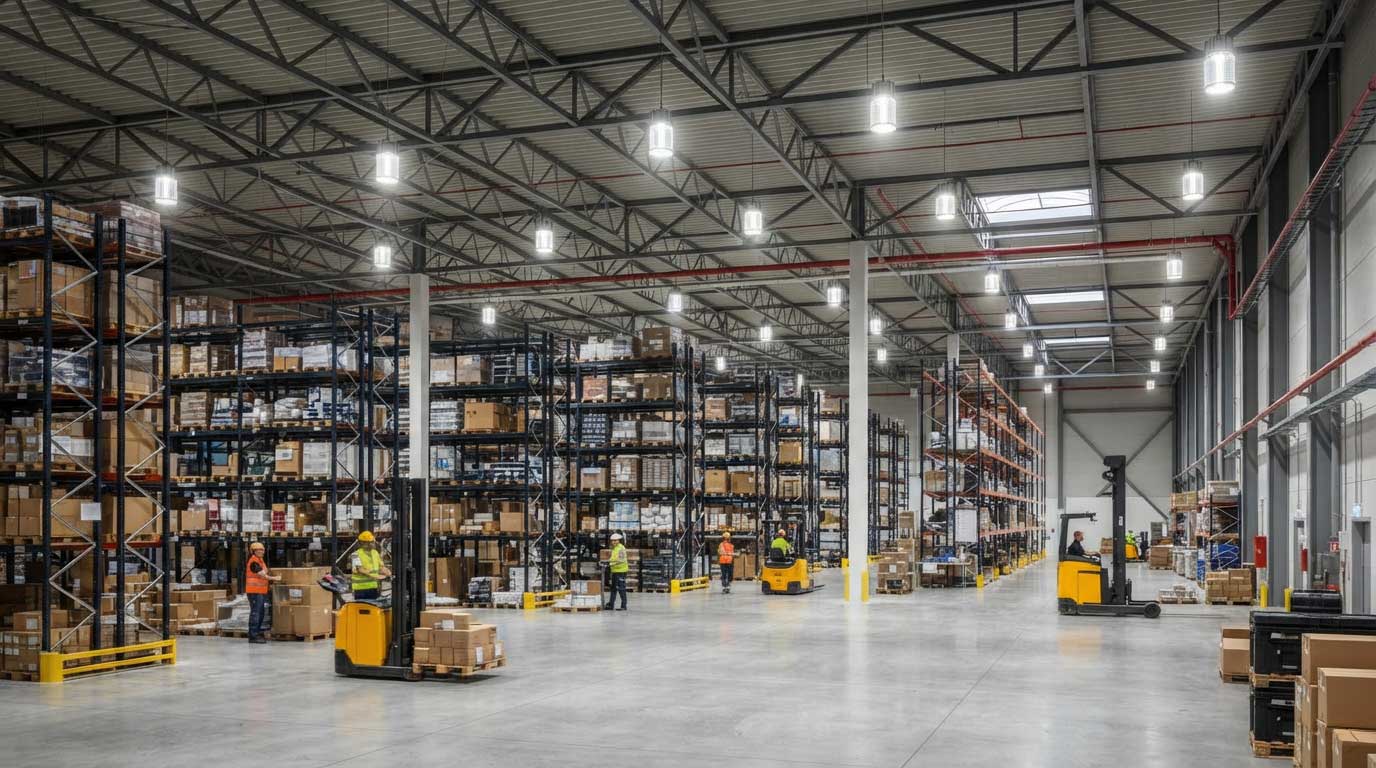
High bay lights are commonly spaced around 1 to 1.5 times the mounting height apart. For example, lights mounted at 30 feet may start with spacing around 30–45 feet, then be adjusted according to beam angle and lighting requirements.
Yes. Excessive spacing creates dark areas between fixtures and reduces lighting uniformity.
Usually yes, especially when workers perform detailed tasks. Closer spacing can improve visibility and reduce shadows.
A narrow beam concentrates light and is often used for taller ceilings. A wider beam spreads light over a larger area and may allow wider spacing.
The number depends on:
A professional layout should consider all factors together.
Yes, basic calculations can provide an estimate.
For large warehouses or factories, photometric planning is recommended because it provides a more accurate prediction.
How far apart should high bay lights be? High bay lights should generally be installed about 1 to 1.5 times the mounting height apart, but the final spacing must consider beam angle, lumen output, room layout, and lighting requirements.
There is no universal spacing number that works for every warehouse or factory.
A 20-foot workshop.
A 35-foot distribution center.
A manufacturing plant with precision work.
Each environment needs a different approach.
At SEEKINGLED, we focus on matching the lighting system with the actual application instead of simply increasing fixture quantity.
The best spacing design achieves:
Good industrial lighting is not about installing more fixtures.
It is about placing the right fixtures in the right positions.
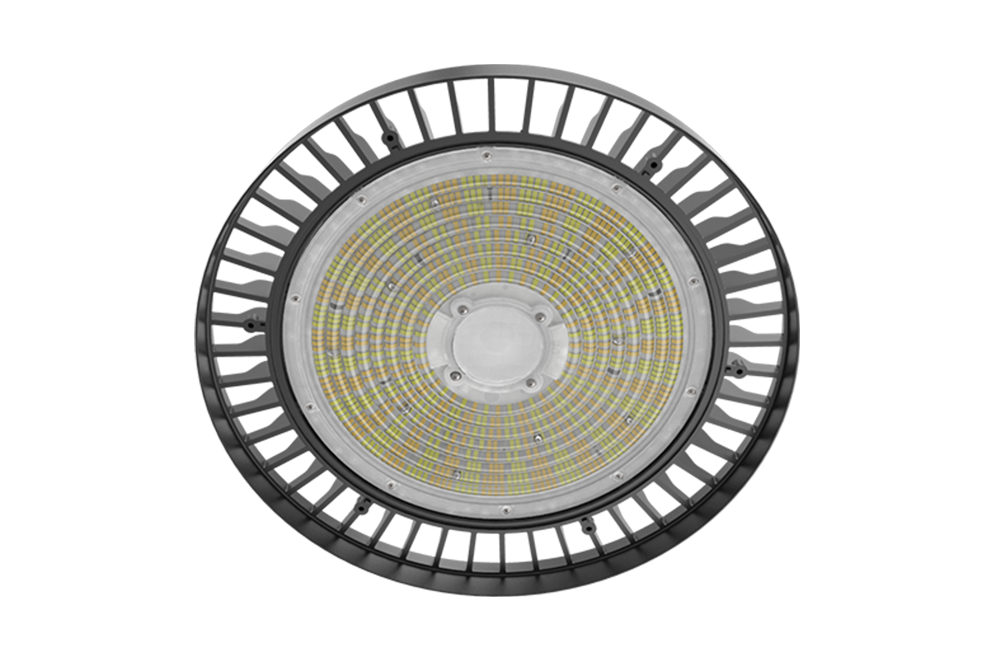
The SEEKING HBC-T Series high bay lights LED offer long-lasting performance for warehouses, production plants and logistics centers. Durable IP65 & IK08 housing, 60°/90° beam angles, up to 150 lm/W, and a lifespan beyond 100,000 hours. Ideal for airport halls, commercial storage, construction sites and large indoor spaces.
View details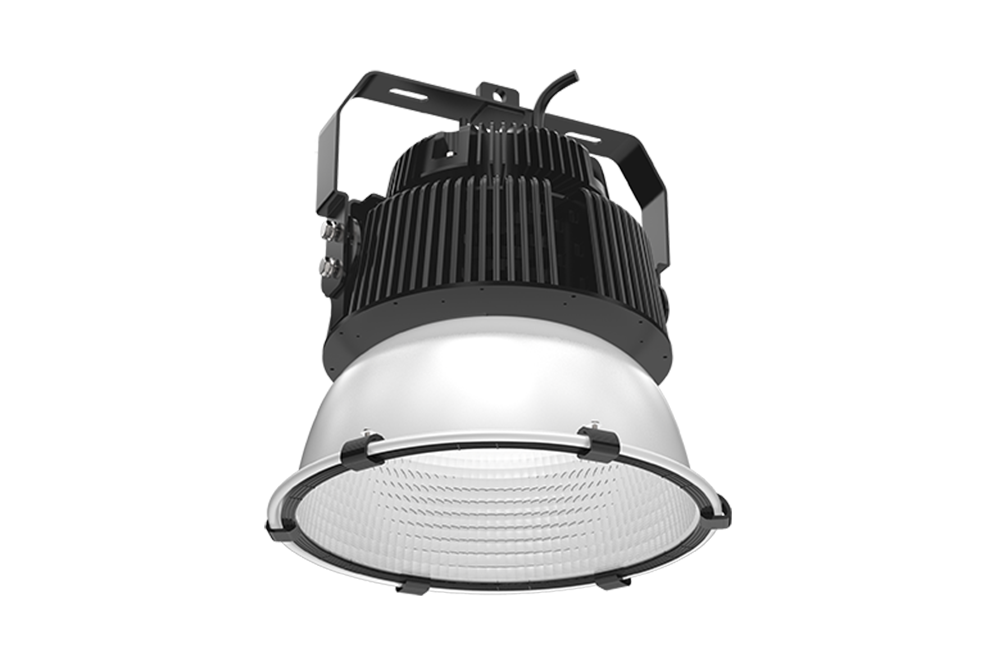
The SEEKING HBS Series LED UFO high bay light delivers 140 lm/W efficiency, IP65 protection and MEAN WELL drivers. A durable high-rise lighting solution for factories, warehouses and commercial halls.
View details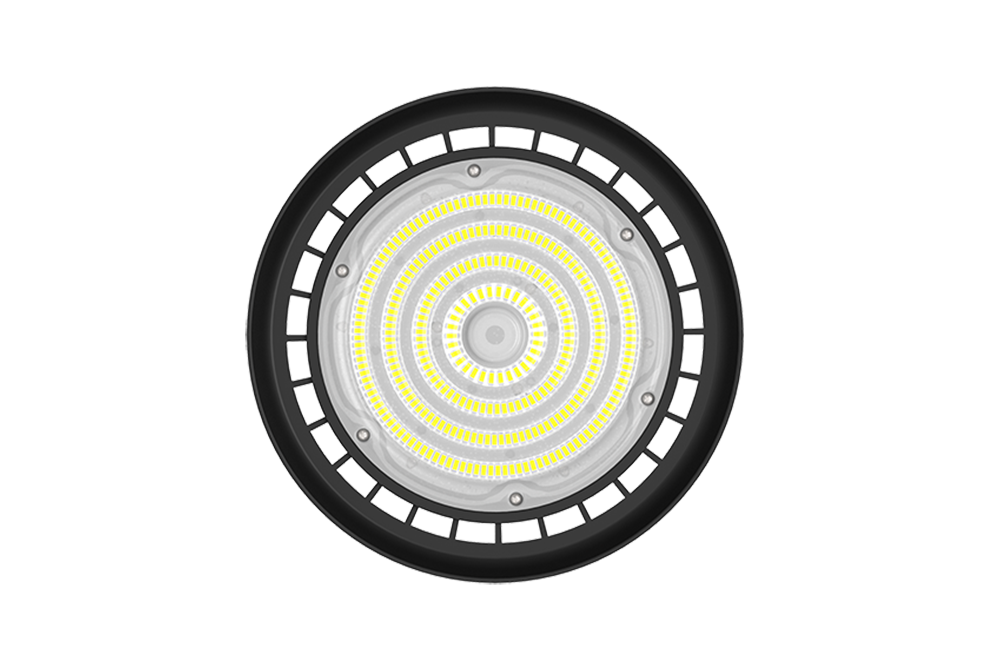
SEEKING HBD Series LED high bay lighting delivers 160 lm/W efficiency, IP66 protection, and long 100,000-hour lifespan. A durable UFO high bay solution for warehouses, workshops, logistics centers and commercial facilities.
View details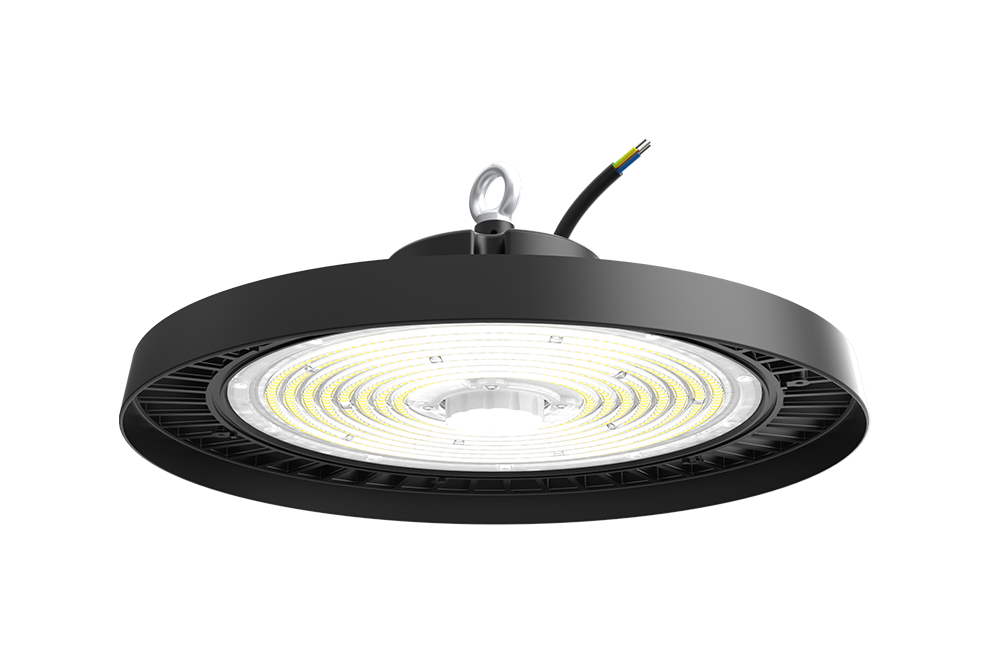
The SEEKING HBC Series high bay LED light fixtures combine strong efficiency, practical design and reliable SOSEN drivers. A durable UFO high bay lighting option for warehouses, workshops and wholesale projects.
View details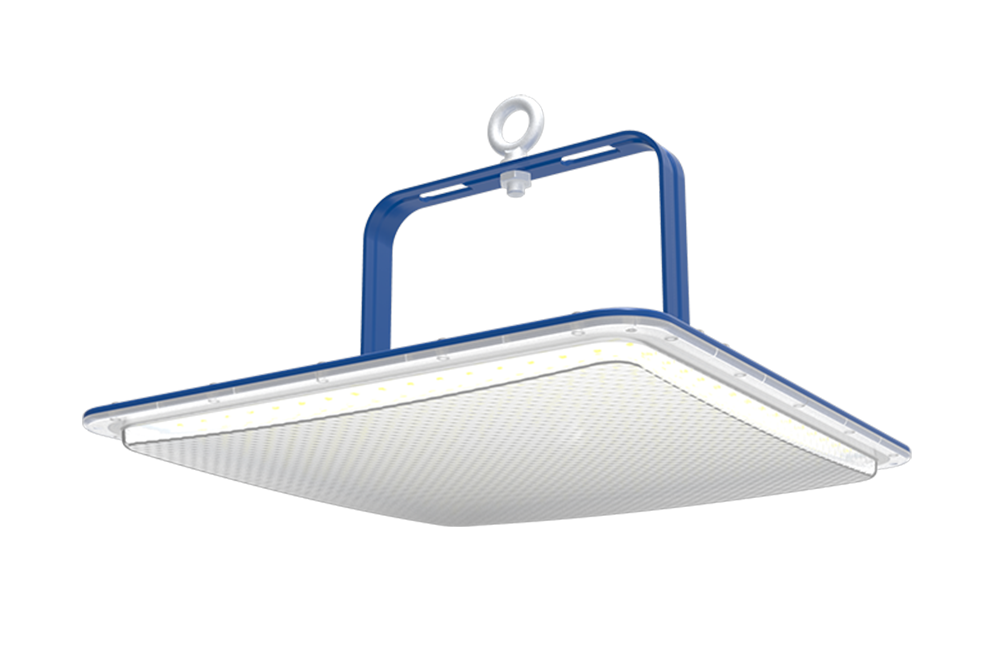
The SEEKING GSL Series high bay LED light delivers powerful, efficient lighting for industrial and commercial spaces. With IP65 protection, flexible mounting, and up to 140 lm/W performance, it’s ideal for warehouses, workshops, and retail areas.
View details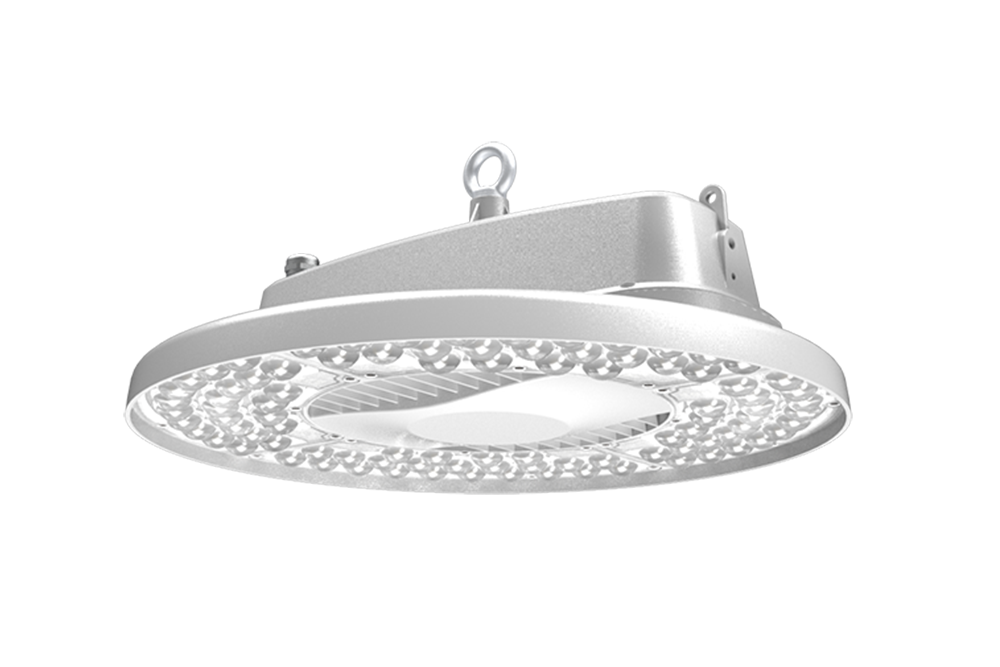
The SEEKING HB15(GLE) Series delivers advanced high bay led lighting with UGR 100,000 h) and reliable illumination for demanding commercial environments.
View details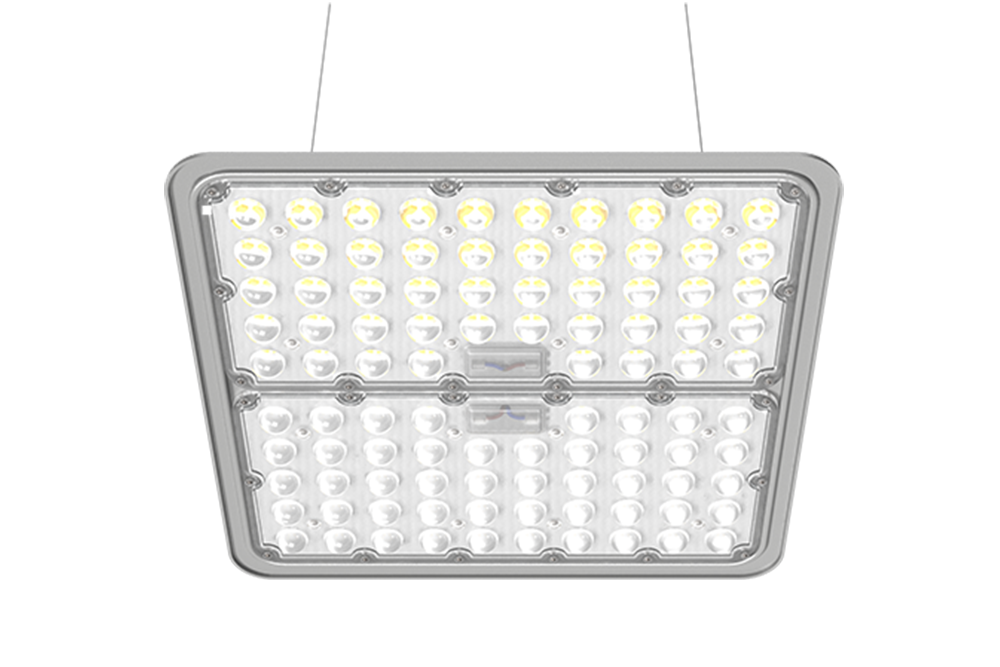
Discover the SEEKING HB13(GLK) Series ufo led high bay light, engineered for sports halls, airport lounges, showrooms, and large commercial spaces. UGR 100,000 h). Ideal for industrial ufo high bay lighting fixtures and commercial retrofits.
View details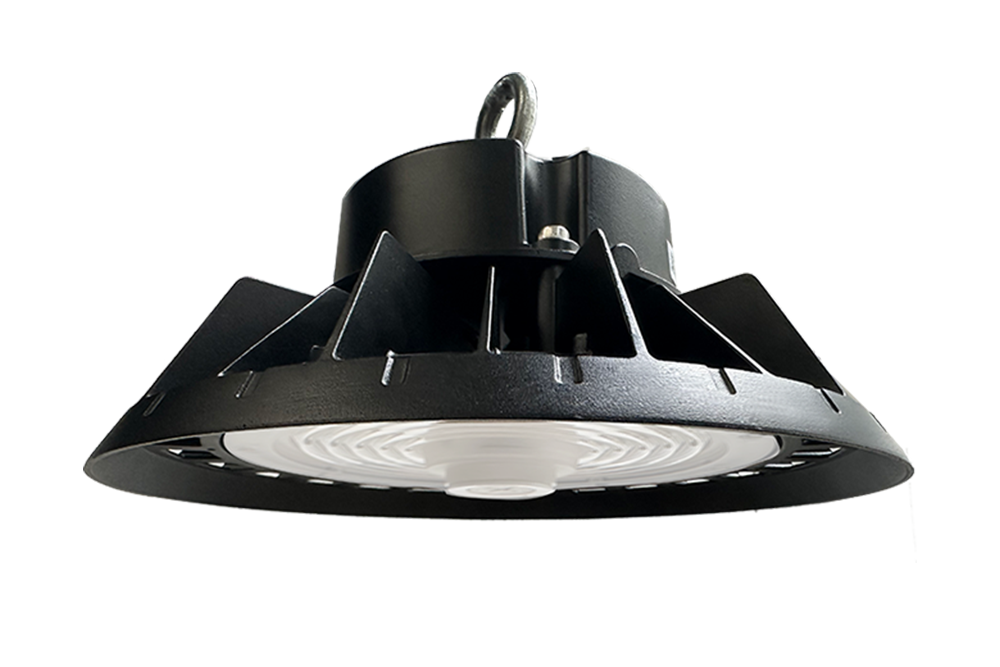
SEEKING HBF Series offers industrial LED high bay lighting with up to 200lm/W efficiency, SOSEN flicker-free driver, IP65 protection and optional microwave motion sensor. Ideal for warehouses, factories and commercial distribution projects.
View details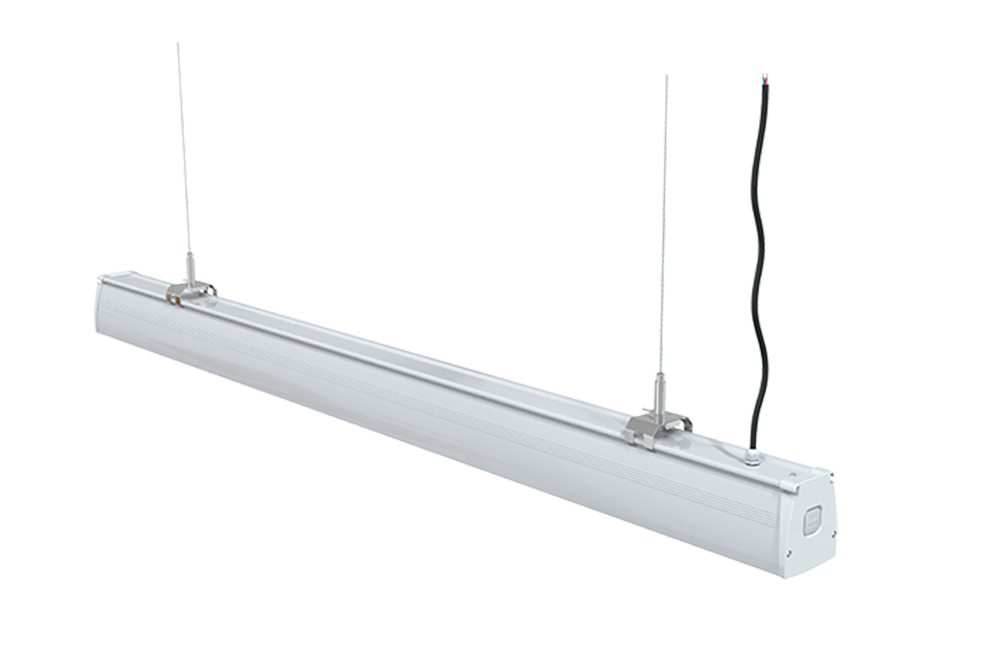
The HLD Series linear high bay LED lights from SEEKING deliver up to 200 lm/W with multiple beam angles and adjustable CCT options for warehouse, workshop, corridor and general industrial lighting.
View details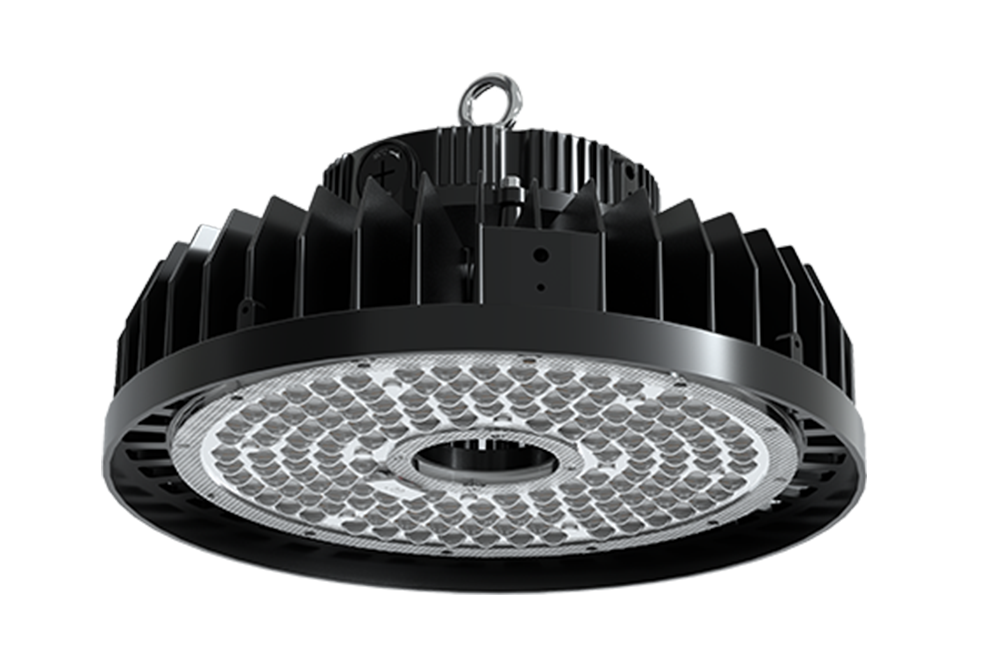
The HBK Series LED high bay light by SEEKING combines 500W power, 160–175 lm/W efficiency and IP65 durability for heavy-duty industrial lighting. Designed for warehouse, factory and production facilities with demanding ceiling heights.
View details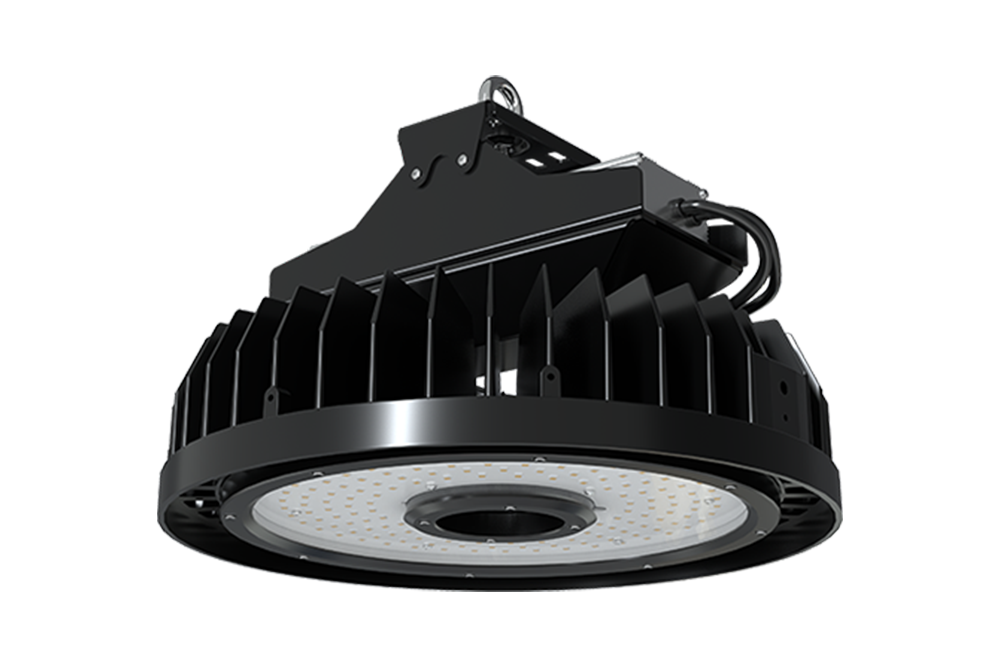
LED high bay lights engineered for extreme heat and low-temperature industrial sites. SEEKING HBK Ultua Series operates from -40°C to +70°C with Nichia LEDs and Inventronics driver.
View details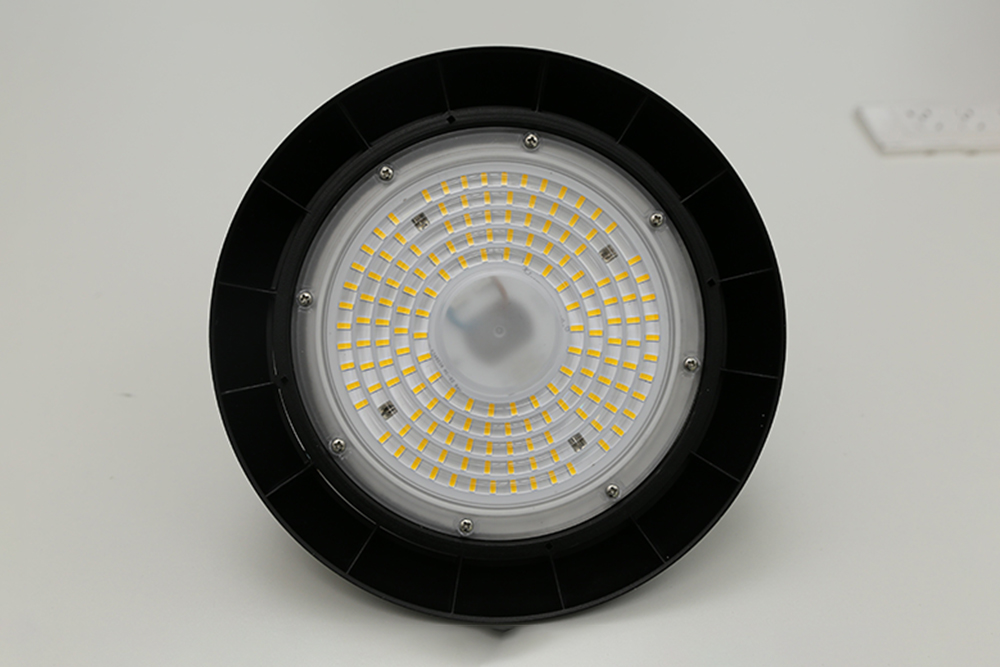
High bay LED lights built for warehouses, production plants and wholesale distribution. SEEKING HBI Series offers up to 200lm/W, IP65, IK08 and optional microwave motion sensor for energy saving operation.
View details
What are hazardous area floodlights? Learn how certified floodlights improve safety, visibility, and reliability in oil, gas, chemical, and hazardous industrial environments.
View details
Hazardous Area Working Lights designed for explosive environments. SEEKINGLED delivers durable, ATEX-ready industrial lighting solutions for oil, gas, and chemical sites.
View details
What is ATEX Certification? Learn EU explosive atmosphere standards, zone classifications, legal requirements, and why ATEX compliance is essential for industrial safety and EU market access.
View details
Are LED street lights brighter than traditional street lighting? Learn how brightness is measured, why LEDs appear brighter, and what matters most in real road projects.
View details