 Seeking LED
Hazardous Area Batten Lights for Industrial Applications
0Discover hazardous area batten lights for Zone 1 and Zone 2 applications. Learn certifications, installation requirements, service life, and LED advantages.
View detailsSearch the whole station
How far to space high bay led lights depends on mounting height, fixture output, and beam angle. In most industrial applications, LED high bay lights are spaced about 1 to 1.5 times the mounting height apart to achieve balanced illumination and reduce dark areas.
That is the quick answer.
The real installation decision requires more than a spacing formula.
After working with industrial lighting applications at SEEKINGLED, I have reviewed warehouse layouts where the fixture quality was excellent, but the spacing design created uneven brightness. Some areas were over-lit directly below fixtures, while workers between aisles experienced insufficient visibility.Visit the product page:Industrial LED High Bay Lights
The problem was not the LED chips.
The problem was the distance between fixtures.
High bay LED spacing should be designed around the entire environment:
A lighting system is not just a collection of lamps hanging from the ceiling. It is a calculated distribution of light across a working space.
High bay LED lights are commonly installed in areas with ceilings between 15 and 50 feet, including:
At these heights, spacing errors become more noticeable.
If lights are installed too far apart:
If lights are installed too close together:
The goal is not maximum brightness.
The goal is uniform lighting where people can work safely and efficiently.
According to the Illuminating Engineering Society (IES), professional lighting design considers illuminance levels, uniformity, glare, and visual comfort rather than brightness alone.
Source:
https://www.ies.org
A common starting calculation is:
High Bay LED Light Spacing = Mounting Height × 1.0 to 1.5
Example:
A warehouse has fixtures mounted 30 feet above the floor.
Estimated spacing:
This provides a general planning range.
However, this formula is not a final answer.
The same 30-foot mounting height can require different spacing depending on fixture characteristics.
Example:
Possible use:
Possible use:
Both fixtures produce similar light output.
But their coverage pattern is completely different.
Mounting height is the first measurement to check.
Many installation mistakes happen because people use ceiling height instead of actual fixture height.
For example:
A warehouse ceiling:
Actual mounting height:
30 feet
The spacing calculation should use 30 feet.
Typical spacing references:
| Mounting Height | Suggested Starting Spacing |
|---|---|
| 15 feet | 15–22 feet |
| 20 feet | 20–30 feet |
| 30 feet | 30–45 feet |
| 40 feet | 40–60 feet |
These numbers are starting points.
Final spacing should be confirmed with photometric data.
Beam angle controls how light spreads from the fixture.
It is one of the most important factors in spacing design.
Usually suitable for:
Advantages:
Suitable for:
Advantages:
Suitable for:
Advantages:
A common mistake is choosing fixtures based only on wattage.
A higher wattage fixture does not always mean better spacing.
The correct question is:
“Where does the light go?”
Not:
“How powerful is the light?”
Before installation, collect basic building information:
Example:
Warehouse:
Floor area:
150 × 100 = 15,000 square feet
Using a 30–45 foot spacing range:
Possible layout:
Total:
Approximately 20 LED high bay lights
However, this is only an initial estimate.
The final number depends on:
Industrial lighting calculations often use photometric software because it can simulate actual light distribution before installation.
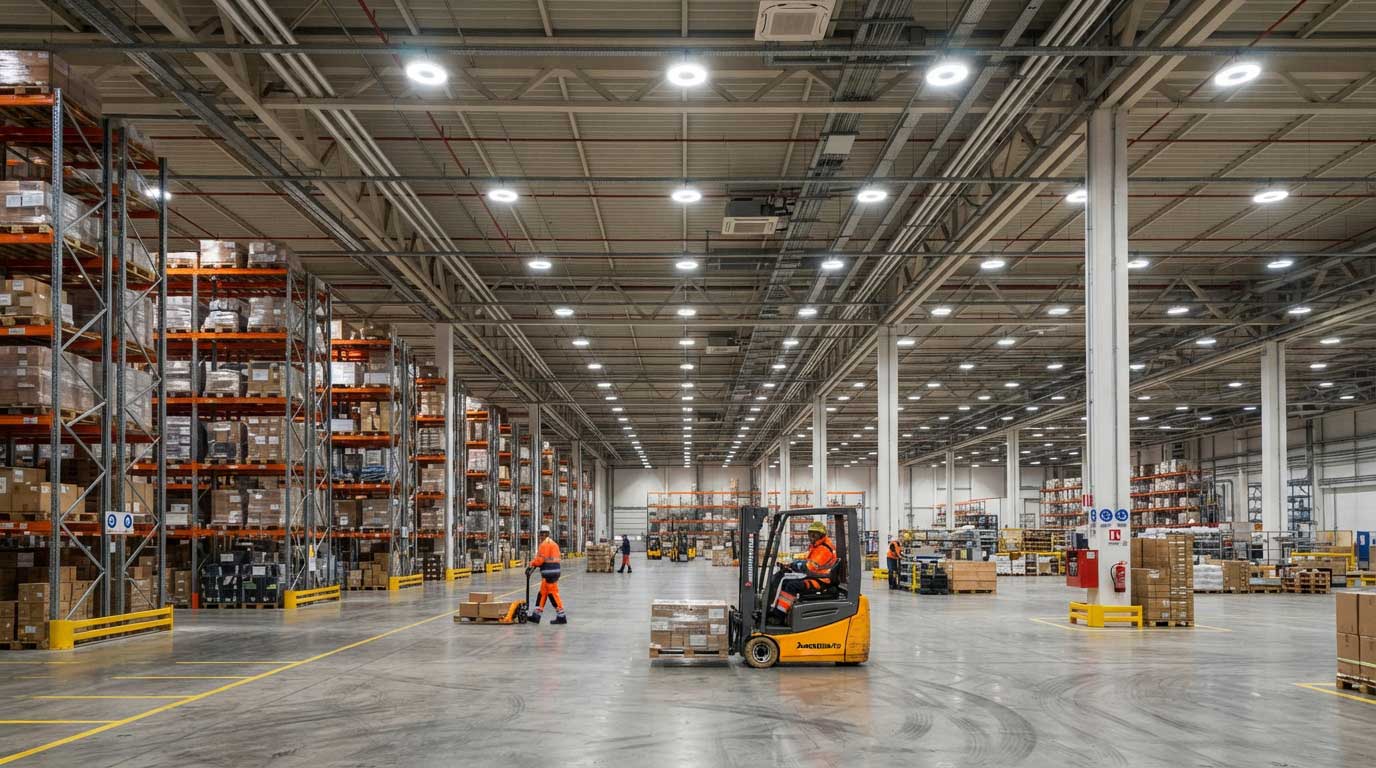
Lumens determine how much light a fixture produces.
Spacing should never be calculated using wattage alone.
Two LED high bay lights with the same wattage can produce different lumen outputs.
Example:
| Fixture Power | Typical LED Output |
|---|---|
| 100W | 15,000–20,000 lumens |
| 150W | 22,000–30,000 lumens |
| 200W | 30,000–40,000 lumens |
The U.S. Department of Energy recommends evaluating LED lighting performance through efficiency measurements such as lumens per watt instead of electrical power alone.
Source:
https://www.energy.gov
A high-efficiency fixture may allow wider spacing, but only when the optical design matches the application.
The correct distance between high bay LED lights is also determined by what happens on the floor.
A storage warehouse and a precision manufacturing area should not use the same spacing plan.
For example:
Main requirements:
A wider spacing layout may work if the fixture has suitable lumen output and beam coverage.
Main requirements:
Closer spacing may be preferred because consistent illumination is more important than reducing fixture quantity.
Main requirements:
The spacing may need adjustment because trucks, doors, and equipment create changing light conditions.
In real projects, I have found that the “maximum possible spacing” is rarely the best target.
A small reduction in spacing can improve the working environment significantly.
The cheapest lighting system is not always the lowest-cost solution over its lifetime.
The following table provides practical starting points:
| Application | Mounting Height | Recommended Spacing Approach |
|---|---|---|
| Small workshop | 15–20 ft | Wider beam, closer spacing |
| Commercial warehouse | 20–30 ft | Medium beam, balanced spacing |
| Distribution center | 30–40 ft | Controlled beam, calculated layout |
| Tall rack storage | 35+ ft | Narrow beam, aisle-focused spacing |
| Aircraft hangar | 40+ ft | Professional photometric design |
These values are not replacements for lighting simulation, but they help during early planning.
Professional designs normally combine:
before finalizing fixture positions.
Dark areas between fixtures usually happen for three reasons:
When fixtures are too far apart, their light patterns do not overlap properly.
The result:
A narrow beam installed in a wide open warehouse may create uneven coverage.
A wide beam installed too high may lose intensity before reaching the floor.
Beam angle and spacing must be selected together.
A white ceiling can help distribute reflected light.
A dark ceiling or dark storage racks absorb more light.
The same LED high bay fixture can perform differently in two buildings.
Imagine a warehouse with:
The first spacing estimate:
Spacing = Mounting Height × 1.2
25 × 1.2 = 30 feet
A possible layout:
Estimated rows:
120 ÷ 30 = 4 rows
90 ÷ 30 = 3 rows
Total:
Approximately 12 fixtures
But before installation, the design should be reviewed for:
This is why professional lighting engineers rarely finalize a project using spacing calculations alone.
Some projects decide the distance first and then select lights.
This often creates problems.
The correct order is:
The largest possible distance between fixtures may reduce installation costs.
But it can increase:
Warehouses often change.
New:
can affect lighting performance.
A flexible lighting design leaves room for future changes.
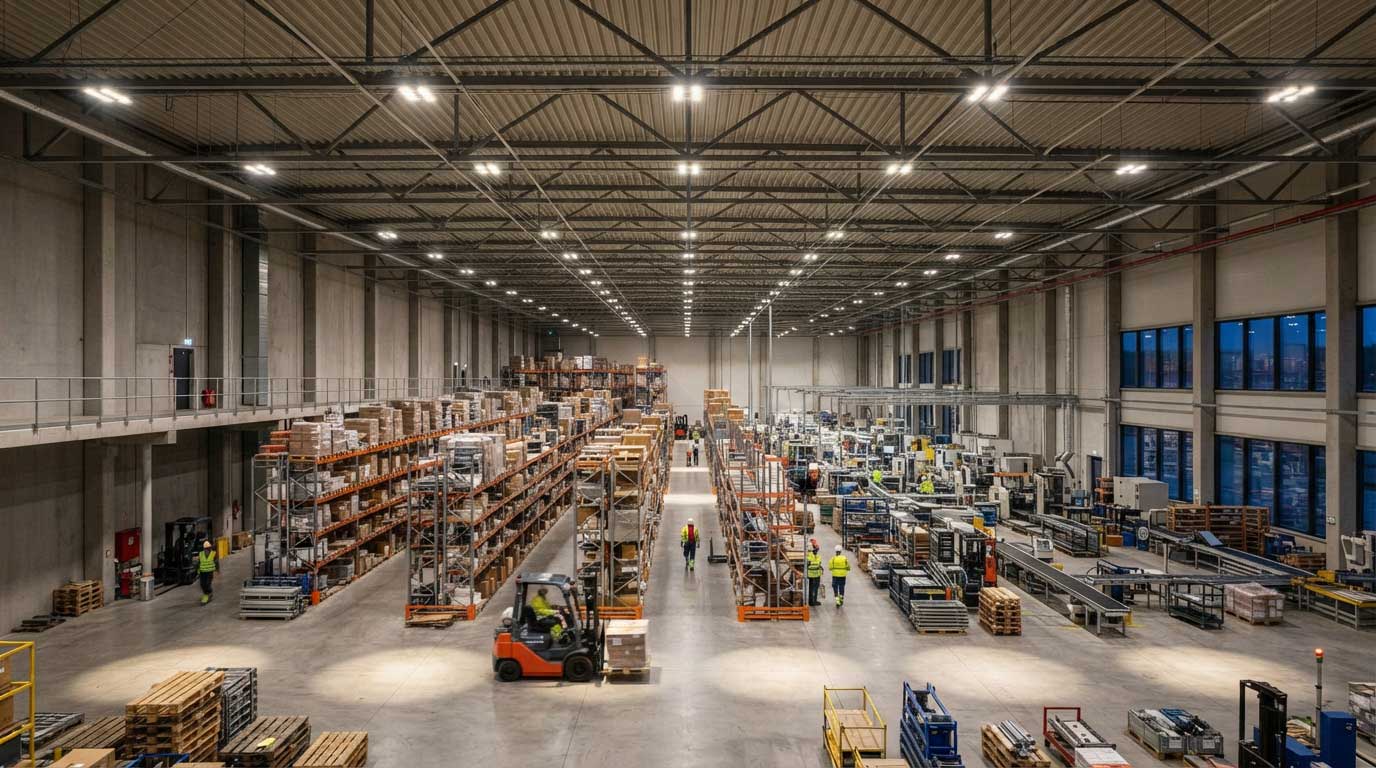
High bay LED lights are usually spaced around 1 to 1.5 times the mounting height apart. For example, lights installed 30 feet high are often spaced approximately 30–45 feet apart as a starting point. Final spacing depends on beam angle and lighting requirements.
Yes.
When spacing is excessive, light patterns may not overlap properly, creating dark areas between fixtures and uneven illumination.
Usually yes.
Factories often require more uniform lighting because workers perform detailed tasks around machinery and production equipment.
Yes.
Narrow beams generally require different spacing compared with wide beams because they concentrate or spread light differently.
The number depends on:
A lighting calculation should be completed before purchasing fixtures.
For small spaces, a basic calculation may work.
For large warehouses, factories, and logistics centers, a professional lighting layout is recommended.
How far to space high bay led lights depends on mounting height, beam angle, lumen output, and application requirements. A common starting point is 1 to 1.5 times the mounting height, but the best results come from a complete lighting design.
After years working with industrial LED lighting solutions at SEEKINGLED, one lesson is clear:
The distance between fixtures matters as much as the fixture itself.
A high-quality LED high bay installed incorrectly can still create poor lighting.
A properly planned system delivers:
Good spacing is not about installing fewer lights.
It is about making every light perform correctly.
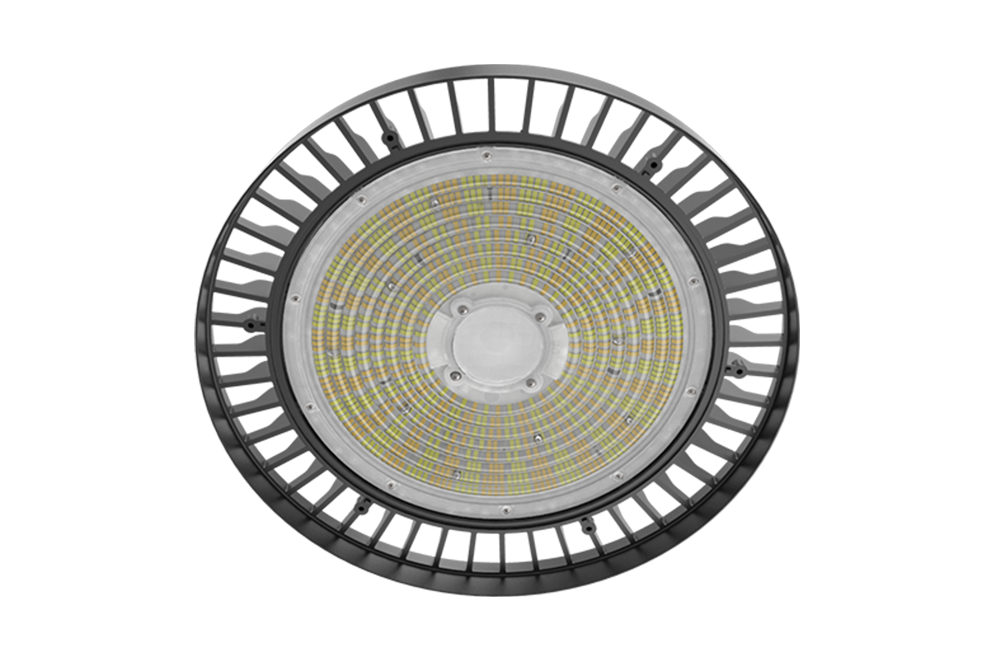
The SEEKING HBC-T Series high bay lights LED offer long-lasting performance for warehouses, production plants and logistics centers. Durable IP65 & IK08 housing, 60°/90° beam angles, up to 150 lm/W, and a lifespan beyond 100,000 hours. Ideal for airport halls, commercial storage, construction sites and large indoor spaces.
View details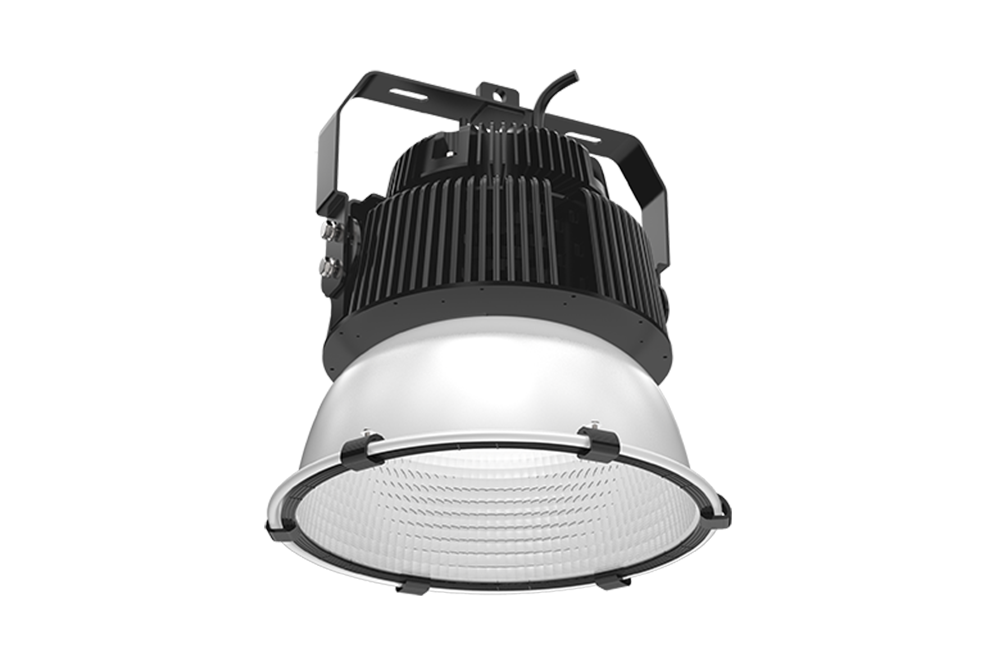
The SEEKING HBS Series LED UFO high bay light delivers 140 lm/W efficiency, IP65 protection and MEAN WELL drivers. A durable high-rise lighting solution for factories, warehouses and commercial halls.
View details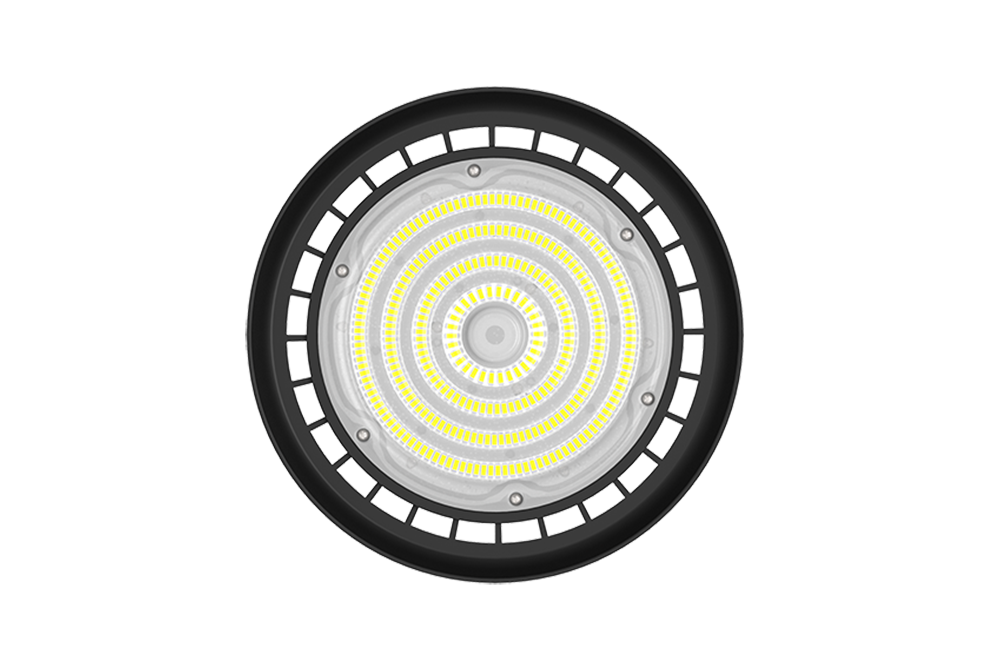
SEEKING HBD Series LED high bay lighting delivers 160 lm/W efficiency, IP66 protection, and long 100,000-hour lifespan. A durable UFO high bay solution for warehouses, workshops, logistics centers and commercial facilities.
View details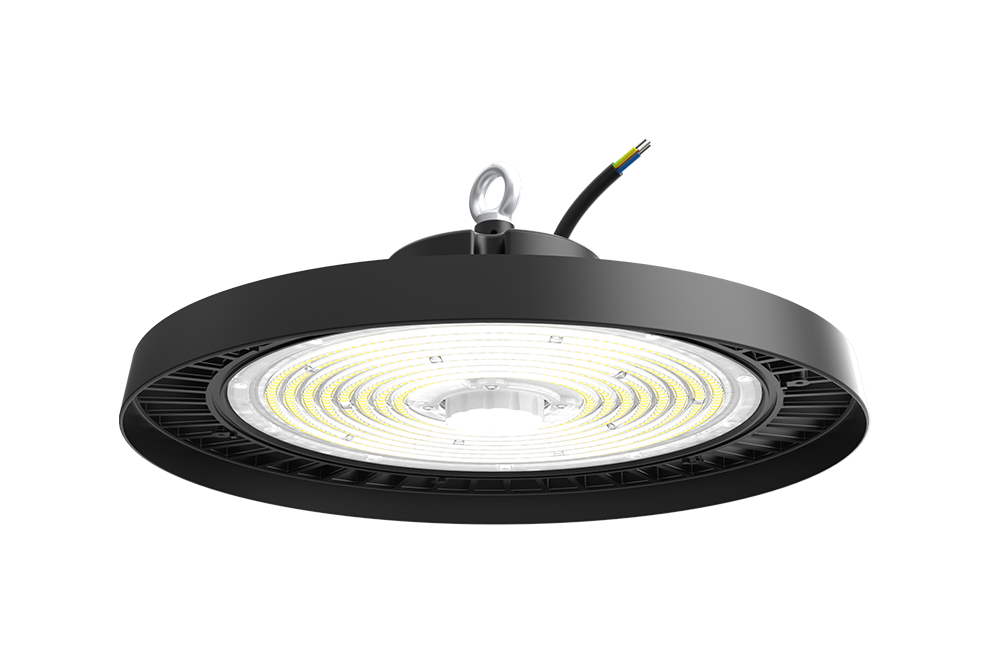
The SEEKING HBC Series high bay LED light fixtures combine strong efficiency, practical design and reliable SOSEN drivers. A durable UFO high bay lighting option for warehouses, workshops and wholesale projects.
View details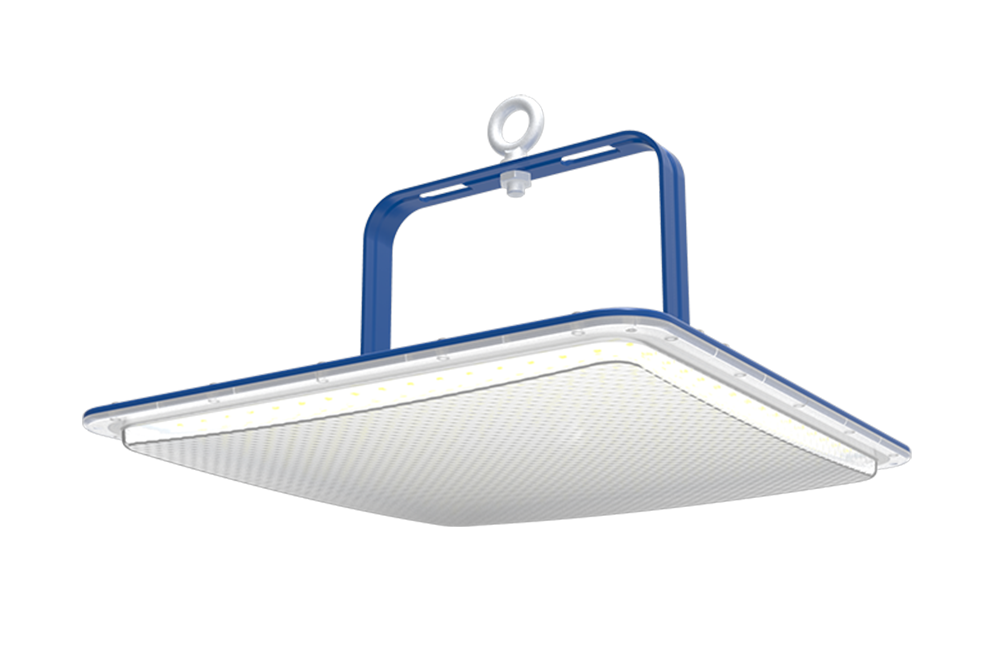
The SEEKING GSL Series high bay LED light delivers powerful, efficient lighting for industrial and commercial spaces. With IP65 protection, flexible mounting, and up to 140 lm/W performance, it’s ideal for warehouses, workshops, and retail areas.
View details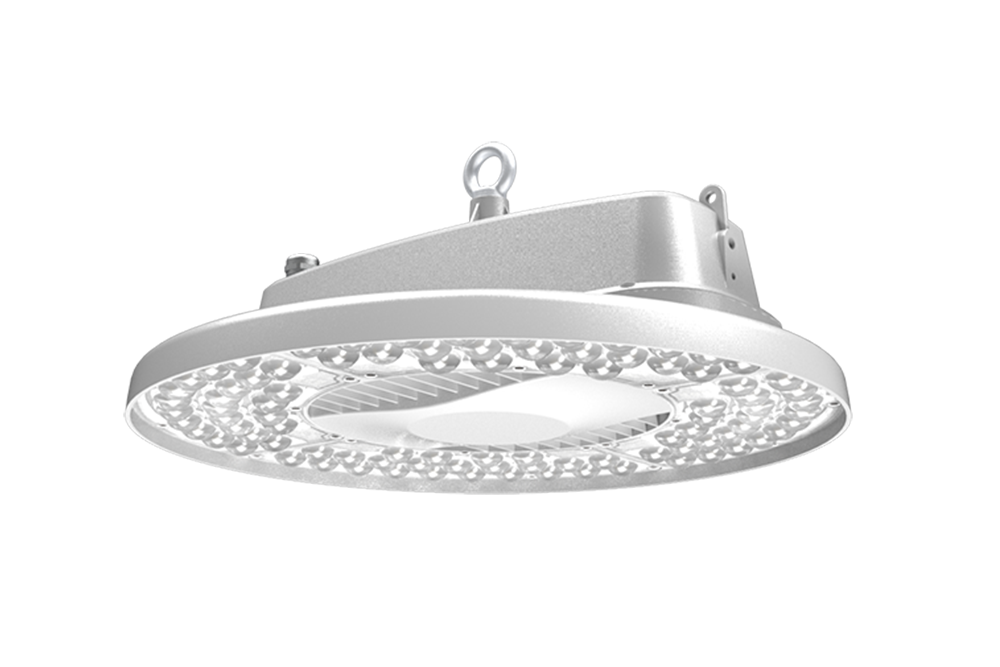
The SEEKING HB15(GLE) Series delivers advanced high bay led lighting with UGR 100,000 h) and reliable illumination for demanding commercial environments.
View details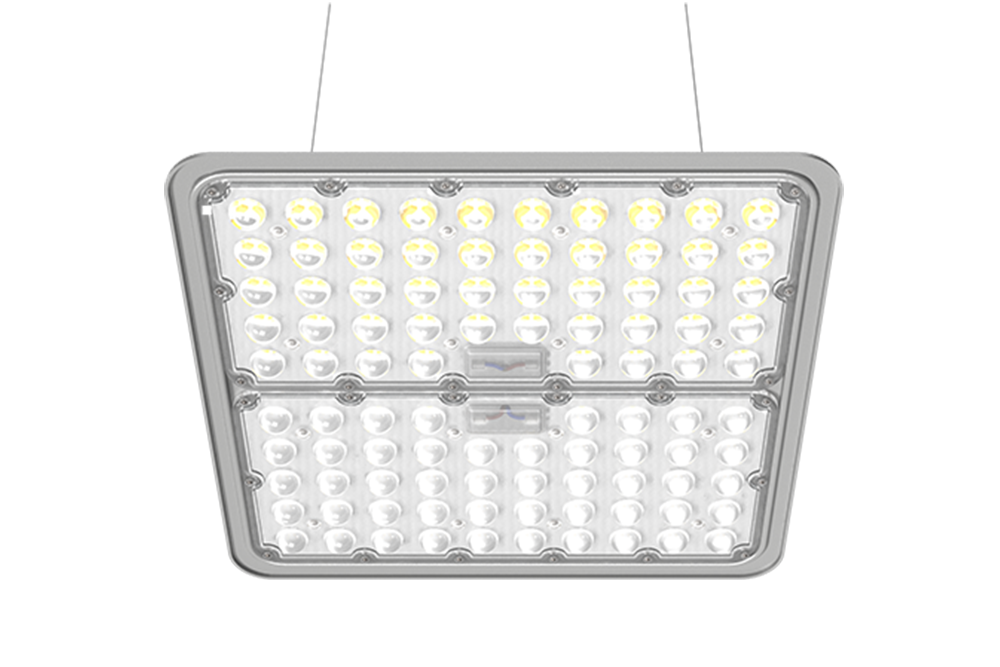
Discover the SEEKING HB13(GLK) Series ufo led high bay light, engineered for sports halls, airport lounges, showrooms, and large commercial spaces. UGR 100,000 h). Ideal for industrial ufo high bay lighting fixtures and commercial retrofits.
View details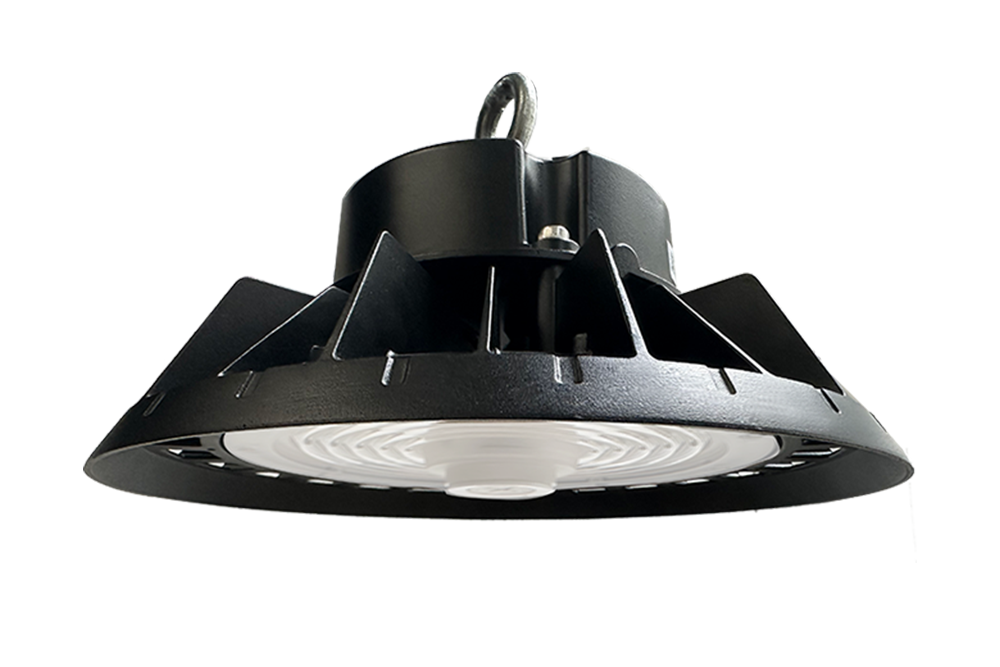
SEEKING HBF Series offers industrial LED high bay lighting with up to 200lm/W efficiency, SOSEN flicker-free driver, IP65 protection and optional microwave motion sensor. Ideal for warehouses, factories and commercial distribution projects.
View details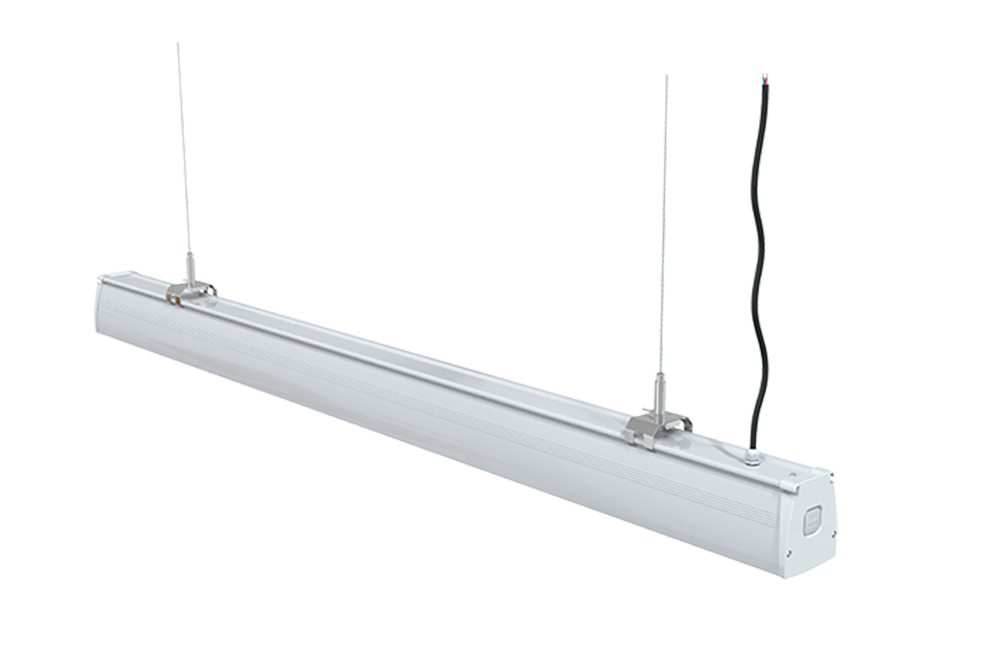
The HLD Series linear high bay LED lights from SEEKING deliver up to 200 lm/W with multiple beam angles and adjustable CCT options for warehouse, workshop, corridor and general industrial lighting.
View details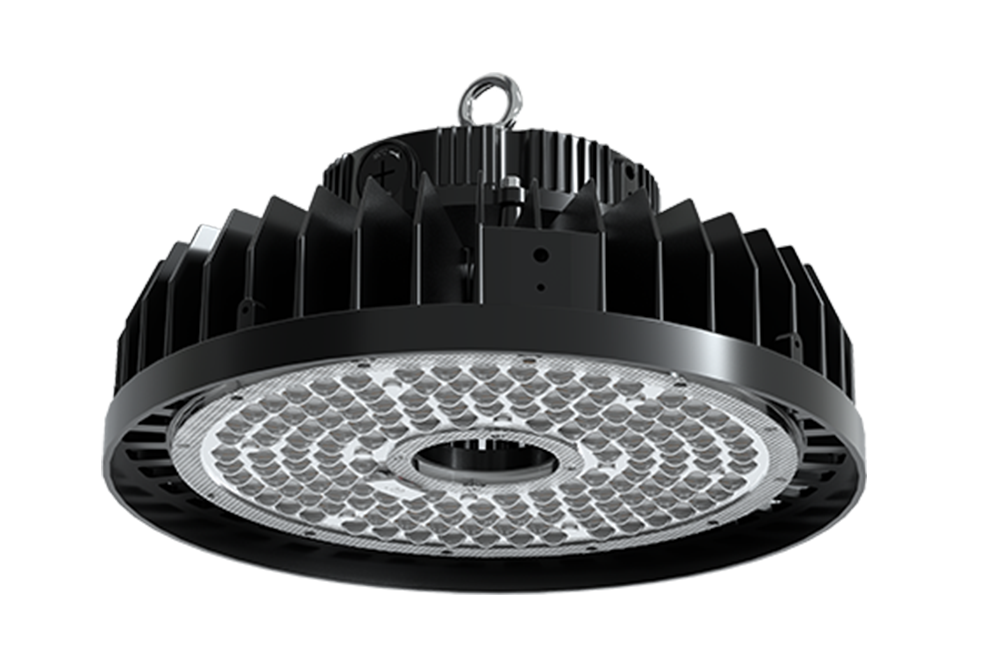
The HBK Series LED high bay light by SEEKING combines 500W power, 160–175 lm/W efficiency and IP65 durability for heavy-duty industrial lighting. Designed for warehouse, factory and production facilities with demanding ceiling heights.
View details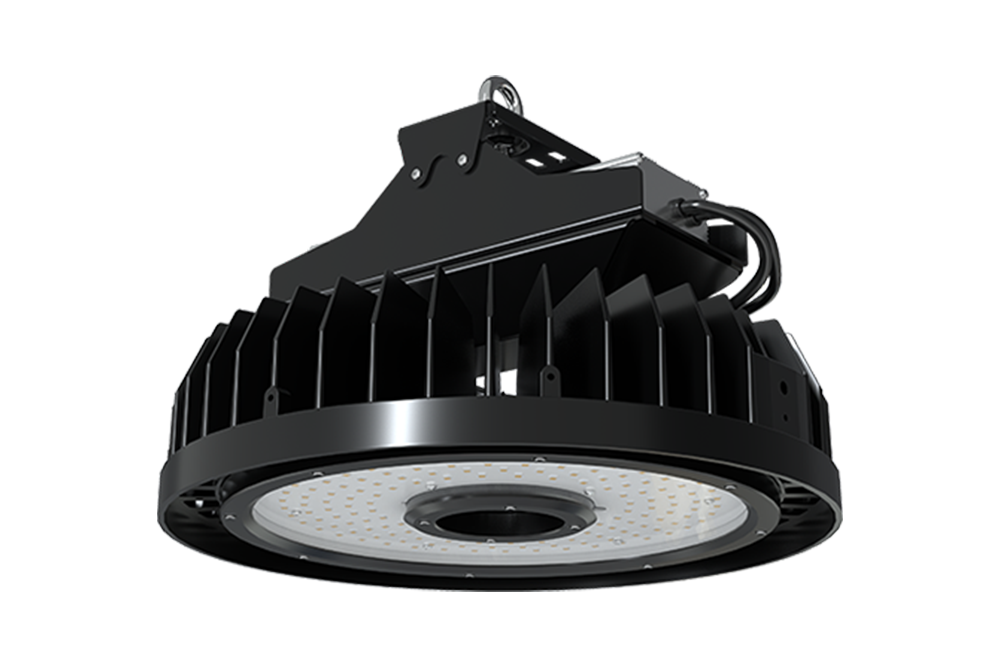
LED high bay lights engineered for extreme heat and low-temperature industrial sites. SEEKING HBK Ultua Series operates from -40°C to +70°C with Nichia LEDs and Inventronics driver.
View details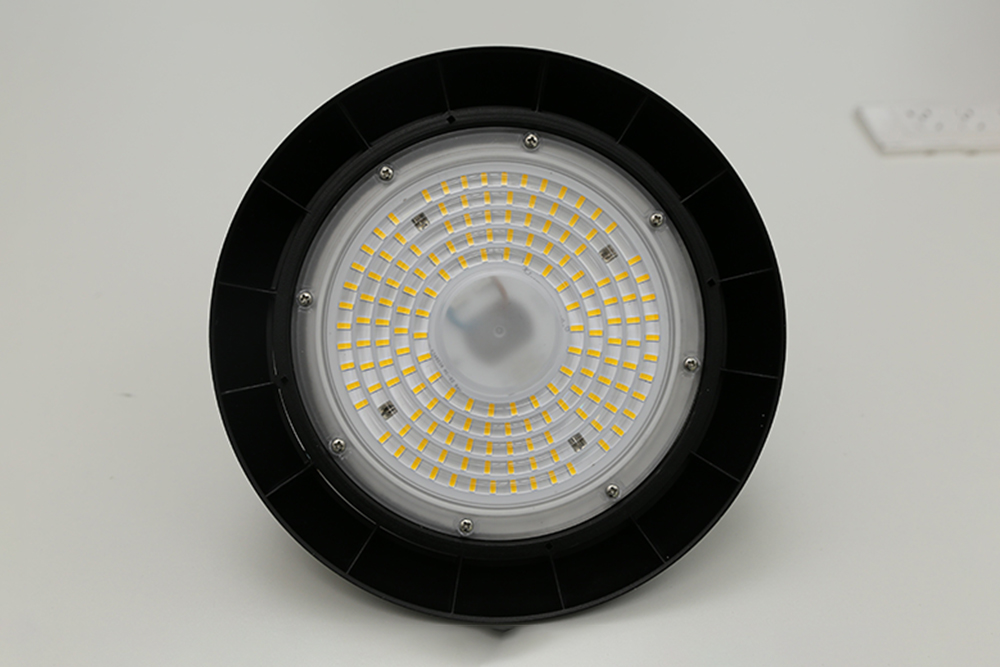
High bay LED lights built for warehouses, production plants and wholesale distribution. SEEKING HBI Series offers up to 200lm/W, IP65, IK08 and optional microwave motion sensor for energy saving operation.
View details
Discover hazardous area batten lights for Zone 1 and Zone 2 applications. Learn certifications, installation requirements, service life, and LED advantages.
View details
What wattage for outdoor LED flood lights is actually needed? A practical guide based on outdoor use, not lab numbers.
View details
Are LED explosion proof linear lights energy efficient? Learn how ATEX LED fixtures reduce power costs, improve safety, and last longer in hazardous areas.
View details
Discover what are the main certification standards for explosion proof lights, including ATEX, IECEx, UL844, and NEC Class/Division. Ensure safety and compliance worldwide.
View details