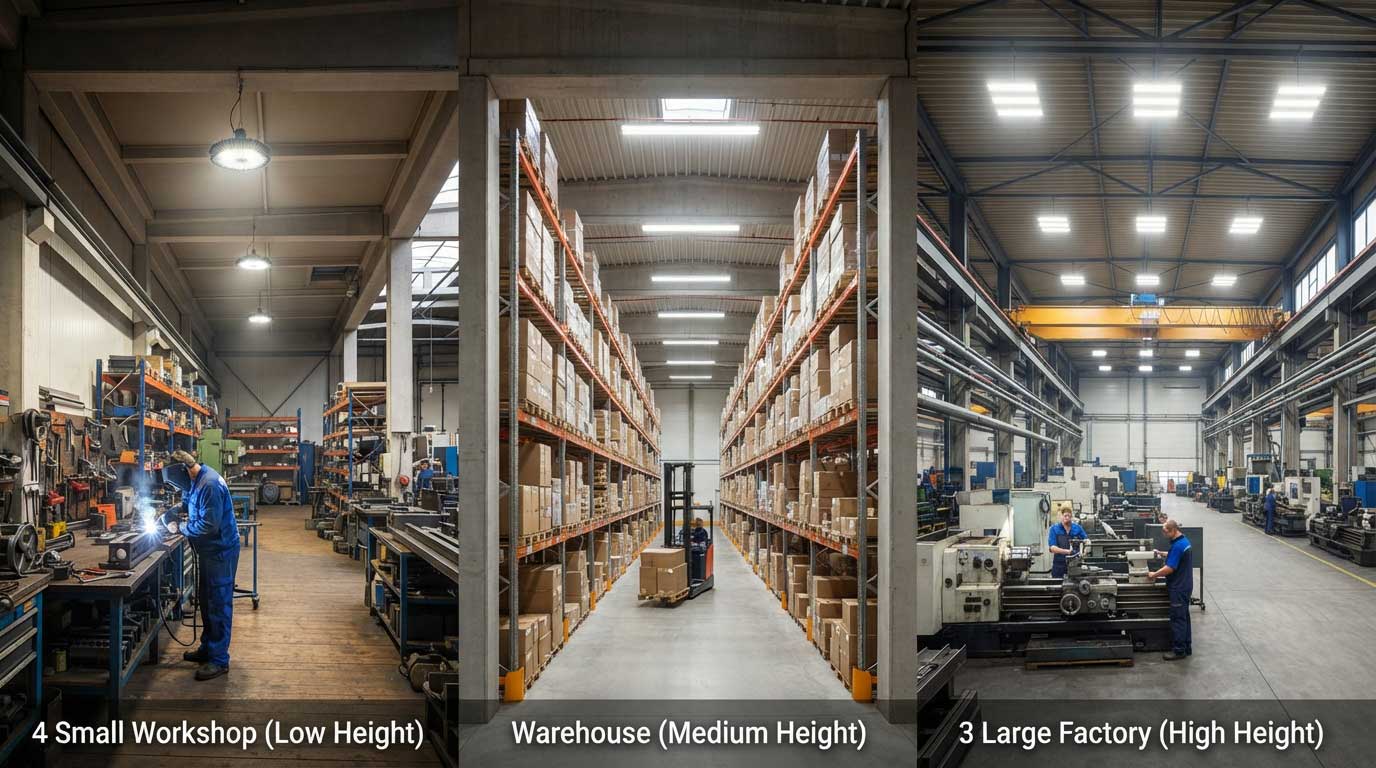
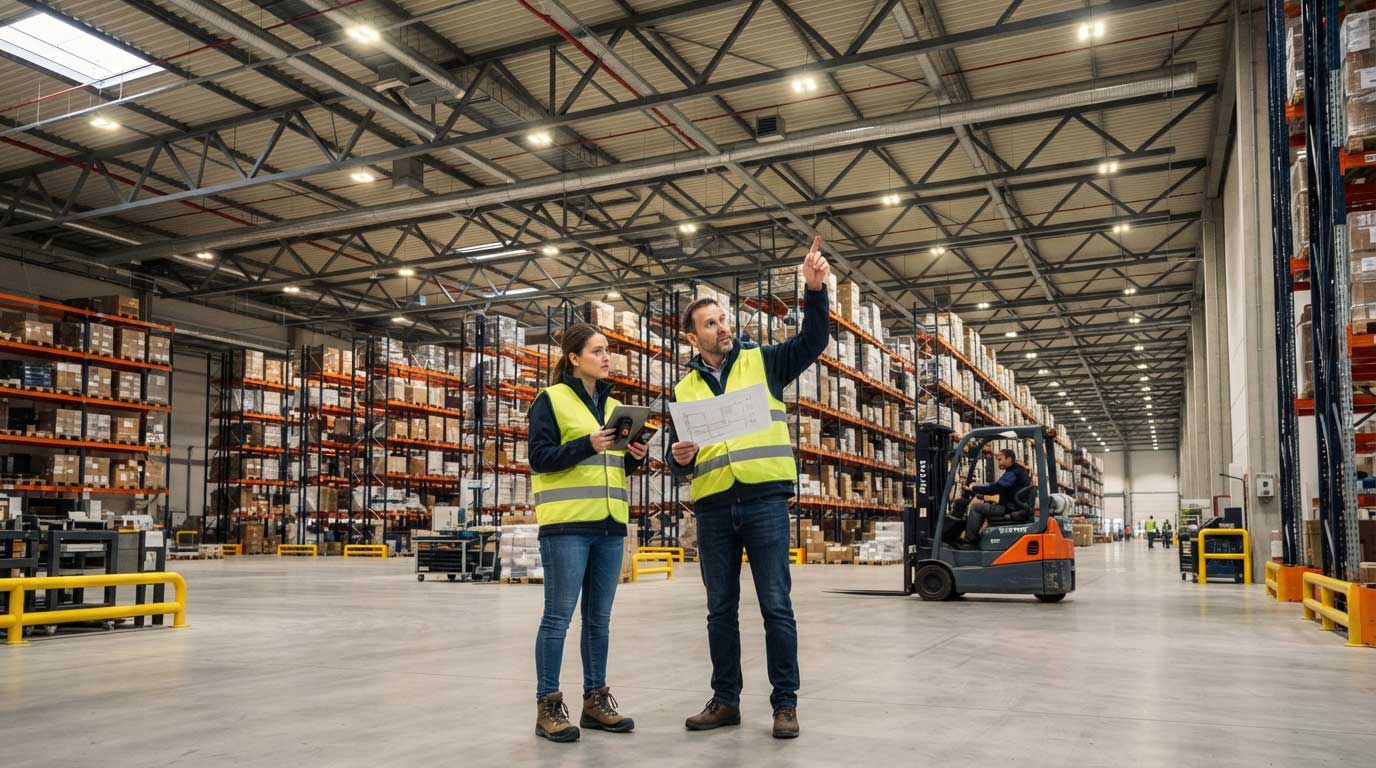
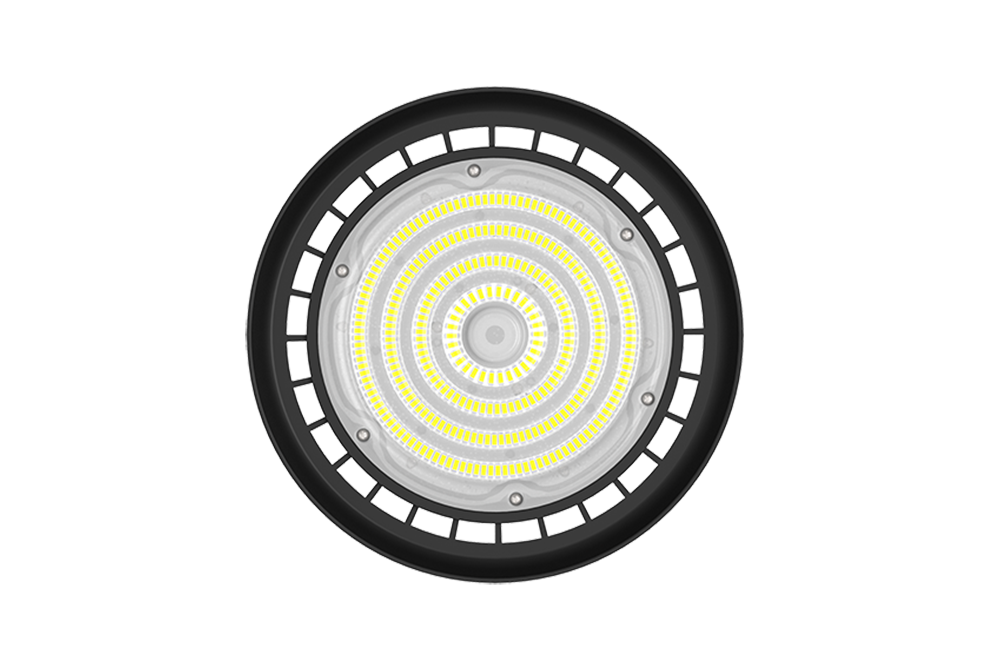
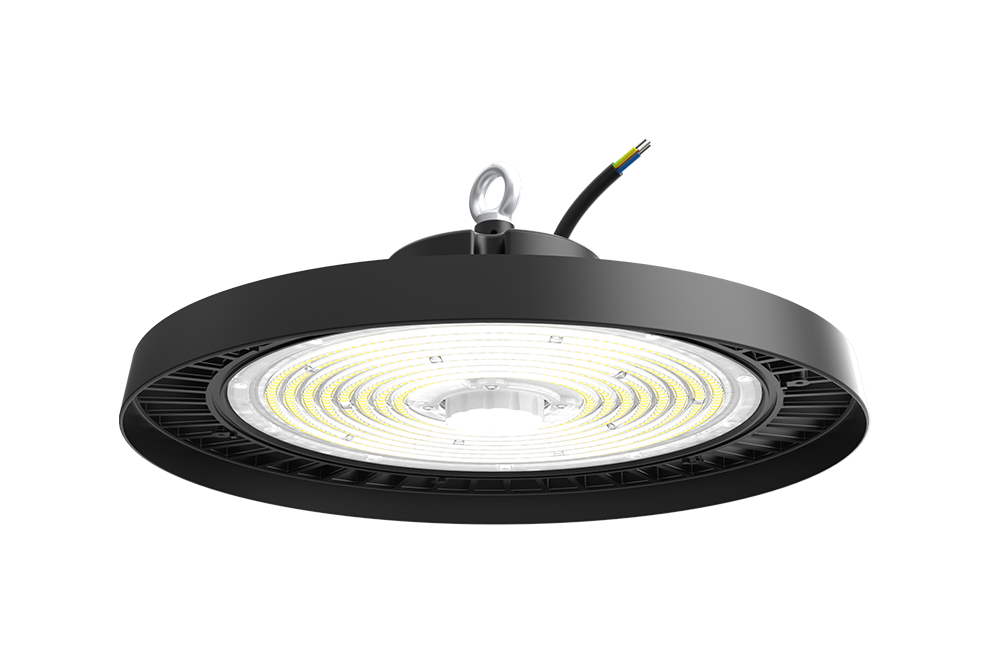
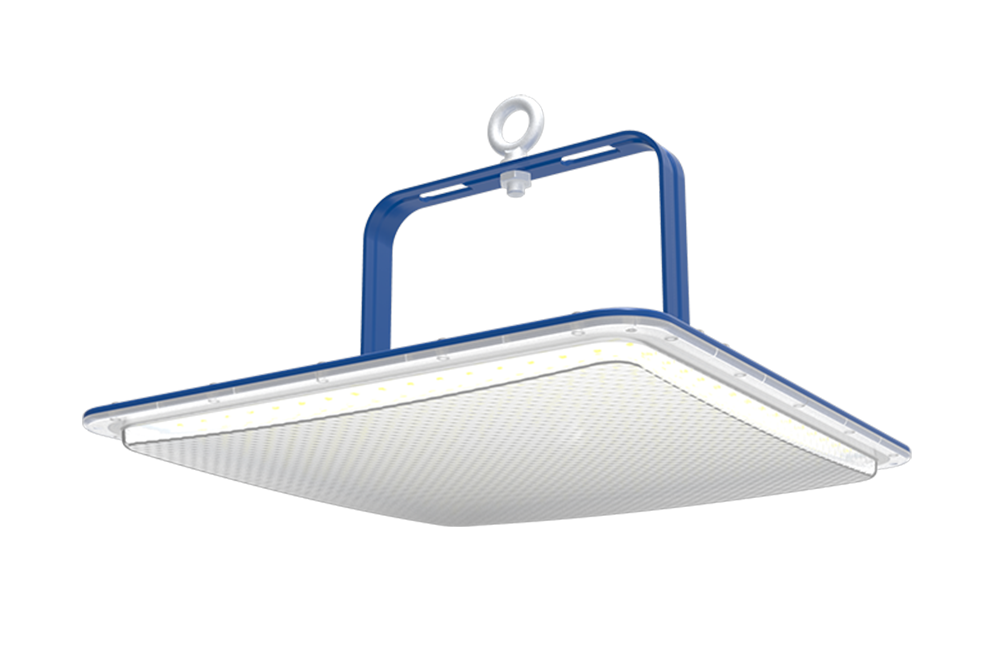
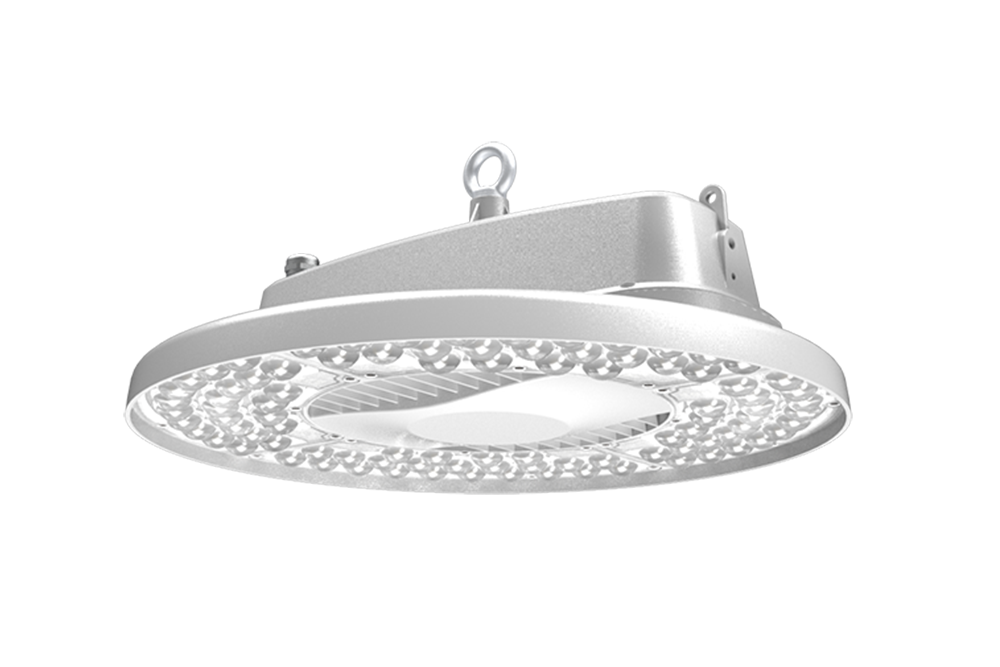
How high do high bay lights need to be? High bay lights are typically installed between 15 and 50 feet above the floor, depending on the application, ceiling height, fixture output, and beam angle. The correct mounting height ensures efficient coverage, uniform brightness, and reduced glare.
That is the short answer.
The actual installation height depends on the space below the lights.
At SEEKINGLED, we have worked with industrial lighting projects where the ceiling height looked like the main challenge, but the real issue was fixture positioning. A 40-foot warehouse and a 40-foot aircraft hangar may require completely different mounting strategies.Visit the product page:Industrial LED High Bay Lights
The reason is simple:
Light does not only travel downward.
It spreads.
It reflects.
It interacts with the environment.
Choosing the correct height requires understanding:
Mounting height
Ceiling structure
LED lumen output
Beam angle
Floor activity
Required illumination level
A high bay light installed at the wrong height can waste energy or create uncomfortable working conditions.
What Is the Typical Mounting Height for High Bay Lights?
High bay lights are designed for spaces where fixtures are mounted high above the working area.
Generally:
Application
Typical Mounting Height
Small workshops
15–20 feet
Commercial warehouses
20–30 feet
Industrial facilities
30–40 feet
Large distribution centers
40–50+ feet
Traditional lighting classifications usually separate high bay applications from low bay lighting based on mounting height.
A common industry reference:
Low bay: approximately below 20 feet
High bay: approximately above 20 feet
However, modern LED technology has made this distinction less strict.
A powerful LED fixture with advanced optics can sometimes perform effectively at lower or higher mounting heights.
The fixture design matters as much as the ceiling height.
Why High Bay Light Height Matters
The mounting height directly affects light distribution.
Installing fixtures too low can create:
Excessive brightness
Glare
Uneven illumination
Installing fixtures too high can cause:
Reduced floor brightness
Poor visibility
More required fixtures
The ideal height creates a balance between coverage and intensity.
For example:
A warehouse with 25-foot ceilings may perform well with 150W LED high bays.
A 45-foot logistics center may require:
Higher lumen output
Narrower beam angles
More advanced optics
The same fixture cannot simply be moved higher and expected to perform the same way.
How Ceiling Height Affects High Bay Light Installation Height
Many people confuse ceiling height with mounting height.
They are not always identical.
Example:
Building ceiling:
35 feet
Fixture hanging distance:
5 feet below ceiling
Actual mounting height:
30 feet
Lighting calculations should use the distance from the fixture to the working plane.
Usually, the working plane is:
Floor level for warehouses
Workbench height for manufacturing
Activity areas for sports facilities
This small measurement difference can affect:
Fixture quantity
Beam selection
Spacing distance
Recommended High Bay Light Heights by Application
Different environments require different mounting heights.
Warehouse High Bay Lighting
Typical height:
20–40 feet
Important factors:
Storage rack height
Forklift movement
Product visibility
Warehouses often require balanced illumination across large open areas.
Manufacturing Facility Lighting
Typical height:
20–35 feet
Important factors:
Machine locations
Worker tasks
Inspection requirements
Manufacturing environments often need better uniformity than simple storage areas.
Sports and Large Indoor Facilities
Typical height:
40 feet or higher
Important factors:
Glare control
Vertical illumination
Viewing conditions
Sports facilities usually require professional photometric design.
The lighting requirements are much more complex than simple floor brightness.
How Beam Angle Determines High Bay Mounting Height
Beam angle is one of the most important factors when deciding installation height.
A narrow beam projects light farther.
A wide beam spreads light over a larger area.
Narrow Beam LED High Bay Lights
Best for:
35–50 feet mounting heights
Tall rack warehouses
High ceiling applications
Benefits:
Stronger light concentration
Better long-distance coverage
Medium Beam LED High Bay Lights
Best for:
20–35 feet mounting heights
Manufacturing areas
General warehouses
Benefits:
Balanced coverage
Good uniformity
Wide Beam LED High Bay Lights
Best for:
15–25 feet mounting heights
Open workshops
Lower ceiling spaces
Benefits:
Wider coverage
Reduced fixture quantity
A common mistake is selecting the highest lumen fixture without considering optics.
More lumens do not automatically solve a poor mounting height decision.
Calculate the Correct High Bay Light Mounting Height
There is no single formula that determines the perfect height.
The Illuminating Engineering Society (IES) recommends evaluating lighting designs based on illumination levels, uniformity, and visual comfort rather than height alone.
A commonly used starting guideline in industrial lighting is the 60% rule.
This method suggests:
Mounting Height ≈ 60% of Ceiling Height
Example:
A warehouse with:
Ceiling height: 40 feet
Estimated mounting height:
40 × 60% = 24 feet
This can provide a reasonable starting point during early planning.
However, this is not a universal rule.
Modern LED high bay lights have different:
Optical designs
Lumen packages
Beam distributions
Installation methods
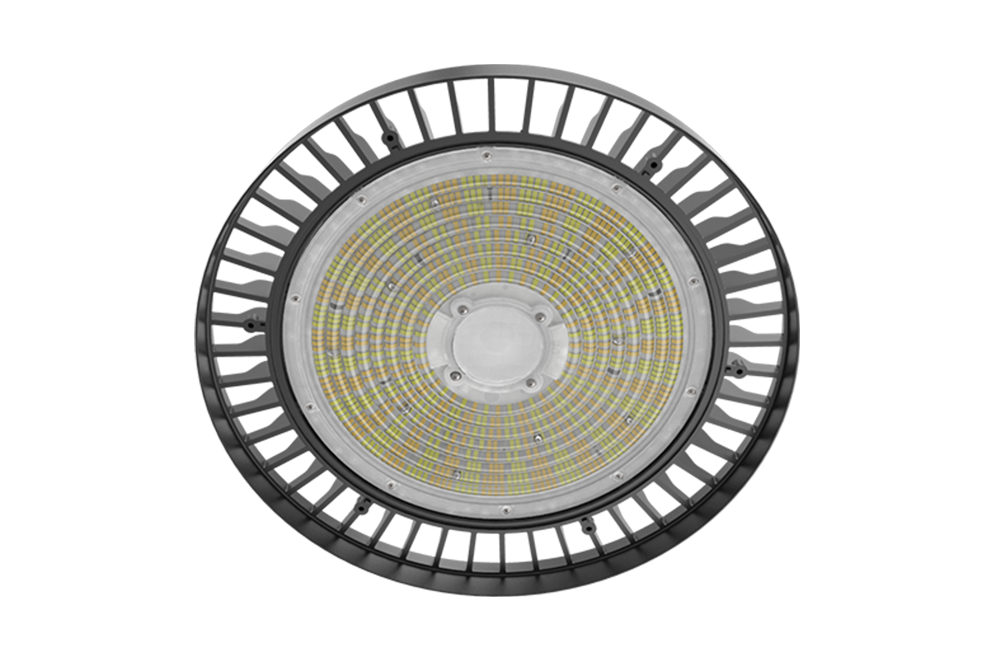
A 40-foot warehouse using a 300W narrow-beam UFO high bay may require a different mounting position compared with a 200W wide-beam fixture.
Lighting manufacturers usually provide photometric files because mounting height affects the actual illumination reaching the working surface.
What Happens If High Bay Lights Are Installed Too High?
Installing high bay lights higher than recommended does not simply reduce performance slightly.
Light intensity decreases rapidly as distance increases.
This follows the inverse square law:
If distance doubles, illumination can drop to approximately one-quarter.
For example:
A fixture performing well at 20 feet may not provide the same floor illumination at 40 feet.
Possible problems:
Lower foot-candle levels
Dark aisles
Poor product visibility
Increased fixture wattage requirements
In large warehouses, some companies try to solve this by adding more powerful fixtures.
Sometimes the better solution is choosing:
Correct beam angle
Better optical distribution
Proper fixture positioning
What Happens If High Bay Lights Are Installed Too Low?
Lower mounting heights are not always better.
Installing fixtures too low can create:
Excessive Glare
Workers may look directly into bright LED sources.
This can cause:
Eye discomfort
Reduced visual comfort
Workplace distractions
Uneven Brightness
Fixtures mounted too close together may create:
Bright spots
Hard shadows
Poor uniformity
Maintenance Problems
Lower fixtures may interfere with:
Cranes
Forklift operations
Equipment movement
The correct height creates a balance between light output and visual comfort.
High Bay Light Height Recommendations by Industry
Different industries use different mounting heights.
Industry
Typical Height
Lighting Consideration
Automotive workshop
15–25 ft
Detailed work visibility
Food processing facility
20–35 ft
Cleanable fixtures, uniform lighting
Distribution warehouse
25–45 ft
Rack visibility and aisle coverage
Manufacturing plant
20–40 ft
Machine operation lighting
Aircraft hangar
40+ ft
High output and glare control
For example:
A warehouse storing small products may require stronger vertical illumination.
A warehouse storing bulk materials may focus more on floor visibility.
The activity below the fixture determines the height decision.
How High Bay Light Wattage Changes Required Height
Higher mounting heights usually require higher lumen output.
Typical examples:
Mounting Height
Common LED High Bay Output
15–20 feet
100W–150W
20–30 feet
150W–200W
30–40 feet
200W–300W
40+ feet
300W+
These are general references.
Actual selection depends on:
Required lux level
Beam angle
Ceiling reflection
Working conditions
SEEKINGLED projects often start with the application first, then match:
Height
Optics
Lumens
Fixture quantity
Not the other way around.
FAQ About How High Do High Bay Lights Need to Be?
How high do high bay lights need to be?
High bay lights are generally installed between 15 and 50 feet above the floor. The ideal height depends on ceiling height, fixture output, beam angle, and the lighting requirements of the space.
Are 20-foot ceilings suitable for high bay lights?
Yes.
20-foot ceilings are commonly used for high bay applications, especially warehouses, workshops, and manufacturing areas.
Can high bay lights be installed on a 15-foot ceiling?
Yes, but fixture selection is important.
Lower ceilings may require:
Lower wattage fixtures
Wider beam angles
Lower mounting positions
What is the maximum height for LED high bay lights?
Some industrial LED high bay fixtures can operate at 50 feet or higher.
However, very high installations usually require:
Higher lumen output
Narrow beam optics
Professional lighting calculations
How does mounting height affect high bay light spacing?
Higher mounting heights usually allow wider spacing, but require careful beam control.
Incorrect spacing can create dark areas or uneven illumination.
Should high bay lights hang from the ceiling or mount directly?
Both options are possible.
Suspended mounting allows adjustment of height.
Direct mounting may be suitable where ceiling structure and clearance requirements allow it.
Conclusion
How high do high bay lights need to be? Most high bay lights are installed between 15 and 50 feet high, but the correct mounting height depends on ceiling structure, fixture design, beam angle, and the work performed below.
After years working with industrial LED lighting solutions at SEEKINGLED, one thing remains consistent:
The highest installation point is not always the best installation point.
A good lighting design considers how people actually use the space.
The right mounting height delivers:
Better visibility
Improved safety
Lower energy consumption
More consistent illumination
High bay lighting is not simply about putting powerful fixtures on a high ceiling.
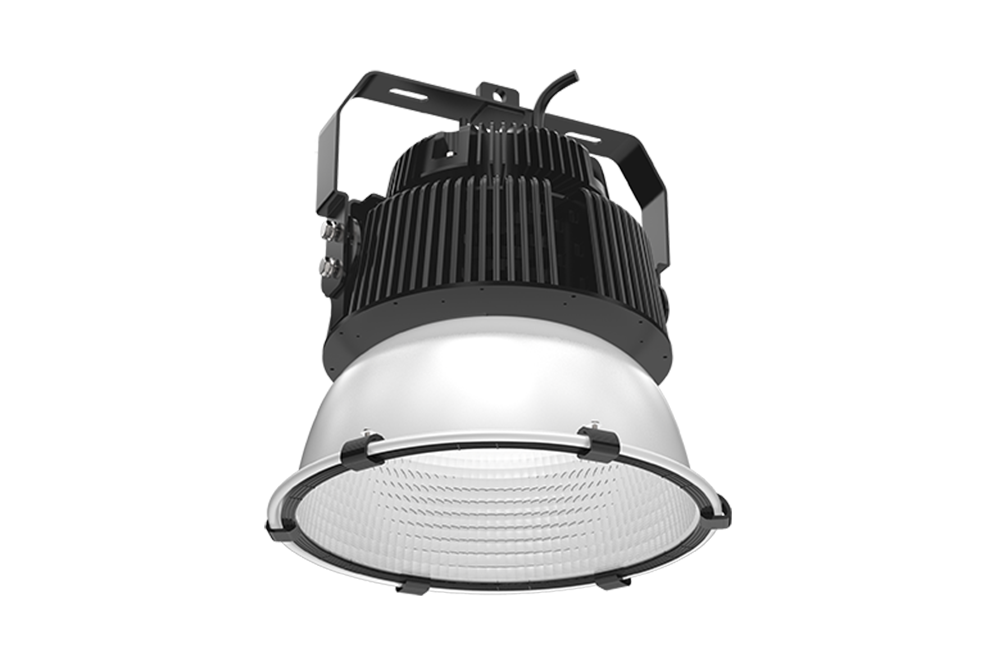
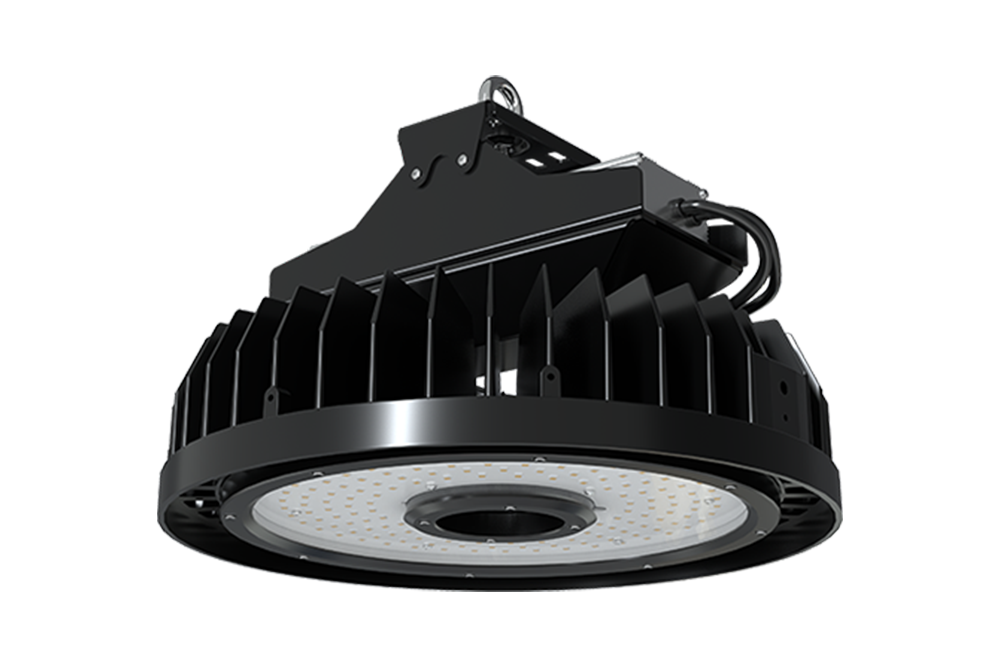
The SEEKING HBC-T Series high bay lights LED offer long-lasting performance for warehouses, production plants and logistics centers. Durable IP65 & IK08 housing, 60°/90° beam angles, up to 150 lm/W, and a lifespan beyond 100,000 hours. Ideal for airport halls, commercial storage, construction sites and large indoor spaces.
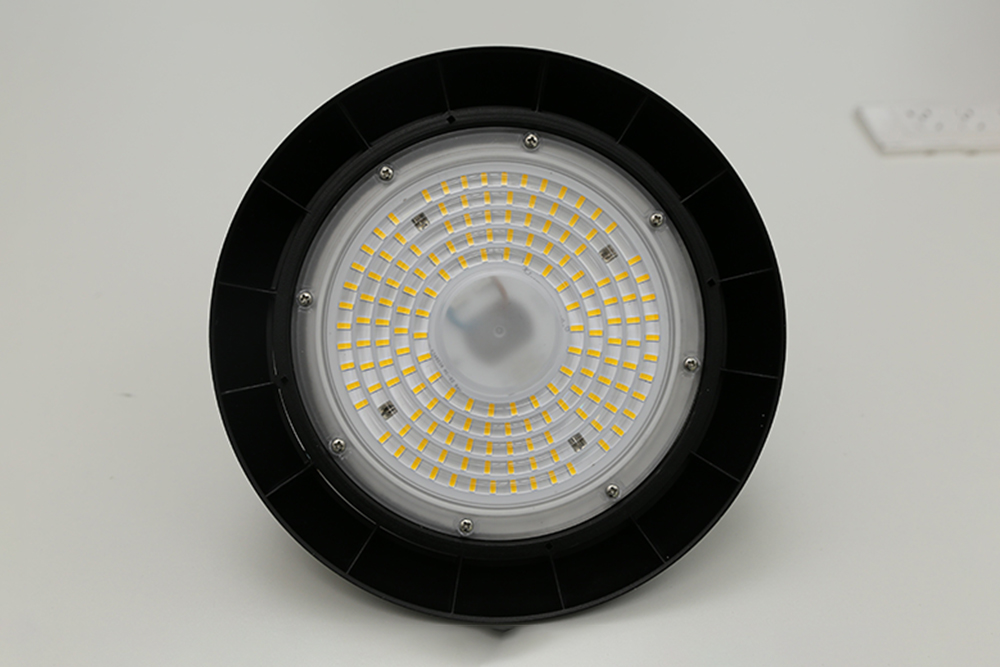
The SEEKING HBS Series LED UFO high bay light delivers 140 lm/W efficiency, IP65 protection and MEAN WELL drivers. A durable high-rise lighting solution for factories, warehouses and commercial halls.
SEEKING HBD Series LED high bay lighting delivers 160 lm/W efficiency, IP66 protection, and long 100,000-hour lifespan. A durable UFO high bay solution for warehouses, workshops, logistics centers and commercial facilities.
The SEEKING HBC Series high bay LED light fixtures combine strong efficiency, practical design and reliable SOSEN drivers. A durable UFO high bay lighting option for warehouses, workshops and wholesale projects.
The SEEKING GSL Series high bay LED light delivers powerful, efficient lighting for industrial and commercial spaces. With IP65 protection, flexible mounting, and up to 140 lm/W performance, it’s ideal for warehouses, workshops, and retail areas.
The SEEKING HB15(GLE) Series delivers advanced high bay led lighting with UGR 100,000 h) and reliable illumination for demanding commercial environments.
Discover the SEEKING HB13(GLK) Series ufo led high bay light, engineered for sports halls, airport lounges, showrooms, and large commercial spaces. UGR 100,000 h). Ideal for industrial ufo high bay lighting fixtures and commercial retrofits.
SEEKING HBF Series offers industrial LED high bay lighting with up to 200lm/W efficiency, SOSEN flicker-free driver, IP65 protection and optional microwave motion sensor. Ideal for warehouses, factories and commercial distribution projects.
The HLD Series linear high bay LED lights from SEEKING deliver up to 200 lm/W with multiple beam angles and adjustable CCT options for warehouse, workshop, corridor and general industrial lighting.
The HBK Series LED high bay light by SEEKING combines 500W power, 160–175 lm/W efficiency and IP65 durability for heavy-duty industrial lighting. Designed for warehouse, factory and production facilities with demanding ceiling heights.
LED high bay lights engineered for extreme heat and low-temperature industrial sites. SEEKING HBK Ultua Series operates from -40°C to +70°C with Nichia LEDs and Inventronics driver.
High bay LED lights built for warehouses, production plants and wholesale distribution. SEEKING HBI Series offers up to 200lm/W, IP65, IK08 and optional microwave motion sensor for energy saving operation.
SEEKING showcased advanced LED lighting solutions at the 2024 Hong Kong International Lighting Fair and Outdoor and Tech Light Expo, including new HLS linear trunking and HLD linear high bay, covering garden lights, flood lights, high bay, street ...
how far apart are street lights? Learn standard spacing ranges, design factors, and expert insights for efficient road lighting and uniform illumination.
When is explosion proof lighting required? Learn where hazardous atmospheres exist, what regulations say, and how to choose compliant explosion proof lights.
In explosion proof lighting fixture production, many customers customize special lengths of input cables, while the driver comes with a standard cable length of 30CM. Special customization usually requires a minimum order quantity of ...
 Seeking LED