 Seeking LED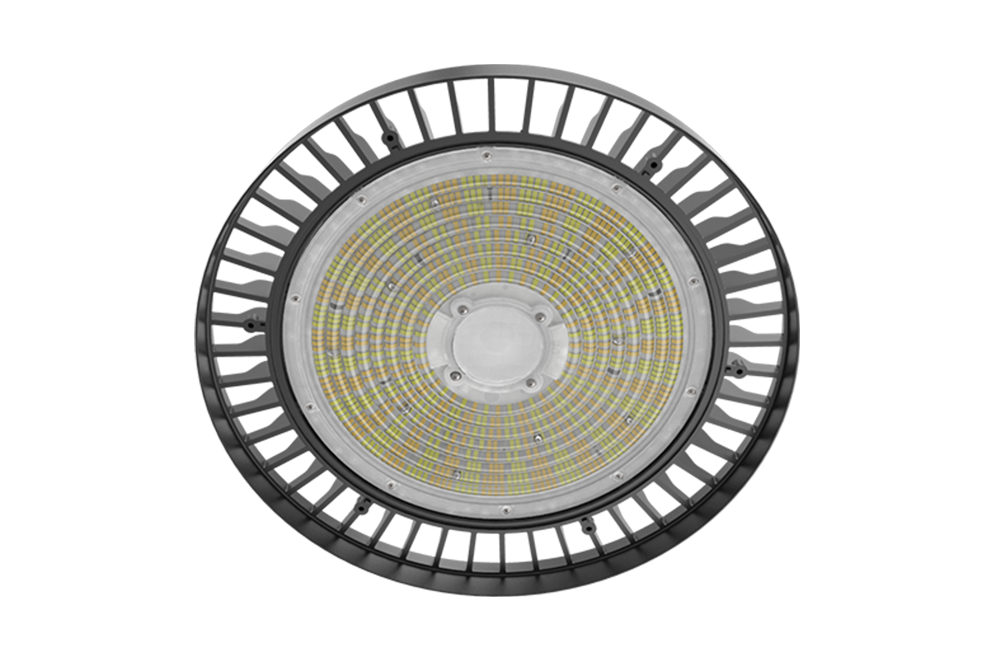
how to wire flood lights?
0Wire flood lights by isolating the breaker, verifying L/N/E conductors, securing connections in a junction box, and protecting outdoor connections from moist...
View detailsSearch the whole station
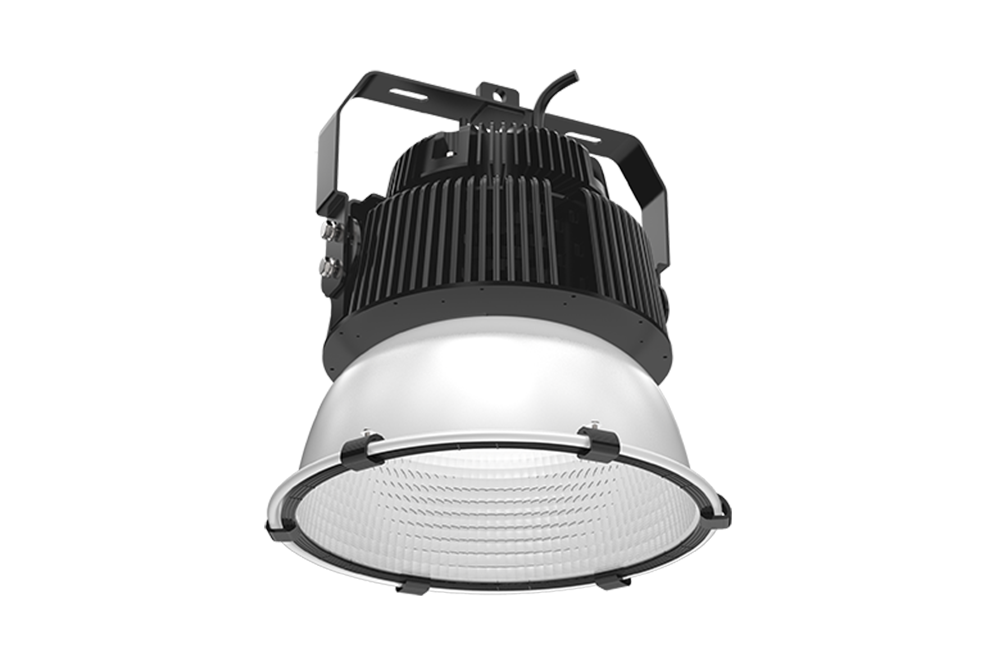
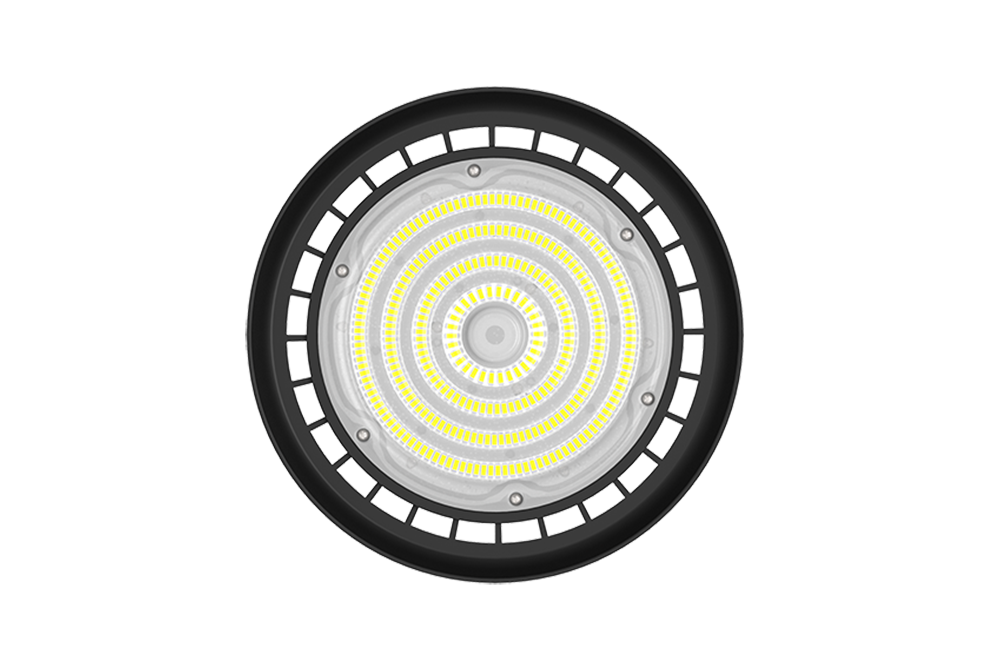
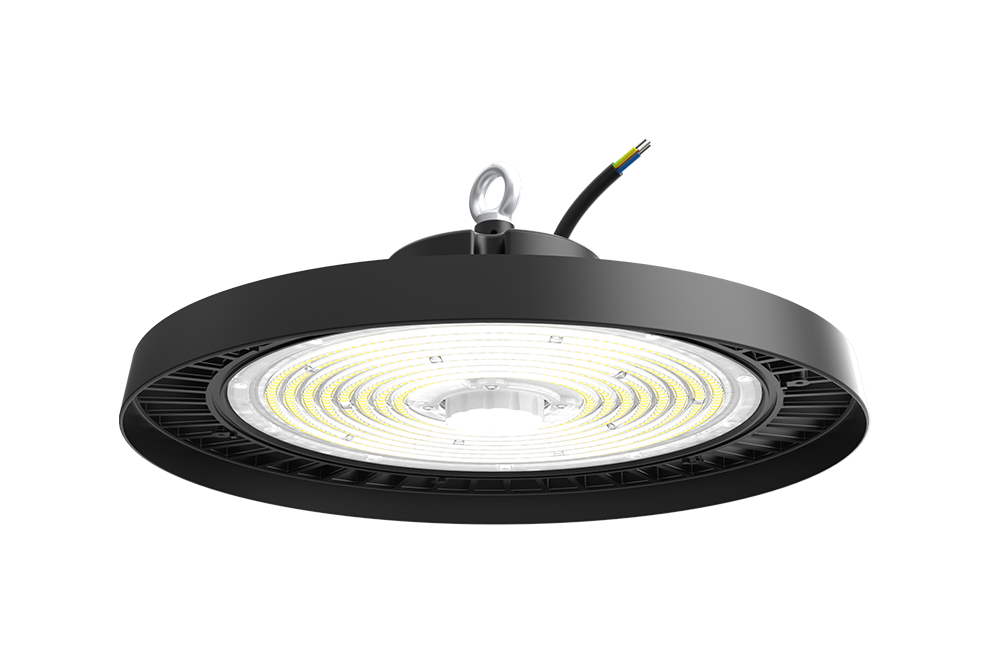
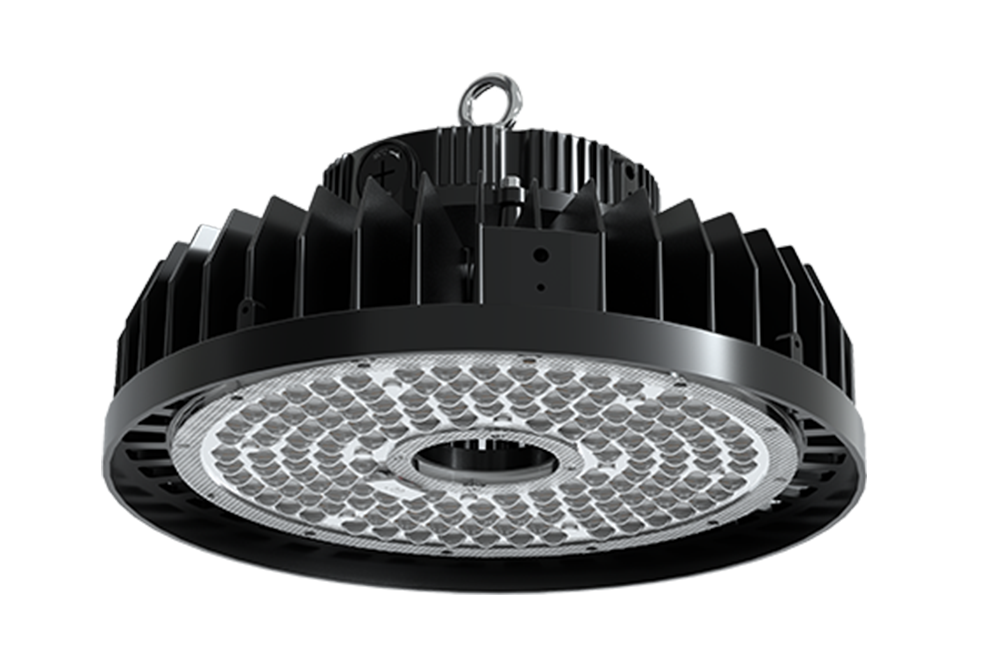
If you are looking at a 200w led high bay light, the space you’re dealing with is already serious. High ceilings, wide spans, forklifts moving fast, and very little tolerance for dark zones.
These are the questions that come up repeatedly—usually after someone realizes that 150W is no longer enough.
A 200w led high bay light is typically used in spaces with mounting heights above 10–12 meters (33–40 ft).
Below that range, it’s often the wrong tool. I’ve seen 200W installed at 8 meters “just to be safe.” The result wasn’t safer—just brighter directly under the fixture and harsher everywhere else.
Once ceilings go beyond 12 meters, though, 150W starts losing reach. That’s where 200W earns its place.
In practical terms, most quality 200W high bays produce 28,000–32,000 lumens, depending on system efficiency.
At SEEKINGLED, we don’t chase theoretical numbers. What matters is usable light on the floor—especially in racking aisles where shadows slow work and increase error rates.
When operators stop squinting and scanners read cleanly, the output is doing its job.
Only when it’s misapplied.
Power doesn’t cause glare. Optics and mounting height do. A 200W fixture with a proper 60° or 90° beam, installed at the right height, often looks smoother than an underpowered unit struggling to reach the floor.
What doesn’t work is using 200W to fix poor spacing. That mistake shows up fast—bright circles, dark gaps, and complaints from the floor.
This comes up in retrofits.
In older warehouses with fixed steel structures, adding fixtures isn’t always possible. In those cases, switching to a 200w led high bay light can restore uniformity without reworking the layout.
We’ve handled upgrades where replacing 400W metal halide with 200W LED not only cut energy use by over 50%, but also improved visibility because the light was directional instead of scattered.
From experience, 200W performs best in:
These spaces don’t just need brightness—they need consistency across large vertical volumes.
Three checks matter more than brand names:
At SEEKINGLED, we often reject projects where 200W is being used to compensate for poor planning. It’s a strong tool, not a patch.
Under proper thermal conditions, most industrial-grade fixtures target L80 at 100,000 hours. That’s roughly 10–12 years of continuous operation.
In reality, lifespan depends more on heat and driver quality than wattage. A well-designed 200W fixture often outlasts a cheaper 150W running hot.
A 200w led high bay light is not about excess power. It’s about scale.
When ceilings rise and spacing stretches, this wattage stops being optional and starts being logical.
Used correctly—as SEEKINGLED applies it—it simplifies lighting layouts instead of complicating them.
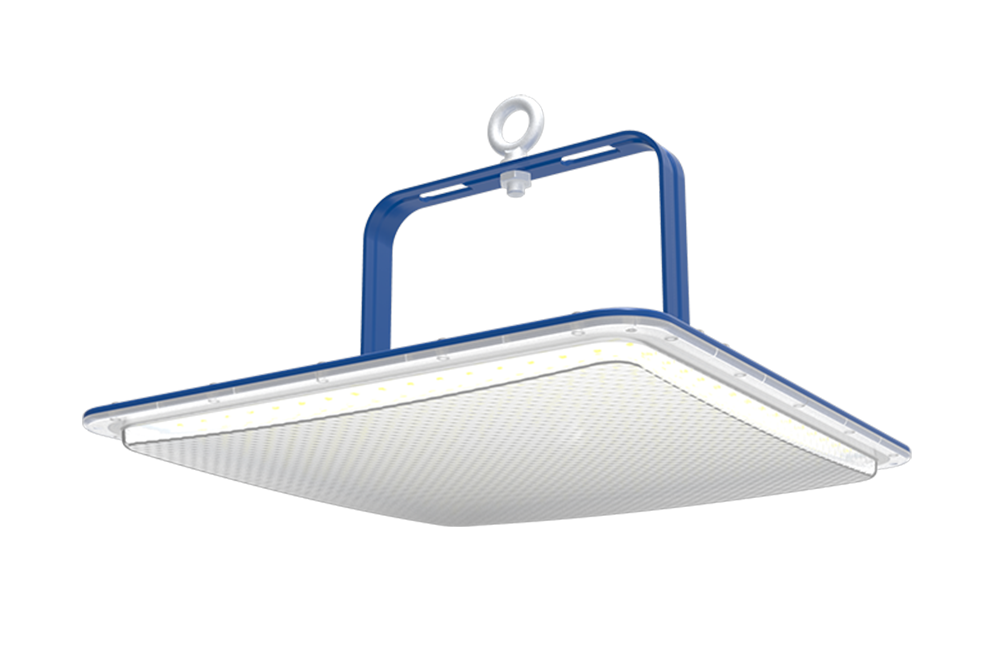
The SEEKING HBC-T Series high bay lights LED offer long-lasting performance for warehouses, production plants and logistics centers. Durable IP65 & IK08 housing, 60°/90° beam angles, up to 150 lm/W, and a lifespan beyond 100,000 hours. Ideal for a…
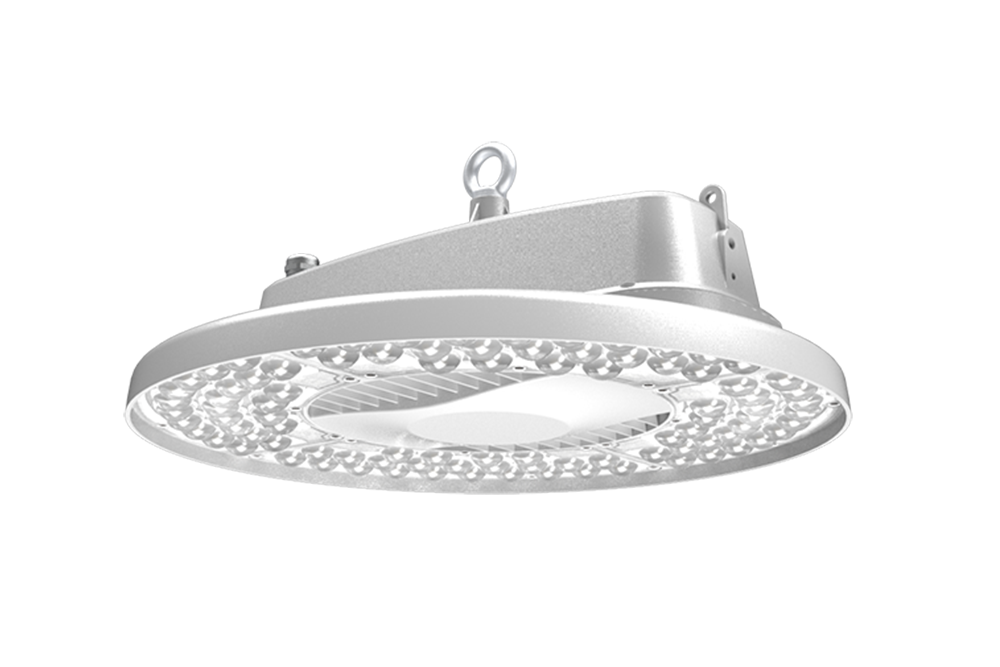
The SEEKING HBS Series LED UFO high bay light delivers 140 lm/W efficiency, IP65 protection and MEAN WELL drivers. A durable high-rise lighting solution for factories, warehouses and commercial halls.
SEEKING HBD Series LED high bay lighting delivers 160 lm/W efficiency, IP66 protection, and long 100,000-hour lifespan. A durable UFO high bay solution for warehouses, workshops, logistics centers and commercial facilities.
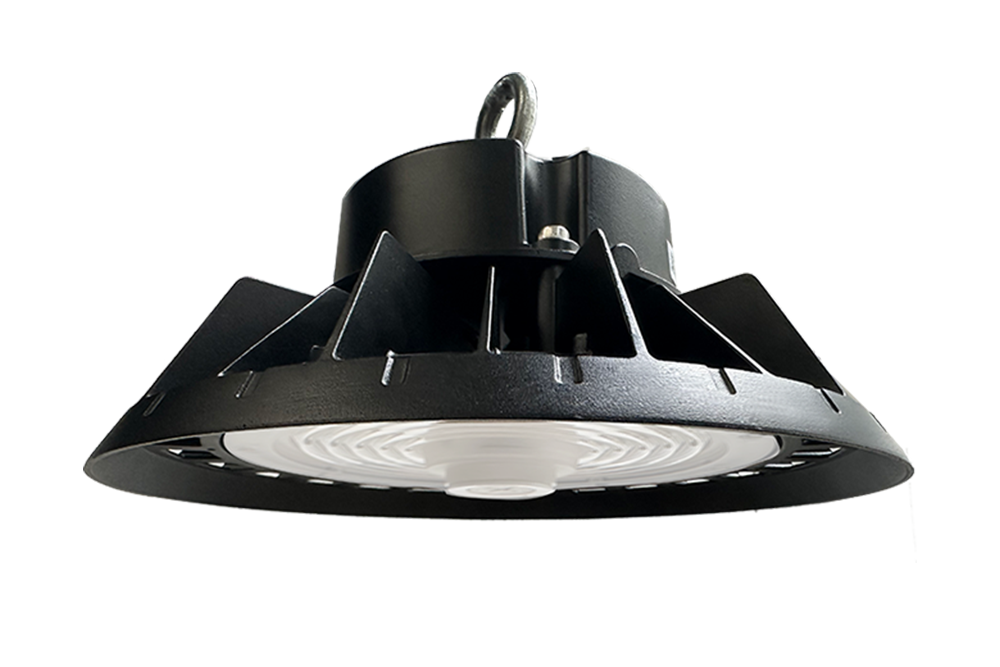
The SEEKING HBC Series high bay LED light fixtures combine strong efficiency, practical design and reliable SOSEN drivers. A durable UFO high bay lighting option for warehouses, workshops and wholesale projects.
The SEEKING GSL Series high bay LED light delivers powerful, efficient lighting for industrial and commercial spaces. With IP65 protection, flexible mounting, and up to 140 lm/W performance, it’s ideal for warehouses, workshops, and retail areas.
The SEEKING HB15(GLE) Series delivers advanced high bay led lighting with UGR 100,000 h) and reliable illumination for demanding commercial environments.
Discover the SEEKING HB13(GLK) Series ufo led high bay light, engineered for sports halls, airport lounges, showrooms, and large commercial spaces. UGR 100,000 h). Ideal for industrial ufo high bay lighting fixtures and commercial retrofits.
SEEKING HBF Series offers industrial LED high bay lighting with up to 200lm/W efficiency, SOSEN flicker-free driver, IP65 protection and optional microwave motion sensor. Ideal for warehouses, factories and commercial distribution projects.
The HLD Series linear high bay LED lights from SEEKING deliver up to 200 lm/W with multiple beam angles and adjustable CCT options for warehouse, workshop, corridor and general industrial lighting.
The HBK Series LED high bay light by SEEKING combines 500W power, 160–175 lm/W efficiency and IP65 durability for heavy-duty industrial lighting. Designed for warehouse, factory and production facilities with demanding ceiling heights.
LED high bay lights engineered for extreme heat and low-temperature industrial sites. SEEKING HBK Ultua Series operates from -40°C to +70°C with Nichia LEDs and Inventronics driver.
High bay LED lights built for warehouses, production plants and wholesale distribution. SEEKING HBI Series offers up to 200lm/W, IP65, IK08 and optional microwave motion sensor for energy saving operation.
loading…
This is the last post!
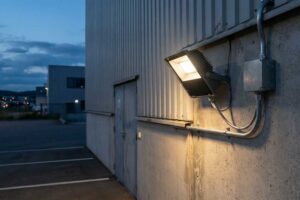
Wire flood lights by isolating the breaker, verifying L/N/E conductors, securing connections in a junction box, and protecting outdoor connections from moist...
View details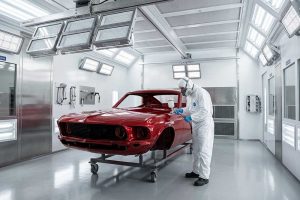
Paint booth light fixtures ensure safe, shadow-free illumination in hazardous spray areas. Learn standards, materials, and real-world selection tips.
View details
LED Flood Lighting for Car Dealership Entrance was implemented at a BMW 4S store using XJ-FL flood lights. This project record documents entrance lighting requirements and fixture selection for visibility and frontage clarity.
View details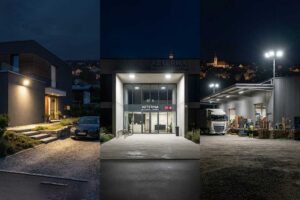
How many lumens for outdoor flood light? Learn the ideal LED lumen levels for gardens, driveways, security areas, and commercial spaces with expert tips.
View details